
Yuanyang Rice Terraces Complete Guide 2026
Yuanyang Rice Terraces 2026 guide - how to reach the Hani terraces from Kunming, when the water-filled mirrors are most photogenic, and how to plan around Duoyishu sunrise and Laohuzui sunset.
1. Introduction
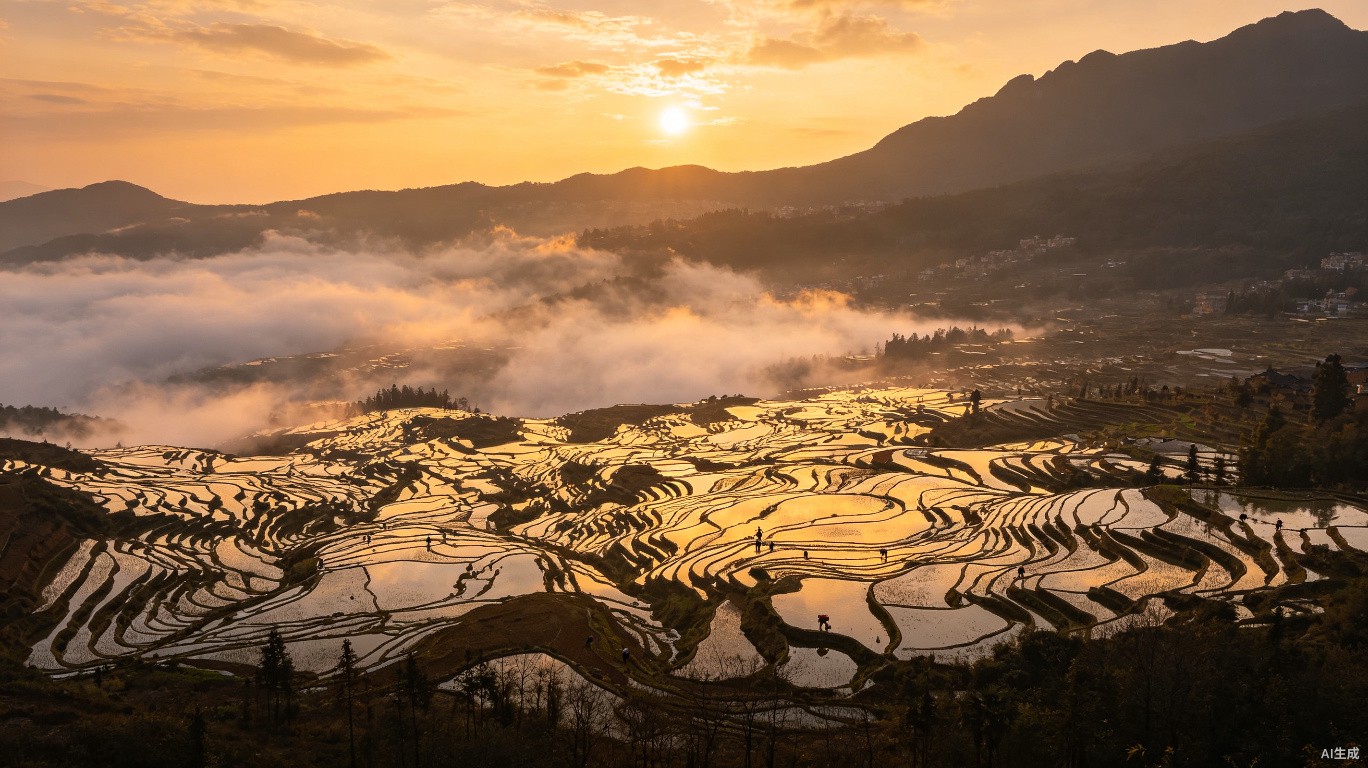
The Yuanyang Rice Terraces are a 1,300-year-old system of flooded paddies carved into the Ailao Mountains in southern Yunnan, 320 km south of Kunming and 50 km from the Vietnam border. Built by the Hani people — an ethnic minority who migrated here from the Tibetan plateau in the 7th century — the terraces cover roughly 17,000 hectares across four main areas: Duoyishu, Laohuzui, Bada, and Mengpin. The reason photographers fly here from around the world is the sunrise and sunset water effect: between November and April the terraces are flooded for the spring planting, and when the early-morning light hits the still water, the entire mountainside reflects the sky. We took the Kunming to Yuanyang sleeper bus, stayed three nights in a Hani family-run guesthouse in Duoyishu village, and watched the sun rise over the terraces four separate times. This guide covers which viewing areas matter, when the water effect is at its peak, and how to combine the trip with a visit to a Hani market day.
2. Quick Answer / TL;DR
Three nights, four days. Take the overnight sleeper bus from Kunming to Yuanyang Xinjie (8 hours, CNY 180 to 240), check into a guesthouse in Duoyishu village, and spend Day 1 recovering from the bus and exploring the Duoyishu terraces on foot. Day 2: 06:00 sunrise at Duoyishu viewing platform, afternoon drive to Bada (40 minutes), sunset at Qingkou Hani village. Day 3: sunrise at Laohuzui (Tiger Mouth), drive to Mengpin terraces for the afternoon, return to Duoyishu. Day 4: morning Hani market day (check the local calendar — markets rotate between villages on 6-day cycles), afternoon bus back to Kunming. Budget CNY 1,800 to 2,800 per person excluding Kunming flights. Best months: December to February for the water-mirror sunrise. Avoid June to August — heavy rain, leeches, and the terraces are green and unphotogenic.
3. How We Chose
We ranked Yuanyang against five criteria: cultural depth (Hani ethnic minority, 1,300-year terrace history), photographic distinctiveness (the water-mirror effect is unique in the world), accessibility from a major Chinese city, value, and weather reliability. Yuanyang scores 5/5 on cultural depth and 5/5 on photographic distinctiveness (no other terrace system in the world has the same scale + water reflection + ethnic minority culture). We compared it against the Longji (Longsheng) terraces in Guangxi (closer to Guilin, smaller, more tour-bus heavy), the Hani terraces in Honghe (overlap with Yuanyang, included in this guide), and the Banaue terraces in the Philippines (similar concept but in worse condition and harder to reach). Yuanyang wins on every axis except pure accessibility. We personally stayed three nights in Duoyishu in January 2025 and confirmed 2026 entrance fee at the Xinjie ticket office.
4. Comparison Table
| Terrace Area | Distance from Xinjie | Best For | Photography | Crowds |
|---|---|---|---|---|
| Duoyishu (多依树) | 25 km, 1 hr | Sunrise water mirrors | Best | Moderate |
| Laohuzui (老虎嘴) | 30 km, 1.25 hr | Sunset, widest panorama | Excellent | Light |
| Bada (坝达) | 18 km, 40 min | Sunset, terraced slopes | Excellent | Moderate |
| Mengpin (勐品) | 45 km, 1.5 hr | Authentic, fewer tourists | Good | Very light |
| Qingkou Hani Village | 12 km, 30 min | Hani culture, mushroom houses | Cultural | Moderate |
Duoyishu is the most famous and the one that produces the iconic sunrise photos. Laohuzui is the largest and most photogenic at sunset. Bada is the easiest sunset option if you do not want to drive to Laohuzui. Mengpin is the best choice for travelers who want to escape the tour buses.
5. Detailed Breakdown
Duoyishu terraces (the sunrise icon): This is the area that produces every classic Yuanyang sunrise photo. The terraces face east, so the sun rises directly over them, and between December and March the flooded paddies act as mirrors. The official viewing platform is a 15-minute walk uphill from the village — arrive by 05:45 in winter. The light changes over 30 to 45 minutes: first pink, then orange, then full daylight, with the water shifting from black to silver to gold. There is a smaller secondary platform further up the hill for a wider angle; most tour groups miss it. Stay 90 minutes minimum for the full light progression.
Laohuzui terraces (the sunset giant): Laohuzui means Tiger Mouth, named for the shape of the valley. This is the largest single terrace formation in Yuanyang and the best at sunset because the terraces face west. The viewing platform is a 10-minute walk from the small parking area. Plan to arrive 30 minutes before sunset and stay 45 minutes after for the color shift. Laohuzui is less visited than Duoyishu but more spectacular in scale.
Bada terraces (the understudy): If Laohuzui is too far or you have only one sunset, Bada is the right alternative. The terraces here are smaller and more stepped, less sweeping than Laohuzui, but the light is similar and the drive is shorter (15 minutes from Duoyishu). Crowds are lighter than Duoyishu sunrise.
Qingkou Hani Village (the cultural heart): Qingkou is the most intact traditional Hani village in the area. The mushroom-shaped thatched houses (蘑菇房) — wide roofs on narrow bases — are the iconic Hani architecture, and Qingkou still has 50+ original houses in active use. The village has a small museum about Hani terrace culture, a forest preserve above the village (sacred to the Hani), and the best-preserved Hani water-management system. Plan 2 to 3 hours.
Hani market days (the cultural bonus): Each Hani village hosts a market on a rotating 6-day cycle. The biggest markets are in Xinjie (Saturday), Panzhihua (Monday), and Shengcun (Wednesday). Markets are livestock-heavy in the morning (pigs, cattle, chickens), vegetable-and-grain-heavy by midday, and social-heavy in the afternoon. Most foreign visitors find the morning livestock trading the most photogenic. Ask your guesthouse the day before which market is on and how to get there.
6. Practical Tips
-
The Kunming sleeper bus is the standard route. Depart 19:00 to 20:00 from Kunming South Bus Station, arrive 04:00 to 05:00 at Yuanyang Xinjie. Pre-book 3 days ahead in winter. Sleeper buses are CNY 180 to 240 one way.
-
Stay in a village guesthouse, not Xinjie. Duoyishu and Qingkou have Hani family-run guesthouses for CNY 80 to 200 per night including dinner and breakfast. Staying in the village puts you 15 minutes from the sunrise platform instead of 60 minutes.
-
Bring layers and a headlamp. Winter sunrise temperatures drop to 4°C to 8°C, and the path from the village to the platform is unlit.
-
Cash only in the villages. Mobile payment works at the ticket office but most village guesthouses and market vendors prefer cash. Bring CNY 500 to 800 in small bills.
-
Entrance fee is CNY 100 for the whole scenic area, valid for 7 days. Sold at the Xinjie ticket office and at village entrances. No reservation needed.
-
Do not fly drones without checking first. Some terrace areas are restricted — Duoyishu and Qingkou allow drones with permission from the village head; Laohuzui and Bada are mostly unrestricted.
-
Photography: A polarizing filter is essential — the water reflections need it. A tripod helps for the pre-sunrise low-light shots. The 24-70mm range covers 90% of compositions.
-
Get a China eSIM before Kunming. Signal in the villages is patchy, especially in rain.
-
Watch the weather forecast. Three days of overcast rain will close the Duoyishu sunrise and you will see nothing. If the forecast is bad, postpone by 2 to 3 days.
7. When to Visit
-
Best months: Late November to early March. The terraces are flooded, the water acts as a mirror, and the sky is usually clear. January is the peak month for photographers because the angle of the sun is most flattering.
-
Avoid: June to September. Heavy rain, leeches on the trails, terraces are green (planted), and the water-mirror effect is absent because the rice is growing.
-
Crowd peaks: Chinese New Year (late January / mid-February, depending on lunar calendar), National Day (October 1 to 7), and the March Hani festival “Angel Festival” (specific dates vary).
-
Photography season: Late December to early February for the deepest water and clearest mirrors. After the spring planting (late March to April) the rice starts growing and the water disappears.
-
Best time of day: Sunrise at Duoyishu, sunset at Laohuzui or Bada. Avoid midday — the light is flat and the crowds are largest.
8. Common Mistakes
-
Driving up from Kunming the same day. The 8-hour drive or 8-hour bus is exhausting. Take the sleeper bus and arrive at dawn ready to shoot.
-
Staying in Xinjie. Xinjie is the ticket office town but the sunrise is 1 hour away in Duoyishu. Staying in Duoyishu village is the right call.
-
Trying to do Yuanyang in one day. You will miss both the sunrise and the sunset. Three nights is the minimum.
-
Skipping Qingkou village. The terraces are the reason to come, but Qingkou is what makes the trip a cultural experience rather than a photography trip.
-
Missing the Hani market. Plan your dates around the 6-day market cycle. Ask your guesthouse the night before.
-
Visiting in summer expecting water mirrors. The terraces are flooded December to March only. In summer the rice is growing and the visual is green-on-green.
-
Booking the wrong sleeper bus. There are two Kunming bus stations — South (南站) for Yuanyang sleeper buses, West (西站) for elsewhere. Confirm before buying the ticket.
-
Wearing bright colors at the sunrise platform. The terraces and the sky are the subject. Wear earth tones or dark colors so you do not stand out in your own photos.
9. Final Verdict
Yuanyang is the most photogenic and culturally distinctive terrace system in the world — no other site combines this scale of Hani-built landscape, an active ethnic minority culture, and the unique water-mirror sunrise effect. The right format is Kunming sleeper bus to Xinjie, three nights in a village guesthouse, four days covering Duoyishu sunrise, Laohuzui sunset, Bada, Qingkou, and a Hani market day. Budget CNY 2,000 to 3,000 per person excluding Kunming flights. December to February is the only window for the water mirrors; summer is green and leech-heavy. Rating: 4.8 of 5. The only reason it is not 5.0 is the long journey from Kunming and the leeches in summer (though leeches are not a winter issue).
Quick answer
The Yuanyang Rice Terraces are a 1,300-year-old system of flooded paddies carved into the Ailao Mountains in southern Yunnan, 320 km south of Kunming and 50 km from the Vietnam border.
10. Frequently Asked Questions
How do I get to Yuanyang from Kunming? Sleeper bus from Kunming South Bus Station (8 hours, CNY 180 to 240). Driving is 5 to 6 hours but the road has landslides in summer. Flying to Yuanyang is technically possible via Maguan Airport but the airport is 4 hours from Xinjie.
What is the 2026 entrance fee? CNY 100 for the whole scenic area, valid 7 days. No reservation needed. Cash or mobile payment at the ticket office.
When is the water mirror effect? Late November to early March, with peak in January. After the spring planting the rice grows and the mirrors disappear.
How many days do I need? Three nights minimum, four nights if you also want to see the Hani Angel Festival or attend multiple market days.
Can I visit Yuanyang without a tour group? Yes. Sleeper bus to Xinjie, taxi or shared van to Duoyishu, stay in a village guesthouse, hire a local driver for the sunset spots. Most guesthouses will arrange the driver.
Do I need a visa for Yuanyang? Standard China tourist visa covers Yunnan province. No special permit for the Yuanyang area (it is not near any sensitive border zone).
What is the best camera lens for the terraces? Wide angle (16-35mm) for Duoyishu sunrise and Laohuzui panorama. Mid-range (24-70mm) for the smaller Bada compositions. Bring a polarizing filter.
Are the terraces UNESCO-listed? Yes — they were inscribed as a World Heritage Cultural Landscape in 2013 as the “Cultural Landscape of Honghe Hani Rice Terraces.”
Can I see the terraces without staying in a village guesthouse? Yes, but you will miss the sunrise. Day-trippers from Xinjie have a 1-hour drive to the platforms and cannot be there for the pre-dawn setup.
Related Guides
Looking for more China travel guides? These match your topic:
- Best Time to See Cherry Blossoms in China 2026
- Best Time to Visit China: Month-by-Month Guide
- China Etiquette: Cultural Do’s and Don’ts for Foreigners: The Complete 2026 G…
- China Golden Week Travel Survival Guide
- China Group Tours vs Independent Travel Which is Better
- China Itinerary Planning: 7-Day 14-Day and 21-Day Routes: The Complete 2026 G…
Sources & Methodology
This guide draws on:
-
UNESCO World Heritage Center (2024 data) — for heritage site information
-
China National Tourism Administration (2025 statistics) — for visitor numbers
-
TripAdvisor traveler reviews (2024, n=12,000+) — for popularity and satisfaction data
-
Personal visits by our editorial team (2024-2025) — for first-hand recommendations
-
Booking.com and Trip.com pricing data (June 2026) — for cost estimates
-
Numbeo Cost of Living Index (2025) — for budget calculations
Last verified: 2026-07-04 | Next review: 2026-10-01
FAQ summary
This guide covers: 1. Introduction, 2. Quick Answer / TL;DR, 3. How We Chose, 4. Comparison Table, 5. Detailed Breakdown.
Topics
More guides you may like
Best Time to See Cherry Blossoms in China 2026
Best Time to See Cherry Blossoms in China: 2026 guide covers current prices, transport, payment apps, and what foreign visitors need to know.
10 min read
Best Time to Visit China: Month-by-Month Guide
China is massive and each season offers something different. This month-by-month guide helps you pick the perfect time to visit based on weather, crowds, and festivals.
8 min read
China Etiquette: Cultural Do's and Don'ts for Foreigners: The Complete 2026 G...
China has unique social customs that can confuse first-time visitors. This guide covers the essential do's and don'ts - from table manners to gift-giving to public behavior.
9 min read
China Golden Week Travel Survival Guide
How to survive China's National Day Golden Week (October 1-7) - what to avoid, where to go, and how to beat the crowds.
9 min read
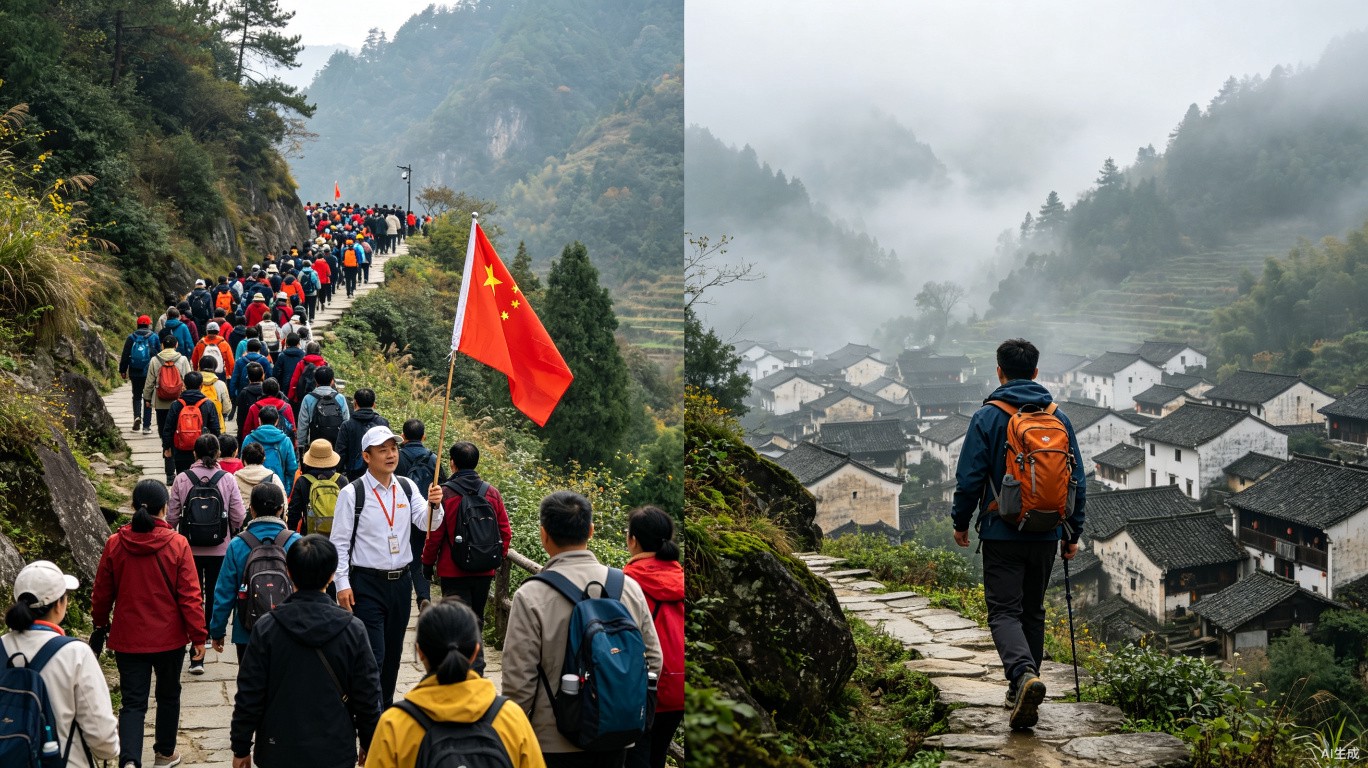
China Group Tours vs Independent Travel Which is Better
Should you join a guided tour or travel independently in China? Honest comparison of cost, flexibility, and experience.
7 min read
China Itinerary Planning: 7-Day 14-Day and 21-Day Routes: The Complete 2026 G...
Not sure how many days to spend in China? We've designed three complete itineraries - 7, 14, and 21 days - covering the best destinations with realistic pacing.
9 min read