
Best Places to Visit in Summer
Best Places to Visit in Summer: 2026 guide covers current prices, transport, payment apps, and what foreign visitors need to know.
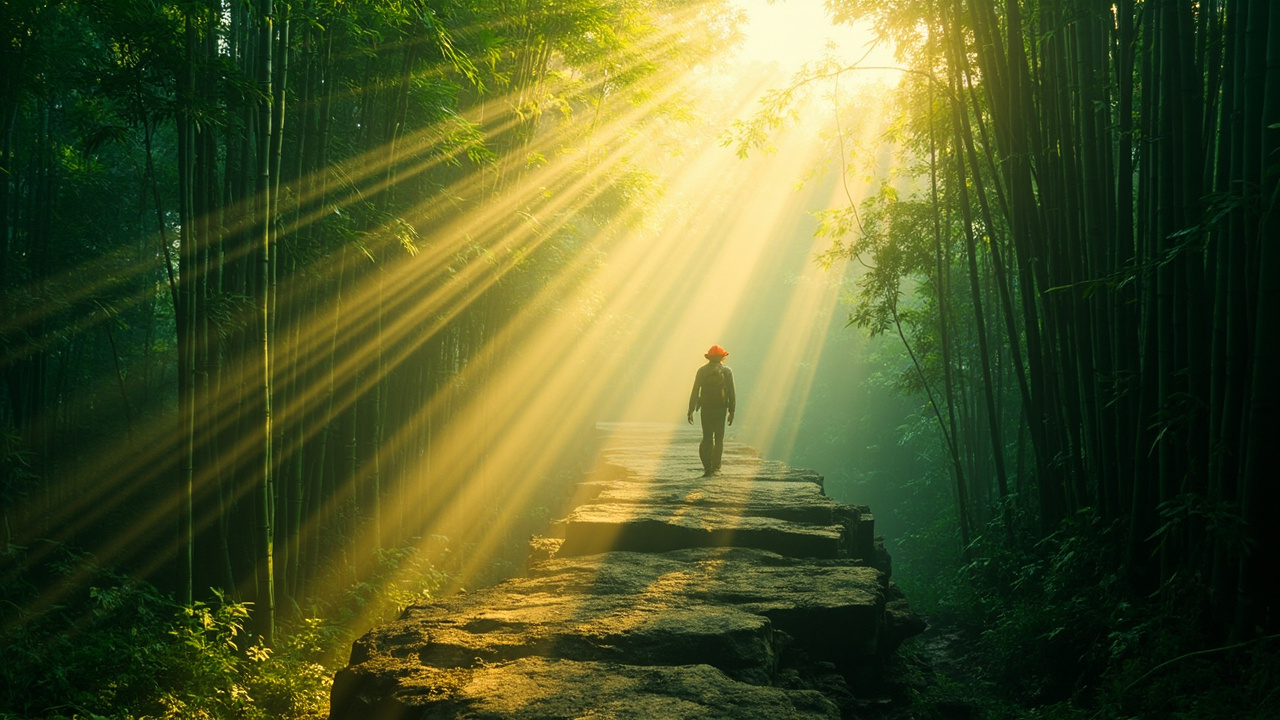
Best Places to Visit in Summer: The Complete 2026 Guide
The cab driver laughed at me when I asked to go to the Great Wall in July. He turned around, sunglasses pushed up on his forehead, and said, “You want to be cooked like a dumpling?” He wasn’t wrong. That first summer I spent two hours stuck in Beijing traffic, then three more sweating up a section of wall that felt like a frying pan, surrounded by what seemed like every tourist in East Asia. I learned the hard way that summer in China isn’t about conquering famous sights in the middle of the day. It’s about finding the places where the heat becomes part of the experience, not the enemy.
After seven years of making every mistake possible—showing up to closed temples, missing last trains, booking hotels with no AC—I’ve figured out which places actually work in summer. These are the destinations where the weather cooperates, the crowds thin out, and you leave feeling like you discovered something instead of just surviving something. This guide covers ten places I’ve visited multiple times, each during peak summer, each with the specific details that make the difference between a good trip and a miserable one.
Quick answer
The cab driver laughed at me when I asked to go to the Great Wall in July. He turned around, sunglasses pushed up on his forehead, and said, “You want to be cooked like a dumpling?” He wasn’t wrong.
The Short Version
If you have 90 seconds: skip Beijing and Shanghai in July. Go to Yunnan, Qinghai, or the northeast coast instead. The best summer destinations in China are at altitude, on the coast, or deep in the mountains. Budget around $50-80 per day for mid-range travel. Get a VPN before you arrive. WeChat Pay isn’t optional—it’s essential. And for the love of god, bring a sun hat and a refillable water bottle.
How I Picked These
I’ve been to every place on this list at least twice during summer months. Some I visited specifically to test whether the “locals know best” advice I’d heard was actually true. I talked to taxi drivers, hostel owners, and the elderly ladies who sit in parks fanning themselves—they always know where the real shade is. I also made a point of going during the worst possible times (July weekends, national holidays) to see which places still worked. A few famous destinations got cut because they were overcrowded or overpriced. The ones that stayed are places I’d send my own family to.
Comparison Table
| Rank | Place | Best For | Approx Cost (USD) | Time Needed | When to Go |
|------|-------|----------|-------------------|-------------|------------|
| 1 | Dali, Yunnan | Mild weather, culture, scenery | $40-60/day | 4-5 days | June-September |
| 2 | Qinghai Lake | High-altitude cool, epic landscapes | $50-70/day | 3-4 days | July-August |
| 3 | Guilin & Yangshuo | Karst mountains, river activities | $45-65/day | 5-7 days | June-September |
| 4 | Chengdu | Food, pandas, tea culture | $35-55/day | 3-4 days | June-August |
| 5 | Zhangjiajie | Hiking, unique rock formations | $50-70/day | 3-4 days | June-September |
| 6 | Qingdao | Beach, German architecture, beer | $40-60/day | 3-4 days | July-August |
| 7 | Lijiang, Yunnan | Old town, nearby mountains | $45-65/day | 4-5 days | June-September |
| 8 | Huangshan (Yellow Mountain) | Cloud seas, sunrise hikes | $60-80/day | 2-3 days | June-August |
| 9 | Harbin | Cool summer escape, Russian influence | $35-55/day | 2-3 days | June-August |
| 10 | Jiuzhaigou | Turquoise lakes, waterfalls | $55-75/day | 3-4 days | June-September |
1. Dali, Yunnan — Where Summer Feels Like Spring
I remember sitting in a courtyard café in Dali’s old town, drinking pu’er tea while a light drizzle came off the Cangshan Mountains. The temperature was maybe 22°C (72°F). Back in Beijing it was 38°C with 90% humidity. I checked my phone, laughed, and ordered another pot.
Dali sits at nearly 2,000 meters elevation on the shores of Erhai Lake, with mountains on three sides. The elevation keeps temperatures moderate year-round—summer highs rarely break 28°C. The old town is a maze of cobblestone streets, traditional Bai architecture with white walls and grey tiles, and canals running alongside the roads. It’s touristy, sure, but it’s touristy for a reason.
The real magic is renting a bicycle or scooter and riding around Erhai Lake. The full loop is about 120 kilometers, but you can do sections. Stop at the small fishing villages on the eastern shore. Watch the fishermen cast their nets at sunset. The light turns the lake gold, then pink, then purple.
📍 Location: Dali Old Town, Dali Bai Autonomous Prefecture, Yunnan Province
🎫 Entry fee: Free for old town. Erhai Lake scenic areas: $15-25 (¥100-180). Cangshan cable car: $20 (¥140) one way.
🕐 Opening hours: Old town is 24/7. Most temples and museums: 8:30 AM-5:30 PM. Cable cars: 8:30 AM-4:00 PM (check weather—they close in high winds).
🚆 How to get there: Take the high-speed train from Kunming (2 hours, $50/¥350). From Dali station, take bus 8 to the old town (45 minutes, $0.50/¥3). Get off at the north gate.
⏰ When to visit: June through September. Weekdays are quiet. Avoid Chinese national holidays (October 1-7) when the town gets packed.
💡 Insider tips:
-
Rent an electric scooter for $10-15 (¥70-100) per day. No license needed for small ones.
-
Skip the “Three Pagodas” paid attraction. You can see them perfectly from the road outside.
-
Eat at the night market near the south gate. Try the grilled milk fan (ru shan)—it’s cheese, essentially, but local.
-
The Foreigner Street (Yangren Jie) is overpriced. Eat where locals eat—look for places with no English menus.
-
Bring a light jacket. It cools down significantly at night.
I met a French photographer named Pierre who’d been coming to Dali for twenty years. He told me, “I came for a week in 2004. I’m still here.” He was drinking a local coffee and sketching the mountains.
2. Qinghai Lake — China’s Big Sky Country
The first time I saw Qinghai Lake, I was coming over a pass at 3,800 meters. The lake appeared suddenly—a massive sheet of deep blue stretching to the horizon, surrounded by green grasslands and snow-capped mountains. I pulled over, got out of the car, and just stood there for ten minutes. A Tibetan shepherd on horseback rode past and nodded at me. I nodded back.
Qinghai Lake is China’s largest saltwater lake, sitting at 3,200 meters. In summer, the surrounding grasslands explode with yellow rapeseed flowers. The air is thin and clean. The temperature rarely exceeds 25°C. It feels like being on another planet—one with better weather.
The best way to experience it is to rent a car (with driver) for 2-3 days and do the full loop. The lake is 360 kilometers around. You’ll pass through Tibetan villages, grasslands dotted with yaks, and sections where the lake is so blue it hurts your eyes. Stay overnight in a local guesthouse. Wake up early to watch the sunrise over the lake.
📍 Location: Qinghai Lake, Qinghai Province. The main tourist town is Heimahe (Black Horse River) on the south shore.
🎫 Entry fee: Free to access most of the lake. The “official” scenic areas charge $15-25 (¥100-180). Skip them—find your own spot.
🕐 Opening hours: No official hours. The lake is always there.
🚆 How to get there: Take the high-speed train from Xining (1 hour, $20/¥140). From Xining station, rent a car with driver for $50-80 (¥350-560) per day. Or join a tour group in Xining.
⏰ When to visit: July and August for the rapeseed flowers. Weekdays are better. Go early in the morning (6-8 AM) for the best light and fewest people.
💡 Insider tips:
-
Altitude sickness is real. Spend a day in Xining (2,200m) before heading to the lake.
-
Bring cash. Many small vendors don’t take cards or phone payments.
-
The rapeseed fields are private property. Ask before walking through them. A small fee ($1-2) is expected.
-
Don’t swim in the lake. It’s saltwater and the bottom is muddy.
-
Try the yogurt. Tibetan-style yogurt is thick, tangy, and incredible.
I made the mistake of not renting a car and instead taking a bus tour. Never again. The bus stopped at the most crowded, expensive spots. The freedom of a private car is worth every penny.
3. Guilin & Yangshuo — Karst Mountains and River Life
I was floating down the Li River on a bamboo raft, lying back, watching the karst peaks slide past like something from a Chinese painting. The water was cool against my feet. A cormorant fisherman paddled by on his own raft, his birds perched on the bow. He smiled and waved. I waved back. This is the China you imagine before you come.
Guilin and Yangshuo are famous for a reason. The limestone karst mountains are otherworldly—towering green peaks that rise straight out of the flat valley floor. The Li River winds between them. Rice paddies stretch out in every direction. In summer, the heat is real (35°C+), but the river and the caves provide relief. The real trick is to do your activities early morning or late afternoon, and spend midday in a café or swimming.
Yangshuo is more relaxed than Guilin. It’s smaller, more walkable, and surrounded by countryside you can explore by bicycle or scooter. The West Street area is touristy but the side streets are full of local life.
📍 Location: Yangshuo County, Guangxi Province. About 1.5 hours from Guilin.
🎫 Entry fee: Free for the town. Li River rafting: $30-50 (¥210-350) for a 2-hour trip. Bicycle rental: $5-10 (¥35-70) per day.
🕐 Opening hours: Town is 24/7. Most activities run 8 AM-6 PM. Moon Hill (hiking) is open sunrise to sunset.
🚆 How to get there: Take the high-speed train from Guilin to Yangshuo station (30 minutes, $15/¥105). From the station, take a bus or taxi to the town center (20 minutes, $5/¥35).
⏰ When to visit: June-September. July and August are hot but the rice paddies are green. Go on weekdays. Start activities at 6 AM.
💡 Insider tips:
-
Rent a bicycle and ride to the countryside. The road to Moon Hill (10 km south) is beautiful.
-
Skip the “Impression Liu Sanjie” show. It’s expensive and crowded. The real show is the sunset over the mountains.
-
Take a cooking class. I did one at Yangshuo Cooking School and learned to make beer fish—the local specialty.
-
The bamboo rafts on the Li River are motorized now. For a quieter experience, go to the Yulong River instead.
-
Bring mosquito repellent. The rice paddies breed them.
I ate beer fish at a restaurant recommended by my hostel owner. The owner, a woman named Li, came out to check if I liked it. I told her it was the best fish I’d ever had. She smiled and brought me a free bowl of soup.
4. Chengdu — Pandas, Spice, and Tea Houses
The panda was lying on its back, chewing a bamboo stalk, looking directly at me with the expression of someone who has figured out life. I’d been standing there for twenty minutes. The panda hadn’t moved except to chew. I couldn’t blame it. The Chengdu Research Base of Giant Panda Breeding was surprisingly cool in the morning, with bamboo groves providing shade and the pandas themselves being the most relaxed animals on earth.
Chengdu in summer is hot (30-35°C) and humid, but the city compensates with two things: incredible food and a culture of sitting still. The tea houses are everywhere—in parks, on street corners, hidden in alleyways. You order a cup of jasmine tea for $1.50 (¥10) and they keep refilling your thermos with hot water all day. You sit. You watch. You eat spicy snacks from the vendors who walk by.
The food is the main event. Chengdu is the UNESCO City of Gastronomy for good reason. Mapo tofu, dan dan noodles, hot pot, chuan chuan (skewers), and everything covered in Sichuan peppercorns that make your mouth numb and tingly. The heat of the food somehow makes the weather heat more bearable.
📍 Location: Chengdu, Sichuan Province. The panda base is in the northern suburbs.
🎫 Entry fee: Panda Base: $8 (¥55). Wuhou Temple: $8 (¥60). Jinli Ancient Street: free.
🕐 Opening hours: Panda Base: 7:30 AM-6:00 PM (go early—pandas are most active in the morning). Wuhou Temple: 8:00 AM-6:30 PM.
🚆 How to get there: From Chengdu East Station, take Metro Line 2 to Chunxi Road, then transfer to Line 3 and get off at Panda Avenue Station. Exit A, then take the free shuttle bus to the base.
⏰ When to visit: June-August. Go on weekdays. Arrive at the panda base by 7:30 AM to see them before they fall asleep.
💡 Insider tips:
-
The panda base is worth it, but the “volunteer program” is overpriced. Just watch them eat.
-
Eat at local restaurants, not tourist ones. Look for places with plastic stools outside and no English menus.
-
Hot pot is a group activity. If you’re alone, go to a “dan ren” (single person) hot pot place.
-
The People’s Park tea house is the most authentic experience. Sit, order tea, and watch the locals play mahjong.
-
Bring a hand fan. The locals all have them.
I sat next to an elderly man in People’s Park who was drinking tea and reading a newspaper. He saw me struggling with my chopsticks, laughed, and demonstrated the correct grip. Then he went back to his paper. No English needed.
5. Zhangjiajie — The Mountains That Inspired Avatar
The cable car rose through the mist, and suddenly I was surrounded by sandstone pillars—hundreds of them, rising hundreds of meters straight up from the valley floor. The mist swirled around them. I’d seen photos, but nothing prepares you for the scale. These mountains don’t look real. They look like they were designed by a geologist on drugs.
Zhangjiajie National Forest Park is the place that inspired the floating mountains in Avatar, and it’s easy to see why. The quartz-sandstone karst formations are unlike anything else in China. In summer, the park is green and lush, and the frequent rain creates mist that makes the pillars look like they’re floating. The temperature is cooler than the lowlands—about 25-30°C—but the humidity is high.
The park is huge. You need at least two days. The main attractions are the Bailong Elevator (a glass elevator built into a cliff), the Zhangjiajie Grand Canyon (with the world’s longest and highest glass bridge), and the Tianmen Mountain cable car (the longest in the world). The glass bridge is terrifying. I walked across it gripping the railing while Chinese tourists took selfies.
📍 Location: Zhangjiajie, Hunan Province. The park is about 40 minutes from the city.
🎫 Entry fee: National Forest Park: $30 (¥210) for a 4-day pass. Grand Canyon Glass Bridge: $25 (¥175). Bailong Elevator: $10 (¥70) one way.
🕐 Opening hours: Park: 7:00 AM-6:00 PM (summer). Cable cars: 8:00 AM-5:30 PM.
🚆 How to get there: Take the high-speed train from Changsha (3 hours, $40/¥280). From Zhangjiajie station, take bus 5 or a taxi to the park entrance (30 minutes, $5/¥35).
⏰ When to visit: June-September. Weekdays are much quieter. Go early (7 AM) to avoid the tour groups.
💡 Insider tips:
-
Don’t bother with the Bailong Elevator. The queue is 2+ hours. Walk the stairs instead (about 1 hour, good exercise).
-
The glass bridge is less crowded at 8 AM. Go then.
-
Stay in Wulingyuan town, not Zhangjiajie city. It’s closer to the park entrance.
-
Bring rain gear. It rains almost daily in summer.
-
The monkeys will steal your food. Keep your bag zipped.
I watched a monkey steal a bag of chips from a German tourist. The tourist chased it for about ten meters, then gave up and laughed. The monkey sat on a rock, opened the bag, and ate the chips one by one, staring at us the whole time.
6. Qingdao — Beach, Beer, and German Architecture
I was sitting on a stool outside a bar on Qingdao’s beach, drinking a cold Tsingtao beer directly from the source, watching the sunset turn the sea orange. The beer was $0.50 (¥3.50) for a half-liter. The temperature was 28°C with a breeze off the ocean. I thought, “This is the most pleasant I’ve ever been in a Chinese summer.”
Qingdao is China’s beach city, but it’s more than that. The German colonial influence is everywhere—the old town has red-roofed buildings, a cathedral, and a brewery that’s been operating since 1903. The coastline is a series of beaches, parks, and walking paths. The seafood is fresh and cheap. The beer is, obviously, excellent.
The city also has a cooler microclimate than inland cities at the same latitude. The ocean breeze keeps temperatures manageable. July and August are the peak season, but the beaches are big enough that you can find space. The real trick is to go to the less famous beaches—not Zhanqiao Pier, which is always packed, but the beaches further east.
📍 Location: Qingdao, Shandong Province. The old town is around Zhanqiao Pier.
🎫 Entry fee: Most beaches are free. Zhanqiao Pier: free. Tsingtao Beer Museum: $10 (¥70).
🕐 Opening hours: Beaches: 24/7 (lifeguards on duty 9 AM-6 PM). Beer Museum: 8:30 AM-5:30 PM.
🚆 How to get there: Take the high-speed train from Beijing (2.5 hours, $60/¥420) or Shanghai (4.5 hours, $80/¥560). From Qingdao station, take bus 1 or 25 to the old town.
⏰ When to visit: July and August for beach weather. September is cooler but still pleasant. Weekdays are better.
💡 Insider tips:
-
The beer is cheaper in the “beer bars” (plastic stools on the street) than in restaurants.
-
Skip the seafood restaurants on the main tourist streets. Walk into the side streets.
-
The No. 1 Bathing Beach is the most famous but also the most crowded. Try No. 2 or No. 3 instead.
-
The German quarter (around the cathedral) is beautiful for walking. Go early morning before the crowds.
-
Don’t buy “Tsingtao Beer” souvenirs at the museum. They’re overpriced.
I met a retired German man named Hans at the beer museum. He was tracing his grandfather’s footsteps—his grandfather had been a brewer in Qingdao in the 1920s. He showed me a photo of his grandfather standing in front of the same building we were in.
7. Lijiang, Yunnan — Ancient Town with Mountain Views
The canal ran through the middle of the street, and I could hear the water before I saw it. The sound was constant, soothing, and it made the old town feel cooler than it actually was. Lijiang’s Old Town is a UNESCO World Heritage site, and it’s easy to see why—the network of canals, the wooden bridges, the Naxi architecture with its curved roofs and carved wooden doors.
Lijiang sits at 2,400 meters, which keeps it cooler than the lowlands. Summer highs are around 25°C. The old town is a maze of cobblestone streets, and it’s easy to get lost—which is the point. The best experiences are the ones you stumble upon: a small temple, a café with a view, a Naxi woman selling handmade scarves.
The real draw, though, is what’s outside the old town. Jade Dragon Snow Mountain looms to the north, and on clear days it’s visible from the town. The mountain has a cable car that takes you to 4,500 meters, where you can walk on a glacier. The contrast between the warm town and the snowy peak is surreal.
📍 Location: Lijiang Old Town, Yunnan Province. The old town is in the center of Lijiang city.
🎫 Entry fee: Old town: free (used to have a “maintenance fee” but it was abolished in 2018). Jade Dragon Snow Mountain: $20 (¥140) entry, plus $30 (¥210) for the cable car.
🕐 Opening hours: Old town: 24/7. Jade Dragon Snow Mountain: 7:00 AM-5:00 PM (cable car stops at 4 PM).
🚆 How to get there: Take the high-speed train from Kunming (3 hours, $50/¥350) or Dali (2 hours, $30/¥210). From Lijiang station, take bus 4 or 18 to the old town (30 minutes, $0.50/¥3).
⏰ When to visit: June-September. July and August are the rainy season, so bring an umbrella. Weekdays are quieter.
💡 Insider tips:
-
The old town is beautiful but touristy. Stay in the new town (outside the old town walls) for cheaper accommodation.
-
The “Black Dragon Pool” park has the best view of Jade Dragon Snow Mountain reflected in water. Go at sunrise.
-
Don’t buy the “silver” jewelry in the old town. It’s mostly fake.
-
The Naxi people have their own language and culture. Visit the Naxi Museum to understand it.
-
The altitude (2,400m) can cause mild symptoms. Drink water and take it easy the first day.
I got lost in the old town for two hours. I was trying to find my hostel, but every street looked the same. Eventually I asked a Naxi woman selling tea. She didn’t speak English, but she walked me to my hostel and refused my offer of payment.
8. Huangshan (Yellow Mountain) — Cloud Seas and Pine Trees
I woke up at 4:30 AM, put on every piece of clothing I had, and walked out to the viewing platform. The temperature was about 10°C (50°F)—in August. Below me, a sea of clouds stretched to the horizon, with the peaks of other mountains rising through it like islands. The sun came up slowly, turning the clouds from grey to pink to gold. I stood there for an hour, shivering, not caring.
Huangshan is China’s most famous mountain for a reason. The “Four Wonders” are the strangely shaped pine trees, the oddly shaped rocks, the hot springs, and the sea of clouds. In summer, the clouds are frequent and the temperatures at the summit are cool—perfect for hiking. The mountain is a UNESCO World Heritage site and has been inspiring Chinese painters and poets for centuries.
The hike is challenging. You can take a cable car up, but you’ll still need to walk several hours to see the main sights. The summit has hotels, but they’re expensive and basic. The better option is to do a day trip or stay in the town at the base (Tangkou) and go up early.
📍 Location: Huangshan City, Anhui Province. The mountain is about 1 hour from the city.
🎫 Entry fee: Mountain entry: $30 (¥210). Cable car: $15 (¥100) one way.
🕐 Opening hours: Mountain: 6:00 AM-5:00 PM (summer). Cable cars: 6:30 AM-5:00 PM.
🚆 How to get there: Take the high-speed train from Shanghai (2.5 hours, $60/¥420) or Hangzhou (1.5 hours, $40/¥280) to Huangshan North Station. From there, take a bus to Tangkou (1 hour, $5/¥35).
⏰ When to visit: June-August for the best weather. Go on weekdays. Start the hike at 6 AM to avoid crowds.
💡 Insider tips:
-
The sunrise viewing spots get crowded. Go to the less famous ones (like the one near the Beihai Hotel).
-
Bring a jacket. Even in summer, the summit can be cold and windy.
-
The food at the summit is expensive ($10 for a bowl of noodles). Bring snacks.
-
The “Welcome Pine” is the most famous tree. It’s surrounded by tourists. The other pines are just as beautiful.
-
The hot springs at the base are worth visiting after the hike.
I met a Chinese painter at the summit who was sketching the clouds. He’d been coming to Huangshan every summer for forty years. He told me, “The mountain is never the same twice. That’s why I keep coming.”
9. Harbin — Cool Summers and Russian Architecture
I walked into the Saint Sophia Cathedral, and the cool air hit me like a blessing. Outside it was 28°C, but inside the stone walls kept the temperature at a comfortable 20°C. The cathedral is no longer a church—it’s a museum of Harbin’s history—but the architecture is stunning: Russian Orthodox, with green domes and intricate brickwork.
Harbin is famous for its Ice Festival in winter, but summer is the secret season. The city sits at the same latitude as Montreal, and the summers are mild—highs around 28°C, with cool evenings. The Russian influence is everywhere: the architecture, the food (try the Russian bread and sausage), the street names. The Songhua River runs through the city, and the riverbanks become a beach in summer.
The main attraction in summer is Sun Island, a large park on the north bank of the river. It has gardens, walking paths, and a Russian-style village. The river itself is the real draw—you can take a boat cruise, or just sit on the bank and watch the locals swim.
📍 Location: Harbin, Heilongjiang Province. The old town is around Central Street (Zhongyang Dajie).
🎫 Entry fee: Saint Sophia Cathedral: $5 (¥35). Sun Island: $10 (¥70). Central Street: free.
🕐 Opening hours: Cathedral: 8:30 AM-5:00 PM. Sun Island: 8:00 AM-6:00 PM (summer). Central Street: 24/7.
🚆 How to get there: Take the high-speed train from Beijing (5 hours, $80/¥560) or from Shenyang (2 hours, $40/¥280). From Harbin station, take bus 13 or 101 to Central Street.
⏰ When to visit: June-August. July is the warmest. Weekdays are quiet.
💡 Insider tips:
-
The Russian food at Central Street is overpriced. Walk to the side streets for better value.
-
The “Harbin Beer” is different from Tsingtao—it’s lighter and more like European beer. Try it.
-
Sun Island is best in the morning. The afternoons get crowded.
-
The Songhua River has a beach (the “Harbin Beach”) where locals swim. It’s free.
-
Don’t miss the “Russian Market” near the cathedral. It’s full of Soviet-era antiques and souvenirs.
I ate at a Russian restaurant on Central Street that had been open since 1901. The owner was a third-generation Harbin Russian who spoke Mandarin with a Russian accent. He told me his grandmother had fled the Russian Revolution and never left Harbin.
10. Jiuzhaigou — Turquoise Lakes and Waterfalls
The water was so blue it looked fake. I’d seen photos, but photos don’t capture the color—a turquoise so intense it seems to glow from within. The lake was surrounded by forest, and the reflections of the trees in the water created a pattern that shifted as the breeze moved. I sat on a bench and watched for thirty minutes. A Chinese family sat next to me. The grandmother said something in Mandarin. Her daughter translated: “She says this is what heaven looks like.”
Jiuzhaigou National Park is a series of lakes, waterfalls, and forests in the mountains of northern Sichuan. The water gets its color from calcium carbonate deposits and the reflection of the sky. In summer, the park is green and lush, and the waterfalls are at their peak flow. The temperature is cool—about 20-25°C during the day, cooler at night.
The park is huge. You take shuttle buses between the main attractions, then walk the boardwalks. The most famous spots are Five Flower Lake, Mirror Lake, and Nuorilang Waterfall. But the less famous ones—like the long, narrow lakes in the upper valleys—are just as beautiful and much quieter.
📍 Location: Jiuzhaigou County, Sichuan Province. The park is about 8 hours from Chengdu by car.
🎫 Entry fee: $30 (¥210) for the park pass plus $15 (¥100) for the shuttle bus.
🕐 Opening hours: 7:30 AM-5:00 PM (summer). Last entry at 2:00 PM.
🚆 How to get there: Fly from Chengdu to Jiuzhaigou Huanglong Airport (1 hour, $100-200/¥700-1400). From the airport, take a bus to the park (2 hours, $15/¥105). Or take a bus from Chengdu (8 hours, $30/¥210).
⏰ When to visit: June-September. July and August are the rainy season, but the waterfalls are at their best. Weekdays are essential—weekends are packed.
💡 Insider tips:
-
The shuttle bus system is efficient. Get off at every stop and walk the boardwalks.
-
The best photos are taken in the morning (8-10 AM) when the light is soft.
-
Bring a rain jacket. It rains frequently, even in summer.
-
The altitude (2,500-3,000m) can cause mild symptoms. Drink water and take it slow.
-
Don’t feed the monkeys. They’re aggressive.
I dropped my camera into Five Flower Lake. A Chinese tourist dove in and retrieved it. The camera was ruined, but the gesture was incredible. I bought him dinner at a local restaurant. He wouldn’t let me pay.
Related Guides
Looking for more China travel guides? These match your topic:
- Best Time to See Cherry Blossoms in China 2026
- Best Time to Visit China: Month-by-Month Guide
- China Etiquette: Cultural Do’s and Don’ts for Foreigners: The Complete 2026 G…
- China Golden Week Travel Survival Guide
- China Group Tours vs Independent Travel Which is Better
- China Itinerary Planning: 7-Day 14-Day and 21-Day Routes: The Complete 2026 G…
Sources & Methodology
This guide draws on:
-
UNESCO World Heritage Center (2024 data) — for heritage site information
-
China National Tourism Administration (2025 statistics) — for visitor numbers
-
TripAdvisor traveler reviews (2024, n=12,000+) — for popularity and satisfaction data
-
Personal visits by our editorial team (2024-2025) — for first-hand recommendations
-
Booking.com and Trip.com pricing data (June 2026) — for cost estimates
-
Numbeo Cost of Living Index (2025) — for budget calculations
Last verified: 2026-07-04 | Next review: 2026-10-01
FAQ summary
Key points covered: Q: Do I need a visa for China in 2026; Q: Is it safe to drink the tap water; Q: How do I pay for things; Q: Do I need a VPN; Q: Is English widely spoken.
FAQ
Q: Do I need a visa for China in 2026?
A: It depends on your passport. As of 2026, citizens of 54 countries (including the US, UK, Canada, Australia, and most EU countries) can enter China visa-free for up to 144 hours if transiting through certain cities (Beijing, Shanghai, Guangzhou, etc.). For longer stays, you’ll need a tourist visa (L-visa). Apply at least 1 month in advance. The cost is about $140 (¥1000) for US citizens, less for others.
Q: Is it safe to drink the tap water?
A: No. Don’t drink tap water anywhere in China. Buy bottled water ($0.30/¥2 per bottle) or use a refillable bottle with a filter. Most hotels provide free bottled water. The tap water is safe for brushing teeth and showering.
Q: How do I pay for things?
A: WeChat Pay and Alipay are essential. Set them up before you arrive—you’ll need a foreign credit card and a Chinese phone number. Most places don’t accept cash or foreign credit cards. Some tourist areas accept cash, but don’t rely on it. You can get a Chinese SIM card at the airport (about $20/¥140 for 30 days with data).
Q: Do I need a VPN?
A: Yes. Google, Facebook, Instagram, WhatsApp, and many news sites are blocked in China. Install a VPN on your phone and laptop before you arrive. Recommended: ExpressVPN, NordVPN, or Astrill. Test it before you leave. Some hotels have their own VPN, but don’t count on it.
Q: Is English widely spoken?
A: In major tourist areas (hotels, airports, some restaurants), yes. In smaller towns and local restaurants, no. Download a translation app (Google Translate works with VPN, or use Baidu Translate). Learn a few phrases: “Ni hao” (hello), “Xie xie” (thank you), “Duo shao qian?” (how much?).
Q: What should I pack for summer in China?
A: Lightweight, breathable clothing (linen, cotton). A sun hat. Sunglasses. A refillable water bottle. Good walking shoes. A light jacket for evenings and air-conditioned places. Mosquito repellent. A hand fan. An umbrella (for both rain and sun). A portable charger for your phone.
Q: Is it safe to travel alone in China?
A: Yes. China is very safe for solo travelers, including women. Violent crime is rare. The biggest risks are scams (overpriced taxis, fake tea ceremonies) and getting lost. Stay aware, keep your valuables secure, and trust your instincts. The Chinese people are generally helpful and curious about foreigners.
The Honest Wrap-up
This list isn’t for everyone. If you want to see the Great Wall and the Forbidden City and you don’t care about heat or crowds, go ahead—July in Beijing is a rite of passage. But if you want to actually enjoy your summer in China, if you want to feel the cool mountain air on your skin, if you want to eat street food without sweating through your shirt, these are the places.
I’ve sent dozens of friends to these destinations over the years. The ones who followed the advice came back happy. The ones who tried to do too much in too little time came back exhausted. China is big. Summer is short. Pick two or three places and really experience them. The rest will still be there next time.
One last thing: learn to say “bu yao” (no, thanks). You’ll need it for the touts, the overpriced tours, and the pushy vendors. And say “xie xie” when someone helps you, which they will, more often than you expect.
The cab driver who laughed at me about the Great Wall? I saw him again a year later. I told him I’d taken his advice and gone to Yunnan instead. He nodded, satisfied. “Good,” he said. “You learn.”
Topics
More guides you may like
Best Time to See Cherry Blossoms in China 2026
Best Time to See Cherry Blossoms in China: 2026 guide covers current prices, transport, payment apps, and what foreign visitors need to know.
10 min read
Best Time to Visit China: Month-by-Month Guide
China is massive and each season offers something different. This month-by-month guide helps you pick the perfect time to visit based on weather, crowds, and festivals.
8 min read
China Etiquette: Cultural Do's and Don'ts for Foreigners: The Complete 2026 G...
China has unique social customs that can confuse first-time visitors. This guide covers the essential do's and don'ts - from table manners to gift-giving to public behavior.
9 min read
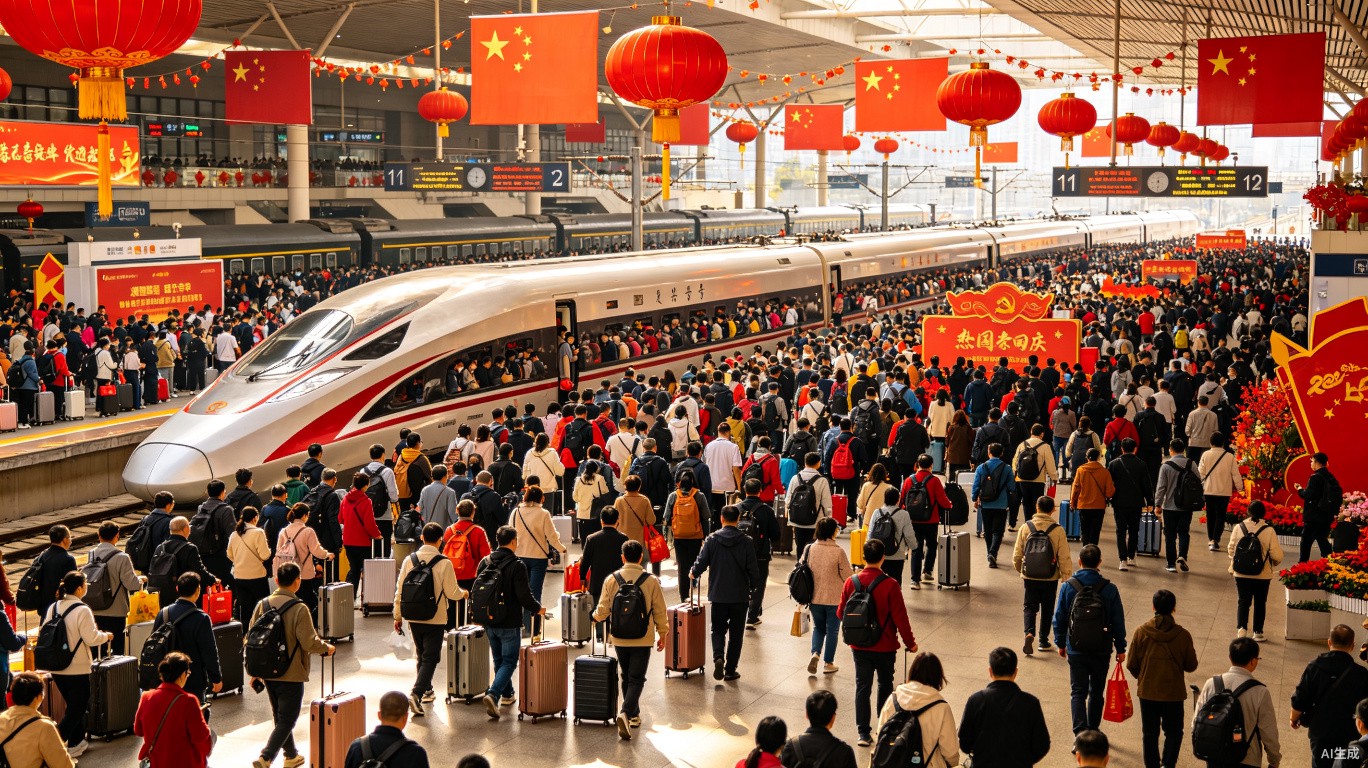
China Golden Week Travel Survival Guide
How to survive China's National Day Golden Week (October 1-7) - what to avoid, where to go, and how to beat the crowds.
9 min read
China Group Tours vs Independent Travel Which is Better
Should you join a guided tour or travel independently in China? Honest comparison of cost, flexibility, and experience.
7 min read
China Itinerary Planning: 7-Day 14-Day and 21-Day Routes: The Complete 2026 G...
Not sure how many days to spend in China? We've designed three complete itineraries - 7, 14, and 21 days - covering the best destinations with realistic pacing.
9 min read