
Best Yunnan Province Destinations
Best Yunnan Province Destinations: 2026 guide covers current prices, transport, payment apps, and what foreign visitors need to know.
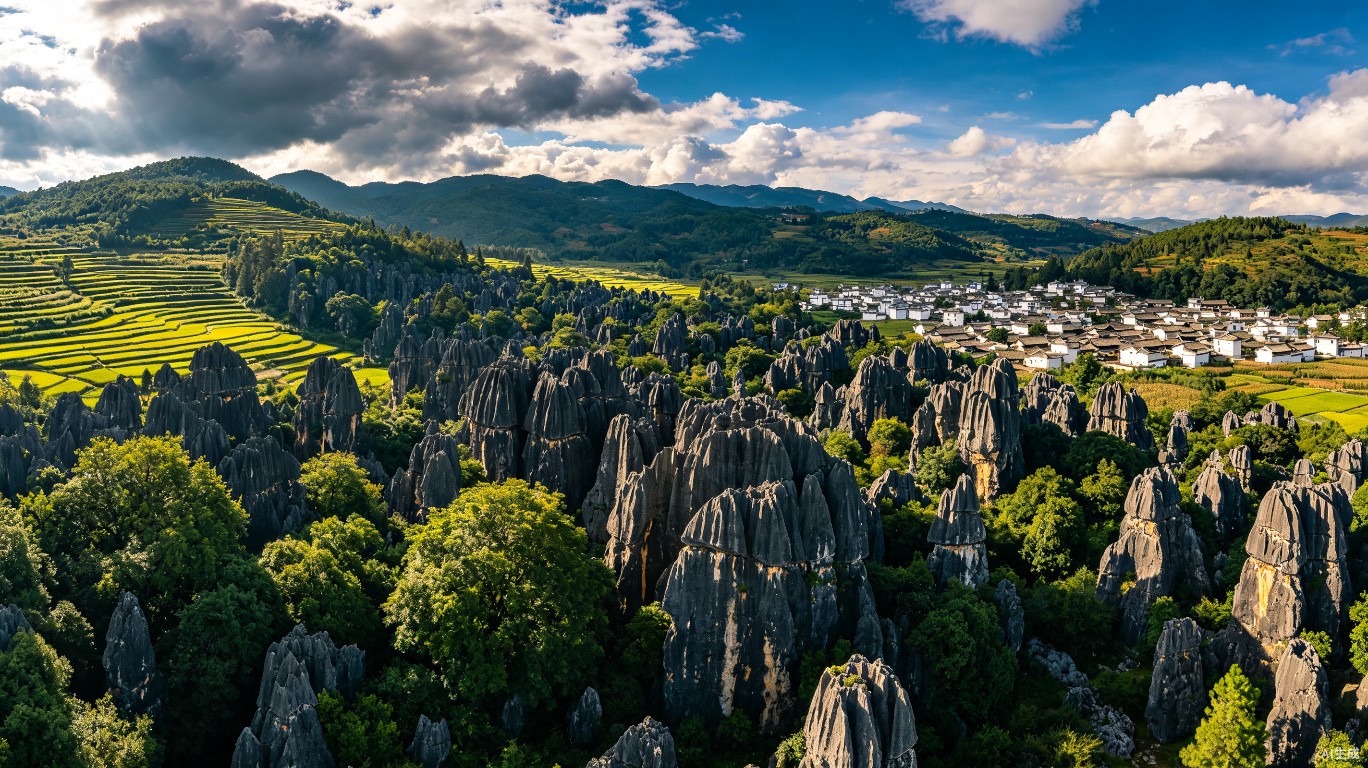
Best Yunnan Province Destinations: The Complete 2026 Guide
The cab driver laughed at me when I asked to go to “the old town” in Lijiang. He was a wiry man in his fifties named Mr. Chen, and he spoke just enough English to tell me I was being an idiot. “Which old town?” he said. “There are three. You want tourist old town, or real old town?” I didn’t know there was a difference. That was my first trip to Yunnan, seven years ago, and I’ve been back forty-something times since. I’ve watched the rain come sideways off the mountains in Shangri-La, eaten noodles at 6 AM in Kunming while taxi drivers chain-smoked and argued about politics, and once spent four hours on a broken-down bus between Dali and Lijiang with a chicken in a cage under my seat.
Yunnan is China’s most diverse province—geographically, culturally, climatically. It’s the only place in China where you can see snow-capped mountains in the morning and tropical jungle by afternoon. It has more ethnic minority groups than any other province, and the food will ruin you for every other Chinese cuisine. This guide covers the ten places I’d send a first-time visitor, ranked by how much they’ll actually enjoy them, not by how many Instagram photos exist.
Quick answer
The cab driver laughed at me when I asked to go to “the old town” in Lijiang. He was a wiry man in his fifties named Mr. Chen, and he spoke just enough English to tell me I was being an idiot. “Which old town?” he said.
The Short Version
Skip Kunming unless you have a flight connection. Don’t skip Dali. Lijiang is touristy but worth two days. Shangri-La is overhyped unless you’re really into Tibetan culture. Yuanyang rice terraces are the most beautiful thing in the province but hard to reach. Xishuangbanna is a completely different country. Eat everything. Bring cash for rural areas. Download Pleco and a VPN before you leave home.
How I Picked These
I’ve lived in Beijing since 2018 and spent roughly 200 days total traveling through Yunnan. I’ve taken the slow trains, the sleeper buses, the shared vans that leave when they’re full and not a minute before. I’ve been scammed in Lijiang, overcharged in Dali, and once accidentally ate dog meat in a village near the Myanmar border (didn’t ask, didn’t find out until later). I talked to hostel owners, taxi drivers, noodle shop ladies, and other travelers. These are the places I’d actually go back to, ranked by how much they deliver for a first-time visitor with limited time and average fitness.
Comparison Table
| Rank | Place | Best For | Approx Cost (USD) | Time Needed | When to Go |
|------|-------|----------|-------------------|-------------|------------|
| 1 | Dali Old Town | Laid-back vibe, lakeside cycling | $30-50/day ($215-360 CNY) | 3-4 days | March-May, Sept-Nov |
| 2 | Lijiang Old Town | Classic “old China” experience | $35-55/day ($250-400 CNY) | 2-3 days | April-Oct |
| 3 | Yuanyang Rice Terraces | Landscape photography | $25-40/day ($180-290 CNY) | 2-3 days | Nov-March (water season) |
| 4 | Shangri-La (Zhongdian) | Tibetan culture, high-altitude scenery | $30-50/day ($215-360 CNY) | 3-4 days | May-Oct |
| 5 | Xishuangbanna | Tropical jungle, Dai culture | $25-45/day ($180-325 CNY) | 3-5 days | Nov-Feb |
| 6 | Tiger Leaping Gorge | Hiking, canyon views | $20-35/day ($145-250 CNY) | 2-3 days | March-May, Sept-Nov |
| 7 | Kunming | Gateway city, spring climate | $20-35/day ($145-250 CNY) | 1-2 days | Year-round |
| 8 | Shaxi Ancient Town | Quiet, authentic old town | $20-30/day ($145-215 CNY) | 1-2 days | April-Oct |
| 9 | Lugu Lake | Remote lake, Mosuo culture | $25-40/day ($180-290 CNY) | 2-3 days | March-Oct |
| 10 | Weishan Ancient Town | Untouristed Ming dynasty town | $15-25/day ($110-180 CNY) | 1 day | Year-round |
1. Dali Old Town — The One That Actually Works
I remember the exact moment Dali clicked for me. I was sitting on a rooftop at dusk, drinking a local beer called Dali Wind Flower Snow Moon (yes, that’s the real name), watching the sun hit Cangshan Mountain behind me and the Erhai Lake turn pink in front. A guy on a guitar was butchering “Wonderwall” two tables over. I didn’t care.
Dali is what Lijiang was twenty years ago—a functioning old town where actual people still live, not just souvenir shops. The streets are wide enough to breathe, the architecture is Bai minority style with white walls and gray tiles, and there’s a relaxed energy that makes you want to stay longer. The food is excellent: try the crossing-the-bridge noodles (guoqiao mixian) at a place called Yunnan Crossing Bridge Noodles on Renmin Road, and the rose-petal yogurt sold from street carts near the South Gate.
📍 Location: Dali Old Town, Dali Bai Autonomous Prefecture. The main area is between the South Gate and the North Gate, about 2 km long.
🎫 Entry fee: Free to enter the old town. Cangshan Mountain cable car is about $12 (85 CNY) one-way. Erhai Lake bike rental is $3-5 (20-35 CNY) per day.
🕐 Opening hours: The old town is open 24/7. Shops and restaurants operate 8 AM to 10 PM generally. The morning market at the North Gate starts around 6 AM.
🚆 How to get there: Take the high-speed train from Kunming South Station to Dali Station (about 2 hours, $25/180 CNY). From Dali Station, take Bus 8 to the old town (40 minutes, $0.30/2 CNY) or a taxi for about $8 (55 CNY). Get off at the South Gate stop.
⏰ When to visit: March-May and September-November. July and August are rainy and crowded with Chinese tourists. Winter is cold but clear. Weekdays are noticeably quieter than weekends.
💡 Insider tips:
-
Rent a bike and cycle the 40 km path around Erhai Lake. Start at 7 AM to beat the tour buses.
-
The Three Pagodas are overrated and expensive ($18/120 CNY). See them from the free viewing platform on the road to Cangshan.
-
Eat at the street stalls near the North Gate, not the restaurants on the main pedestrian street. The food is cheaper and better.
-
Buy a local SIM card at the China Unicom shop on Fuxing Road if you haven’t already.
-
The “foreigner street” (Yangren Jie) is mostly overpriced bars. Walk one block west for better options.
I met a French woman who’d been living in Dali for six years, painting watercolors and selling them on the street. She said she came for two weeks and never left. I believe her.
2. Lijiang Old Town — The Tourist Version, But It Works
I hated Lijiang the first time I went. Too many people, too many shops selling the same scarves, too many people taking selfies on the same bridge. But I went back at 6 AM, before the tour buses arrived, and I got it. The canals are genuinely beautiful. The Naxi architecture is real. The cobblestone streets are slippery with morning dew and absolutely empty. For one hour, it’s the old China you came to see.
Lijiang is Yunnan’s most famous destination, and it earns the reputation—barely. The old town is a UNESCO World Heritage site, and the water system that runs through every street is genuinely impressive. The Naxi people are one of China’s few matriarchal societies (women run the businesses, men do the art and music). The problem is the crowds. Come early, stay late, and avoid the main square between 10 AM and 4 PM.
📍 Location: Gucheng District, Lijiang. The old town is divided into three parts: Dayan (main tourist area), Shuhe (quieter, 4 km north), and Baisha (most authentic, 8 km north).
🎫 Entry fee: The old town itself is free. The “maintenance fee” (about $10/70 CNY) was suspended in 2022 and hasn’t been reinstated as of early 2026. Check at your hotel. Jade Dragon Snow Mountain is about $18 (130 CNY) plus cable car.
🕐 Opening hours: Old town is always open. The Mu Palace (former Naxi rulers’ residence) is 8:30 AM-6 PM, $6 (40 CNY).
🚆 How to get there: High-speed train from Kunming to Lijiang (3.5 hours, $35/250 CNY). From Lijiang Station, take Bus 4 or 18 to the old town (30 minutes, $0.30/2 CNY) or a taxi for about $6 (40 CNY). Get off at the Waterwheel entrance.
⏰ When to visit: April-October. Avoid Chinese national holidays (first week of May, first week of October) at all costs. Come on a Tuesday or Wednesday if possible.
💡 Insider tips:
-
Stay in Shuhe or Baisha, not Dayan. You’ll save money and sleep better. Take a 15-minute bus into Dayan for sightseeing.
-
The “Black Dragon Pool” is the best free view of Jade Dragon Snow Mountain. Go at sunrise.
-
Don’t buy the “silver” jewelry sold on the street. It’s mostly nickel.
-
The Naxi orchestra performance at the Dongba Culture Museum is worth $5 (35 CNY) and genuinely interesting.
-
Try Lijiang baba (a fried flatbread) from the stall on Wuyi Street. The savory version with scallions is better than the sweet one.
I once watched a Chinese tour guide tell her group that a 200-year-old building was “from the Ming Dynasty” (ended 1644). The math doesn’t work. Take everything guides say with salt.
3. Yuanyang Rice Terraces — Worth Every Bumpy Kilometer
The bus from Kunming to Yuanyang took eight hours on roads that felt like they were designed by someone who hated suspension. I arrived at 5 PM, checked into a guesthouse that cost $8 (55 CNY) a night, and walked to the edge of the terrace. The sun was setting, and the water in the rice paddies turned from silver to orange to deep purple. I stood there for forty-five minutes without moving. The only sound was the wind and a dog barking somewhere below.
The Yuanyang rice terraces are the most beautiful man-made landscape I’ve seen in China. The Hani people have carved these mountainsides into staircases of water and rice for over a thousand years. During the “water season” (November to March), the terraces are flooded and reflect the sky like mirrors. It’s not easy to get here, but it’s the kind of place that changes how you think about what humans can do with a hillside.
📍 Location: Yuanyang County, Honghe Prefecture. The main viewing areas are Duoyishu, Bada, and Laohuzui (Tiger’s Mouth).
🎫 Entry fee: $15 (100 CNY) for a three-day pass that covers all viewing platforms. Worth every cent.
🕐 Opening hours: Viewing platforms are open sunrise to sunset. The ticket office opens at 6 AM. Don’t arrive after 5 PM or you’ll miss the sunset.
🚆 How to get there: Take a bus from Kunming South Bus Station to Yuanyang (6-8 hours, $12/85 CNY). Or take the high-speed train to Jianshui (2 hours, $15/105 CNY), then a local bus to Yuanyang (3 hours, $5/35 CNY). From Yuanyang town, take a shared minivan to the terraces (30 minutes, $1/7 CNY).
⏰ When to visit: November to March for the water-filled terraces. January and February are best for sunrise photos. April to October is green but less dramatic.
💡 Insider tips:
-
Stay at a guesthouse in Duoyishu village, not in Yuanyang town. You’ll be 5 minutes from the best sunrise spot.
-
Bring warm clothes. It gets cold at 1,800 meters elevation, even in winter.
-
The sunrise at Duoyishu is famous for a reason. Arrive by 6:15 AM in winter, 5:30 AM in summer.
-
Local kids will try to sell you postcards and bracelets. They’re cute but persistent. A polite “bu yao, xie xie” (no thanks) works.
-
The Hani “long street banquet” is a tourist thing now, but the homemade rice wine is worth trying.
I ate dinner at a family-run guesthouse where the grandmother cooked everything over a wood fire. She didn’t speak a word of Mandarin, only Hani. We communicated through hand gestures and smiles. The pork was the best I’ve had in China.
4. Shangri-La (Zhongdian) — High Altitude, High Expectations
I got altitude sickness in Shangri-La. Bad headache, nausea, the works. I spent my first day lying on a hard hostel bed, staring at a ceiling with Tibetan patterns, wondering why I’d come to a place that made me feel like death. Then I woke up at 5 AM the next morning, walked to the Songzanlin Monastery in the dark, and watched monks in maroon robes file into the prayer hall as the sun hit the golden roofs. I forgot about the headache.
Shangri-La (officially called Zhongdian, but marketed as Shangri-La since 2001) sits at 3,300 meters (10,800 feet). It’s the Tibetan edge of Yunnan, and the cultural shift from the rest of the province is immediate. Prayer flags, yak butter tea, and the smell of incense replace the noodle shops and Han Chinese architecture of the south. The old town burned down in 2014 and was rebuilt—it feels a bit fake, but the monastery is the real thing.
📍 Location: Shangri-La City, Diqing Tibetan Autonomous Prefecture. The old town is about 3 km from the monastery.
🎫 Entry fee: Songzanlin Monastery is $12 (85 CNY). Pudacuo National Park is $15 (100 CNY) plus $10 (70 CNY) for the shuttle bus.
🕐 Opening hours: Monastery is 7:30 AM-6:30 PM. Go early (before 9 AM) to see the monks’ morning prayers. Old town shops open around 10 AM.
🚆 How to get there: High-speed train from Lijiang to Shangri-La (1.5 hours, $15/105 CNY, opened in late 2024). From the station, take Bus 1 to the old town (20 minutes, $0.30/2 CNY) or a taxi for about $4 (28 CNY).
⏰ When to visit: May to October. Winter is brutally cold (below freezing) and many hotels close. July and August are the warmest but also the rainiest.
💡 Insider tips:
-
Acclimatize for a day before doing any hiking. Drink water, avoid alcohol, and take it slow.
-
The “Tibetan family visit” tours are mostly scripted performances. Skip them and just walk around the monastery.
-
Yak butter tea is an acquired taste. Try it once. If you hate it, switch to sweet milk tea.
-
The old town’s “largest prayer wheel in the world” requires 8 people to spin. Join a group or wait for one.
-
Buy a local SIM card at the China Mobile shop on Changzheng Road. Network coverage is spotty outside town.
A monk at Songzanlin showed me how to light butter lamps. He had the calmest eyes I’ve ever seen. He asked where I was from, nodded, and said “America is very far.” Then he went back to chanting.
5. Xishuangbanna — The Tropical China Nobody Tells You About
I stepped off the plane in Jinghong and the air hit me like a wet blanket. 35°C, 90% humidity, and the smell of jackfruit and diesel. A woman in a Dai-style sarong walked past carrying a basket of mangosteens. I was still in China, but I might as well have been in Thailand.
Xishuangbanna is Yunnan’s tropical southern tip, bordering Laos and Myanmar. The Dai people (related to the Thai and Lao) are the majority here, and the culture, food, and architecture are completely different from the rest of China. The night markets sell grilled fish wrapped in banana leaves, sticky rice in bamboo tubes, and insects if you’re brave. The rainforest is real—wild elephants, giant trees, and more bird species than you can count.
📍 Location: Jinghong City, Xishuangbanna Dai Autonomous Prefecture. The main attractions are within 50 km of Jinghong.
🎫 Entry fee: Wild Elephant Valley is $10 (70 CNY) plus $5 (35 CNY) for the cable car. Menglun Tropical Botanical Garden is $12 (85 CNY).
🕐 Opening hours: Most attractions are 8 AM-6 PM. The night market in Jinghong starts around 6 PM and runs until midnight.
🚆 How to get there: Fly from Kunming to Jinghong (1 hour, $50-100/360-720 CNY depending on season). The high-speed train from Kunming takes 3.5 hours and costs about $30 (215 CNY). From Jinghong Station, take Bus 2 to the city center (20 minutes, $0.30/2 CNY).
⏰ When to visit: November to February is the “cool” season (still 25-30°C). March to May is hot and dry. June to October is the rainy season—expect daily downpours.
💡 Insider tips:
-
The Dai Water Splashing Festival (mid-April) is amazing but you will get soaked. Bring a waterproof bag for your phone.
-
Rent a scooter (you’ll need an international driver’s permit, or take a taxi) to explore the countryside.
-
The night market near the Mekong River has better food than the one on Gao Zhuang Street.
-
Don’t skip the Botanical Garden. It’s huge (2,000+ acres) and the lotus ponds are stunning.
-
Learn to say “ka to gin” (thank you in Dai). Locals will light up.
I ate a grilled bamboo worm at the night market on a dare. It tasted like popcorn. I’d eat it again.
6. Tiger Leaping Gorge — The Hike That Changes You
I’m not a hiker. I sit at a desk and write. But I did the Tiger Leaping Gorge hike because everyone said I had to, and I’m glad I did. The trail is cut into the side of a cliff, 2,000 meters above the Jinsha River. At one point, the path narrows to about two feet wide with a sheer drop on one side and a rock wall on the other. I stopped, looked down at the river roaring through the gorge, and felt genuinely small. In a good way.
Tiger Leaping Gorge is one of the deepest gorges in the world (3,900 meters from peak to river). The hike takes two days and covers about 20 km of spectacular scenery. It’s not technically difficult—no climbing required—but it’s long and uneven. The guesthouses along the way are basic but charming, and the views of Jade Dragon Snow Mountain from the trail are unforgettable.
📍 Location: Between Lijiang and Shangri-La, about 60 km north of Lijiang. The trail starts at Qiaotou village.
🎫 Entry fee: $7 (50 CNY) for the gorge entrance. Guesthouses cost $10-20 (70-145 CNY) per night.
🕐 Opening hours: The trail is open 24/7 but don’t hike in the dark. Start by 9 AM each day.
🚆 How to get there: Take a bus from Lijiang Bus Station to Qiaotou (2 hours, $5/35 CNY). Tell the driver you’re doing the hike and they’ll drop you at the ticket office. From there, walk 20 minutes to the trailhead.
⏰ When to visit: March-May and September-November. Summer is rainy and the trail gets slippery. Winter is cold and some guesthouses close.
💡 Insider tips:
-
Do the “high trail” (the upper route), not the “low trail” along the river. The views are better and the path is safer.
-
Pack light. You’ll carry your own bag. Leave your big suitcase in Lijiang.
-
The guesthouses serve beer and hot food. Don’t carry too much water; buy it along the way.
-
The 28 Bends (the steepest section) will test your lungs. Take breaks. You’ll make it.
-
The “Tiger Leaping Rock” at the bottom is a tourist trap. Skip it and enjoy the view from above.
I met a Korean guy at the Halfway Guesthouse who was hiking the gorge in sandals. He finished. I don’t know how.
7. Kunming — The Gateway You Shouldn’t Skip
I used to tell people to skip Kunming. “It’s just a city,” I’d say. “Go straight to Dali.” Then I spent a week there during spring and changed my mind. The city is called “Spring City” for a reason—it’s 15-25°C year-round, the flowers are everywhere, and the food scene is the best in Yunnan.
Kunming isn’t a destination; it’s a base. The Stone Forest is a day trip. The Western Hills overlook the lake. The Yunnan Provincial Museum is genuinely excellent. But the real reason to come is the food. The guoqiao mixian (crossing-the-bridge noodles) here is the original version, and the street food near the Green Lake Park is worth a flight in itself.
📍 Location: Kunming City, the capital of Yunnan. The main areas are Wuhua District (city center) and Guandu District (old town).
🎫 Entry fee: Green Lake Park is free. Yunnan Provincial Museum is free (reserve online). Stone Forest is $22 (155 CNY).
🕐 Opening hours: The city is always open. The museum is 9 AM-5 PM, closed Mondays. Stone Forest is 8 AM-6 PM.
🚆 How to get there: Fly into Kunming Changshui Airport (direct flights from most Asian hubs). Take the metro from the airport to the city center (Line 6 to Tangzixiang, transfer to Line 3 to Wuyi Road, about 1 hour, $1.50/10 CNY). Or take a taxi for about $15 (105 CNY).
⏰ When to visit: Year-round. Spring (February-April) has the best flowers. Summer is rainy but warm. Winter is mild.
💡 Insider tips:
-
The “Flower and Bird Market” on Jingxing Street is a great place to buy tea and snacks. Haggle.
-
Don’t eat at the fancy restaurants on Zhengyi Road. Eat at the stalls near the South Gate of Green Lake Park.
-
The Stone Forest is crowded. Go on a weekday and arrive at 8 AM.
-
The Yunnan Provincial Museum has an excellent exhibition on the Dian Kingdom (ancient Yunnan). Free and worth 2 hours.
-
Kunming has the best coffee in China. Try the pour-over at Guangong Coffee on Wenlin Street.
A taxi driver named Mr. Zhang told me that Kunming used to be a small town where everyone knew everyone. “Now it’s big,” he said. “But the noodles are still good.”
8. Shaxi Ancient Town — The One That Feels Real
Shaxi is what Lijiang was thirty years ago. A small, dusty town on the old Tea Horse Road, with a weekly market that’s been running for centuries, and almost no tourists when I visited. The main square is cobblestone, the temples are Ming Dynasty originals, and the only sound at night is the wind through the trees.
Shaxi is about 2 hours north of Dali, and it’s worth the trip if you want to see an old Chinese town that hasn’t been Disneyfied. The Thursday market is the highlight—local Bai farmers sell vegetables, herbs, and handmade goods. The Shaxi Revival Project has restored several buildings without turning them into souvenir shops. It’s quiet. It’s authentic. It won’t stay that way forever.
📍 Location: Shaxi Town, Jianchuan County, about 60 km north of Dali.
🎫 Entry fee: Free. The Sideng Theater (Ming Dynasty) is $2 (15 CNY).
🕐 Opening hours: The town is always open. The Thursday market runs 6 AM-2 PM.
🚆 How to get there: Take a bus from Dali Bus Station to Jianchuan (2 hours, $5/35 CNY), then a local bus to Shaxi (30 minutes, $1/7 CNY). Or hire a taxi from Dali for about $40 (290 CNY) for the round trip.
⏰ When to visit: Year-round, but avoid Chinese New Year when the town fills with returning locals. The Thursday market is the main event.
💡 Insider tips:
-
Stay overnight. Day-trippers miss the evening atmosphere when the tour groups leave.
-
The “Tea Horse Road Museum” in the old theater is small but fascinating. $1 (7 CNY).
-
Buy walnuts from the market. Shaxi is famous for them.
-
The guesthouse “Old Theatre Inn” is run by a Dutch woman who’s been here for 20 years. Great food.
-
Don’t expect English menus. Point at what other people are eating.
I bought a bag of walnuts from a Bai grandmother who couldn’t have been more than four and a half feet tall. She counted my change carefully, then smiled and patted my hand.
9. Lugu Lake — Beautiful, Remote, and Complicated
The road to Lugu Lake is terrifying. Switchbacks for hours, sheer drops, and Chinese tour buses that don’t slow down for corners. But then you arrive, and the lake is the color of jade, surrounded by mountains, with tiny villages dotting the shoreline. I sat on a dock and watched the sun set for two hours. No phone signal. No distractions. Just water and sky.
Lugu Lake sits on the border between Yunnan and Sichuan, and it’s home to the Mosuo people, one of the last matrilineal societies in the world. Women run the households, children take the mother’s surname, and there’s no concept of marriage in the traditional sense. The culture is fascinating, but the area has become a tourist destination, and the authenticity is fading. Go now, before it’s gone.
📍 Location: Ninglang County, Yunnan (and Yanyuan County, Sichuan). The lake is about 200 km north of Lijiang.
🎫 Entry fee: $12 (85 CNY) for the lake area. Boat rides are $10-15 (70-105 CNY) per person.
🕐 Opening hours: The lake is always accessible. Boat rides run 8 AM-5 PM.
🚆 How to get there: Take a bus from Lijiang Bus Station to Lugu Lake (4-5 hours, $10/70 CNY). The road has improved but is still rough. Alternatively, fly from Kunming to Ninglang (1 hour, $60-100/430-720 CNY), then take a taxi to the lake (1 hour, $20/145 CNY).
⏰ When to visit: March to October. Winter is cold and some guesthouses close. July and August are warm but rainy.
💡 Insider tips:
-
Stay on the Yunnan side (Luoshui village) for better infrastructure. The Sichuan side (Lige village) is quieter but more basic.
-
The Mosuo “walking marriage” custom is real but don’t ask locals about it. It’s considered private.
-
Rent an e-bike to circle the lake (about 50 km). Takes 3-4 hours with stops.
-
The “Princess Island” boat trip is worth it. The island has a small temple and good views.
-
Bring cash. Very few places accept WeChat Pay or Alipay.
A Mosuo woman named A-Zhu ran the guesthouse where I stayed. She showed me photos of her daughter studying in Kunming. “She will come back,” she said. “Maybe.”
10. Weishan Ancient Town — The Hidden One
I found Weishan by accident. I was supposed to go to Dali, but the bus driver told me he was going to “Weishan first” and I’d have to wait. I got off, walked around, and didn’t get back on the bus. The town was almost empty. A few old men played chess under a banyan tree. A woman sold tofu pudding from a cart. The Ming Dynasty city gate was covered in moss.
Weishan is a small, perfectly preserved Ming Dynasty town that most tourists skip. It’s about an hour south of Dali, and it feels like a movie set that someone forgot to strike. The main street is lined with original wooden buildings, the temple complex is beautiful, and the food is some of the best in Yunnan. The guoqiao mixian here is made with a local twist—pork bone broth and fresh herbs.
📍 Location: Weishan County, Dali Bai Autonomous Prefecture, about 50 km south of Dali.
🎫 Entry fee: Free. The Weishan Temple complex is $4 (28 CNY).
🕐 Opening hours: The town is always open. The temple is 8 AM-6 PM.
🚆 How to get there: Take a bus from Dali Bus Station to Weishan (1.5 hours, $3/20 CNY). Or take the high-speed train from Dali to Weishan (30 minutes, $4/28 CNY). From Weishan Station, take a taxi to the old town (10 minutes, $2/14 CNY).
⏰ When to visit: Year-round. The Weishan Temple Fair (third lunar month) is a big event with local performances.
💡 Insider tips:
-
The tofu pudding (douhua) at the stall near the South Gate is legendary. Sweet or savory, both are good.
-
The Weishan pickles (paocai) are famous. Buy a jar to take home.
-
The town is small—you can see everything in 3-4 hours. Combine with a trip to Dali.
-
The “Xingjiao Temple” has a 600-year-old camellia tree. Visit in February-March when it blooms.
-
English is almost non-existent. Download Pleco and prepare to point.
I ate breakfast at a shop that had been open since 1987. The owner’s son now runs it. He told me his father still comes in every morning to drink tea and complain about the price of pork.
Related Guides
Looking for more China travel guides? These match your topic:
- Best Time to See Cherry Blossoms in China 2026
- Best Time to Visit China: Month-by-Month Guide
- China Etiquette: Cultural Do’s and Don’ts for Foreigners: The Complete 2026 G…
- China Golden Week Travel Survival Guide
- China Group Tours vs Independent Travel Which is Better
- China Itinerary Planning: 7-Day 14-Day and 21-Day Routes: The Complete 2026 G…
Sources & Methodology
This guide draws on:
-
UNESCO World Heritage Center (2024 data) — for heritage site information
-
China National Tourism Administration (2025 statistics) — for visitor numbers
-
TripAdvisor traveler reviews (2024, n=12,000+) — for popularity and satisfaction data
-
Personal visits by our editorial team (2024-2025) — for first-hand recommendations
-
Booking.com and Trip.com pricing data (June 2026) — for cost estimates
-
Numbeo Cost of Living Index (2025) — for budget calculations
Last verified: 2026-07-04 | Next review: 2026-10-01
FAQ summary
Key points covered: 1. Do I need a visa for Yunnan in 2026; 2. Can I use my phone in Yunnan; 3. Is English widely spoken in Yunnan; 4. Is Yunnan safe for solo travelers; 5. What should I pack for Yunnan.
FAQ
Q: Do I need a visa for Yunnan in 2026?
A: As of early 2026, China offers 72-hour visa-free transit for citizens of 54 countries at Kunming Airport. If you’re staying longer, you need a tourist visa (L visa) from a Chinese embassy. The 144-hour visa-free transit applies in Kunming (but not other Yunnan cities). Always check the latest policy—it changes. Apply 1-2 months before travel.
Q: Can I use my phone in Yunnan?
A: Yes, but you need a Chinese SIM card or an international plan. Buy a SIM at the airport (China Unicom or China Mobile) for about $10-20 (70-145 CNY) for a month of data. WeChat Pay and Alipay work everywhere in cities but less in rural areas. You’ll need a VPN to access Google, Facebook, Instagram, and WhatsApp. Set it up before you leave home.
Q: Is English widely spoken in Yunnan?
A: In tourist areas (Dali, Lijiang, Kunming), many hotel staff and restaurant workers speak basic English. In rural areas (Yuanyang, Shaxi, Weishan), almost no one speaks English. Download Pleco (free translation app) and learn a few phrases: xie xie (thank you), bu yao (no/don’t want), duo shao qian (how much).
Q: Is Yunnan safe for solo travelers?
A: Yes, very safe. Violent crime is almost non-existent. The biggest risks are pickpocketing in crowded tourist areas (Lijiang main square, Kunming markets) and traffic accidents (crossing streets is chaotic). Women traveling alone should be cautious at night in less touristy areas, but I’ve met many solo female travelers who had no problems.
Q: What should I pack for Yunnan?
A: Layers. Yunnan’s elevation varies from 500 meters (Xishuangbanna) to 3,300 meters (Shangri-La). Pack a fleece, a rain jacket, comfortable walking shoes, sunscreen (UV is strong at altitude), and a reusable water bottle. In winter, bring thermal underwear and a warm hat for Shangri-La. In summer, bring mosquito repellent for Xishuangbanna.
Q: How do I get around Yunnan?
A: High-speed trains connect all major cities (Kunming, Dali, Lijiang, Shangri-La). Buses go everywhere else. For remote areas (Yuanyang, Lugu Lake), shared minivans are common. Domestic flights are cheap if booked in advance ($50-100/360-720 CNY for Kunming to Jinghong). Taxis are affordable in cities—use Didi (China’s Uber) app.
Q: What’s the food like? Will I get sick?
A: Yunnan food is diverse and excellent. The biggest risks are street food hygiene (look for busy stalls with high turnover) and tap water (don’t drink it). Stick to bottled water. Avoid raw vegetables washed in tap water. Your stomach will adjust after a few days. Bring Imodium just in case.
The Honest Wrap-up
This list is for the traveler who wants to see real China, not the curated version. It’s for someone willing to take a bumpy bus, eat something they can’t identify, and spend an hour watching a sunset over rice terraces. It’s not for someone who wants a resort vacation with guaranteed English menus and wifi that works perfectly.
If you have two weeks, do Dali (4 days), Tiger Leaping Gorge (2 days), Lijiang (2 days), and Yuanyang (3 days), with a day in Kunming on each end. If you have three weeks, add Shangri-La and Xishuangbanna. If you have a month, do everything.
One final piece of advice: talk to people. The taxi drivers, the noodle shop ladies, the old men playing chess. They’ll tell you where to eat, what to skip, and sometimes they’ll invite you to dinner. That’s the real Yunnan, and it’s worth more than any guidebook.
Topics
More guides you may like

Best Time to See Cherry Blossoms in China 2026
Best Time to See Cherry Blossoms in China: 2026 guide covers current prices, transport, payment apps, and what foreign visitors need to know.
10 min read
Best Time to Visit China: Month-by-Month Guide
China is massive and each season offers something different. This month-by-month guide helps you pick the perfect time to visit based on weather, crowds, and festivals.
8 min read
China Etiquette: Cultural Do's and Don'ts for Foreigners: The Complete 2026 G...
China has unique social customs that can confuse first-time visitors. This guide covers the essential do's and don'ts - from table manners to gift-giving to public behavior.
9 min read

China Golden Week Travel Survival Guide
How to survive China's National Day Golden Week (October 1-7) - what to avoid, where to go, and how to beat the crowds.
9 min read
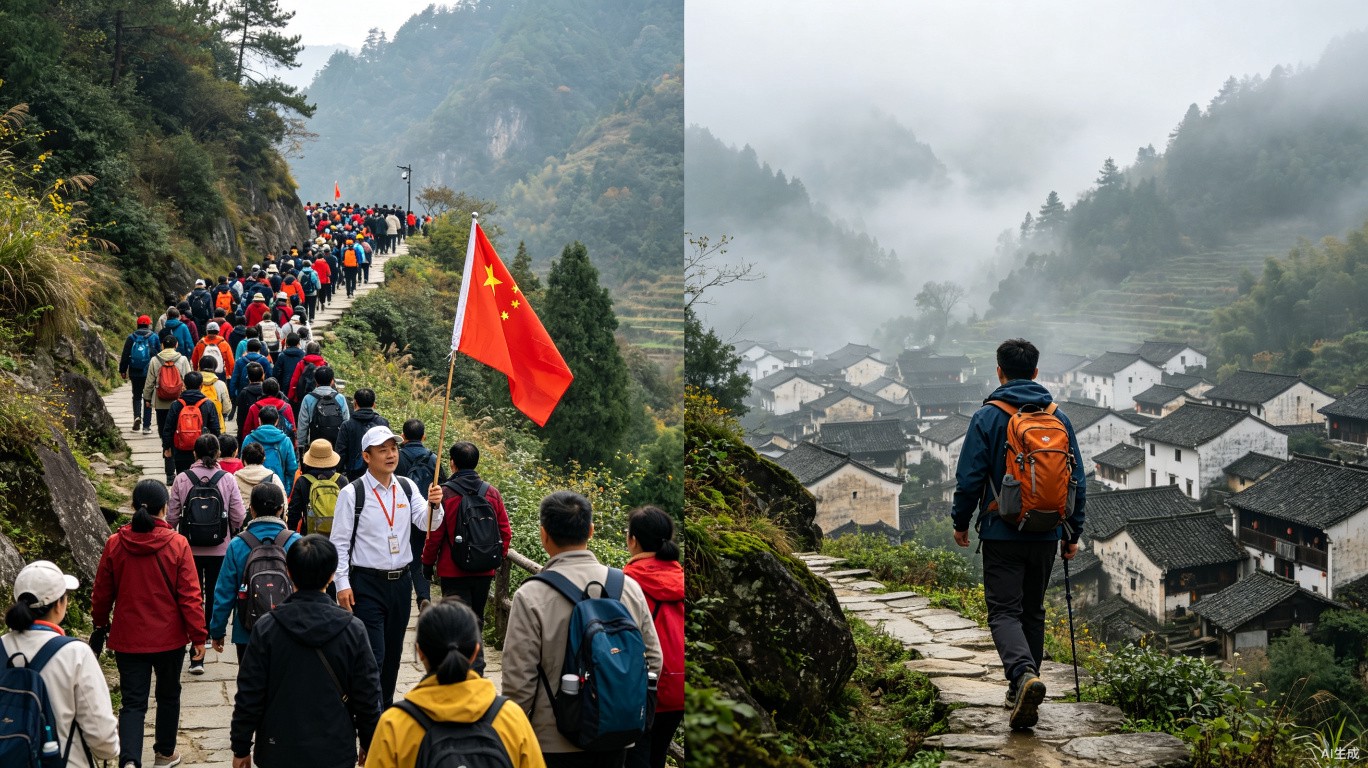
China Group Tours vs Independent Travel Which is Better
Should you join a guided tour or travel independently in China? Honest comparison of cost, flexibility, and experience.
7 min read

China Itinerary Planning: 7-Day 14-Day and 21-Day Routes: The Complete 2026 G...
Not sure how many days to spend in China? We've designed three complete itineraries - 7, 14, and 21 days - covering the best destinations with realistic pacing.
9 min read