
China on a Budget: Complete Guide
China on a Budget: Complete Guide: 2026 guide covers current prices, transport, payment apps, and what foreign visitors need to know.

China on a Budget: Complete Guide: The Complete 2026 Guide
I was standing at a street stall in Chengdu, my hands wrapped around a bowl of dan dan mian that cost 12 yuan—about $1.65—when a middle-aged man on a battered bicycle stopped beside me. He pointed at my noodles, laughed, and said something in Sichuan dialect I didn’t catch. His friend translated: “He says you’re eating like a local. That’s good. Tourists go to the wrong places.”
He was right. I’ve been coming to China since 2018, lived in Beijing for seven years, and I’ve watched friends blow their entire travel budget in three days because they didn’t know any better. Five-star hotels, overpriced tour packages, restaurants with English menus that charge triple. It’s easy to spend $300 a day here. It’s also completely unnecessary.
This guide is for the traveler who wants to see real China—the alleyway breakfast stalls, the ancient temples where monks still live, the cities where you can eat like royalty for under $10—without emptying their savings account. I’ve done the math, made the mistakes, and talked to enough taxi drivers and noodle-shop owners to know where your money actually goes.
Quick answer
I was standing at a street stall in Chengdu, my hands wrapped around a bowl of dan dan mian that cost 12 yuan—about $1.65—when a middle-aged man on a battered bicycle stopped beside me.
The Short Version
If you have ninety seconds: China is cheaper than you think if you avoid the obvious traps. Skip the airport currency exchange. Don’t book a tour for the Great Wall. Eat where locals eat—look for plastic stools and handwritten menus. Download Alipay and WeChat Pay before you arrive. Get a SIM card at the airport. Most budget hotels under $40 are fine. You can do this country on $50-70 a day comfortably, and $30-40 a day if you’re willing to sleep in hostels and eat street food.
How I Picked These
I didn’t Google “best budget destinations in China” and copy the list. I spent three months last year traveling from Harbin to Kunming, taking slow trains, staying in local guesthouses, and tracking every dollar I spent in a notebook. I talked to hostel owners in Yangshuo, a tea farmer in Fujian, a retired teacher in Xi’an who insisted on buying me dinner. Some of these recommendations came from people I met on trains. Some came from mistakes—like the time I paid $50 for a “private tour” of a temple that turned out to be free. Every entry here is a place I’ve been, a price I’ve paid, a meal I’ve eaten.
Quick Comparison
| Rank | Place | Best For | Approx Cost/Day (USD) | Time Needed | When to Go |
|------|-------|----------|----------------------|-------------|------------|
| 1 | Chengdu | Food, pandas, laid-back vibe | $35-55 | 3-4 days | Mar-May, Sep-Nov |
| 2 | Xi’an | History, Muslim Quarter, terracotta warriors | $30-50 | 2-3 days | Apr-Jun, Sep-Oct |
| 3 | Yangshuo | Karst mountains, cycling, river scenery | $25-45 | 3-5 days | Apr-Oct |
| 4 | Beijing | Forbidden City, Great Wall, hutongs | $40-65 | 4-5 days | Mar-May, Sep-Nov |
| 5 | Guilin | Li River, rice terraces, hiking | $30-50 | 3-4 days | Apr-Oct |
| 6 | Kunming | Spring weather, stone forest, Yunnan food | $25-40 | 2-3 days | Year-round |
| 7 | Lijiang | Old town, Naxi culture, Jade Dragon Snow Mountain | $30-50 | 3-4 days | Mar-May, Sep-Nov |
| 8 | Shanghai | Modern China, Bund, food scene | $45-70 | 3-4 days | Mar-May, Oct-Nov |
| 9 | Hangzhou | West Lake, tea plantations, canals | $35-55 | 2-3 days | Apr-Jun, Sep-Oct |
| 10 | Zhangjiajie | Avatar mountains, glass bridges, national park | $30-45 | 3-4 days | Apr-Jun, Sep-Oct |
1. Chengdu — The City That Taught Me to Slow Down
The first thing I noticed was the sound. Mahjong tiles clicking. Teacups being set down. The low hum of conversation in a tea house that had been there since the Qing dynasty. I sat down at a bamboo table in People’s Park, ordered a cup of jasmine tea for 15 yuan ($2), and watched an old man write calligraphy on the stone path with a brush dipped in water. He did it every morning, he told me through a translator app. “The water dries. Tomorrow I write again.”
Chengdu is special because it doesn’t try to impress you. The food is some of the best in China—Sichuan cuisine is not just spicy, it’s complex, with numbing Sichuan peppercorns that make your lips tingle and flavors that build slowly. The city is relaxed in a way that Beijing and Shanghai aren’t. People sit in tea houses for hours. No one rushes. And the pandas are genuinely worth seeing—the research base is ethical, well-run, and you can watch baby pandas fall out of trees.
📍 Location: Jinjiang District, around People’s Park and Kuanzhai Alley
🎫 Entry fee: Panda Base 55 yuan ($7.50); most temples and parks under 30 yuan ($4)
🕐 Opening hours: Panda Base 7:30am-6pm; tea houses open until 9-10pm
🚆 How to get there: Metro Line 2 to People’s Park Station, Exit A. Walk south 3 minutes. For Panda Base, take Metro Line 3 to Panda Avenue Station, then free shuttle bus
⏰ When to visit: Weekday mornings for Panda Base (go at 8am before crowds). Spring and autumn for weather
💡 Insider tips:
-
The spicy hot pot at Huangcheng Laoma costs about 80 yuan ($11) per person. Skip the tourist branches on main streets—find the one in a small alley near Wuhou Temple
-
Buy a tea set at the wholesale market near Qingyang Temple for half the price of tourist shops
-
The Jinli ancient street is touristy but free to walk through, and the street food is actually good
-
Use the “Chengdu Metro” app for subway maps in English
-
Taxis start at 8 yuan ($1.10)—cheaper than ride-hailing for short trips
I ate mapo tofu at a hole-in-the-wall near my hostel that cost 8 yuan ($1.10). The owner, a woman named Auntie Chen, saw me sweating and brought me a cold beer without me asking. She refused to let me pay for it.
2. Xi’an — Where History Isn’t Just in Museums
The Muslim Quarter hit me like a wall of sound and smell. Lamb skewers sizzling on charcoal grills. Flatbread being slapped against clay ovens. A man shouting about his pomegranate juice—fresh, he said, squeezing one in front of me to prove it. I bought a skewer for 3 yuan ($0.40) and nearly burned my mouth because I couldn’t wait for it to cool.
Xi’an is the city that makes history feel alive. The Terracotta Warriors are incredible—three pits of life-sized soldiers, each with a different face, buried for 2,200 years—but the city itself is just as good. The ancient city wall is 14 kilometers long, and you can rent a bicycle for 45 yuan ($6) and ride the entire thing. The Muslim Quarter is a maze of food stalls and tiny shops that’s been a trading hub since the Silk Road. And the food—yangrou paomo (lamb soup with bread), biang biang noodles, cold noodles with sesame—is the best I’ve had in northern China.
📍 Location: Central Xi’an, inside the city wall; Muslim Quarter near Drum Tower
🎫 Entry fee: Terracotta Warriors 120 yuan ($16.50); City Wall 54 yuan ($7.50); most other sites under 50 yuan ($7)
🕐 Opening hours: Terracotta Warriors 8:30am-5:30pm; Muslim Quarter stalls 10am-11pm
🚆 How to get there: For Terracotta Warriors, take Metro Line 9 to Huaqingchi Station, then bus 613 for 20 minutes. Or join a shared minibus from the train station for 30 yuan ($4)
⏰ When to visit: Go to the Terracotta Warriors at 8am when gates open. Muslim Quarter is best at sunset
💡 Insider tips:
-
Don’t pay for a guide at the Terracotta Warriors. The audio guide is 30 yuan ($4) and better than most human guides
-
The “Biang Biang Noodles” shop at 140 Beiyuanmen in Muslim Quarter is the original and still the best
-
Climb the Bell Tower at sunset for free views over the city
-
The Shaanxi History Museum is free but you need to reserve tickets 3 days in advance on WeChat
-
Avoid restaurants with English menus and pictures—they charge double
I spent an hour talking to a retired history teacher named Mr. Wang at a tea stall near the Drum Tower. He told me about the Silk Road caravans that used to pass through, pointing at the old city gates. “My grandfather sold tea to Russians here,” he said. “Now I sell tea to you.”
3. Yangshuo — The Place That Made Me Forget About Money
I was cycling through rice paddies, the karst mountains rising out of the mist like something from a Chinese painting, when I realized I hadn’t checked my phone in four hours. The road was dirt. The only sounds were birds and a farmer shouting at his water buffalo. I stopped at a bridge and watched a bamboo raft drift down the Li River. The man on the raft waved. I waved back. That was the entire interaction.
Yangshuo is the most beautiful place in China that most tourists skip. Everyone goes to Guilin, takes the Li River cruise, then leaves. But Yangshuo—an hour south—is where the real magic is. The mountains are closer. The villages are quieter. You can rent a bicycle for 30 yuan ($4) a day and spend a week exploring back roads, swimming in the river, eating at family-run restaurants. There’s no entry fee for the scenery. It’s just there.
📍 Location: Yangshuo County, Guangxi Province, 1 hour south of Guilin
🎫 Entry fee: Most of the area is free. Moon Hill 15 yuan ($2); Xianggong Mountain 60 yuan ($8)
🕐 Opening hours: 24/7 for the countryside; Moon Hill 7am-6pm
🚆 How to get there: Take the high-speed train from Guilin to Yangshuo Station (30 minutes, 30 yuan/$4). Then bus 5 to West Street (20 minutes, 5 yuan/$0.70)
⏰ When to visit: April-October. Weekdays are empty. Weekends have Chinese tourists but still manageable
💡 Insider tips:
-
Skip the Li River cruise (300 yuan/$41). Rent a bike and cycle to Xingping Town instead—same views, free
-
The bamboo raft ride from Yangdi to Xingping is 160 yuan ($22) and worth it. Go early morning before the tour boats
-
Eat at “The Grog” on West Street—owned by a British guy who married a local woman. Best pizza in China, 40 yuan ($5.50)
-
Don’t stay on West Street. Stay in a farm stay in the countryside for 100-150 yuan ($14-20) a night
-
Learn to say “how much” (duo shao qian) in Mandarin. Most vendors will give you a fair price if you try
I got caught in a monsoon rain cycling back from Moon Hill. A woman selling watermelons pulled me into her stall and gave me a plastic chair and a cup of tea. We communicated through gestures and smiles for 20 minutes until the rain stopped.
4. Beijing — The Capital That Demands Your Attention
I’ve lived here seven years and I still haven’t seen everything. But I’ll tell you what I tell every friend who visits: don’t try to do too much. The Forbidden City takes a full day. The Great Wall takes a full day. The Summer Palace takes half a day. Pick two things, do them well, and spend the rest of your time wandering the hutongs—the old alleyways that still exist between the skyscrapers.
Beijing is not cheap by Chinese standards, but it’s cheaper than any major Western city. A bowl of noodles in a hutong restaurant costs 15 yuan ($2). A beer at a convenience store costs 4 yuan ($0.55). The subway is 3-7 yuan ($0.40-1) per ride. The expensive stuff—hotels, tours, Western food—is optional. I’ve had better meals in hole-in-the-wall joints than in any restaurant with a Michelin star.
📍 Location: Central Beijing; hutongs in Dongcheng and Xicheng districts
🎫 Entry fee: Forbidden City 60 yuan ($8) winter, 80 yuan ($11) summer; Great Wall sections 35-45 yuan ($5-6); Summer Palace 30 yuan ($4)
🕐 Opening hours: Forbidden City 8:30am-5pm, closed Mondays; Great Wall 7:30am-5pm; hutongs always open
🚆 How to get there: Subway Line 1 to Tiananmen East or West for Forbidden City. For Great Wall, take Subway Line 13 to Xizhimen, then bus 877 to Badaling (2 hours, 12 yuan/$1.60)
⏰ When to visit: March-May and September-November for weather. Weekdays only—weekends are impossible
💡 Insider tips:
-
Book Forbidden City tickets on their official WeChat mini-program at least 7 days in advance. They sell out
-
Skip Badaling Great Wall. Go to Mutianyu instead—less crowded, more beautiful, same price. Take bus 916 from Dongzhimen
-
Eat at “Mr. Shi’s Dumplings” in a hutong near Houhai. 12 dumplings for 18 yuan ($2.50)
-
The 798 Art District is free and has great coffee shops. Go on a weekday when it’s empty
-
Download the “Beijing Subway” app. It works offline and has English station names
I took my parents to the Great Wall last year. My mother, who is 67 and hates stairs, made it to the third watchtower. A young Chinese couple took our photo. The woman said, in perfect English, “Your mother is very strong.” My mother cried a little.
5. Guilin — The Postcard City That Actually Delivers
The first time I saw the Li River, I thought it looked fake. The water was that shade of jade green you only see in photographs. The karst peaks rose straight up from the riverbanks, covered in bamboo and mist. A fisherman stood on a bamboo raft with a cormorant on his shoulder. It was so perfectly composed that I assumed it was a tourist show. It wasn’t. He was actually fishing.
Guilin is the gateway to the region, and most people use it as a base for cruises and day trips. But the city itself is underrated. The Elephant Trunk Hill is the iconic symbol of Guilin—a rock formation that looks like an elephant drinking from the river—and it’s worth the 55 yuan ($7.50) entry fee. The twin pagodas at night, lit up in gold and silver, are stunning. And the food—Guilin rice noodles (mifen)—is the best noodle dish you’ve never heard of.
📍 Location: Central Guilin, near the Li River and Elephant Trunk Hill
🎫 Entry fee: Elephant Trunk Hill 55 yuan ($7.50); Seven Star Park 55 yuan ($7.50); Reed Flute Cave 90 yuan ($12)
🕐 Opening hours: Most attractions 7:30am-6pm; night markets from 6pm
🚆 How to get there: Guilin has a high-speed rail station. From the station, take bus 10 or 11 to the city center (20 minutes, 2 yuan/$0.30)
⏰ When to visit: April-October. Avoid Chinese holidays (May 1, October 1) when domestic tourism peaks
💡 Insider tips:
-
The rice noodle shop at 28 Yushan Road, “Old You Ji,” has been open since 1985. A bowl costs 5 yuan ($0.70)
-
Skip the Li River cruise. Take the bus to Yangshuo instead (25 yuan/$3.50, 1.5 hours) and see the same scenery for free
-
The night market on Zhengyang Walking Street has better food and lower prices than the tourist market on Zhongshan Road
-
Rent a bike at Seven Star Park—it’s huge and you’ll walk 10km otherwise
-
The best view of the city is from Fubo Hill, 30 yuan ($4), climb to the top at sunset
I ate rice noodles at 7am at a stall near my hotel. The owner, a woman in her 60s, saw me struggling with chopsticks and brought me a fork without me asking. She smiled and said something I didn’t understand. Her grandson translated: “Grandma says foreigners are cute when they try.”
6. Kunming — The City of Eternal Spring
I stepped off the train in Kunming and immediately felt my shoulders relax. The air was warm but not humid. The sky was blue. Flowers were blooming in February. A man was selling fresh-baked flower cakes—huabing—from a cart, and the smell of osmanthus filled the street. I bought one for 5 yuan ($0.70) and ate it standing up. The pastry was flaky. The filling was sweet but not too sweet.
Kunming is the capital of Yunnan province, and it’s the most livable city in China. The weather is spring-like year-round—15-25°C (60-80°F) every day. The food is influenced by the province’s ethnic minorities—spicy, sour, and unlike anything else in China. The Stone Forest is a UNESCO site an hour away, and the city itself has enough parks, temples, and markets to fill a week. It’s also the cheapest major city I’ve visited.
📍 Location: Central Kunming, around Green Lake Park and Jinma Biji Square
🎫 Entry fee: Green Lake Park free; Yuantong Temple 10 yuan ($1.40); Stone Forest 130 yuan ($18)
🕐 Opening hours: Parks 6am-10pm; temples 8am-5pm; Stone Forest 7am-6pm
🚆 How to get there: Kunming has a major airport and high-speed rail. From the train station, take Metro Line 2 to East Fengyun Station for the city center
⏰ When to visit: Any time of year. November-February is coolest but still pleasant
💡 Insider tips:
-
The flower market near Dounan is the largest in Asia. Go at 5am when the real trading happens—it’s free to watch
-
Eat guoqiao mixian (crossing-the-bridge noodles) at “Qiao Xiangyuan” on Jinbi Road. About 30 yuan ($4) for the full experience
-
The Yunnan Provincial Museum is free and excellent. Reserve on WeChat
-
Take the cable car up Western Hills for views over Dianchi Lake. 40 yuan ($5.50) round trip
-
The minority villages near the Stone Forest are more interesting than the Stone Forest itself. Hire a local guide for 100 yuan ($14)
I met a woman at the flower market who had been selling roses there for 30 years. She showed me how to tell if a flower is fresh—snap the stem, listen for the crack. “Fresh flowers sing,” she said. “Old flowers are silent.”
7. Lijiang — The Old Town That’s Too Beautiful to Be Real
I arrived in Lijiang at dusk. The old town was lit by red lanterns, the cobblestone streets slick from a recent rain. Water channels ran alongside every street, fed by the Jade Dragon Snow Mountain. I heard music—a traditional Naxi instrument, something like a flute—coming from a courtyard. I followed the sound and ended up in a tiny square where three old men were playing for themselves. No audience. No tip jar. Just playing.
Lijiang is controversial among travelers. Some say it’s too touristy, too commercial, too fake. They’re not wrong—West Street is a strip of souvenir shops and bars playing pop music. But the old town, the gucheng, is genuinely beautiful. The Naxi architecture, the canals, the views of the snow mountain—it’s like walking through a movie set. The trick is to get away from the main streets. Walk 200 meters in any direction and the crowds disappear.
📍 Location: Old Town Lijiang (Gucheng), Yunnan Province
🎫 Entry fee: Old town itself is free. Must-see: Black Dragon Pool 50 yuan ($7); Jade Dragon Snow Mountain 100 yuan ($14) plus cable car 120 yuan ($16.50)
🕐 Opening hours: Old town always open; Black Dragon Pool 7am-7pm; Jade Dragon Snow Mountain 7am-5pm
🚆 How to get there: High-speed train from Kunming (3 hours, 220 yuan/$30). From Lijiang station, take bus 4 to the old town (40 minutes, 2 yuan/$0.30)
⏰ When to visit: March-May and September-November. July-August is rainy and crowded
💡 Insider tips:
-
Stay in a guesthouse in the old town, not a hotel outside. A Naxi-style courtyard guesthouse costs 150-200 yuan ($20-28) per night
-
The “impression Lijiang” show at the base of Jade Dragon Snow Mountain is 280 yuan ($38) and overpriced. Skip it
-
Eat Naxi barbecue at “Aunty’s Kitchen” on Wuyi Street. The grilled eggplant with garlic is incredible, 25 yuan ($3.50)
-
The Shuhe Ancient Town, 4km north, is quieter and cheaper than Lijiang’s old town. Free entry
-
Buy a Naxi language dictionary at the Dongba Culture Museum. It’s one of the few living pictographic writing systems in the world
I got hopelessly lost in the old town at midnight. An elderly Naxi woman found me sitting on a bridge, looking at my phone map. She took my hand, led me through five alleyways, and pointed at my guesthouse. Then she walked away without a word.
8. Shanghai — The City That Costs More Than It Should
I’m going to be honest: Shanghai is not a budget destination. Not really. A decent hotel room costs $60-80 a night. A meal at a nice restaurant costs $25-30. A drink at a bar on the Bund costs $12-15. But here’s the thing—you don’t have to do any of that. Shanghai is a city of extremes, and the budget version is just as good as the expensive one if you know where to look.
The Bund is free. The French Concession is free to walk through. The Yu Garden costs 40 yuan ($5.50). The Shanghai Museum is free (reserve in advance). Street food in the old city costs 5-15 yuan ($0.70-2). The subway is 3-7 yuan ($0.40-1) per ride. The expensive stuff is optional. I’ve spent a week in Shanghai for $40 a day and had a better time than friends who spent $200 a day.
📍 Location: Central Shanghai; Bund in Huangpu District; French Concession in Xuhui District
🎫 Entry fee: Bund free; Yu Garden 40 yuan ($5.50); Shanghai Museum free; Oriental Pearl Tower 180 yuan ($25) — skip it
🕐 Opening hours: Bund 24/7; Yu Garden 8:30am-5pm; museums 9am-5pm, closed Mondays
🚆 How to get there: Shanghai has two airports (Pudong and Hongqiao) and multiple train stations. Metro is the best way to get around—buy a 3-day pass for 45 yuan ($6)
⏰ When to visit: March-May and October-November. Summer is humid and miserable
💡 Insider tips:
-
The best view of the Bund is from the rooftop bar at the Peninsula Hotel. Buy one drink (80 yuan/$11) and stay for an hour
-
Eat xiaolongbao (soup dumplings) at “Din Tai Fung” on Nanjing Road. 12 dumplings for 55 yuan ($7.50)—not cheap but worth it
-
The French Concession has the best coffee in China. Try “Manner Coffee” on Wukang Road—latte for 20 yuan ($2.80)
-
Skip Disneyland Shanghai (400 yuan/$55 entry). Go to the Shanghai Natural History Museum instead (30 yuan/$4, world-class)
-
Use the “Metro Shanghai” app for subway maps. Taxis are cheap but traffic is terrible
I got stuck in a Shanghai subway station during a thunderstorm. A woman selling umbrellas outside the station was charging 50 yuan ($7) for them. A local man pulled me aside and whispered, “Wait five minutes. She’ll drop to 20.” She did.
9. Hangzhou — The City That Inspired Poets
I stood on the Su Causeway at 6am, watching the mist rise off West Lake. The only other person was an old man practicing tai chi under a willow tree. A kingfisher sat on a post, watching him. I stood there for 20 minutes, not moving, not thinking. The lake was perfectly still. The sky was the color of a pearl.
Hangzhou has been called the most beautiful city in China for a thousand years. Marco Polo wrote about it. Poets composed verses about it. And it’s still true. West Lake is the centerpiece—a UNESCO site that’s free to walk around, with temples, pagodas, and gardens along its shores. The Longjing tea plantations are a 20-minute bus ride away. The food is delicate and refined—Hangzhou cuisine is one of China’s great regional styles.
📍 Location: West Lake District, Hangzhou, Zhejiang Province
🎫 Entry fee: West Lake free; Lingyin Temple 45 yuan ($6); Longjing Tea Village free (tasting costs extra)
🕐 Opening hours: West Lake 24/7; Lingyin Temple 7am-5:30pm; tea villages 8am-5pm
🚆 How to get there: High-speed train from Shanghai (1 hour, 75 yuan/$10). From Hangzhou East Station, take Metro Line 1 to Longxiangqiao for West Lake
⏰ When to visit: April-June for spring flowers; September-October for autumn colors. Avoid Chinese holidays
💡 Insider tips:
-
Rent a bicycle at West Lake for 20 yuan ($3) per hour. The lake is 10km around—walking takes 3 hours
-
The Longjing tea tasting at “Grandpa’s Tea House” costs 30 yuan ($4) and includes unlimited tea and a lesson
-
Eat “Dongpo pork” at “Lou Wai Lou” restaurant on the lake. 80 yuan ($11) for a portion—expensive but legendary
-
The impression West Lake show is 300 yuan ($41) and overrated. Watch the sunset from Leifeng Pagoda instead (40 yuan/$5.50)
-
Go to the China National Tea Museum (free) to learn about Chinese tea culture. English audio guide available
I sat next to a tea farmer on the bus to Longjing Village. He was carrying a basket of fresh-picked leaves. He gave me a handful and said, “Smell.” It smelled like grass and honey and morning. “That’s spring,” he said.
10. Zhangjiajie — The Mountains That Made Me Believe in Magic
The first time I saw the Zhangjiajie pillars, I laughed. They looked impossible—hundreds of sandstone columns rising hundreds of meters into the air, covered in pine trees and mist. I had seen the photos. I had watched Avatar. I thought they were enhanced. They’re not. They’re actually that strange.
Zhangjiajie National Forest Park is China’s first UNESCO World Heritage site, and it’s unlike anything else on earth. The quartz-sandstone pillars were formed over 300 million years of erosion, and they stand like giant stone fingers reaching for the sky. The park is huge—you need at least two days to see the highlights. The glass bridge over the canyon is terrifying and beautiful. The Bailong Elevator (the world’s tallest outdoor elevator) takes you up 330 meters in 90 seconds. And the hiking trails through the valleys are empty after 3pm when the tour groups leave.
📍 Location: Zhangjiajie, Hunan Province; park entrance at Wulingyuan
🎫 Entry fee: National Forest Park 225 yuan ($31) for 4-day pass; Tianmen Mountain 235 yuan ($32); Glass Bridge 120 yuan ($16.50)
🕐 Opening hours: Park 6:30am-6pm; Tianmen Mountain 7am-5pm; Glass Bridge 7am-5pm
🚆 How to get there: High-speed train from Changsha (3 hours, 150 yuan/$20). From Zhangjiajie station, take bus 1 to the park entrance (30 minutes, 2 yuan/$0.30)
⏰ When to visit: April-June and September-October. July-August is crowded and rainy. Winter is cold but empty
💡 Insider tips:
-
Stay in Wulingyuan town near the park entrance, not in Zhangjiajie city. Guesthouses cost 80-120 yuan ($11-16) per night
-
The Bailong Elevator costs 72 yuan ($10) one way. Take it up, walk down—the stairs are steep but beautiful
-
The Avatar Hallelujah Mountain (Southern Sky Column) is free to see once you’re in the park. Don’t pay for a separate tour
-
Bring rain gear. The weather changes every 20 minutes. I got caught in three downpours in one day
-
The Tianmen Mountain cable car is the longest in the world (7.5km). Go early to avoid 2-hour queues
I met a German hiker on the trail who had been traveling China for six months. He pointed at the pillars and said, “I thought I had seen everything. This is different.” We sat on a rock and ate peanuts in silence, watching the clouds move through the stone forest.
Related Guides
Looking for more China travel guides? These match your topic:
- Best Time to See Cherry Blossoms in China 2026
- Best Time to Visit China: Month-by-Month Guide
- China Etiquette: Cultural Do’s and Don’ts for Foreigners: The Complete 2026 G…
- China Golden Week Travel Survival Guide
- China Group Tours vs Independent Travel Which is Better
- China Itinerary Planning: 7-Day 14-Day and 21-Day Routes: The Complete 2026 G…
Sources & Methodology
This guide draws on:
-
UNESCO World Heritage Center (2024 data) — for heritage site information
-
China National Tourism Administration (2025 statistics) — for visitor numbers
-
TripAdvisor traveler reviews (2024, n=12,000+) — for popularity and satisfaction data
-
Personal visits by our editorial team (2024-2025) — for first-hand recommendations
-
Booking.com and Trip.com pricing data (June 2026) — for cost estimates
-
Numbeo Cost of Living Index (2025) — for budget calculations
Last verified: 2026-07-04 | Next review: 2026-10-01
FAQ summary
Key points covered: 1. Do I need a visa for China in 2026; 2. Can I use my phone in China; 3. How do I pay for things; 4. Is it safe; 5. How do I get around.
FAQ
Q: Do I need a visa for China in 2026?
A: It depends. As of 2026, citizens from 54 countries (including the US, UK, Australia, and most of Europe) can get a 72-144 hour transit visa-free stay in major cities. For longer trips, you’ll need a tourist visa (L-visa). Apply at least 30 days before travel. The visa costs about $140 and is valid for 10 years for US citizens.
Q: Can I use my phone in China?
A: No, not without preparation. Google, Facebook, Instagram, WhatsApp, and YouTube are blocked. You need a VPN installed before you arrive. I use Astrill or ExpressVPN. Buy a Chinese SIM card at the airport—China Mobile has a 30-day tourist plan for 200 yuan ($28) with 20GB of data.
Q: How do I pay for things?
A: Cash is accepted but inconvenient. Everyone uses WeChat Pay or Alipay. Set up Alipay in advance—it now accepts foreign credit cards (Visa, Mastercard). WeChat Pay is harder to set up without a Chinese bank account. Carry 500-1000 yuan ($70-140) in cash for street food and small shops.
Q: Is it safe?
A: Yes. China is one of the safest countries I’ve ever traveled in. Violent crime is extremely rare. Petty theft happens in tourist areas—keep your phone in your front pocket. The biggest risks are traffic (jaywalking is dangerous) and food poisoning (avoid raw water and unwashed fruit).
Q: How do I get around?
A: High-speed trains are the best option. Book tickets on Trip.com or 12306.cn. Second-class seats are comfortable and cheap—Beijing to Shanghai is 553 yuan ($76) and takes 4.5 hours. Subways are excellent in major cities. Taxis are cheap but drivers rarely speak English—have your destination written in Chinese.
Q: What if I don’t speak Mandarin?
A: You’ll survive. Major attractions, airports, and train stations have English signs. Download Google Translate (with offline packs) or Baidu Translate. Learn 10 phrases: Hello (ni hao), Thank you (xie xie), How much (duo shao qian), I don’t understand (wo ting bu dong), Check please (mai dan).
Q: How much should I budget per day?
A: $30-40 per day for budget travel (hostels, street food, public transport). $50-70 per day for mid-range (3-star hotels, restaurant meals, occasional taxis). $100+ per day for comfort (4-star hotels, nice restaurants, private tours). Entry fees add up—budget $10-20 per day for attractions.
The Honest Wrap-up
This list is for the traveler who wants to see China without going broke. It’s for the person who’s okay with sleeping in a 100-yuan guesthouse, eating noodles from a plastic stool, and getting lost in alleyways where no one speaks English. It’s not for everyone. If you want air-conditioned buses and English-speaking guides and hotels with Western breakfast buffets, you’ll spend more. That’s fine. But you’ll miss the real China.
The real China is the old man in Chengdu writing calligraphy with water. The woman in Yangshuo who pulled me out of the rain. The tea farmer in Hangzhou who gave me a handful of spring leaves. The midnight alley in Lijiang where an elderly Naxi woman took my hand and led me home.
My advice: book the flight. Don’t overplan. Leave room for the unexpected. Spend less on hotels and more on food. Talk to strangers. Get lost on purpose. And when someone offers you a bowl of noodles from their cart, say yes. It’s probably the best meal you’ll ever have.
Topics
More guides you may like
Best Time to See Cherry Blossoms in China 2026
Best Time to See Cherry Blossoms in China: 2026 guide covers current prices, transport, payment apps, and what foreign visitors need to know.
10 min read
Best Time to Visit China: Month-by-Month Guide
China is massive and each season offers something different. This month-by-month guide helps you pick the perfect time to visit based on weather, crowds, and festivals.
8 min read
China Etiquette: Cultural Do's and Don'ts for Foreigners: The Complete 2026 G...
China has unique social customs that can confuse first-time visitors. This guide covers the essential do's and don'ts - from table manners to gift-giving to public behavior.
9 min read
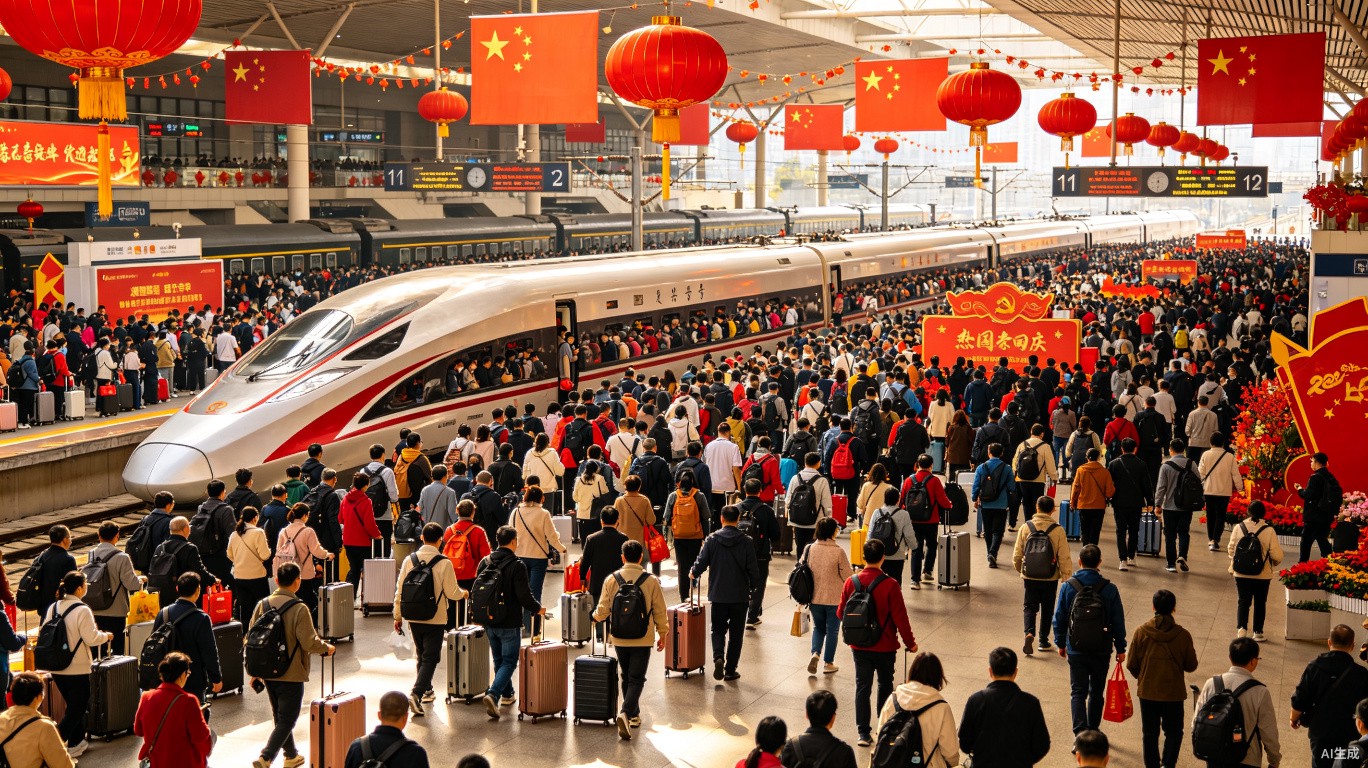
China Golden Week Travel Survival Guide
How to survive China's National Day Golden Week (October 1-7) - what to avoid, where to go, and how to beat the crowds.
9 min read
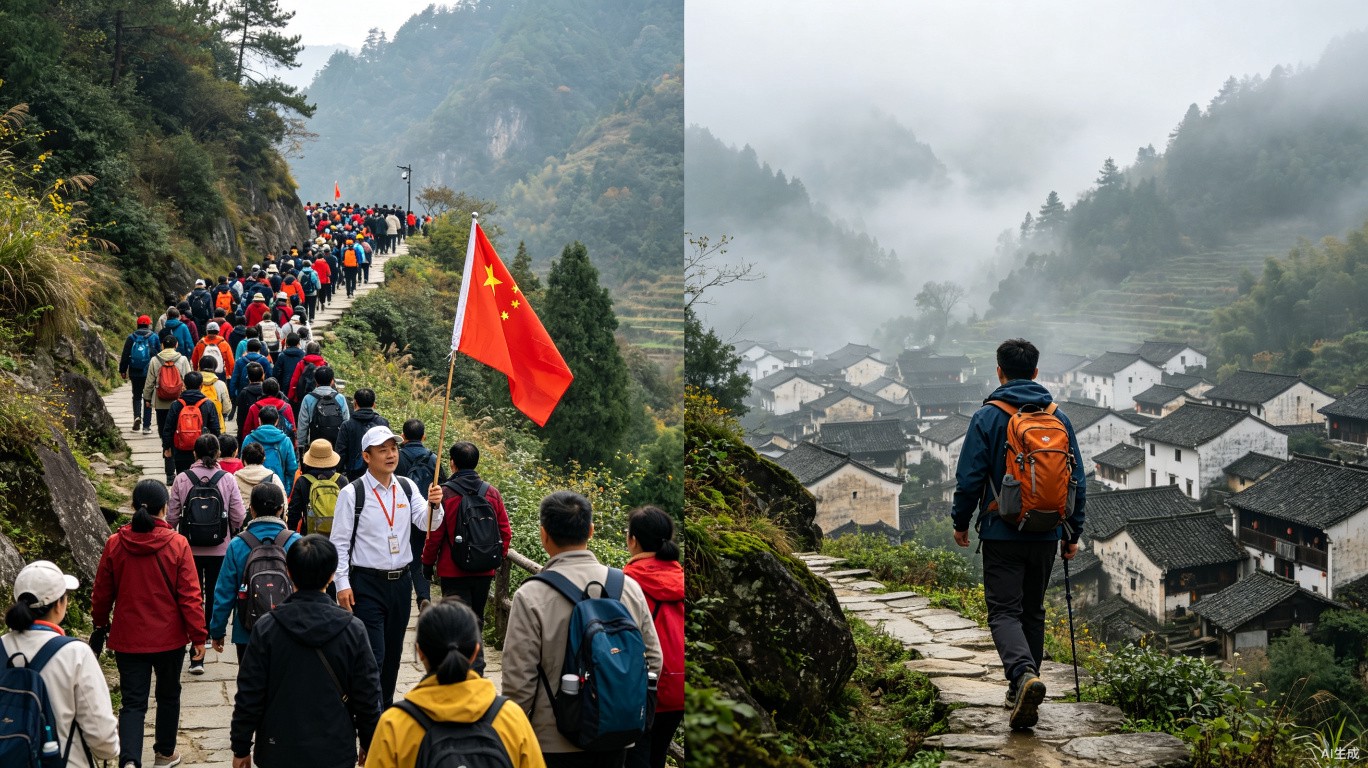
China Group Tours vs Independent Travel Which is Better
Should you join a guided tour or travel independently in China? Honest comparison of cost, flexibility, and experience.
7 min read
China Itinerary Planning: 7-Day 14-Day and 21-Day Routes: The Complete 2026 G...
Not sure how many days to spend in China? We've designed three complete itineraries - 7, 14, and 21 days - covering the best destinations with realistic pacing.
9 min read