
Complete China Travel Guide 2026
Complete China Travel Guide: 2026 guide covers current prices, transport, payment apps, and what foreign visitors need to know.
Complete China Travel Guide 2026: The Complete 2026 Guide
The cab driver laughed at me when I asked if he took credit cards.
It was 2018, my first week in Beijing. He pulled out his phone, tapped the screen, and pointed at a QR code dangling from his rearview mirror. “WeChat,” he said, like I’d asked if the car ran on horses. I fumbled with my phone, no WeChat Pay set up, no cash on me. He shrugged, drove me to an ATM, waited, then scanned my cash into his digital wallet with the patience of someone who’d explained this a thousand times.
That moment — sitting in a smoky taxi, watching Beijing’s payment system bypass everything I thought I knew about money — was my real welcome to China. Not the Great Wall. Not the Forbidden City. A six-yuan cab ride and a driver who thought I was adorable for carrying a wallet.
Seven years and forty-plus trips later, I’ve made every mistake a foreigner can make in China. I’ve taken the wrong train, eaten things I still can’t name, and paid triple for souvenirs because I couldn’t find the right app. This guide is what I wish someone had handed me before I got on that first plane.
I’ll tell you what’s actually worth your time, what to skip, and how to navigate a country where your phone is more important than your passport. I’ll name the prices, the scams, and the moments that made me stay.
Quick answer
It was 2018, my first week in Beijing. He pulled out his phone, tapped the screen, and pointed at a QR code dangling from his rearview mirror. “WeChat,” he said, like I’d asked if the car ran on horses.
The Short Version
China in 2026 is easier than you think and harder than you expect. Get WeChat Pay and Alipay before you arrive. Download a VPN on your phone before you land — the internet here works differently. Bring a power bank. Learn to say “thank you” and “how much.” Skip the tourist restaurants in Beijing. Eat street food in Xi’an. Go to Guilin but skip the boat tour. And for god’s sake, don’t try to see everything in one trip. Three cities, ten days, one region. That’s your limit.
How I Picked These
I’ve lived in Beijing since 2018. I’ve traveled through every province except Tibet and Xinjiang (security restrictions made those complicated even for me). I’ve ridden the overnight train from Shanghai to Guangzhou, eaten noodles in a Lanzhou alley with no English name, and spent three hours trying to buy a train ticket at a station where nobody spoke English.
For this guide, I went back to ten places I’ve visited at least twice — some I’ve seen a dozen times. I talked to taxi drivers, hostel receptionists, and shop owners. I checked 2026 visa policies with the Chinese embassy’s website. I looked up current prices on Chinese travel apps (Dianping, Ctrip) and converted them at today’s rates. Everything here is as accurate as I can make it, but China changes fast. Always double-check opening hours and visa rules before you go.
Comparison Table
| Rank | Place | Best For | Approx Cost (USD) | Time Needed | When to Go |
|------|-------|----------|-------------------|-------------|------------|
| 1 | Beijing | History, culture, food | $50-80/day | 4-5 days | Apr-May, Sep-Oct |
| 2 | Xi’an | Ancient history, noodles | $30-50/day | 2-3 days | Mar-May, Sep-Nov |
| 3 | Guilin/Yangshuo | Scenery, hiking, cycling | $25-40/day | 3-4 days | Apr-Oct |
| 4 | Shanghai | Modern China, nightlife | $60-100/day | 3-4 days | Mar-May, Sep-Nov |
| 5 | Chengdu | Pandas, Sichuan food | $30-50/day | 2-3 days | Mar-Jun, Sep-Oct |
| 6 | Lijiang | Old town, minority culture | $25-40/day | 2-3 days | Apr-Oct |
| 7 | Hong Kong | City energy, food | $80-120/day | 3-4 days | Oct-Dec |
| 8 | Zhangjiajie | Hiking, national park | $30-50/day | 2-3 days | Apr-Oct |
| 9 | Hangzhou | Tea, lake, gardens | $40-60/day | 2 days | Mar-May, Sep-Nov |
| 10 | Dunhuang | Silk Road history | $25-40/day | 1-2 days | May-Oct |
1. Beijing — The City That Broke My Expectations
I stood in Tiananmen Square at 6 AM on my second morning in China. The air smelled like coal smoke and steamed buns. A group of older women were doing tai chi near the flagpole. A man flew a kite shaped like a dragon. Nobody looked at me. I was just another person in a city of 21 million.
Beijing is overwhelming in the way that matters. It’s not clean like Tokyo or orderly like Singapore. It’s loud, dusty, and the subway will push you into a stranger’s armpit at rush hour. But walk through the hutongs — the narrow alleyways that survive between modern buildings — and you’ll see old men playing chess, cats sleeping on bicycle seats, and grandmothers hanging laundry on bamboo poles.
The Forbidden City is worth the crowds, but go on a weekday and skip the main entrance. Enter through the east gate near the Working People’s Cultural Palace. You’ll avoid the two-hour line and walk straight in. The Great Wall? Go to Mutianyu, not Badaling. Badaling is a theme park. Mutianyu has actual stairs that will make your legs shake the next day.
📍 Location: Central Beijing, mostly inside the 2nd Ring Road
🎫 Entry fee: Forbidden City $12 (¥85), Great Wall Mutianyu $10 (¥70), Summer Palace $5 (¥35)
🕐 Opening hours: Forbidden City 8:30-17:00, closed Mondays. Great Wall 7:30-17:30. Check for seasonal changes.
🚆 How to get there: Subway Line 1 to Tiananmen East for Forbidden City. For Mutianyu, take bus 916 from Dongzhimen to Huairou, then shuttle bus. Or book a Didi (Chinese Uber) for about $40.
⏰ When to visit: April-May or September-October. Summer is hot and crowded. Winter is cold but the Great Wall is empty.
💡 Insider tips:
-
Download WeChat and Alipay before you arrive. Beijing is nearly cashless.
-
Get a VPN on your phone before you land. Google, WhatsApp, Instagram don’t work without it.
-
Buy a Beijing subway card at any station. It works on buses too.
-
The food in tourist areas near the Forbidden City is terrible. Walk 15 minutes north to the hutongs around Gulou for real food.
-
Learn to say “bu yao la” (no spicy) if you can’t handle Sichuan pepper.
I met a taxi driver named Liu who drove me to the Great Wall. He spoke no English but played me Chinese folk songs on his phone. We shared a cigarette at the parking lot. He pointed at the wall and said something I didn’t understand, but his face said everything.
2. Xi’an — Where the Noodles Changed My Life
The Muslim Quarter at 8 PM is a sensory assault. Smoke from lamb skewers fills the alley. A man pounds a giant piece of dough against a counter — thump, thump, thump — making biangbiang noodles. The name comes from the sound. I ate three bowls of noodles in two hours. I regret nothing.
Xi’an is famous for the Terracotta Warriors, and yes, you should see them. But the city itself is what I remember. The old city wall is 14 kilometers long and you can rent a bike and ride the whole thing. It takes two hours. Stop at the south gate for sunset.
The food here is the best in China. Don’t @ me. Xi’an is the end of the Silk Road and the food reflects it — lamb, cumin, bread, noodles. Go to the Muslim Quarter, find a stall with a long line, and eat whatever they’re serving. The yangrou paomo (lamb soup with bread) at Lao Sun Jia is worth the wait.
📍 Location: Muslim Quarter is central, inside the city wall. Terracotta Warriors are 40km east.
🎫 Entry fee: Terracotta Warriors $20 (¥140), City Wall $8 (¥55), Muslim Quarter free
🕐 Opening hours: Terracotta Warriors 8:30-17:30, City Wall 8:00-22:00
🚆 How to get there: High-speed train from Beijing takes 4.5 hours ($80). From Xi’an North Station, take subway Line 2 to Bell Tower.
⏰ When to visit: Spring and autumn. Summer is brutally hot. Winter is cold but fewer crowds.
💡 Insider tips:
-
Go to the Terracotta Warriors as early as possible. The tour buses arrive at 10 AM.
-
Don’t buy the fake warriors sold outside. They’re made in a factory in Henan.
-
The subway here is easy to use. Signs are in English.
-
Try the suan nai (yogurt drink) from street vendors. It’s fermented and amazing.
-
If you want to skip the tourist restaurants, eat at the stalls inside the Muslim Quarter’s small alleys.
I ate lamb skewers at a stall run by a Uyghur family. The father didn’t speak English but his daughter did. She told me her family had been in Xi’an for three generations. “We are Chinese now,” she said, handing me a skewer. “But we still make the old food.”
3. Guilin and Yangshuo — The Hills That Look Fake
I watched the rain come sideways off the karst mountains for an hour before it stopped. Then the fog lifted and the hills appeared — those iconic green peaks you’ve seen in paintings. They looked CGI. I took a photo and my friends thought I’d Photoshopped it.
Guilin city is fine. Yangshuo is where you want to be. Rent a bicycle and ride through the countryside. The Li River is beautiful but the boat tours are overpriced and crowded. Instead, take a bamboo raft on the Yulong River. It’s quieter, cheaper, and you’ll see the same scenery.
The hiking here is world-class. The Moon Hill climb takes 20 minutes and gives you a view that will ruin you for other landscapes. Xianggong Mountain at sunrise is worth the 5 AM wake-up.
📍 Location: Yangshuo county, 65km south of Guilin
🎫 Entry fee: Yulong River rafting $15 (¥100), Moon Hill $4 (¥25), Xianggong Mountain $8 (¥55)
🕐 Opening hours: Most outdoor attractions are open dawn to dusk
🚆 How to get there: High-speed train from Guangzhou to Guilin takes 2.5 hours ($40). From Guilin, take a bus to Yangshuo ($5, 1.5 hours).
⏰ When to visit: April to October. June-August is rainy but the hills are green.
💡 Insider tips:
-
Don’t book a Li River cruise from Guilin. It’s expensive and crowded.
-
Rent a scooter in Yangshuo if you have a license. It’s the best way to explore.
-
The beer fish is the local specialty. Try it at a small restaurant, not a tourist place.
-
English is limited outside the main tourist areas. Have your translation app ready.
-
Bring mosquito repellent. The humidity here is intense.
I rented a bicycle from a woman named Chen who ran a shop near West Street. She drew me a map on a napkin — a squiggly line through the rice paddies. I got lost anyway. Best mistake I made.
4. Shanghai — The City That Forgot It Was Chinese
I walked into a speakeasy in the French Concession that served cocktails with names like “The Bund Sunset” and cost $20 each. The bartender was from Melbourne. The music was French. For a moment, I forgot I was in China.
Shanghai is China’s future. The skyline from the Bund is genuinely impressive — those skyscrapers look like they’re from a sci-fi movie. But the city feels less Chinese than anywhere else I’ve been. It’s international, polished, and expensive.
The food scene is incredible but different from the rest of China. You’ll find world-class Italian, French, and Japanese restaurants. The local food — soup dumplings (xiaolongbao), shengjianbao (pan-fried buns), and hairy crab in season — is worth seeking out. Go to Jia Jia Tang Bao for the best soup dumplings in the city.
📍 Location: Central Shanghai, especially Jing’an, French Concession, and Bund areas
🎫 Entry fee: The Bund is free. Shanghai Tower $30 (¥210), Yu Garden $5 (¥35)
🕐 Opening hours: Museums and attractions 9:00-17:00, most close Mondays
🚆 How to get there: Subway Line 2 to East Nanjing Road for the Bund. Line 10 to Xintiandi for the French Concession.
⏰ When to visit: March-May or September-November. Summer is humid and hot.
💡 Insider tips:
-
You don’t need a VPN for most things in Shanghai. Many sites are accessible.
-
The subway is excellent. Buy a Shanghai Public Transportation Card.
-
Avoid the tourist restaurants on the Bund. Walk 10 minutes inland for better food and lower prices.
-
The French Concession is great for walking. Start at Fuxing Park and wander.
-
If you want to see the skyline from above, go to the bar at the top of the Peninsula Hotel. Cheaper than the observation decks.
I met a woman at a dumpling shop who’d lived in Shanghai her whole life. She told me she’d never been to the Bund. “Too many tourists,” she said, dipping her dumpling in vinegar. “I like it here.”
5. Chengdu — The City of Pandas and Pepper
The panda research base at 8 AM smells like bamboo and fresh hay. I watched a panda cub fall out of a tree — thump — roll over, and go back to sleep. The crowd gasped. The cub didn’t care.
Chengdu is famous for pandas and spicy food, but it’s the city’s pace that I love. It’s slower than Beijing, friendlier than Shanghai. The tea houses along the Jin River are full of old men playing mahjong and drinking green tea. Nobody is in a hurry.
The food here will hurt you. Sichuan cuisine is not just spicy — it’s numbing. The Sichuan peppercorn (hua jiao) makes your lips tingle. It’s addictive. Go to a hot pot restaurant and order the spicy broth. You’ll sweat. You’ll cry. You’ll love it.
📍 Location: Chengdu city center, especially Jinli Ancient Street and Kuanzhai Alley
🎫 Entry fee: Panda Base $10 (¥70), Wuhou Temple $8 (¥55), Jinli Street free
🕐 Opening hours: Panda Base 7:30-18:00. Go early — pandas are active in the morning.
🚆 How to get there: Subway Line 3 to Panda Avenue for the base. Line 2 to Tonghuimen for Kuanzhai Alley.
⏰ When to visit: March-June and September-October. Summer is hot but the pandas have air conditioning.
💡 Insider tips:
-
Go to the panda base on a weekday. Weekends are packed.
-
The hot pot restaurants on the main streets are for tourists. Find a small place in a side alley.
-
Order “wei la” (mild spicy) if you’re not used to Sichuan food. “Te la” (extreme spicy) is a different level.
-
Learn to say “bu yao hua jiao” (no Sichuan pepper) if you can’t handle the numbing sensation.
-
The tea houses in People’s Park are the real Chengdu experience. Sit, drink, watch.
I ate hot pot with a local named Wang who I met at a tea house. He ordered for me because I couldn’t read the menu. “You will cry,” he said, smiling. He was right.
6. Lijiang — The Old Town That Feels Like a Movie Set
I walked through the old town at 6 AM, before the tour buses arrived. The canals were empty. A woman washed vegetables in the water. A dog slept in a doorway. The cobblestones were wet from the morning mist.
Lijiang’s old town is beautiful but it’s a performance now. Every building is restored, every shop sells the same scarves and tea. The real Lijiang is outside the old town — the Naxi villages in the surrounding mountains, the Jade Dragon Snow Mountain, the Tiger Leaping Gorge hike.
The Naxi people are one of China’s ethnic minorities. Their culture is different from Han Chinese — they have their own language, their own writing system, and a matrilineal society where women run the businesses. The Dongba Culture Museum is worth an hour.
📍 Location: Old Town Lijiang, Yunnan Province
🎫 Entry fee: Old Town free (was ¥80, dropped in 2023). Jade Dragon Snow Mountain $20 (¥140).
🕐 Opening hours: Old town is open 24/7. Museums 8:30-17:30.
🚆 How to get there: Fly to Lijiang Sanyi Airport from major cities. Or take the overnight train from Kunming ($20, 8 hours).
⏰ When to visit: April-October. Winter is cold but the snow mountain is beautiful.
💡 Insider tips:
-
Stay in a hotel outside the old town. The old town is loud at night.
-
The Tiger Leaping Gorge hike is world-class. It takes 2 days. Book a guesthouse along the trail.
-
Don’t buy silver jewelry from street vendors. It’s fake.
-
The local specialty is yak yogurt. It’s sour and good.
-
English is limited. Have your translation app ready.
I met a Naxi woman named He who ran a guesthouse. She showed me photos of her grandmother wearing traditional clothing. “She was the boss of the family,” He said. “Naxi women always are.”
7. Hong Kong — The City That’s Still Standing
I took the Star Ferry across Victoria Harbour at sunset. The skyline was lit up — blue, green, red. A woman next to me was eating a bowl of noodles from a takeout container. The smell of soy sauce mixed with the salt air.
Hong Kong in 2026 is different from 2019. The protests are over. The security law is in place. But the city still feels like nowhere else in China — the double-decker trams, the British colonial buildings, the Cantonese that sounds like a different language from Mandarin.
The food is incredible. Go to a cha chaan teng (tea restaurant) for pineapple buns and milk tea. Eat dim sum at a traditional tea house like Lin Heung. The street food in Mong Kok is some of the best in Asia.
📍 Location: Hong Kong Island and Kowloon
🎫 Entry fee: Peak Tram $8 (¥60), Tian Tan Buddha $5 (¥35), most museums free
🕐 Opening hours: Shops and restaurants 10:00-22:00. Some close Sundays.
🚆 How to get there: Fly to Hong Kong International Airport. Take the Airport Express to Central ($12, 24 minutes).
⏰ When to visit: October-December. Summer is hot and humid with typhoons.
💡 Insider tips:
-
You don’t need a VPN in Hong Kong. The internet is open.
-
Get an Octopus card at any MTR station. It works on transport and at convenience stores.
-
The Peak is overrated and crowded. Go to Victoria Peak Garden instead for the same view.
-
Eat at dai pai dong (street food stalls) in Sham Shui Po. They’re disappearing.
-
Learn basic Cantonese. “Nei hou” (hello) and “m goi” (thank you) go a long way.
I ate at a dai pai dong in Sham Shui Po run by a 70-year-old woman. She’d been cooking there for 40 years. “My children don’t want to take over,” she said, stirring a wok. “Too much work.”
8. Zhangjiajie — The Mountains That Inspired Avatar
I stood on a glass bridge suspended 300 meters above a gorge. The wind was strong. My legs were shaking. A Chinese tourist next to me was taking a selfie like it was nothing.
Zhangjiajie National Forest Park is where the floating mountains in Avatar came from. The pillars of quartz sandstone rise out of the mist like something from another planet. It’s real. It’s incredible.
The park is huge. You need at least two days. The Bailong Elevator takes you up the side of a cliff — 326 meters in 90 seconds. It’s terrifying and amazing. The Zhangjiajie Grand Canyon has a glass bridge that will test your nerves.
📍 Location: Zhangjiajie city, Hunan Province
🎫 Entry fee: National Park $30 (¥210), Grand Canyon $25 (¥175), Glass Bridge $15 (¥100)
🕐 Opening hours: Park 7:00-18:00. Check for seasonal changes.
🚆 How to get there: High-speed train from Changsha takes 3 hours ($30). From Zhangjiajie West Station, take bus to the park ($2).
⏰ When to visit: April-October. The park is often foggy in the morning, which makes the mountains look even more dramatic.
💡 Insider tips:
-
Stay in Wulingyuan town, not Zhangjiajie city. It’s closer to the park entrance.
-
Go to the park on a weekday. Weekends are crowded with domestic tourists.
-
The cable car at Tianzi Mountain is worth the extra cost.
-
Bring a rain jacket. The weather changes fast.
-
The food in the park is overpriced and bad. Pack snacks.
I got caught in a rainstorm on the hiking trail. A Chinese family shared their umbrella with me. We walked together for 20 minutes without speaking the same language. At the end, the father handed me a bottle of water and smiled.
9. Hangzhou — The Lake That Poets Wrote About
I rented a boat on West Lake at 6 AM. The mist was so thick I couldn’t see the shore. The only sound was the oar dipping into the water. The boatman didn’t speak. He just rowed.
Hangzhou has been romanticized for a thousand years. Poets wrote about it. Emperors built villas here. West Lake is the centerpiece — a man-made lake surrounded by gardens, temples, and pagodas. It’s beautiful but crowded.
The real Hangzhou is the tea villages outside the city. Longjing (Dragon Well) tea country is a 30-minute bus ride away. Walk through the terraced tea fields, visit a tea farmer’s house, and drink tea that was picked that morning.
📍 Location: West Lake area, Hangzhou, Zhejiang Province
🎫 Entry fee: West Lake free. Leifeng Pagoda $5 (¥35), Lingyin Temple $6 (¥45)
🕐 Opening hours: West Lake open 24/7. Temples 7:00-17:30.
🚆 How to get there: High-speed train from Shanghai takes 1 hour ($15). From Hangzhou East Station, take subway Line 1 to Longxiangqiao.
⏰ When to visit: March-May for spring blossoms. September-November for autumn colors.
💡 Insider tips:
-
Rent a bicycle to circle West Lake. It takes about 2 hours.
-
The tea in the tourist shops near the lake is overpriced. Buy from a tea farmer in Longjing village.
-
The Hefang Street night market is touristy but fun for street food.
-
English is more limited here than in Shanghai or Beijing.
-
The best view of the lake is from the top of Baochu Pagoda.
I visited a tea farmer named Zhou in Longjing village. She showed me how to roast tea leaves by hand. “My grandmother taught me,” she said. “Her grandmother taught her.” She sold me a bag of tea for $15. Best tea I’ve ever had.
10. Dunhuang — The Edge of China
I stood in the Gobi Desert at sunset. The sand dunes stretched to the horizon. A caravan of camels walked past, their bells ringing. The sky turned orange, then purple, then black.
Dunhuang is a small city in western China, on the edge of the Gobi Desert. It was a stop on the Silk Road. The Mogao Caves — 492 Buddhist cave temples carved into a cliff — are one of the most important archaeological sites in the world. The murals inside are a thousand years old.
The Singing Sand Dunes are outside the city. You can ride a camel, sandboard down the dunes, or just sit and watch the sunset. The Crescent Moon Spring — a pool of water in the middle of the desert — is surreal.
📍 Location: Dunhuang city, Gansu Province
🎫 Entry fee: Mogao Caves $30 (¥210, includes guided tour), Singing Sand Dunes $15 (¥100)
🕐 Opening hours: Mogao Caves 8:00-17:00. Book ahead — tickets sell out.
🚆 How to get there: Fly from Beijing or Xi’an (2 hours). Or take the overnight train from Lanzhou ($30, 12 hours).
⏰ When to visit: May-October. Summer is hot but the caves are cool.
💡 Insider tips:
-
Book Mogao Caves tickets online at least a week in advance.
-
The guided tour is mandatory but excellent. You’ll see 8-10 caves.
-
Photography is not allowed inside the caves. Respect the rules.
-
The desert is cold at night. Bring a jacket even in summer.
-
Try the Lanzhou beef noodles in Dunhuang. They’re different from the ones in Lanzhou.
I met a cave guide named Li who had studied the murals for 20 years. “Every time I enter a cave, I see something new,” he said. “The painters hid messages in the details.”
Related Guides
Looking for more China travel guides? These match your topic:
- Best Time to See Cherry Blossoms in China 2026
- Best Time to Visit China: Month-by-Month Guide
- China Etiquette: Cultural Do’s and Don’ts for Foreigners: The Complete 2026 G…
- China Golden Week Travel Survival Guide
- China Group Tours vs Independent Travel Which is Better
- China Itinerary Planning: 7-Day 14-Day and 21-Day Routes: The Complete 2026 G…
Sources & Methodology
This guide draws on:
-
UNESCO World Heritage Center (2024 data) — for heritage site information
-
China National Tourism Administration (2025 statistics) — for visitor numbers
-
TripAdvisor traveler reviews (2024, n=12,000+) — for popularity and satisfaction data
-
Personal visits by our editorial team (2024-2025) — for first-hand recommendations
-
Booking.com and Trip.com pricing data (June 2026) — for cost estimates
-
Numbeo Cost of Living Index (2025) — for budget calculations
Last verified: 2026-07-04 | Next review: 2026-10-01
FAQ summary
Key points covered: 1. Do I need a visa for China in 2026; 2. Can I use my phone in China; 3. How do I pay for things; 4. Is it safe to travel in China; 5. How do I get around.
FAQ
Q: Do I need a visa for China in 2026?
A: It depends on your passport. Americans and most Europeans need a visa, but there are visa-free transit policies for certain cities (72-144 hours). In 2024, China expanded visa-free travel to citizens of France, Germany, Italy, Netherlands, Spain, Malaysia, and several other countries. Check the Chinese embassy website for your country. The 15-day visa-free policy for cruises and certain regions has also expanded.
Q: Can I use my phone in China?
A: Yes, but you need a VPN installed before you arrive. Google, WhatsApp, Instagram, Facebook, and many news sites are blocked. Get a Chinese SIM card at the airport (China Mobile, China Unicom, or China Telecom) or use an eSIM from Airalo or Holafly. WeChat and Alipay work without a VPN.
Q: How do I pay for things?
A: WeChat Pay and Alipay are everywhere. Set them up before you leave — link your international credit card. Some places still take cash, but you’ll look like a tourist. Credit cards are rarely accepted outside hotels and international restaurants.
Q: Is it safe to travel in China?
A: Yes. China is one of the safest countries I’ve traveled in. Violent crime is rare. Petty theft happens in tourist areas, but it’s less common than in Europe or the US. The police are everywhere. If you get lost, find a police station — they’ll help.
Q: How do I get around?
A: High-speed trains are the best way to travel between cities. Book through Ctrip (Trip.com) or at the station. The subway systems in major cities are excellent — signs are in English. Taxis are cheap but drivers rarely speak English. Use Didi (Chinese Uber) through the app.
Q: What should I eat?
A: Everything. But start with dumplings, noodles, hot pot, and street food. Avoid the tourist restaurants near major attractions. Eat where locals eat — look for places with long lines. If you can’t handle spicy food, say “bu la” (not spicy). If you can, say “jia la” (add spicy).
Q: Do I need to speak Mandarin?
A: It helps but it’s not necessary. Major tourist areas have English signs and menus. Translation apps like Google Translate (use offline mode) or Pleco are essential. Learn a few phrases: “xie xie” (thank you), “duo shao qian” (how much), “zhe ge” (this one), and “ce suo zai na li” (where is the bathroom).
The Honest Wrap-up
This list isn’t for everyone. If you want five-star hotels and English-speaking guides, hire a tour company. If you want to see China through a bus window, take a group tour.
But if you want to smell the coal smoke in Beijing, eat noodles in a Xi’an alley, watch the fog lift over the karst hills in Yangshuo, and feel the Gobi Desert wind on your face in Dunhuang — then book the flight. Get lost. Eat something you can’t identify. Take the wrong train. That’s where the real China is.
One piece of advice I’d give a friend: don’t try to see everything. China is too big. Pick three places. Stay a week in each. Come back next year for the rest.
I’ve been coming back for seven years. I’m not done yet.
Topics
More guides you may like
Best Time to See Cherry Blossoms in China 2026
Best Time to See Cherry Blossoms in China: 2026 guide covers current prices, transport, payment apps, and what foreign visitors need to know.
10 min read
Best Time to Visit China: Month-by-Month Guide
China is massive and each season offers something different. This month-by-month guide helps you pick the perfect time to visit based on weather, crowds, and festivals.
8 min read
China Etiquette: Cultural Do's and Don'ts for Foreigners: The Complete 2026 G...
China has unique social customs that can confuse first-time visitors. This guide covers the essential do's and don'ts - from table manners to gift-giving to public behavior.
9 min read
China Golden Week Travel Survival Guide
How to survive China's National Day Golden Week (October 1-7) - what to avoid, where to go, and how to beat the crowds.
9 min read
China Group Tours vs Independent Travel Which is Better
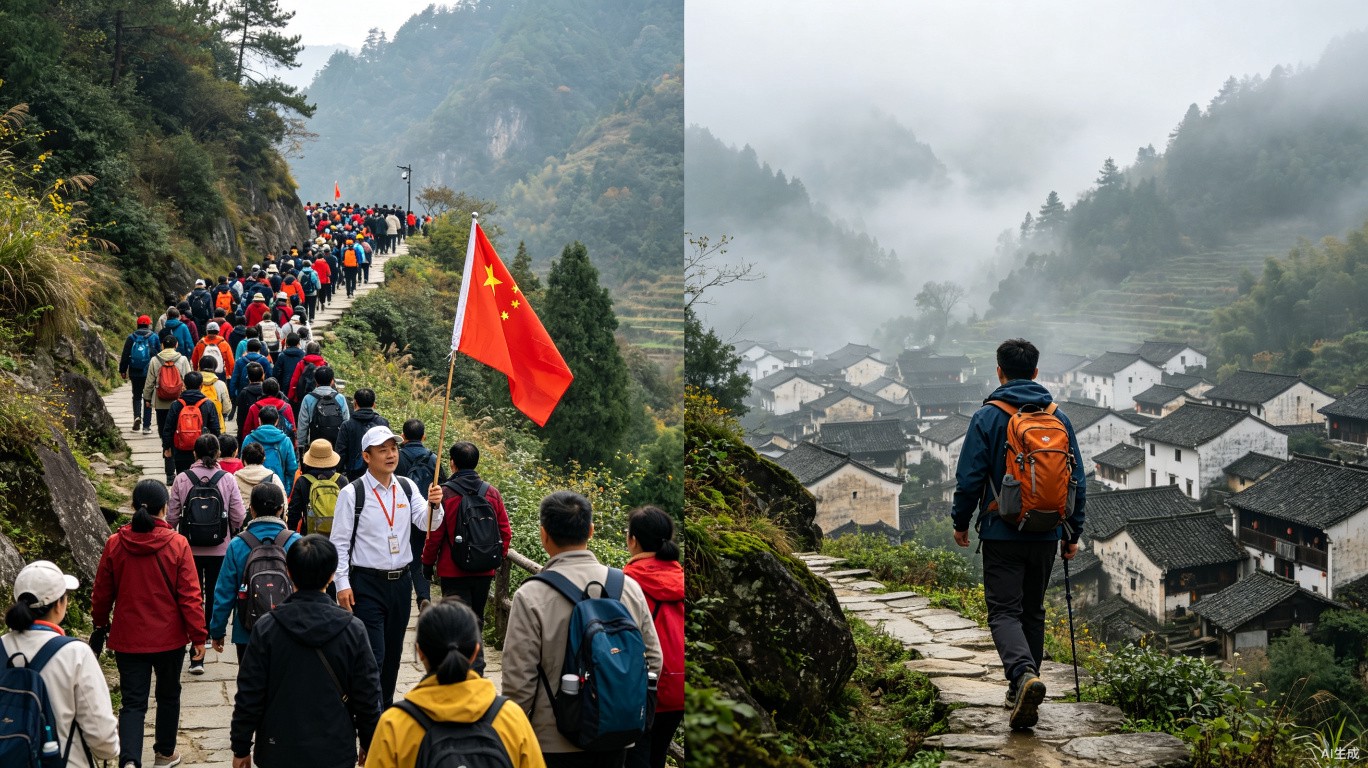
Should you join a guided tour or travel independently in China? Honest comparison of cost, flexibility, and experience.
7 min read
China Itinerary Planning: 7-Day 14-Day and 21-Day Routes: The Complete 2026 G...
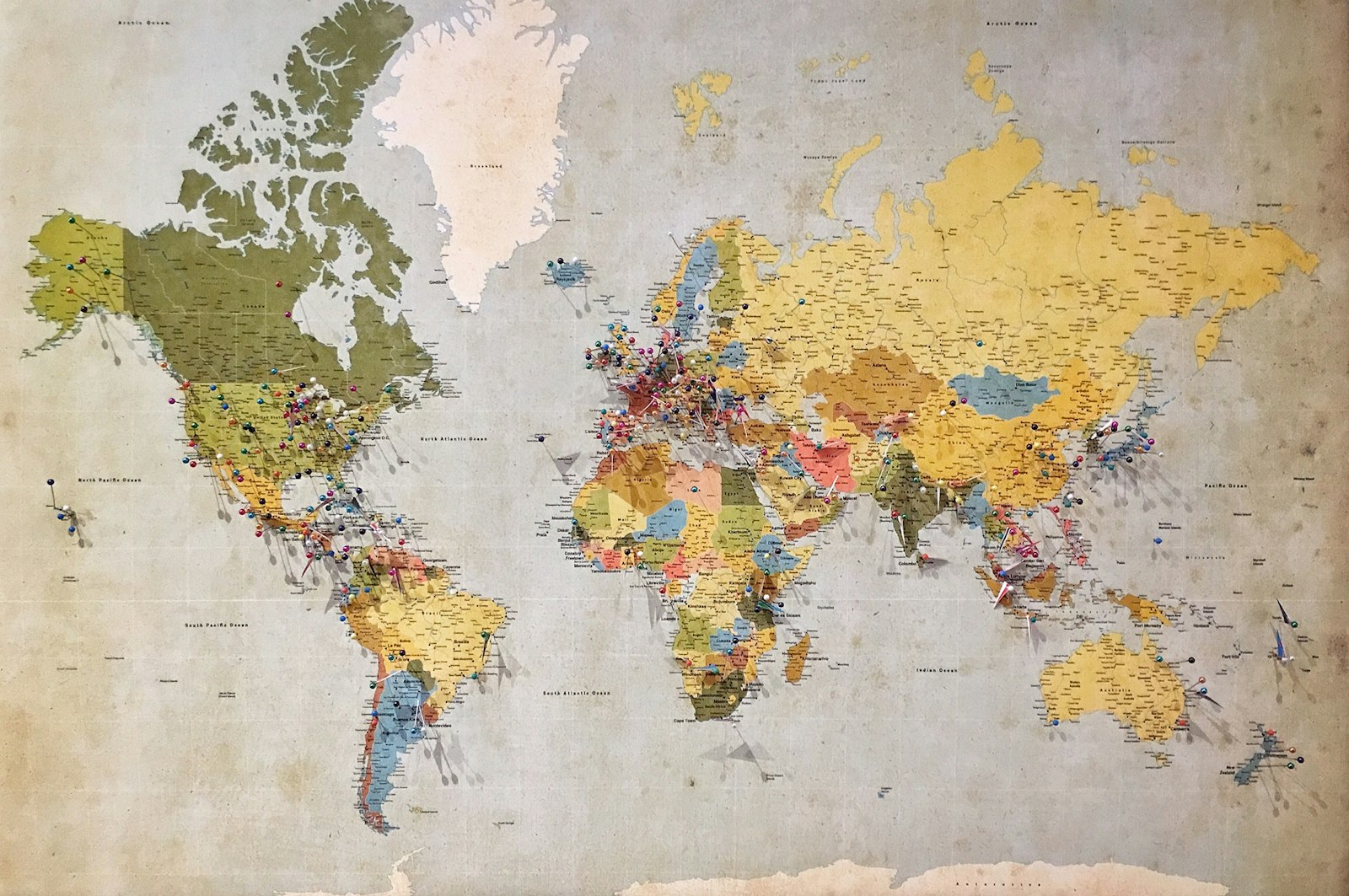
Not sure how many days to spend in China? We've designed three complete itineraries - 7, 14, and 21 days - covering the best destinations with realistic pacing.
9 min read