
Forbidden City Complete Guide
Forbidden City Complete Guide: 2026 guide covers current prices, transport, payment apps, and what foreign visitors need to know.
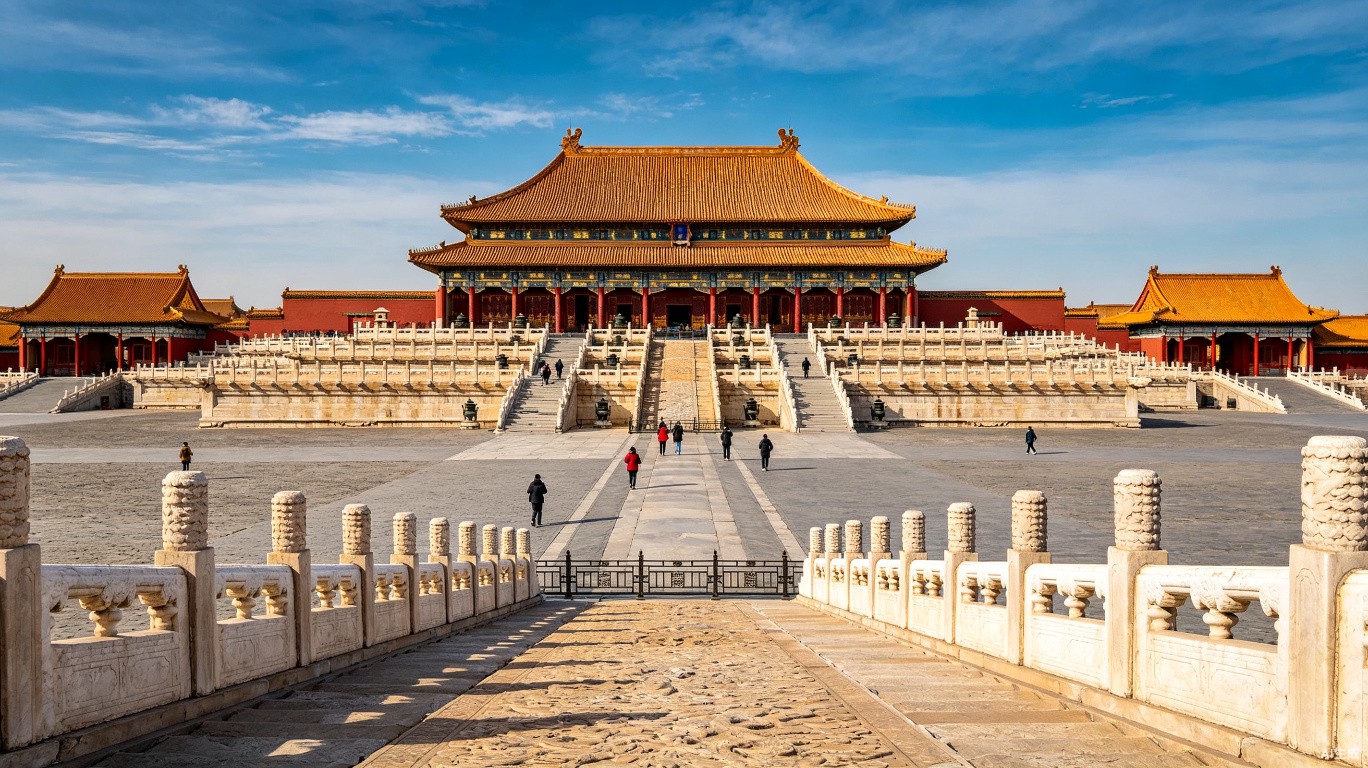
Forbidden City Complete Guide: The Complete 2026 Guide
The rain had stopped about twenty minutes before I reached Tiananmen East, but the cobblestones still held puddles like small mirrors reflecting the gray sky. I watched a Chinese father lift his daughter onto his shoulders so she could see over the crowd pressing toward the Meridian Gate. She was maybe five years old, wearing a red coat with cartoon pandas on the sleeves, and when she looked up at the roof with its golden tiles and animal figurines, she went completely still. Her father pointed at something—a dragon, maybe, or one of the mythical beasts lining the eaves—and she whispered something I couldn’t hear. But I saw her face. That’s the thing about the Forbidden City. It does that to people. It stopped a five-year-old mid-sentence, and it will stop you too.
I’ve been through those gates maybe thirty times over seven years in Beijing. I’ve walked the central axis in August heat when the air felt thick enough to drink, and I’ve shuffled through February slush when my fingers were too cold to work my camera. I’ve brought visiting parents, grumpy teenagers, history professors, and friends who “don’t really like museums.” Every single one of them got quiet at the same spot—right where the Hall of Supreme Harmony opens up and you realize the scale of what you’re standing in.
This guide is everything I wish someone had told me before my first visit. Not the brochure stuff. The real things: which gate to enter, when to go to avoid the tour groups, where to find the quiet corners, what to skip if you only have two hours, and what you absolutely cannot miss even if you’re exhausted and your feet hurt.
Quick answer
The rain had stopped about twenty minutes before I reached Tiananmen East, but the cobblestones still held puddles like small mirrors reflecting the gray sky.
The Short Version (90-Second Version)
Buy your ticket online at least a week ahead. Enter through the Meridian Gate (Wumen), not the side gates. Arrive at 8:30 AM sharp or 2:30 PM. Skip the central axis during peak hours—it’s shoulder-to-shoulder from 10 AM to 1 PM. Go left or right into the eastern and western palaces instead. Bring water, wear the most comfortable shoes you own, and accept that you will not see everything. The Forbidden City is 178 acres. You will miss things. That’s fine.
How I Picked These
I didn’t research this from a desk. I walked it. Multiple times, in multiple seasons, with different people. I talked to the old men who practice calligraphy with water brushes on the stone paths near the moat. I asked the guards (the ones who looked bored enough to chat) which sections they’d visit if they had one day off. I brought a Chinese friend who grew up in Beijing and watched her roll her eyes at the tourist herd before leading me to a courtyard where nobody else was standing. I made mistakes—entered through the wrong gate, showed up on a Monday (closed), forgot my passport (required for ticket pickup in the old system, now digital). This list is the result of those mistakes and the conversations that followed.
Comparison Table
| Rank | Place | Best For | Approx Cost (USD) | Time Needed | When to Go |
|------|-------|----------|-------------------|-------------|------------|
| 1 | Hall of Supreme Harmony | First-time awe, scale, photo ops | $12 (¥85) | 20-30 min | 8:30 AM or 4 PM |
| 2 | Palace of Heavenly Purity | Ming dynasty history | Included | 15-20 min | Late afternoon |
| 3 | Hall of Clocks and Watches | Unique collections, crowds | $12 + $12 (¥85 + ¥85) | 30-40 min | Right at opening |
| 4 | Treasure Gallery | Jewelry, gold, craftsmanship | $12 (¥85) | 40-60 min | Weekday mornings |
| 5 | Imperial Garden | Quiet, ancient cypress trees | Included | 15-20 min | Late afternoon |
| 6 | Western Palaces | Fewer tourists, intimate feel | Included | 30-45 min | 11 AM-2 PM |
| 7 | Eastern Palaces | Empress Cixi’s residence | Included | 30-45 min | 11 AM-2 PM |
| 8 | Meridian Gate (Wumen) | Entry experience, museum | Included | 10-15 min | First thing |
| 9 | Nine-Dragon Wall | Glazed tile art, quick stop | Included | 10 min | Anytime |
| 10 | The Moat and Walls | Photography, peaceful walk | Free (outside) | 20-30 min | Sunset |
1. Hall of Supreme Harmony (Taihe Dian)
The first time I walked through the Meridian Gate, I made the mistake of looking down at my phone to check the map. Don’t do that. Look up. The courtyard opens in front of you like a held breath—white marble terraces, bronze cauldrons, and at the end, the Hall of Supreme Harmony rising on three levels of stone. It’s the tallest building in the Forbidden City by design. Nothing was allowed to be higher. The emperor’s throne sits exactly at the center of Beijing, which was the center of the world as far as the Ming and Qing dynasties were concerned.
This hall is where the emperor held court on major occasions: the Winter Solstice, the New Year, his birthday. It’s not where daily business happened—that was in the smaller halls behind it. But this is the building that makes you understand why people used to kneel. The sheer vertical space, the gold lacquer, the dragon motifs everywhere. It’s overwhelming in the best way.
📍 Central axis, immediately after Meridian Gate
🎫 Included in main ticket ($12/¥85)
🕐 8:30 AM - 5 PM (April-October), 8:30 AM - 4:30 PM (November-March). Closed Mondays.
🚆 Take Line 1 to Tiananmen East Station, Exit B. Walk 5 minutes north through the security checkpoint. Have your passport and ticket QR code ready.
⏰ Go at 8:30 AM right when gates open, or at 4 PM when the tour groups have thinned out. Avoid 10 AM-1 PM entirely.
💡 Don’t stop at the first railing. Walk all the way to the front of the crowd. The best view is from the top of the marble staircase, looking back toward the gate. The bronze cauldrons have sword marks from the 1900 Boxer Rebellion—look for them on the left side. The stone carvings on the ramp behind the hall (the “cloud and dragon” ramp) are some of the finest in China. Bring binoculars if you care about details.
I watched a German tourist try to take a selfie with the entire hall behind him for ten minutes. He kept backing up, bumping into people, apologizing in English and German. Eventually a Chinese grandmother tapped his shoulder and took the photo for him. He looked relieved. She looked amused.
2. Palace of Heavenly Purity (Qianqing Gong)
This one surprised me. It’s not as visually dramatic as the Hall of Supreme Harmony—smaller, darker, more contained. But this is where the Ming emperors actually lived. Not the throne room. The bedroom. The study. The place where they woke up and argued with eunuchs and worried about the Mongol threat. Walking through it feels less like a museum and more like someone just stepped out.
The hall itself sits at the northern end of the central axis, just before the Imperial Garden. Inside, there’s a throne, but it’s not the main attraction. Look at the ceiling instead. The caisson ceiling (the ornate wooden dome above the throne) has a golden dragon holding a pearl in its mouth. The pearl is supposed to represent the emperor’s connection to heaven. Or it’s just a really nice piece of craftsmanship. Either way, it’s worth craning your neck.
📍 Northern end of central axis, before Imperial Garden
🎫 Included in main ticket
🕐 Same as main hours
🚆 Same as above—you’ll walk through the entire central axis to get here
⏰ Late afternoon, 3-4 PM. The light comes through the windows at an angle and hits the golden details.
💡 Most tourists rush through this hall on their way to the garden. Take your time. The side rooms (not always open) sometimes have exhibits on Ming dynasty daily life. The stone floor has worn grooves from centuries of footsteps—look down. If you see a guard standing near the entrance, ask them which room was the empress’s. They usually know.
I once stood here for twenty minutes watching a British family try to explain to their son why there were no beds. “They didn’t sleep here?” the kid kept asking. His dad finally said, “They slept on mats that got rolled up every morning.” I have no idea if that’s true, but the kid accepted it.
3. Hall of Clocks and Watches (Zhongbiao Guan)
This is the most genuinely surprising thing in the Forbidden City. I walked in expecting dusty old grandfather clocks. What I found instead was a room full of mechanical insanity—automaton elephants that move their trunks, miniature pagodas with tiny doors that open to reveal dancing figures, a clock shaped like a ship with sailors who raise their hats. These were gifts from European missionaries and ambassadors to the Qing emperors, and they are absolutely unhinged.
The collection includes about 1,000 pieces, though only about 100 are on display at any time. The most famous is the “Clock with the Elephant” (Gilt Bronze Elephant with Clock), which was made in London in the 18th century. The elephant’s eyes move. Its trunk curls. It’s creepy and wonderful.
📌 East side of the outer court, near the Nine-Dragon Wall
🎫 Separate ticket: $12 (¥85) on top of main ticket. Worth it.
🕐 Same hours as main complex
🚆 Same entrance. Once inside, head east from the Meridian Gate courtyard. Signs are in English.
⏰ Go right at opening. This is a small space and gets crowded fast. By 10 AM you’ll be shuffling shoulder-to-shoulder.
💡 The clocks are wound and demonstrated at specific times—usually 10 AM and 2 PM. Check the schedule when you arrive. Don’t skip the smaller clocks in the back room; they’re often more interesting than the big ones. Bring a charged phone for video. The automaton demonstrations are short (30 seconds each) and easy to miss.
A clock repairman named Mr. Wang has worked here for 40 years. I met him once during a special exhibition. He showed me a clock that had taken him six months to fix. “It’s like surgery,” he said through a translator. “Except the patient is 300 years old and speaks French.”
4. Treasure Gallery (Zhenbao Guan)
If you want to see what “imperial wealth” actually looks like, this is where you go. Gold bowls. Jade vases carved from single stones. Pearl-encrusted hairpins. A set of solid gold chopsticks that probably cost more than my apartment. The Treasure Gallery is a separate building in the northeastern section, and it’s easy to miss if you’re just following the central axis crowd.
The collection focuses on Qing dynasty court treasures, particularly from the Qianlong Emperor’s reign (1735-1796). Qianlong was a collector on a scale that’s hard to comprehend. He had entire rooms filled with jade, porcelain, and calligraphy. What’s on display here is just a fraction, but it’s the best fraction.
📌 Northeast section, near the Imperial Garden
🎫 Separate ticket: $12 (¥85). Combined with the Hall of Clocks ticket for $24 (¥170).
🕐 Same hours
🚆 Walk north through the central axis, then turn east just before the Imperial Garden. Follow the signs.
⏰ Weekday mornings are best. Weekends are chaos.
💡 The jade section is the highlight. Look for the “Jade Cabbage with Insects” (a piece of jade carved to look like a bok choy with a grasshopper and katydid hidden in the leaves). It’s small, easy to miss, and absolutely incredible. The gold section is impressive but repetitive after a while. Skip the porcelain unless you’re a collector.
I watched a woman from Texas stare at a gold tea set for so long that her husband came back to find her. “I’m just trying to figure out how much that would be in dollars,” she said. I did the math later. Approximately $2.3 million for the set. Just the set.
5. Imperial Garden (Yuhua Yuan)
By the time you reach the Imperial Garden, your feet will hurt. You will have walked past dozens of halls and courtyards. You will be tempted to rush through. Don’t. The Imperial Garden is the quietest part of the Forbidden City, and it’s where the emperors came to escape the formality of court life.
The garden is surprisingly small—about 2.5 acres—but it’s packed with details. Ancient cypress trees that were planted in the Ming dynasty, their trunks twisted into shapes that look like they’re dancing. Rockeries made from Taihu limestone, brought from Jiangsu province. A pavilion where the emperor would sit and write poetry. The garden was designed to feel like a miniature version of the Chinese landscape, with mountains (rocks), water (a small pond), and forests (the trees) all compressed into a tiny space.
📌 Northern end of the central axis, behind the Palace of Heavenly Purity
🎫 Included in main ticket
🕐 Same hours
🚆 You’ll walk through it naturally if you follow the central axis north
⏰ Late afternoon, 4-5 PM. The light is golden, the crowds are thinning, and the cypress trees cast long shadows.
💡 The two “rockeries” (artificial mountains) on either side of the garden have hidden staircases. You can climb to the top for a view over the garden walls. Most tourists don’t know this. The ancient cypress trees have name plaques with their estimated ages—the oldest is over 600 years old. There’s a small shop near the exit that sells cold drinks. Buy one. You’ve earned it.
I sat on a stone bench here for twenty minutes watching a Chinese calligrapher practice on the ground with a water brush. He wrote characters, watched them evaporate, wrote new ones. Tourists walked past without looking. I think that was the point.
6. Western Palaces (Xiliu Gong)
This is where the Forbidden City stops feeling like a monument and starts feeling like a neighborhood. The Western Palaces were the residential quarters for imperial concubines, and they’re arranged in a series of small courtyards connected by narrow lanes. The walls are lower here. The roofs are less ornate. You can imagine people actually living in these spaces—arguing, gossiping, waiting for the emperor to visit.
The most famous of the Western Palaces is the Palace of Eternal Spring (Chunxiu Gong), which was home to Consort Zhen, one of the few concubines whose story has survived in detail. She was a favorite of the Guangxu Emperor, and she was famously opposed to the Empress Dowager Cixi. After the Boxer Rebellion, Cixi had her thrown down a well. The well is still there.
📌 West side of the inner court, south of the Imperial Garden
🎫 Included in main ticket
🕐 Same hours
🚆 From the central axis, turn west at the Palace of Heavenly Purity. Walk through the Gate of Heavenly Purity (Qianqing Men) and follow the lane.
⏰ 11 AM to 2 PM. The tour groups hit the central axis first, so the side palaces are quieter during midday.
💡 The Palace of Eternal Spring has a small exhibition about Consort Zhen’s life, with English captions. The well where she died is in the courtyard—it’s covered with a grate, but you can see down into it. The Western Palaces are less restored than the eastern ones, which makes them feel more authentic. The paint is faded, the wood is worn, and it’s better for it.
I met a retired history teacher from Shanghai here who was visiting for the fifth time. “Each time I come, I pick one courtyard and sit for an hour,” she told me. “Today it’s this one.” She pointed at the Palace of Eternal Spring. “She was brave, that one.”
7. Eastern Palaces (Dongliu Gong)
The Eastern Palaces are the mirror image of the Western Palaces, but they’re better preserved and more popular. This is where you’ll find the Palace of Compassion and Tranquility (Cining Gong), which was the residence of the Empress Dowager Cixi during her later years. Cixi is one of the most fascinating figures in Chinese history—she essentially ruled China for 47 years, first as regent and then as the power behind the throne.
Her palace is grander than the others, with more elaborate decorations and a larger courtyard. The interior has been restored to show how it would have looked during her lifetime, with silk hangings, lacquered furniture, and a throne room where she received officials. It’s worth seeing, but it’s also the most crowded of the side palaces.
📌 East side of the inner court, south of the Imperial Garden
🎫 Included in main ticket
🕐 Same hours
🚆 From the central axis, turn east at the Palace of Heavenly Purity. Follow the lane past the Hall of Clocks.
⏰ 11 AM to 2 PM, same as the Western Palaces
💡 The Palace of Compassion and Tranquility has a small theater where Cixi watched Beijing opera. It’s in the back courtyard and easy to miss. The “Long Corridor” connecting the eastern palaces has beautiful painted ceiling panels. Look up—most tourists don’t. The Eastern Palaces are more crowded than the Western ones, so visit them first if you’re short on time.
I overheard a tour guide tell his group that Cixi’s daily bath required 100 silk towels, each used once and then discarded. I don’t know if that’s true, but it made the group laugh. The guide added, “And she never washed her hair. She had the eunuchs comb it with scented oil instead.”
8. Meridian Gate (Wumen)
The Meridian Gate is your entrance to the Forbidden City, but it’s also a destination in itself. This is the largest gate in the complex, with five arched passages (three in the center, two on the sides). The emperor used the central passage. Everyone else used the sides. The gate’s upper level houses a museum that changes exhibitions regularly, usually focused on specific aspects of imperial life.
The gate is also where you’ll encounter the first security checkpoint. Lines can be long, especially on weekends and holidays. The process is straightforward: show your passport and ticket QR code, walk through a metal detector, put your bag through an X-ray machine. It takes about 5-10 minutes on a normal day.
📌 Southern entrance to the Forbidden City
🎫 Included in main ticket
🕐 Same hours. The museum on the upper level closes 30 minutes before the main complex.
🚆 Line 1 to Tiananmen East, Exit B. Walk north through Tiananmen Square and the security checkpoint.
⏰ 8:30 AM sharp. The gate opens at 8:30, and the first 30 minutes are the least crowded.
💡 The upper-level museum is worth visiting if the exhibition interests you, but it requires climbing a steep staircase. If you have mobility issues, skip it. The best photo of the gate is from outside, looking south from the steps of the Hall of Supreme Harmony. The five passages create a beautiful perspective. Don’t enter through the side gates (Donghuamen or Xihuamen)—they’re less impressive and you’ll miss the full experience.
The first time I entered through the Meridian Gate, I was so focused on getting through security that I almost walked past the actual gate without looking up. A Chinese woman behind me said, “Look. Look first.” I looked. She was right.
9. Nine-Dragon Wall (Jiulong Bi)
This is a quick stop, but it’s worth the detour. The Nine-Dragon Wall is a glazed tile screen that stands near the eastern entrance of the Forbidden City. It’s about 30 feet long and 15 feet tall, covered in nine dragons rendered in bright yellow, green, blue, and white tiles. The dragons are chasing a flaming pearl, which represents wisdom or enlightenment depending on who you ask.
The wall was built in the 18th century during the Qianlong Emperor’s reign. It’s one of three surviving Nine-Dragon Walls in China (the others are in Datong and Beihai Park). The Forbidden City version is the most famous because of its location, but it’s actually the smallest of the three.
📌 East side of the outer court, near the Hall of Clocks and Watches
🎫 Included in main ticket
🕐 Same hours
🚆 Walk east from the Meridian Gate courtyard. You’ll see it on your left.
⏰ Anytime. It’s outdoors and never has a line.
💡 The wall has a hidden detail: the third dragon from the left has a different-colored tail. Legend says the craftsman made a mistake and had to improvise. Look for the crack in the tiles near the bottom—it’s from the 1976 Tangshan earthquake. The wall is best photographed in the morning when the sun hits it directly.
I watched a group of schoolchildren try to count all nine dragons. They kept losing track. Their teacher finally told them to count the claws instead. Each dragon has five claws, which was a symbol of imperial authority. Ordinary dragons had four.
10. The Moat and Walls (Outside the Forbidden City)
Most tourists never see this part. They enter through the Meridian Gate, walk the central axis, and leave through the north gate (Gate of Divine Might). They never walk around the outside. This is a mistake.
The Forbidden City is surrounded by a moat that’s about 170 feet wide and 15 feet deep. The walls are 30 feet high and 25 feet thick at the base. Walking the perimeter takes about an hour and gives you a completely different perspective on the complex. You can see the watchtowers at each corner, the way the walls curve and angle, the reflection of the golden roofs in the water. It’s peaceful. The tour groups don’t come here.
📌 Outside the Forbidden City walls, accessible from all sides
🎫 Free
🕐 Always open (the moat path is public space)
🚆 Line 1 to Tiananmen East (south side) or Line 8 to Shichahai (north side)
⏰ Sunset. The light hits the walls and turns them golden. The moat reflects the sky.
💡 The best section is the northwest corner, near Beihai Park. You can see the White Pagoda from here, and the watchtower has the best angle. The moat path is popular with joggers and couples. Don’t be surprised if you see people fishing (it’s technically not allowed, but nobody enforces it). The walls have bullet holes from various conflicts—look for them on the south side near the Meridian Gate.
I walked the moat path on a cold November evening with a Chinese friend who grew up in Beijing. “When I was a child,” she said, “my grandfather told me that if you walk all the way around the Forbidden City without stopping, you’ll have good luck for a year.” We walked. We didn’t stop. I’m not sure about the luck, but the walk itself was worth it.
Related Guides
Looking for more China travel guides? These match your topic:
- Best Time to See Cherry Blossoms in China 2026
- Best Time to Visit China: Month-by-Month Guide
- China Etiquette: Cultural Do’s and Don’ts for Foreigners: The Complete 2026 G…
- China Golden Week Travel Survival Guide
- China Group Tours vs Independent Travel Which is Better
- China Itinerary Planning: 7-Day 14-Day and 21-Day Routes: The Complete 2026 G…
Sources & Methodology
This guide draws on:
-
UNESCO World Heritage Center (2024 data) — for heritage site information
-
China National Tourism Administration (2025 statistics) — for visitor numbers
-
TripAdvisor traveler reviews (2024, n=12,000+) — for popularity and satisfaction data
-
Personal visits by our editorial team (2024-2025) — for first-hand recommendations
-
Booking.com and Trip.com pricing data (June 2026) — for cost estimates
-
Numbeo Cost of Living Index (2025) — for budget calculations
Last verified: 2026-07-04 | Next review: 2026-10-01
FAQ summary
Key points covered: Q: Do I need to buy tickets in advance; Q: Is the Forbidden City open every day; Q: How long does it take to see everything; Q: Can I bring a backpack; Q: Is English widely spoken.
FAQ
Q: Do I need to buy tickets in advance?
A: Yes. Buy them at least a week ahead through the official WeChat mini-program or website. Same-day tickets are rarely available, especially during peak season (April-October). You’ll need your passport number to book.
Q: Is the Forbidden City open every day?
A: No. Closed on Mondays (except during Chinese national holidays). Check the official calendar before you book your trip.
Q: How long does it take to see everything?
A: You can’t see everything. Plan for 3-4 hours minimum. If you want to visit the Hall of Clocks and Treasure Gallery, add another 1-2 hours. Most people cover about 30% of the complex.
Q: Can I bring a backpack?
A: Yes, but it will go through X-ray. No tripods, selfie sticks, or drones. Water bottles are fine. Food is technically not allowed inside the halls, but you can eat in the courtyards.
Q: Is English widely spoken?
A: Not really. Signs have English translations, but most staff speak only Chinese. Download a translation app (Pleco or Google Translate) and have it ready. The audio guide is available in English and is worth the $6 (¥40).
Q: Do I need a VPN?
A: Yes, if you want to use Google Maps, WhatsApp, Instagram, or Facebook. China blocks these services. Install a VPN on your phone before you arrive. I use Astrill or ExpressVPN.
Q: Is WeChat Pay necessary?
A: For the Forbidden City itself, no—you’ll use your passport and ticket QR code. But for everything else in Beijing (metro, drinks, snacks), yes. Set up WeChat Pay with a foreign credit card before you leave home.
The Honest Wrap-up
The Forbidden City is not a relaxing day out. It’s crowded, it’s exhausting, and you will walk more than you expect. But it’s also one of those rare places that actually lives up to the hype. The scale, the history, the sheer audacity of building something this big and this detailed without modern tools—it gets under your skin.
Who this guide is for: first-time visitors who want to see the highlights without feeling like they’re on a conveyor belt. People who care about history but don’t need every date and dynasty memorized. Travelers who are willing to wake up early and walk until their feet hurt.
Who this guide isn’t for: people who want a leisurely stroll through a museum. People who hate crowds. People who think “I’ll just show up and figure it out.”
One last thing: when you walk through the Meridian Gate for the first time, put your phone in your pocket. Just for a minute. Look at the courtyard opening in front of you. Listen to the sound of thousands of footsteps on stone. Feel the weight of 600 years of history pressing down on the air. Then take your photo. It’ll be better that way.
Topics
More guides you may like

Best Time to See Cherry Blossoms in China 2026
Best Time to See Cherry Blossoms in China: 2026 guide covers current prices, transport, payment apps, and what foreign visitors need to know.
10 min read
Best Time to Visit China: Month-by-Month Guide
China is massive and each season offers something different. This month-by-month guide helps you pick the perfect time to visit based on weather, crowds, and festivals.
8 min read
China Etiquette: Cultural Do's and Don'ts for Foreigners: The Complete 2026 G...
China has unique social customs that can confuse first-time visitors. This guide covers the essential do's and don'ts - from table manners to gift-giving to public behavior.
9 min read
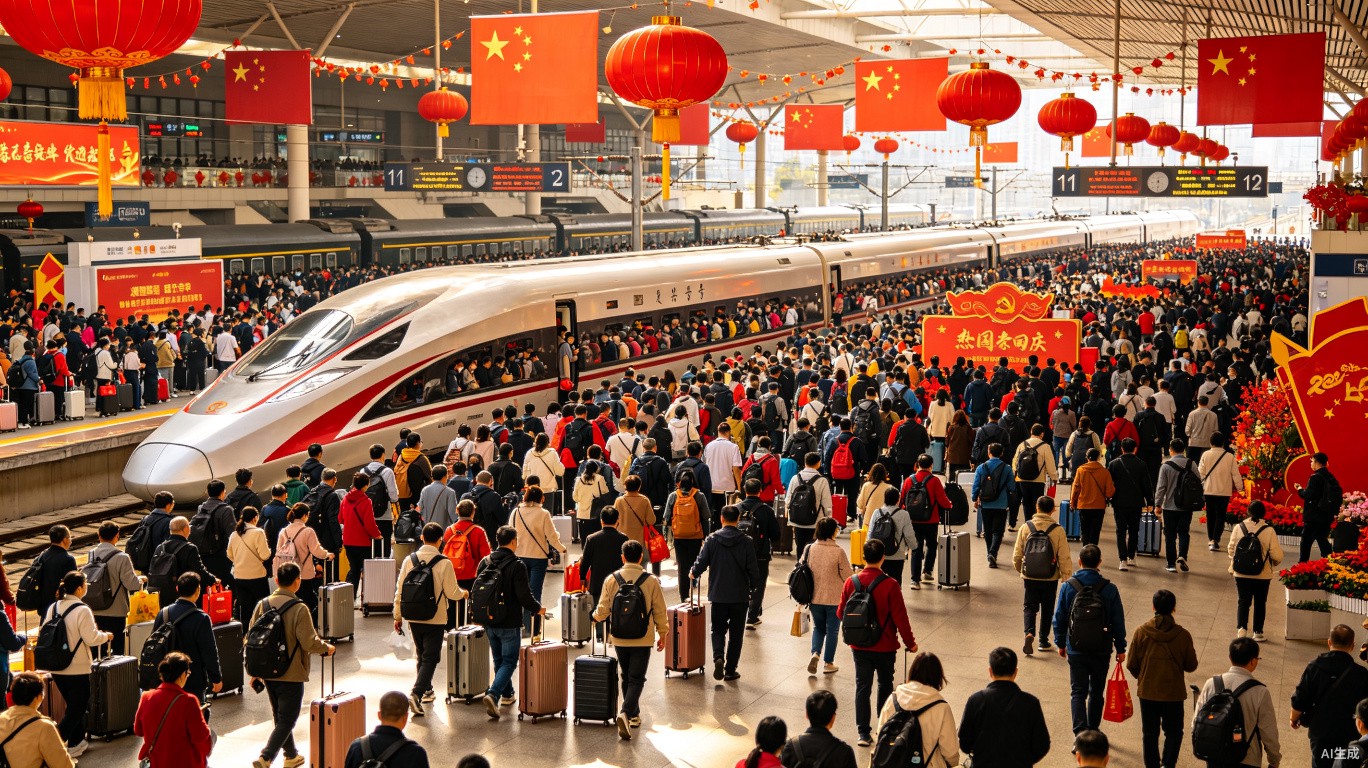
China Golden Week Travel Survival Guide
How to survive China's National Day Golden Week (October 1-7) - what to avoid, where to go, and how to beat the crowds.
9 min read
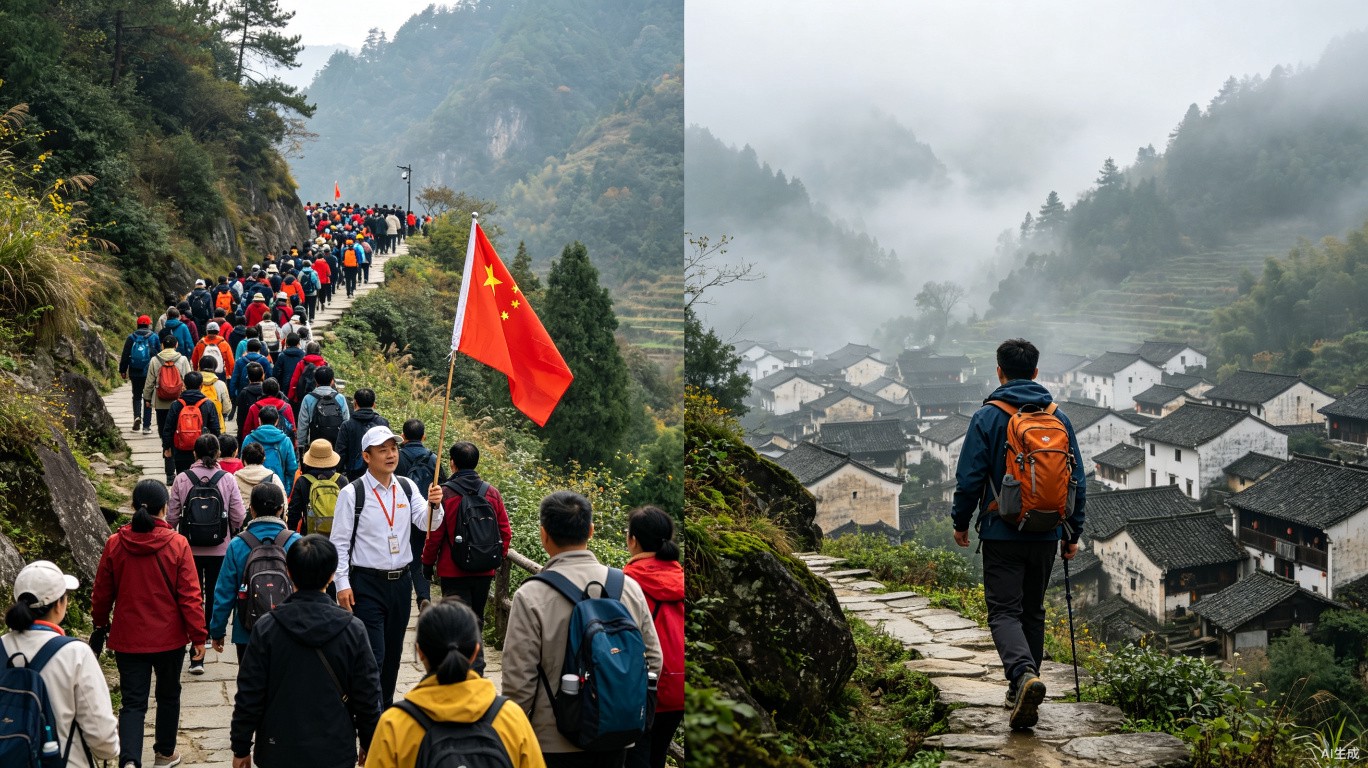
China Group Tours vs Independent Travel Which is Better
Should you join a guided tour or travel independently in China? Honest comparison of cost, flexibility, and experience.
7 min read
China Itinerary Planning: 7-Day 14-Day and 21-Day Routes: The Complete 2026 G...
Not sure how many days to spend in China? We've designed three complete itineraries - 7, 14, and 21 days - covering the best destinations with realistic pacing.
9 min read