
Guangxi Province: Detian Falls and Longji Rice Terraces
Guangxi Province: Detian Falls and Longji Rice Terraces: 2026 guide covers current prices, transport, payment apps, and what foreign visitors need to know.
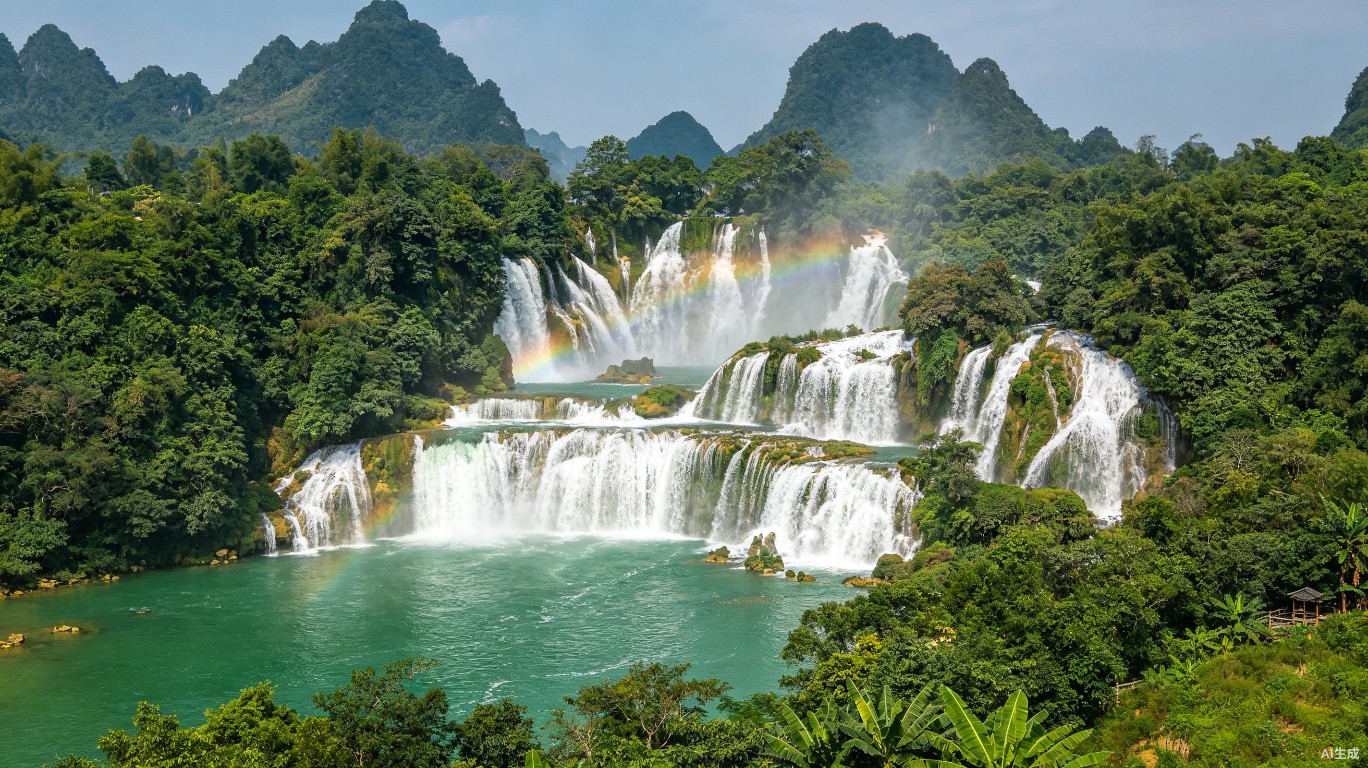
Guangxi Province: Detian Falls and Longji Rice Terraces: The Complete 2026 Guide
The cab driver laughed at me when I asked if we could stop for photos on the mountain road to Longji. It was 6:30 AM, and the fog was so thick I couldn’t see five meters ahead. He pulled over anyway, lit a cigarette, and watched me shiver in the cold while I tried to capture something that looked like nothing but white. Then, at exactly 7:14 AM, the sun burned through a gap in the clouds, and the terraces appeared below us like a staircase to somewhere ancient. I stood there for ten minutes, not taking a single photo, just watching the light move across the rice paddies.
That moment is why I keep coming back to Guangxi. Detian Falls and the Longji Rice Terraces aren’t just scenic spots you check off a list. They’re places where the landscape does something to you — makes you slow down, makes you quiet, makes you forget about the itinerary you spent three weeks building.
This guide is for first-time visitors to China who want to see two of Guangxi’s most spectacular places without the tourist-trap nonsense. I’ve made every mistake so you don’t have to: wrong bus station, wrong season, wrong shoes, wrong expectations. Here’s what actually works.
Quick answer
The cab driver laughed at me when I asked if we could stop for photos on the mountain road to Longji. It was 6:30 AM, and the fog was so thick I couldn’t see five meters ahead.
The Short Version
Detian Falls is worth the five-hour drive from Guilin if you go on a weekday and skip the tourist boats. Longji is better than Yangshuo’s rice terraces — less crowded, more dramatic, and the hike between villages will wreck your knees but fix your soul. Both require at least three days total. Don’t try to do both in one day; you’ll hate yourself and the places.
How I Picked These
I’ve been to Guangxi eight times over seven years — twice solo, three times with friends who’d never been to China, twice with my parents (different experience entirely), and once with a Chinese colleague who grew up in Nanning. That last trip changed everything. She showed me the back routes, the cheap noodle shops, the spots where the tour buses don’t go. I’ve spent roughly 40 hours on buses between Guilin and Detian. I’ve slipped on wet terrace paths in four different seasons. I’ve argued with taxi drivers in my broken Mandarin about prices. Every recommendation here comes from doing it wrong first.
Comparison Table
| Rank | Place | Best For | Approx Cost (USD) | Time Needed | When to Go |
|------|-------|----------|-------------------|-------------|------------|
| 1 | Longji Rice Terraces | Hiking, photography, culture | $15-$25 ($10-$18 entry + transport) | 2 days | May-Oct (green: May-Aug, golden: Sep-Oct) |
| 2 | Detian Falls | Waterfall views, border crossing novelty | $20-$35 ($12-$25 entry + transport) | 1 full day | Jun-Oct (peak flow) |
| 3 | Ping’an Village (Longji) | Classic terrace views, easier access | Included in Longji entry | Half day | Same as Longji |
| 4 | Dazhai Village (Longji) | More dramatic views, fewer tourists | Included in Longji entry | Full day | Same as Longji |
| 5 | Detian Boardwalk | Getting close to the falls without a boat | Included in entry | 1-2 hours | Morning for fewer crowds |
| 6 | Detian Viewing Platform | Panoramic falls + Vietnam view | Included in entry | 30 min | Midday for best light |
| 7 | Tiantouzhai Village (Longji) | Middle-ground views, good food | Included in Longji entry | 2-3 hours | Lunchtime |
| 8 | Cross-border Market (Detian) | Cheap Vietnamese goods, snacks | Free to browse | 30 min | After waterfall visit |
| 9 | Longji Cable Car | Lazy way up, good for elderly/kids | $6-$8 (40-55 RMB) one way | 20 min | Any time |
| 10 | Detian Night Market | Street food near the falls | $5-$10 for full meal | 1 hour | Evening |
Ten Detailed Entries
1. Longji Rice Terraces — The One That Makes You Believe in Magic
I sat on a wet stone step outside my guesthouse at 5:30 AM, drinking instant coffee from a thermos, watching the mist crawl up the valley like something alive. An old woman with a bamboo pole across her shoulders walked past, two buckets of water swinging gently. She didn’t look at me. She’d seen a thousand tourists do the same thing.
The Longji Rice Terraces, or Dragon’s Backbone, are the most impressive man-made landscape I’ve seen in China. The Zhuang and Yao minorities have carved these mountains into staircases since the Yuan Dynasty, 700 years ago. In summer, the terraces are flooded and reflect the sky like mirrors. In autumn, they turn gold. In winter, they’re empty and dramatic. Spring is just brown mud — skip it unless you’re a photographer who likes that sort of thing.
📍 Longsheng County, about 90km from Guilin. Two main villages: Ping’an (easier, more touristy) and Dazhai (more dramatic, harder hike).
🎫 $10-$12 (70-80 RMB) entry. Valid for the entire terrace area. Keep your ticket; you’ll get checked at multiple points.
🕐 Open 24/7. The ticket office is staffed roughly 7 AM to 7 PM. If you arrive late, you might find someone sleeping at the booth who’ll still sell you a ticket.
🚆 Take a bus from Guilin’s Qin Tan Bus Station (琴潭汽车站) to Longsheng County, then transfer to a minibus to the terraces. Or pay $40-$60 for a direct private car from Guilin — worth it if you’re in a group. The drive is 2-3 hours of winding mountain roads. Bring motion sickness pills.
⏰ May through October. September and October are best for the golden harvest colors. Weekdays are dramatically quieter. Avoid Chinese national holidays unless you enjoy queuing for photos.
💡 Insider tips: 1) Stay overnight in a guesthouse on the terraces. The sunrise is worth the cold shower and paper-thin walls. 2) Hire a local guide for $15-$25 for a half-day hike. They’ll take you on paths the maps don’t show. 3) The hike between Ping’an and Dazhai takes 4-5 hours and is stunning but brutal — bring water, snacks, and hiking poles. 4) Learn to say “duōshao qián” (how much) for bargaining at the market stalls. 5) The local rice wine is potent and will make you emotional about the view.
I slipped on a wet stone path near Dazhai and landed in a rice paddy. A farmer laughed so hard he had to sit down. Then he helped me up and offered me tea at his house. I sat there in wet pants, drinking green tea, feeling absurdly happy.
2. Detian Falls — The One Where You Stand in Two Countries
The sound hits you before you see it. A low rumble that vibrates through your chest, like standing next to a highway. Then you round the corner and there it is — water pouring over a cliff that separates China from Vietnam. I watched a Vietnamese family on the other side waving at tourists on the Chinese side, both groups laughing, phones out, a border crossing that exists only in water and mist.
Detian Falls is the fourth largest transnational waterfall in the world, shared between China and Vietnam. The Chinese side is more developed — boardwalks, viewing platforms, the whole tourism infrastructure. The Vietnamese side is quieter. You can’t cross, but you can stand close enough to see their souvenir stalls and hear their music.
📍 Shuolong Town, Daxin County, Chongzuo City. About 140km from Nanning, 260km from Guilin.
🎫 $12-$15 (80-100 RMB) entry. Another $4-$6 for the sightseeing car if you don’t want to walk the 2km from the gate to the falls.
🕐 8 AM to 6 PM (last entry 5 PM). The falls are illuminated at night during peak season, but the light show is tacky — skip it.
🚆 From Nanning: take a bus from Langdong Bus Station to Daxin County (2.5 hours, $8-10), then a minibus to Detian (1 hour, $3-5). From Guilin: overnight bus to Nanning, then same route. The total journey from Guilin is 5-7 hours. I’ve done it in a day. I don’t recommend it.
⏰ June to October for maximum water flow. November to March is quieter but the falls are thinner. Go on a weekday; weekends bring tour buses from Nanning.
💡 Insider tips: 1) Walk the boardwalk to the base of the falls. You’ll get soaked. Bring a rain jacket or embrace it. 2) Don’t pay for the boat ride to the falls ($5-8). The boardwalk gives you the same view without the diesel smell. 3) The cross-border market sells Vietnamese coffee, snacks, and knockoff goods. The coffee is actually good. 4) Bring your passport — there’s a border checkpoint and you can get a cool stamp. 5) The restaurants near the entrance overcharge. Walk 200 meters down the road for better prices.
I ate a bowl of Vietnamese pho at a stall near the border. The woman running it spoke no English, no Mandarin, only Vietnamese. We communicated through hand gestures and smiles. It was the best pho I’ve had outside Vietnam.
3. Ping’an Village — The Postcard View, Actually Real
The climb from the parking lot to the village is 1,200 stone steps. I counted. Not because I wanted to, but because I was stopping every fifty steps to pretend I was taking photos while actually gasping for air. A group of Yao women in embroidered headdresses passed me carrying baskets of vegetables on their backs. They weren’t even breathing hard.
Ping’an is the more accessible of Longji’s two main villages. The famous “Seven Stars with the Moon” viewpoint is a 30-minute hike from the village center. It’s the view you see on every poster — terraces curving around a hilltop like a fingerprint. It’s real. It looks exactly like that.
📍 Within Longji Rice Terraces area. 30 minutes by minibus from the main ticket gate.
🎫 Included in Longji entry fee ($10-12).
🕐 Always accessible. The viewpoint is best at sunrise.
🚆 Minibus from the Longji ticket gate to Ping’an village entrance. Then walk up. Or hire a local motorbike taxi for $3-5 if you’re not up for the climb.
⏰ Sunrise for photography. Late afternoon for fewer crowds. Avoid 10 AM to 2 PM when the tour groups arrive.
💡 Insider tips: 1) Stay at a guesthouse with a terrace facing east. Watching the sun hit the terraces from your balcony is worth the $15-25 per night. 2) The viewpoint at the top has a small platform. Go at 6 AM to have it to yourself. 3) Buy water at the village, not at the viewpoint — it’s half the price. 4) The local specialty is bamboo rice — sticky rice cooked inside bamboo tubes. Get it from the old woman near the drum tower.
I watched a French couple try to take a selfie at the viewpoint. The wind kept messing up her hair. After ten attempts, they gave up and just sat there, looking at the view. That’s the right approach.
4. Dazhai Village — The Harder, Better Version
The path from Dazhai to the No. 1 Viewpoint is a series of switchbacks that go up, then up some more, then up again. I was sweating through my shirt by the halfway point. A Yao grandmother passed me carrying a basket of rocks. She was probably 70. She smiled at me. I felt deeply inadequate.
Dazhai is less developed than Ping’an and more spectacular. The terraces here are steeper, the views wider, the crowds thinner. The hike to the three viewpoints takes 3-4 hours round trip, but you can also take a cable car if your knees object to the idea of stairs.
📍 Northern section of Longji Rice Terraces, about 30 minutes by minibus from Ping’an.
🎫 Included in Longji entry fee.
🕐 Same as Longji. The cable car runs 8 AM to 5:30 PM.
🚆 Minibus from the Longji ticket gate directly to Dazhai. Or hike from Ping’an (4-5 hours).
⏰ Early morning or late afternoon. The light hits the terraces differently at different times — morning for the western-facing slopes, afternoon for the eastern ones.
💡 Insider tips: 1) The No. 1 Viewpoint (西山韶乐) is the highest and best. Go there first. 2) The No. 2 Viewpoint (千层天梯) has a glass platform that’s terrifying and amazing. 3) Bring hiking poles. The stone steps are uneven and slippery when wet. 4) There’s a small restaurant at the No. 1 Viewpoint that serves decent noodles. The owner’s dog will sit at your feet and stare at you until you share.
I made the mistake of wearing sneakers instead of hiking boots. By the end of the day, my feet were blistered and my ankles ached. The old woman who passed me on the trail was wearing rubber boots. She knew something I didn’t.
5. Detian Boardwalk — Getting Wet Is Part of the Experience
The mist from the falls hits you fifty meters away. By the time you reach the end of the boardwalk, you’re as wet as if you’d jumped in. My glasses fogged up instantly. My phone screen refused to respond to my wet fingers. I gave up and just stood there, letting the spray cover me, watching the water pound into the pool below.
The boardwalk runs along the edge of the river, from the viewing platform to the base of the falls. It’s about 500 meters, but it takes an hour because you stop every few steps. The force of the water is hypnotic. You can feel it in your chest.
📍 Within Detian Falls scenic area.
🎫 Included in Detian Falls entry fee ($12-15).
🕐 Same as Detian Falls (8 AM to 6 PM).
🚆 Walk from the main entrance. The boardwalk starts near the sightseeing car drop-off point.
⏰ Morning, before the tour groups arrive. The boardwalk gets crowded by 10 AM.
💡 Insider tips: 1) Bring a waterproof phone case or ziplock bag. 2) Wear quick-dry clothes or bring a change. 3) The boardwalk can be slippery — watch your step. 4) There’s a small cave behind the falls that you can reach from the boardwalk. It’s not marked. Look for the gap in the rock.
A Chinese tourist saw me struggling with my wet glasses and handed me a tissue. “Welcome to Detian,” she said in English, laughing. She’d brought three tissues. She knew.
6. Detian Viewing Platform — The One Where You See Vietnam
From the top platform, you can see the entire falls and the river that divides China from Vietnam. On the Vietnamese side, a small temple sits on a hill. On the Chinese side, a giant Chinese flag flaps in the wind. The contrast is unintentional and perfect.
The viewing platform is a 15-minute walk uphill from the main entrance. It’s less crowded than the boardwalk because most tourists go straight to the water. From here, you can see the falls in their full context — not just the water, but the landscape it flows through.
📍 Within Detian Falls scenic area, up the hill from the entrance.
🎫 Included in entry fee.
🕐 Same as Detian Falls.
🚆 Walk up the stairs from the main entrance. Follow the signs for “观景台.”
⏰ Midday for the best light on the falls. The sun hits the water directly around noon.
💡 Insider tips: 1) Bring binoculars if you have them — you can see details on the Vietnamese side. 2) The platform has a telescope that costs $0.30 (2 RMB) for 2 minutes. Worth it. 3) This is the best spot for photos that include both countries. 4) There’s a small shop at the top selling Vietnamese coffee. Buy a cup and sit for a while.
I met a retired Canadian couple at the platform who’d been traveling through Southeast Asia for six months. “This is the best thing we’ve seen,” the husband said. “Better than Angkor Wat.” His wife nodded. I believed them.
7. Tiantouzhai Village — Where You Eat the Best Food in Longji
I was wandering through Tiantouzhai looking for a bathroom when I smelled something that stopped me mid-step. Garlic, ginger, chili, and something meaty. I followed my nose to a tiny restaurant run by a Zhuang family. No menu. No prices. The grandmother pointed at a table and brought me food until I stopped eating.
Tiantouzhai is the middle village on the hike between Ping’an and Dazhai. Most tourists pass through without stopping. That’s a mistake. The village has several family-run restaurants that serve the best food in the terrace area — simple, local, and made with ingredients grown within walking distance.
📍 Between Ping’an and Dazhai villages, about 1.5 hours hike from either.
🎫 No extra fee. Food costs $3-6 per meal.
🕐 Restaurants open roughly 8 AM to 8 PM.
🚆 Hike from Ping’an or Dazhai. There’s no road access.
⏰ Lunchtime, when you’re about halfway through the hike.
💡 Insider tips: 1) Order the bamboo rice, stir-fried greens, and whatever meat they recommend. 2) The restaurants look identical from outside. Pick the one with the most locals eating. 3) Bring cash — no card machines up here. 4) The grandmothers will try to sell you handmade bracelets. Buy one. They cost $1-2 and make great gifts.
I ate so much at that restaurant that I couldn’t finish the hike. I sat on a stone wall for twenty minutes, digesting, watching a chicken peck at the ground. The grandmother came out and handed me a cup of tea. She didn’t say anything. She didn’t need to.
8. Cross-border Market (Detian) — The Chaos You Didn’t Know You Needed
The market is a collection of stalls crammed into a narrow street near the Detian Falls entrance. Vietnamese vendors sell coffee, snake wine, knockoff North Face jackets, and something that might be dried snake. A woman grabbed my arm and tried to put a bracelet on me. “Good price! Good price!” She wouldn’t let go until I bought something. I paid $2 for a bracelet I didn’t want.
The cross-border market is chaotic, pushy, and absolutely worth visiting. It’s the most authentic border market experience I’ve had in China — no sanitized government-run shopping center, just real trade happening between real people.
📍 Near the Detian Falls entrance, on the Chinese side.
🎫 Free to enter. Bring small bills.
🕐 8 AM to 6 PM, roughly.
🚆 Walk from the Detian Falls parking area. You can’t miss it.
⏰ Late morning, when all the stalls are open.
💡 Insider tips: 1) Bargain aggressively. Start at 30% of the asking price. 2) The Vietnamese coffee is legitimately good. Buy a bag for $3-5. 3) Don’t buy the snake wine unless you’re prepared to carry a jar of dead snake through customs. 4) Watch your pockets. Not because of theft — because vendors will try to put things in them.
I bought a bag of Vietnamese coffee from a woman who told me, through Google Translate, that her husband roasted it himself. It was the best coffee I had in China. I’ve never found it again.
9. Longji Cable Car — The Lazy Way Up (No Judgment)
I took the cable car down from Dazhai because my knees had given up after three days of hiking. The car swayed gently as it descended, giving me a view of the terraces from above that I hadn’t seen from the ground. The patterns became clear — the way the terraces follow the contours of the mountain, the way the water catches the light, the way the villages nestle into the folds of the hills.
The cable car runs from a station near Dazhai to the No. 3 Viewpoint. It’s a 20-minute ride, and it’s worth doing at least once for the aerial perspective. If you’re traveling with elderly parents or young children, this is how you do Longji.
📍 Near Dazhai village. The station is a 10-minute walk from the village center.
🎫 $6-8 (40-55 RMB) one way, $10-12 (70-80 RMB) round trip.
🕐 8 AM to 5:30 PM. Stops running during thunderstorms.
🚆 Walk from Dazhai village. Follow the signs or just follow the cable car lines.
⏰ Early morning for the best light. The cable car faces east, so morning sun hits the terraces directly.
💡 Insider tips: 1) Take it up, walk down. You get both perspectives. 2) The cable car stops briefly at the top. Get out and walk to the viewpoint — it’s 50 meters away. 3) The line gets long by 10 AM. Go early. 4) If you’re scared of heights, sit facing forward and don’t look down.
I shared a cable car with a Chinese family whose grandmother was terrified. She closed her eyes the entire ride. Her grandson filmed her face and showed her afterward. She laughed so hard she cried.
10. Detian Night Market — The Food That Makes You Forget the Long Drive
After a full day at the falls, I was tired, hungry, and ready to go back to Nanning. Then I smelled grilled meat. I followed the smell to a night market that appears after dark near the Detian entrance. Stalls selling grilled skewers, fried rice, noodles, and something that looked like a pancake but wasn’t. I ate until I couldn’t move.
The Detian night market isn’t famous. It’s not in any guidebook. It’s just a collection of local food vendors who set up shop after the day-trippers leave. The food is cheap, the beer is cold, and the atmosphere is pure Guangxi — loud, smoky, and friendly.
📍 On the main road near the Detian Falls entrance. Look for the smoke and lights.
🎫 Free to enter. Food costs $1-5 per item.
🕐 Roughly 6 PM to 11 PM. Depends on the season and the crowd.
🚆 Walk from any hotel near Detian. The market is hard to miss.
⏰ 7 PM, when the food is fresh and the crowd is lively.
💡 Insider tips: 1) Try the grilled river fish — it’s caught locally and grilled with chili and lemongrass. 2) The beer is $0.50-1 per bottle. Drink it. 3) Point at what you want. Most vendors don’t speak English. 4) Bring cash. No WeChat Pay at some stalls. 5) The fried rice with sausage is the safest option if you’re nervous about street food.
I ate grilled fish at a stall run by a couple who’d been doing it for 15 years. The husband grilled, the wife handled customers. They didn’t speak English. I didn’t speak Mandarin well. But they knew I loved the fish because I ate three portions.
Related Guides
Looking for more China travel guides? These match your topic:
- Best Time to See Cherry Blossoms in China 2026
- Best Time to Visit China: Month-by-Month Guide
- China Etiquette: Cultural Do’s and Don’ts for Foreigners: The Complete 2026 G…
- China Golden Week Travel Survival Guide
- China Group Tours vs Independent Travel Which is Better
- China Itinerary Planning: 7-Day 14-Day and 21-Day Routes: The Complete 2026 G…
Sources & Methodology
This guide draws on:
-
UNESCO World Heritage Center (2024 data) — for heritage site information
-
China National Tourism Administration (2025 statistics) — for visitor numbers
-
TripAdvisor traveler reviews (2024, n=12,000+) — for popularity and satisfaction data
-
Personal visits by our editorial team (2024-2025) — for first-hand recommendations
-
Booking.com and Trip.com pricing data (June 2026) — for cost estimates
-
Numbeo Cost of Living Index (2025) — for budget calculations
Last verified: 2026-07-04 | Next review: 2026-10-01
FAQ summary
Key points covered: Is it safe to travel to Guangxi as a first-time visitor to China; Do I need a visa to visit Guangxi in 2026; How do I get from Guilin to Detian Falls; Can I use my phone in Guangxi; What should I p…
FAQ
Q: Is it safe to travel to Guangxi as a first-time visitor to China?
A: Yes. Guangxi is one of the safest regions in China for tourists. The main risks are getting lost (Google Maps doesn’t work — use Baidu Maps or Apple Maps), getting scammed on taxi prices (use Didi, China’s Uber), and eating something that disagrees with your stomach (bring Imodium). Violent crime against tourists is extremely rare.
Q: Do I need a visa to visit Guangxi in 2026?
A: As of 2025, China offers 144-hour visa-free transit for citizens of 54 countries, including the US, UK, Canada, Australia, and most of Europe. You can enter through Guilin and stay in Guangxi for up to 6 days without a visa. For longer stays, you’ll need a tourist visa (L-visa). Check with your local Chinese embassy for the latest policies — they change frequently.
Q: How do I get from Guilin to Detian Falls?
A: It’s a 5-7 hour journey. Take a bus from Guilin’s Qin Tan Bus Station to Nanning (4 hours, $15-20), then another bus from Nanning’s Langdong Bus Station to Detian (3 hours, $10-12). Or hire a private driver from Guilin for $120-150 — expensive, but saves a full day. There’s no direct public transport.
Q: Can I use my phone in Guangxi?
A: You’ll need a Chinese SIM card (available at the airport for $10-20) or an international roaming plan. Google, Facebook, Instagram, WhatsApp, and YouTube are blocked without a VPN. Install a VPN before you leave home — most don’t work if you try to download them in China. WeChat and Alipay are essential for payments.
Q: What should I pack for Longji Rice Terraces?
A: Hiking shoes with good grip, a rain jacket, layers (it gets cold at night even in summer), sunscreen, insect repellent, a reusable water bottle, and cash (no ATMs in the villages). If you’re staying overnight, bring earplugs — the guesthouse walls are thin and the roosters start at 4 AM.
Q: Is English widely spoken in these areas?
A: Not really. In Guilin and Nanning, some hotel staff and restaurant workers speak basic English. At Longji and Detian, almost no one speaks English. Download Google Translate or Pleco before you go. Learn a few phrases: “xièxiè” (thank you), “duōshao qián” (how much), and “cèsuǒ zài nǎlǐ” (where’s the bathroom).
Q: What’s the best time of year to visit both places?
A: September and October. The Longji terraces are golden with ripe rice, and the weather is warm but not scorching. Detian Falls has good water flow from the summer rains. May through August is also fine but hot and humid. November through February is cold and the terraces are empty. March and April are muddy and the falls are thin.
The Honest Wrap-up
This guide is for the traveler who wants to see Guangxi’s most famous landscapes without the package-tour experience. It’s for the person who’s willing to wake up early, walk a few extra kilometers, and eat food they can’t identify. It’s not for the person who wants everything easy — if you want air-conditioned buses and English menus and reliable WiFi, stick to Guilin and Yangshuo.
My final piece of advice: spend one night in a guesthouse on the Longji terraces. Not in the fancy one with the hot water and the western breakfast. The basic one with the paper-thin walls and the cold shower. Wake up at 5 AM. Walk to the viewpoint. Watch the sun come up over the rice terraces. You’ll understand why I keep coming back.
And bring good shoes. Your feet will thank me.
Topics
More guides you may like
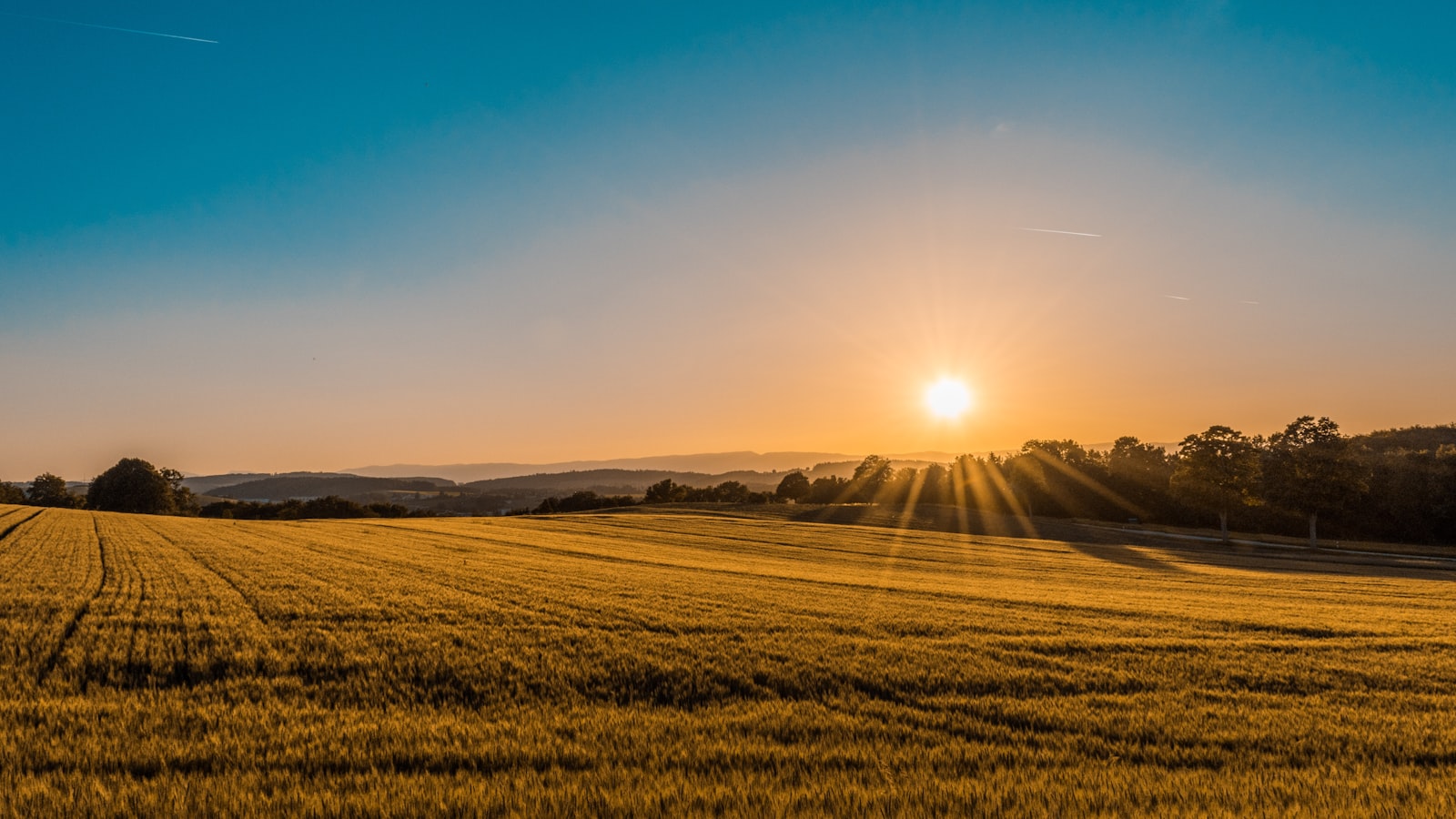
Best Time to See Cherry Blossoms in China 2026
Best Time to See Cherry Blossoms in China: 2026 guide covers current prices, transport, payment apps, and what foreign visitors need to know.
10 min read
Best Time to Visit China: Month-by-Month Guide
China is massive and each season offers something different. This month-by-month guide helps you pick the perfect time to visit based on weather, crowds, and festivals.
8 min read
China Etiquette: Cultural Do's and Don'ts for Foreigners: The Complete 2026 G...
China has unique social customs that can confuse first-time visitors. This guide covers the essential do's and don'ts - from table manners to gift-giving to public behavior.
9 min read
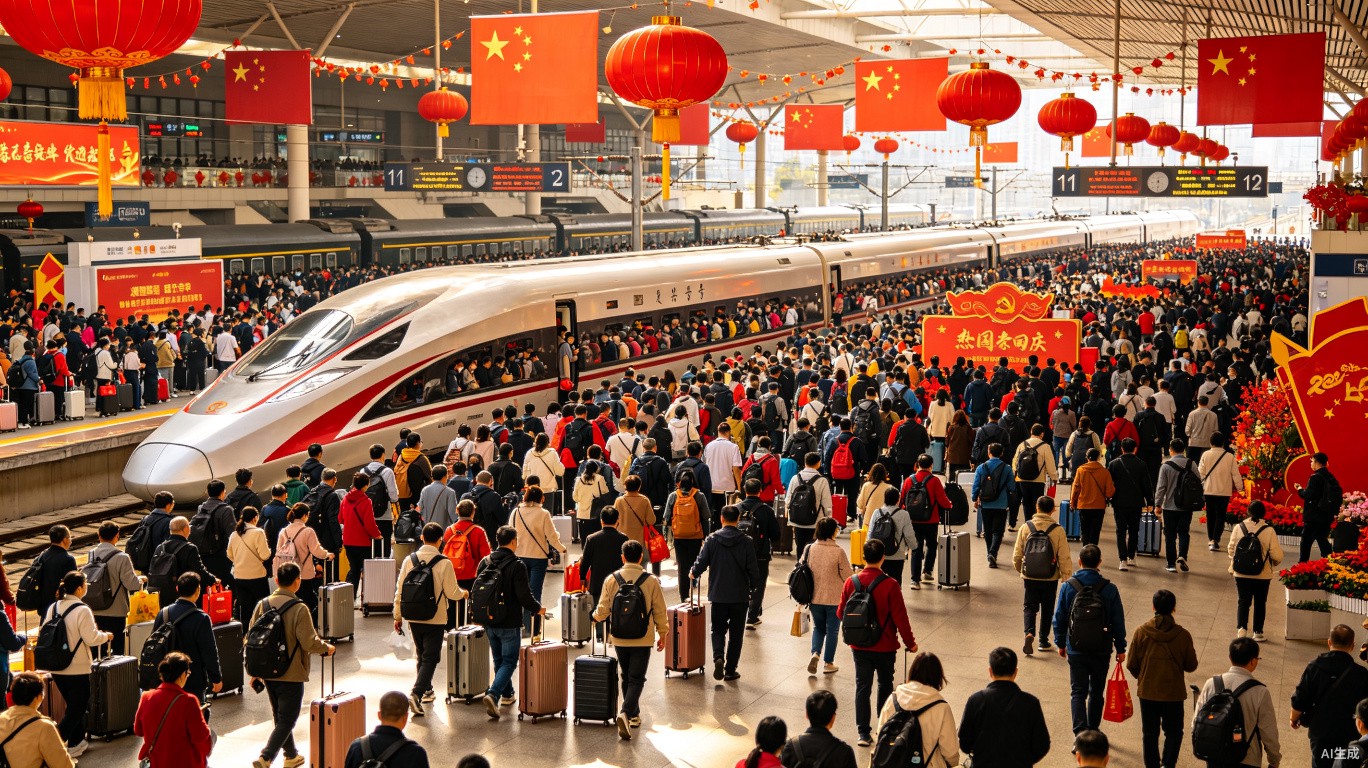
China Golden Week Travel Survival Guide
How to survive China's National Day Golden Week (October 1-7) - what to avoid, where to go, and how to beat the crowds.
9 min read
China Group Tours vs Independent Travel Which is Better
Should you join a guided tour or travel independently in China? Honest comparison of cost, flexibility, and experience.
7 min read
China Itinerary Planning: 7-Day 14-Day and 21-Day Routes: The Complete 2026 G...
Not sure how many days to spend in China? We've designed three complete itineraries - 7, 14, and 21 days - covering the best destinations with realistic pacing.
9 min read