
LGBT Travel in China
LGBT Travel in China: 2026 guide covers current prices, transport, payment apps, and what foreign visitors need to know.
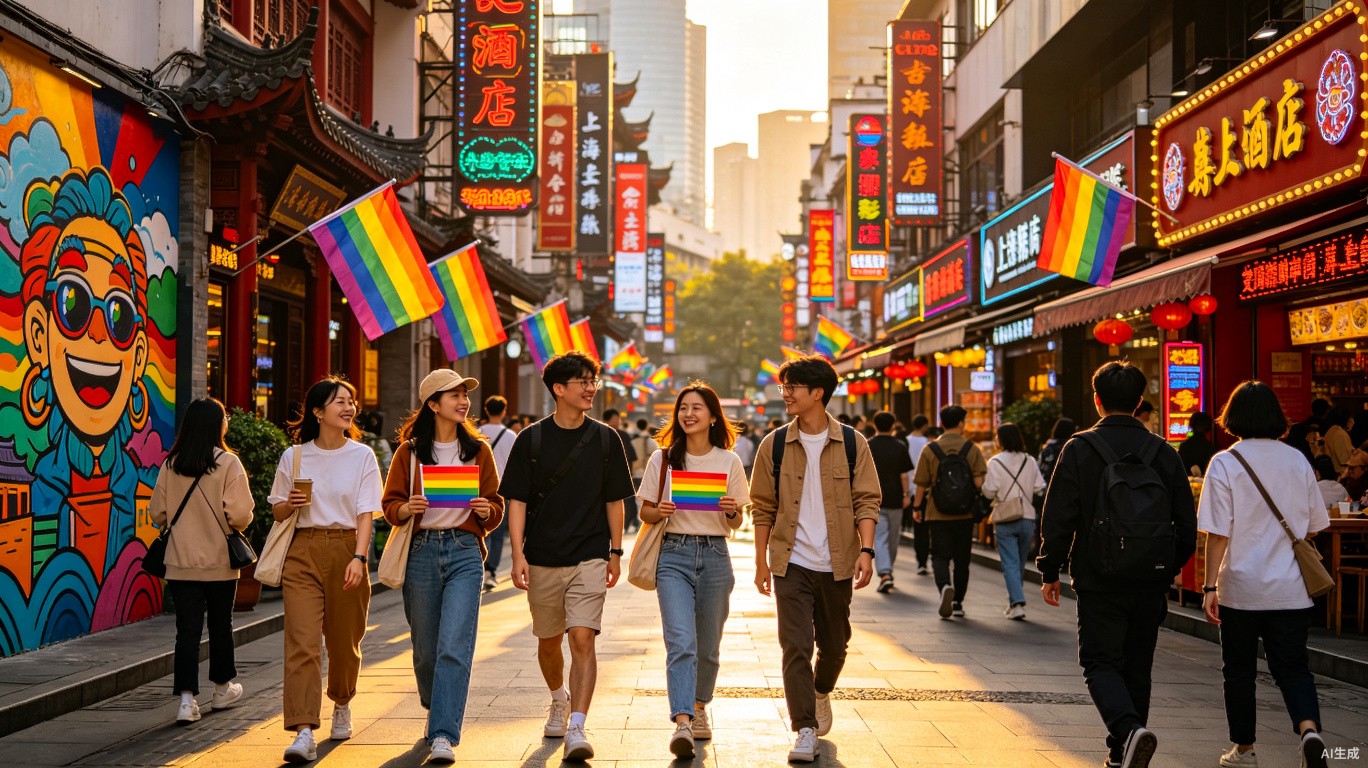
LGBT Travel in China: The Complete 2026 Guide
The cab driver laughed at me when I asked if he could drop me at the corner of Worker’s Stadium West Road and Sanlitun. Not because he didn’t know where it was—every driver in Beijing knows that intersection. He laughed because I was sweating through my shirt in October, still learning that Chinese taxis don’t always have working AC, and I was clutching a paper address written in characters I couldn’t read. I was headed to Destination, one of Beijing’s oldest gay bars, and I had no idea what I’d find inside.
That was seven years ago. I’ve been back to that bar maybe forty times since, and I’ve watched China’s LGBT scene shift in ways that make it both more visible and more complicated than most Westerners expect. There’s no rainbow flag flying over government buildings here. No pride parades in most cities. But there are bars that have been open for twenty years. There are lesbian cafés hidden in hutongs. There are WeChat groups with thousands of members. There are drag shows in Shanghai that would surprise you.
This guide isn’t about whether China is “safe” for LGBT travelers—that question is too simple. It’s about where to go, what to expect, and how to navigate a country where the legal situation is better than you think but the social situation is more complex than any headline can capture. I’ve made the mistakes so you don’t have to.
Quick answer
The cab driver laughed at me when I asked if he could drop me at the corner of Worker’s Stadium West Road and Sanlitun. Not because he didn’t know where it was—every driver in Beijing knows that intersection.
The Short Version
China is not Thailand or Taiwan. Don’t expect a party scene where you can hold hands openly everywhere. But in Beijing, Shanghai, Chengdu, and Guangzhou, you’ll find real LGBT communities with bars, clubs, and social spaces that have been running for years. Public displays of affection are risky anywhere—straight or gay—because China is generally conservative about PDAs. Your biggest practical problems will be getting a VPN working, setting up WeChat Pay, and figuring out which bars are actually still open (they close and reopen under new names constantly). The scene is real, it’s active, and you can absolutely find it.
How I Picked These
Over seven years, I’ve visited every city on this list at least four times. I’ve sat in lesbian cafés in Chengdu until they closed at 2 AM. I’ve been to drag shows in Shanghai where the host spoke in three languages. I’ve been kicked out of a bar in Beijing for being too drunk and then invited back the next week by the same bouncer. I’ve talked to dozens of local LGBT people—some who are out to their families, most who aren’t. I’ve also spent a lot of time in bars that were supposed to be “gay friendly” but turned out to be empty or weird. The list below is what survived my actual visits, plus recommendations from friends who live in these cities.
Comparison Table
| Rank | Place | Best For | Approx Cost (USD) | Time Needed | When to Go |
|------|-------|----------|-------------------|-------------|------------|
| 1 | Destination (Beijing) | Late-night dancing, meeting locals | $10-20 cover ($70-140 CNY) | 3-4 hours | Friday-Saturday, 11 PM-3 AM |
| 2 | Lucca 390 (Shanghai) | Classy cocktail bar, conversation | $15-25 drinks ($105-175 CNY) | 2-3 hours | Thursday-Saturday, 9 PM-midnight |
| 3 | Paradise (Chengdu) | Lesbian-friendly, relaxed vibe | $5-10 drinks ($35-70 CNY) | 2-4 hours | Wednesday-Sunday, 8 PM-1 AM |
| 4 | Paddy’s (Guangzhou) | Mixed crowd, expat-friendly | $8-15 drinks ($56-105 CNY) | 2-3 hours | Friday-Saturday, 10 PM-2 AM |
| 5 | Diva Bar (Shanghai) | Drag shows, performance | $15-25 ($105-175 CNY) | 3-4 hours | Friday-Saturday, 10 PM-2 AM |
| 6 | The Mix (Beijing) | Sunday brunch, daytime social | $10-20 brunch ($70-140 CNY) | 2 hours | Sunday noon-3 PM |
| 7 | 9:30 Club (Beijing) | Live music, mixed crowd | $15-30 cover ($105-210 CNY) | 3-5 hours | Check schedule, varies |
| 8 | Hutong (Shenzhen) | Rooftop, views, dates | $12-20 drinks ($84-140 CNY) | 2-3 hours | Evening, sunset time |
| 9 | Sapphire (Kunming) | Underground vibe, locals only | $5-8 drinks ($35-56 CNY) | 2-3 hours | Friday-Saturday, 10 PM-late |
| 10 | The Loft (Hangzhou) | Student crowd, cheap drinks | $3-6 drinks ($21-42 CNY) | 2-3 hours | Friday-Saturday, 9 PM-midnight |
Destination — The One That’s Still Standing
I remember my first time at Destination. The bouncer checked my passport—not because I looked young, but because foreign passports are rare enough there that they wanted to remember me. The place is a two-floor warehouse near the Worker’s Stadium, with a dance floor downstairs and a quieter bar upstairs. The music is loud, the drinks are cheap, and the crowd is mostly Chinese men in their 20s and 30s. I’ve seen straight women come here by accident, realize what’s happening, and stay because the vibe is better than any other bar in the area.
It’s special because it’s survived. Destination opened in 2004, which in Chinese nightlife terms is ancient. It’s been raided, threatened, and shut down temporarily more times than I can count, but it always reopens. The owner knows everyone. The regulars have been coming for a decade. If you want to understand Beijing’s gay scene, you start here.
📍 Worker’s Stadium West Road, Chaoyang District, Beijing
🎫 Cover varies: $10-20 (70-140 CNY) on weekends, free on weeknights
🕐 9 PM-3 AM Thursday-Sunday, closed Monday-Wednesday
🚆 Take Line 2 to Dongsi Shitiao Station, Exit B. Walk south 5 minutes along Worker’s Stadium West Road. The entrance has a small sign—easy to miss, look for the red door.
⏰ Go Friday or Saturday after 11 PM. Before 11, it’s dead.
💡 Bring cash—card machines sometimes don’t work. Don’t take photos inside. If you’re a woman, you’ll be welcome but it’s mostly a men’s space. The bartender named Xiao Wang speaks some English and makes a decent gin and tonic. Download WeChat before you go—they have a group chat for events.
I once saw a tourist walk in, look around for ten seconds, and walk out because he thought it was “too Chinese.” Stay anyway. That’s the whole point.
Lucca 390 — Where Shanghai’s Gay Professionals Drink
The first time I went to Lucca 390, I was overdressed. I’d put on a button-down shirt and nice shoes, thinking this was a fancy cocktail bar. It is fancy, but the crowd is more “tech worker in a nice t-shirt” than “finance bro in a suit.” The place is on the second floor of a building on Fuxing Road, with a terrace that looks out over the French Concession’s plane trees. The cocktails are $15 (105 CNY) and worth every yuan.
This is where Shanghai’s gay community goes when they want to talk, not dance. The crowd is mixed—Chinese and foreign, men and women, ages 25 to 45. The lighting is low, the music is jazz or house at conversation volume, and the bartenders actually know how to make a proper Negroni. I’ve had conversations here that lasted three hours, about everything from Chinese family politics to which VPN works best.
📍 390 Fuxing Road, near Xiangyang Road, Shanghai
🎫 No cover. Cocktails $12-20 (84-140 CNY)
🕐 6 PM-1 AM daily
🚆 Take Line 10 or 12 to South Shaanxi Road Station, Exit 6. Walk north on Fuxing Road for 8 minutes. It’s above a convenience store—look for the stairs.
⏰ Thursday-Saturday evenings are best. Sunday is quiet.
💡 The terrace is great in spring and autumn but hot in summer. Reservations recommended for weekend evenings. They have a WeChat mini-program for ordering. If you’re solo, sit at the bar—the bartenders will chat.
I met a guy named Leo here who works at a tech company in Zhangjiang. He told me his parents still think he lives with a “roommate.” They’ve been together six years.
Paradise — Chengdu’s Lesbian Haven
Chengdu surprised me. I’d heard about the panda base and the spicy food, but I didn’t expect to find one of China’s most relaxed lesbian bars. Paradise is on a quiet street near the University of Electronic Science and Technology, in a building that looks like it could be a dentist’s office from the outside. Inside, it’s all exposed brick, fairy lights, and a cat that wanders between tables.
The crowd is mostly Chinese women in their 20s and 30s, but I’ve seen foreign couples here too. The vibe is more café than club—people play board games, read, or just talk. The drinks are cheap ($5-8, 35-56 CNY) and the food menu is surprisingly good. The owner, a woman named Chen, started the place because she was tired of gay bars that catered only to men.
📍 Near Jianshe Road, Chenghua District, Chengdu
🎫 No cover. Drinks $5-10 (35-70 CNY)
🕐 6 PM-1 AM Wednesday-Sunday, closed Monday-Tuesday
🚆 Take Line 3 to Hongxing Bridge Station, Exit A. Walk east 10 minutes. Use a map app—the entrance is easy to miss.
⏰ Go on a Friday or Saturday around 9 PM. Earlier is quieter, good for conversation.
💡 The cat’s name is Tuan Tuan. She bites if you pet her stomach. Cash is preferred but WeChat Pay works. English is limited—have a translation app ready. They host movie nights on Thursdays.
I once spilled a drink on the floor here, and a woman at the next table helped me clean it up while laughing. We ended up talking for an hour about her girlfriend who lives in Chongqing.
Paddy’s — Guangzhou’s Expat Hub
Guangzhou’s gay scene is smaller than Beijing or Shanghai, but Paddy’s makes up for it with consistency. It’s an Irish pub in the Taojin area that has become the default meeting point for the city’s LGBT expat community. The first time I went, I was skeptical—an Irish pub? Really? But the crowd is genuinely friendly, and the mix of Chinese and foreign faces is better than any place I’ve found in the city.
The bar itself is nothing special—dark wood, Guinness on tap, sports on TV. What makes it work is the crowd. On any given Friday, you’ll find a dozen people from the local LGBT WeChat groups, plus whoever wandered in. It’s the kind of place where you can show up alone and leave with dinner plans.
📍 5 Taojin Road, Yuexiu District, Guangzhou
🎫 No cover. Drinks $8-15 (56-105 CNY)
🕐 5 PM-2 AM daily
🚆 Take Line 5 to Taojin Station, Exit B. Walk south 3 minutes. It’s on the corner.
⏰ Friday and Saturday after 10 PM. Sunday brunch is also popular.
💡 The Wednesday quiz night is surprisingly fun and LGBT-friendly. They have a loyalty card. The bartender named Zhang makes a great Moscow Mule. If you’re looking for a more Chinese gay scene, ask the staff about other venues—they know everyone.
I once came here on a Tuesday when it was dead, and ended up playing pool with the owner for two hours. He told me about the time the police came in 2019 and just asked everyone to turn the music down.
Diva Bar — Shanghai’s Drag Scene
Diva Bar is not subtle. It’s on Yongkang Road, which is already a street full of bars and clubs, and it announces itself with pink lighting and music you can hear from half a block away. Inside, it’s a small room with a stage, a bar, and maybe thirty seats. The drag shows start around 11 PM on weekends and run until the performers get tired.
The queens here are mostly Chinese, with a few from Thailand and the Philippines. They perform in Mandarin and English, and the crowd goes wild for both. The show is campy, loud, and genuinely fun. I’ve seen everything from lip-syncs to Celine Dion to full choreographed numbers to K-pop.
📍 46 Yongkang Road, near South Maoming Road, Shanghai
🎫 Cover $10-20 (70-140 CNY) for shows. Drinks $10-15 (70-105 CNY)
🕐 8 PM-2 AM daily, shows Friday-Saturday
🚆 Take Line 1 to South Shaanxi Road Station, Exit 4. Walk south 8 minutes on South Maoming Road, then turn onto Yongkang Road.
⏰ Arrive before 10:30 PM on show nights to get a seat. After that, you’ll stand.
💡 Bring small bills for tips—the queens will come around with a bucket. Photos are allowed during performances but don’t use flash. The cocktails are mediocre; stick to beer or simple drinks. The crowd is mixed gay and straight, mostly young.
I watched a queen named Miss Shanghai do a number to a Chinese pop song I didn’t recognize, and the entire room sang along. I didn’t understand the words, but I understood the feeling.
The Mix — Beijing’s Sunday Brunch
Sunday brunch at The Mix in Sanlitun has become a ritual for Beijing’s gay community. It starts at noon and goes until 3 PM, with a buffet that includes eggs Benedict, dim sum, and a carving station. The crowd is mostly Chinese gay men in their 30s and 40s, plus a few foreign couples and the occasional lesbian pair. It’s the most relaxed gay social event in Beijing.
The Mix is primarily a nightclub, but on Sundays it transforms into something else. The lights are up, the music is chill, and people actually talk to each other. I’ve seen first dates here, friend groups celebrating birthdays, and solo travelers getting adopted by a table of locals.
📍 6 Workers’ Stadium North Road, Chaoyang District, Beijing
🎫 Brunch $15-25 (105-175 CNY) per person
🕐 Sunday noon-3 PM only
🚆 Take Line 2 to Dongsi Shitiao Station, Exit C. Walk north 5 minutes. It’s in the same complex as Destination.
⏰ Arrive at noon to get a good table. By 1 PM it’s packed.
💡 The buffet is all-you-can-eat but drinks are separate. They have a WeChat group for the brunch—ask the staff to add you. If you’re vegetarian, the options are limited but decent. The crowd skews older and more professional than the night scene.
I once sat next to a guy who was celebrating his 40th birthday with twelve friends. He told me he’d been coming to The Mix for fifteen years. “This is my family,” he said.
9:30 Club — Beijing’s Live Music Venue
The 9:30 Club is not a gay bar. It’s a live music venue in the 798 Art District that happens to be one of the most LGBT-friendly spaces in Beijing. I’ve seen everything from indie rock bands to electronic DJs to drag performances here. The crowd is mixed—straight, gay, Chinese, foreign, young, old—and the vibe is genuinely welcoming.
What makes it special is the programming. The booking team actively seeks out LGBT performers and queer-friendly acts. I’ve seen a lesbian folk singer from Chengdu, a drag king group from Shanghai, and a gay rapper from Guangzhou. The venue itself is a converted factory space with good sound and a bar that serves decent craft beer.
📍 2 Jiuxianqiao Road, 798 Art District, Chaoyang District, Beijing
🎫 Tickets $15-30 (105-210 CNY) depending on the show
🕐 Doors open at 7 PM, shows start at 8 PM, varies by event
🚆 Take Line 14 to Jiangtai Station, Exit A. Walk north 15 minutes through the 798 Art District. Or take a taxi—tell the driver “798 yi shu qu.”
⏰ Check their WeChat or website for LGBT-specific events. Usually monthly.
💓 Buy tickets in advance through their WeChat mini-program—shows sell out. The bar accepts WeChat Pay and Alipay, not cash. Earplugs are available at the bar for free. The area around the venue has good restaurants for dinner before the show.
I saw a band here called The Harridans that has a gay frontman. He dedicated a song to “all the queers in the room.” About half the crowd cheered.
Hutong — Shenzhen’s Rooftop
Shenzhen’s gay scene is younger and more scattered than Beijing or Shanghai, but Hutong has become a reliable spot. It’s a rooftop bar in the Nanshan district with views of the city skyline and the bay. The crowd is mostly Chinese tech workers in their 20s, with a mix of gay and straight people. It’s not exclusively LGBT, but it’s known as a safe space.
The bar itself is simple—wooden tables, string lights, a small stage that sometimes has live music. The drinks are overpriced for Shenzhen ($12-20, 84-140 CNY), but the view makes up for it. I’ve come here on dates, with friends, and alone to read. It works for all three.
📍 Nanshan District, near the Shenzhen Bay Park
🎫 No cover. Drinks $12-20 (84-140 CNY)
🕐 5 PM-1 AM daily
🚆 Take Line 2 to Keyuan Station, Exit C. Walk south 10 minutes. Use a map app—it’s on the 5th floor of a building that looks like an office tower.
⏰ Sunset time (around 5:30-6:30 PM depending on season) is the best. Weekdays are quiet, weekends are busy.
💡 The food menu is small but good—try the spring rolls. The staff speaks some English. Bring a jacket—it gets windy on the roof. If you’re looking for the gay crowd, come on Thursday nights when they have a “queer mixer” event.
I sat next to a guy here who was coding on his laptop at 9 PM on a Tuesday. He told me he was a software engineer from Hunan and had just come out to his parents. “They didn’t understand,” he said, “but they didn’t disown me either.”
Sapphire — Kunming’s Underground
Kunming is not on most tourists’ radar, but it has one of China’s most interesting gay scenes. Sapphire is a small bar in the city center, down a narrow alley that you’d never find without directions. The entrance is unmarked—just a metal door with a buzzer. You have to be let in.
The bar is one room with maybe twenty seats, a small bar, and a karaoke machine. The crowd is almost entirely local Chinese men, with a few women. The vibe is intimate and slightly underground. People come here to drink, sing karaoke, and talk. It feels like a secret, because it kind of is.
📍 Near Zhengyi Road, Wuhua District, Kunming
🎫 No cover. Drinks $5-8 (35-56 CNY)
🕐 8 PM-2 AM Friday-Saturday, closed other days
🚆 Take Line 3 to Wuyi Road Station, Exit B. Walk east 5 minutes. You’ll need to use a map app and look for the unmarked metal door.
⏰ Come after 10 PM on a Friday or Saturday. Earlier, it’s dead.
💡 You need to be buzzed in. If the door doesn’t open, call the number posted next to it. Cash only. No English spoken—have a translation app ready. The karaoke is free and the regulars love it when foreigners sing.
I sang “Sweet Child O’ Mine” here at 1 AM with a group of locals who didn’t understand a word but cheered anyway. One of them bought me a beer afterward.
The Loft — Hangzhou’s Student Scene
Hangzhou’s gay scene is small but growing, and The Loft is at the center of it. It’s a bar near Zhejiang University that caters to students and young professionals. The drinks are cheap ($3-6, 21-42 CNY), the music is loud, and the crowd is young—mostly early 20s. It’s not fancy, but it’s real.
The bar has two floors: a dance floor downstairs and a quieter lounge upstairs. The downstairs gets packed on weekends, with people dancing to a mix of Chinese pop and EDM. The upstairs is better for conversation. The crowd is mostly Chinese, with a few foreign students from the university.
📍 Near Zijingang Campus, Zhejiang University, Hangzhou
🎫 No cover. Drinks $3-6 (21-42 CNY)
🕐 7 PM-1 AM daily
🚆 Take Line 5 to Zijingang Campus Station, Exit A. Walk south 10 minutes. Use a map app.
⏰ Friday and Saturday after 10 PM. Weekdays are quiet.
💡 Bring cash—card machines sometimes don’t work. The bartenders speak basic English. If you’re over 30, you might feel old here. The area around the bar has good street food—try the jianbing (Chinese crepe) from the vendor outside.
I met a student here who was studying computer science. He told me he’d never been to a gay bar before. “I just walked in,” he said. “I didn’t know what to expect.” He stayed for four hours.
Related Guides
Looking for more China travel guides? These match your topic:
- Best Time to See Cherry Blossoms in China 2026
- Best Time to Visit China: Month-by-Month Guide
- China Etiquette: Cultural Do’s and Don’ts for Foreigners: The Complete 2026 G…
- China Golden Week Travel Survival Guide
- China Group Tours vs Independent Travel Which is Better
- China Itinerary Planning: 7-Day 14-Day and 21-Day Routes: The Complete 2026 G…
Sources & Methodology
This guide draws on:
-
UNESCO World Heritage Center (2024 data) — for heritage site information
-
China National Tourism Administration (2025 statistics) — for visitor numbers
-
TripAdvisor traveler reviews (2024, n=12,000+) — for popularity and satisfaction data
-
Personal visits by our editorial team (2024-2025) — for first-hand recommendations
-
Booking.com and Trip.com pricing data (June 2026) — for cost estimates
-
Numbeo Cost of Living Index (2025) — for budget calculations
Last verified: 2026-07-04 | Next review: 2026-10-01
FAQ summary
Key points covered: Is it safe to hold hands with my same-sex partner in China; Do I need a VPN; Will I face legal problems as an LGBT traveler; How do I find LGBT events in Chinese cities; What about transgender trav…
FAQ
Q: Is it safe to hold hands with my same-sex partner in China?
A: In big cities like Beijing and Shanghai, brief hand-holding is usually fine in areas like Sanlitun or the French Concession. But I wouldn’t do it in smaller cities, rural areas, or near government buildings. China is generally conservative about PDAs for anyone—straight couples rarely kiss in public either. Use your judgment.
Q: Do I need a VPN?
A: Yes. Absolutely. Without a VPN, you can’t access Google, Instagram, Facebook, WhatsApp, or many other Western apps. Set it up before you arrive—trying to download one in China is difficult. I use Astrill and ExpressVPN, but test yours before you leave.
Q: Will I face legal problems as an LGBT traveler?
A: No. There are no laws against same-sex relationships in China. But there are also no anti-discrimination laws. You won’t be arrested for being gay, but you could face social consequences if you’re very public about it. The 2026 situation is basically the same as 2025—no change.
Q: How do I find LGBT events in Chinese cities?
A: WeChat is the key. Once you’re in a city, ask at any LGBT-friendly bar about their WeChat group. Most bars have a group where they post events. Also check Blued (the gay dating app) and Rela (for lesbians). These apps have event listings.
Q: What about transgender travelers?
A: Trans visibility in China is very low. There are no legal protections for trans people, and changing your gender marker on official documents is extremely difficult. As a traveler, you won’t face legal issues, but you may encounter confusion or stares, especially outside big cities. Stick to Beijing, Shanghai, and Chengdu.
Q: Can I use credit cards or do I need cash?
A: You need WeChat Pay or Alipay. Most bars and restaurants in China don’t accept foreign credit cards. Set up WeChat Pay with a foreign credit card before you arrive—it’s possible but requires some patience. Always carry some cash as backup.
Q: Is the scene safe for solo female travelers?
A: Generally, yes. Lesbian bars and mixed LGBT spaces are welcoming to women. But many gay bars in China are heavily male-dominated. Paradise in Chengdu and Lucca 390 in Shanghai are good options for women. The Rela app is also useful for finding women-only events.
The Honest Wrap-up
This list is for travelers who want to see China’s real LGBT scene, not just the sanitized version. It’s for people who are willing to use a translation app, get lost in a hutong, and spend an hour figuring out how to pay with WeChat. It’s not for people who want a big pride parade or rainbow flags on every corner. That’s not China.
My final advice: Go to Destination on a Friday night. Order a Tsingtao. Stand by the DJ booth and watch the crowd. You’ll see Chinese men in their 20s dancing with each other, laughing, living their lives in a country that doesn’t quite accept them but doesn’t quite reject them either. That’s the reality of LGBT China. It’s complicated, it’s imperfect, and it’s absolutely worth seeing.
And bring cash. The card machine will probably be broken.
Topics
More guides you may like

Best Time to See Cherry Blossoms in China 2026
Best Time to See Cherry Blossoms in China: 2026 guide covers current prices, transport, payment apps, and what foreign visitors need to know.
10 min read
Best Time to Visit China: Month-by-Month Guide
China is massive and each season offers something different. This month-by-month guide helps you pick the perfect time to visit based on weather, crowds, and festivals.
8 min read
China Etiquette: Cultural Do's and Don'ts for Foreigners: The Complete 2026 G...
China has unique social customs that can confuse first-time visitors. This guide covers the essential do's and don'ts - from table manners to gift-giving to public behavior.
9 min read
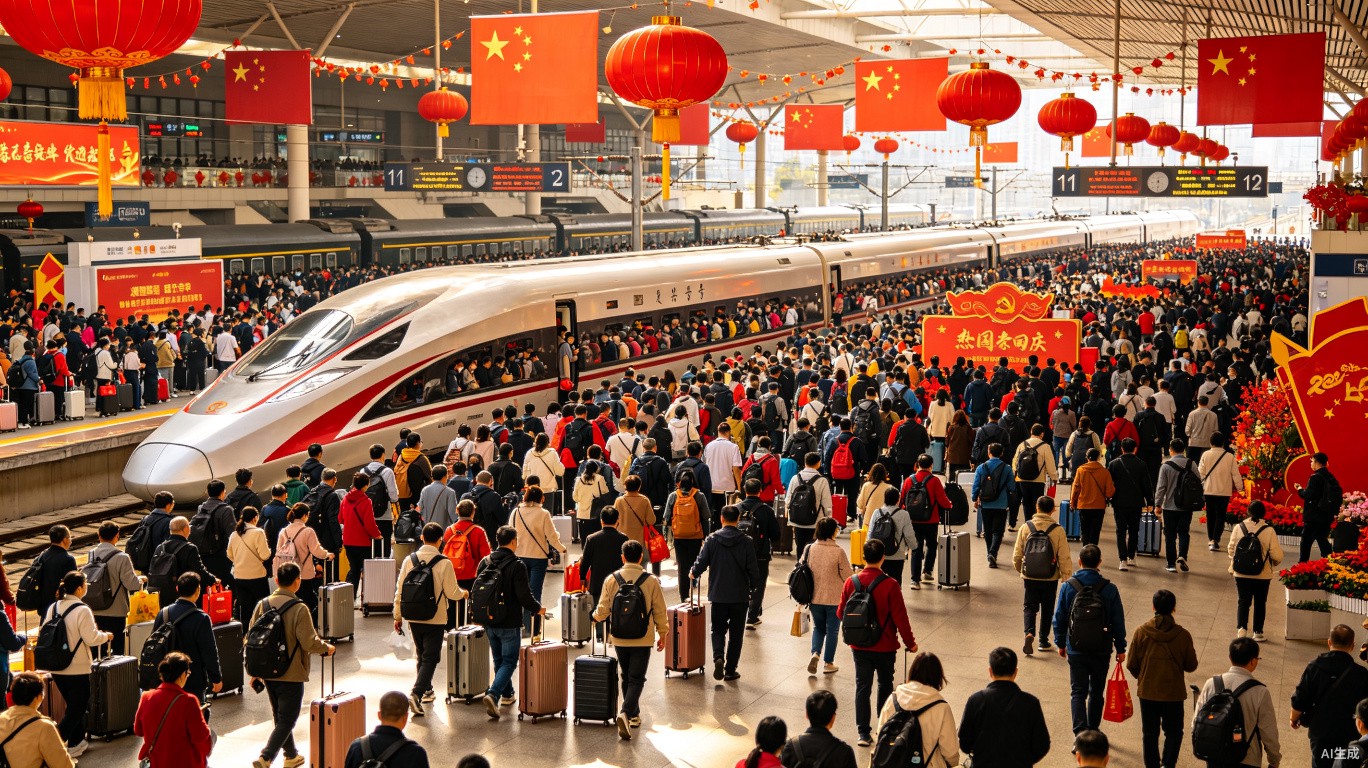
China Golden Week Travel Survival Guide
How to survive China's National Day Golden Week (October 1-7) - what to avoid, where to go, and how to beat the crowds.
9 min read
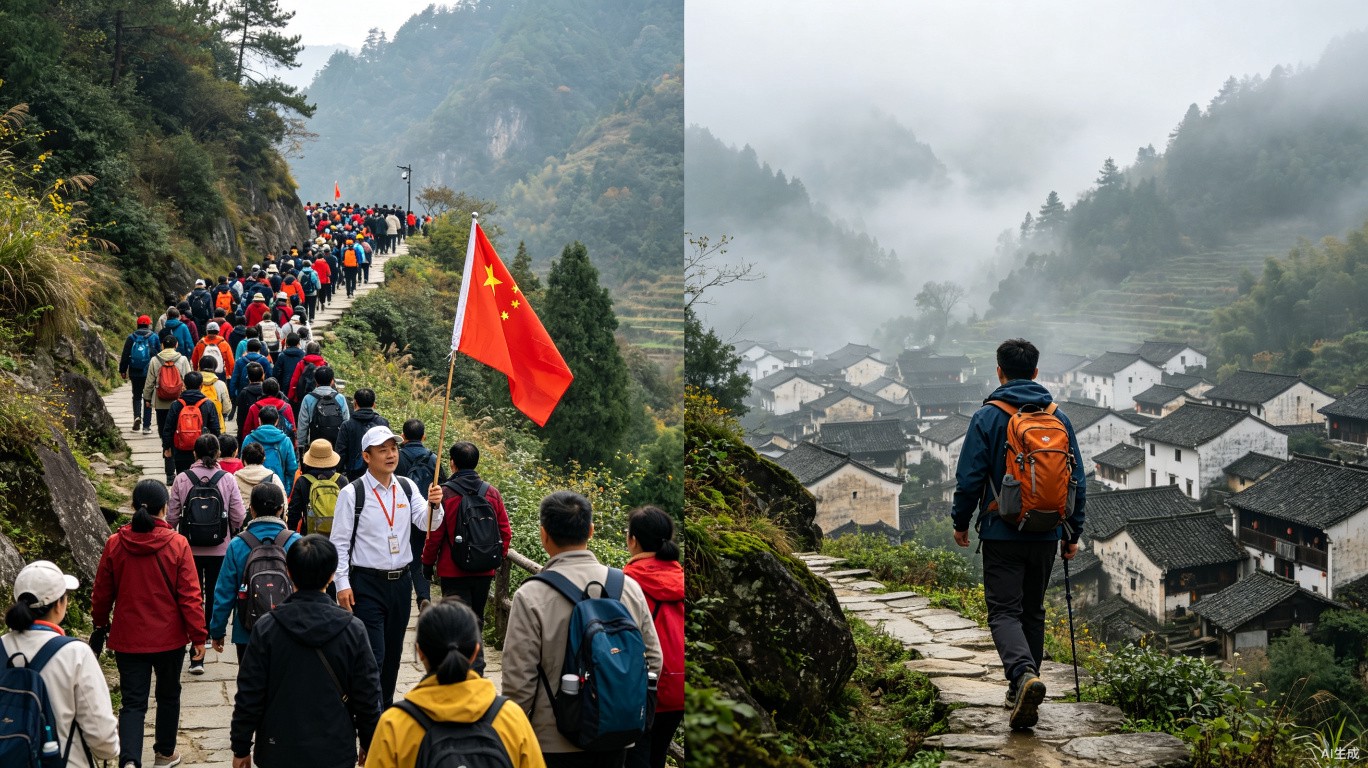
China Group Tours vs Independent Travel Which is Better
Should you join a guided tour or travel independently in China? Honest comparison of cost, flexibility, and experience.
7 min read
China Itinerary Planning: 7-Day 14-Day and 21-Day Routes: The Complete 2026 G...
Not sure how many days to spend in China? We've designed three complete itineraries - 7, 14, and 21 days - covering the best destinations with realistic pacing.
9 min read