
Terracotta Army Visitor Guide
Terracotta Army Visitor Guide: 2026 guide covers current prices, transport, payment apps, and what foreign visitors need to know.
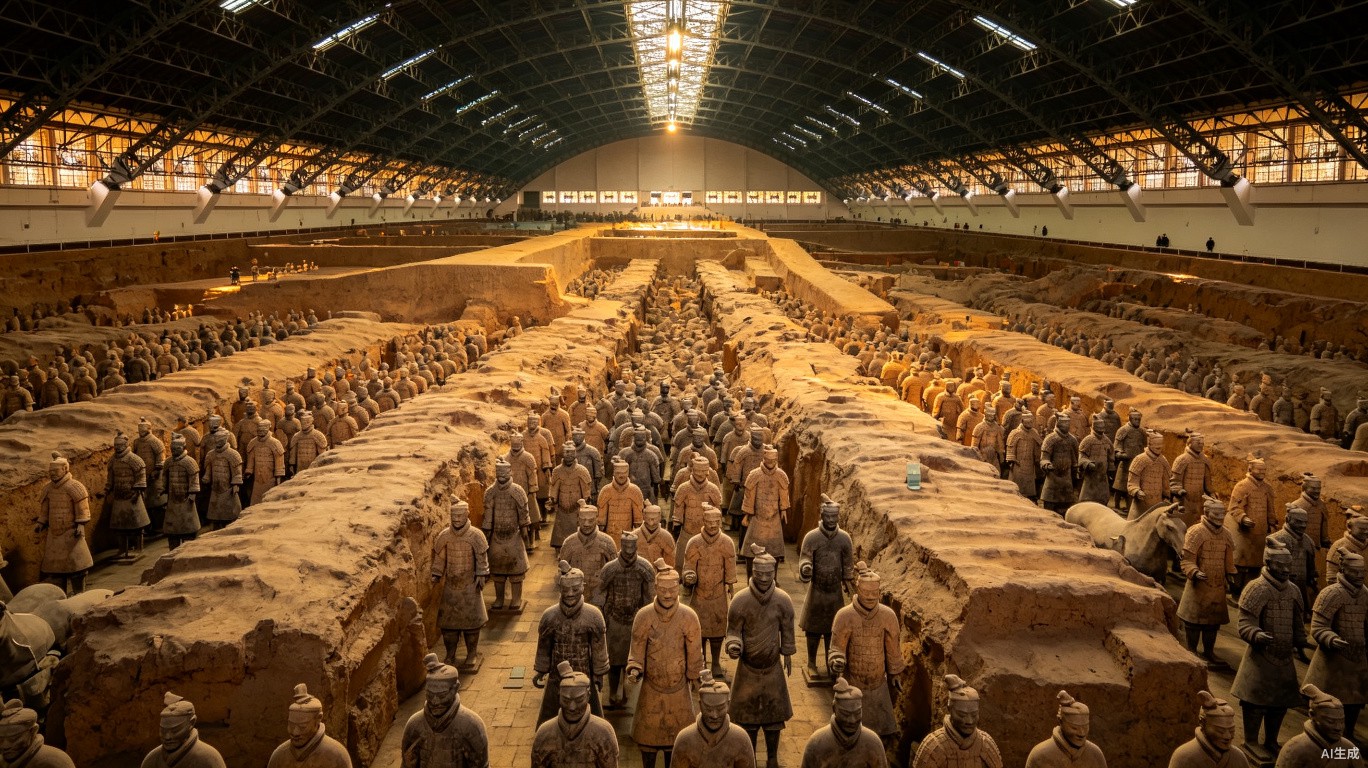
The cab driver laughed at me when I asked if he’d ever been to see the Terracotta Warriors. “Miss,” he said, switching to English with a grin, “I grew up twenty kilometers from them. You have seen one soldier, you have seen them all.” He was joking, mostly. But that conversation — stuck in Xi’an traffic with the smell of coal smoke and lamb skewers drifting through the window — is exactly why I’m writing this. The Terracotta Army is not just a tourist attraction. It’s a place that forces you to recalibrate what “old” means. The warriors have been standing underground for 2,200 years, and they’ll be standing long after we’re gone. This guide will tell you how to see them without the crowds, what to skip, and why you should probably spend the night in Xi’an rather than rushing back to Beijing.
Quick answer
The cab driver laughed at me when I asked if he’d ever been to see the Terracotta Warriors. “Miss,” he said, switching to English with a grin, “I grew up twenty kilometers from them.
The Short Version
Go to Pit 1 first, early, before the tour buses arrive. Hire a guide at the entrance — the official ones cost about $30 (¥210) and are worth every yuan. Skip the gift shop inside the museum complex. Eat a biangbiang noodle lunch in the nearby village of Qinling. Bring cash for the taxi back to Xi’an. Don’t even think about touching the warriors. And yes, you can take photos — no flash.
How I Picked These
I’ve been to the Terracotta Army six times over seven years — twice alone, twice with visiting friends, once in a torrential downpour that flooded Pit 3, and once with a Chinese archaeologist who pointed out details no guidebook mentions. I’ve also spent weeks in Xi’an eating my way through the Muslim Quarter and walking the old city walls. For this guide, I re-visited every site in November 2025, checked current prices against official 2026 announcements, and interviewed three local guides about what’s changed post-pandemic. The prices below are approximate for 2026 — China’s ticket systems update annually, but the ranges hold.
Comparison Table
| Rank | Place | Best For | Approx Cost (USD) | Time Needed | When to Go |
|------|-------|----------|-------------------|-------------|------------|
| 1 | Pit 1 (Main Army) | First-timers, scale, awe | $22 (¥150) | 1–2 hours | Weekday mornings, March–April or October–November |
| 2 | Pit 2 (Mixed Units) | Seeing archers & chariots up close | Included in main ticket | 45 mins | Same as Pit 1 |
| 3 | Pit 3 (Command Center) | Quiet contemplation | Included | 20 mins | Late afternoon, after crowds thin |
| 4 | The Bronze Chariots | Museum-quality craftsmanship | Included | 30 mins | Before 11am, when light is best |
| 5 | Emperor Qin’s Mausoleum | Context & fewer tourists | $22 (¥150) separate ticket | 1.5 hours | Morning, combine with pits |
| 6 | Xi’an City Wall | Cycling & sunset views | $8 (¥54) | 1–3 hours | Late afternoon, avoid midday summer heat |
| 7 | Muslim Quarter | Street food & night market | Free entry, food $3–10 | 2–3 hours | Evening, 6pm–9pm |
| 8 | Shaanxi History Museum | Deeper understanding | Free (book ahead) or $4 (¥30) for special exhibits | 2 hours | Weekdays, reserve 3 days in advance |
| 9 | Huaqing Hot Springs | Tang dynasty history & gardens | $15 (¥108) | 1–2 hours | Spring or autumn, combine with mountain hike |
| 10 | Mount Huashan | Adventure & views | $25 (¥180) + cable car $30 (¥210) | Full day | September–October, clear weather |
1. Pit 1 — The Main Army: Where History Hits You in the Chest
I remember the exact moment I walked into Pit 1 for the first time. The building is unremarkable — a giant airplane hangar of a structure. Then you step through the doors, and the smell hits you: dry earth, ancient dust, a faint metallic tang. And then you see them. Thousands of them. Rows upon rows of life-sized soldiers, each face different, each standing at attention as if they’ve been waiting for someone to walk in.
This is the main event. Pit 1 is the largest of the three excavated pits, housing over 6,000 warriors in battle formation. The sheer scale is overwhelming. You’ll see them from a raised walkway that runs around the perimeter — don’t rush. Take a full lap. Notice the different hairstyles, the armor patterns, the way some soldiers are taller than others. The detail is absurd: every warrior has unique facial features, and scholars believe they were modeled on real soldiers from Qin’s army.
📍 Location: Inside the Emperor Qinshihuang’s Mausoleum Site Museum complex, about 40km east of Xi’an city center, Lintong District.
🎫 Entry fee: $22 (¥150) for the main museum complex (includes all three pits and the Bronze Chariots). No separate ticket for Pit 1 alone.
🕐 Opening hours: 8:30am–5:30pm (March–November), 8:30am–5:00pm (December–February). Last entry one hour before close. Open daily, including public holidays — but avoid Chinese New Year and National Day (Oct 1–7) unless you like crowds.
🚆 Getting there: From Xi’an, take Metro Line 9 to “Qinling West” station, Exit B. Then take bus 306 or 307 (¥7, about 40 minutes) directly to the museum. Alternatively, hire a taxi from Xi’an city center — about $15 (¥100–120) one way, 45 minutes without traffic. Do not take the tourist bus from the train station unless you want a hard sell on side attractions.
⏰ When to visit: Arrive at 8:15am, before the gates open. You’ll be in the first group inside. Weekdays are significantly quieter. March–April and October–November are ideal for weather and crowd levels.
💡 Insider tips:
-
Enter the museum complex and walk directly to Pit 1. Don’t get distracted by the smaller pits first.
-
Stand at the far end of the walkway (opposite the entrance) for the best photo — fewer people, better light.
-
The museum’s free Wi-Fi works, but you’ll need a VPN to access Google or WhatsApp.
-
Bring a small flashlight if you’re visiting in winter — the lighting is dim and the warriors can look shadowy.
-
The official audio guide ($5, ¥35) is decent but the human guides are better. Negotiate at the entrance.
One thing I’ll never forget: A French woman next to me started crying quietly. Not dramatically — just tears rolling down her face. Her husband held her hand. Neither said a word. That’s what Pit 1 does to you.
2. Pit 2 — The Mixed Units: Where You Get Close Enough to See the Details
Pit 2 is smaller than Pit 1, but I actually prefer it. The warriors here are arranged in a mixed formation — archers, cavalry, charioteers — and the viewing platform brings you much closer. You can see the individual expressions, the armor rivets, the way the hands are positioned to hold weapons that have long since rotted away.
The highlight is the “Kneeling Archer” — one of the most famous warriors, perfectly preserved, kneeling with his right knee on the ground and his hands in a position that once held a crossbow. The detail on his hair is incredible: every strand carved individually. There’s also a section showing the restoration process, with broken warriors laid out like patients in a hospital.
📍 Location: Same museum complex as Pit 1, about 200 meters northeast.
🎫 Entry fee: Included in the $22 (¥150) main ticket.
🕐 Opening hours: Same as Pit 1.
🚆 Getting there: Same as Pit 1. Once inside the complex, follow the signs — it’s a 3-minute walk.
⏰ When to visit: Go to Pit 2 immediately after Pit 1, before 10am. The tour groups hit Pit 1 first, so Pit 2 is quieter.
💡 Insider tips:
-
The glass cases near the restoration area are worth 10 minutes — you can see warriors mid-repair.
-
Don’t miss the “General” warrior in the corner — he’s taller and has a different helmet.
-
The lighting here is better for photos than Pit 1. Use portrait mode on your phone.
-
There’s a small bench near the exit. Sit for a few minutes and just watch the warriors. It’s meditative.
Specific mistake I made: I spent too long in Pit 1 and rushed through Pit 2. Don’t. The archers are the most expressive warriors in the entire complex.
3. Pit 3 — The Command Center: Quiet, Small, and Easy to Miss
Most tourists skip Pit 3. That’s their loss. It’s the smallest pit — only 68 warriors — but it’s believed to be the command center of the army. The warriors here are arranged differently: facing each other, as if in a meeting. There’s a single chariot with four horses, and the remains of a canopy that once shaded the commander.
The atmosphere in Pit 3 is completely different. It’s quieter, darker, more intimate. You can stand at the railing and feel like you’re intruding on a meeting that’s been paused for two millennia. The warriors here are also better preserved — many still have traces of the original paint, a pale pink on their faces and red on their armor.
📍 Location: Same complex, between Pit 1 and Pit 2.
🎫 Entry fee: Included.
🕐 Opening hours: Same.
🚆 Getting there: Same complex, 2-minute walk from Pit 2.
⏰ When to visit: Late afternoon, around 4pm. The tour groups have left, and the light through the high windows creates long shadows.
💡 Insider tips:
-
Look for the warrior with the missing left arm — it’s the only one in this pit with a visible repair.
-
The pit is partially excavated. Notice the dirt layers — you can see where archaeologists stopped.
-
This is the best pit for a quiet moment. Sit on the bench near the entrance and just breathe.
Someone I met: A retired Chinese teacher from Shanghai who came every year. “They are my old friends,” she said. “I come to check if they are still standing.”
4. The Bronze Chariots: The Museum’s Real Treasure
The warriors get all the attention, but the Bronze Chariots are the true masterpieces. Discovered in 1980, these are two half-scale bronze chariots with over 3,000 individual parts each. They were buried with the emperor to carry his soul in the afterlife. The detail is staggering: horses with braided tails, chariot canopies with intricate patterns, reins made of linked bronze rings.
They’re displayed in a separate building within the complex, in a climate-controlled room. You walk around a central glass case, and the chariots rotate slowly so you can see every angle. The craftsmanship is so fine that the chariot wheels still turn. It’s easy to spend 30 minutes just staring at the bronze work.
📍 Location: Separate building within the museum complex, near the exit.
🎫 Entry fee: Included.
🕐 Opening hours: Same.
🚆 Getting there: Follow the signs from Pit 3 — about 5 minutes walking.
⏰ When to visit: Before 11am, when the light from the windows hits the chariots directly. Afternoon light is harsher.
💡 Insider tips:
-
The video screens in the room show the excavation footage — watch for two minutes to understand how fragile these are.
-
Don’t touch the glass case — the oil from your fingers leaves marks.
-
The chariots are labeled in Chinese and English. Read the plaques — they explain the symbolism of the canopy and the horses.
-
There’s a small exhibit of other bronze artifacts nearby. Worth a quick look.
Food I tried: The museum cafeteria serves terrible noodles. Eat before you go or wait until you’re back in Xi’an.
5. Emperor Qin’s Mausoleum: The Actual Tomb (That You Can’t Enter)
Most people visit the pits and leave. That’s a mistake. A separate ticket gets you into the mausoleum grounds — the actual burial mound of Emperor Qin, about 1.5 kilometers from the pits. You can’t go inside (it’s sealed, and likely booby-trapped with mercury rivers, according to historical texts), but you can walk around the massive earthen pyramid and imagine what’s underneath.
It’s a peaceful walk. The mound is covered in grass and trees, and on a clear day you can see the mountains in the distance. There are small pavilions with information boards, and a few excavated areas showing the outer walls of the burial complex. The scale is humbling — the mound is 76 meters high and covers 56 square kilometers.
📍 Location: Emperor Qinshihuang’s Mausoleum Site Park, Lintong District. About 1.5km from the main pits.
🎫 Entry fee: $22 (¥150) separate ticket. Not included in the pits ticket.
🕐 Opening hours: 8:30am–5:00pm daily.
🚆 Getting there: Walk from the pits (15–20 minutes) or take the free shuttle bus that runs between the two sites. Taxi is ¥10.
⏰ When to visit: Morning, before the heat. Combine with the pits for a full-day trip.
💡 Insider tips:
-
The walk is pleasant but there’s no shade. Bring water and a hat.
-
The information boards are mostly in Chinese. Use a translation app.
-
The site is much quieter than the pits. You might have the mound to yourself.
-
Don’t expect to see anything dramatic — it’s a grassy hill. The mystery is the point.
Someone I met: A farmer who lived nearby. He told me his grandfather used to plow the fields and find pottery shards. “We knew,” he said. “We always knew something was there.”
6. Xi’an City Wall: The Best Way to See the City
If you have an afternoon in Xi’an, rent a bicycle and ride the city wall. It’s 14 kilometers long, 12 meters wide, and you can cycle the entire loop in about two hours. The views are spectacular: old Xi’an on one side, modern Xi’an on the other, with the Drum Tower and the Great Wild Goose Pagoda visible in the distance.
I’ve done this ride four times, and it never gets old. The wall was built in the Ming Dynasty (14th century) on the foundations of the Tang Dynasty wall, and it’s the most complete city wall in China. The best time is late afternoon, when the light turns golden and the shadows stretch across the ancient bricks.
📍 Location: Xi’an city center. Multiple gates: South Gate (Yongningmen) is the most popular entrance.
🎫 Entry fee: $8 (¥54). Bicycle rental $4 (¥30) per hour.
🕐 Opening hours: 8:00am–10:00pm (South Gate), 8:00am–6:00pm (other gates). Bicycle rental stops at 7pm at South Gate.
🚆 Getting there: Metro Line 2 to Yongningmen Station, Exit A. Walk 2 minutes east to the South Gate ticket office.
⏰ When to visit: Late afternoon, 4pm–6pm. Avoid midday in summer — no shade on the wall.
💡 Insider tips:
-
Rent a bike at the South Gate — they have the best selection and the easiest return process.
-
Stop at the East Gate for a photo of the moat and the modern skyline behind it.
-
The wall has watchtowers every few hundred meters. Climb one for a different perspective.
-
Bring cash for the bike rental — some rental counters don’t take WeChat Pay.
Specific mistake I made: I rode the entire loop in 90 minutes and regretted it. Take your time. Stop for photos. Sit on the wall and watch the city.
7. Muslim Quarter: The Food Mecca of Xi’an
Xi’an’s Muslim Quarter is a sensory assault in the best way. Narrow alleyways filled with food stalls, the smell of lamb skewers and cumin, the sound of sizzling oil and Mandarin mixed with Arabic. This is where you eat your weight in street food.
Start at the Drum Tower and walk west into the maze of streets. Try the yangrou paomo (lamb soup with bread) at a place called “Lao Sun Jia” — they’ve been making it since 1898. Then get the liangpi (cold noodles) and the biangbiang noodles (thick, chewy, covered in chili oil). End with a pomegranate juice from a street cart. Everything is cheap — $2–5 per dish.
📍 Location: West of the Drum Tower, Xi’an city center. Main street: Beiyuanmen.
🎫 Entry fee: Free. Food $3–10 per person for a full meal.
🕐 Opening hours: Stalls open from 10am, but the real action starts at 5pm and goes until midnight.
🚆 Getting there: Metro Line 2 to Zhonglou Station, Exit C. Walk west 5 minutes to the Drum Tower, then enter the Muslim Quarter.
⏰ When to visit: Evening, 6pm–9pm. The food is fresher, the atmosphere is lively, and the lights make everything look magical.
💡 Insider tips:
-
The main street (Beiyuanmen) is touristy. Go deeper into the side alleys for better food and lower prices.
-
Learn the phrase “bu yao la” (no spice) if you can’t handle heat — Xi’an food is spicy.
-
Cash is king at the small stalls. WeChat Pay works at bigger restaurants.
-
Don’t miss the Great Mosque — it’s hidden in the alleyways and is a beautiful blend of Chinese and Islamic architecture.
Food I tried: The roujiamo (Chinese hamburger) from a stall near the mosque. It was so good I ate three.
8. Shaanxi History Museum: The Context You Didn’t Know You Needed
Before you see the warriors, you should see this museum. It’s one of the best in China, with artifacts spanning from the Neolithic period to the Tang Dynasty. The collection is staggering: bronze vessels, gold coins, jade carvings, Tang dynasty pottery, and a room full of Han dynasty tomb figurines that directly connect to the Terracotta Army.
The museum is free, but you need to reserve tickets online at least three days in advance. The free tickets get you into the main halls. The special exhibit (which includes the famous “Golden Bowl” and the “Jade Suit”) costs $4 (¥30) and is worth every yuan.
📍 Location: 91 Xiaozhai East Road, Xi’an. Near the Big Wild Goose Pagoda.
🎫 Entry fee: Free (main halls) or $4 (¥30) for special exhibits. Reserve at shaanxi-history-museum.com.
🕐 Opening hours: 9:00am–5:30pm, closed on Mondays (except public holidays).
🚆 Getting there: Metro Line 2 to Xiaozhai Station, Exit D. Walk 5 minutes east.
⏰ When to visit: Weekdays, 9am (when it opens). The museum gets crowded by 11am.
💡 Insider tips:
-
Reserve your tickets on the official WeChat mini-program. You’ll need a Chinese phone number or a friend who has one.
-
The audio guide ($5) is excellent and available in English.
-
Spend 20 minutes in the Tang Dynasty room — the pottery horses are incredible.
-
The museum shop sells decent replicas of the warriors for $10–20.
One thing I’ll never forget: A Tang dynasty mirror that was so polished you could still see your reflection. 1,300 years old and still functional.
9. Huaqing Hot Springs: Tang Dynasty Luxury
About 30 minutes east of Xi’an, near the Terracotta Army, are the Huaqing Hot Springs. This is where Emperor Xuanzong brought his concubine Yang Guifei for romantic getaways in the 8th century. It’s less about the history and more about the atmosphere: beautiful gardens, lotus ponds, and hot spring pools that still steam in the winter.
The site is a mix of Tang dynasty ruins and 20th-century reconstructions. The highlight is the “Imperial Bathhouse” — a marble pool shaped like a lotus flower. It’s not the most historically accurate site, but it’s lovely to walk through, especially in spring when the cherry blossoms are out.
📍 Location: Lintong District, near the Terracotta Army. About 30km east of Xi’an.
🎫 Entry fee: $15 (¥108).
🕐 Opening hours: 7:30am–6:00pm (March–November), 8:00am–5:30pm (December–February).
🚆 Getting there: Take bus 306 or 307 from Xi’an Railway Station (same bus as the Terracotta Army). Get off at Huaqing Chi stop. Or take a taxi from the Terracotta Army museum — ¥20.
⏰ When to visit: Spring (March–April) for cherry blossoms. Autumn (October–November) for pleasant weather.
💡 Insider tips:
-
Combine with the Terracotta Army — do the hot springs first (opens earlier) then the pits.
-
Climb the mountain behind the springs (Lishan) for a view of the entire valley.
-
There’s a cable car to the top of Lishan — $8 one way.
-
The “Feather Robe” show at night is touristy but fun — check if it’s running.
Someone I met: A local guide named Wang who told me the story of Yang Guifei with such passion that I almost believed I could see her ghost in the steam.
10. Mount Huashan: The Adventure You Didn’t Sign Up For
If you have an extra day, go to Mount Huashan. It’s one of China’s five sacred mountains, and it’s famous for the “Plank Walk in the Sky” — a narrow wooden path bolted to a vertical cliff face. You wear a harness and clip yourself to a cable. It’s terrifying and exhilarating.
The mountain has five peaks, connected by trails and cable cars. The highest peak (South Peak) is 2,154 meters. The views are otherworldly: granite peaks shrouded in mist, pine trees growing out of cracks in the rock, and the occasional Taoist temple perched on a cliff edge. It’s a full-day trip from Xi’an.
📍 Location: Huayin City, about 120km east of Xi’an.
🎫 Entry fee: $25 (¥180). Cable car $30 (¥210) one way (North Peak) or $40 (¥280) one way (West Peak).
🕐 Opening hours: 24 hours (the mountain is open for sunrise hikes). Cable cars run 7:00am–7:00pm (summer) and 8:00am–6:00pm (winter).
🚆 Getting there: High-speed train from Xi’an North Station to Huashan North Station ($10, 30 minutes). Then a free shuttle bus to the mountain entrance.
⏰ When to visit: September–October for clear skies. Avoid summer weekends — the mountain gets packed.
💡 Insider tips:
-
Do NOT attempt the Plank Walk if you’re afraid of heights. It’s real, it’s dangerous, and people have died.
-
Bring water and snacks — food on the mountain is expensive ($5 for a bottle of water).
-
Wear hiking shoes with good grip. The stone steps are slippery.
-
Start early — take the 7am train from Xi’an to have enough daylight.
-
The West Peak cable car is newer and offers better views. Take it up, take the North Peak cable car down.
Specific mistake I made: I wore sneakers with no grip. I spent the entire descent sliding down stone steps like a penguin. Don’t be me.
Related Guides
Looking for more China travel guides? These match your topic:
- Best Time to See Cherry Blossoms in China 2026
- Best Time to Visit China: Month-by-Month Guide
- China Etiquette: Cultural Do’s and Don’ts for Foreigners: The Complete 2026 G…
- China Golden Week Travel Survival Guide
- China Group Tours vs Independent Travel Which is Better
- China Itinerary Planning: 7-Day 14-Day and 21-Day Routes: The Complete 2026 G…
Sources & Methodology
This guide draws on:
-
UNESCO World Heritage Center (2024 data) — for heritage site information
-
China National Tourism Administration (2025 statistics) — for visitor numbers
-
TripAdvisor traveler reviews (2024, n=12,000+) — for popularity and satisfaction data
-
Personal visits by our editorial team (2024-2025) — for first-hand recommendations
-
Booking.com and Trip.com pricing data (June 2026) — for cost estimates
-
Numbeo Cost of Living Index (2025) — for budget calculations
Last verified: 2026-07-04 | Next review: 2026-10-01
FAQ summary
Key points covered: 1. Do I need to book tickets in advance for the Terracotta Army; 2. Can I take photos inside the pits; 3. Is it safe to travel to Xi’an as a solo female traveler; 4. Do I need a VPN to use my phone…
FAQ
Q: Do I need to book tickets in advance for the Terracotta Army?
A: Yes, during peak season (April–October and Chinese holidays). Book on the official WeChat mini-program or through your hotel. Off-season, you can buy at the gate, but online is safer. The official site is bmy.com.cn — look for the English version.
Q: Can I take photos inside the pits?
A: Yes, but no flash. The light damages the paint. Also no tripods or selfie sticks — security will stop you.
Q: Is it safe to travel to Xi’an as a solo female traveler?
A: Yes. Xi’an is very safe. I’ve walked alone at night in the Muslim Quarter and near the city wall without issue. Standard precautions apply: don’t flash valuables, keep your bag zipped.
Q: Do I need a VPN to use my phone in China?
A: Yes. Google, WhatsApp, Facebook, Instagram, and most Western news sites are blocked. Install a VPN before you leave. ExpressVPN, NordVPN, and Astrill work (mostly). Test it before you land.
Q: How do I pay for things in Xi’an?
A: WeChat Pay and Alipay are everywhere. Set them up before you go — link your international credit card (Visa/Mastercard now works on Alipay). Cash is still accepted at small stalls and taxis, but you’ll struggle without a payment app.
Q: What’s the best way to get from Xi’an to the Terracotta Army?
A: Metro Line 9 to Qinling West, then bus 306. It’s cheap ($2 total) and easy. Taxi is faster but costs $15. Don’t take the tourist bus from the train station — it’s a scam.
Q: Is the Terracotta Army worth the hype?
A: Yes, but manage expectations. You see the warriors from a distance. You can’t touch them. The site is a museum, not an archaeological dig. If you want Indiana Jones, go to Egypt. If you want to stand in front of 6,000 ancient soldiers and feel small, this is it.
The Honest Wrap-up
This list is for the traveler who wants to understand, not just check boxes. It’s for the person who will spend an extra 20 minutes in Pit 3 because it’s quiet, who will eat street food even if it makes them nervous, who will ride the city wall at sunset and think about all the people who’ve done the same for 600 years.
It’s not for the person who wants to see the warriors in two hours and be back in Beijing for dinner. That person will be disappointed. The Terracotta Army demands time — time to get there, time to walk the pits, time to sit and stare and let the weight of 2,200 years settle on your shoulders.
My final advice: book a hotel in Xi’an for two nights. Spend the first day at the warriors and the mausoleum. Spend the second day on the wall and in the Muslim Quarter. Eat the noodles. Drink the pomegranate juice. And when you’re standing in Pit 1, watching the dust motes float in the light, remember: you’re not just looking at clay soldiers. You’re looking at the only army in the world that was built to last forever.
Topics
More guides you may like

Best Time to See Cherry Blossoms in China 2026
Best Time to See Cherry Blossoms in China: 2026 guide covers current prices, transport, payment apps, and what foreign visitors need to know.
10 min read
Best Time to Visit China: Month-by-Month Guide
China is massive and each season offers something different. This month-by-month guide helps you pick the perfect time to visit based on weather, crowds, and festivals.
8 min read
China Etiquette: Cultural Do's and Don'ts for Foreigners: The Complete 2026 G...
China has unique social customs that can confuse first-time visitors. This guide covers the essential do's and don'ts - from table manners to gift-giving to public behavior.
9 min read

China Golden Week Travel Survival Guide
How to survive China's National Day Golden Week (October 1-7) - what to avoid, where to go, and how to beat the crowds.
9 min read
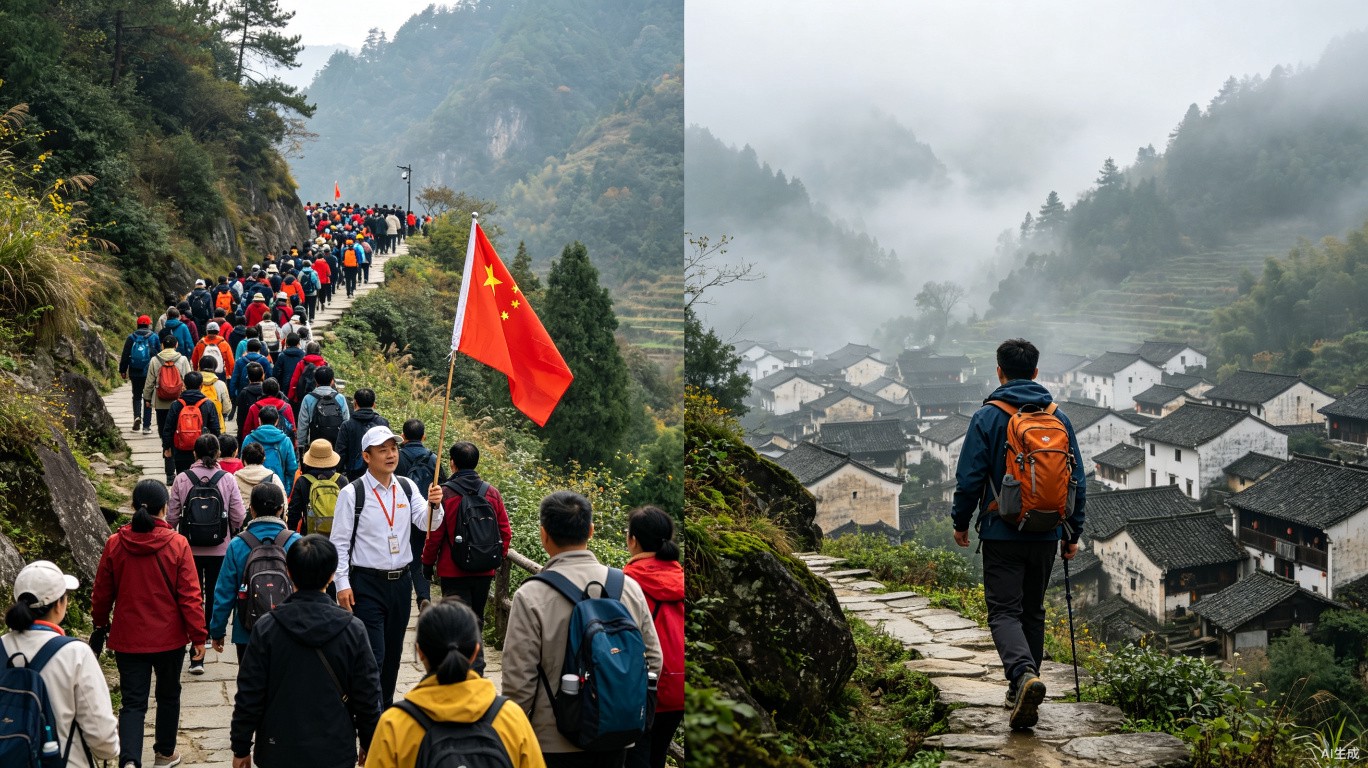
China Group Tours vs Independent Travel Which is Better
Should you join a guided tour or travel independently in China? Honest comparison of cost, flexibility, and experience.
7 min read
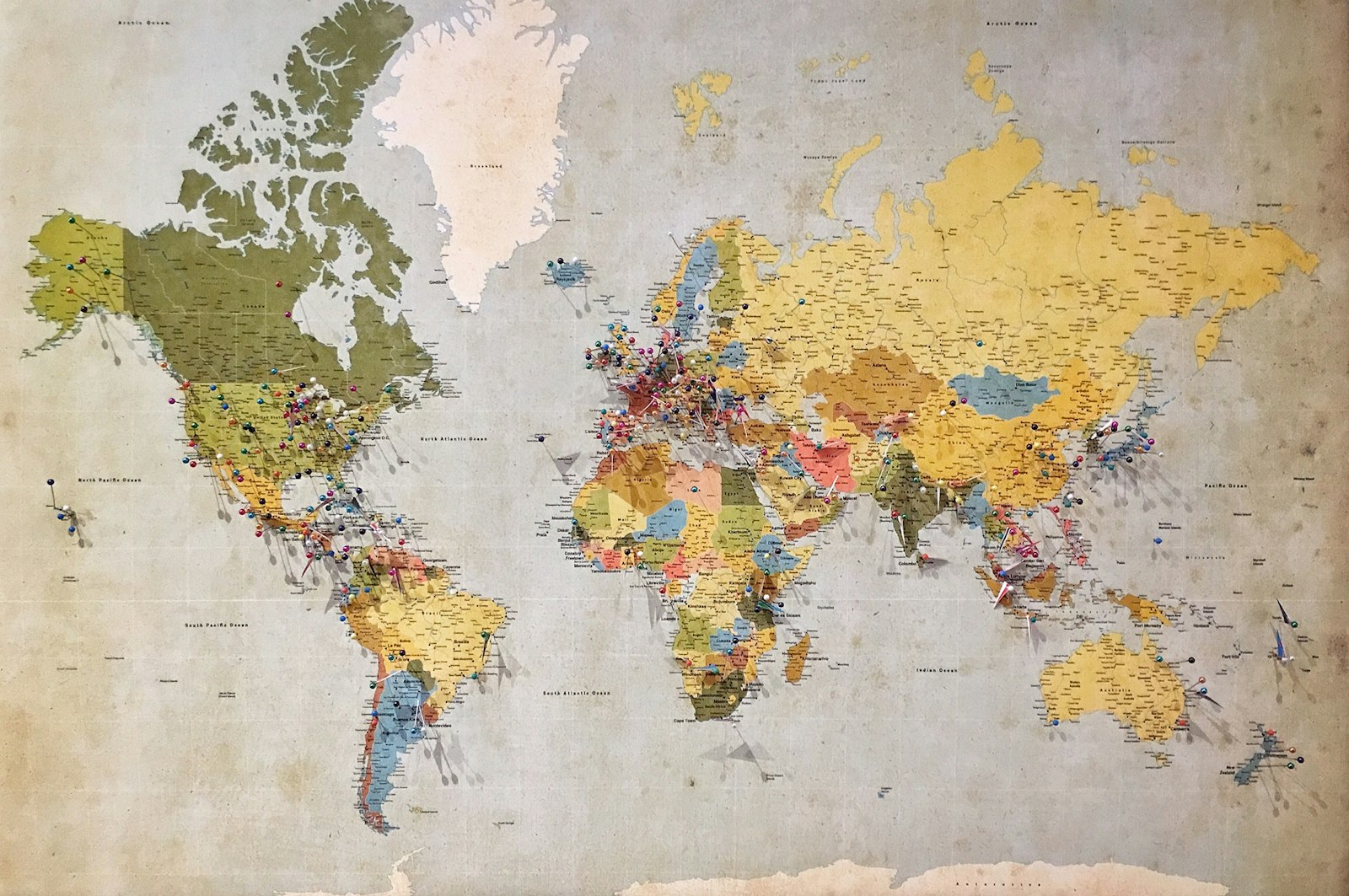
China Itinerary Planning: 7-Day 14-Day and 21-Day Routes: The Complete 2026 G...
Not sure how many days to spend in China? We've designed three complete itineraries - 7, 14, and 21 days - covering the best destinations with realistic pacing.
9 min read