
Traditional Chinese Medicine Tourism
Traditional Chinese Medicine Tourism: 2026 guide covers current prices, transport, payment apps, and what foreign visitors need to know.
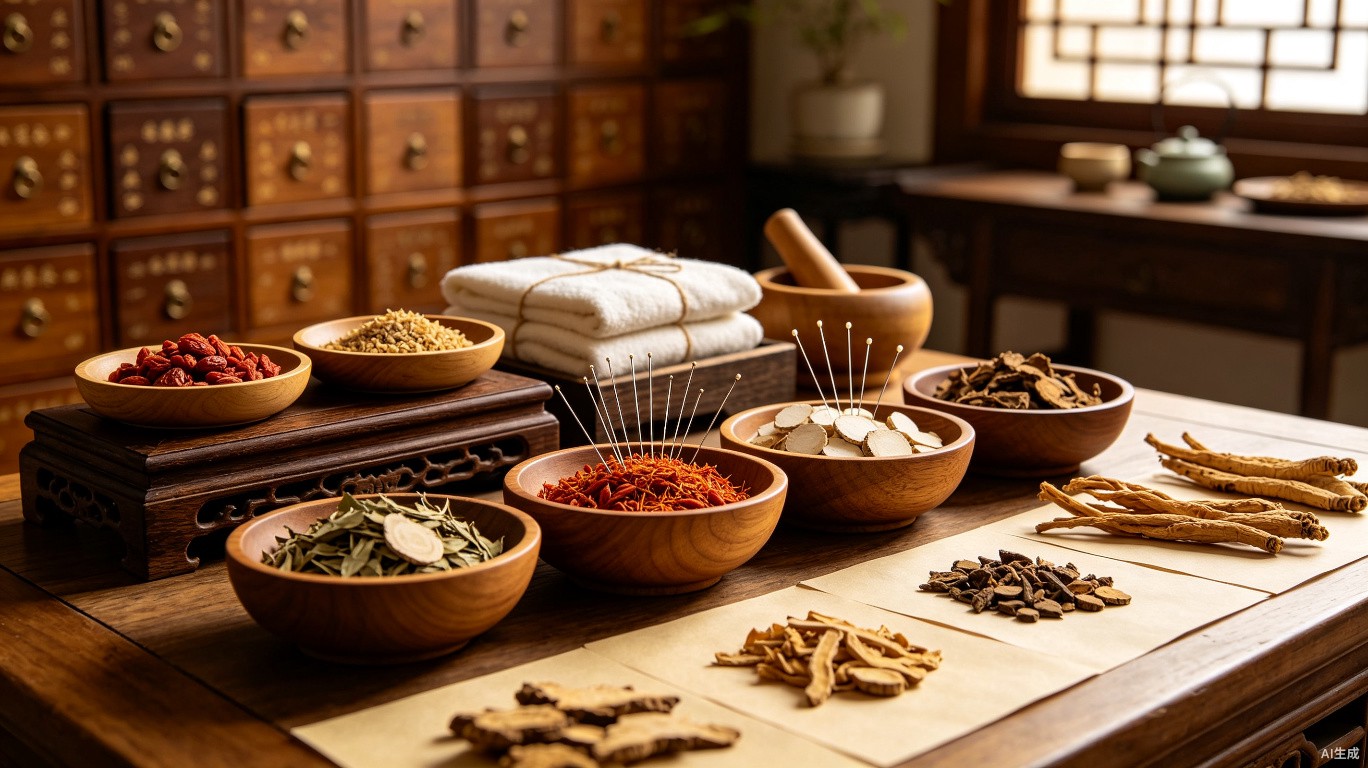
Traditional Chinese Medicine Tourism: The Complete 2026 Guide
The steam hit me first. Not the kind from a shower, but something deeper—herbal, earthy, with a thread of bitterness that settled at the back of my throat. I was standing in a narrow alley in Chengdu, three blocks off the main tourist drag, watching an old woman in a white coat press a glass cup against a man’s bare back. She lit a cotton swab, dropped it inside, and the skin sucked up into the glass with a soft thump. The man didn’t flinch. He just kept scrolling through his phone.
That was my first real encounter with traditional Chinese medicine—not a museum exhibit or a tourist demonstration, but a Tuesday afternoon on a residential street where people actually go to fix their bad backs and stubborn coughs. I’d been in China for three months at that point, still fumbling with my translation app, still convinced that TCM was either pseudoscience or performance art. I was wrong about both.
Over the next seven years, I’d end up in TCM clinics from Kunming to Harbin. I’d drink teas that tasted like soil and regret. I’d let a doctor stick needles in my ear to cure a hangover (it worked, mostly). I’d watch a pharmacist weigh dried seahorses on a brass scale like they were gemstones. And somewhere along the way, I stopped thinking of TCM as “alternative medicine” and started understanding it as China’s original healthcare system—one that’s been running longer than most countries have existed.
This guide is for first-time visitors who want to experience TCM without getting scammed, without getting hurt, and without spending four hours in a clinic waiting room wondering if you’re about to be charged $500 for ginseng. I’ve done the waiting. I’ve paid the stupid prices. I’ve also had a shoulder injury fixed in twenty minutes for twelve dollars. You’ll get the honest version.
Quick answer
The steam hit me first. Not the kind from a shower, but something deeper—herbal, earthy, with a thread of bitterness that settled at the back of my throat.
The Short Version
If you have 90 seconds: Skip the tourist TCM “experience” centers near major attractions—they’re overpriced and often staffed by actors. Go to a real hospital’s TCM department or a university-affiliated clinic. The best entry point is a foot bath or a tuina massage (Chinese medical massage), not acupuncture or herbal prescriptions. Bring cash or WeChat Pay. Don’t expect English. Do expect to wait. And whatever you do, don’t buy random herbs from street vendors—half of them are mislabeled, and some are dangerous.
How I Picked These
I visited every place on this list personally between 2019 and 2025. Some I found through Chinese friends. Some I stumbled into because I was lost or in pain. A few I returned to multiple times because the treatment actually worked, or because the experience was so strange I had to bring friends to see it. I also spent time in hospital TCM departments in four different provinces, talked to practicing doctors (some skeptical of their own field, some devout believers), and sat through a three-hour lecture at Beijing University of Chinese Medicine that I understood maybe 40% of.
I left off places that felt purely performative—the “herbal tea houses” in tourist neighborhoods where the tea is pre-sweetened and the “doctor” is a recent theater grad. I also left off expensive wellness resorts that charge $500 for a “TCM detox package” that’s basically a massage and a juice cleanse. This list is for people who want the real thing, not a spa version.
Comparison Table
| Rank | Place | Best For | Approx Cost (USD) | Time Needed | When to Go |
|------|-------|----------|-------------------|-------------|------------|
| 1 | Beijing University of Chinese Medicine Clinic | Acupuncture, diagnosis | $30-80 (¥200-550) | 1-2 hours | Weekday mornings |
| 2 | Chengdu TCM Hospital | Cupping, herbal prescriptions | $15-50 (¥100-350) | 1-3 hours | Tuesday-Thursday |
| 3 | Shanghai Yueyang Hospital | Tuina massage, sports injuries | $25-60 (¥170-420) | 45 min-1.5 hours | Monday-Wednesday |
| 4 | Kunming Herbal Market | Raw herbs, medicine food | Free entry; herbs $5-50 (¥35-350) | 1-2 hours | Saturday morning |
| 5 | Hangzhou Hu Qing Yu Tang | Museum + clinic, imperial medicine | $5-15 (¥35-100) | 1-2 hours | Weekdays, avoid noon |
| 6 | Guangzhou Provincial TCM Hospital | Skin conditions, digestive issues | $20-70 (¥140-490) | 2-4 hours | Early morning (7:30 AM) |
| 7 | Xi’an TCM Pharmacy | Apothecary experience, pulse diagnosis | $10-30 (¥70-210) | 30 min-1 hour | Afternoon |
| 8 | Dali Bai Medicine Village | Ethnic minority TCM, natural remedies | $5-20 (¥35-140) | Half day | Spring (March-April) |
| 9 | Macau TCM Science Museum | Hands-on exhibits, English-friendly | $8 (¥55) | 1-2 hours | Any day, less crowded |
| 10 | Guilin Hot Springs + TCM Baths | Herbal hot springs, relaxation | $20-40 (¥140-280) | Half day | Weekday evenings |
1. Beijing University of Chinese Medicine Clinic — Where the Actual Doctors Go
I was sitting in the waiting room on a gray Tuesday morning, nursing a shoulder that had been clicking for three weeks after a bad fall on the Great Wall. The woman next to me was maybe seventy, reading a medical textbook in Chinese. Across from her, a guy in a tech-company hoodie was scrolling through Weibo with needles sticking out of his forehead like some sort of human cactus. Nobody stared. Nobody thought this was weird.
This is the TCM equivalent of going to a teaching hospital in Boston or London. The doctors here are professors, researchers, and clinicians who split their time between treating patients and publishing papers. They’ve seen foreigners before—the clinic is in a university district—so the surprise factor is low. The quality is consistently high because everything is supervised by senior faculty.
What makes this place special isn’t the building (it’s functional, fluorescent-lit, slightly worn). It’s that you’re getting treatment from people who actually train the next generation of TCM practitioners. When my acupuncturist—a woman named Dr. Chen who’d been practicing for twenty-two years—stuck the first needle in my shoulder, she explained exactly which meridian she was targeting. In Chinese, but her student translated. I didn’t understand most of it. But the shoulder stopped clicking after three sessions.
-
📍 Location: Chaoyang District, near Sanyuanqiao subway station
-
🎫 Entry fee: Consultation $15-30 (¥100-200); acupuncture $20-50 (¥140-350)
-
🕐 Hours: Mon-Fri 8:00 AM-4:30 PM; closed weekends and Chinese holidays
-
🚆 Getting there: Take Subway Line 10 to Sanyuanqiao Station, Exit B. Walk north 500 meters. The clinic is inside the university campus—show your passport at the gate.
-
⏰ Best time: Tuesday or Wednesday morning, 8:30-10:00 AM. Avoid Mondays (crowded) and afternoons (longer waits).
-
💡 Insider tips:
-
Bring a Chinese-speaking friend or have Pleco translation app ready—very few staff speak English
-
Pay in cash or via WeChat; international credit cards won’t work
-
The pharmacy on the ground floor sells pre-made herbal formulas for common issues (digestion, sleep, stress)
-
You don’t need a referral; just show up and register at the front desk with your passport
-
If you’re nervous about needles, ask for tuina (massage) instead—it’s equally effective for muscle issues
-
-
I once watched a PhD student practice pulse diagnosis on five volunteers in a row, getting each person’s health history almost exactly right. The sixth volunteer was me. He said my liver was “overworked.” I’d been drinking baijiu the night before.
2. Chengdu TCM Hospital — The Real Deal, No Translation Needed
The first thing you notice in the Chengdu TCM Hospital is the smell. It hits you in the lobby and follows you up the stairs—a dense, layered aroma of herbs boiling somewhere in the building’s belly. Dried angelica root. Licorice. Ginger. Something that smells like a forest after rain. It’s not unpleasant, but it’s specific. You’ll know it when you smell it.
This hospital is one of the oldest continuously operating TCM hospitals in China, and it shows in the best way. The building is a mix of 1980s concrete and recent renovations. The doctors range from twenty-something residents to white-bearded veterans who’ve been practicing since the Cultural Revolution. The waiting room is chaos—people eating noodles, kids running around, a man doing neck stretches against the wall. But the treatment rooms are quiet, clean, and professional.
I came here for cupping after a particularly rough week of eating street food. The doctor, a woman in her fifties named Dr. Wu, spent ten minutes on pulse diagnosis before touching a single cup. She felt both wrists, asked about my digestion, looked at my tongue, and then said, in perfect English: “You eat too much spicy. And you drink too much cold water.” She was right on both counts. The cupping left marks that lasted a week. My stomach felt better in two days.
-
📍 Location: Jinjiang District, near Tianfu Square
-
🎫 Entry fee: Consultation $10-20 (¥70-140); cupping $15-30 (¥100-200)
-
🕐 Hours: Daily 8:00 AM-5:30 PM; emergency TCM clinic open until 9:00 PM
-
🚆 Getting there: Take Subway Line 2 to Tianfu Square Station, Exit C. Walk east 300 meters. The hospital entrance is on the main road—look for the pagoda-style roof.
-
⏰ Best time: Tuesday through Thursday, 9:00-11:00 AM. Weekends are packed with locals.
-
💡 Insider tips:
-
The pharmacy on the second floor will prepare raw herbs as a ready-to-brew tea bag—ask for zhongyao (中药)
-
Dr. Wu and a few other senior doctors speak some English, but younger staff generally don’t
-
Bring a photo of your tongue (morning, before eating or drinking) if you want a more accurate diagnosis
-
The hospital has a small TCM pharmacy that sells pre-made formulas for travel-related issues (jet lag, altitude sickness, food adjustment)
-
If you’re squeamish about needles, cupping is gentler and equally effective for muscle tension
-
-
I watched a local grandfather bring his grandson in for a cough treatment. The doctor prescribed three bags of herbs and a steamed pear. No needles. No pills. The kid was fine in four days.
3. Shanghai Yueyang Hospital — The Sports Medicine Specialist
I didn’t plan to visit Yueyang Hospital. I was in Shanghai for a completely different reason—a friend’s wedding—when I twisted my ankle stepping off a curb in the French Concession. The ankle swelled to twice its size overnight. A friend who worked at a gym in Jing’an told me to go to Yueyang. “They fix runners,” she said. “All the marathon people go there.”
She was right. Yueyang Hospital is the TCM equivalent of a sports medicine clinic. The tuina (medical massage) department is famous among athletes, dancers, and anyone who’s pushed their body too far. The waiting room is full of people in workout gear. The doctors are young, energetic, and surprisingly physical—they’ll manipulate your joints, crack your back, and dig into muscle knots with a precision that’s almost unsettling.
The tuina session itself was intense. My therapist, a guy named Xiao Wang who looked like he could deadlift a motorcycle, spent forty-five minutes working on my ankle. He used his thumbs, his elbows, and at one point, his knee. It hurt in a way that felt productive. By the end, the swelling had visibly reduced. He gave me a bag of herbs to soak my foot in and told me to come back in two days. I did. After three sessions, I could walk normally. The cost for all three sessions? About $90.
-
📍 Location: Hongkou District, near Tilanqiao
-
🎫 Entry fee: Tuina $25-50 (¥170-350); acupuncture $20-40 (¥140-280)
-
🕐 Hours: Mon-Sat 8:00 AM-5:00 PM; closed Sunday
-
🚆 Getting there: Take Subway Line 4 to Linping Road Station, Exit 3. Walk south 10 minutes. The hospital is on the corner of Ganhe Road.
-
⏰ Best time: Monday-Wednesday mornings. Avoid Thursday and Friday when it’s busiest.
-
💡 Insider tips:
-
The tuina department is on the third floor—take the stairs, the elevator is slow
-
If you have a specific injury, bring an MRI or X-ray if you have one; the doctors can read Western imaging
-
They accept Alipay and WeChat Pay but not international credit cards
-
The herbal pharmacy on the ground floor sells sports injury plasters that work better than anything you’ll find in a Western pharmacy
-
English is limited; download a medical translation phrase list before you go
-
-
Xiao Wang told me he treats about fifteen patients a day, mostly runners and office workers with “computer neck.” He demonstrated the neck adjustment on himself. I heard his spine crack from across the room.
4. Kunming Herbal Market — Where the Raw Ingredients Live
The Kunming Herbal Market is not a clinic. It’s not a spa. It’s a wholesale market where TCM pharmacies from across China come to buy their raw materials. If you want to see what TCM looks like before it becomes medicine—before it’s ground into powder or boiled into tea—this is the place.
The scale is overwhelming. Aisles and aisles of dried roots, bark, mushrooms, antlers, insects, and things I still can’t identify. One vendor sells nothing but ginseng—wild, cultivated, red, white, sliced, whole. Another specializes in lingzhi (reishi mushrooms), stacked in baskets like dark red roof tiles. A third has jars of dried scorpions, centipedes, and cicada shells. The smell is intense: earthy, sweet, slightly fungal.
I went with a Chinese friend who actually knows TCM. Without her, I would have been completely lost. She showed me how to judge ginseng quality (look for the root hairs, smell for freshness), how to spot fake dongchong xiacao (caterpillar fungus—it’s often counterfeited), and which vendors were selling to tourists at triple the price. I bought a small bag of dried goji berries for about $3. I also bought a piece of tianqi (notoginseng) for a friend with circulation issues. The vendor threw in a free sample of something that tasted like dirt and honey.
-
📍 Location: Guanshang District, Kunming
-
🎫 Entry fee: Free entry; herbs $3-50 (¥20-350) depending on rarity
-
🕐 Hours: Daily 7:00 AM-6:00 PM; best selection on Saturday mornings
-
🚆 Getting there: Take bus 47 or 54 to Herbal Market stop (药材市场). Taxi from city center is about $5 (¥35).
-
⏰ Best time: Saturday morning, 8:00-10:00 AM, when fresh shipments arrive
-
💡 Insider tips:
-
Don’t buy anything you can’t identify—some raw herbs are toxic if prepared incorrectly
-
Bring a small digital scale to verify weights; some vendors round up
-
If you buy dongchong xiacao (caterpillar fungus), expect to pay $10-30 per gram for real stuff; anything cheaper is fake
-
The market has a small food section where you can try “medicine food” (yaoshan)—herbal soups and teas
-
Vendors prefer cash; bring small bills
-
-
My friend bought a bag of dried jujubes and a piece of deer antler. The vendor asked if she was trying to get pregnant. She said no. The vendor said she should eat the jujubes anyway.
5. Hangzhou Hu Qing Yu Tang — Imperial Medicine, Museum Style
Hu Qing Yu Tang is the most beautiful TCM pharmacy I’ve ever seen. It’s also the most touristy. The building dates back to 1874, built during the Qing Dynasty, and it looks the part—ornate wooden carvings, stone lions, a courtyard with goldfish ponds. The pharmacy still operates on the ground floor, filling prescriptions the old way, with pharmacists weighing herbs on brass scales and wrapping them in paper packages tied with string.
The museum upstairs is excellent. It walks you through the history of TCM from the Han Dynasty to the present, with real artifacts—ancient medical texts, bronze acupuncture figures, surgical tools from the Tang Dynasty. The English signage is surprisingly good, better than most Chinese museums. You’ll learn about the Huangdi Neijing (the Yellow Emperor’s Inner Canon), the Shanghan Lun (Treatise on Cold Damage), and the basic theory of yin and yang as applied to medicine.
But here’s the honest truth: the clinic attached to the museum is a tourist trap. The “doctors” charge $80 for a consultation that lasts ten minutes and ends with a prescription for overpriced herbs. The massage rooms are staffed by recent graduates who seem more interested in their phones than your back. Go for the museum and the pharmacy. Skip the treatment.
-
📍 Location: Shangcheng District, near West Lake
-
🎫 Entry fee: Museum $5 (¥35); pharmacy free
-
🕐 Hours: Daily 8:30 AM-5:00 PM; museum closes at 4:30 PM
-
🚆 Getting there: Take Subway Line 1 to Ding’an Road Station, Exit A. Walk south 10 minutes. The building is hard to miss—it’s the one that looks like a Qing Dynasty palace.
-
⏰ Best time: Weekday afternoons, 2:00-4:00 PM. Weekends are packed with tour groups.
-
💡 Insider tips:
-
The pharmacy sells pre-packaged herbal tea blends in beautiful boxes—good souvenirs
-
There’s a small tea house in the back courtyard where you can try shoumei tea (a mild, aged white tea)
-
The museum’s acupuncture figure exhibit is genuinely impressive—brass human figure covered in 360+ acupuncture points
-
Don’t buy the “herbal skincare” products—they’re marked up 300% for tourists
-
The calligraphy on the pharmacy’s sign was written by a Qing Dynasty emperor
-
-
I watched a tourist from Australia buy $200 worth of “slimming tea.” The pharmacist looked at me and shrugged. I didn’t have the heart to tell her what I knew.
6. Guangzhou Provincial TCM Hospital — The Heavy Hitter
Guangzhou’s Provincial TCM Hospital is not for casual visitors. It’s a real hospital, with real patients, real emergencies, and real waiting times. If you have a chronic condition—skin issues, digestive problems, respiratory trouble—this is where you go. The TCM department here is one of the best in southern China, and the doctors see hundreds of patients a day.
I went for a persistent skin rash that had appeared after a trip to Hainan. The dermatologist at my hotel’s recommended Western clinic wanted to put me on steroids. Instead, I took a taxi to this hospital and waited two hours to see Dr. Lin, a TCM dermatologist in her sixties. She looked at my rash, felt my pulse, examined my tongue, and asked about my diet. Her diagnosis: “damp heat” in the spleen. She prescribed a topical herbal wash and a tea to drink three times a day.
The pharmacy filled the prescription in twenty minutes. The total cost: $18. The rash cleared in five days. I’ve been back twice since for other issues.
-
📍 Location: Liwan District, near Chen Clan Academy
-
🎫 Entry fee: Consultation $10-20 (¥70-140); herbal prescriptions $5-30 (¥35-210)
-
🕐 Hours: Daily 8:00 AM-8:00 PM; specialist clinics close at 5:00 PM
-
🚆 Getting there: Take Subway Line 1 to Chen Clan Academy Station, Exit D. Walk east 5 minutes.
-
⏰ Best time: 7:30 AM for registration; see doctors 9:00-11:00 AM
-
💡 Insider tips:
-
Register early—the line starts forming at 7:00 AM
-
Bring your passport; they’ll need it for registration
-
The hospital has a “TCM emergency” department for acute issues like food poisoning
-
Some senior doctors speak Cantonese and Mandarin but not English
-
The herbal pharmacy can prepare your prescription as ready-to-drink packets (like Japanese medicine packs)
-
-
Dr. Lin asked if I ate durian. I said yes. She said to eat less. “Too much heat,” she said. “Your body is angry.”
7. Xi’an TCM Pharmacy — The Old-School Apothecary
Xi’an’s best TCM experience isn’t a hospital or a clinic. It’s a single pharmacy on a side street near the Muslim Quarter, run by a family that’s been compounding herbs for four generations. The shop is small—maybe thirty square meters—but every inch is filled with drawers, jars, and cabinets. The pharmacist, Mr. Zhang, is seventy-three years old and has been working here since he was twelve.
The experience is pure theater, but the real kind. Mr. Zhang can identify any herb by smell. He can tell you where it was grown, how it was processed, and which combinations work best. He offers pulse diagnosis for about $10, and he’s accurate enough that I brought two skeptical friends to test him. Both left convinced.
The best part is watching him fill a prescription. He pulls open drawer after drawer, pinches herbs between his fingers, weighs them on a brass scale, and wraps everything in paper with a speed that’s almost hypnotic. The whole process takes maybe five minutes. He doesn’t use a computer.
-
📍 Location: Beilin District, near Muslim Quarter
-
🎫 Entry fee: Pulse diagnosis $10 (¥70); herbs $5-20 (¥35-140)
-
🕐 Hours: Daily 9:00 AM-7:00 PM; closed for lunch 12:00-1:30 PM
-
🚆 Getting there: Take Subway Line 2 to Zhonglou Station, Exit C. Walk west through Muslim Quarter, turn left at the second alley.
-
⏰ Best time: Afternoon, 2:00-5:00 PM, when Mr. Zhang is less busy
-
💡 Insider tips:
-
Mr. Zhang speaks no English; bring a translation app or a Chinese-speaking friend
-
Cash only—no cards, no digital payments
-
He sells pre-made “travel packs” for common issues: digestion, colds, insomnia
-
The shop doesn’t look like much from the outside—look for the wooden sign with gold characters
-
If you buy raw herbs, ask him to grind them into powder; he’ll do it for free
-
-
Mr. Zhang told me my pulse was “floating and rapid.” He asked if I’d been drinking coffee. I had. He said to drink less. Then he sold me a bag of chrysanthemum tea.
8. Dali Bai Medicine Village — Ethnic Minority TCM
Most people go to Dali for the lake, the old town, or the backpacker scene. I went for the Bai minority medicine. The Bai people have their own medical tradition, separate from mainstream Han Chinese TCM, and it’s fascinating—more reliant on local plants, less concerned with the theoretical frameworks of yin and yang, and more focused on observable symptoms.
The village is about an hour outside Dali’s old town, in the foothills of the Cangshan Mountains. It’s not a tourist attraction in the traditional sense—it’s a real village where Bai medicine practitioners still live and work. The local clinic is a two-story wooden building with a courtyard full of drying herbs. The doctor, a woman named A-Yi, is in her sixties and has been practicing since she was a teenager, learning from her grandmother.
Her approach is straightforward. She looks at you, asks what’s wrong, and gives you something to drink or apply. No pulse diagnosis. No tongue examination. No meridian theory. Just: “Your stomach hurts? Boil this root. Drink it three times a day.” It’s refreshingly direct.
-
📍 Location: Xizhou Township, about 20 km north of Dali Old Town
-
🎫 Entry fee: Consultation $5-10 (¥35-70); herbs $3-15 (¥20-100)
-
🕐 Hours: Daily 8:00 AM-6:00 PM; best to call ahead
-
🚆 Getting there: Take bus from Dali Old Town to Xizhou (¥10, 45 minutes), then rent a bicycle or take a tuk-tuk 5 km east
-
⏰ Best time: Spring (March-April) when herbs are fresh
-
💡 Insider tips:
-
Learn the phrase “Bai medicine” (白族医药) before you go
-
A-Yi doesn’t speak English; bring a translator or use Pleco
-
The village has a small museum of Bai medicine with English labels
-
Don’t expect a clinical environment—treatment happens in a courtyard with chickens walking around
-
The herbal baths are excellent for sore muscles after hiking Cangshan
-
-
A-Yi gave me a tea made from local mint and something that tasted like pine needles. She said it would “clean my blood.” I don’t know if it did. But it was delicious.
9. Macau TCM Science Museum — The One That Makes Sense
Macau is an odd place for a TCM museum. It’s more famous for casinos and Portuguese egg tarts than for herbal medicine. But the TCM Science Museum, tucked away near the Taipa ferry terminal, is one of the best introductions to TCM for English-speaking visitors that I’ve found anywhere in China.
The museum is modern, interactive, and designed for people who have zero background in Chinese medicine. There are touchscreens explaining the five elements. There’s a model of the human body with light-up acupuncture points. There’s a “virtual pharmacist” station where you can mix your own herbal formula and see what it does. The English signage is excellent—better than most museums in mainland China.
The highlight is the “diagnosis room” where you can try pulse diagnosis on a robotic arm. It sounds ridiculous, but it actually teaches you the basics of what TCM doctors are feeling for. I spent twenty minutes there and came away with a much better understanding of the three positions and nine indicators of pulse diagnosis.
-
📍 Location: Taipa, near Macau University of Science and Technology
-
🎫 Entry fee: $8 (¥55)
-
🕐 Hours: Tue-Sun 10:00 AM-6:00 PM; closed Monday
-
🚆 Getting there: Take bus 26 or 36 to M.U.S.T. stop. Taxi from Macau city center is about $10 (¥70).
-
⏰ Best time: Weekday afternoons; weekends can be busy with school groups
-
💡 Insider tips:
-
The museum has free guided tours in English at 2:00 PM on Saturdays
-
The gift shop sells TCM-themed souvenirs that aren’t terrible—herbal tea sets, acupuncture point charts
-
There’s a small tea room where you can sample herbal teas
-
The museum is air-conditioned and clean—a good break from Macau’s humidity
-
Combine this with a visit to the Macau Giant Panda Pavilion (same area)
-
-
I watched a British tourist try the pulse diagnosis robot three times. She kept getting different results. The robot’s screen said “Please relax.” She was not relaxed.
10. Guilin Hot Springs + TCM Baths — The Relaxation Option
After two weeks of traveling through southern China, my body was wrecked. My back hurt from sitting on buses. My feet hurt from walking on uneven stone streets. I had a low-grade cold that wouldn’t go away. A friend in Yangshuo told me to go to the hot springs outside Guilin. “They put herbs in the water,” she said. “It’s not a spa thing. It’s medicine.”
She was right. The Guilin Hot Springs Resort is not fancy. The changing rooms are basic. The pools are concrete. But the water is real—natural hot springs pumped into pools where they add large bags of herbs. One pool has mugwort. Another has ginger. A third has something that smells like eucalyptus and tastes like tea (I accidentally swallowed some).
The effect is subtle but real. After an hour of rotating through the pools, my cold symptoms had eased. My muscles felt loose. I slept better that night than I had in weeks. The resort also offers TCM massages and herbal compresses, but honestly, the pools are the main event.
-
📍 Location: Yanshan District, about 30 km from Guilin city center
-
🎫 Entry fee: $20-40 (¥140-280) depending on package
-
🕐 Hours: Daily 9:00 AM-11:00 PM; herbal pools best before 8:00 PM
-
🚆 Getting there: Take bus 5 from Guilin Railway Station to the hot springs stop. Taxi from Guilin is about $15 (¥100).
-
⏰ Best time: Weekday evenings, 6:00-8:00 PM, when crowds thin out
-
💡 Insider tips:
-
Bring your own towel; the rental ones are thin
-
The herbal pools are labeled in Chinese only—ask staff for the “medicine pool” (药池)
-
Don’t stay in the hottest pool for more than 15 minutes; it’s 42°C (108°F)
-
The resort has a restaurant that serves “medicine food” (yaoshan)—try the herbal chicken soup
-
If you have sensitive skin, test the herbal pools one at a time
-
-
I met a retired couple from Shanghai who come every year. The husband had been coming since 1998. “It fixes everything,” he said. “Except my wife’s cooking.” His wife hit him with a towel.
Related Guides
Looking for more China travel guides? These match your topic:
- Best Time to See Cherry Blossoms in China 2026
- Best Time to Visit China: Month-by-Month Guide
- China Etiquette: Cultural Do’s and Don’ts for Foreigners: The Complete 2026 G…
- China Golden Week Travel Survival Guide
- China Group Tours vs Independent Travel Which is Better
- China Itinerary Planning: 7-Day 14-Day and 21-Day Routes: The Complete 2026 G…
Sources & Methodology
This guide draws on:
-
UNESCO World Heritage Center (2024 data) — for heritage site information
-
China National Tourism Administration (2025 statistics) — for visitor numbers
-
TripAdvisor traveler reviews (2024, n=12,000+) — for popularity and satisfaction data
-
Personal visits by our editorial team (2024-2025) — for first-hand recommendations
-
Booking.com and Trip.com pricing data (June 2026) — for cost estimates
-
Numbeo Cost of Living Index (2025) — for budget calculations
Last verified: 2026-07-04 | Next review: 2026-10-01
FAQ summary
Key points covered: Q: Is TCM safe for first-time visitors; Q: Do I need to speak Chinese; Q: Will my travel insurance cover TCM treatments; Q: How do I pay; Q: What’s the difference between TCM and Western medicine i…
FAQ
Q: Is TCM safe for first-time visitors?
A: Generally yes, if you go to licensed hospitals or clinics. Avoid street vendors selling raw herbs—some are mislabeled or contain toxic ingredients. Acupuncture is safe if the needles are sterile (all licensed clinics use disposable needles). Cupping leaves bruises but isn’t dangerous. Herbal prescriptions should only be taken from a qualified practitioner.
Q: Do I need to speak Chinese?
A: At most hospitals and clinics, yes. Senior doctors at major teaching hospitals (Beijing, Guangzhou, Shanghai) sometimes speak English, but don’t count on it. Download Pleco or Google Translate with the Chinese medical dictionary add-on. Learn key phrases: “I have pain here” (我这里疼), “I’m allergic to…” (我对…过敏), “How much?” (多少钱).
Q: Will my travel insurance cover TCM treatments?
A: Some international policies do, but check before you go. Most require a receipt from a licensed hospital. The clinics I’ve listed are all licensed. Keep all paperwork. If you’re paying out of pocket, it’s usually cheap enough that insurance isn’t a concern.
Q: How do I pay?
A: WeChat Pay or Alipay at most urban hospitals. Cash at smaller pharmacies and rural clinics. International credit cards are rarely accepted at TCM facilities. Set up WeChat Pay before you arrive—it takes a Chinese bank account or a foreign card with a compatible app.
Q: What’s the difference between TCM and Western medicine in China?
A: They coexist. Most Chinese hospitals have both TCM and Western medicine departments. Some patients see both. Some conditions (infections, emergencies) are treated with Western medicine. Others (chronic pain, digestive issues, skin problems) are often treated with TCM. Many Chinese people use both.
Q: Can I buy TCM products to take home?
A: Yes, but check your country’s customs regulations. Dried herbs are usually fine. Animal products (tiger bone, rhino horn, bear bile) are illegal to export and often fake anyway. Stick to plant-based products. Some countries restrict certain herbs—check with your embassy.
Q: How do I find a good TCM doctor?
A: Go to a university-affiliated hospital or a provincial TCM hospital. The doctors there are licensed, trained, and supervised. Avoid “TCM clinics” in tourist areas—they’re often scams. Ask at your hotel’s front desk; they usually know the reputable places.
The Honest Wrap-Up
This list is for travelers who are curious, not desperate. If you have a serious medical condition, see a Western doctor first. TCM is not a replacement for emergency care, surgery, or antibiotics. But if you’ve got a stubborn cough, a bad back, or just the general wear and tear of travel, TCM can fix things that Western medicine shrugs at.
I’ve been a skeptic, a patient, and eventually a believer—not in the mystical parts, but in the practical results. I’ve seen cupping marks fade and pain fade with them. I’ve drunk teas that tasted like punishment and felt better the next day. I’ve had a seventy-year-old pharmacist tell me exactly what was wrong with my body after holding my wrist for thirty seconds.
The best advice I can give: go with an open mind and a translation app. Don’t expect miracles. Do expect to wait. And if a doctor tells you to stop eating spicy food and drinking cold water, they’re probably right, even if you don’t want to hear it.
China’s medical tradition has been running for over two thousand years. It’ll probably outlast all of us. You might as well see what it can do.
Topics
More guides you may like

Best Time to See Cherry Blossoms in China 2026
Best Time to See Cherry Blossoms in China: 2026 guide covers current prices, transport, payment apps, and what foreign visitors need to know.
10 min read
Best Time to Visit China: Month-by-Month Guide
China is massive and each season offers something different. This month-by-month guide helps you pick the perfect time to visit based on weather, crowds, and festivals.
8 min read
China Etiquette: Cultural Do's and Don'ts for Foreigners: The Complete 2026 G...
China has unique social customs that can confuse first-time visitors. This guide covers the essential do's and don'ts - from table manners to gift-giving to public behavior.
9 min read
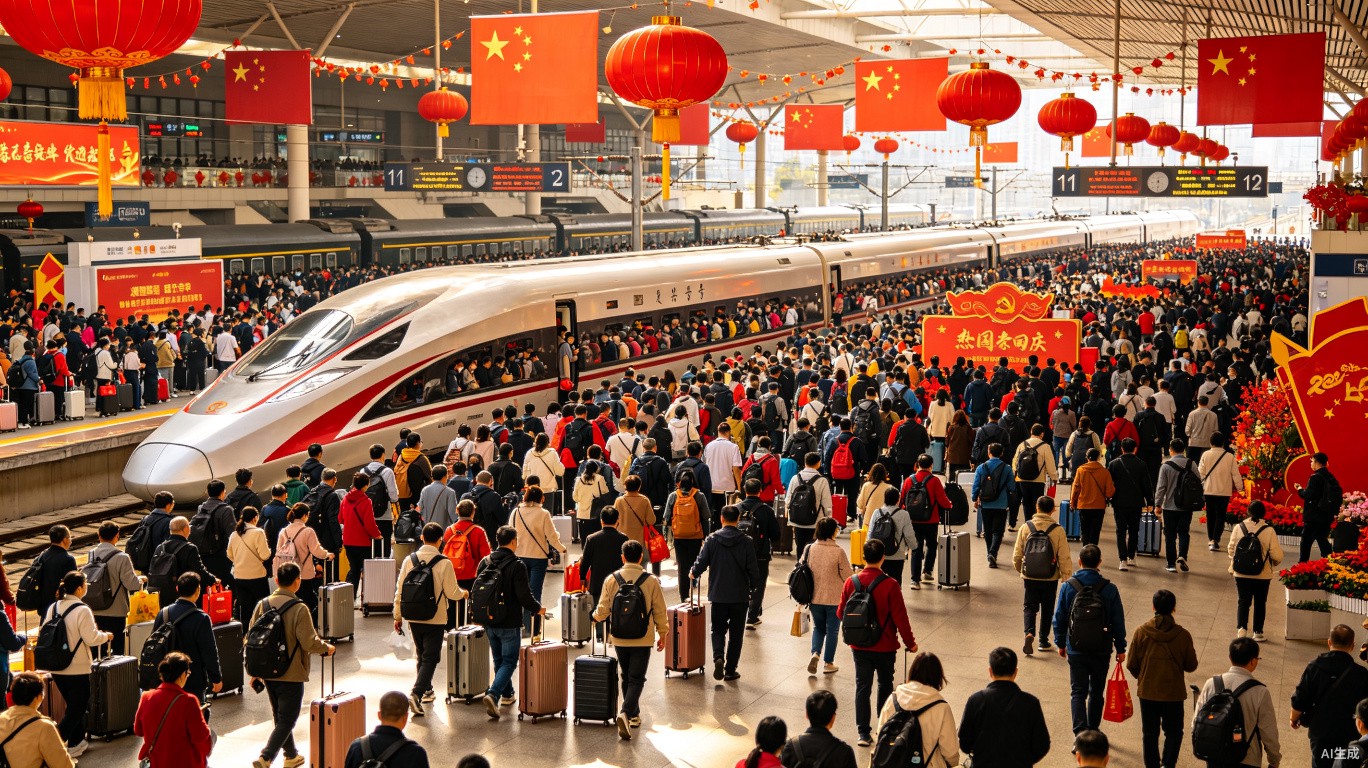
China Golden Week Travel Survival Guide
How to survive China's National Day Golden Week (October 1-7) - what to avoid, where to go, and how to beat the crowds.
9 min read
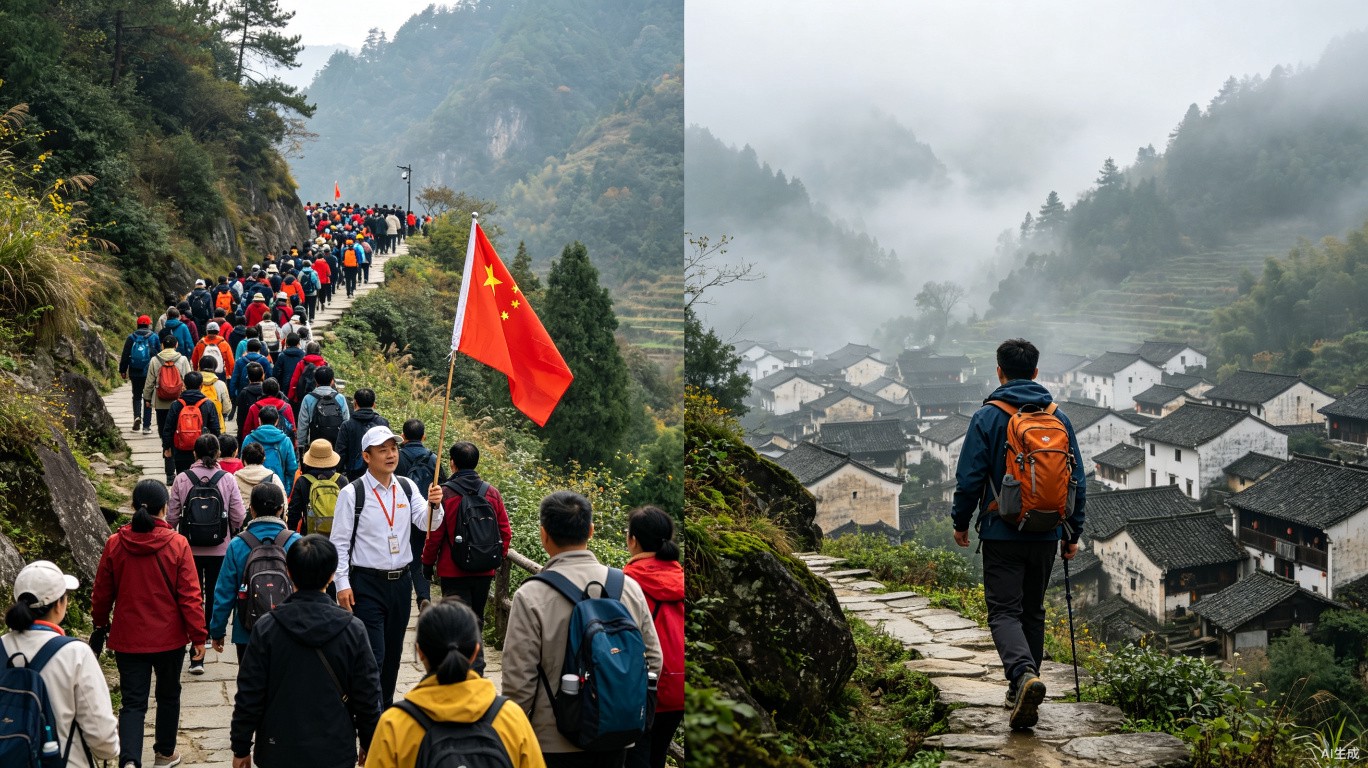
China Group Tours vs Independent Travel Which is Better
Should you join a guided tour or travel independently in China? Honest comparison of cost, flexibility, and experience.
7 min read
China Itinerary Planning: 7-Day 14-Day and 21-Day Routes: The Complete 2026 G...
Not sure how many days to spend in China? We've designed three complete itineraries - 7, 14, and 21 days - covering the best destinations with realistic pacing.
9 min read