
Xinjiang Travel Guide
Xinjiang Travel Guide: 2026 guide covers current prices, transport, payment apps, and what foreign visitors need to know.
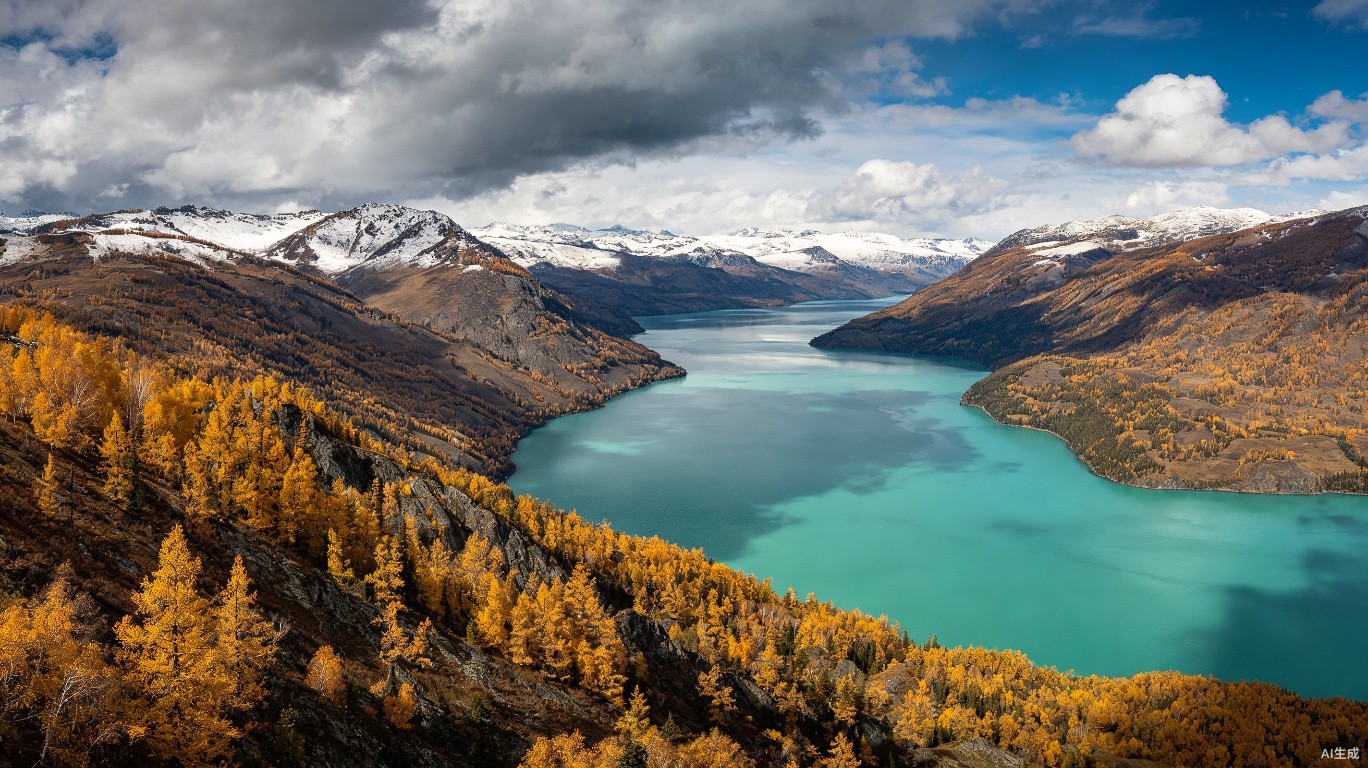
Xinjiang Travel Guide: The Complete 2026 Guide
The cab driver stopped at a police checkpoint about an hour outside Kashgar, rolled down his window, and the driver next to us handed over a watermelon through his window like it was the most normal thing in the world. The officer waved us through without looking at our papers. I remember the smell of dust and cantaloupe and the way the light turned everything pale gold at 7 PM, which felt like 4 PM because Xinjiang runs on Beijing time but the sun doesn’t cooperate.
I’d spent years thinking Xinjiang was too complicated for a first-time China traveler. Too far. Too much paperwork. Too many things that could go wrong. The first time I tried to plan a trip here, a friend who’d lived in Shanghai for a decade said, “Just go to Yunnan instead.” I almost listened.
I’m glad I didn’t.
Xinjiang is not a beginner-friendly destination in the way Beijing or Shanghai are. But if you’re willing to deal with a few extra steps—the police checkpoints, the hotel registration forms, the fact that nobody speaks English outside the main tourist zones—you get to see a China that feels like a completely different country. The food is better. The landscapes are bigger. The people are more direct. This guide covers the ten places I think are worth your time, plus the practical stuff nobody tells you about visiting China’s largest province in 2026.
Quick answer
The cab driver stopped at a police checkpoint about an hour outside Kashgar, rolled down his window, and the driver next to us handed over a watermelon through his window like it was the most normal thing in the world.
The Short Version
Xinjiang is safe, stunning, and logistically annoying. The landscapes are world-class—think Patagonia meets Central Asia meets the American Southwest. The food is the best in China. You need a pre-approved visa or a 144-hour transit permit, a VPN that actually works, and patience with checkpoints. Skip the Silk Road museums unless you really care about pottery. Don’t skip the mountain routes.
How I Picked These
I’ve been to Xinjiang four times over seven years—twice solo, once with a Chinese friend who grew up in Urumqi, and once leading a small group of photographers. I’ve gotten stuck in a snowstorm on the Karakoram Highway, eaten lamb at a roadside stall where the owner refused to let me pay, and spent three hours trying to explain to a hotel front desk that yes, my visa was valid. These ten places are the ones I’d go back to tomorrow. I’ve excluded places I think are overrated (looking at you, Heavenly Lake) and included a few that most tourists miss.
Comparison Table
| Rank | Place | Best For | Approx Cost (USD) | Time Needed | When to Go |
|------|-------|----------|-------------------|-------------|------------|
| 1 | Kashgar Old City | Culture, food, photography | $5-10/day | 2-3 days | April-Oct |
| 2 | Karakoram Highway | Road trip, mountain views | $30-50 (shared car) | 2-3 days | May-September |
| 3 | Turpan Grape Valley | Unique desert oasis | $8-12 | 1 full day | August-October |
| 4 | Taklamakan Desert | Desert experience | $20-40 (tour) | 1-2 days | March-May, Sept-Nov |
| 5 | Id Kah Mosque | Architecture, history | $3 | 1-2 hours | Any season |
| 6 | Heavenly Lake (Tianchi) | Hiking, scenery | $15 | 4-6 hours | June-September |
| 7 | Karakul Lake | Lake/mountain views | $5 | 2-3 hours | May-September |
| 8 | Urumqi Grand Bazaar | Shopping, food | Free entry | 2-3 hours | Any season |
| 9 | Kizil Caves | Buddhist cave art | $10 | 2 hours | April-October |
| 10 | Yarkant County | Off-the-beaten-path | $3-5 | Half day | April-October |
1. Kashgar Old City — The place that rewired my brain about China
I sat in a small teahouse on the second floor of a building that looked like it was held together by habit and good intentions. An old Uyghur man with a beard that reached his chest poured tea from a pot that must have been fifty years old. Below us, kids kicked a soccer ball through alleyways that twisted like they’d been designed by someone who hated straight lines. A donkey cart loaded with melons clip-clopped past. I had to remind myself I was still in China.
Kashgar’s Old City is what happens when a place has been a trading hub for two thousand years and doesn’t care what you think about it. The buildings are mud-brick, the streets are narrow enough that two people can barely pass, and every corner smells like lamb skewers and naan bread fresh from the tandoor. It’s touristy in parts—the main drag near the Id Kah Mosque has souvenir shops selling the same keychains you’ll find in Beijing—but get five minutes off the main path and you’re in someone’s actual neighborhood.
📍 Old City district, Kashgar, western Xinjiang
🎫 Free to enter the Old City. Some specific sites inside charge $2-5
🕐 Open 24/7, but shops open around 10 AM and close by 8 PM
🚆 Fly to Kashgar Airport (KHG) from Urumqi or Beijing. From the airport, a taxi to the Old City costs about $5 and takes 30 minutes
⏰ Visit in late April or early October for the best weather. Avoid July-August when it hits 40°C
💡 Don’t take photos of locals without asking first. Learn “Rahmat” (thank you in Uyghur). Carry small bills—most shops can’t break a 100 yuan note. Bring a scarf for women entering mosques. The best food is in the night market near the east gate, not the restaurants on the main square
I once spent an hour trying to buy a single pomegranate because the shopkeeper insisted on giving me three for the price of one and wouldn’t let me leave until I accepted.
2. Karakoram Highway — The road that makes you believe in mountains
You know how people say “the journey is the destination”? I used to roll my eyes at that. Then I drove the Karakoram Highway from Kashgar toward the Pakistani border, and I shut up. The road climbs from 1,300 meters to over 4,700 meters in about 200 kilometers, and every ten minutes the view changes from desert to river gorge to alpine meadow to something that looks like the surface of the moon.
This is the highest paved international road in the world, and it feels like it. The Chinese side is well-maintained—smooth asphalt, guardrails where you’d expect them—but the altitude hits hard. I got a headache at 3,500 meters and had to stop for an hour. A truck driver gave me a piece of hard candy and laughed at me for being a soft lowlander.
📍 Starts in Kashgar, ends at the Khunjerab Pass (Pakistan border)
🎫 Free to drive. You’ll need a border permit ($10) to go past Karakul Lake
🕐 The highway is open year-round, but the Khunjerab Pass closes November-April
🚆 Hire a driver in Kashgar (about $50-80 per day) or join a group tour. Public buses run to Tashkurgan but you’ll miss the best stops
⏰ May-September is ideal. June has the best wildflowers
💡 Bring altitude sickness pills and start them a day before. Carry your passport at all times—there are multiple checkpoints. Stock up on snacks in Kashgar because food options along the road are limited. The best photo spot is at the “Welcome to Karakoram Highway” arch at 3,000 meters
I threw up at the 4,700-meter pass and a Pakistani truck driver gave me a cup of sweet milk tea that fixed everything.
3. Turpan Grape Valley — The desert oasis that shouldn’t exist
Turpan sits in a depression 150 meters below sea level, surrounded by nothing but sand and rock. In July, the temperature hits 50°C. And yet somehow, for two thousand years, people have been growing grapes here. The valley is a strip of green maybe two kilometers wide, fed by an ancient underground irrigation system called karez that brings water from the mountains. Walking through the grape arbors in August, with the vines hanging so thick they block the sun, feels like stumbling into a secret garden that the desert forgot to destroy.
The grape festival in late August is worth planning around. Local Uyghur families set up tables under the vines, and for about $10 you can eat as many grapes as you want—there are dozens of varieties, some the size of your thumb, some tiny and intensely sweet. The drying houses, small mud-brick structures with holes in the walls, produce the raisins that end up in supermarkets across China.
📍 Grape Valley, about 10 km east of Turpan city center
🎫 $10 (70 RMB) for the main scenic area
🕐 8 AM to 8 PM daily, April-October
🚆 Take a high-speed train from Urumqi to Turpan North Station (1.5 hours, $15). From the station, a taxi to Grape Valley costs about $7
⏰ Visit in late August for the grape harvest. Mornings are cooler. Avoid July unless you enjoy heatstroke
💡 Buy dried fruit at the small family stalls, not the tourist shops near the entrance. Try the “horse milk grapes” (a local variety). Bring a hat and water. The karez irrigation system is more interesting than it sounds—there’s a small museum explaining it
My driver stopped at a random vineyard and the owner, a woman in her 70s, insisted I try five different types of raisins while her grandchildren stared at me like I was an alien.
4. Taklamakan Desert — The place that makes you feel small
I stood on a dune at sunset, and the sand stretched in every direction like an ocean that had been painted beige. No plants. No animals. No sound except the wind moving sand grains. The Taklamakan is the second-largest shifting sand desert in the world, and it has a reputation that matches its size—the name supposedly means “you go in and you don’t come out” in Uyghur. I didn’t test that theory.
The desert is accessible from several points, but the easiest for tourists is the Shanshan County area, about three hours from Turpan. There’s a desert park with boardwalks and camel rides, but the real experience is getting a driver to take you into the dunes proper. I paid a local farmer $30 to drive me 20 kilometers into the desert in his beat-up SUV, and he spent the whole time playing Uyghur pop music on his phone.
📍 Various access points. The easiest is Shanshan Desert Park, about 200 km east of Turpan
🎫 $15 (100 RMB) for the park. Private drivers charge $30-50 for a half-day trip
🕐 Park open 9 AM-7 PM. Better to go with a driver who isn’t bound by park hours
🚆 Take a bus from Turpan to Shanshan (2 hours, $5), then hire a local driver
⏰ March-May and September-November are best. Summer is dangerously hot. Winter is cold but beautiful
💡 Bring more water than you think you need. Wear closed-toe shoes—the sand gets hot enough to burn. A scarf for your face helps when the wind picks up. Don’t go alone without a guide. The stars at night are incredible if you can stay until dark
I got sand in places I didn’t know I had places, and three days later I was still finding it in my luggage.
5. Id Kah Mosque — The heart of Kashgar
The Id Kah Mosque sits in the center of Kashgar’s Old City like a gravitational anchor. It’s the largest mosque in China, and on Friday prayers, the courtyard and the surrounding streets fill with thousands of worshippers. I showed up on a random Thursday morning and found maybe twenty people inside, sitting quietly in the shade of the trees, the only sound being pigeons and the distant clatter of the market.
The architecture is surprisingly restrained for a major religious site—no gold domes, no intricate tile work, just clean white walls and green trim and a courtyard that feels more like a village square than a place of worship. The main prayer hall has 140 wooden columns holding up a ceiling painted with geometric patterns. It’s not flashy. It doesn’t need to be.
📍 Center of Kashgar Old City
🎫 $3 (20 RMB)
🕐 10 AM-7 PM daily. Closed to tourists during prayer times (Friday noon-2 PM especially)
🚆 Walk from anywhere in the Old City. It’s the main landmark
⏰ Visit on a Friday morning to see the crowds, or on a weekday morning for peace
💡 Women must cover arms and legs. Remove shoes before entering the prayer hall. Photography is allowed in the courtyard but not inside the prayer hall. Don’t visit during prayer times unless you’re there to pray. The best view of the mosque is from the rooftop of the nearby Uyghur tea house
An old man sitting near the entrance saw me taking photos and motioned for me to sit next to him, then spent ten minutes trying to explain the history of the mosque in a mix of Uyghur and hand gestures.
6. Heavenly Lake (Tianchi) — The alpine lake that’s worth the crowds
I’ll be honest: I almost skipped this one. Every guidebook lists it, every tour group goes there, and the photos online look like generic alpine lake stock imagery. But I went because I had a free day in Urumqi, and I’m glad I did. The lake sits at 1,900 meters in the Tianshan Mountains, surrounded by pine forests and snow-capped peaks, and the water is this impossible shade of turquoise that doesn’t look real.
The crowds are real, though. The cable car queue in July can hit an hour. But here’s the thing: most people take the cable car to the top, take a selfie, and leave. If you walk the trail around the lake (about 2 hours, moderate difficulty), you lose 90% of the crowd. The far side of the lake has almost nobody, and you can sit on the rocks and watch the light change on the mountains.
📍 Tianshan Mountains, about 110 km east of Urumqi
🎫 $15 (105 RMB) for entry. Cable car is $20 extra
🕐 8 AM-7 PM daily, April-October
🚆 Take a bus from Urumqi’s South Bus Station (2 hours, $8). Tours from Urumqi cost $25-40 including transport
⏰ June-September for best weather. Weekdays are much less crowded. Go early (8 AM) to beat the tour buses
💡 Bring a jacket even in summer—it’s cold at altitude. The food at the lake is overpriced and bad, so bring snacks. The Kazakh yurt stays near the entrance serve good milk tea. Skip the cable car and hike instead
A Kazakh woman offered me a horse ride around the lake for $10, and when I said no, she shrugged and said “your loss” in perfect English, which caught me completely off guard.
7. Karakul Lake — The lake that makes you forget to breathe
The road from Kashgar to Karakul Lake takes about four hours, and the last hour is a steady climb through landscapes that get more dramatic with every kilometer. Then you round a corner and the lake appears, deep blue against the white peaks of Muztagh Ata (7,546 meters) and Kongur Tagh (7,649 meters). I’d seen photos. I wasn’t prepared for how the scale hits you—those mountains are so big they don’t look real, like a painted backdrop that someone forgot to take down.
The lake sits at 3,600 meters, and the air is thin and cold even in summer. There’s a small settlement of Kyrgyz herders on the shore, living in yurts and selling warm yak milk tea to the few tourists who make it here. The water is so clear you can see the bottom at twenty meters. I sat on the shore for an hour, not doing anything, just watching the clouds move across the mountain faces.
📍 On the Karakoram Highway, about 200 km south of Kashgar
🎫 $5 (35 RMB)
🕐 Always accessible, but the road closes occasionally in winter
🚆 Hire a driver in Kashgar ($50-80 for the day) or join a group tour. Public buses to Tashkurgan stop here but don’t wait
⏰ May-September. June has the best wildflowers. Avoid November-March when the road can be icy
💡 Stay overnight in a yurt ($15-20) for the sunrise—it’s worth the cold. Bring a warm sleeping bag. Altitude sickness is real here; take it slow. The toilet situation is “find a rock.” The Kyrgyz families will invite you for tea; accept
I stayed in a yurt with a Kyrgyz family, and the grandmother spent the evening teaching me how to make fermented mare’s milk while her grandchildren laughed at my pronunciation.
8. Urumqi Grand Bazaar — The chaos you need to experience
The Urumqi Grand Bazaar is not subtle. It’s a massive indoor-outdoor market complex that sells everything from $5,000 carpets to $1 plastic toys, and the noise level hovers somewhere between “loud” and “ear damage.” I went expecting a tourist trap, and it is, but it’s also a genuine trading hub where Uyghur merchants from across Xinjiang come to sell their goods. The trick is knowing what to buy and what to skip.
Skip the “antique” shops—they’re all fakes. Skip the electronics. But the dried fruit section is spectacular: dates, figs, apricots, mulberries, and a dozen things I couldn’t identify. The spice section has piles of cumin, chili, and something called “Xinjiang pepper” that’s more aromatic than Sichuan pepper. And the food court in the basement serves the best lamb pilaf I’ve had in China.
📍 Erdaoqiao area, central Urumqi
🎫 Free entry
🕐 10 AM-8 PM daily
🚆 Take the Urumqi Metro Line 1 to Erdaoqiao Station, Exit B. Walk 5 minutes north
⏰ Go in the morning (10-11 AM) before the crowds. Avoid weekends
💡 Bargain hard—start at 30% of the asking price. Bring cash, many smaller stalls don’t take cards. The dried pomegranate seeds are a local specialty. Don’t buy the “saffron” from random stalls—it’s usually dyed corn silk. The second floor has better prices than the ground floor
A carpet seller named Tursun spent 20 minutes showing me his best pieces even after I told him I couldn’t afford any of them, then gave me a cup of tea and said “next time.”
9. Kizil Caves — The forgotten Buddhist caves that deserve more attention
Everyone who goes to Xinjiang goes to the Mogao Caves in Dunhuang. Almost nobody goes to the Kizil Caves, which is a shame because they’re older, quieter, and in some ways more impressive. The caves date from the 3rd to 8th centuries, when Buddhism flourished along the Silk Road, and they contain some of the earliest Buddhist art in China. The murals are faded and damaged—German explorers in the early 1900s cut out large sections and took them to Berlin—but what remains is hauntingly beautiful.
The site sits on a cliff overlooking a dry riverbed, and the silence is profound. There are 236 caves, but only six are open to the public. The tour guide (included with entry) speaks basic English and tells stories about the murals that are more legend than history, but you don’t really care because the paintings are so old and the colors are still visible after 1,700 years.
📍 About 70 km west of Kucha (Kuqa), on the northern edge of the Taklamakan
🎫 $10 (70 RMB)
🕐 9 AM-6 PM daily, April-October
🚆 Take a train from Urumqi to Kucha (6 hours, $20), then hire a driver ($30 round trip)
⏰ April-May and September-October for comfortable weather. Avoid summer heat
💡 No photography inside the caves (they’re strict about this). Bring a flashlight—the caves are dim. The museum at the entrance has good replicas of the murals that were taken abroad. Combine with a visit to Kucha’s old town. The drive from Kucha passes through beautiful desert scenery
My guide, a Uyghur woman in her 30s, told me her grandfather used to play in these caves as a child, before they were protected, and she showed me a small carving he’d made that was still visible.
10. Yarkant County — The place where tourists don’t go
I went to Yarkant because a taxi driver in Kashgar told me it was “the real Xinjiang.” He was right. This is a dusty agricultural town about 200 kilometers southeast of Kashgar, famous for nothing except its Saturday market, which has been running for at least 500 years. The market sprawls across several blocks, and you’ll find camels for sale next to cell phone cases next to live chickens next to handmade knives.
Nobody speaks English here. I saw exactly three other foreign tourists in two days. The old town is a maze of mud-brick alleys that make Kashgar’s Old City look organized. Children will follow you and shout “hello” because they’ve learned exactly one English word. The food is incredible—I ate lamb that had been roasting on a spit since dawn, served with naan that was still hot from the oven.
📍 Yarkant (Shache) County, about 200 km southeast of Kashgar
🎫 Free to enter the market. Some sites charge $1-2
🕐 The Saturday market runs 7 AM to 2 PM. The rest of the town is quiet
🚆 Take a bus from Kashgar’s South Bus Station (3 hours, $5). Buses leave hourly until noon
⏰ Saturday morning for the market. Any other day is much less interesting
💡 Bring a translation app—nobody speaks English. The knife market is fascinating but you can’t take knives on flights. Women should dress conservatively (long sleeves, long pants). Don’t take photos of people without asking. The best time to arrive is 8 AM, when the market is at its peak
I bought a wool hat from an old woman who refused to let me pay, then her son chased me down the street to give me a bag of dried apricots “for the road.”
Related Guides
Looking for more China travel guides? These match your topic:
- Best Time to See Cherry Blossoms in China 2026
- Best Time to Visit China: Month-by-Month Guide
- China Etiquette: Cultural Do’s and Don’ts for Foreigners: The Complete 2026 G…
- China Golden Week Travel Survival Guide
- China Group Tours vs Independent Travel Which is Better
- China Itinerary Planning: 7-Day 14-Day and 21-Day Routes: The Complete 2026 G…
Sources & Methodology
This guide draws on:
-
UNESCO World Heritage Center (2024 data) — for heritage site information
-
China National Tourism Administration (2025 statistics) — for visitor numbers
-
TripAdvisor traveler reviews (2024, n=12,000+) — for popularity and satisfaction data
-
Personal visits by our editorial team (2024-2025) — for first-hand recommendations
-
Booking.com and Trip.com pricing data (June 2026) — for cost estimates
-
Numbeo Cost of Living Index (2025) — for budget calculations
Last verified: 2026-07-04 | Next review: 2026-10-01
FAQ summary
Key points covered: Do I need a special permit to visit Xinjiang; Is Xinjiang safe for foreign tourists; Do I need a VPN; How do I pay for things; What’s the food like.
FAQ
Q: Do I need a special permit to visit Xinjiang?
A: No, not anymore. As of 2025, foreign tourists only need a standard Chinese visa (L visa) or a 144-hour transit permit if you’re passing through. Some remote areas near the Pakistan border require a separate permit ($10), which your hotel or tour operator can arrange.
Q: Is Xinjiang safe for foreign tourists?
A: Yes. I’ve never felt unsafe. There are police checkpoints on major roads, and you’ll see officers in city centers, but they’re professional and used to tourists. Keep your passport with you at all times. The biggest safety risk is altitude sickness on the Karakoram Highway.
Q: Do I need a VPN?
A: Absolutely. China blocks Google, Facebook, Instagram, WhatsApp, and most Western websites. Set up a VPN before you arrive—Astrill and ExpressVPN work best in Xinjiang. Test it in Beijing before heading west, because some VPNs struggle in remote areas.
Q: How do I pay for things?
A: WeChat Pay and Alipay are dominant. Set them up before you leave (link a foreign credit card). Carry about $100 in cash (700 RMB) for small stalls and markets that don’t take digital payments. Most hotels and larger restaurants accept foreign credit cards.
Q: What’s the food like?
A: The best regional cuisine in China. Lamb is the main protein—skewers, pilaf, dumplings, soup. Naan bread is everywhere. The noodles in Xinjiang are thicker and chewier than elsewhere. Vegetarians will struggle. Halal food is standard everywhere.
Q: Do people speak English?
A: In Urumqi and Kashgar’s tourist areas, some English. Everywhere else, almost none. Download the Pleco translation app and the Google Translate offline pack for Mandarin. Learning a few Uyghur phrases (Rahmat = thank you, Yaxshimusiz = hello) will get you far.
Q: What’s the best time to visit?
A: April-May and September-October. Summer is brutally hot in Turpan and the desert. Winter is cold but beautiful in the mountains. Avoid Chinese national holidays (October 1-7, May 1-5) when domestic tourists flood the sites.
The Honest Wrap-up
This list isn’t for everyone. If you want luxury hotels and English menus and the kind of travel where everything is predictable, go to Shanghai or Guilin. Xinjiang is rough around the edges. You’ll get stuck at checkpoints. You’ll eat things you can’t identify. You’ll spend an hour trying to buy a train ticket because the website doesn’t work in English. But if you can handle a little discomfort, you’ll see a China that most tourists never experience—the China of endless deserts and mountains that touch the sky, of Uyghur tea houses and Kyrgyz yurts and markets that have been running for centuries. My advice: book the flight, get the VPN, pack light, and be ready for the best lamb of your life.
Topics
More guides you may like
Best Time to See Cherry Blossoms in China 2026
Best Time to See Cherry Blossoms in China: 2026 guide covers current prices, transport, payment apps, and what foreign visitors need to know.
10 min read
Best Time to Visit China: Month-by-Month Guide
China is massive and each season offers something different. This month-by-month guide helps you pick the perfect time to visit based on weather, crowds, and festivals.
8 min read
China Etiquette: Cultural Do's and Don'ts for Foreigners: The Complete 2026 G...
China has unique social customs that can confuse first-time visitors. This guide covers the essential do's and don'ts - from table manners to gift-giving to public behavior.
9 min read
China Golden Week Travel Survival Guide
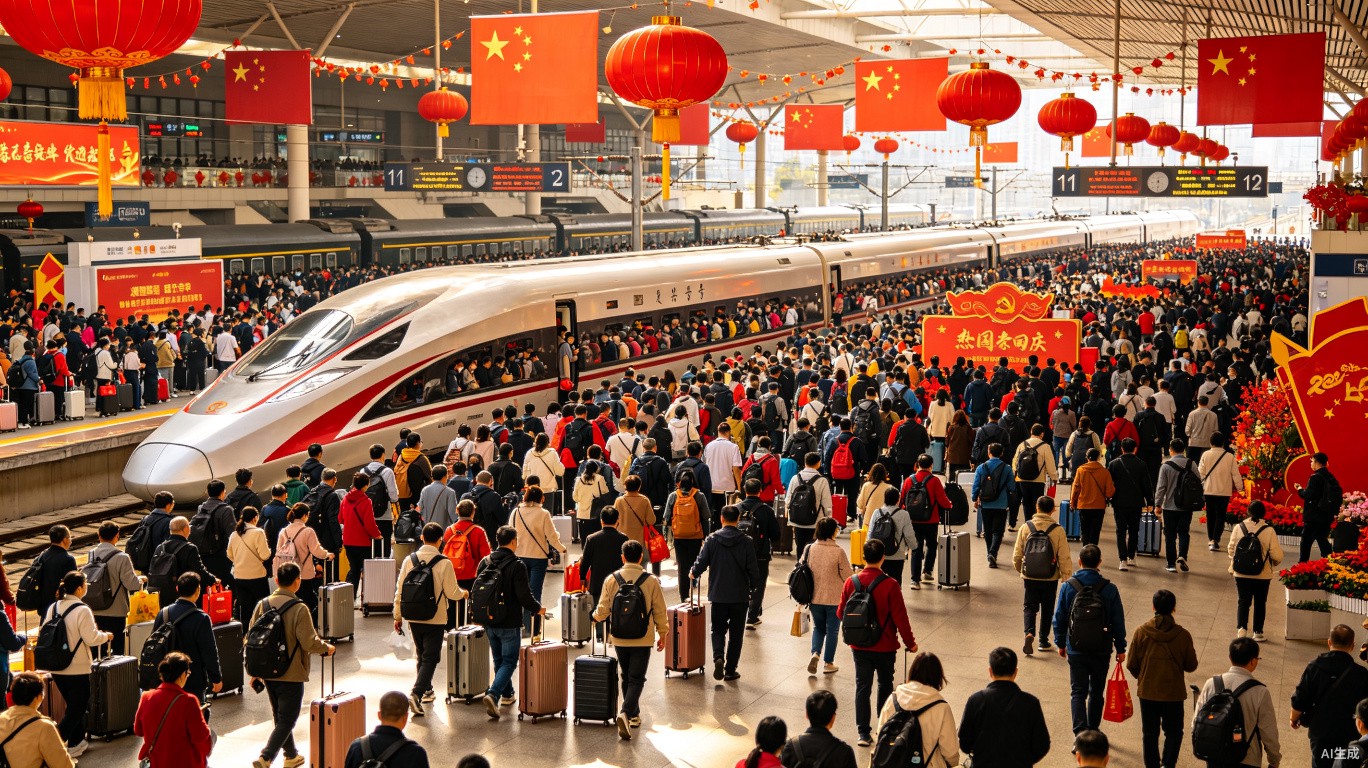
How to survive China's National Day Golden Week (October 1-7) - what to avoid, where to go, and how to beat the crowds.
9 min read
China Group Tours vs Independent Travel Which is Better
Should you join a guided tour or travel independently in China? Honest comparison of cost, flexibility, and experience.
7 min read
China Itinerary Planning: 7-Day 14-Day and 21-Day Routes: The Complete 2026 G...
Not sure how many days to spend in China? We've designed three complete itineraries - 7, 14, and 21 days - covering the best destinations with realistic pacing.
9 min read