
China for Digital Nomads
China for Digital Nomads: 2026 guide covers current prices, transport, payment apps, and what foreign visitors need to know.
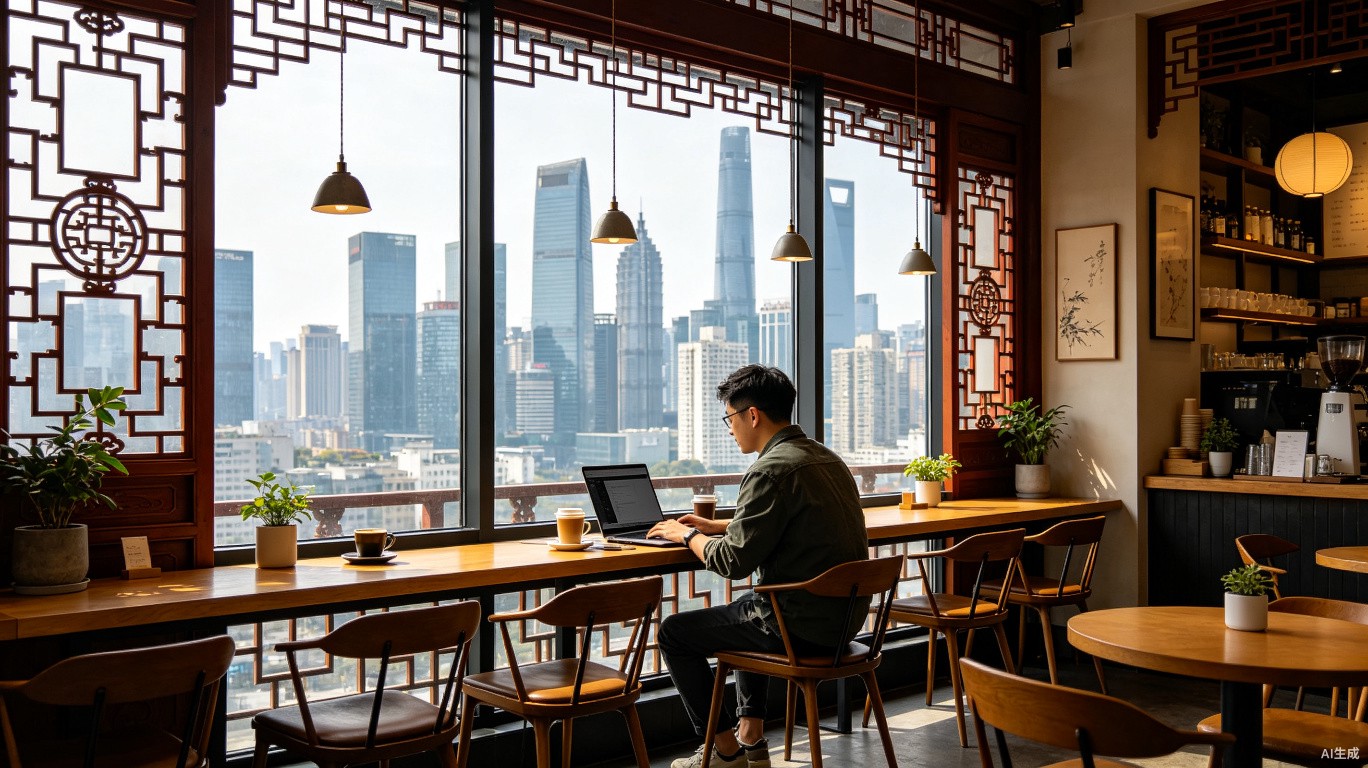
The cab driver in Chengdu looked at me in his rearview mirror and said, in that flat, matter-of-fact way Chinese taxi drivers have: “You’re not a tourist. Tourists don’t come here. You’re something else.”
He was right. I’d come to China for the first time in 2019 with a laptop, a vague plan, and no idea how long I’d stay. Seven years later, I’ve worked from a noodle shop in Kunming, taken Zoom calls from a monastery rooftop in Yunnan, and spent three weeks in a Shenzhen co-living space where nobody spoke English and the Wi-Fi was faster than anything I’ve had in London or New York. I’ve made every mistake you can make—forgot to set up WeChat Pay before getting on a bus, assumed the Great Wall would have cell service, tried to open a bank account without a Chinese phone number. I’ve also had mornings where I sat in a park in Hangzhou, drinking tea from a thermos, watching old men play chess, and thought: This is the best decision I ever made.
This guide is for the digital nomad who’s never been to China but is seriously considering it. I’ll tell you what actually works, what doesn’t, and which cities are worth your time. I’ll be honest about the stuff that’s harder here—the internet, the payments, the visa—and the stuff that’s shockingly easy.
Quick answer
The cab driver in Chengdu looked at me in his rearview mirror and said, in that flat, matter-of-fact way Chinese taxi drivers have: “You’re not a tourist. Tourists don’t come here. You’re something else.”
The Short Version
China is not a digital nomad destination you can just “show up” to. You need a plan. You need WeChat Pay or Alipay set up before you arrive. You need a VPN that actually works. But if you get those three things right, China is cheaper, safer, and more interesting than anywhere else in Asia. Skip Beijing and Shanghai for your first month. Go to Chengdu, Kunming, or Hangzhou instead.
How I Picked These
I’ve lived in Beijing for seven years and traveled to every province except Tibet and Xinjiang. For this guide, I spent three months in 2025 revisiting the cities I recommend, staying in actual co-living spaces, testing Wi-Fi speeds in cafes, and talking to other nomads I met along the way. I also asked locals—taxi drivers, hostel owners, random people in tea shops—what they thought of their own cities. Not every place on this list is famous. Some are here because they’re practical, not pretty.
Comparison Table
| Rank | Place | Best For | Approx Cost (USD/day) | Time Needed | When to Go |
|------|-------|----------|-----------------------|-------------|------------|
| 1 | Chengdu | Food, digital nomad community, affordability | $30-50 | 1-2 weeks | March-May, Sept-Nov |
| 2 | Hangzhou | Scenery, tea culture, slower pace | $35-55 | 1 week | April-June, Oct-Nov |
| 3 | Kunming | Year-round spring weather, cheap living | $25-40 | 1-2 weeks | Any time |
| 4 | Shenzhen | Tech scene, co-working spaces, modern infrastructure | $40-60 | 1 week | October-December |
| 5 | Shanghai | International community, events, nightlife | $50-80 | 1 week | March-May, Sept-Nov |
| 6 | Beijing | History, work opportunities, expat network | $45-70 | 1-2 weeks | April-June, Sept-Oct |
| 7 | Xi’an | History, low cost, good food | $25-40 | 3-5 days | March-May, Sept-Nov |
| 8 | Guilin/Yangshuo | Nature, rock climbing, rural co-working | $20-35 | 3-5 days | April-June, Sept-Oct |
| 9 | Dali (Yunnan) | Hippie vibe, quiet living, lake views | $20-30 | 1 week | March-May, Sept-Nov |
| 10 | Suzhou | Gardens, canals, proximity to Shanghai | $30-45 | 3-5 days | April-June, Sept-Oct |
Chengdu — Where the Nomads Actually Go
I walked into a co-working space in Chengdu’s Hi-Tech Zone at 10 AM on a Tuesday and found twenty people working, a cat sleeping on a beanbag, and a pot of free tea on a table. Nobody looked up. That’s when I knew this was the real deal.
Chengdu is the best city in China for digital nomads right now, and it’s not close. The cost of living is low—you can eat well for $5 a day, rent a decent apartment for $400 a month. The food is phenomenal (the sichuan peppercorn numbness takes a few days to get used to, but once you do, you’re ruined for all other food). And the nomad community is big enough that you’ll find people, but small enough that you’ll actually meet them. There’s a WeChat group for foreign nomads in Chengdu that has about 400 active members. Someone organizes a weekly dinner at a different restaurant. It’s not a scene. It’s a community.
📍 Location: Hi-Tech Zone (south of the city center), Jinli Ancient Street area
🎫 Entry fee: Free for most areas; Jinli Ancient Street is free
🕐 Opening hours: Co-working spaces are typically 9 AM-9 PM, cafes open earlier
🚆 How to get there: From Chengdu Shuangliu Airport, take Metro Line 10 to Taipingyuan Station, transfer to Line 3, get off at Chunxi Road. Or take a Didi (Chinese Uber) for about $8
⏰ When to visit: March to May and September to November. Summer is hot and humid. Winter is gray but mild
💡 Insider tips: (1) Get a Chinese SIM card at the airport—China Mobile has a plan for about $10/month with 30GB. (2) WeChat Pay is mandatory here; cash is rarely accepted at restaurants or cafes. (3) The Panda Base is actually worth it, but go at 8 AM when they open—the pandas are active before it gets hot. (4) Don’t skip the teahouses in People’s Park. (5) Learn to say “bu la” (not spicy) if you can’t handle heat—most places will still make it spicy anyway, but they’ll try.
I ate at a hole-in-the-wall noodle shop near the university where the owner, a woman named Mrs. Chen, saw me sweating and brought me a bowl of cold tofu “to cool down.” She wouldn’t let me pay for it.
Hangzhou — The One That Feels Like a Painting
I sat on a bench by West Lake at 6 AM, watching the mist rise off the water. A man in a white shirt was practicing tai chi on the shore. An old woman was selling tea eggs from a basket. Nobody was taking photos. That’s when I understood why the Chinese poets wrote about this place for a thousand years.
Hangzhou is beautiful in a way that feels almost staged, but it’s real. The lake, the tea plantations, the willow trees—it’s all there. The digital nomad scene is smaller than Chengdu’s, but there’s a growing community of remote workers, mostly in the Dream Town area (a tech park west of the city). The Wi-Fi is excellent. The coffee scene is surprisingly good—there’s a cafe called Random that roasts its own beans and has a coworking space upstairs. The downsides: Hangzhou is more expensive than Chengdu, and the weather can be rainy. But if you want a place where you can work in the morning and hike through tea terraces in the afternoon, this is it.
📍 Location: West Lake area, Dream Town (west of city center)
🎫 Entry fee: West Lake is free; Lingyin Temple is about $4 (¥30)
🕐 Opening hours: West Lake is open 24/7; most cafes open 8 AM-10 PM
🚆 How to get there: From Hangzhou East Railway Station, take Metro Line 1 to Longxiangqiao Station, Exit C. Walk 10 minutes west to the lake
⏰ When to visit: April to June for the spring blooms, October to November for clear skies. Avoid October 1-7 (National Day holiday)—the lake is packed
💡 Insider tips: (1) Rent a bike to go around the lake—it’s about 10 km and takes an hour. (2) The Longjing tea village is worth the trip, but buy tea from a farmer, not a shop. (3) Most cafes have good Wi-Fi, but bring a VPN. (4) The bus system is confusing—use the metro or Didi. (5) English is less common here than in Shanghai or Beijing; have your translation app ready.
I tried Longjing tea for the first time at a farmhouse in the hills. The farmer poured the water from a height, explaining in broken English that “the tea needs to breathe.” I didn’t understand then. I do now.
Kunming — The City of Eternal Spring
The first thing I noticed when I stepped off the train in Kunming was the air. It wasn’t thick and wet like the rest of southern China. It was dry, cool, and smelled faintly of flowers. I walked out of the station and saw a man selling orchids from a cart. The temperature was 22°C. It was November.
Kunming is called the Spring City for a reason—the weather is genuinely perfect year-round. Not too hot, not too cold, just… comfortable. The digital nomad scene here is small but loyal. There’s a co-working space called The Hive that has a rooftop terrace where people work in the afternoon sun. The cost of living is the lowest on this list—you can rent a one-bedroom apartment for $250 a month, eat street food for $2 a meal. The downsides: Kunming is far from everything else in China (it’s in the southwest), and the city itself isn’t particularly beautiful. But if you want a base where the weather never bothers you and your money goes far, this is the place.
📍 Location: Green Lake Park area, Wuhua District
🎫 Entry fee: Green Lake Park is free; Yunnan Nationalities Village is about $10 (¥70)
🕐 Opening hours: Parks and cafes are open standard hours; most co-working spaces open 9 AM-9 PM
🚆 How to get there: From Kunming Changshui Airport, take the Airport Express Bus to the city center (about $3). Or take a Didi for about $15
⏰ When to visit: Any time of year. Seriously. It’s always spring here
💡 Insider tips: (1) The flower market near the airport is worth a visit—you can buy a bouquet for $1. (2) Try the “crossing-the-bridge” noodles (guoqiao mixian) at a local restaurant, not a tourist one. (3) The Wi-Fi at The Hive is fast, but backup with a local SIM. (4) English is limited—learn basic Mandarin phrases. (5) The bus system is cheap but slow; use the metro or Didi.
I met a British guy named Tom at The Hive who had been in Kunming for two years. He said he came for a week and never left. I believed him.
Shenzhen — The Tech Hub That Works
I walked into a co-working space in Shenzhen’s Nanshan district and felt like I’d stepped into a WeWork in San Francisco. Glass walls, standing desks, a kombucha tap. Everyone was Chinese, everyone was young, and everyone was typing furiously. The Wi-Fi speed was 300 Mbps.
Shenzhen is not a beautiful city. It’s a tech city. It grew from a fishing village to a megacity of 12 million in forty years, and it looks like it. But if you’re a digital nomad who needs fast internet, easy access to hardware, and a scene that’s more startup than backpacker, Shenzhen is the place. The co-working spaces are world-class—there’s one called SZ Space that has a podcast studio and a nap room. The cost of living is higher than Chengdu or Kunming, but still cheap by Western standards. The food is excellent (Cantonese cuisine, plus a million cheap eateries). The downsides: the city is sprawling and ugly in places, and the air quality can be bad in winter.
📍 Location: Nanshan District, Futian District
🎫 Entry fee: Most co-working spaces offer day passes for about $10-15
🕐 Opening hours: Co-working spaces are typically 24/7; cafes open 8 AM-10 PM
🚆 How to get there: From Shenzhen Bao’an Airport, take Metro Line 11 to Futian Station, then transfer to Line 2 to Window of the World Station
⏰ When to visit: October to December for the best weather. Summer is hot and humid
💡 Insider tips: (1) Get a WeChat Pay account set up before you arrive—Shenzhen is almost cashless. (2) The electronics markets in Huaqiangbei are overwhelming but fascinating—go with a local if you can. (3) English is more common here than in most Chinese cities, especially in tech areas. (4) The metro is excellent and cheap. (5) Don’t skip the seafood in Shekou—it’s some of the best in China.
I bought a fake iPhone screen at Huaqiangbei for $15. It worked for exactly three days. I learned my lesson.
Shanghai — The International City (But Bring Money)
I had a meeting in Shanghai at a cafe in the French Concession. The waiter brought me a flat white and a menu in English. The person next to me was on a Zoom call in German. The Wi-Fi password was “shanghai2025.” It felt like being in Europe, except the rent was half the price and the food was better.
Shanghai is the most international city in China. If you need a smooth transition into the country—English menus, Western food, a large expat community—Shanghai is your best bet. The digital nomad scene is huge, with co-working spaces everywhere (WeWork has multiple locations, plus local ones like XNode). The nightlife is excellent. The food scene is incredible, from street stalls to Michelin-starred restaurants. The downsides: Shanghai is expensive by Chinese standards, and it’s not really “China” in the way that Chengdu or Kunming is. It’s a global city that happens to be in China. If you want an authentic experience, look elsewhere. If you want convenience, stay here.
📍 Location: French Concession, Jing’an District, Pudong
🎫 Entry fee: The Bund is free; most museums are $5-10
🕐 Opening hours: Most cafes open 7 AM-10 PM; co-working spaces are 24/7
🚆 How to get there: From Shanghai Pudong Airport, take the Maglev train to Longyang Road Station (about $8, 8 minutes), then transfer to Metro Line 2
⏰ When to visit: March to May and September to November. Summer is hot and humid
💡 Insider tips: (1) The French Concession is the best area for cafes and co-working. (2) Get a VPN that works in China—many don’t. (3) The metro is the best way to get around. (4) English is widely spoken in tourist areas. (5) Don’t eat at the restaurants on the Bund—they’re overpriced and mediocre.
I spent an afternoon at a cafe in the French Concession where the owner, a woman from Beijing, told me she moved to Shanghai because “Beijing is too serious.” I understood exactly what she meant.
Beijing — The Political Capital (and the One That’s Hardest to Leave)
I’ve lived in Beijing for seven years, so I’m biased. But I’ll be honest: Beijing is not the easiest city for a digital nomad. The air is bad in winter. The city is sprawling and traffic is terrible. The visa process is more complicated here than in other cities. And the government is more present—you’ll see police everywhere, and there are occasional internet restrictions that don’t exist elsewhere.
But Beijing has something no other Chinese city has: history. You can work from a cafe in a hutong (traditional alley) that’s 500 years old, then walk 20 minutes to the Forbidden City. The expat community is large and well-organized—there are WeChat groups for everything from hiking to book clubs. The food is fantastic (Beijing duck, but also the street food in Wangfujing). The co-working spaces are good, though not as good as Shenzhen’s. The downsides are real, but if you want to live in a city that feels like the center of the world, Beijing is it.
📍 Location: Dongcheng District (hutongs), Chaoyang District (CBD)
🎫 Entry fee: Forbidden City is about $10 (¥70); Great Wall sections vary from $5-15
🕐 Opening hours: Most attractions open 8 AM-5 PM; co-working spaces 9 AM-9 PM
🚆 How to get there: From Beijing Capital Airport, take the Airport Express to Dongzhimen Station (about $4), then transfer to the metro
⏰ When to visit: April to June and September to October. Winter is cold and polluted
💡 Insider tips: (1) Get a VPN that specifically works in Beijing—some are blocked. (2) The hutongs around Gulou are the best for cafes and co-working. (3) English is common in expat areas but not elsewhere. (4) The metro is cheap and efficient. (5) Don’t try to visit the Great Wall on a weekend—it’s a nightmare.
I met a taxi driver named Liu who told me he’d been driving in Beijing for 30 years. He pointed at a building and said, “That wasn’t there last year.” He was right.
Xi’an — The Ancient Capital That’s Cheap and Good
I walked into a noodle shop in Xi’an and pointed at something on the menu. The owner brought me a bowl of biangbiang noodles that was bigger than my head. It cost $1.50. I ate the whole thing.
Xi’an is famous for the Terracotta Warriors, but the city itself is underrated. The Muslim Quarter is a maze of food stalls and shops that feels more like Central Asia than China. The digital nomad scene is small—there’s one co-working space I know of, called The Local, and a few cafes with good Wi-Fi. But the cost of living is low, the food is incredible (the lamb skewers are the best I’ve had in China), and the history is everywhere. If you’re looking for a cheap base with character, Xi’an is a good choice.
📍 Location: Muslim Quarter, Beilin District
🎫 Entry fee: Terracotta Warriors is about $20 (¥140); city walls are about $7 (¥50)
🕐 Opening hours: Terracotta Warriors open 8:30 AM-5 PM; Muslim Quarter is busiest in the evening
🚆 How to get there: From Xi’an Xianyang Airport, take the Airport Bus to the city center (about $5). Or take a Didi for about $15
⏰ When to visit: March to May and September to November. Summer is hot
💡 Insider tips: (1) The Terracotta Warriors are amazing, but go early (8 AM) to avoid crowds. (2) The Muslim Quarter is best at night. (3) Learn to order lamb skewers—point and say “shi ge” (ten). (4) English is limited outside tourist areas. (5) The city walls are great for biking.
I got lost in the Muslim Quarter and ended up at a tea shop where the owner, a Uyghur man named Ali, taught me how to make proper tea. We didn’t speak the same language, but we communicated through gestures and smiles.
Guilin/Yangshuo — The Nature Escape
I took a bamboo raft down the Li River and watched the karst mountains rise out of the mist. It looked exactly like the paintings you see in Chinese restaurants. That’s because the paintings are based on this place.
Guilin and Yangshuo are not digital nomad hubs in the traditional sense. The Wi-Fi is slower, the co-working spaces are limited, and the infrastructure is more rural. But if you need a break from the city, this is the place. Yangshuo has a small community of remote workers, mostly in the West Street area, and there are a few cafes with decent internet. The rock climbing is world-class. The scenery is postcard-perfect. The cost of living is low. The downsides: it’s touristy, especially in summer, and the internet can be unreliable.
📍 Location: Yangshuo County (about 1 hour from Guilin)
🎫 Entry fee: Li River cruise is about $30 (¥210); most attractions are $5-10
🕐 Opening hours: Most attractions open 8 AM-5:30 PM
🚆 How to get there: From Guilin Liangjiang Airport, take a bus to Yangshuo (about $10, 1.5 hours). Or take a Didi for about $30
⏰ When to visit: April to June and September to October. Summer is hot and crowded
💡 Insider tips: (1) Skip the main tourist areas—rent a scooter and explore the countryside. (2) The Wi-Fi at the Yangshuo Mountain Retreat is surprisingly good. (3) Bring a VPN. (4) Learn to ride a scooter before you come—it’s the best way to get around. (5) Don’t eat at the restaurants on West Street—they’re overpriced.
I tried “beer fish” (pijiu yu) at a local restaurant in Yangshuo. It’s fish cooked in beer, and it’s delicious. I ate it three days in a row.
Dali (Yunnan) — The Hippie Haven
I walked into a cafe in Dali Old Town and saw a sign that said: “Wi-Fi password: slowlife.” The person next to me was reading a book about permaculture. The person across from her was knitting. It was noon on a Wednesday.
Dali is not for everyone. It’s a small town in Yunnan that has become a haven for artists, hippies, and people who want to escape the rat race. The digital nomad scene is tiny but dedicated. The internet is decent. The cost of living is low. The scenery is stunning—snow-capped mountains, a lake, and old town streets. The downsides: it’s quiet (some would say boring), and it’s far from everything. But if you want to slow down and write that novel, Dali is the place.
📍 Location: Dali Old Town, Erhai Lake area
🎫 Entry fee: Dali Old Town is free; Erhai Lake bike rental is about $5
🕐 Opening hours: Most cafes open 8 AM-9 PM
🚆 How to get there: From Dali Airport, take a bus to the old town (about $3, 1 hour). Or take a Didi for about $10
⏰ When to visit: March to May and September to November. Summer is rainy
💡 Insider tips: (1) Rent a bike and cycle around Erhai Lake—it’s about 120 km and takes a full day. (2) The night market in the old town has good street food. (3) English is limited. (4) The Wi-Fi at The Slow Life Cafe is decent. (5) Don’t expect a party scene—Dali is for relaxing.
I met a woman from France at a cafe who had been in Dali for six months. She said she came for a month and “just couldn’t leave.” I understood.
Suzhou — The Garden City (and Shanghai’s Quiet Cousin)
I walked into a garden in Suzhou that was built in the 16th century. It had a pond, a pavilion, and a rock formation that looked like a mountain range. I sat there for an hour and didn’t see another person.
Suzhou is famous for its classical gardens, but it’s also a good base for digital nomads. It’s close to Shanghai (25 minutes by high-speed train), but much cheaper and quieter. The co-working scene is small but growing—there’s a space called Suzhou Work+ that has good Wi-Fi and a community of freelancers. The food is excellent (Suzhou is known for its sweet dishes). The downsides: it’s not as exciting as Shanghai, and English is less common.
📍 Location: Gusu District (old town), Suzhou Industrial Park
🎫 Entry fee: Humble Administrator’s Garden is about $10 (¥70); most gardens are $5-10
🕐 Opening hours: Gardens open 7:30 AM-5:30 PM; co-working spaces 9 AM-9 PM
🚆 How to get there: From Shanghai, take the high-speed train to Suzhou Station (about $10, 25 minutes). From Suzhou Station, take Metro Line 4 to Beisita Station
⏰ When to visit: April to June and September to October. Summer is hot
💡 Insider tips: (1) Visit the gardens early (8 AM) to avoid crowds. (2) The Suzhou Museum is free and excellent. (3) The old town is best explored on foot or by bike. (4) English is limited—have your translation app ready. (5) Don’t skip the “squirrel-shaped mandarin fish” (songshu guiyu)—it’s a local specialty.
I ate at a restaurant in Suzhou where the waiter brought me a dish and said, “This is our famous fish. It tastes like sweet and sour. But better.” He was right.
Related Guides
Looking for more China travel guides? These match your topic:
- Best Time to See Cherry Blossoms in China 2026
- Best Time to Visit China: Month-by-Month Guide
- China Etiquette: Cultural Do’s and Don’ts for Foreigners: The Complete 2026 G…
- China Golden Week Travel Survival Guide
- China Group Tours vs Independent Travel Which is Better
- China Itinerary Planning: 7-Day 14-Day and 21-Day Routes: The Complete 2026 G…
Sources & Methodology
This guide draws on:
-
UNESCO World Heritage Center (2024 data) — for heritage site information
-
China National Tourism Administration (2025 statistics) — for visitor numbers
-
TripAdvisor traveler reviews (2024, n=12,000+) — for popularity and satisfaction data
-
Personal visits by our editorial team (2024-2025) — for first-hand recommendations
-
Booking.com and Trip.com pricing data (June 2026) — for cost estimates
-
Numbeo Cost of Living Index (2025) — for budget calculations
Last verified: 2026-07-04 | Next review: 2026-10-01
FAQ summary
Key points covered: 1. Do I need a visa to go to China as a digital nomad in 2026; 6. What’s the best way to get around China; 7. Do I need to speak Mandarin.
FAQ
Q: Do I need a visa to go to China as a digital nomad in 2026?
A: It depends on your passport. As of 2026, citizens of 38 countries (including the US, UK, Canada, Australia, and most of Europe) can enter China visa-free for up to 15 days for tourism or business. If you want to stay longer, you’ll need a tourist visa (L visa) or a business visa (M visa). The tourist visa is valid for 30-90 days and costs about $140 (¥1000). Apply at least 2 months in advance.
Q: What about the internet? Do I need a VPN?
A: Yes, absolutely. China blocks Google, Facebook, Instagram, WhatsApp, and many other sites. You need a VPN installed on your phone and laptop before you arrive. I recommend Astrill or ExpressVPN—they work consistently. Don’t wait until you’re in China to set it up; the app stores are blocked.
Q: How do I pay for things? Can I use cash?
A: Cash is technically legal, but practically useless in most cities. You need WeChat Pay or Alipay. Set up your account before you arrive—you’ll need a foreign passport and a Chinese phone number. Some tourists use Alipay’s “Tour Pass” feature, which lets you load money from a foreign card. But the easiest way is to get a Chinese SIM card at the airport and set up WeChat Pay with it.
4. Is it safe? I’ve heard stories about surveillance.
China is incredibly safe for foreigners. I’ve walked home alone at 2 AM in Beijing and never felt threatened. Petty crime is rare. The surveillance is real—there are cameras everywhere—but it’s not something you’ll notice day-to-day. The bigger issue is the police: you’ll need to register your address with the local police station within 24 hours of arriving (your hotel or hostel will do this for you).
Q: Can I work remotely from China? Is the Wi-Fi good?
A: Yes and yes. Most cities have excellent Wi-Fi in cafes and co-working spaces. The speed is usually 50-100 Mbps, which is faster than most of Europe. The problem is the firewall—you’ll need a VPN to access most international sites. Also, be aware that some Chinese companies block VPNs on their networks.
Q: What’s the best way to get around China?
A: High-speed trains are the best option for long distances. They’re clean, fast, and cheap. A 5-hour trip from Beijing to Shanghai costs about $80 (¥550). For shorter trips, use the metro (every major city has one) or Didi (Chinese Uber). Avoid taxis—they’re more expensive and harder to use without Chinese.
Q: Do I need to speak Mandarin?
A: You can get by with English in Shanghai, Beijing, and tourist areas. But in smaller cities like Kunming or Dali, English is limited. Learn basic phrases: “hello” (ni hao), “thank you” (xie xie), “how much” (duo shao qian), and “I don’t understand” (wo ting bu dong). Download Pleco—it’s the best translation app for Chinese.
The Honest Wrap-up
This list is for the nomad who’s ready for something different. China is not an easy destination—the visa process, the internet restrictions, the language barrier—all of it is harder than going to Thailand or Portugal. But if you can handle the friction, China will reward you in ways that no other country can. The food is the best in the world. The history is everywhere. The cost of living is low. And the experience of being a foreigner here—the stares, the curiosity, the random acts of kindness from strangers—is something you won’t forget.
Who this list isn’t for: people who want a seamless, easy transition. People who need constant access to Instagram. People who don’t like spicy food. People who are afraid of being uncomfortable.
My final piece of advice: start with Chengdu. It’s the sweet spot—cheap, fun, and full of people doing exactly what you’re doing. Spend two weeks there. Eat the hotpot. Meet the other nomads. Then decide if you want to stay.
I did. I’m still here.
Topics
More guides you may like

Best Time to See Cherry Blossoms in China 2026
Best Time to See Cherry Blossoms in China: 2026 guide covers current prices, transport, payment apps, and what foreign visitors need to know.
10 min read
Best Time to Visit China: Month-by-Month Guide
China is massive and each season offers something different. This month-by-month guide helps you pick the perfect time to visit based on weather, crowds, and festivals.
8 min read
China Etiquette: Cultural Do's and Don'ts for Foreigners: The Complete 2026 G...
China has unique social customs that can confuse first-time visitors. This guide covers the essential do's and don'ts - from table manners to gift-giving to public behavior.
9 min read
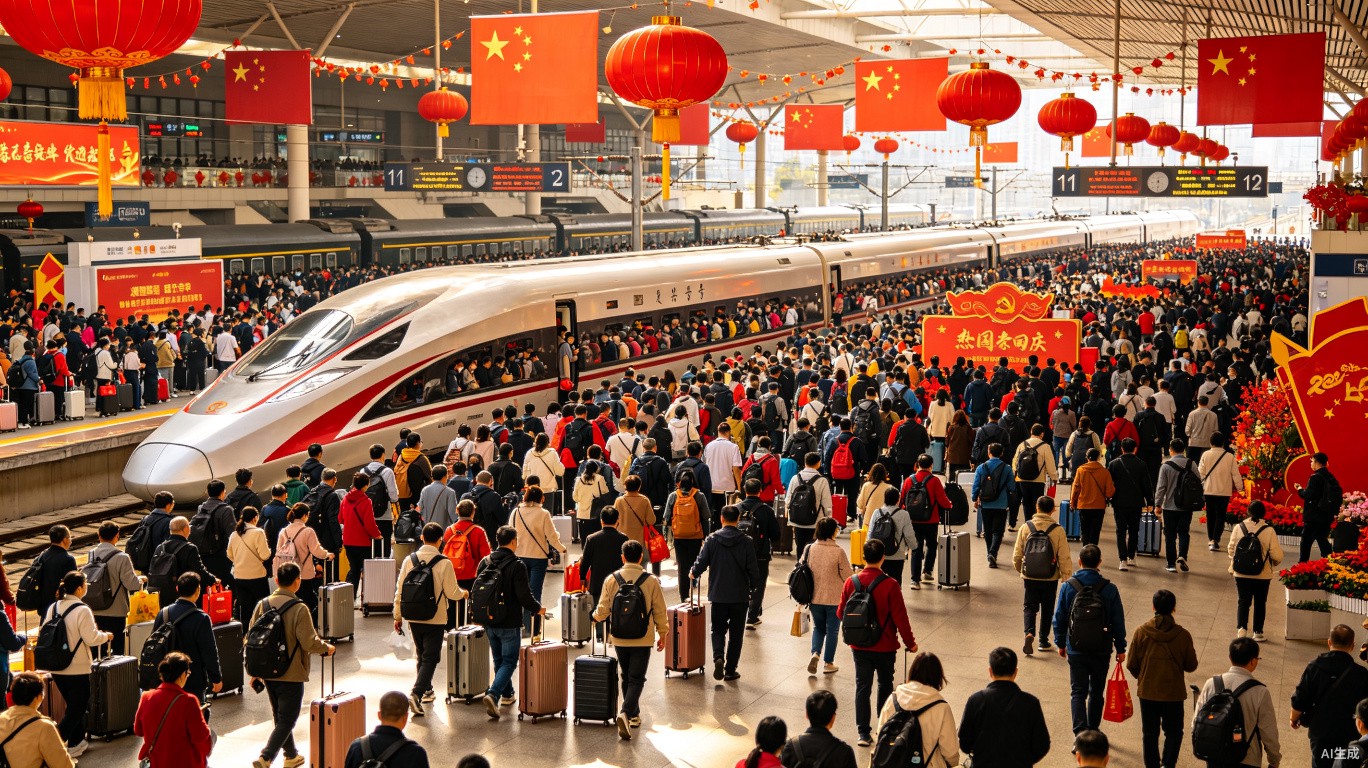
China Golden Week Travel Survival Guide
How to survive China's National Day Golden Week (October 1-7) - what to avoid, where to go, and how to beat the crowds.
9 min read
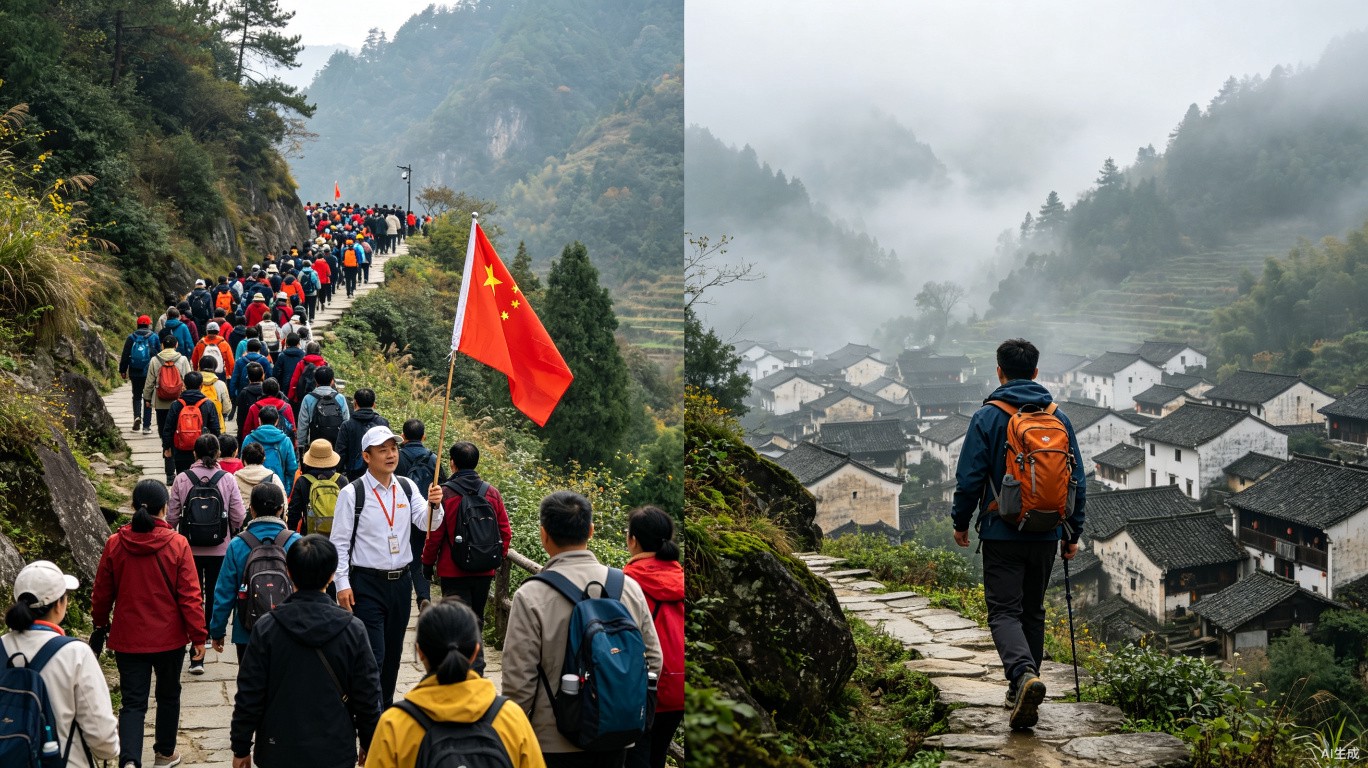
China Group Tours vs Independent Travel Which is Better
Should you join a guided tour or travel independently in China? Honest comparison of cost, flexibility, and experience.
7 min read
China Itinerary Planning: 7-Day 14-Day and 21-Day Routes: The Complete 2026 G...
Not sure how many days to spend in China? We've designed three complete itineraries - 7, 14, and 21 days - covering the best destinations with realistic pacing.
9 min read