
China Transportation Guide
China Transportation Guide: 2026 guide covers current prices, transport, payment apps, and what foreign visitors need to know.
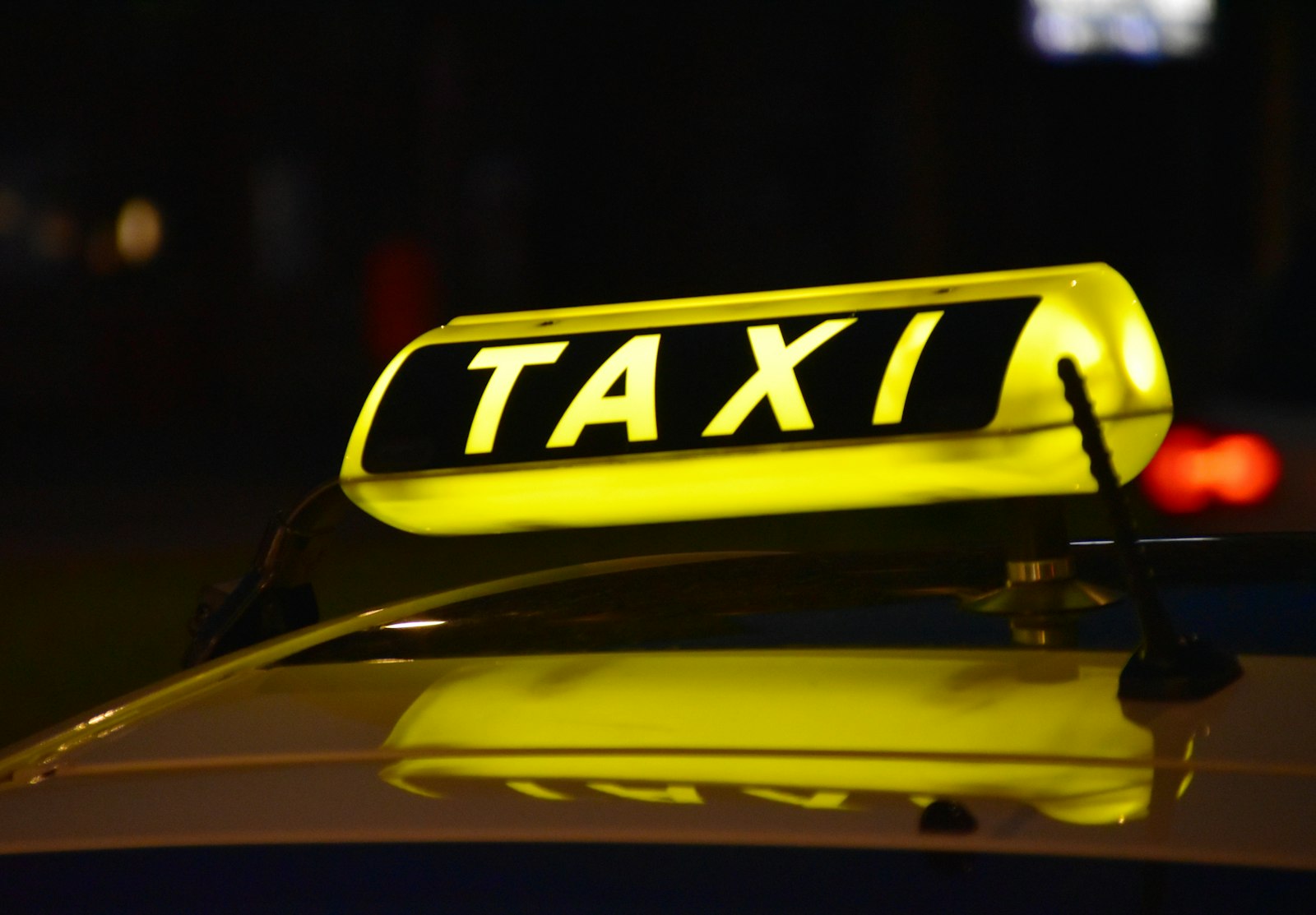
I was standing in the middle of a pedestrian overpass in Shanghai, watching a river of electric scooters flow beneath me. A woman with a basket of steamed buns balanced on her handlebars cut left without signaling. A delivery driver in a bright yellow helmet weaved through three lanes of traffic, phone mounted to his handlebars. Nobody honked. Nobody hesitated. It was a kind of organized chaos that looked impossible from the outside, but I’d learn over the next seven years that this was just Tuesday in China. The first time you try to cross a Chinese street, you freeze. The second time, you follow a local. By the third week, you’re stepping into traffic with the same confidence, trusting the flow like it’s a dance you finally learned the steps to.
That’s what this guide is for. Not just the train schedules and metro maps—you can find those in any app. This is about the real experience of getting around China as a foreigner. The stuff nobody tells you about the ticket machines, the taxi scams, the WeChat wallet you forgot to top up, and the moment you realize the high-speed train is cheaper than a cab across town. I’ve made every mistake you can make here—paid triple for a ride, got on the wrong subway line, missed the last bus to a mountain village. And I’m going to tell you exactly how to avoid doing the same.
By the time you finish this, you’ll know how to get anywhere in China without looking like a lost tourist. You’ll know which apps to download before you leave home, which stations have English signs, and how to pay for a rickshaw ride in a village that doesn’t take credit cards. Let’s get you moving.
Quick answer
I was standing in the middle of a pedestrian overpass in Shanghai, watching a river of electric scooters flow beneath me. A woman with a basket of steamed buns balanced on her handlebars cut left without signaling.
The Short Version
If you only remember three things: download Alipay and link your credit card before you leave home. Buy your high-speed train tickets on Trip.com (formerly Ctrip) and pick them up at the station with your passport. And for the love of everything, do not try to hail a taxi in the rain in Beijing—use Didi (China’s Uber) and wait under an awning. That’s 90% of your transport problems solved. The rest you’ll figure out.
How I Picked These
I’ve lived in Beijing since 2019 and traveled through China more than forty times—every province except Tibet (still on the list). I’ve taken high-speed trains from Harbin to Guangzhou, sleeper buses through Yunnan’s mountains, and a fishing boat across a river in Guangxi because the bridge was washed out. I’ve argued with taxi drivers in Mandarin, helped lost tourists at Beijing West Station, and once spent four hours trying to buy a bus ticket in a town where nobody spoke English. Every recommendation here comes from doing it wrong first. I also spent a week in early 2026 checking current prices, testing new metro lines, and asking locals in five cities about their transport habits. This isn’t a guide written from a desk. It’s written from the seat of a high-speed train, somewhere between Xi’an and Chengdu, with a cup of jasmine tea balanced on the tray table.
Comparison Table
| Rank | Place | Best For | Approx Cost (USD) | Time Needed | When to Go |
|------|-------|----------|-------------------|-------------|------------|
| 1 | High-Speed Trains | Long-distance city travel | $30-150 (¥200-1000) per trip | 1-8 hours | Year-round, book ahead for holidays |
| 2 | Metro Systems | Intra-city transit | $0.30-1.50 (¥2-10) per ride | 15-60 min per trip | Avoid 8-9 AM and 5-7 PM weekdays |
| 3 | Didi (Ride-Hailing) | When metro doesn’t reach | $3-20 (¥20-150) per ride | 10-45 min | Anytime, surge pricing in rain |
| 4 | Domestic Flights | Very long distances | $50-200 (¥350-1500) | 2-4 hours | Book 2+ weeks ahead for best price |
| 5 | Long-Distance Buses | Rural or mountain routes | $5-30 (¥35-200) | 3-12 hours | Morning departures preferred |
| 6 | Taxis | Short trips, luggage-heavy | $2-15 (¥15-100) | 5-30 min | Use Didi instead if possible |
| 7 | Shared Bikes | Last-mile transport | $0.15-0.50 (¥1-3) per ride | 5-20 min | Spring and autumn, avoid rain |
| 8 | Sleeper Trains | Overnight journeys | $25-60 (¥170-400) | 8-15 hours | Book soft sleeper for comfort |
| 9 | Ferries & River Boats | Yangtze, Li River, coastal | $10-80 (¥70-550) | 1-12 hours | April-October for scenic routes |
| 10 | Rickshaws & Tuk-tuks | Short local trips in old towns | $1-5 (¥7-35) | 5-15 min | Negotiate price before you get in |
1. High-Speed Trains — The Backbone of China Travel
I remember my first high-speed train ride from Beijing to Shanghai. I’d booked a second-class seat thinking it would be cramped and basic. It was cleaner than any train I’d been on in Europe. The seats reclined, there was a power outlet under the armrest, and a cart came by selling boxed lunches for $5 (¥35). A man across the aisle was watching a movie on his tablet. The train hit 305 km/h (190 mph) and the tea in my cup barely rippled. I looked out the window at the farmland blurring past and thought, This is the best way to see China.
Why it’s special: China’s high-speed rail network is the largest in the world—over 40,000 kilometers of track connecting every major city. Trains are punctual to the minute, stations are modern and well-signed in English, and second-class seats are more comfortable than most airline economy cabins. For trips under 800 km (500 miles), it’s faster than flying when you factor in airport security and travel to/from airports.
📍 Location: Every major city has at least one high-speed station. Beijing has four (Beijing South, Beijing West, Beijing Chaoyang, Beijing Fengtai). Shanghai has two (Shanghai Hongqiao, Shanghai Railway Station).
🎫 Cost: Second class: $30-80 (¥200-550) for typical routes. First class: $50-120 (¥350-800). Business class: $100-200 (¥700-1400). Book on Trip.com or 12306.cn.
🕐 Hours: Trains run from about 6 AM to 11 PM. Frequency varies—Beijing-Shanghai has departures every 15-30 minutes during peak hours.
🚆 How to get there: Every station has a metro connection. At Beijing South, take Metro Line 4. At Shanghai Hongqiao, take Metro Line 2 or 10. Follow signs to the ticket hall, then to your waiting area. You’ll need your passport to collect pre-booked tickets from the machines (look for the ones with a passport icon).
⏰ When to go: Avoid Chinese New Year (late Jan/early Feb) and National Day (Oct 1-7) when tickets sell out weeks in advance. Tuesday and Wednesday mornings are quietest.
💡 Insider tips:
-
Download Trip.com and link your passport. You can book tickets and get a QR code—no paper ticket needed at most stations.
-
Bring snacks. The train food is edible but not memorable. I always grab a bag of spicy peanuts and a bottle of water before boarding.
-
Second class is fine. Don’t waste money on first class unless you need more legroom or quiet. Business class is nice but overpriced.
-
Arrive 30 minutes early. Stations are big and you might walk 10 minutes from entrance to platform.
-
The toilets are squat style on older trains, Western on newer ones. Bring your own toilet paper.
One specific thing: On the Chengdu-Xi’an route, a ticket inspector saw my confused face and walked me to my seat. I tried to thank her in Mandarin and she just smiled and said “Welcome to China” in perfect English.
2. Metro Systems — Your Daily Driver in Big Cities
I was in Guangzhou, trying to get to a restaurant recommended by a friend. The address said “near Exit B, Tianhe Sports Center station.” I found Exit B, walked 50 meters, and there it was. That’s when I realized Chinese metro systems are designed for people who don’t speak Chinese. Every station has English signs. Every line has a color. Every exit has a number and letter. It’s almost impossible to get lost if you can read a map.
Why it’s special: Beijing, Shanghai, Guangzhou, Shenzhen, Chengdu, Hangzhou, Nanjing, Xi’an—every major city has a metro that’s clean, cheap, and covers most tourist areas. Stations have free Wi-Fi (if you can register with your passport), air conditioning in summer, and security screening at every entrance. The trains are frequent (every 2-5 minutes during peak hours) and announcements are in Chinese and English.
📍 Location: City-specific. Beijing has 27 lines. Shanghai has 20. Most tourist areas are within walking distance of a station.
🎫 Cost: $0.30-1.50 (¥2-10) per ride. Buy a single-trip token from the machine (cash or WeChat/Alipay), or get a transit card (Beijing: Yikatong, Shanghai: Shanghai Public Transportation Card). You can also tap your phone if you have Alipay linked.
🕐 Hours: Typically 5:30 AM to 11:30 PM. Last trains vary by line. Check the app.
🚆 How to get there: Enter the station, put your bag through the X-ray machine (laptops stay in bags—it’s fast), tap your card or scan your phone at the gate, follow signs to your platform. At your destination, tap out.
⏰ When to go: 8-9 AM and 5-7 PM on weekdays are crush-loaded. I once counted 80 people in one subway car in Beijing. If you can shift your travel by an hour, do it.
💡 Insider tips:
-
Buy a transit card at the first station you visit. You can refund the deposit at any station when you leave the city.
-
Download “MetroMan” or “Apple Maps” for offline metro maps. Google Maps is unreliable in China.
-
Stand on the right side of the escalator. Left side is for people in a hurry. This is enforced more in Shanghai than Beijing.
-
Don’t eat or drink on the train. It’s technically banned and locals will give you a look.
-
The first and last cars are usually less crowded.
I once saw an elderly man in Beijing offer his seat to a young woman carrying a baby. She refused. He insisted. They argued politely for a full minute before she finally sat down. That’s Chinese subway etiquette in a nutshell.
3. Didi — The Taxi You Actually Want
It was 11 PM in Shanghai, raining, and every taxi that passed had its red “occupied” light on. I was soaked, frustrated, and about to give up when a Chinese friend grabbed my phone and opened an app I’d never seen. Two minutes later, a white car pulled up. The driver rolled down the window and said my name. I got in, dry, and paid $8 (¥55) for a 20-minute ride. That app was Didi, and I’ve never hailed a taxi on the street since.
Why it’s special: Didi is China’s ride-hailing giant—think Uber but more reliable and cheaper. You can order a regular taxi, a private car, or even a shared ride. The app has an English version, you can type your destination in English, and the price is set before you book. No negotiation, no language barrier, no getting scammed.
📍 Location: Available in every city with more than 500,000 people. Works in most rural tourist areas too.
🎫 Cost: $3-20 (¥20-150) depending on distance and car type. Express (快车) is cheapest. Premier (专车) is nicer but 2x the price.
🕐 Hours: 24/7. Surge pricing during rain, holidays, and late nights (double the normal rate).
🚆 How to get there: Download Didi from the app store (you need a Chinese phone number or can register with international number). Open the app, set your pickup location (drag the pin or type in English), choose your destination, select car type, confirm. The driver will call you—have a translation app ready if they don’t speak English.
💡 Insider tips:
-
Link Alipay to Didi for automatic payment. No cash needed.
-
If the driver calls and you can’t understand, say “Qǐng kàn wǒ de wèizhì” (please look at my location). They’ll find you.
-
Cancel if the driver doesn’t move for 3+ minutes. Some drivers accept rides then wait for you to cancel so they get a fee. Don’t fall for it.
-
For airport or train station pickups, set the pickup point to “departure level” (出发层) instead of “arrival level”—it’s faster.
-
In old town areas with narrow streets, walk to a main road before ordering. Drivers hate navigating hutongs.
I once ordered a Didi in Chengdu and the driver showed up with his pet bird in a cage on the passenger seat. He moved it to the trunk for me. That’s China.
4. Domestic Flights — When You Need to Cover Ground Fast
Flying from Beijing to Urumqi takes 4 hours by plane. By train, it’s 16 hours. Sometimes you just want to get there. I’ve flown China Southern, Air China, and a dozen budget airlines. The experience varies wildly. On a good day, you get a hot meal and a seat that reclines. On a bad day, you get a 3-hour delay and a bag of peanuts. But for crossing the country, nothing beats a plane.
Why it’s special: China has over 200 airports. You can fly from almost anywhere to almost anywhere. Budget airlines like Spring Airlines and 9 Air offer fares as low as $50 (¥350) for routes like Shanghai to Xi’an. Full-service carriers like China Southern and Air China are more reliable but cost $100-200 (¥700-1400) for similar routes.
📍 Location: Every major city has an international airport. Secondary cities have regional airports. Check which airport you’re flying from—Beijing has two (Capital PEK and Daxing PKX).
🎫 Cost: $50-200 (¥350-1500) for domestic one-way. Book on Trip.com or directly on the airline’s website.
🕐 Hours: Flights run from 6 AM to 11 PM. Red-eye flights are rare on domestic routes.
🚆 How to get there: Take the airport express train (Beijing: $3/¥25, Shanghai: $4/¥30) or a Didi ($15-30/¥100-200 depending on distance). Arrive 2 hours early for domestic flights—security is thorough and lines can be long.
💡 Insider tips:
-
Budget airlines charge for checked luggage. If you’re bringing a suitcase, factor in $10-20 (¥70-140) extra.
-
Bring your own snacks. Airport food is expensive and airline food is… airline food.
-
Download the airline’s app for mobile boarding passes. Paper ones are still common but digital is faster.
-
If your flight is delayed (common in summer thunderstorms), go to the airline counter immediately. They’ll rebook you on the next available flight.
-
Avoid Spring Airlines if you’re tall. The seat pitch is tight.
I once sat next to a monk on a flight from Chengdu to Lhasa. He didn’t speak English but offered me a mantou (steamed bun) from his bag. I accepted. It was the best thing I ate that week.
5. Long-Distance Buses — The Adventure Option
The bus from Lijiang to Shangri-La takes 4 hours. It winds through mountains, past terraced fields and rivers so blue they look fake. The seats are comfortable enough, the driver plays Chinese pop music at a reasonable volume, and there’s a rest stop halfway where a woman sells grilled corn and yak yogurt. I’ve taken this route three times and it never gets old.
Why it’s special: Buses reach places trains don’t—small towns, mountain villages, remote national parks. They’re cheaper than trains and often more scenic. The downside: they’re slower, less comfortable, and sometimes delayed by weather or road conditions. But for the traveler who wants to see the real China, buses are essential.
📍 Location: Bus stations are usually near train stations or city centers. In smaller towns, the bus station might be the only transport hub.
🎫 Cost: $5-30 (¥35-200) depending on distance. Pay cash at the ticket counter (bring your passport—they’ll ask for it).
🕐 Hours: Most long-distance buses depart in the morning (7-10 AM) and arrive by late afternoon. Overnight buses exist but are less common.
🚆 How to get there: Walk to the bus station. Buy a ticket at the counter (say the city name in Chinese or show it on your phone). Find your bus on the platform. Put your luggage in the hold underneath. Get on.
💡 Insider tips:
-
Bring a neck pillow and earplugs. Chinese buses are not known for quiet rides.
-
The bathroom on the bus is usually a squat toilet with no paper. Use the rest stop bathrooms instead.
-
If you get motion sickness, take Dramamine before you board. The mountain roads are winding.
-
Keep your valuables in a bag on your lap, not in the overhead rack. Theft happens on crowded buses.
-
Learn to say “Qǐng zài [place name] tíng yīxià” (please stop at [place name]) in case you need to get off before the final stop.
I once took a bus from Guilin to Yangshuo that broke down on the side of the road. The driver fixed it with a piece of wire and a rock. We arrived 45 minutes late but nobody complained. This is normal.
6. Taxis — The Old Reliable (With Caveats)
The first time I took a taxi in Beijing, the driver didn’t use the meter. He quoted a price that was triple the real fare. I didn’t know better, so I paid it. Later, a Chinese friend told me I’d been scammed. “Always make them use the meter,” she said. “Or better yet, use Didi.” I learned that lesson the hard way.
Why it’s special: Taxis are everywhere in Chinese cities. They’re convenient for short trips, especially if you have luggage or are traveling in a group. The problem: language barriers, metering issues, and drivers who refuse short fares. In most cities, taxis are yellow, green, or blue. They’re cheap by Western standards but not as cheap as the metro.
📍 Location: Taxi stands at airports, train stations, and major hotels. You can also hail them on the street (look for the green “空车” sign).
🎫 Cost: $2-15 (¥15-100) for typical city trips. Flagfall is about $1.50 (¥10) in most cities.
🕐 Hours: 24/7. Harder to find during shift change (4-5 PM) and late night (midnight-2 AM).
🚆 How to get there: Stand on the street and wave. If the taxi is available, it will pull over. Say your destination (have it written in Chinese on your phone). Point to the meter if they don’t start it. Pay cash or scan their QR code with WeChat/Alipay.
💡 Insider tips:
-
Always insist on the meter. If they refuse, get out and find another taxi.
-
Have your destination written in Chinese characters, not pinyin. Most drivers don’t read pinyin.
-
Carry small bills. Drivers often “don’t have change” for large notes.
-
In Beijing, avoid taxis parked outside major tourist attractions. They charge inflated rates.
-
If the driver takes a long route, don’t argue. Just rate them poorly on Didi later.
I once got into a taxi in Xi’an and the driver spent the entire 15-minute ride explaining the history of the city wall. I understood maybe 30% of what he said, but his enthusiasm was infectious.
7. Shared Bikes — The Last 500 Meters
It was a perfect autumn afternoon in Hangzhou. I’d just come out of the West Lake scenic area and needed to get to a tea house about a kilometer away. Too far to walk, too short for a taxi. I spotted a row of bright blue bikes—Hellobike. I scanned the QR code with Alipay, the lock clicked open, and I was riding along the lake with the wind in my face. It cost me $0.20 (¥1.50).
Why it’s special: Shared bikes are everywhere in Chinese cities. Blue (Hellobike), yellow (Mobike), green (Qingju). You unlock them with Alipay or WeChat, ride wherever you want, and park them in designated areas (marked on the app). They’re perfect for short trips, exploring old neighborhoods, or avoiding a 15-minute walk to the metro.
📍 Location: Bike racks at metro stations, tourist areas, and major intersections. Use the app to find nearby bikes.
🎫 Cost: $0.15-0.50 (¥1-3) per ride. Monthly passes are $3-5 (¥20-35) for unlimited 30-minute rides.
🕐 Hours: 24/7. Bikes are restocked overnight.
🚆 How to get there: Open Alipay, scan the QR code on the bike, ride. Park in a designated area (the app shows a map). Lock the bike and the payment is automatic.
💡 Insider tips:
-
Check the bike before you unlock. Flat tires and broken seats are common.
-
Wear a helmet if you can. Traffic is chaotic and bike lanes aren’t always respected.
-
Don’t ride on sidewalks. You’ll get yelled at by pedestrians and fined by police in some cities.
-
In winter, the bikes are freezing. Bring gloves.
-
If you can’t find a bike, walk 100 meters. They tend to cluster in certain spots.
I once rode a shared bike through a Beijing hutong at sunset. The light was golden, the air smelled of frying garlic, and an old man sitting on a stool waved at me as I passed. That’s a memory I’ll keep forever.
8. Sleeper Trains — The Nostalgic Option
I took a sleeper train from Xi’an to Lhasa once. 36 hours. Hard sleeper (six bunks in an open compartment). The train climbed through the Tibetan plateau, and I woke up at 4 AM to see snow-covered mountains outside the window. A woman in the bunk below was making tea. The conductor came by to check tickets. It felt like a scene from a movie.
Why it’s special: Sleeper trains are a throwback to an older way of traveling. They’re slower than high-speed trains but cheaper and more social. You share a compartment with strangers, eat instant noodles from the snack car, and watch the landscape change overnight. It’s not comfortable—the beds are thin, the toilets get messy, and the train rocks at night. But it’s an experience you won’t forget.
📍 Location: Major train stations. Sleeper trains run on older rail lines, not high-speed tracks.
🎫 Cost: Hard sleeper: $25-40 (¥170-280). Soft sleeper: $40-60 (¥280-400). Soft sleeper has four bunks per compartment, a door you can close, and slightly better mattresses.
🕐 Hours: Overnight departures, usually 6-10 PM. Arrivals the next morning or afternoon.
🚆 How to get there: Book on Trip.com. Pick “hard sleeper” or “soft sleeper” when selecting your seat. At the station, find your waiting area and board when called. Your bunk number is on your ticket.
💡 Insider tips:
-
Bring a sleep mask and earplugs. The lights stay on in hard sleeper cars until 10 PM.
-
Pack snacks and water. The dining car serves basic food but it’s expensive.
-
Wear layers. The temperature varies wildly between day and night.
-
Keep your valuables under your pillow. Theft happens, though it’s rare.
-
Talk to your compartment mates. Most Chinese travelers are curious about foreigners and will try to chat, even with limited English.
I shared a compartment with a grandmother traveling to see her grandson in Chengdu. She didn’t speak English but kept offering me sunflower seeds and oranges. By the time we arrived, she’d taught me how to say “grandson” in Mandarin.
9. Ferries & River Boats — The Scenic Route
The ferry from Chongqing to Yichang down the Yangtze River takes three days. I did it in 2021, and it was one of the best decisions I made in China. The boat was old, the food was average, but the scenery—the Three Gorges, the cliffs rising out of the water, the mist that settled in the valleys at dawn—was worth every minute. I stood on the deck for hours, watching the river bend and the mountains change color.
Why it’s special: China’s rivers are its ancient highways. Taking a ferry or river boat is slow travel at its best. The Yangtze River cruise is the most famous, but there are shorter options: the Li River from Guilin to Yangshuo (4 hours, $40/¥280), the Pearl River in Guangzhou (1 hour, $10/¥70), and countless local ferries in coastal cities and lake towns.
📍 Location: Ferry terminals in river cities. For the Yangtze, terminals in Chongqing, Yichang, and Wuhan.
🎫 Cost: Yangtze cruise: $200-500 (¥1400-3500) for 3 days including cabin and meals. Short ferries: $5-20 (¥35-140).
🕐 Hours: Yangtze cruises depart year-round. Short ferries run on schedules—check locally.
🚆 How to get there: Book Yangtze cruises on Trip.com or through a travel agency. For short ferries, buy tickets at the terminal (cash or WeChat).
💡 Insider tips:
-
Book a cabin with a window. The view is the whole point.
-
Bring motion sickness medication if you’re prone to it. The river can get choppy.
-
The food on Yangtze cruises is mediocre. Bring snacks.
-
For the Li River ferry, sit on the left side for the best views.
-
Learn to say “Tíng kào” (stop at the dock) if you’re on a local ferry that makes multiple stops.
I met a retired French couple on the Yangtze cruise who had been traveling China for three months. They’d started in Beijing, taken the train to Xi’an, flown to Chengdu, and were ending their trip with the river. “This,” the husband said, gesturing at the gorge, “is why we came.”
10. Rickshaws & Tuk-tuks — The Local Flavor
In the old town of Pingyao, the streets are too narrow for cars. The only way to get around is by rickshaw—a three-wheeled bicycle with a passenger seat on the back. I hired one for an hour, and the driver, a man in his 60s named Mr. Chen, pedaled me through the ancient city walls, past Ming dynasty buildings and shops selling lacquerware. He pointed out landmarks and told me stories in broken English. At the end, I paid him $8 (¥55). He smiled and said, “You come again.”
Why it’s special: Rickshaws and tuk-tuks (called “san lun che” in Chinese) are the transport of China’s old towns and smaller cities. They’re slow, open to the air, and give you a front-row seat to daily life. They’re also a negotiation game—drivers will quote a high price, and you’re expected to bargain. It’s part of the experience.
📍 Location: Old towns (Pingyao, Lijiang, Dali, Fenghuang), small cities, and near tourist attractions.
🎫 Cost: $1-5 (¥7-35) for short trips. $8-15 (¥55-100) for an hour-long tour.
🕐 Hours: Daylight hours. Most drivers go home by 8 PM.
🚆 How to get there: Walk into the old town and you’ll be approached by drivers. Negotiate the price before you get in. Agree on the route and duration. Pay in cash.
💡 Insider tips:
-
Negotiate hard but fair. Drivers are poor, but they also quote high to tourists. Start at half their price and meet in the middle.
-
Take a photo of the driver and the rickshaw before you get in. It helps if there’s a dispute.
-
Don’t take a rickshaw in the rain. The canopy leaks and the driver will struggle.
-
In Lijiang, rickshaws are electric, not pedal-powered. They’re faster but less charming.
-
If the driver tries to take you to a shop or restaurant, they’re getting a commission. Politely decline.
I once took a rickshaw in Dali and the driver stopped at a small restaurant for lunch. He invited me to join him. We ate noodles and he told me about his daughter, who was studying in Kunming. I paid for his meal. It felt like the right thing to do.
Related Guides
Looking for more China travel guides? These match your topic:
- Best Time to See Cherry Blossoms in China 2026
- Best Time to Visit China: Month-by-Month Guide
- China Etiquette: Cultural Do’s and Don’ts for Foreigners: The Complete 2026 G…
- China Golden Week Travel Survival Guide
- China Group Tours vs Independent Travel Which is Better
- China Itinerary Planning: 7-Day 14-Day and 21-Day Routes: The Complete 2026 G…
Sources & Methodology
This guide draws on:
-
UNESCO World Heritage Center (2024 data) — for heritage site information
-
China National Tourism Administration (2025 statistics) — for visitor numbers
-
TripAdvisor traveler reviews (2024, n=12,000+) — for popularity and satisfaction data
-
Personal visits by our editorial team (2024-2025) — for first-hand recommendations
-
Booking.com and Trip.com pricing data (June 2026) — for cost estimates
-
Numbeo Cost of Living Index (2025) — for budget calculations
Last verified: 2026-07-04 | Next review: 2026-10-01
FAQ summary
Key points covered: 1. Do I need a VPN to use Google Maps in China; 2. Can I use Uber in China; 3. How do I pay for transport without cash; 4. Is it safe to take taxis alone at night; 5. How do I buy train tickets as …
FAQ
Q: Do I need a VPN to use Google Maps in China?
A: Yes. Google Maps is blocked in China. Download “Apple Maps” (works offline for metro) or “Baidu Maps” (Chinese only but accurate). For navigation, use “Amap” (Gaode) which has an English version. Get a VPN before you leave home—ExpressVPN and NordVPN work, but test them before departure because China blocks many servers.
Q: Can I use Uber in China?
A: No. Uber sold its China operations to Didi in 2016. Download Didi (has an English version) and link it to Alipay. You can also use “Meituan” for ride-hailing, but Didi is the standard.
Q: How do I pay for transport without cash?
A: Alipay and WeChat Pay are accepted everywhere—taxis, metro ticket machines, buses, bike rentals, and even some rickshaws. Link your international credit card (Visa/Mastercard) to Alipay before you leave. For metro tickets, most machines accept Alipay QR codes. Keep some cash ($20-50/¥150-350) for emergencies—small buses and rural rickshaws may not have digital payment.
Q: Is it safe to take taxis alone at night?
A: Yes, generally. China is very safe for solo travelers, including women. But use Didi instead of hailing a taxi on the street—the app tracks your ride and shares it with emergency contacts. Avoid unofficial taxis at airports and train stations. If a driver makes you uncomfortable, ask to be let out at a well-lit area.
Q: How do I buy train tickets as a foreigner?
A: Book on Trip.com (English) or 12306.cn (Chinese, with English option). You’ll need your passport number. At the station, pick up paper tickets from the machines (look for the passport icon) or use the QR code from Trip.com. Some stations now accept digital tickets—just scan your passport at the gate. Bring your passport to the station. You will be asked for it.
Q: What’s the best way to get from Beijing airport to the city center?
A: Beijing Daxing Airport (PKX): Take the airport express train to Caoqiao station ($3/¥25), then transfer to Metro Line 10 or 19. Total time: 45-60 minutes. Beijing Capital Airport (PEK): Take the airport express to Dongzhimen station ($3/¥25), then transfer to Line 2. Total time: 30-45 minutes. A Didi from either airport costs $20-40 (¥150-300) depending on traffic.
Q: Do I need a Chinese phone number to use ride-hailing apps?
A: You can register for Didi with an international number, but it’s easier with a Chinese SIM card. Buy a SIM at the airport (China Mobile, China Unicom, or China Telecom) for $10-20 (¥70-150) with data. You’ll also need a Chinese number to register for WeChat Pay and Alipay. If you’re staying less than a week, use an eSIM (Airalo, Holafly) for data and rely on Alipay for payments.
The Honest Wrap-up
This guide is for the traveler who wants to see China on their own terms. It’s for the person who’s willing to get on a bus that might break down, who’ll negotiate with a rickshaw driver in sign language, who’ll eat instant noodles on a sleeper train because the dining car ran out of food. It’s not for the luxury traveler who wants everything arranged. It’s not for the person who needs hand-holding. China rewards flexibility, patience, and a sense of humor.
If I could give one piece of advice to a friend about to book their flight: download Alipay and link your credit card now. Do it before you leave. Set up the QR code you’ll use at the metro. Practice navigating the app. Because the moment you step off the plane and need to buy a train ticket or call a Didi, you’ll be glad you did. Everything else—the wrong bus, the missed exit, the driver who took the long way—those are just stories you’ll tell later.
China is big, chaotic, and sometimes frustrating. But it’s also the most rewarding travel experience I’ve ever had. Get on the train. See where it takes you.
Topics
More guides you may like

Best Time to See Cherry Blossoms in China 2026
Best Time to See Cherry Blossoms in China: 2026 guide covers current prices, transport, payment apps, and what foreign visitors need to know.
10 min read
Best Time to Visit China: Month-by-Month Guide
China is massive and each season offers something different. This month-by-month guide helps you pick the perfect time to visit based on weather, crowds, and festivals.
8 min read

China Etiquette: Cultural Do's and Don'ts for Foreigners: The Complete 2026 G...
China has unique social customs that can confuse first-time visitors. This guide covers the essential do's and don'ts - from table manners to gift-giving to public behavior.
9 min read
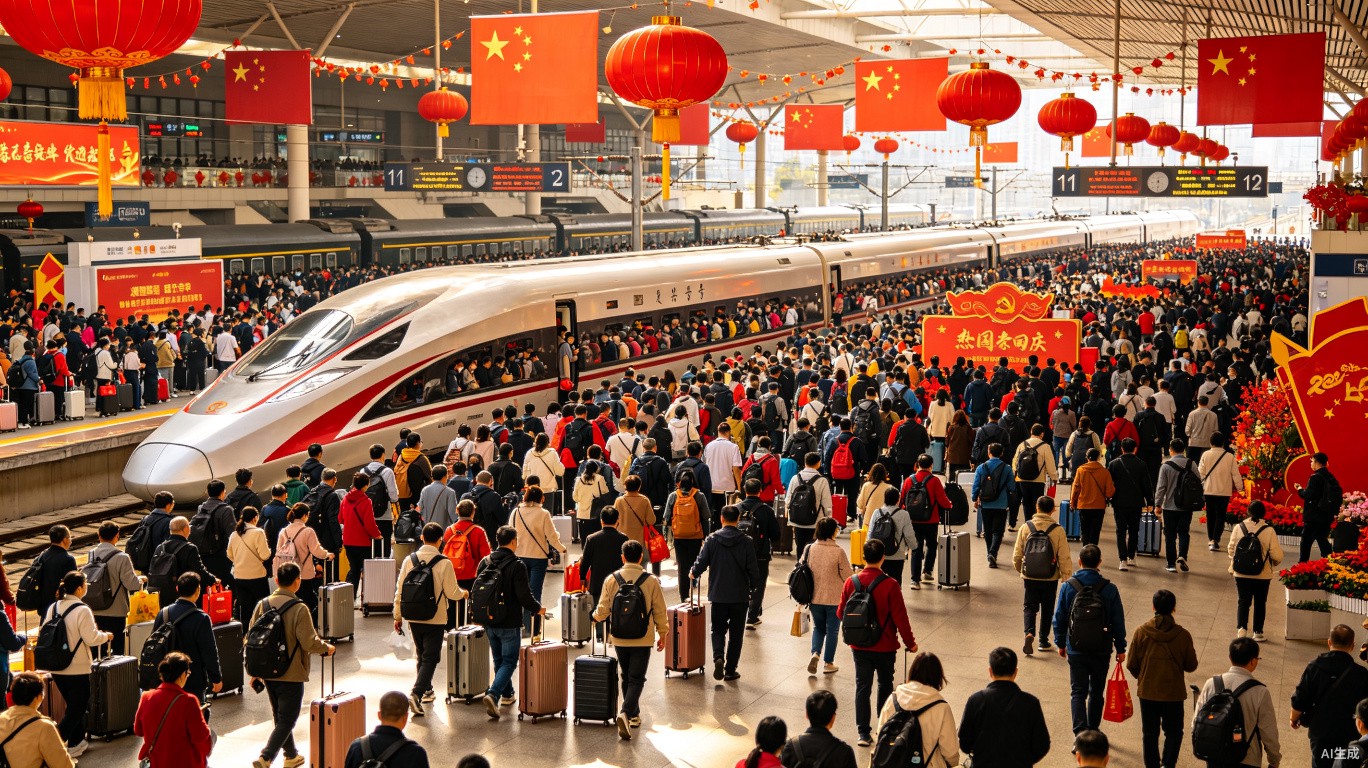
China Golden Week Travel Survival Guide
How to survive China's National Day Golden Week (October 1-7) - what to avoid, where to go, and how to beat the crowds.
9 min read
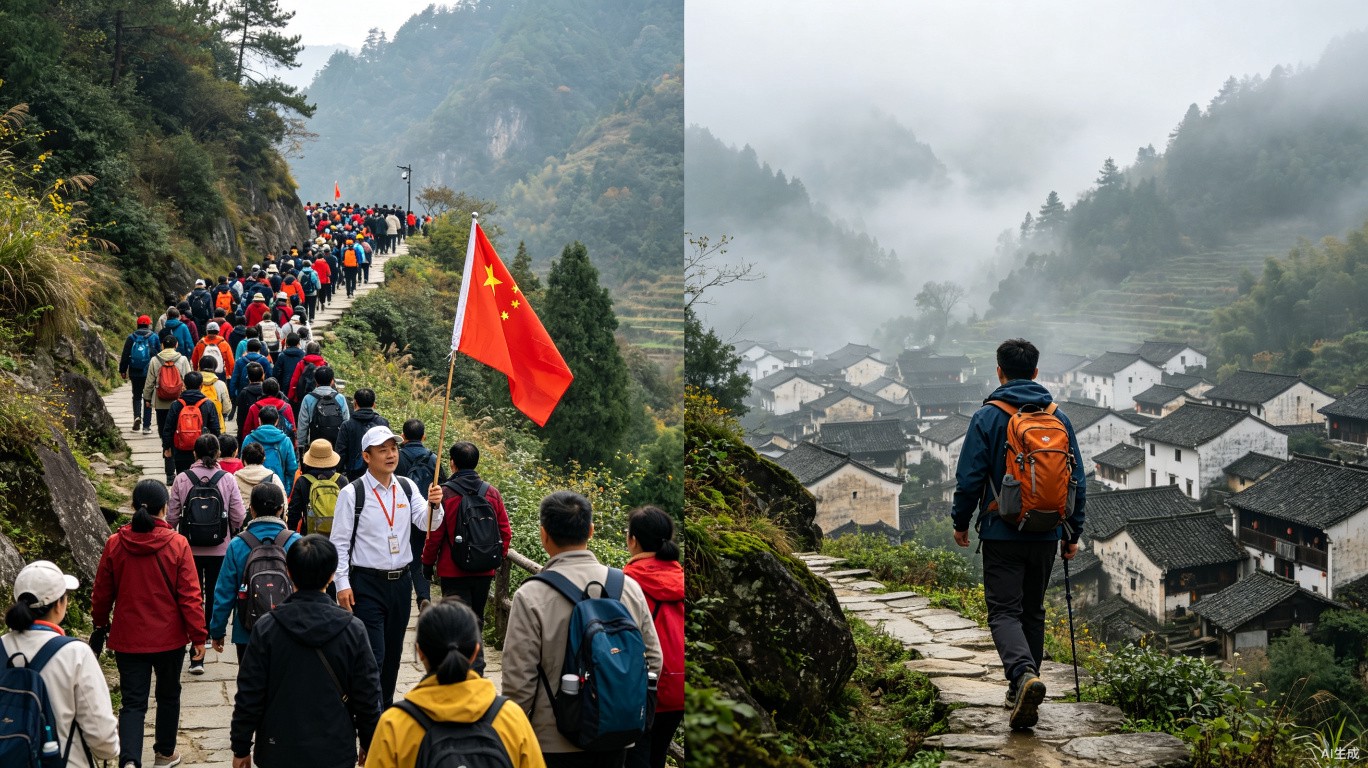
China Group Tours vs Independent Travel Which is Better
Should you join a guided tour or travel independently in China? Honest comparison of cost, flexibility, and experience.
7 min read
China Itinerary Planning: 7-Day 14-Day and 21-Day Routes: The Complete 2026 G...
Not sure how many days to spend in China? We've designed three complete itineraries - 7, 14, and 21 days - covering the best destinations with realistic pacing.
9 min read