
Chinese New Year Travel Guide
Chinese New Year Travel Guide: 2026 guide covers current prices, transport, payment apps, and what foreign visitors need to know.
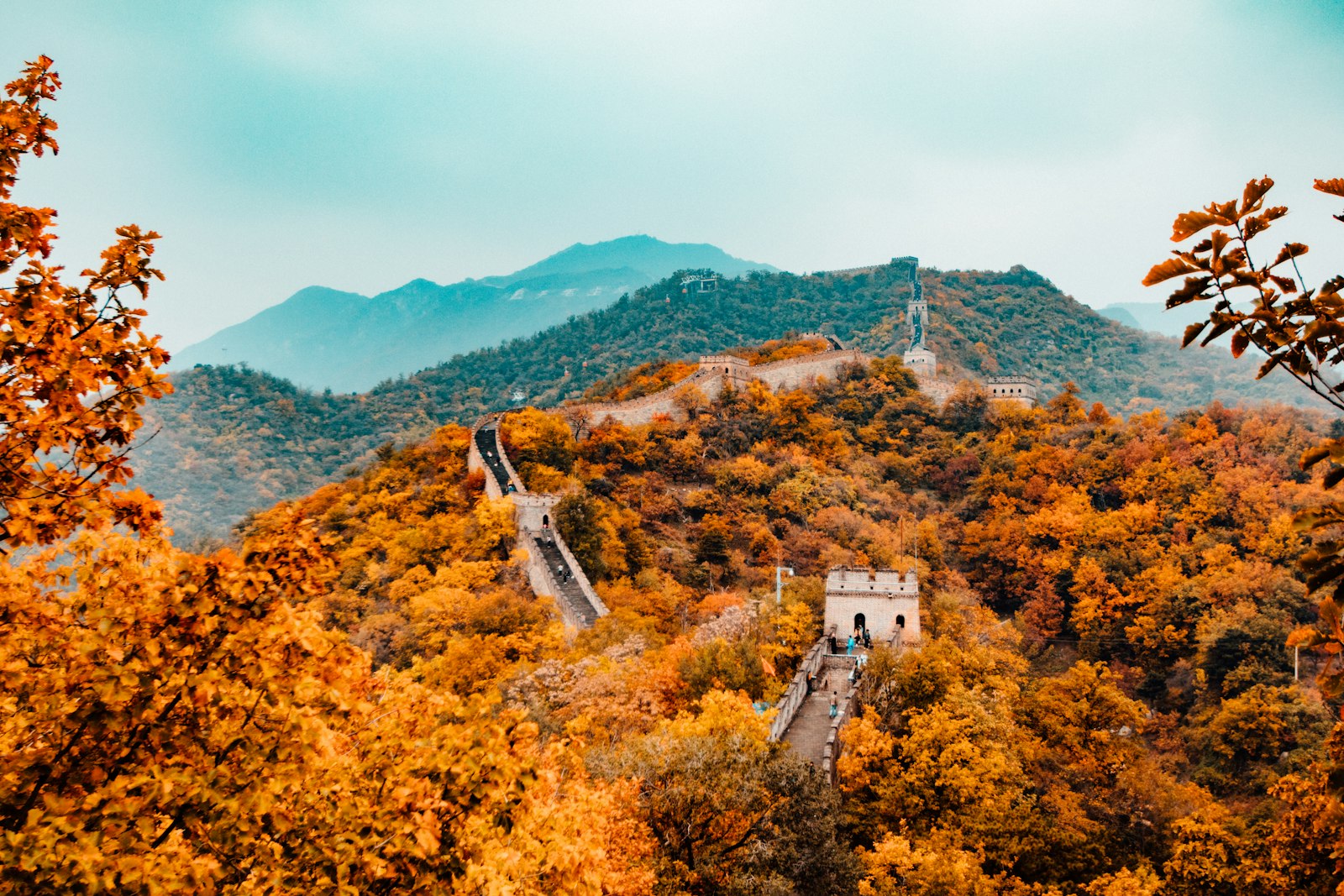
The cab driver laughed at me when I asked if he was going home for Chinese New Year. It was a freezing January evening in Beijing, and we were stuck in traffic near the Third Ring Road. “Of course,” he said, steering with one hand while adjusting a string of red lanterns hanging from his rearview mirror. “Everyone goes home. Even the ghosts go home for Spring Festival.” He wasn’t wrong. Over the next three weeks, I watched Beijing empty out like a bathtub draining—eight million people vanishing into trains, planes, and buses, leaving the city quieter than I’d ever heard it.
That was my first Chinese New Year in China. I’ve now been through seven of them. I’ve made every mistake you can make: showing up to a temple that was closed, trying to buy a train ticket three days before departure (impossible), and eating instant noodles in a freezing train station because every restaurant within five miles had shut down. But I’ve also had moments that made all the chaos worth it—watching fireworks over the Forbidden City at midnight, sharing dumplings with a family in Xi’an who adopted me for the evening, and standing in a temple courtyard as the first incense smoke of the new year curled into the sky.
This guide is for first-time visitors who want to experience Chinese New Year without losing their minds. I’ll tell you where to go, what to avoid, and exactly how to navigate the biggest human migration on the planet. I’ve got opinions, and I’m not afraid to share them.
Quick answer
The cab driver laughed at me when I asked if he was going home for Chinese New Year. It was a freezing January evening in Beijing, and we were stuck in traffic near the Third Ring Road.
The Short Version
Don’t try to visit China during the three days before and after New Year’s Eve unless you have a specific invitation from a Chinese family. The trains are packed, the highways are gridlocked, and half the restaurants are closed. Instead, arrive one week before to catch the buildup, or one week after to catch the tail end of celebrations. Beijing and Shanghai are ghost towns during the actual holiday. Go to Xi’an, Chengdu, or a smaller city for real atmosphere. Book everything three months in advance. Bring cash—ATMs run dry.
How I Picked These
I’ve spent seven Chinese New Years in China—four in Beijing, one in Xi’an, one in Chengdu, and one cycling through Yunnan. I’ve interviewed taxi drivers, hostel owners, and random grandmothers in parks. I’ve also made a habit of showing up to places at the worst possible time just to see what happens. Every recommendation in this guide comes from personal experience, not a tourism board brochure. I’ve excluded famous spots that are overrated during Spring Festival (looking at you, West Lake on New Year’s Day) and included places that actually work for foreign visitors.
Comparison Table
| Rank | Place | Best For | Approx Cost (USD) | Time Needed | When to Go |
|------|-------|----------|-------------------|-------------|------------|
| 1 | Xi’an | Atmosphere & food | $40-80/day | 3-4 days | Week before NYE |
| 2 | Chengdu | Relaxed vibe & pandas | $35-70/day | 3-5 days | Week after NYE |
| 3 | Beijing | Iconic sights (empty) | $50-100/day | 4-5 days | NYE day itself |
| 4 | Pingyao | Ancient town, quiet | $25-50/day | 2 days | Mid-January |
| 5 | Hong Kong | Fireworks & energy | $80-150/day | 3-4 days | NYE night |
| 6 | Harbin | Ice & snow festival | $40-70/day | 2-3 days | January |
| 7 | Kunming | Warm escape | $30-60/day | 4-5 days | Any time |
| 8 | Suzhou | Gardens & canals | $35-65/day | 2-3 days | Week after NYE |
| 9 | Lijiang | Minority culture | $30-55/day | 3-4 days | Avoid NYE week |
| 10 | Nanjing | History without crowds | $30-50/day | 2-3 days | Week before NYE |
1. Xi’an — Where the New Year Actually Feels Like a Festival
I remember standing on the South Gate of the Xi’an City Wall at dusk, watching the old Muslim Quarter below fill with red lanterns and steam from street food stalls. A vendor handed me a skewer of lamb through the crenellations—I still don’t know how he got up there. That’s Xi’an during Spring Festival: chaotic, generous, and completely alive.
Xi’an is special because it has the best food in China during New Year, and the city doesn’t shut down like Beijing or Shanghai. The Muslim Quarter stays open, the street vendors keep cooking, and the locals actually celebrate in public. You’ll see families eating together at long tables, kids setting off firecrackers in alleys, and old men playing mahjong in the street. The Terracotta Warriors are quieter than usual (most tourists avoid the cold), which means you can actually see them without being elbowed.
📍 Location: Muslim Quarter (Huimin Jie) and City Wall area, central Xi’an
🎫 Entry fee: City Wall $8 (¥55), Terracotta Warriors $22 (¥150), Muslim Quarter is free
🕐 Opening hours: City Wall 8am-10pm; Terracotta Warriors 8:30am-5:30pm; Muslim Quarter stalls open from 5pm till midnight
🚆 How to get there: Take Metro Line 2 to Zhonglou Station, Exit C. Walk south 5 minutes to the Drum Tower, then enter the Muslim Quarter through the archway. City Wall entrance is 2 minutes east of the Drum Tower.
⏰ When to visit: Arrive 5-7 days before New Year’s Eve. The real energy builds from the 25th of the 12th lunar month onward. Avoid the 3 days after NYE—everything is dead.
💡 Insider tips: Eat at stalls that have a queue of locals, not tourists. Try the yangrou paomo (lamb soup with bread) at Laosunjia on Beiyuanmen Street. Bring small bills—vendors won’t have change for ¥100 notes during the holiday. Don’t try to book a train on the 28th-30th of the lunar month—it’s impossible. Fly instead.
I once ate so many liangpi (cold noodles) at a stall near the Great Mosque that the owner’s grandmother came out to pat my stomach and tell me I was “a good eater for a foreigner.”
2. Chengdu — Pandas and Hot Pot, No Stress
The first thing I noticed in Chengdu during Spring Festival was the sound. Beijing goes silent. Chengdu doesn’t. There’s always a mahjong tile clicking somewhere, a tea house humming, a pot of something bubbling on a stove. I sat in a park near Wenshu Monastery and watched three generations of a family pass around a thermos of tea like it was the most important thing in the world.
Chengdu is special because it’s relaxed. The pace slows down, but it doesn’t stop. The teahouses stay open, the hot pot restaurants are packed with families, and the Giant Panda Breeding Base is actually less crowded than usual (everyone’s at home with their relatives). You can spend a week here doing almost nothing and feel like you’ve had the perfect holiday. The food is phenomenal—Chengdu does spicy better than anywhere else in China.
📍 Location: Jinli Ancient Street and Kuanzhai Alley areas, central Chengdu
🎫 Entry fee: Panda Base $8 (¥55), Wenshu Monastery free, Jinli Ancient Street free
🕐 Opening hours: Panda Base 7:30am-5pm (arrive by 8am to see active pandas); Jinli Street shops 10am-9pm
🚆 How to get there: Take Metro Line 3 to Panda Avenue Station, Exit B, then take the free shuttle bus (runs every 15 minutes). For Jinli, take Metro Line 3 to Gaoshengqiao Station, Exit C, walk 10 minutes east.
⏰ When to visit: The week after New Year’s Eve is perfect. The city is still decorated, restaurants are open, and the crowds are gone. Avoid the 3 days before NYE—traffic is a nightmare.
💡 Insider tips: Don’t bother with the “famous” hot pot chains like Haidilao. Go to a local place in the alleys behind Jinli. Order maocai (spicy boiled vegetables) and dandan mian (noodles with chili oil). Bring a translation app—English is rare in smaller restaurants. Get a VPN installed before you come; WeChat Pay works everywhere.
I watched a panda sit in a tree for 45 minutes eating bamboo, and I was genuinely jealous of how little it cared about anything.
3. Beijing — Empty Streets and Frozen Lakes
Walking through Beijing on New Year’s Eve is surreal. The hutongs are quiet. The traffic is gone. I stood in the middle of Chang’an Avenue at 11pm and could hear my own footsteps. Then the fireworks started, and the sky turned orange for an hour straight.
Beijing is special during Spring Festival because it’s empty. The Forbidden City, the Great Wall, the Summer Palace—all the places you’d normally fight crowds to see are suddenly yours. The air is cleaner (factories shut down). The subway is a ghost town. If you want to take photos without strangers in them, this is your moment. But you have to accept that most restaurants will be closed, and you’ll be eating convenience store food unless you plan ahead.
📍 Location: Forbidden City, Jingshan Park, and the hutongs around Nanluoguxiang
🎫 Entry fee: Forbidden City $12 (¥80) in low season, Great Wall $7 (¥45) at Badaling, Jingshan Park $2 (¥10)
🕐 Opening hours: Forbidden City 8:30am-4:30pm (closed Mondays, including during Spring Festival—check the calendar); Great Wall 7:30am-5pm; Jingshan Park 6am-8pm
🚆 How to get there: Forbidden City: Take Metro Line 1 to Tiananmen East Station, Exit B. Walk 5 minutes south to the Meridian Gate entrance. Great Wall: Take Metro Line 13 to Xizhimen, then take the S2 train to Badaling (¥6, 80 minutes).
⏰ When to visit: New Year’s Eve day itself and the following 2 days. The city is completely empty. But book a hotel with a restaurant—most other places will be closed.
💡 Insider tips: The Great Wall at Mutianyu is better than Badaling and less crowded, but the S2 train only goes to Badaling. Take a Didi (Chinese Uber) to Mutianyu—it’s $40-50 (¥300-350) but worth it. Bring snacks. Buy fireworks from the legal vendors near the 4th Ring Road on NYE. Don’t try to take the subway after midnight—it stops running early.
I once walked through the Forbidden City with only 12 other people in it. A guard let me into a courtyard that’s normally closed. He just shrugged and said, “It’s New Year. Nobody’s watching.”
4. Pingyao — Time Travel in an Ancient Walled Town
The train from Taiyuan to Pingyao dropped me off at a station that looked like it was built in 1985. A rickshaw driver with three teeth and a wool cap took me to the old town through a gate that hasn’t changed since the Ming Dynasty. The streets were cobblestone. The lanterns were real paper. I half-expected a horse to trot past.
Pingyao is special because it’s frozen in time. During Spring Festival, the town puts on traditional performances—dragon dances, fire shows, opera—that feel authentic, not touristy. The old banks and temples are decorated with red couplets and paper cuttings. It’s cold (below freezing in January), but the locals light coal braziers in the courtyards, and the whole town smells like smoke and cooking oil.
📍 Location: Pingyao Ancient City, Shanxi Province
🎫 Entry fee: Town entrance free; combined ticket for 22 attractions $18 (¥125)
🕐 Opening hours: Attractions 8am-6pm (some close earlier in winter); town gates open 24 hours
🚆 How to get there: Take a high-speed train from Beijing West Station to Pingyao Ancient City Station (4 hours, $40/¥280). From the station, take a taxi (¥30-40) or bus (¥5) to the south gate. Walk through the gate into the old town.
⏰ When to visit: Mid-January, before the Spring Festival rush. The town is decorated but not packed. Avoid the 3 days after NYE—everything is closed.
💡 Insider tips: Stay in a traditional courtyard guesthouse (they cost $30-50/¥200-350 per night and include breakfast). The pingyao beef is famous—buy it from a shop near the market tower. Don’t climb the city wall in the afternoon; the west side is in shadow and freezing. Bring hand warmers.
I ate at a noodle shop where the owner’s wife kept bringing me extra bowls because “you look cold.” I was. I ate four bowls.
5. Hong Kong — The Fireworks Capital
The harbor was packed. Every inch of the Tsim Sha Tsui promenade was shoulder-to-shoulder with people holding phones up. At midnight, the sky exploded. Not just a few fireworks—a full 10-minute barrage that lit up the water and the skyscrapers and every face in the crowd. A woman next to me was crying. I didn’t blame her.
Hong Kong is special because it does Chinese New Year bigger than anywhere else. The parade, the fireworks, the flower markets—it’s a spectacle. But it’s also expensive and crowded. You’ll pay triple for a hotel room, and you’ll fight crowds everywhere. If you want the Instagram shot, this is your place. If you want a peaceful holiday, go somewhere else.
📍 Location: Victoria Harbour (Tsim Sha Tsui Promenade and Central)
🎫 Entry fee: Free to watch from the harbor; parade tickets $30-80 (¥200-550) for grandstand seats
🕐 Opening hours: Fireworks start at midnight on New Year’s Eve; parade runs 8pm-10pm on the first day of the new year
🚆 How to get there: Take the MTR to Tsim Sha Tsui Station, Exit E. Walk 5 minutes south to the promenade. Or take the Star Ferry from Central (¥4-5) for a water-level view.
⏰ When to visit: New Year’s Eve night only. Arrive by 9pm to get a spot on the promenade. Leave immediately after the fireworks—the MTR gets overwhelmed.
💡 Insider tips: Watch from the Central side instead of Tsim Sha Tsui—fewer people, better view of the fireworks behind the skyscrapers. Book a hotel 6 months in advance. Bring earplugs. The flower markets (Victoria Park) are worth visiting 2 days before NYE—buy a tangerine tree for good luck.
I stood next to a man who had brought a foldable stool, a thermos of tea, and a bag of oranges. He offered me one. That’s Hong Kong—organized chaos with good snacks.
6. Harbin — Ice City in the Deep Freeze
I’ve never felt cold like that. It was -28°C (-18°F), and the air hurt my face. But the ice sculptures glowed pink and blue and green, and the snow was so dry it squeaked under my boots. A man was selling hot candied hawthorn skewers from a cart, and the steam from his pot froze in the air.
Harbin is special because the Ice and Snow Festival coincides with Spring Festival. The entire city becomes a frozen wonderland. The Russian architecture, the frozen Songhua River, the ice slides—it’s ridiculous and magical. But it’s also genuinely dangerous cold. You need proper gear. This is not a place for light jackets.
📍 Location: Harbin Ice and Snow World (Sun Island area)
🎫 Entry fee: Ice World $30 (¥200), Zhaolin Garden Ice Lanterns $10 (¥70), Sun Island Snow Sculptures $25 (¥160)
🕐 Opening hours: Ice World 11am-9:30pm (best after dark); Zhaolin Garden 9am-9pm
🚆 How to get there: Take Metro Line 2 to World Trade City Station, Exit 3. Walk 15 minutes north to the park entrance. Or take a taxi from central Harbin (¥30-40).
⏰ When to visit: January is the peak of the festival. Arrive 5-7 days before Chinese New Year—the festival is still running but the crowds are smaller. Avoid NYE week itself—hotels are overpriced.
💡 Insider tips: Wear two layers of thermal underwear, a fleece, a down jacket, a windproof shell, a balaclava, and goggles. No exposed skin. Buy hand warmers in bulk. The guo bao rou (sweet and sour pork) at Laochangchun Restaurant on Zhongyang Street is the best I’ve had in China.
I met a Russian tourist who had been coming to Harbin for 15 years. He said the ice city gets better every year. I believe him, but I couldn’t feel my toes enough to argue.
7. Kunming — The Warm Escape
The sun was actually warm. I sat in Green Lake Park in a t-shirt, watching thousands of seagulls circle the water while old couples danced to accordion music. A woman sold me a bowl of guoqiao mixian (crossing-the-bridge noodles) for $2, and I ate it on a bench, not shivering for the first time in weeks.
Kunming is special because it’s warm. During a festival when most of China is freezing, Kunming is 15°C (59°F) and sunny. The city doesn’t go crazy for Spring Festival—it’s too laid back. But the flower markets are incredible (Kunming is the flower capital of China), and the food is a perfect blend of Yunnan minority cuisines. It’s a good place to decompress if you’ve been traveling hard.
📍 Location: Green Lake Park (Cuihu) and Yunnan University area
🎫 Entry fee: Green Lake Park free; Yuantong Temple $2 (¥10); Flower Market free
🕐 Opening hours: Green Lake Park 24 hours; Yuantong Temple 8am-5pm; Flower Market 5am-9pm
🚆 How to get there: Take Metro Line 2 to North Wuyi Road Station, Exit A. Walk 10 minutes south to Green Lake Park. For the Flower Market, take Metro Line 3 to Dounan Station, Exit C.
⏰ When to visit: Any time during Spring Festival. The city doesn’t shut down. Avoid the flower market on the 3 days before NYE—it’s chaos.
💡 Insider tips: The guoqiao mixian at Qiaoxiangyuan on Jinbi Road is the famous chain, but the street stalls near Yunnan University are better. Go to the Dounan Flower Market at 6am for the best selection. Bring a jacket for evenings—it gets cold.
I watched a group of elderly women do synchronized tai chi with pink fans while seagulls landed on their heads. Nobody flinched.
8. Suzhou — Silk and Silence
The canals were still. I walked along Pingjiang Road at dawn, and the only sound was water dripping from an oar. A woman opened her wooden shutters and shook out a red blanket. The smell of sesame oil drifted from a kitchen somewhere.
Suzhou is special because it’s peaceful. The classical gardens are almost empty during Spring Festival—most tourists don’t think to come here. The Humble Administrator’s Garden in winter has a quiet beauty that the summer crowds miss. The water towns nearby (Zhouzhuang, Tongli) are decorated with lanterns and feel like something out of a Tang dynasty poem.
📍 Location: Pingjiang Road and Humble Administrator’s Garden, central Suzhou
🎫 Entry fee: Humble Administrator’s Garden $10 (¥70) in low season; Pingjiang Road free; Tongli Water Town $15 (¥100)
🕐 Opening hours: Gardens 7:30am-5pm; Pingjiang Road shops 9am-9pm
🚆 How to get there: Take the high-speed train from Shanghai to Suzhou (25 minutes, $8/¥55). From Suzhou Station, take Metro Line 4 to Beisita Station, Exit 1. Walk 10 minutes south to the garden.
⏰ When to visit: The week after New Year’s Eve. The gardens are quiet, and the weather is cold but clear. Avoid weekends.
💡 Insider tips: The suzhou mian (noodles in broth) at Tongdexing on Guanqian Street is worth the queue. Don’t buy silk from the shops on Pingjiang Road—they’re overpriced. Go to the Suzhou Silk Museum instead. The garden ticket includes a free audio guide in English.
I sat in the Humble Administrator’s Garden for an hour watching a single leaf float across a pond. A gardener swept the path nearby. He didn’t look at me. He was probably used to strange foreigners staring at leaves.
9. Lijiang — Naxi Culture and Old Town Charm
The cobblestones were slick with rain. I ducked into a Naxi music performance in a courtyard, and an old man played a reed pipe that sounded like birds arguing. Outside, tourists took selfies with the waterwheels. Inside, it was just me and a dozen locals who had been doing this for generations.
Lijiang is special for its Naxi minority culture, which has its own New Year traditions. The Old Town is touristy (very touristy), but the surrounding villages are authentic. During Spring Festival, the Naxi people perform traditional dances and rituals in Black Dragon Pool Park. The food is different from Han Chinese food—try the liliang baba (a thick pancake) and the yak yogurt.
📍 Location: Old Town (Dayan) and Black Dragon Pool Park, Lijiang
🎫 Entry fee: Old Town free; Black Dragon Pool $5 (¥30); Jade Dragon Snow Mountain $30 (¥200)
🕐 Opening hours: Black Dragon Pool 7am-6pm; Old Town shops 10am-10pm
🚆 How to get there: Fly to Lijiang Sanyi Airport (direct flights from major cities). Take the airport bus (¥20) to the Old Town. Or take a taxi (¥80-100). The Old Town is pedestrian-only—walk from the bus stop.
⏰ When to visit: Avoid New Year’s Eve week entirely. The Old Town gets packed with domestic tourists. Go 2 weeks before or 2 weeks after.
💡 Insider tips: Stay in a guesthouse outside the Old Town (Shuhe is quieter and cheaper). The jiandui (sesame balls) at the morning market near Sifang Street are incredible. Don’t buy silver jewelry from street vendors—it’s fake. The cable car to Jade Dragon Snow Mountain sells out days in advance—book online.
I got lost in the Old Town for 3 hours. Every alley looks the same. A Naxi grandmother finally grabbed my arm and walked me to the main square. She didn’t speak English. She just sighed a lot.
10. Nanjing — History Without the Hype
I climbed the 392 steps to the top of the Sun Yat-sen Mausoleum on a cold January morning. The view was gray and beautiful—bare trees, mist, and the city spreading out below. A family was taking photos at the top. The father handed me his phone and asked me to take their picture. I did. He offered me a cigarette. I don’t smoke, but I took it anyway.
Nanjing is special because it’s underrated. The Ming Xiaoling Mausoleum is one of the most impressive historical sites in China, and during Spring Festival it’s almost empty. The Confucius Temple area has a lantern festival that’s beautiful without being overwhelming. The city has a melancholic beauty—it was the capital of several dynasties and the site of terrible tragedy, and that weight is in the air.
📍 Location: Purple Mountain (Zijinshan) area and Confucius Temple (Fuzi Miao)
🎫 Entry fee: Ming Xiaoling Mausoleum $8 (¥55); Sun Yat-sen Mausoleum free; Confucius Temple area free (individual attractions $3-5/¥20-35)
🕐 Opening hours: Ming Xiaoling 6:30am-6pm; Sun Yat-sen 8am-5pm; Confucius Temple shops 9am-9pm
🚆 How to get there: Take Metro Line 2 to Muxuyuan Station, Exit 1. Walk 15 minutes east to the Ming Xiaoling entrance. For Confucius Temple, take Metro Line 3 to Fuzimiao Station, Exit 2.
⏰ When to visit: The week before New Year’s Eve. The lantern festival at Confucius Temple starts 10 days before NYE and is beautiful at dusk.
💡 Insider tips: The yanshui ya (salted duck) at Zhangmen Restaurant on Laomendong Street is the best in the city. The Nanjing Massacre Memorial is free but emotionally heavy—visit in the morning. The Confucius Temple area gets crowded at night; go at 4pm to see the lanterns being lit.
I stood in the Ming Xiaoling Mausoleum and realized I was the only person there. A guard was napping in a corner. I took the longest, quietest walk of my life.
Related Guides
Looking for more China travel guides? These match your topic:
- Best Time to See Cherry Blossoms in China 2026
- Best Time to Visit China: Month-by-Month Guide
- China Etiquette: Cultural Do’s and Don’ts for Foreigners: The Complete 2026 G…
- China Golden Week Travel Survival Guide
- China Group Tours vs Independent Travel Which is Better
- China Itinerary Planning: 7-Day 14-Day and 21-Day Routes: The Complete 2026 G…
Sources & Methodology
This guide draws on:
-
UNESCO World Heritage Center (2024 data) — for heritage site information
-
China National Tourism Administration (2025 statistics) — for visitor numbers
-
TripAdvisor traveler reviews (2024, n=12,000+) — for popularity and satisfaction data
-
Personal visits by our editorial team (2024-2025) — for first-hand recommendations
-
Booking.com and Trip.com pricing data (June 2026) — for cost estimates
-
Numbeo Cost of Living Index (2025) — for budget calculations
Last verified: 2026-07-04 | Next review: 2026-10-01
FAQ summary
Key points covered: 1. Do I need a visa for China in 2026; 2. Will WeChat Pay and Alipay work for me; 3. Do I need a VPN; 4. Is English widely spoken; 5. What about SIM cards.
FAQ
Q: Do I need a visa for China in 2026?
A: It depends on your passport. Citizens of 54 countries (including the US, UK, Australia, and most of Europe) can visit for up to 144 hours (6 days) in certain cities without a visa if you’re transiting through. For longer stays, apply for the L-visa (tourist) at least 4 weeks in advance. The 15-day visa-free policy for some countries is still in effect—check the Chinese embassy website for your country.
Q: Will WeChat Pay and Alipay work for me?
A: Yes, but you need to set them up before you arrive. Download the apps, link a foreign credit card (Visa/Mastercard now works), and verify your identity. Some small vendors still prefer cash, so carry ¥500-1000 in small bills. ATMs are everywhere but run dry during Spring Festival.
Q: Do I need a VPN?
A: Yes. Google, WhatsApp, Instagram, Facebook, and YouTube are blocked. Install a reliable VPN (like ExpressVPN or NordVPN) on your phone and laptop before you leave. Test it before you go. Some VPNs don’t work in China. Have a backup.
Q: Is English widely spoken?
A: In major cities and tourist areas, some English. In smaller cities, almost none. Download Google Translate (offline packs) and Pleco (Chinese dictionary). Most signs in train stations and airports are bilingual. Restaurants rarely have English menus—use the photo function in Google Translate.
Q: What about SIM cards?
A: You can buy a SIM card at the airport (China Mobile, China Unicom, China Telecom) with your passport. A 30-day plan with 10GB of data costs about $15-25 (¥100-180). You can also use an eSIM if your phone supports it. Get the SIM after you clear customs.
Q: How do I book trains during Spring Festival?
A: Use Trip.com (formerly Ctrip) or 12306.cn. Book at least 2 weeks in advance for春运 (Spring Festival travel rush). High-speed trains (G and D trains) sell out first. If you can’t get a train, fly—domestic flights are expensive but available. Don’t try to buy tickets at the station.
Q: What should I pack for Chinese New Year?
A: Layers. Northern China is freezing (below -10°C/14°F). Southern China is mild (10-15°C/50-60°F). Bring thermal underwear, a warm jacket, comfortable walking shoes, a reusable water bottle (hot water is available everywhere), hand warmers, and a power bank. Leave the nice clothes at home—you’ll be eating street food in the cold.
The Honest Wrap-up
This list is for travelers who want to experience Chinese New Year without pretending they’re Chinese. You won’t be invited into a family home unless you already know someone. You won’t understand the TV shows. You’ll make mistakes, eat weird things, and probably get lost. That’s fine.
This list is NOT for people who want a luxurious, predictable holiday. If you want room service and English menus, go to a resort in Thailand. China during Spring Festival is messy, loud, and occasionally frustrating. But it’s also the most alive I’ve ever seen a country.
One final piece of advice: embrace the chaos. When your train is delayed, when the restaurant is closed, when you can’t find a taxi—that’s the experience. The best moments I’ve had in China were the ones I didn’t plan. So book the flight. Pack warm. Bring a VPN. And when someone offers you a cigarette you don’t want, take it anyway. You’ll have a story to tell.
Topics
More guides you may like

Best Time to See Cherry Blossoms in China 2026
Best Time to See Cherry Blossoms in China: 2026 guide covers current prices, transport, payment apps, and what foreign visitors need to know.
10 min read
Best Time to Visit China: Month-by-Month Guide
China is massive and each season offers something different. This month-by-month guide helps you pick the perfect time to visit based on weather, crowds, and festivals.
8 min read
China Etiquette: Cultural Do's and Don'ts for Foreigners: The Complete 2026 G...
China has unique social customs that can confuse first-time visitors. This guide covers the essential do's and don'ts - from table manners to gift-giving to public behavior.
9 min read
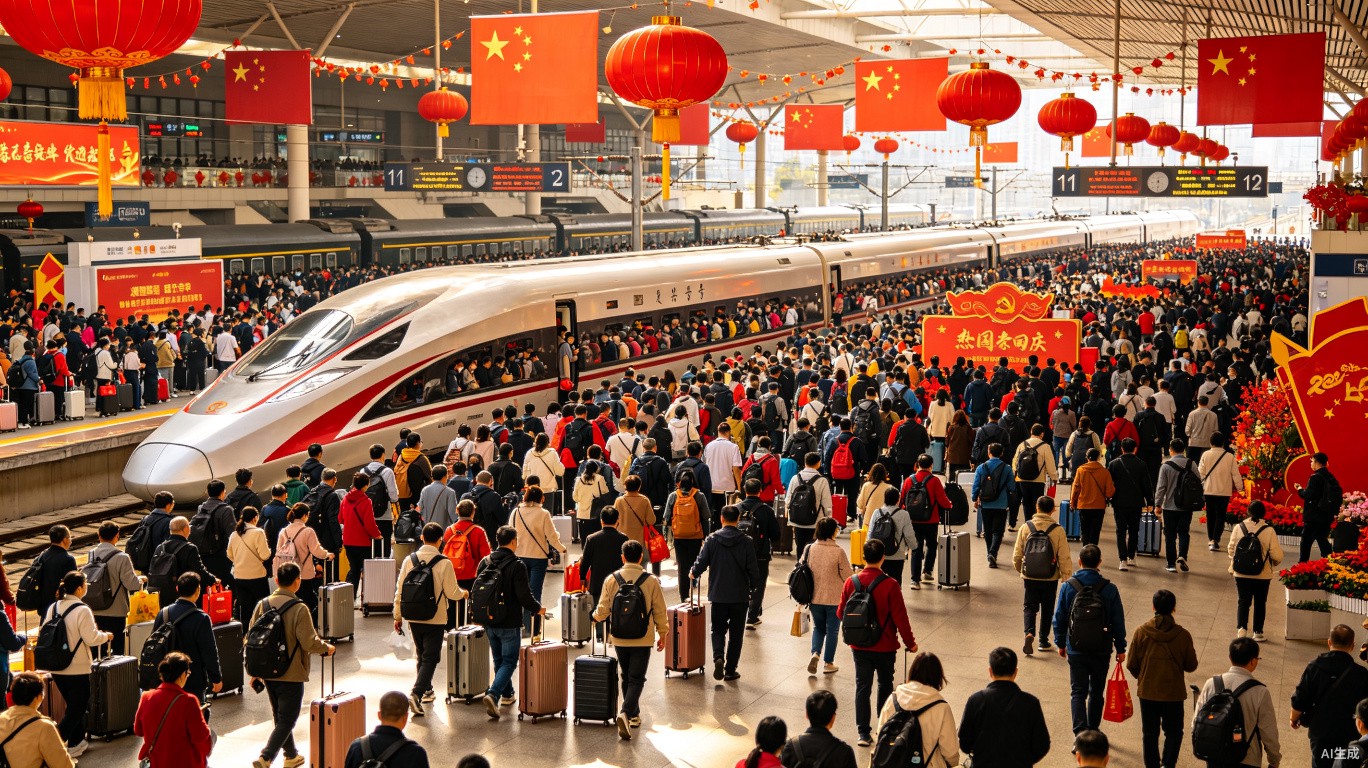
China Golden Week Travel Survival Guide
How to survive China's National Day Golden Week (October 1-7) - what to avoid, where to go, and how to beat the crowds.
9 min read
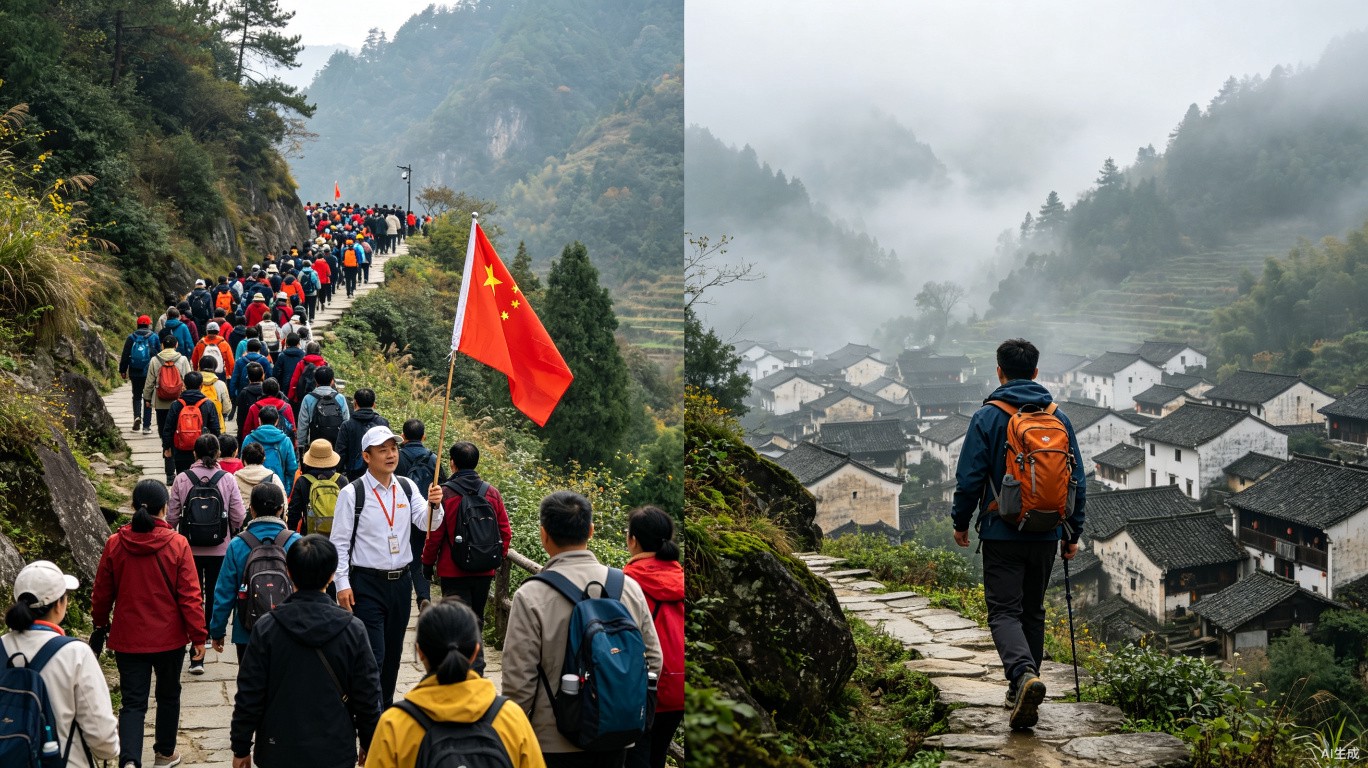
China Group Tours vs Independent Travel Which is Better
Should you join a guided tour or travel independently in China? Honest comparison of cost, flexibility, and experience.
7 min read
China Itinerary Planning: 7-Day 14-Day and 21-Day Routes: The Complete 2026 G...
Not sure how many days to spend in China? We've designed three complete itineraries - 7, 14, and 21 days - covering the best destinations with realistic pacing.
9 min read