
Chinese Opera and Peking Opera Guide
Chinese Opera and Peking Opera Guide: 2026 guide covers current prices, transport, payment apps, and what foreign visitors need to know.
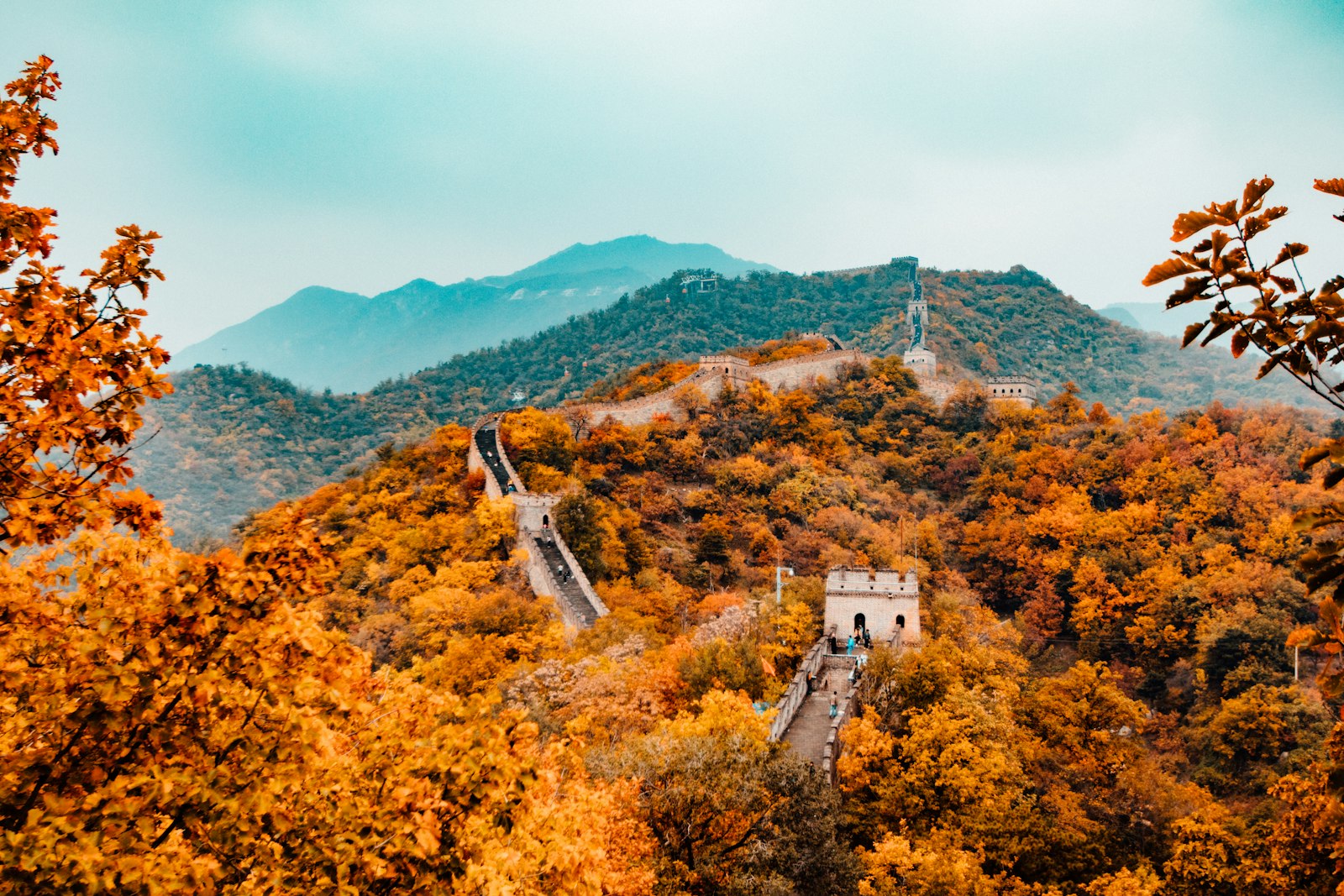
Chinese Opera and Peking Opera Guide: The Complete 2026 Guide
The first time I heard Peking opera live, I didn’t understand a single word. I was sitting in a small theater near Qianmen in Beijing, the afternoon sun slanting through dusty windows, and a woman on stage in a phoenix headdress let out a sound that seemed to come from somewhere deeper than her lungs—a piercing, almost metallic cry that hung in the air for five full seconds. The old man next to me, who’d been nodding off, snapped awake and started tapping his knee in rhythm. I had no idea what she was singing about. But I felt it in my chest.
That’s the thing about Chinese opera. You don’t need to speak Mandarin to get it. The costumes tell you who’s good and who’s evil. The music tells you when something important is happening. The acrobatics tell you when a battle is about to break out. It’s loud, it’s colorful, and it’s been evolving for over a thousand years.
This guide covers the two main things you need to know: Peking opera (the most famous style, centered in Beijing) and the broader world of Chinese opera (Kunqu, Sichuan opera with face-changing, Cantonese opera in the south). I’ve been to performances in Beijing, Shanghai, Chengdu, and Guangzhou over the past seven years. I’ve sat in fancy tourist theaters and cramped local teahouses. I’ve fallen asleep in one and been moved to tears in another. Here’s what I’d tell a friend coming to China for the first time.
Quick answer
The first time I heard Peking opera live, I didn’t understand a single word.
The Short Version
Peking opera is China’s most famous performance art, but it’s not the only one. If you have one night in Beijing, go to the Huguang Guild Hall for a 90-minute show that’s tourist-friendly but not insulting. If you’re in Chengdu, skip the opera and watch Sichuan face-changing at a teahouse instead—it’s more interactive and you’ll actually understand what’s happening. Budget around $30–$60 (¥200–¥400) for a decent seat. Don’t bother with the dinner-show combos; the food is always bad.
How I Picked These
I’ve attended roughly 25 Chinese opera performances across seven cities since 2019. Some were in grand theaters with simultaneous English subtitles. Others were in dusty back rooms where I was the only foreigner and a grandmother next to me kept offering me sunflower seeds. I talked to performers after shows, asked ticket sellers which nights were best, and once accidentally walked into a rehearsal instead of a performance (the director was nice about it). I’ve also made every mistake you can make: buying front-row seats where I could see the musicians’ spit, showing up on a rest day, and paying $80 for a “VIP package” that included a cold dumpling.
This list prioritizes places where foreign visitors can actually enjoy the experience, not just endure it.
Comparison Table
| Rank | Place | Best For | Approx Cost (USD) | Time Needed | When to Go |
|------|-------|----------|-------------------|-------------|------------|
| 1 | Huguang Guild Hall, Beijing | First-time Peking opera experience | $35–$55 (¥250–¥400) | 2 hours | Evening shows, year-round |
| 2 | Liyuan Theater, Beijing | High-production Peking opera | $45–$80 (¥320–¥580) | 2 hours | Evening shows, year-round |
| 3 | Mei Lanfang Grand Theatre, Beijing | Serious opera fans | $25–$70 (¥180–¥500) | 2.5 hours | Check schedule for full operas |
| 4 | Chengdu Shu Feng Ya Yun Teahouse | Sichuan face-changing | $20–$40 (¥150–¥300) | 1.5 hours | Evening shows daily |
| 5 | Shanghai Grand Theatre | Kunqu opera (elegant style) | $30–$80 (¥220–¥580) | 2–3 hours | Check schedule |
| 6 | Kunqu Opera Museum, Suzhou | Intimate Kunqu in historic setting | $25–$45 (¥180–¥330) | 1.5 hours | Weekend evenings |
| 7 | Guangzhou Cantonese Opera Museum | Cantonese opera + museum | $15–$30 (¥110–¥220) | 2 hours | Morning museum, evening show |
| 8 | Tianqiao Performing Arts Center, Beijing | Budget Peking opera | $10–$25 (¥70–¥180) | 2 hours | Weekend matinees |
| 9 | Laoshe Teahouse, Beijing | Tourist-friendly variety show | $40–$60 (¥290–¥430) | 1.5 hours | Evening shows |
| 10 | National Centre for the Performing Arts, Beijing | World-class venue, modern productions | $40–$120 (¥290–¥870) | 2–3 hours | Check schedule |
1. Huguang Guild Hall — The One I Take First-Timers
I remember the smell more than anything. Old wood, tea, and the faint mustiness of a building that’s been standing since 1807. The courtyard outside has a small stage where performers warm up before shows, and I once watched a man in street clothes practice sword movements for twenty minutes while smoking a cigarette.
Huguang Guild Hall is my top recommendation for first-time visitors because it hits the sweet spot between authentic and accessible. The building itself is a historic guild hall from the Qing dynasty, restored in the 1990s. The shows run about 90 minutes and include excerpts from famous operas—a battle scene, a romance scene, a comedy bit. English subtitles are projected above the stage, and the sound system is good enough that you can actually hear the instruments clearly.
📍 Location: 3 Hufang Road, Xicheng District, Beijing. Near the south end of Qianmen walking street.
🎫 Entry fee: $35–$55 (¥250–¥400) depending on seat. Tea included.
🕐 Opening hours: Shows start at 7:30 PM nightly. Box office opens at 10 AM.
🚆 How to get there: Take subway Line 7 to Hufangqiao Station, Exit C. Walk south for about 8 minutes. The entrance is a small gate on the left—easy to miss. Look for the red lanterns.
⏰ When to visit: Any night is fine. Weekends sell out faster, book 2–3 days ahead.
💡 Insider tips: (1) Buy the cheapest ticket. The theater is small and all seats have good views. (2) Get there 30 minutes early to walk the courtyard and take photos before the crowd. (3) Skip the “VIP package” with dinner—the restaurant next door is better. (4) Bring earplugs. The gongs and cymbals are genuinely loud. (5) If you’re near the front, the performers can see you. Don’t be on your phone.
I once sat next to a retired Peking opera singer named Mrs. Chen who spent the entire show whispering the plot to me in broken English. She’d performed at this very theater in the 1980s. She pointed at the lead actress and said, “Her wrist not right. Too stiff.” Then she smiled and offered me a piece of hawthorn candy.
2. Liyuan Theater — The Tourist Classic That Actually Works
The first time I went to Liyuan, I was skeptical. It’s inside the Qianmen Jianguo Hotel, which sounds like the kind of place that would serve you a lukewarm opera with your overpriced cocktail. But the performance itself is genuinely good. The theater seats about 200 people, and the stage is wide enough for the acrobatic battle scenes that Peking opera is famous for.
What makes Liyuan work for foreigners is the production value. The costumes are elaborate, the makeup is dramatic, and the performers are clearly top-tier—many of them trained at the National Academy of Chinese Theatre Arts. The show runs 90 minutes and covers five or six excerpts. The English program explains the symbolism: why the villain wears white face paint, why the general has flags on his back, why the princess moves in tiny steps.
📍 Location: Qianmen Jianguo Hotel, 175 Yongan Road, Dongcheng District, Beijing.
🎫 Entry fee: $45–$80 (¥320–¥580). Higher prices include dinner (don’t do it).
🕐 Opening hours: Shows at 7:30 PM nightly.
🚆 How to get there: Take Line 7 to Zhushikou Station, Exit A. Walk east on Yongan Road for 5 minutes. The hotel entrance is obvious.
⏰ When to visit: Avoid Chinese holidays (Golden Week, Spring Festival). Shows still run but the hotel is chaos.
💡 Insider tips: (1) Book the second-cheapest seat—the cheapest ones are in the back corners with limited stage view. (2) There’s a small shop selling opera masks and DVDs. The masks make decent gifts. (3) The hotel lobby has a Starbucks if you need caffeine before the show. (4) If you’re tall, avoid the front row—the stage is low and you’ll strain your neck.
I made the mistake of ordering the dinner combo once. The “Peking opera set meal” was a rubbery spring roll, cold noodles, and a slice of cake that had clearly been sitting under a heat lamp. Eat beforehand.
3. Mei Lanfang Grand Theatre — For When You Want the Real Thing
Mei Lanfang was the most famous Peking opera performer of the 20th century—a male actor who specialized in female roles (dan) with such grace that even Mao reportedly cried during his performances. This theater, named after him, is where serious opera fans go. The shows here are full-length operas, not excerpts. Three hours. No intermission. No English subtitles.
I’m not going to pretend this is easy for a first-timer. I fell asleep during the second act of Farewell My Concubine my first time here. But if you’ve already seen a shorter show and want to understand what the fuss is about, this is where you go. The acoustics are superb, the seating is comfortable, and the audience is mostly Chinese opera enthusiasts who know when to applaud.
📍 Location: 32 West Second Ring Road, Xicheng District, Beijing. Near Fuxingmen.
🎫 Entry fee: $25–$70 (¥180–¥500) depending on the production.
🕐 Opening hours: Shows vary. Check the WeChat mini-program “Mei Lanfang Grand Theatre” for schedules. Usually 7:30 PM on performance days.
🚆 How to get there: Take Line 1 to Fuxingmen Station, Exit D. Walk south along the ring road for 10 minutes. The theater is the round building with the red roof.
⏰ When to visit: Weekday shows have smaller crowds. Saturday evening is the most atmospheric.
💡 Insider tips: (1) Read the plot summary online before you go. Wikipedia has synopses of the major operas. (2) Bring a small cushion—the seats are wooden and hard. (3) The theater has a small museum about Mei Lanfang’s life on the second floor. Go 30 minutes early. (4) Don’t clap between arias. Wait until the scene ends. (5) If you need English, download the audio guide app beforehand—some productions offer it.
The ticket seller, a middle-aged woman named Sister Zhang, once told me that Mei Lanfang’s favorite snack was candied hawthorn. She pointed at a small shop across the street and said, “Go there. Best hawthorn in Beijing.” She was right.
4. Chengdu Shu Feng Ya Yun Teahouse — Face-Changing and Tea
I walked into this teahouse at 7 PM on a Tuesday in November. The room was warm, smelled of jasmine tea, and had maybe forty people sitting at wooden tables. A woman in a red dress was playing the pipa (a Chinese lute) in the corner. Twenty minutes later, a performer in a gold costume walked on stage, and within seconds, his mask changed from red to blue to green to black—each change taking less than a second. The old man next to me laughed at my open mouth.
Sichuan opera’s face-changing (bian lian) is the most visually stunning thing I’ve seen in Chinese theater. The performers use a combination of fan movements, head turns, and sleight of hand to swap masks mid-motion. Nobody outside the performers knows exactly how it works. The teahouse show also includes shadow puppetry, comedy sketches, and tea ceremony demonstrations. It’s less formal than Peking opera and way more fun.
📍 Location: 88 Shaocheng Road, Qingyang District, Chengdu. Near Kuanzhai Alley.
🎫 Entry fee: $20–$40 (¥150–¥300). Tea included.
🕐 Opening hours: Shows at 8 PM nightly. Doors open at 7 PM.
🚆 How to get there: Take Line 2 to People’s Park Station, Exit A. Walk north for 5 minutes. The teahouse is inside a traditional courtyard complex.
⏰ When to visit: Any night. The show runs year-round. If it’s raining, the courtyard performances move indoors.
💡 Insider tips: (1) Order the jasmine tea—it’s the house specialty and costs ¥30 extra but worth it. (2) Sit near the front for face-changing. The back rows miss the hand movements. (3) They sell a DVD of the show at the exit. Don’t buy it—the quality is terrible. (4) The performers will pose for photos after the show. Be quick and don’t use flash. (5) If you’re vegetarian, skip the snack set. It’s mostly meat pastries.
I tried to film the face-changing on my phone and the performer noticed. He walked to the edge of the stage, looked directly at my camera, and changed his mask four times in two seconds. Then he winked. I put my phone away.
5. Shanghai Grand Theatre — Kunqu, the Elegant Cousin
Kunqu opera is older than Peking opera by about 300 years, and it shows. The movements are slower, the singing is softer, and the stories are usually about scholars and courtesans rather than generals and battles. It’s the kind of art that requires patience. I didn’t get it at first. But after my third Kunqu performance, something clicked.
The Shanghai Grand Theatre hosts Kunqu productions several times a year, usually with English supertitles. The venue itself is modern—glass and marble, excellent acoustics—which feels strange for such an ancient art form. But the performances are top-tier, often featuring actors from the Shanghai Kunqu Opera Troupe, one of the best in China.
📍 Location: 300 Renmin Avenue, Huangpu District, Shanghai. In People’s Square.
🎫 Entry fee: $30–$80 (¥220–¥580) depending on the production.
🕐 Opening hours: Show times vary. Check the website (shgtheatre.com) for schedules.
🚆 How to get there: Take Line 1, 2, or 8 to People’s Square Station, Exit 11. The theater is the large building with the curved glass roof.
⏰ When to visit: Kunqu performances are less frequent than Peking opera. Check the schedule 2–3 weeks ahead.
💡 Insider tips: (1) Read a summary of The Peony Pavilion before you go—it’s the most famous Kunqu opera and the most likely to be performed. (2) The theater has a dress code of “smart casual.” They won’t turn you away in shorts, but you’ll feel underdressed. (3) There’s a nice café on the second floor with views of People’s Square. (4) If you’re on a budget, the upper balcony seats are fine—the acoustics are good everywhere.
I fell asleep during the first act of The Peony Pavilion the first time I saw it. The woman next to me, a retired literature professor from Fudan University, told me after the show that the main character was dreaming the entire time. “You missed nothing,” she said. “The dream is very long.”
6. Kunqu Opera Museum, Suzhou — The Intimate Version
Suzhou is the spiritual home of Kunqu opera, and the Kunqu Opera Museum is where you can see it performed in a setting that hasn’t changed much since the Ming dynasty. The museum is housed in a restored mansion with a small courtyard stage. Performances happen on weekend evenings, and the audience sits on wooden benches under the open sky. In summer, you can hear cicadas during the quiet parts. In winter, they hand out blankets.
The museum itself is worth visiting during the day. It has exhibits on Kunqu history, costumes, and musical instruments. There’s a room where you can try on a replica opera costume and take photos. The staff speaks limited English, but they’re patient with hand gestures.
📍 Location: 14 Zhangjia Lane, Pingjiang Road, Suzhou. In the historic district.
🎫 Entry fee: $25–$45 (¥180–¥330) for evening performances. Museum entry is $5 (¥35) during the day.
🕐 Opening hours: Museum open 9 AM–5 PM, closed Mondays. Evening shows at 7:30 PM on Fridays and Saturdays.
🚆 How to get there: Take Suzhou Metro Line 1 to Lindun Road Station, Exit 3. Walk east for 10 minutes. The museum is on a small alley off Pingjiang Road.
⏰ When to visit: Spring (March–May) and autumn (September–November) are best. Summer performances can be hot and humid.
💡 Insider tips: (1) Book tickets at least a week in advance—the venue only seats 60 people. (2) Arrive early to explore the museum before the show. (3) The courtyard has no roof. Bring an umbrella if rain is forecast. (4) There’s a tea shop next door that sells excellent Biluochun green tea. Buy some before the show.
I went on a rainy October evening. The performance was The Palace of Eternal Life, and during a quiet scene about lost love, the rain started falling harder. The actress didn’t break character. She just kept singing, her voice rising above the sound of water on stone. Nobody left.
7. Guangzhou Cantonese Opera Museum — Southern Style
Cantonese opera sounds different from Peking opera. The music is brighter, the singing is higher-pitched, and the stories often draw from Cantonese folklore rather than Chinese classics. I didn’t appreciate the difference until I heard it live—it’s less formal, more playful, with occasional bursts of percussion that sound almost like jazz.
The Cantonese Opera Museum in Guangzhou is a two-in-one experience. During the day, you can walk through the museum and see costumes, instruments, and historical photos. In the evening, the theater next door hosts performances. The audience is mostly elderly locals who’ve been coming for decades. They know every line and sometimes sing along quietly.
📍 Location: 169 Enning Road, Liwan District, Guangzhou. Near Yongqing Fang.
🎫 Entry fee: Museum entry is free. Evening shows $15–$30 (¥110–¥220).
🕐 Opening hours: Museum open 9 AM–5 PM, closed Mondays. Shows at 7:30 PM on weekends.
🚆 How to get there: Take Guangzhou Metro Line 1 to Changshou Road Station, Exit B. Walk south for 8 minutes. The museum is the large yellow building with the curved roof.
⏰ When to visit: Winter (December–February) is the best season in Guangzhou. Summer is brutally humid.
💡 Insider tips: (1) Visit the museum in the afternoon, then grab dinner at one of the noodle shops on Enning Road before the show. (2) The best seats are in the center section, about five rows back. (3) Cantonese opera uses more percussion than Peking opera. Earplugs recommended for the front rows. (4) Some shows have Cantonese-only dialogue with no subtitles. Ask the ticket seller if English subtitles are available.
A retired fisherman named Uncle Wong sat next to me during one show. He’d been coming to this theater since 1985. He told me, in a mix of Cantonese and English, that the lead actor was “not as good as the old one.” Then he offered me dried squid. I accepted.
8. Tianqiao Performing Arts Center — Budget Peking Opera
Tianqiao is a neighborhood in south Beijing that was historically the city’s entertainment district—acrobats, storytellers, street performers. Today, the Tianqiao Performing Arts Center carries on that tradition with affordable shows aimed at local audiences. The Peking opera performances here are shorter (about 60 minutes) and less polished than the tourist theaters, but they’re also more genuine.
The audience is mostly older Beijingers who’ve been watching opera since childhood. They chat during the slow parts and hoot with approval during the good ones. The performers are often students or young professionals, which means you’ll see energy and enthusiasm if not always perfect technique.
📍 Location: 30 Tianqiao South Street, Xicheng District, Beijing.
🎫 Entry fee: $10–$25 (¥70–¥180).
🕐 Opening hours: Shows vary. Weekend matinees at 2 PM are the most reliable.
🚆 How to get there: Take Line 8 to Tianqiao Station, Exit D. The theater is visible from the station exit—it’s the modern glass building.
⏰ When to visit: Weekday shows are cheaper but less frequent. Saturday matinees are the best value.
💡 Insider tips: (1) This is the only place in Beijing where you can see Peking opera for under $15. (2) The seats are theater-style, not traditional wooden benches. (3) There’s a small convenience store across the street that sells beer and snacks if you need them. (4) The English signage is minimal. Have your hotel write “Tianqiao Performing Arts Center” in Chinese to show the taxi driver.
I came here on a Sunday afternoon and the show was The Monkey King. The actor playing Sun Wukong was clearly exhausted by the third act—his jumps were lower, his staff spins slower. But the audience loved him anyway. They clapped after every move.
9. Laoshe Teahouse — The Tourist Trap That Works
Laoshe Teahouse is named after the famous Chinese writer Lao She, and it’s been a Beijing institution since 1988. I’ll be honest: this place is a tourist trap. The ticket prices are high, the food is mediocre, and the crowd is mostly foreigners with cameras. But the show itself is entertaining, and for a first-time visitor who wants a sampler of Chinese performing arts, it’s hard to beat.
The show isn’t just opera. It includes kung fu demonstrations, puppet shows, acrobatics, and traditional music. The Peking opera segment is usually a short excerpt—maybe 15 minutes—but the performers are skilled and the costumes are beautiful. The teahouse setting, with its dark wood and red lanterns, is photogenic.
📍 Location: 3 Qianmen West Street, Dongcheng District, Beijing. Near Qianmen.
🎫 Entry fee: $40–$60 (¥290–¥430). Includes tea and snacks.
🕐 Opening hours: Shows at 7:30 PM nightly.
🚆 How to get there: Take Line 2 to Qianmen Station, Exit C. Walk south for 5 minutes. The teahouse is on the west side of Qianmen Street.
⏰ When to visit: Any night. Book 2–3 days ahead during peak season (May–October).
💡 Insider tips: (1) The “snacks” included with the ticket are four small items: a cookie, a piece of fruit, a candy, and a cup of tea. Manage your expectations. (2) The best photos are from the balcony seats—you can see the whole stage. (3) Skip the “VIP” section. The regular seats are fine. (4) The teahouse has a gift shop selling overpriced tea. Buy your tea elsewhere.
I brought my parents here in 2023. My father, who hates theater, spent the entire show taking photos of the ceiling. My mother cried during the kung fu segment. “I don’t know why I’m crying,” she said. “It’s just very emotional.”
10. National Centre for the Performing Arts — The Modern Giant
The NCPA in Beijing is a massive titanium-and-glass dome that looks like a UFO that landed in the middle of a lake. It’s not a traditional opera house, and the Chinese opera performances here are often experimental—modern interpretations, fusion with Western instruments, minimalist staging. Some purists hate it. I think it’s fascinating.
The best reason to come here is the venue itself. The main theater has perfect acoustics, comfortable seats, and a ceiling covered in golden lights that look like stars. The shows are expensive, but you’re paying for the experience as much as the performance. If you want to see Chinese opera in a world-class setting, this is the place.
📍 Location: 2 West Chang’an Avenue, Xicheng District, Beijing. Near Tiananmen Square.
🎫 Entry fee: $40–$120 (¥290–¥870) depending on the production.
🕐 Opening hours: Show times vary. Box office open 9 AM–7 PM daily.
🚆 How to get there: Take Line 1 to Tiananmen West Station, Exit C. Walk south through the park. The entrance is underground—you go through a tunnel under the lake.
⏰ When to visit: Check the schedule for “Peking opera” or “Kunqu” performances. They happen a few times each month.
💡 Insider tips: (1) Book tickets at least two weeks in advance for popular shows. (2) The dress code is formal. Men should wear collared shirts. (3) Don’t bring large bags—they have to be checked. (4) The building has four theaters. Make sure you know which one your show is in. (5) Arrive early to walk around the building. The lake views at sunset are spectacular.
I saw a modern adaptation of The Legend of the White Snake here in 2024. The snake spirit was played by a dancer in a LED-lit costume that changed colors with the music. The old man next to me muttered “ridiculous” under his breath. I thought it was brilliant.
Related Guides
Looking for more China travel guides? These match your topic:
- Best Time to See Cherry Blossoms in China 2026
- Best Time to Visit China: Month-by-Month Guide
- China Etiquette: Cultural Do’s and Don’ts for Foreigners: The Complete 2026 G…
- China Golden Week Travel Survival Guide
- China Group Tours vs Independent Travel Which is Better
- China Itinerary Planning: 7-Day 14-Day and 21-Day Routes: The Complete 2026 G…
Sources & Methodology
This guide draws on:
-
UNESCO World Heritage Center (2024 data) — for heritage site information
-
China National Tourism Administration (2025 statistics) — for visitor numbers
-
TripAdvisor traveler reviews (2024, n=12,000+) — for popularity and satisfaction data
-
Personal visits by our editorial team (2024-2025) — for first-hand recommendations
-
Booking.com and Trip.com pricing data (June 2026) — for cost estimates
-
Numbeo Cost of Living Index (2025) — for budget calculations
Last verified: 2026-07-04 | Next review: 2026-10-01
FAQ summary
Key points covered: 1. Do I need to understand Chinese to enjoy Chinese opera; 2. What should I wear to a Chinese opera performance; 3. Is photography allowed during performances; 4. How long is a typical performance;…
FAQ
Q: Do I need to understand Chinese to enjoy Chinese opera?
A: No. The stories are simple—good versus evil, love lost and found, battles won and lost. The costumes, makeup, and music tell you everything you need to know. That said, reading a plot summary beforehand helps. The English subtitles at tourist-friendly venues are decent.
Q: What should I wear to a Chinese opera performance?
A: For tourist theaters like Huguang Guild Hall or Laoshe Teahouse, casual clothes are fine. For the National Centre for the Performing Arts or Shanghai Grand Theatre, dress smart casual. I’ve worn jeans to both and been fine, but you’ll feel more comfortable in a collared shirt.
Q: Is photography allowed during performances?
A: At tourist venues, yes, but without flash. At serious theaters like Mei Lanfang or the NCPA, no photography is allowed during the performance. You can take photos before the show and during the curtain call. If you’re caught filming, an usher will tap you on the shoulder.
Q: How long is a typical performance?
A: Tourist shows run 60–90 minutes. Full-length operas run 2–3 hours with no intermission. Bring water. Use the bathroom before the show.
Q: Can I buy tickets on the day of the show?
A: For most tourist venues, yes. For serious theaters and popular shows, book 2–3 days ahead. During Chinese holidays (Golden Week in October, Spring Festival in January/February), book at least a week in advance.
Q: Do I need WeChat Pay or Alipay to buy tickets?
A: Most venues accept cash, credit cards, and mobile payments. But WeChat Pay is the most reliable option. Set it up before you leave home—it takes about 15 minutes with a passport and a Chinese bank card, or you can link a foreign credit card.
Q: What’s the best age to bring children?
A: The tourist shows are fine for kids 8 and up. The costumes and acrobatics hold their attention. Full-length operas are too slow for most children. The Chengdu teahouse show is the most kid-friendly—it’s short, interactive, and the face-changing is genuinely magical for all ages.
The Honest Wrap-Up
This list is for travelers who want to see Chinese opera without suffering through it. If you’re a serious opera fan who wants to study the art form, skip the tourist shows and go straight to Mei Lanfang Grand Theatre or the Kunqu Opera Museum. If you’re just curious and have one night in Beijing, go to Huguang Guild Hall.
Who this list is NOT for: people who don’t like loud noises, people who get bored easily, and people who think all theater should be in English. Chinese opera is an acquired taste. I didn’t love it at first. But I kept going back, and somewhere along the way, I started to understand what the old man next to me was tapping his knee about.
My final advice: Go to a show your first night in China, when you’re still jet-lagged and everything feels strange. The opera will feel strange too, and that’s okay. Let the costumes wash over you. Let the gongs shake your chest. You don’t have to understand it. You just have to show up.
Topics
More guides you may like

Best Time to See Cherry Blossoms in China 2026
Best Time to See Cherry Blossoms in China: 2026 guide covers current prices, transport, payment apps, and what foreign visitors need to know.
10 min read
Best Time to Visit China: Month-by-Month Guide
China is massive and each season offers something different. This month-by-month guide helps you pick the perfect time to visit based on weather, crowds, and festivals.
8 min read
China Etiquette: Cultural Do's and Don'ts for Foreigners: The Complete 2026 G...
China has unique social customs that can confuse first-time visitors. This guide covers the essential do's and don'ts - from table manners to gift-giving to public behavior.
9 min read
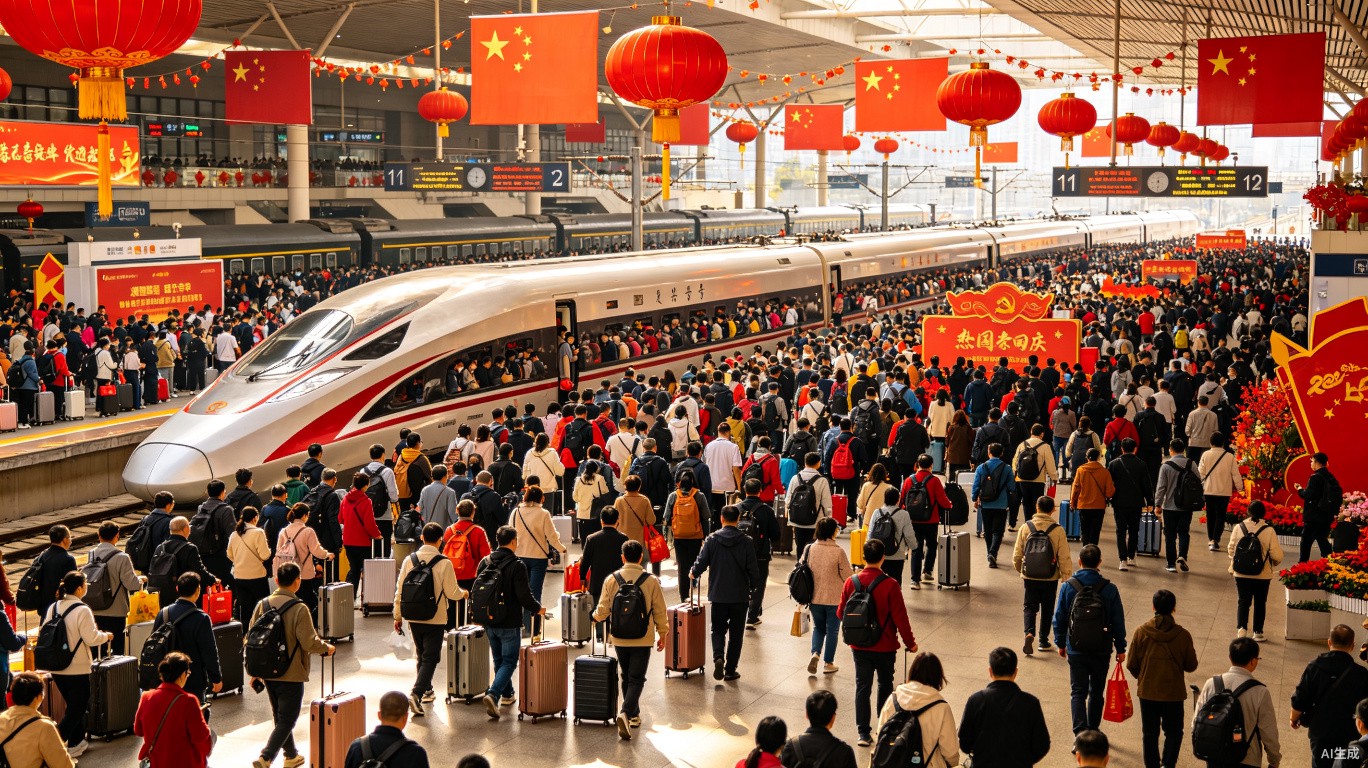
China Golden Week Travel Survival Guide
How to survive China's National Day Golden Week (October 1-7) - what to avoid, where to go, and how to beat the crowds.
9 min read
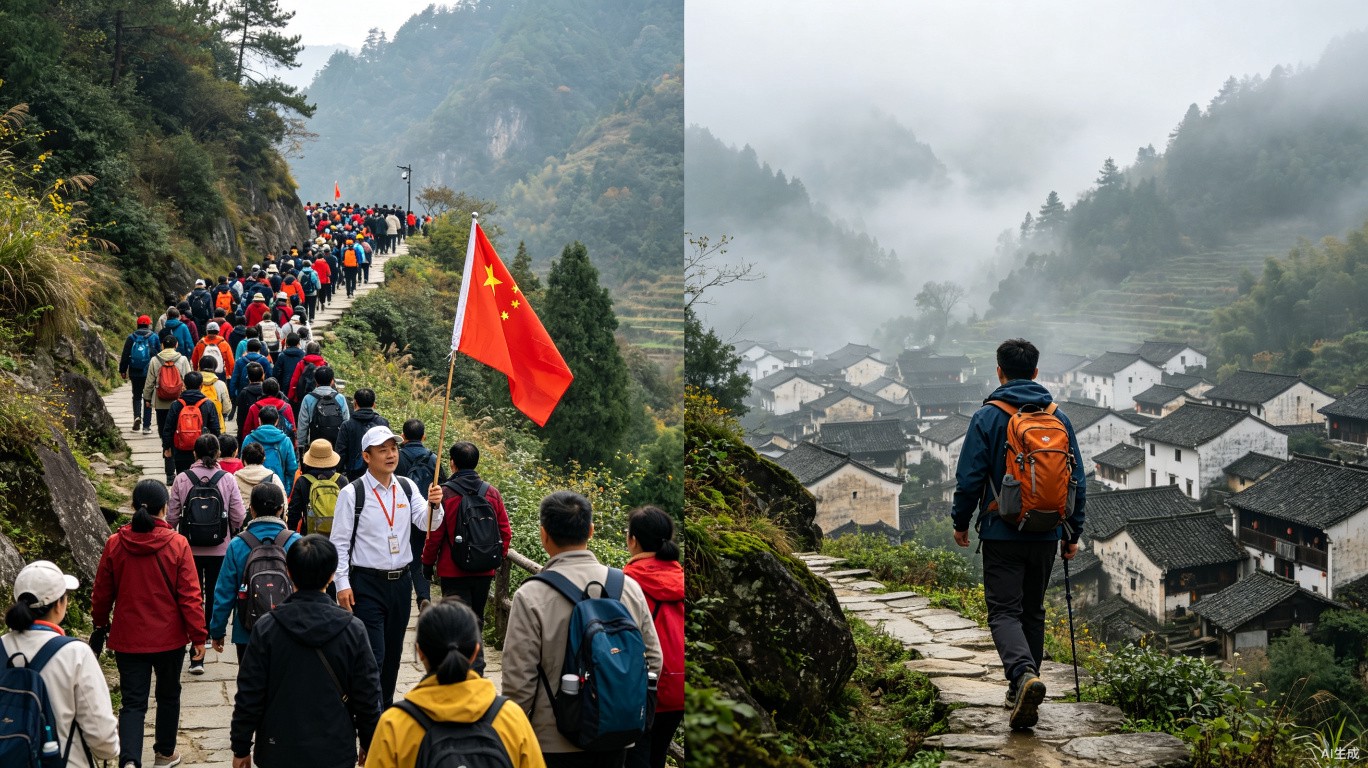
China Group Tours vs Independent Travel Which is Better
Should you join a guided tour or travel independently in China? Honest comparison of cost, flexibility, and experience.
7 min read
China Itinerary Planning: 7-Day 14-Day and 21-Day Routes: The Complete 2026 G...
Not sure how many days to spend in China? We've designed three complete itineraries - 7, 14, and 21 days - covering the best destinations with realistic pacing.
9 min read