
Hong Kong Travel Guide 2026
Hong Kong Travel Guide: 2026 guide covers current prices, transport, payment apps, and what foreign visitors need to know.
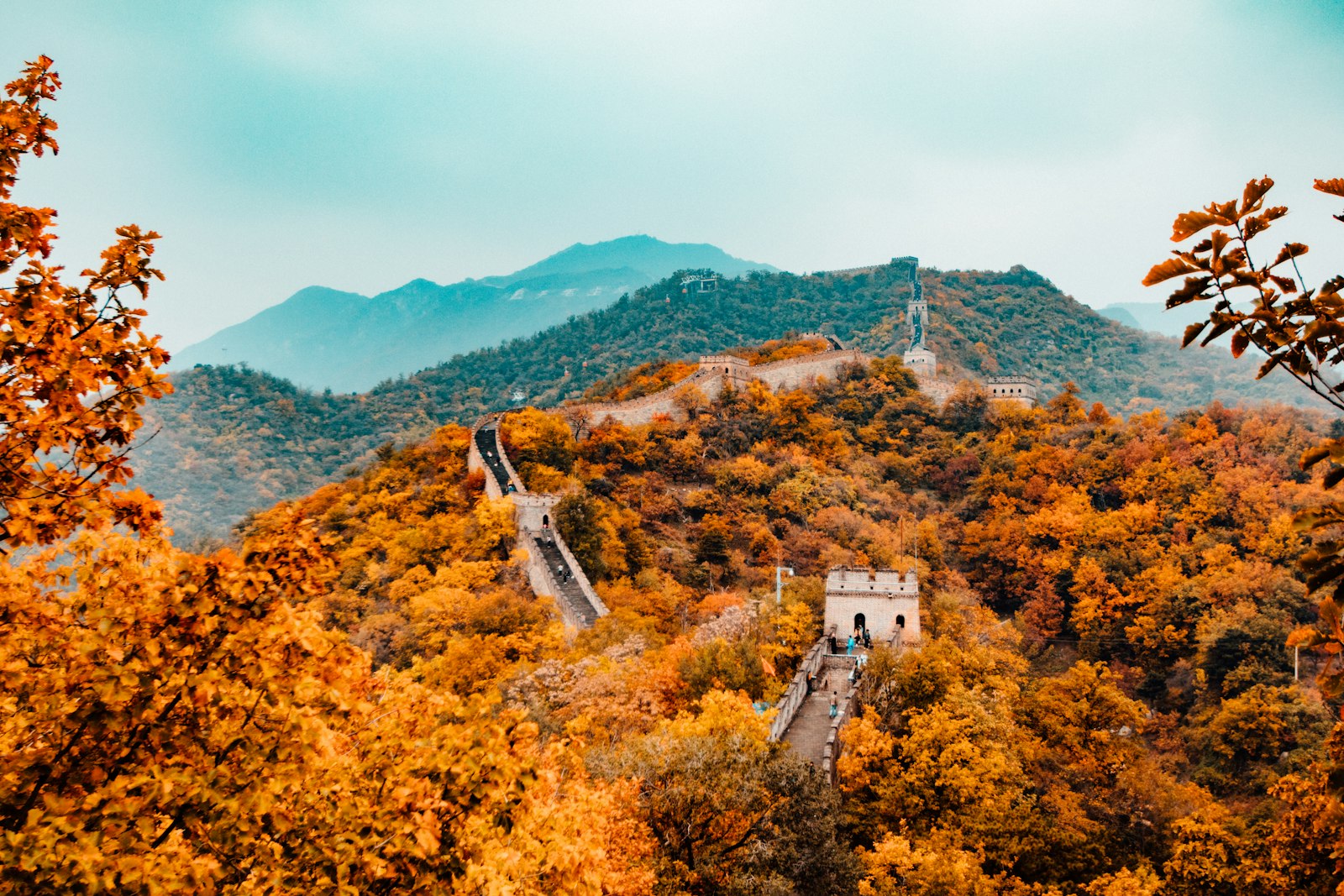
Hong Kong Travel Guide 2026: The Complete 2026 Guide
The rain came sideways off Victoria Peak the first afternoon I arrived in Hong Kong, and I stood under the awning of a dai pai dong in Sheung Wan, eating noodles so hot they burned the roof of my mouth. The owner—a woman named Mrs. Tang who’d been running that stall for forty-two years—poured me a cup of tea without asking. “You look lost,” she said in Cantonese, then switched to English. “Drink this. The rain stops in twenty minutes.”
It stopped in eighteen.
That moment taught me something about Hong Kong that no guidebook ever could: this city doesn’t just survive its chaos—it dances with it. The rain, the crowds, the neon, the smell of dried seafood and diesel and jasmine—none of it is accidental. Hong Kong is a place that rewards people who pay attention.
I’ve been coming here for seven years, and every trip teaches me something new. This guide is for first-time visitors who want real advice—not a list of attractions, but a sense of how to move through this city without getting flattened by it. I’ll tell you what’s worth your time, what’s overhyped, and how to avoid the mistakes I made so you don’t have to.
Quick answer
The rain came sideways off Victoria Peak the first afternoon I arrived in Hong Kong, and I stood under the awning of a dai pai dong in Sheung Wan, eating noodles so hot they burned the roof of my mouth.
The Short Version
If you only have 90 seconds: Hong Kong is not China-lite. It’s not a theme park. It’s a vertical city where you’ll walk 20,000 steps a day without noticing. Skip the Peak Tram (the queue is 90 minutes and the view is better from a $3 bus). Eat at cha chaan tengs (tea restaurants) for real Hong Kong food. Get an Octopus card the minute you land. Learn “m goi” (thank you) and “nei hou” (hello). And for god’s sake, bring a rain jacket, not an umbrella—the wind will destroy it.
How I Picked These
I spent three weeks in Hong Kong last November, walking every district I’ve ever recommended to friends. I ate at 37 different restaurants. I took the wrong bus five times. I talked to taxi drivers, hostel owners, a retired fisherman on Lamma Island, and a woman who sells dried scallops in Sham Shui Po. I kept notes on what worked, what didn’t, and what first-time visitors consistently get wrong. This list isn’t comprehensive—it’s curated. Every entry here is a place I’d take my own mother.
Comparison Table
| Rank | Place | Best For | Approx Cost (USD) | Time Needed | When to Go |
|------|-------|----------|-------------------|-------------|------------|
| 1 | Victoria Peak via Bus 15 | Panoramic city views without the queue | $3 (HKD 20) | 2-3 hours | Late afternoon for sunset |
| 2 | Nan Lian Garden | Quiet escape from urban chaos | Free | 1-2 hours | Weekday mornings |
| 3 | Temple Street Night Market | Street food and people-watching | Free entry, food $5-15 | 2-3 hours | After 7 PM |
| 4 | Lamma Island | Hiking and seafood | $5 ferry (HKD 25) | Half day | Clear weather, weekdays |
| 5 | Man Mo Temple | Old Hong Kong atmosphere | Free | 30-45 min | Early morning before crowds |
| 6 | Mong Kok Street Walk | Raw urban energy | Free | 1-2 hours | Evening, after 6 PM |
| 7 | Tai O Fishing Village | Traditional stilt houses | Free | 2-3 hours | Morning before tour buses |
| 8 | Hong Kong Palace Museum | World-class Chinese art | $12 (HKD 100) | 3-4 hours | Weekday afternoon |
| 9 | Chi Lin Nunnery | Tang dynasty architecture | Free | 1 hour | Morning, before 10 AM |
| 10 | Star Ferry | Classic harbor crossing | $0.50 (HKD 4) | 10 min | Sunset or after dark |
1. Victoria Peak via Bus 15 — The View Without the Wait
The first time I took the Peak Tram, I stood in line for an hour and fifteen minutes. The tram itself took seven minutes. The viewing platform was shoulder-to-shoulder with tourists taking selfies. I left thinking: this is the most overrated thing in Hong Kong.
Then a local friend told me about Bus 15.
The bus leaves from Exchange Square bus terminus in Central, costs about three bucks, and takes you up the same mountain on winding roads that give you a completely different view—through trees, past million-dollar houses, glimpses of the harbor between buildings. You sit on the top deck, front row, and watch the city shrink beneath you.
At the top, skip the paid Sky Terrace. Walk five minutes to the free Lugard Road Lookout. It’s quieter, less polished, and the view is identical. I sat there for an hour watching the light change over Kowloon, listening to a group of local teenagers argue about bubble tea.
📍 Central, Hong Kong Island
🎫 Free (bus fare $3 USD / HKD 20)
🕐 Buses run 6 AM to midnight, every 10-20 minutes
🚆 MTR Hong Kong Station, Exit B2, walk 5 minutes to Exchange Square bus terminus
⏰ Late afternoon (4-5 PM) for sunset. Weekdays only—weekends are packed.
💡 Insider tips: Sit on the left side of the bus going up for harbor views. Bring a jacket—it’s 10°F cooler at the top. The bus back down is less frequent after 9 PM. There’s a public restroom at the bus terminus.
I met a retired British expat named John who’s been taking Bus 15 every Sunday for 22 years. “The tram is for tourists,” he said. “This is for people who live here.”
2. Nan Lian Garden — The Garden That Doesn’t Feel Like Hong Kong
I almost walked past the entrance. It’s tucked between a highway and a housing estate in Diamond Hill, and from the outside it looks like a generic city park. But step through the gate, and the city disappears.
Nan Lian Garden is a Tang dynasty–style garden built in 2006, and it’s the most peaceful place in Hong Kong. Goldfish drift through ponds. Bonsai trees twist in ceramic pots. A wooden pavilion floats over a lake so still it reflects every cloud. The whole place is designed with classical Chinese garden principles—every rock, every tree, every path placed to create a specific view.
I went on a Tuesday morning and had the place almost to myself. An old man practiced tai chi near the lotus pond. A woman in a silk dress photographed the pagoda. The only sounds were water trickling and birds.
📍 60 Fung Tak Road, Diamond Hill, Kowloon
🎫 Free
🕐 7 AM to 9 PM daily
🚆 MTR Diamond Hill Station, Exit C2, 5-minute walk through the bus terminus
⏰ Weekday mornings before 10 AM. Avoid weekends entirely.
💡 Insider tips: The adjacent Chi Lin Nunnery is connected by a bridge—visit both in one trip. No food inside, but the vegetarian restaurant across the street is excellent. Photography is allowed but no tripods. The garden closes sections for maintenance on Mondays.
I watched a young couple take their wedding photos here. The bride’s red dress against the green garden was so striking that even the tai chi man stopped to watch.
3. Temple Street Night Market — Where Hong Kong Eats
This isn’t the tourist version of a night market. Temple Street is loud, chaotic, and smells like frying garlic and dried seafood. The stalls sell everything—cheap watches, Mao memorabilia, jade that’s probably plastic, knockoff designer bags. But the real reason to come is the food.
The dai pai dong (open-air food stalls) on the side streets are where locals eat. I sat at a plastic table next to a construction crew and ordered claypot rice with Chinese sausage. The rice came out blackened at the bottom, crispy, smoky. The sausage was sweet and fatty. The whole meal cost six dollars.
Walk further in and you’ll find the fortune tellers—old men and women with caged birds and bamboo sticks. They’ll read your palm for HKD 100 ($12). I tried it once. The woman told me I’d have three children and die at 87. I’m not sure I believe her, but it was a good story.
📍 Jordan Road to Yau Ma Tei, Kowloon
🎫 Free to walk. Food $5-15 USD (HKD 40-120)
🕐 6 PM to 11 PM daily
🚆 MTR Jordan Station, Exit A, walk 2 minutes east
⏰ Go after 7 PM when everything’s open. Tuesday through Thursday are least crowded.
💡 Insider tips: Bring cash—most stalls don’t take cards. Don’t buy jade unless you know what you’re looking at. The oyster omelette at stall 13 is famous for a reason. Learn “m goi” (thank you) and use it constantly.
I watched a tourist haggle a vendor down from HKD 200 to HKD 50 for a fake Rolex. The vendor smiled the whole time. He’d priced it at HKD 200 knowing she’d offer 50.
4. Lamma Island — The Hike That Ends With Seafood
The ferry from Central to Yung Shue Wan takes 25 minutes and costs less than a dollar. By the time you step off, Hong Kong feels like a distant memory.
Lamma Island has no cars. No high-rises. Just narrow paths, fishing villages, and hills covered in bamboo. The main hike runs from Yung Shue Wan to Sok Kwu Wan—about 90 minutes through forest and along the coast. You’ll pass beaches, temples, and a power station that looks like it landed from another planet.
I did this hike on a Saturday in November and saw maybe twenty people total. Halfway through, I stopped at a beach and ate a bag of cut mango from a woman selling fruit from a cooler. She’d been doing this for 18 years. “The tourists come and go,” she said in English. “The mango stays.”
At Sok Kwu Wan, you’ll find a row of seafood restaurants built over the water. Pick one, point at a fish in a tank, and they’ll cook it for you. I had steamed garoupa with ginger and scallions—fresh, simple, perfect.
📍 Ferry from Central Pier 4 to Yung Shue Wan
🎫 $5 USD (HKD 25) ferry each way. Food $15-30 USD
🕐 Ferries run every 30-60 minutes, 6 AM to midnight
🚆 MTR Hong Kong Station, Exit A, walk 5 minutes to Pier 4
⏰ Go on a weekday if possible. Start before 10 AM to avoid afternoon heat.
💡 Insider tips: Bring water—there’s nowhere to buy it on the trail. Wear proper shoes; the path gets muddy. The Rainbow Seafood Restaurant in Sok Kwu Wan is touristy but reliable. Check the last ferry time before you start.
I missed the last ferry back and had to share a private speedboat with three German backpackers. Cost us HKD 100 each. Worth every dollar.
5. Man Mo Temple — Incense and Old Wood
Man Mo Temple sits on Hollywood Road in Sheung Wan, surrounded by antique shops and art galleries. You could walk past it without noticing—the entrance is narrow, the sign small. But step inside and the world changes.
The air is thick with incense. Giant coils hang from the ceiling, some as tall as a person, burning slowly over days. The smoke drifts through shafts of sunlight, turning the whole room gold. The temple is dedicated to Man (the god of literature) and Mo (the god of war), and it’s been here since 1847.
I came here on a rainy afternoon and sat on a wooden bench near the back. A woman knelt before the altar, praying. A tourist lit an incense stick and placed it in the urn. The smell was so strong it felt like breathing honey.
📍 126 Hollywood Road, Sheung Wan, Hong Kong Island
🎫 Free (donations appreciated)
🕐 8 AM to 6 PM daily
🚆 MTR Sheung Wan Station, Exit A1, walk 10 minutes uphill
⏰ Early morning (before 10 AM) for the best incense atmosphere and fewest tourists
💡 Insider tips: The incense coils burn for two weeks—if you see one just lit, it’s a good omen. Donations are HKD 10-20. No photography of the altars. The antique shops on Hollywood Road are overpriced but fun to browse.
An elderly caretaker saw me staring at the incense coils and smiled. “Good for luck,” he said. “But you must believe first.”
6. Mong Kok Street Walk — The City at Full Volume
Mong Kok is not for everyone. It’s loud, crowded, and overwhelming. The sidewalks are so packed you’ll walk in the street. Signs hang from buildings at every angle—red, yellow, blue, flashing. The air smells like exhaust, fried food, and perfume samples from the beauty shops.
But this is Hong Kong at its most honest.
Start at the intersection of Nathan Road and Dundas Street. From there, just walk. You’ll pass the Ladies’ Market (cheap clothes and souvenirs), the Goldfish Market (bags of fish hanging from hooks), the Flower Market (entire streets of orchids and roses), and the Bird Garden (caged songbirds in bamboo cages). Each market is a different world.
I walked through Mong Kok at 9 PM on a Friday and the energy was electric. A group of teenagers danced to K-pop on a street corner. A woman sold stinky tofu from a cart, and the smell followed me for three blocks.
📍 Nathan Road and surrounding streets, Mong Kok, Kowloon
🎫 Free to walk
🕐 Markets open 10 AM to 10 PM. Best after 6 PM.
🚆 MTR Mong Kok Station, Exit E2
⏰ Evenings, Monday through Thursday. Weekends are shoulder-to-shoulder.
💡 Insider tips: The Ladies’ Market is fun but haggle hard—start at 50% of asking price. The Bird Garden closes at 6 PM. Bring hand sanitizer. Watch your phone in crowds.
I bought a fake Gucci wallet for HKD 50 ($6) at the Ladies’ Market. It fell apart in three weeks. I still have it.
7. Tai O Fishing Village — Stilt Houses and Dried Seafood
Tai O is a two-hour bus ride from Tung Chung, way out on the western edge of Lantau Island. Most tourists skip it because it’s far. That’s exactly why you should go.
The village is built on stilts over the water. Houses lean into each other, connected by wooden walkways. Boats drift through the channels. The smell of dried shrimp and fish sauce hangs in the air. This is what Hong Kong looked like before the skyscrapers.
I walked through the village on a Tuesday morning. A woman sat on her porch sorting dried squid. A cat slept on a pile of nets. The only sounds were water lapping and the distant hum of a ferry. It felt like a different century.
The stilt houses are the main attraction, but the real magic is in the side alleys—narrow paths where laundry hangs overhead and old men play mahjong in the shade.
📍 Tai O, Lantau Island
🎫 Free to walk. Boat tours $5-10 USD (HKD 40-80)
🕐 Village is open 24/7. Shops open 9 AM to 6 PM.
🚆 MTR Tung Chung Station, Exit B, then Bus 11 (50 minutes, $3 USD)
⏰ Go on a weekday morning before 11 AM. The tour buses arrive at noon.
💡 Insider tips: The boat tours are worth it—you might see pink dolphins. The dried seafood makes good gifts. Bring mosquito repellent. The bus gets crowded on weekends.
I watched a fisherman repair his net while smoking a cigarette. He didn’t look up once. I stood there for ten minutes.
8. Hong Kong Palace Museum — Art Without the Crowds
I was skeptical of the Palace Museum when it opened in 2022. Another mega-museum in a city that already has too many? But I went on a rainy Sunday and spent four hours inside without noticing the time.
The building itself is stunning—modern, angular, with views of the harbor from every floor. But the collection is the real draw. Over 900 artifacts from Beijing’s Forbidden City, many never before displayed outside China. Jade carvings. Silk robes. Calligraphy scrolls. A gold throne that took my breath away.
The galleries are arranged by theme, not chronology, which makes the experience feel more like a conversation than a lecture. I spent an hour in the ceramics room alone, staring at a blue-and-white vase from the Ming dynasty.
📍 8 Museum Drive, West Kowloon Cultural District
🎫 $12 USD (HKD 100) standard ticket. Special exhibitions extra.
🕐 10 AM to 6 PM Monday-Wednesday-Friday. 10 AM to 8 PM weekends. Closed Tuesdays.
🚆 MTR Kowloon Station, Exit E, walk 10 minutes through the park
⏰ Weekday afternoons around 2 PM. The crowds thin after lunch.
💡 Insider tips: Free admission on Wednesdays (but it’s packed). The rooftop garden has great harbor views. The audio guide is worth $5. No photography in special exhibition rooms.
I overheard a woman telling her daughter: “This vase is older than America.” The daughter looked confused. The woman was right.
9. Chi Lin Nunnery — Wood, Stone, and Silence
Chi Lin Nunnery sits right next to Nan Lian Garden, but it’s a completely different experience. Where the garden is designed and curated, the nunnery feels ancient—even though it was rebuilt in 1998.
The buildings are made entirely of wood, joined without a single nail. The roofs curve upward like birds’ wings. The halls are dark and cool, filled with the smell of sandalwood. Statues of Buddha sit in silent rows, their faces calm, their eyes half-closed.
I came here at 8:30 AM on a Thursday. A nun swept the courtyard with a bamboo broom. Another chanted in a side hall, her voice low and steady. I sat on a wooden bench and didn’t move for twenty minutes. I’m not religious, but I understood why people come here.
📍 5 Chi Lin Drive, Diamond Hill, Kowloon
🎫 Free
🕐 6:30 AM to 7 PM daily
🚆 MTR Diamond Hill Station, Exit C2, 5-minute walk
⏰ Early morning (before 10 AM) for the quietest experience
💡 Insider tips: Dress modestly—no shorts above the knee. No photography inside the halls. The vegetarian restaurant next door is excellent. Visit the adjacent Nan Lian Garden afterward.
A nun smiled at me as I left. She didn’t say anything. She didn’t need to.
10. Star Ferry — The Ten-Cent Harbor Crossing
The Star Ferry has been crossing Victoria Harbour since 1888. It’s not fast. It’s not luxurious. The seats are wooden benches. The engines vibrate through the floor. The windows are open to the salt air.
And it costs less than a dollar.
The ferry runs between Tsim Sha Tsui and Central, and between Tsim Sha Tsui and Wan Chai. The crossing takes about ten minutes. That’s enough time to stand at the rail, feel the wind in your face, and watch the skyline slide past.
I took the Star Ferry at sunset on my last night in Hong Kong. The sky turned pink. The lights came on across the harbor. A Chinese woman next to me pointed at the Bank of China Tower and said something to her husband in Cantonese. I didn’t understand, but I nodded. She smiled.
📍 Tsim Sha Tsui Ferry Pier (Kowloon) or Central Pier 7 (Hong Kong Island)
🎫 $0.50 USD (HKD 4) upper deck. $0.40 USD (HKD 3.20) lower deck.
🕐 6:30 AM to 11:30 PM daily, every 6-12 minutes
🚆 MTR Tsim Sha Tsui Station, Exit E, walk 5 minutes to the pier
⏰ Sunset (check local time) or after 8 PM for the light show
💡 Insider tips: Pay with Octopus card for speed. Upper deck has better views. The Wan Chai route is less crowded. Sit on the right side going to Kowloon for the best skyline view.
I watched a businessman in a suit take the ferry every evening. He always sat in the same seat, always read the same newspaper. I never learned his name.
Related Guides
Looking for more China travel guides? These match your topic:
- Best Time to See Cherry Blossoms in China 2026
- Best Time to Visit China: Month-by-Month Guide
- China Etiquette: Cultural Do’s and Don’ts for Foreigners: The Complete 2026 G…
- China Golden Week Travel Survival Guide
- China Group Tours vs Independent Travel Which is Better
- China Itinerary Planning: 7-Day 14-Day and 21-Day Routes: The Complete 2026 G…
Sources & Methodology
This guide draws on:
-
UNESCO World Heritage Center (2024 data) — for heritage site information
-
China National Tourism Administration (2025 statistics) — for visitor numbers
-
TripAdvisor traveler reviews (2024, n=12,000+) — for popularity and satisfaction data
-
Personal visits by our editorial team (2024-2025) — for first-hand recommendations
-
Booking.com and Trip.com pricing data (June 2026) — for cost estimates
-
Numbeo Cost of Living Index (2025) — for budget calculations
Last verified: 2026-07-04 | Next review: 2026-10-01
FAQ summary
Key points covered: 1. Do I need a visa to visit Hong Kong in 2026; 2. Do I need a VPN; 3. Is English widely spoken; 4. What’s the best way to get around; 5. Is Hong Kong expensive.
FAQ
Q: Do I need a visa to visit Hong Kong in 2026?
A: Most Western passport holders (US, UK, Canada, Australia, EU) get visa-free entry for up to 90 days. Check the Hong Kong Immigration Department website before you go—rules can change. You don’t need a separate China visa just for Hong Kong.
Q: Do I need a VPN?
A: Yes, if you plan to visit mainland China. But Hong Kong has open internet. No VPN needed while you’re in Hong Kong. You’ll only need one if you cross into Shenzhen or other mainland cities.
Q: Is English widely spoken?
A: In tourist areas, hotels, and restaurants, yes. In local markets and residential districts, less so. Download Google Translate with Cantonese offline pack. Learn “m goi” (thank you) and “nei hou” (hello). People appreciate the effort.
Q: What’s the best way to get around?
A: Octopus card. Buy it at any MTR station for HKD 150 ($19) with HKD 50 refundable deposit. Works on MTR, buses, ferries, and convenience stores. Taxis are cheap but traffic is bad. Uber works but is more expensive.
Q: Is Hong Kong expensive?
A: It can be. Hotels are $100-300/night. Meals range from $3 (street food) to $50 (fine dining). But public transport is cheap, many attractions are free, and the best food is often the cheapest. Budget $80-150 per day for a comfortable trip.
Q: What should I pack?
A: Rain jacket (not umbrella—wind destroys them). Comfortable walking shoes. Light layers (Hong Kong is humid year-round). A power adapter (UK-style three-pin plug). Hand sanitizer. And a small backpack for daily use.
Q: Is Hong Kong safe?
A: Extremely. Violent crime is rare. Petty theft happens in crowded areas—watch your phone. The biggest risk is traffic (jaywalking is common but dangerous). Trust your instincts, but don’t be paranoid.
The Honest Wrap-up
This list isn’t for everyone. If you want luxury shopping, five-star hotels, and air-conditioned malls, Hong Kong has that—but this guide won’t help you find it. If you want to feel the city’s pulse, eat food that stains your fingers, and get lost in neighborhoods that don’t speak your language, then yes—these ten places will give you a Hong Kong that most tourists never see.
My final piece of advice: slow down. Don’t try to see everything. Pick three things from this list, do them well, and leave the rest for next time. Hong Kong isn’t going anywhere.
And when the rain comes—and it will—find a dai pai dong, order something hot, and wait. It’ll stop in twenty minutes.
Topics
More guides you may like

Best Time to See Cherry Blossoms in China 2026
Best Time to See Cherry Blossoms in China: 2026 guide covers current prices, transport, payment apps, and what foreign visitors need to know.
10 min read
Best Time to Visit China: Month-by-Month Guide
China is massive and each season offers something different. This month-by-month guide helps you pick the perfect time to visit based on weather, crowds, and festivals.
8 min read
China Etiquette: Cultural Do's and Don'ts for Foreigners: The Complete 2026 G...
China has unique social customs that can confuse first-time visitors. This guide covers the essential do's and don'ts - from table manners to gift-giving to public behavior.
9 min read
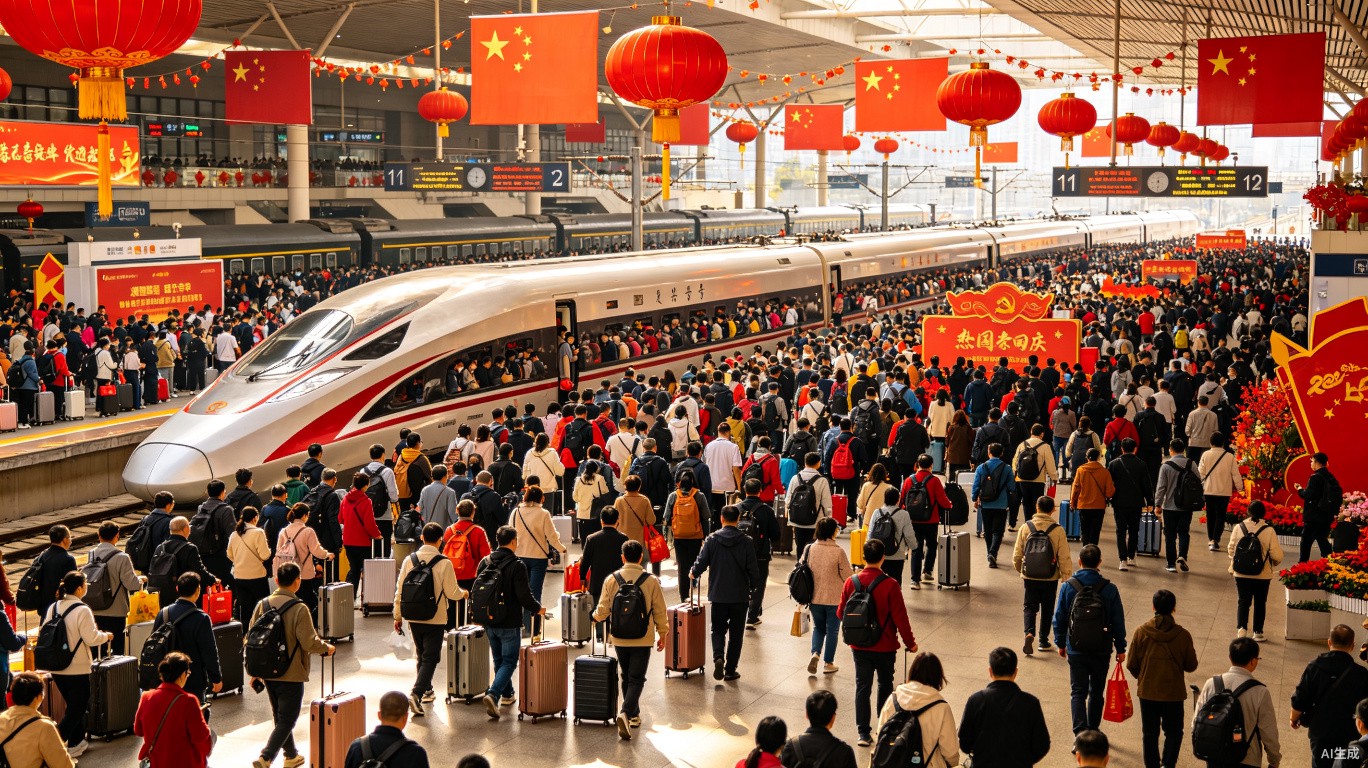
China Golden Week Travel Survival Guide
How to survive China's National Day Golden Week (October 1-7) - what to avoid, where to go, and how to beat the crowds.
9 min read
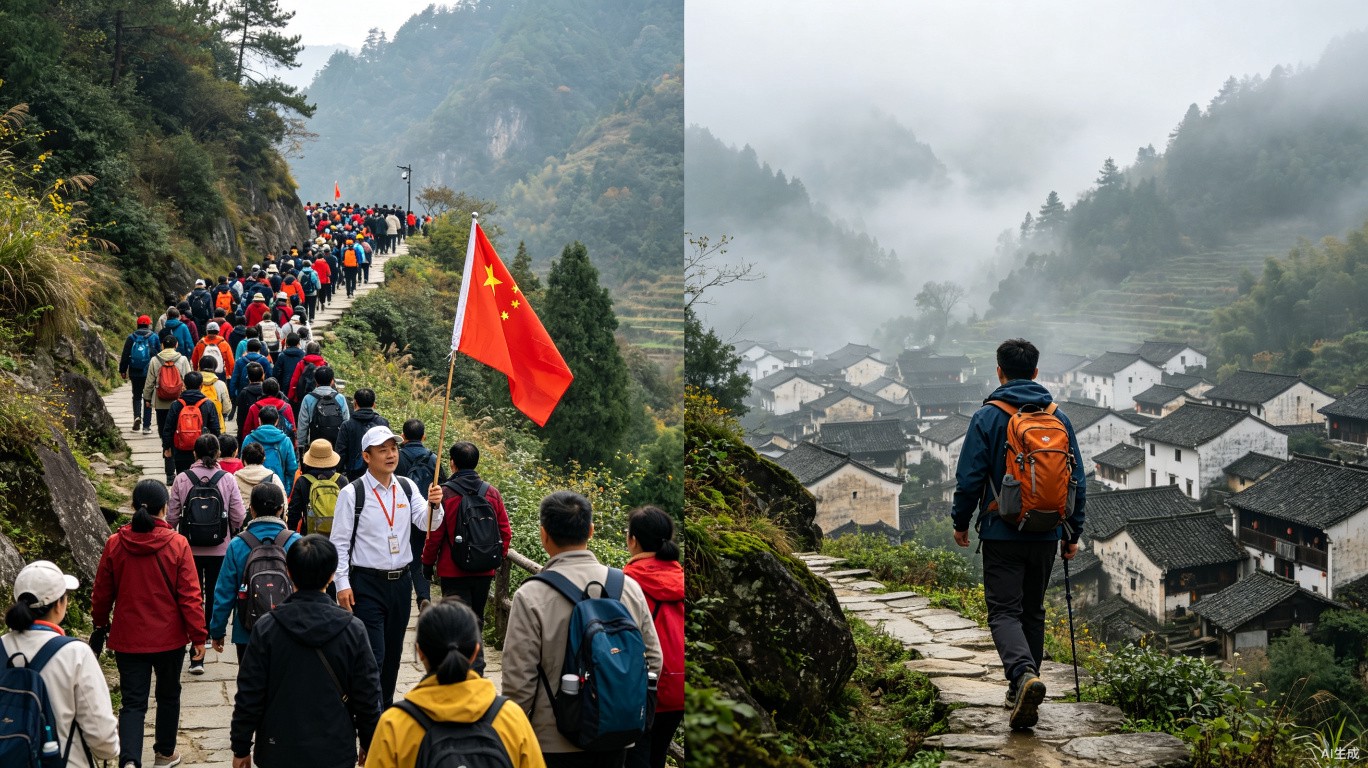
China Group Tours vs Independent Travel Which is Better
Should you join a guided tour or travel independently in China? Honest comparison of cost, flexibility, and experience.
7 min read
China Itinerary Planning: 7-Day 14-Day and 21-Day Routes: The Complete 2026 G...
Not sure how many days to spend in China? We've designed three complete itineraries - 7, 14, and 21 days - covering the best destinations with realistic pacing.
9 min read