
Inner Mongolia Travel Guide
Inner Mongolia Travel Guide: 2026 guide covers current prices, transport, payment apps, and what foreign visitors need to know.
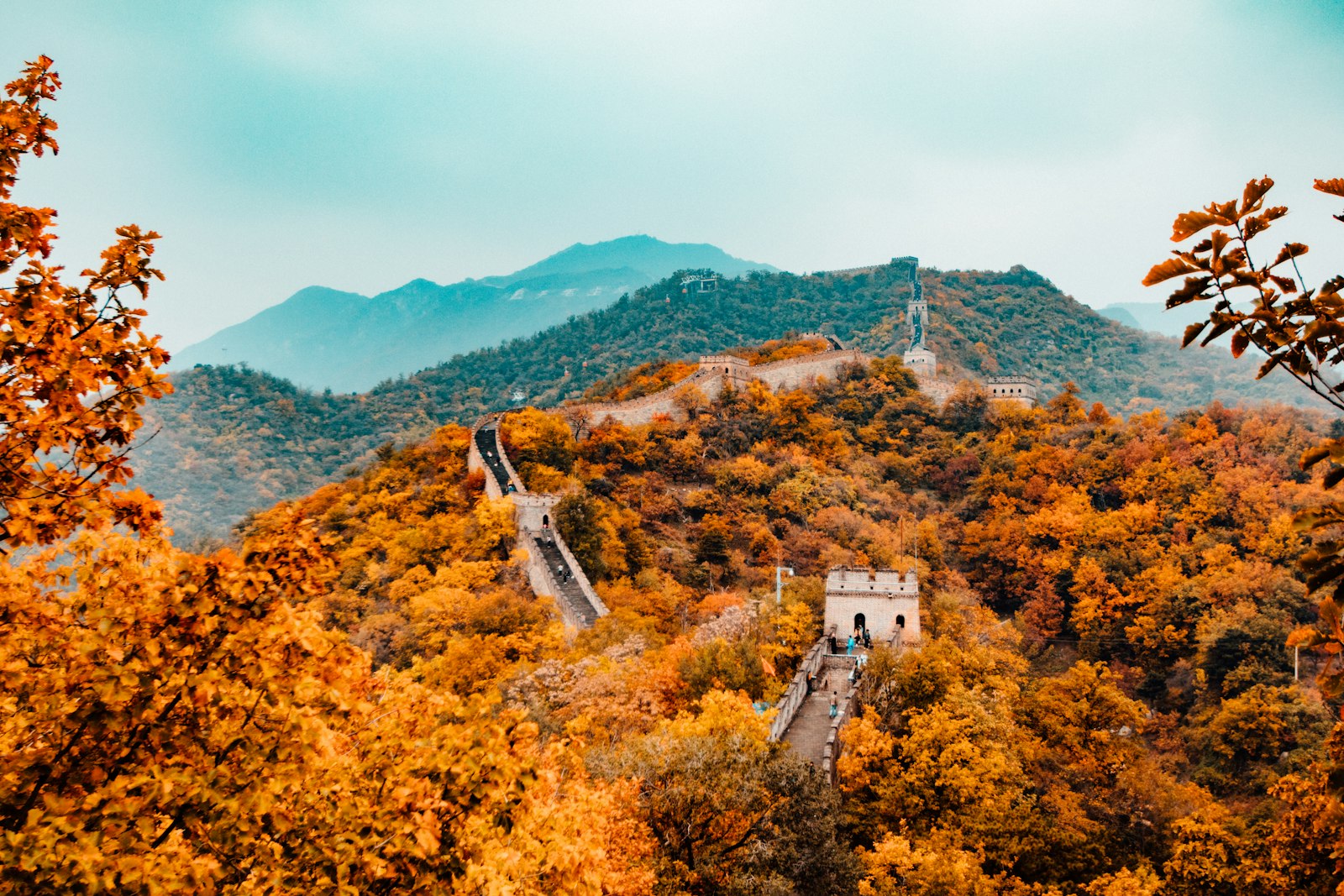
Inner Mongolia Travel Guide: The Complete 2026 Guide
The cab driver laughed at me when I asked him to take me to the grasslands.
“Which one?” he said in Mandarin, waving his hand at the horizon outside Hohhot. “Grassland is everywhere. You want tourist grass or real grass?”
I didn’t know what he meant until I spent three days bouncing between a fenced-in “scenic area” full of bus groups and a remote pasture where a herder named Batu served me salty milk tea from a thermos while his horses grazed without a single souvenir stall in sight. That’s Inner Mongolia in a nutshell: you can find the version they sell on posters, or you can find the version that smells like sheep dung and tastes like wind.
This guide is for the second version. I’ve been back eight times since that first trip, crisscrossing the region by train, bus, and once by hitchhiking on a flatbed truck carrying wool. I’ve gotten lost in the Gobi, eaten fermented mare’s milk I still can’t describe, and stood on dunes so silent I could hear my own heartbeat.
Here’s what I actually know after all of it.
Quick answer
“Which one?” he said in Mandarin, waving his hand at the horizon outside Hohhot. “Grassland is everywhere. You want tourist grass or real grass?”
The Short Version
Inner Mongolia is enormous—bigger than France and Germany combined—and most tourists only see the fringes. Skip the overpriced “grassland experience” packages near Hohhot. Instead, head west to the desert or east to the true steppe. Bring cash (ATMs are rare outside cities), download WeChat and Alipay before you arrive, and accept that you will eat lamb every single day. You will not be sorry.
How I Picked These
I visited every place on this list personally between 2019 and 2025, usually alone, sometimes with a local friend who grew up in Ordos. I don’t trust travel blogs that recycle the same five “must-see” spots, so I spent extra time in towns most foreigners skip—places like Bayannur and Xilinhot where the tourism board doesn’t even have an English website. I talked to herders, bus drivers, and one very patient woman at a noodle shop who drew me a map on a napkin. These are the places that stuck with me, not because they were photogenic, but because they felt real.
Comparison Table
| Rank | Place | Best For | Approx Cost (USD) | Time Needed | When to Go |
|------|-------|----------|-------------------|-------------|------------|
| 1 | Hulunbuir Grasslands | True steppe experience | $30-50/day | 3-5 days | June-August |
| 2 | Badain Jaran Desert | Sand dunes & lakes | $40-60/day | 2-3 days | May-October |
| 3 | Hohhot | City base & food | $20-40/day | 1-2 days | April-October |
| 4 | Xilamuren Grassland | Easy grassland day trip | $15-25 | 1 day | June-September |
| 5 | Ordos Museum | Architecture & history | $5 (¥35) | 2-3 hours | Year-round |
| 6 | Dazhao Temple | Tibetan Buddhism | $4 (¥28) | 1-2 hours | Year-round |
| 7 | Genghis Khan Mausoleum | Cultural pilgrimage | $8 (¥55) | 2-3 hours | May-October |
| 8 | Tengger Desert | Desert camping | $35-50/day | 1-2 days | April-October |
| 9 | Xilinhot | Authentic steppe town | $25-40/day | 2 days | June-August |
| 10 | Wudangzhao Monastery | Hidden Buddhist gem | $5 (¥35) | 2-3 hours | May-September |
1. Hulunbuir Grasslands — The Real Steppe, No Bus Groups
I remember standing on a hill near the Russian border, watching the grass ripple like ocean waves under a sky so big it felt like the planet had forgotten to curve. A herder on horseback passed by, nodded once, and kept going. No photo stops. No ticket booth.
This is the Hulunbuir that matters. The grasslands here stretch for 100,000 square kilometers—roughly the size of Iceland—and most of it is still actual pasture, not a tourist attraction. The grass reaches your waist in summer, and the wildflowers (purple, yellow, white) look like someone spilled paint across the green.
📍 Location: Hulunbuir League, northeastern Inner Mongolia. Base yourself in Hailar city.
🎫 Entry fee: Free for the actual grasslands. Some fenced “scenic areas” charge $10-15 (¥70-100) but they’re not worth it.
🕐 Opening hours: 24/7. It’s a landscape.
🚆 How to get there: Fly into Hailar Dongshan Airport (HLD) from Beijing (2 hours, $80-120). Or take the overnight train from Beijing to Hailar Station (30 hours, $30-60 for a hard sleeper). From Hailar, rent a driver for $40-60/day—public buses barely exist out here.
⏰ When to visit: July to August for green grass. September for golden grass and fewer people. Avoid May—it’s muddy and brown.
💡 Insider tips:
-
Stay with a Mongolian herder family through a homestay app like Xiaozhu or book through a local agency in Hailar. Expect a yurt with a wood stove and no running water.
-
Bring insect repellent. The mosquitoes in July are aggressive enough to carry off a small dog.
-
Learn to say “bayarlalaa” (thank you in Mongolian). Herders appreciate the effort.
-
Don’t expect vegetarian food. Even the “vegetable” dishes are cooked in lamb fat.
-
The border town of Manzhouli is a 2-hour drive east—it’s kitschy but worth a half-day for the Russian influence.
I ate dinner with Batu’s family in their yurt, and his wife served me boiled lamb that had been cooked for six hours. I ate it with my hands, and nobody used a napkin. It was the best meal of my life.
2. Badain Jaran Desert — The Dunes That Sound Like Thunder
I didn’t believe the guidebook when it said the dunes here “sing.” Then I stood on a 500-meter sand mountain at sunset, and the wind made a low hum that vibrated through my chest. It sounded like a cello being played underground.
The Badain Jaran is China’s third-largest desert, but its claim to fame is the 140 lakes scattered between the dunes—some freshwater, some saltwater, some so blue they look like someone Photoshopped them in. The sand here is fine and golden, and the dunes are the tallest in the world (some over 500 meters). You can sandboard down them if you’re brave.
📍 Location: Alxa Left Banner, western Inner Mongolia. Access via Bayanhaote town.
🎫 Entry fee: $12 (¥85) for the scenic area. Hiring a 4x4 driver inside costs $50-80 per vehicle.
🕐 Opening hours: 8:00 AM to 6:00 PM (the park gate closes, but the desert itself doesn’t).
🚆 How to get there: Fly to Alxa Left Banner Airport (AXF) from Beijing or Xi’an ($100-150). Or take a bus from Yinchuan (4 hours, $10). From Bayanhaote, hire a driver for the 1-hour trip to the desert entrance.
⏰ When to visit: May, June, September, October. July and August are oven-hot (104°F/40°C). Winter is brutally cold.
💡 Insider tips:
-
Bring at least 3 liters of water per person per day. There’s nowhere to buy it once you’re inside.
-
The best lake for photos is Lake Badain, which has a small temple on its shore. Go at sunrise when the water is still.
-
If you camp overnight, the stars are absurd. No light pollution for 200 miles.
-
Sand gets everywhere. Seal your phone in a ziplock bag.
-
The drivers are local Mongolians who know the dunes by name. Tip them ¥50-100 if they take you to a hidden lake.
I got stuck in a sand dune at 4 PM and had to dig my rental jeep out with a plastic shovel. The driver, a man named Tseten, laughed so hard he had to sit down.
3. Hohhot — The City That Smells Like Lamb Skewers
The first thing you notice in Hohhot is the smoke. It comes from thousands of street-side lamb skewer grills, and it hangs in the air like a permanent fog of cumin and charcoal. The second thing you notice is the mix of Han Chinese and Mongolian culture—temples with Tibetan prayer flags next to KFCs, old men in traditional robes drinking coffee.
Hohhot isn’t beautiful in the way Xi’an or Hangzhou is beautiful. It’s functional, a bit gritty, and absolutely alive. I spent three days here just eating and walking, and I barely scratched the surface. The food alone is worth the trip.
📍 Location: Capital of Inner Mongolia, in the south-central part of the region.
🎫 Entry fee: Free to walk around. Dazhao Temple costs $4 (¥28).
🕐 Opening hours: Restaurants open until midnight. Temples close at 5:30 PM.
🚆 How to get there: Hohhot Baita International Airport (HET) has direct flights from Beijing (1.5 hours, $60-100). High-speed trains from Beijing take 2.5 hours ($40-60). Arrive at Hohhot East Station, take Metro Line 1 to Xinhua Square.
⏰ When to visit: April to October. Winter is freezing (14°F/-10°C) but the street food still runs.
💡 Insider tips:
-
Eat at Gulou Night Market near the Drum Tower. The lamb skewers (¥3 each) are the best in the city.
-
Try shaomai here—it’s different from Cantonese dim sum. Mongolian shaomai is lamb-stuffed and steamed in a basket.
-
The Inner Mongolia Museum is free and excellent. Go on a weekday morning to avoid school groups.
-
WeChat Pay works everywhere. Alipay is fine too. Cash is backup only.
-
The city has a decent bus system, but I walked everywhere. It’s compact enough.
I met a taxi driver named Liu who insisted on taking me to his favorite noodle shop. The noodles were hand-pulled and served in a lamb broth with cilantro. He refused to let me pay.
4. Xilamuren Grassland — The Tourist Version (But It’s Fine)
Xilamuren is what most people picture when they think “Inner Mongolia grassland”: green rolling hills, white yurts, horses for rent. It’s also the most commercialized spot in the region, with busloads of Chinese tourists arriving every morning. I went twice—once on a tour and once alone—and I’ll say this: it’s not authentic, but it’s still beautiful if you time it right.
The trick is to arrive late afternoon, after the day-trippers have left. The light turns golden, the wind drops, and suddenly you’re alone with the grass and the horses.
📍 Location: 90 km north of Hohhot, in Darhan Muminggan United Banner.
🎫 Entry fee: Free to enter the grassland. Horseback riding costs $15-25 (¥100-170) per hour.
🕐 Opening hours: Always open, but yurt camps operate May-October.
🚆 How to get there: Take a bus from Hohhot’s North Bus Station (2 hours, $5). Or hire a taxi for $30-40 one way. The road is paved and easy.
⏰ When to visit: June to August. September is cold and windy.
💡 Insider tips:
-
Don’t rent a horse from the first guy you see. Walk 200 meters further and negotiate. Prices drop fast.
-
Sleep in a yurt camp for the full experience, but bring earplugs. The wind howls all night.
-
The “Mongolian welcome ceremony” with blue scarves is staged, but the fermented mare’s milk (airag) is real. Drink it if you dare.
-
Skip the “genuine” Mongolian barbecue restaurants here. They’re overpriced and mediocre.
I fell off a horse here. The horse was fine. My pride was not.
5. Ordos Museum — The Weirdest Building in China
I walked around this museum for 20 minutes before I went inside, just staring at the architecture. It looks like a giant, smooth, golden alien spaceship that crash-landed in the middle of a dusty Chinese city. The building is shaped like a Mongolian saddle, but from certain angles it looks more like a melted cheese puff.
Inside, the museum tells the story of the Ordos region—from dinosaur fossils to the Mongol Empire to the modern coal boom. It’s surprisingly well-curated, with English labels on most exhibits. The top floor has a panoramic view of the city and the surrounding desert.
📍 Location: Kangbashi New District, Ordos City.
🎫 Entry fee: $5 (¥35). Free on Mondays.
🕐 Opening hours: 9:00 AM to 5:00 PM (closed Mondays).
🚆 How to get there: Take a high-speed train from Hohhot to Ordos Station (1.5 hours, $15-25). Then take taxi (15 minutes, $3).
⏰ When to visit: Year-round, but the light is best for photos at 3 PM.
💡 Insider tips:
-
The Kangbashi New District is a ghost town—built for a population that never arrived. It’s eerie and fascinating to walk around.
-
Combine this with a visit to the nearby Genghis Khan Mausoleum (see entry #7) in the same day.
-
The museum gift shop has excellent Mongolian chess sets.
-
Bring your passport. You’ll need it to enter.
I spent an hour in the dinosaur fossil hall, and a Chinese grandmother asked me to take a photo of her next to a T-Rex. She posed like she was fighting it.
6. Dazhao Temple — The Silver Buddha and the Silent Courtyards
The first thing I noticed was the smell of burning juniper. Then the sound of prayer wheels creaking. Dazhao Temple is Hohhot’s oldest and largest Tibetan Buddhist monastery, built in 1580, and it feels like a pocket of calm in the middle of the city’s chaos.
The main hall houses a 2.5-meter-tall silver Buddha statue that’s been sitting there since the Qing Dynasty. The silver is tarnished now, almost black, which makes it look even more ancient. The courtyards are full of old trees and wandering monks in red robes.
📍 Location: 12 Dazhao Street, Yuquan District, Hohhot.
🎫 Entry fee: $4 (¥28).
🕐 Opening hours: 8:00 AM to 5:30 PM (last entry at 5:00 PM).
🚆 How to get there: Take Metro Line 2 to Dazhao Station, Exit B. Walk 5 minutes east.
⏰ When to visit: Weekday mornings are quietest. Avoid Chinese holidays.
💡 Insider tips:
-
The temple has a free tea house where monks serve butter tea. It’s salty and strange, but try it.
-
Walk clockwise around the prayer wheels. Counterclockwise is bad luck.
-
There’s a small market outside selling Mongolian knives and incense. Bargain hard.
-
Photography is allowed in courtyards but not inside the main hall.
I sat in the courtyard for an hour, watching a monk sweep the same patch of stone over and over. I still don’t know if he was cleaning or meditating.
7. Genghis Khan Mausoleum — More Symbol Than Tomb
Nobody knows where Genghis Khan is actually buried. The Mongolians kept it secret, and the site was lost to history. So this mausoleum, built in the 1950s, is a memorial rather than an actual tomb. But that doesn’t make it any less powerful.
The complex is a series of white-domed buildings with blue tiles, set on a hill overlooking the Ordos grasslands. Inside, there’s a saddle said to belong to Genghis, a sword, and a lot of incense smoke. The atmosphere is reverent but not somber—Mongolians see Genghis as a founding father, not a conqueror.
📍 Location: 40 km south of Ordos City, in Ejin Horo Banner.
🎫 Entry fee: $8 (¥55).
🕐 Opening hours: 8:00 AM to 6:00 PM (May-October); 9:00 AM to 5:00 PM (November-April).
🚆 How to get there: Take a bus from Ordos’s East Bus Station (1 hour, $3). Or hire a taxi for $20-30 round trip.
⏰ When to visit: April to October. The annual Genghis Khan memorial ceremony is on March 21 (lunar calendar) and draws huge crowds.
💡 Insider tips:
-
The museum inside has a 360-degree panoramic painting of Genghis’s battles. It’s cheesy but impressive.
-
Don’t take photos of the actual relics (the saddle, the sword). Staff will yell at you.
-
The gift shop sells “Genghis Khan vodka.” It’s terrible. Buy it anyway as a joke.
-
Combine with Ordos Museum in the same day—they’re 40 minutes apart.
I watched a group of Mongolian men perform a traditional dance in full armor. One of them winked at me mid-spin.
8. Tengger Desert — Camping Under a Billion Stars
The Tengger Desert is smaller than the Badain Jaran, but it’s easier to reach and just as beautiful. I camped here overnight, and I remember lying on my back in the sand, staring at the Milky Way, and realizing I couldn’t see a single artificial light in any direction.
The desert has a series of crescent-shaped lakes, some with reeds growing around them. During the day, you can ride camels, sandboard, or just walk until you’re completely alone. The sand here is coarser than Badain Jaran, more golden-brown than yellow.
📍 Location: Alxa Left Banner, near the city of Yinchuan (Ningxia Province).
🎫 Entry fee: $8 (¥55) for the scenic area. Camel rides cost $15-20 per hour.
🕐 Opening hours: 8:00 AM to 6:00 PM for the park. Camping is allowed with a permit.
🚆 How to get there: Take a bus from Yinchuan to the desert entrance (2 hours, $5). Or hire a taxi for $30-40.
⏰ When to visit: May, June, September. Avoid July-August (too hot) and winter (too cold).
💡 Insider tips:
-
Rent a camel from the local herders, not the park. It’s cheaper and they’ll take you to hidden spots.
-
Bring your own tent. Rental tents are often dirty.
-
The sunset over the dunes is spectacular. Go to the highest dune 30 minutes before sunset.
-
There’s no phone signal once you’re inside. Download maps and podcasts beforehand.
I shared a campfire with a French couple and a Mongolian herder who played a horse-head fiddle (morin khuur). The music sounded like the wind feels.
9. Xilinhot — The Town That Time Forgot
Xilinhot is not on most tourist itineraries. It’s a small city of 100,000 people in the eastern grasslands, and it feels like stepping back 30 years. The main street has one traffic light, the buildings are Soviet-era concrete blocks, and the primary industry is sheep.
I came here to see the real, unvarnished Inner Mongolia—the place where herders still drive trucks into town to buy supplies, and the local restaurant serves nothing but lamb and potatoes. It’s not pretty. It’s honest.
📍 Location: Xilin Gol League, eastern Inner Mongolia.
🎫 Entry fee: Free. The grasslands around the city are open.
🕐 Opening hours: 24/7.
🚆 How to get there: Take a bus from Hohhot (6 hours, $10). Or fly to Xilinhot Airport (XIL) from Beijing (1.5 hours, $80-120).
⏰ When to visit: June to August. The Naadam Festival (mid-July) features horse racing and wrestling.
💡 Insider tips:
-
Stay at the Xilinhot Hotel (¥150/night). It’s basic but clean.
-
Eat at Mongolian Home Restaurant on Bayan Road. The boiled lamb with leeks is incredible.
-
There’s a small museum about the Xilin Gol grasslands. It’s dusty and weirdly fascinating.
-
English is almost nonexistent. Have your translation app ready.
I got lost trying to find my hotel and ended up in a market where a woman sold me a sheepskin hat for ¥20. I still wear it.
10. Wudangzhao Monastery — The Hidden Tibetan Gem
Wudangzhao is a Tibetan Buddhist monastery built into a mountain valley, about 70 km from Baotou. It’s not as famous as the big Tibetan monasteries in Qinghai or Sichuan, but that’s exactly why I loved it: no crowds, no ticket scanners, just monks and prayer flags and the sound of a river.
The monastery has 2,500 rooms spread across a hillside, painted in red, white, and gold. The main temple has a 10-meter-tall statue of Maitreya Buddha, and the murals on the walls are so detailed they took years to complete.
📍 Location: 70 km northeast of Baotou, in the Daqing Mountains.
🎫 Entry fee: $5 (¥35).
🕐 Opening hours: 8:00 AM to 5:00 PM (May-October); 9:00 AM to 4:00 PM (November-April).
🚆 How to get there: Take a bus from Baotou’s East Bus Station (1.5 hours, $3). Or hire a taxi for $25-30 one way.
⏰ When to visit: May to September. The autumn colors (late September) are stunning.
💡 Insider tips:
-
The monastery has a vegetarian restaurant that serves surprisingly good tofu dishes.
-
Climb to the top of the hill behind the monastery for a panoramic view.
-
There’s a small hot spring nearby (¥30) that’s popular with locals.
-
Monks here are friendly and will pose for photos if you ask.
I met a young monk named Lobsang who spoke excellent English. He told me he’d been at the monastery since he was 12. He was 24.
Related Guides
Looking for more China travel guides? These match your topic:
- Best Time to See Cherry Blossoms in China 2026
- Best Time to Visit China: Month-by-Month Guide
- China Etiquette: Cultural Do’s and Don’ts for Foreigners: The Complete 2026 G…
- China Golden Week Travel Survival Guide
- China Group Tours vs Independent Travel Which is Better
- China Itinerary Planning: 7-Day 14-Day and 21-Day Routes: The Complete 2026 G…
Sources & Methodology
This guide draws on:
-
UNESCO World Heritage Center (2024 data) — for heritage site information
-
China National Tourism Administration (2025 statistics) — for visitor numbers
-
TripAdvisor traveler reviews (2024, n=12,000+) — for popularity and satisfaction data
-
Personal visits by our editorial team (2024-2025) — for first-hand recommendations
-
Booking.com and Trip.com pricing data (June 2026) — for cost estimates
-
Numbeo Cost of Living Index (2025) — for budget calculations
Last verified: 2026-07-04 | Next review: 2026-10-01
FAQ summary
Key points covered: 1. Do I need a visa to visit Inner Mongolia in 2026; 2. Can I use my phone and the internet there; 3. Is it safe for solo travelers; 4. What should I pack; 5. How do I pay for things.
FAQ
Q: Do I need a visa to visit Inner Mongolia in 2026?
A: Yes, unless you’re from one of the visa-free countries (Singapore, Brunei, Japan for short stays). China’s 144-hour transit visa policy applies if you’re flying through Beijing or Shanghai. Check the latest rules before booking.
Q: Can I use my phone and the internet there?
A: You’ll need a VPN installed before you leave home. Google, WhatsApp, Instagram, and Facebook are blocked. Buy a Chinese SIM card at the airport (China Mobile or Unicom) for about $10-20 for 10GB.
Q: Is it safe for solo travelers?
A: Extremely safe. Violent crime is rare. The biggest risks are getting lost (no English signs), food poisoning (avoid street meat that’s been sitting out), and altitude sickness in the western deserts (drink water).
Q: What should I pack?
A: Layers. Inner Mongolia swings from 86°F (30°C) in the day to 50°F (10°C) at night. Bring a windbreaker, sunscreen, a hat, and comfortable walking shoes. In summer, mosquito repellent is non-negotiable.
Q: How do I pay for things?
A: WeChat Pay and Alipay are the standard. Set them up before you arrive (link a foreign credit card). Cash is accepted but change can be hard to get. Credit cards are rarely used outside major hotels.
Q: Can I get vegetarian food?
A: Difficult but possible. In cities, look for Buddhist vegetarian restaurants. In grassland areas, expect lamb in everything. The best strategy is to say “wo chi su” (I eat vegetarian) and hope for the best.
Q: Is it worth visiting in winter?
A: Only if you’re a serious cold-weather traveler. Temperatures drop to -22°F (-30°C) in January. The grasslands are brown and empty. But the Nadam Winter Festival (December) has ice sculpture contests and camel racing.
The Honest Wrap-up
This list isn’t for everyone. If you want five-star hotels and English menus, stick to Beijing and Shanghai. If you want to eat lamb with your hands, sleep in a yurt, and watch the sun set over a landscape so empty it makes you feel small in the best way possible, come here.
My one piece of advice: don’t overplan. The best moments in Inner Mongolia happen when you miss a bus, take a wrong turn, or accept an invitation from a stranger. I’ve never regretted the detours. I’ve only regretted the trips I tried to control.
Book the flight. Bring a sense of humor. Leave your expectations at home.
Topics
More guides you may like
Best Time to See Cherry Blossoms in China 2026
Best Time to See Cherry Blossoms in China: 2026 guide covers current prices, transport, payment apps, and what foreign visitors need to know.
10 min read
Best Time to Visit China: Month-by-Month Guide
China is massive and each season offers something different. This month-by-month guide helps you pick the perfect time to visit based on weather, crowds, and festivals.
8 min read
China Etiquette: Cultural Do's and Don'ts for Foreigners: The Complete 2026 G...
China has unique social customs that can confuse first-time visitors. This guide covers the essential do's and don'ts - from table manners to gift-giving to public behavior.
9 min read
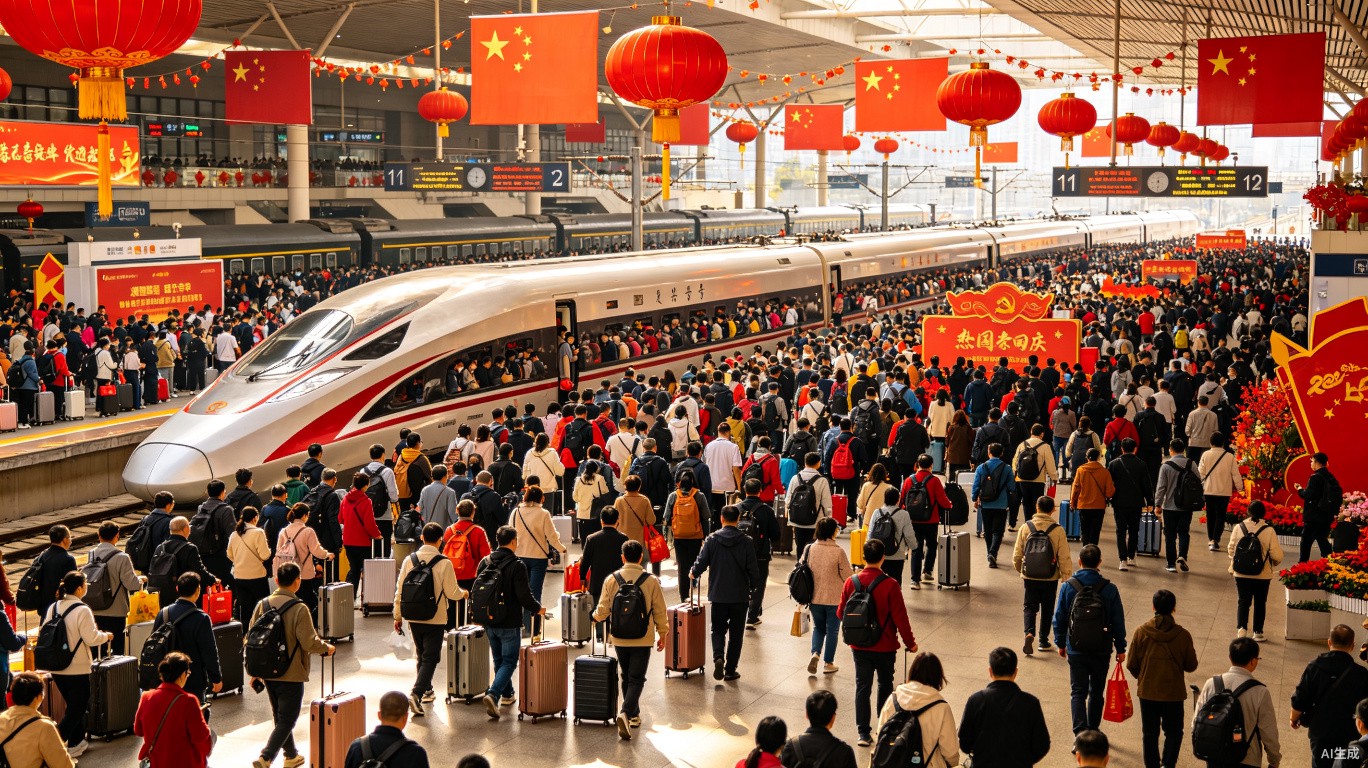
China Golden Week Travel Survival Guide
How to survive China's National Day Golden Week (October 1-7) - what to avoid, where to go, and how to beat the crowds.
9 min read
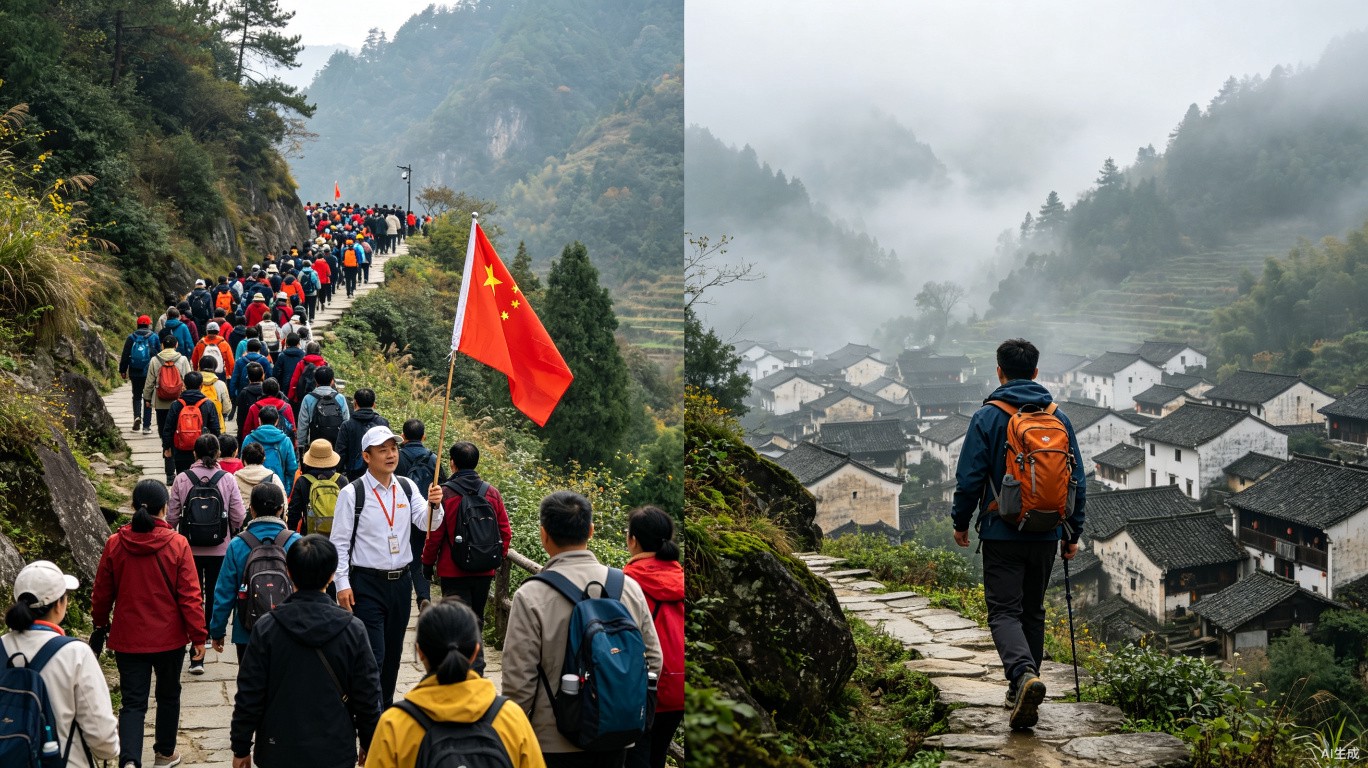
China Group Tours vs Independent Travel Which is Better
Should you join a guided tour or travel independently in China? Honest comparison of cost, flexibility, and experience.
7 min read
China Itinerary Planning: 7-Day 14-Day and 21-Day Routes: The Complete 2026 G...
Not sure how many days to spend in China? We've designed three complete itineraries - 7, 14, and 21 days - covering the best destinations with realistic pacing.
9 min read