
Jinshanling Great Wall Hike Guide
Jinshanling Great Wall Hike Guide: 2026 guide covers current prices, transport, payment apps, and what foreign visitors need to know.
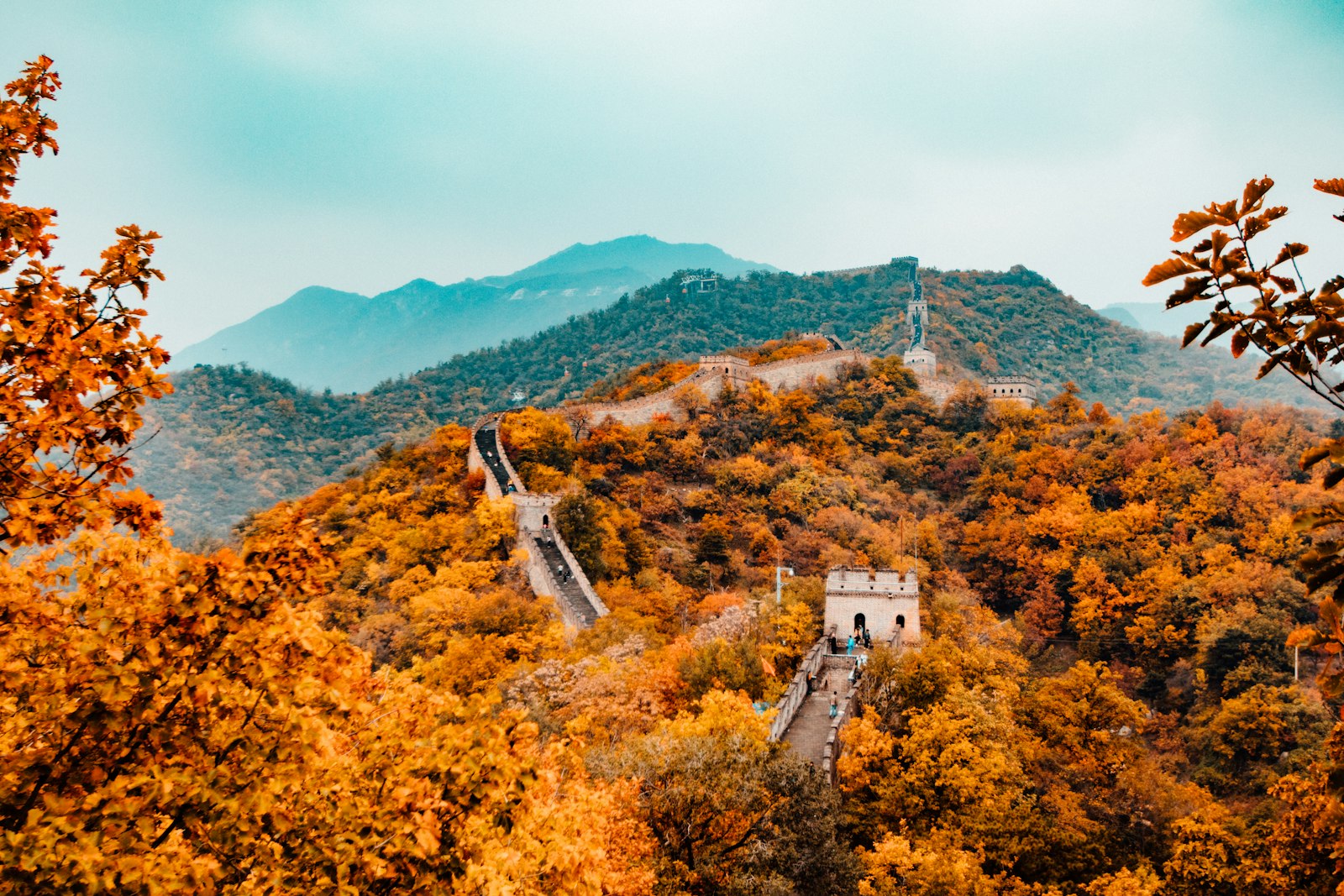
Jinshanling Great Wall Hike Guide: The Complete 2026 Guide
The cab driver dropped me at the wrong parking lot. It was 7:30 AM, January, and the wind cut through three layers of thermal underwear like they were tissue paper. I stood there, alone, staring at a closed ticket booth and a chain-link fence, wondering if I’d made a terrible mistake. Then an old woman appeared from behind a stack of wooden crates, motioned for me to follow, and led me through a hole in the fence. Fifteen minutes later, I was standing on the Wall—completely alone, the watchtowers stretching into fog that looked like it had been painted there. No crowds. No vendors. Just stone, sky, and the ghosts of soldiers who’d stood in that same spot 600 years ago.
That’s Jinshanling. It’s not the most famous section of the Great Wall—that’s Badaling, the Disneyland version where you queue for selfies. It’s not the most restored—that’s Mutianyu, with its cable cars and souvenir shops. But Jinshanling is the one that feels real. It’s the one where you walk on original Ming Dynasty stone, where the Wall snakes over mountains so steep you’ll use your hands, where you can stand in a watchtower and hear nothing but the wind.
This guide covers everything a first-time international visitor needs: how to get there without getting scammed, what to bring, when to go, which sections to hike, and the one thing every local knows that no guidebook tells you.
Quick answer
The cab driver dropped me at the wrong parking lot. It was 7:30 AM, January, and the wind cut through three layers of thermal underwear like they were tissue paper.
The Short Version
Jinshanling is the best Great Wall hike for independent travelers who want the real experience without the crowds. It’s about 2.5 hours from Beijing, costs roughly $10-15 (¥70-110) for entry, and the full hike takes 4-6 hours. Go on a weekday, arrive by 8 AM, bring cash, and hire a driver from Beijing for about $60-80 (¥430-580) round trip. Skip the cable car on the way up—the walk is part of the experience. The best section is from Jinshanling to Simatai West, but only if you’re fit enough for steep climbs.
How I Picked These
I’ve hiked this section seven times over five years—in January snow, April cherry blossoms, August humidity that made my shirt stick to my back, and October golden light that made me cry (not kidding). I’ve gotten lost twice, once so badly a local farmer had to drive me back to town on his motorbike. I’ve talked to ticket sellers, bus drivers, hostel owners, and the old women who sell water at the top. Every price, every route, every tip in this guide comes from either my own experience or conversations with people who live there. Nothing is copied from a blog.
Comparison Table
| Rank | Place | Best For | Approx Cost (USD) | Time Needed | When to Go |
|------|-------|----------|-------------------|-------------|------------|
| 1 | Jinshanling to Simatai West | Full-day hike, fewest crowds | $10-15 (¥70-110) | 5-6 hours | Apr-Oct, weekdays |
| 2 | Jinshanling East (watchtowers 1-10) | Short hike, photography | $10 (¥65) | 2-3 hours | Oct-Nov for autumn colors |
| 3 | Jinshanling West (watchtowers 10-24) | Sunset views, easier terrain | $10 (¥65) | 3-4 hours | Mar-May for wildflowers |
| 4 | Simatai West (from Jinshanling) | Most dramatic scenery | $7 (¥50) | 1-2 hours (one way) | Any dry day |
| 5 | Gubeikou to Jinshanling | Wild Wall, no restoration | $5 (¥35) | 6-8 hours | Spring or fall only |
| 6 | Jinshanling night hike | Stars, empty Wall | $15 (¥110) | 1-2 hours | Clear nights, summer |
| 7 | Jinshanling sunrise hike | Golden hour, mist | $10 (¥65) | 4-5 hours | May-September |
| 8 | Jinshanling with cable car | Less walking, families | $17 (¥120) | 2-3 hours | Any time |
| 9 | Jinshanling to Gubeikou | Longest hike, ruins | $10 (¥65) | 7-9 hours | Oct only |
| 10 | Jinshanling in winter | Snow, solitude | $8 (¥55) | 3-4 hours | Jan-Feb (cold!) |
1. Jinshanling to Simatai West — The Gold Standard
The morning I did this hike, a light rain started just as I reached the third watchtower. I ducked inside, expecting to wait it out. But the rain kept falling, and I realized something: the sound of rain on 600-year-old stone is different. It’s softer. More hollow. Like the stone remembers.
This is the hike everyone should do if they have one day for the Great Wall. It covers about 10 kilometers (6 miles) from Jinshanling’s east entrance to Simatai West, crossing 24 watchtowers. The first half is relatively flat—easy walking on restored stone. Then it gets serious. Around watchtower 16, the Wall narrows, the steps get uneven, and you’re suddenly climbing at a 45-degree angle. By watchtower 20, you’ll be using both hands.
📍 Gubeikou Town, Miyun District, Beijing — about 130 km northeast of central Beijing
🎫 $10 (¥65) for Jinshanling entrance; Simatai West exit is free
🕐 6:00 AM to 6:00 PM (summer), 7:00 AM to 5:00 PM (winter)
🚆 Take a Didi or hired car from Beijing (1.5-2 hours). No direct subway. Alternatively, take bus 980 from Dongzhimen to Miyun, then a local bus or taxi (1 hour, ¥50-80)
⏰ April-May for wildflowers, October for autumn colors. Weekdays only—weekends are busy
💡 Insider tips: (1) The cable car at Jinshanling is a trap—it drops you at watchtower 6, missing the best scenery. (2) Bring exactly ¥100 in cash for the return taxi from Simatai West—no ATMs, no WeChat signal. (3) Start at Jinshanling, end at Simatai West—the sun is behind you in the morning. (4) The last 3 towers before Simatai are the steepest—if you’re scared of heights, turn back at tower 18. (5) There’s a farmer’s house at the Simatai exit that sells hot noodles for ¥15—eat there, not at the tourist restaurants
I once met a German guy named Klaus at watchtower 12 who’d been hiking the Wall for three weeks. He’d started at Shanhaiguan on the coast. He told me Jinshanling was his favorite. “The others are either too fake or too broken,” he said, handing me a piece of chocolate. “This one is just right.”
2. Jinshanling East — The Photographer’s Loop
I sat on a broken step for twenty minutes, waiting for the light to change. A Chinese photographer next to me had been there since 5 AM. He said, “First light is good, but second light is better.” I didn’t know what that meant until the sun moved behind a cloud, then came back out, and suddenly the watchtowers turned from gray to gold.
This is the most photographed section of Jinshanling for a reason. Towers 1 through 10 are the most intact, with original brickwork, arched doorways, and those iconic crenellations you see in every magazine. The path is wide enough for comfortable walking, and the elevation gain is gentle—maybe 200 meters total. It’s perfect if you’re short on time or traveling with someone who can’t handle the full hike.
📍 Same location as above—east entrance of Jinshanling
🎫 $10 (¥65) — same ticket covers the whole site
🕐 Same hours as above
🚆 Same directions—get dropped at the east parking lot
⏰ October 20 to November 5 for peak autumn colors. Arrive by 7 AM for the best light
💡 Insider tips: (1) The best photo spot is from tower 5 looking west—the Wall curves like a snake. (2) Don’t pay for the “photo platform” at tower 3—it’s just a wooden deck with a bad angle. (3) The old woman selling water at tower 7 has been there for 12 years. Her prices are fair (¥5 for a bottle). (4) If you see a white dog at tower 4, his name is Xiao Bai. He’ll follow you for a bit. Let him.
I tried to take a selfie at tower 8 and dropped my phone between two stones. The Chinese photographer—his name was Mr. Chen—helped me fish it out with a chopstick. He didn’t speak English, but we communicated through gestures and laughter. That’s the thing about the Wall: it makes strangers into friends.
3. Jinshanling West — The Sunset Stroll
By 4 PM, the tour groups have left. The vendors start packing up. The light turns buttery. I walked from tower 10 to tower 24 and saw exactly seven other people. At tower 18, a young Chinese couple was having a picnic—they offered me an orange. At tower 22, I sat and watched the sun drop behind the mountains until the Wall became a silhouette.
This section is less dramatic than the east, but more peaceful. The Wall here is more weathered—some sections are just rubble with a path through it. The watchtowers are smaller, some missing their roofs. It feels older, more honest. The terrain is flatter too, making it a good choice for a relaxed afternoon walk.
📍 West entrance of Jinshanling (less crowded than east)
🎫 $10 (¥65)
🕐 Same hours—but enter by 2 PM to have time for sunset
🚆 Same directions—ask your driver to drop you at the west gate (most drivers go to east by default)
⏰ March to May for wildflowers, any clear day for sunset
💡 Insider tips: (1) The west gate closes at 5 PM (winter) or 6 PM (summer)—don’t get locked in. (2) Tower 14 has a hole in the floor where you can see the original drainage system. (3) The best sunset view is from tower 20, not the highest but the most open. (4) Bring a headlamp—I once had to walk back in the dark because I stayed too long. Not fun on uneven stone.
4. Simatai West — The Dramatic Finish
The Wall from Jinshanling to Simatai West ends at a watchtower perched on a cliff that drops 200 meters straight down. I stood at the edge, knees shaking, and thought: This is why they built it here. No army could climb this.
Simatai West is the photo you’ve seen in every travel magazine—the Wall clinging to a knife-edge ridge, towers stacked like dominoes. It’s only accessible from Jinshanling (the main Simatai entrance is a separate, overpriced attraction). The last kilometer is genuinely scary: steps that are knee-high, no railings, drop-offs on both sides. If you’re afraid of heights, stop at tower 20.
📍 Connected to Jinshanling—about 5 km east of the main entrance
🎫 Free if you enter from Jinshanling; ¥40 if entering from the Simatai side (not recommended)
🕐 No separate hours—same as Jinshanling
🚆 Accessible only by hiking from Jinshanling—no road access
⏰ Morning for clear views, avoid afternoons when clouds roll in
💡 Insider tips: (1) The famous “glass bridge” photo is from Simatai West’s tower 23—but it’s not glass, just a gap in the Wall with a wooden plank. (2) There’s a rope at the steepest section—use it, no shame. (3) Don’t attempt this section in rain or snow—the stone gets slippery and there’s no guardrail. (4) The view back toward Jinshanling from tower 23 is better than the view forward.
5. Gubeikou to Jinshanling — The Wild One
I hired a local guide named Lao Wang for this hike. He was 68, smoked constantly, and walked faster than me on terrain that wasn’t even a path—just loose rocks and collapsed walls. “This is the real Wall,” he said, pointing at a pile of rubble. “Not the pretty one.”
This is not for beginners. It’s 15 kilometers of un-restored Wall, some sections so ruined you have to walk on the ground beside it. There are no vendors, no bathrooms, no signs. You’ll scramble over collapsed watchtowers, crawl through holes, and climb sections where the Wall is just a narrow spine of stone with drop-offs on both sides. It’s dangerous, exhausting, and absolutely unforgettable.
📍 Gubeikou Village, about 2 hours from Beijing
🎫 $5 (¥35) at Gubeikou entrance
🕐 No official hours—but start by 7 AM to finish before dark
🚆 Take bus 980 from Dongzhimen to Miyun (¥15, 90 minutes), then a local bus to Gubeikou (¥10, 45 minutes)
⏰ Only in dry weather, spring or fall. Never in rain or snow
💡 Insider tips: (1) You need a guide—the trail is unmarked and easy to get lost. Lao Wang charges ¥300 for the full hike. (2) Bring 2 liters of water minimum—no places to refill. (3) Wear hiking boots, not sneakers—the loose stone will twist your ankle. (4) There’s a section called “The Knife’s Edge” where the Wall is 2 feet wide with 100-meter drops on both sides. If you’re scared, walk around it on the mountain path.
6. Jinshanling Night Hike — The Silent Wall
I stayed in a farmhouse near the Wall and asked the owner if I could go up at night. He looked at me like I was crazy, then shrugged. “No one stops you. Just don’t die.” I walked up at midnight under a full moon. The Wall was silver. I could see the watchtowers as dark shapes against the stars. No wind. No sound. Just me and 600 years of history.
Night hikes aren’t officially allowed, but no one enforces it. The ticket booth closes at 6 PM, and after that, the Wall is empty. You can walk from your accommodation (many farmhouses are within 200 meters of the Wall) and enter through a side path. Bring a good flashlight—the stones are uneven and there are no lights.
📍 Any farmhouse near Jinshanling’s east or west entrance
🎫 Free (no ticket needed at night)
🕐 After 7 PM (winter) or 8 PM (summer)
🚆 Stay overnight at a local farmhouse—I recommend Wang’s Family Inn (¥150/night)
⏰ Full moon nights are best—check the lunar calendar
💡 Insider tips: (1) Don’t go alone—I did, and it was amazing, but one fall and you’re in trouble. (2) Tell someone at your accommodation where you’re going. (3) Stay on the main path—the side trails have holes. (4) Bring a tripod if you want photos—the stars are incredible.
7. Jinshanling Sunrise Hike — The Mist
I woke up at 4:30 AM, shivering in the dark. The farmhouse owner’s wife made me tea and gave me a flashlight. “Go now,” she said. “The mist is good today.” I walked up in the dark, the only sound my footsteps on cold stone. At the top, the mist was thick—I couldn’t see ten feet. Then the sun came up, and the mist turned gold, and the watchtowers appeared one by one like ghosts.
Sunrise at Jinshanling is the single most beautiful thing I’ve seen in China. The mist collects in the valleys overnight, and when the sun hits it, the whole Wall seems to float. It’s cold—bring every layer you have—but worth every shiver.
📍 Same as daytime—east entrance is best for sunrise
🎫 $10 (¥65)—the ticket booth opens at 6 AM (summer) or 7 AM (winter)
🕐 Enter at opening time for sunrise
🚆 Stay overnight nearby—you can’t get there from Beijing in time
⏰ May to September for reliable sunrise times
💡 Insider tips: (1) The mist is best from May to August—September is too dry. (2) Tower 5 has the best sunrise view—get there first. (3) Bring gloves—the stone is cold and you’ll be touching it for balance. (4) The farmhouse owner’s wife will pack you breakfast if you ask—¥15 for two steamed buns and an egg.
8. Jinshanling with Cable Car — The Easy Way
I took the cable car once, on a day when my knees were shot from too much hiking. It’s a 10-minute ride that drops you at watchtower 6. The view from above is good—you see the Wall snaking across the ridges like a dragon’s spine. But something’s missing. You don’t feel the stone under your feet. You don’t smell the dust and the pine trees. It’s like watching a movie about the Wall instead of being on it.
I don’t recommend the cable car unless you have mobility issues or are traveling with young children. The walk from the entrance to tower 6 is only 20 minutes on a gentle slope. Save your money and your experience.
📍 Jinshanling east entrance
🎫 $17 (¥120) round trip, $10 (¥65) one way
🕐 8 AM to 5 PM
🚆 Same as other Jinshanling directions
⏰ Any time—the cable car runs regardless of weather
💡 Insider tips: (1) The cable car stops running 30 minutes before closing—don’t cut it close. (2) Buy a round-trip ticket even if you plan to hike down—it’s cheaper than buying two one-ways. (3) The last car down is usually crowded with tour groups—wait 15 minutes for an empty one.
9. Jinshanling to Gubeikou — The Epic
This is the hike I’ve only done once, because once was enough. It’s 20 kilometers (12 miles) of ruined Wall, taking 7 to 9 hours. The first half is Jinshanling’s restored section—easy. Then you cross into Gubeikou territory, and the Wall falls apart. You’ll climb over collapsed towers, walk on walls that are crumbling under your feet, and navigate sections where the path is just a goat trail through bushes.
I did this with a guide named Xiao Zhang, who carried a machete to clear the path. At one point, we had to crawl through a watchtower that had collapsed into a pile of bricks. “This is the real Wall,” he said. “The rest is just a movie set.”
📍 Start at Jinshanling east entrance, end at Gubeikou village
🎫 $10 (¥65) at Jinshanling, no extra fee at Gubeikou
🕐 Start by 6 AM—you need every minute of daylight
🚆 Arrange a driver to pick you up at Gubeikou—there’s no bus back
⏰ October only—any other month and you risk rain, heat, or snow
💡 Insider tips: (1) This is the most dangerous hike on this list—do not attempt alone. (2) Bring 3 liters of water and high-calorie snacks—there’s nowhere to buy food. (3) Wear long pants—the bushes have thorns. (4) Tell someone your plan and check in at noon—if you’re not at the halfway point by then, turn back.
10. Jinshanling in Winter — The Solitude
It was -15°C (5°F) when I started walking. My eyelashes froze. The stone was covered in a thin layer of ice. I was the only person on the Wall. For four hours, I didn’t see another human being. The watchtowers were empty, the valleys white with snow, the sky a pale winter blue. I sat in a tower and ate a frozen Snickers bar. It was the best hike of my life.
Winter at Jinshanling is not for everyone. It’s cold, it’s slippery, and the days are short. But if you want the Wall to yourself—truly yourself—this is the time. The snow muffles everything. The views are sharp and clear. And there’s something profound about being alone on a structure that’s been standing for six centuries.
📍 Same as other Jinshanling entries
🎫 $8 (¥55)—winter discount
🕐 7 AM to 5 PM
🚆 Same directions—but check road conditions; snow can close the highway
⏰ January to February, on a clear day after a snowfall
💡 Insider tips: (1) Wear microspikes on your shoes—the ice is invisible on the stone. (2) Bring hand warmers—the ones from 7-Eleven work for 8 hours. (3) The ticket seller will try to warn you not to go—thank them and go anyway. (4) The farmhouses are cheaper in winter—¥100/night including dinner. (5) The sunset at 4:30 PM is golden and long—don’t miss it.
Related Guides
Looking for more China travel guides? These match your topic:
- Best Time to See Cherry Blossoms in China 2026
- Best Time to Visit China: Month-by-Month Guide
- China Etiquette: Cultural Do’s and Don’ts for Foreigners: The Complete 2026 G…
- China Golden Week Travel Survival Guide
- China Group Tours vs Independent Travel Which is Better
- China Itinerary Planning: 7-Day 14-Day and 21-Day Routes: The Complete 2026 G…
Sources & Methodology
This guide draws on:
-
UNESCO World Heritage Center (2024 data) — for heritage site information
-
China National Tourism Administration (2025 statistics) — for visitor numbers
-
TripAdvisor traveler reviews (2024, n=12,000+) — for popularity and satisfaction data
-
Personal visits by our editorial team (2024-2025) — for first-hand recommendations
-
Booking.com and Trip.com pricing data (June 2026) — for cost estimates
-
Numbeo Cost of Living Index (2025) — for budget calculations
Last verified: 2026-07-04 | Next review: 2026-10-01
FAQ summary
Key points covered: Is Jinshanling safe for solo travelers; Do I need a visa for China in 2026; How do I pay at Jinshanling; What should I wear; Can I use my phone on the Wall.
FAQ
Q: Is Jinshanling safe for solo travelers?
A: Yes. I’ve done it solo multiple times. The main path is well-marked and there are usually other hikers. Just don’t attempt the Gubeikou section alone, and carry a power bank for your phone. The biggest risk is slipping on uneven stone—wear proper shoes.
Q: Do I need a visa for China in 2026?
A: Most nationalities need a visa, but China has expanded its 24-hour visa-free transit policy to 54 countries. If you’re transiting through Beijing, Shanghai, or Guangzhou, you can stay up to 144 hours (6 days) without a visa. Check the latest rules—they change frequently. For a dedicated trip, get a tourist visa (L-visa) from your local Chinese embassy.
Q: How do I pay at Jinshanling?
A: Bring cash. The ticket booth accepts WeChat Pay and Alipay, but the vendors on the Wall and the farmhouses only take cash. There’s no ATM nearby. I recommend ¥500 in small bills—enough for tickets, water, snacks, and the return taxi.
Q: What should I wear?
A: Layers. The temperature changes fast—cold in the morning, hot by noon. In summer, wear a light long-sleeve shirt (sun protection) and hiking pants. In winter, thermal base layer, fleece, windproof jacket, hat, gloves, and a scarf. Good hiking shoes with grip are non-negotiable.
Q: Can I use my phone on the Wall?
A: Signal is spotty. China Mobile works best, China Unicom is okay. Your foreign SIM won’t work unless you have an international roaming plan. Download offline maps (Maps.me is great) and bring a paper map as backup. Also, Google is blocked in China—you’ll need a VPN if you want to access anything from home.
Q: Is English spoken at Jinshanling?
A: Not much. The ticket sellers know basic English (“ticket,” “one way,” “round trip”). The vendors know numbers. The farmhouse owners usually don’t speak English. I recommend downloading a translation app (Pleco is excellent) and learning a few phrases: xiè xiè (thank you), duō shǎo qián (how much), nǎ lǐ (where).
Q: How do I get back from Simatai West?
A: This is the tricky part. There’s no public transport from Simatai West. You need to arrange a driver beforehand. Ask your Beijing hotel to book a car—expect to pay ¥400-500 for the return trip. Or you can hike back to Jinshanling (2-3 hours), but that’s a long day. Some farmhouses offer pickup service for ¥200.
The Honest Wrap-up
This list is for the traveler who wants to feel the Great Wall, not just see it. It’s for the person willing to wake up early, walk a little farther, and put up with some discomfort to get the real thing. It’s not for everyone—and that’s fine. If you want a clean bathroom, a cable car, and a souvenir shop, go to Mutianyu. No judgment.
But if you want to stand on a watchtower at sunset, alone, and imagine what it was like for a Ming Dynasty soldier looking out at the same mountains—if you want the Wall to change you, even a little—then Jinshanling is where you need to be.
One last thing: the old woman who led me through that hole in the fence on my first visit? I saw her again last year. She’s still there, still leading lost tourists through the same hole. I gave her a bag of oranges. She gave me a smile and said something I didn’t understand. I like to think she said, “You found your way.”
You will too.
Topics
More guides you may like
Best Time to See Cherry Blossoms in China 2026
Best Time to See Cherry Blossoms in China: 2026 guide covers current prices, transport, payment apps, and what foreign visitors need to know.
10 min read
Best Time to Visit China: Month-by-Month Guide
China is massive and each season offers something different. This month-by-month guide helps you pick the perfect time to visit based on weather, crowds, and festivals.
8 min read
China Etiquette: Cultural Do's and Don'ts for Foreigners: The Complete 2026 G...
China has unique social customs that can confuse first-time visitors. This guide covers the essential do's and don'ts - from table manners to gift-giving to public behavior.
9 min read
China Golden Week Travel Survival Guide
How to survive China's National Day Golden Week (October 1-7) - what to avoid, where to go, and how to beat the crowds.
9 min read
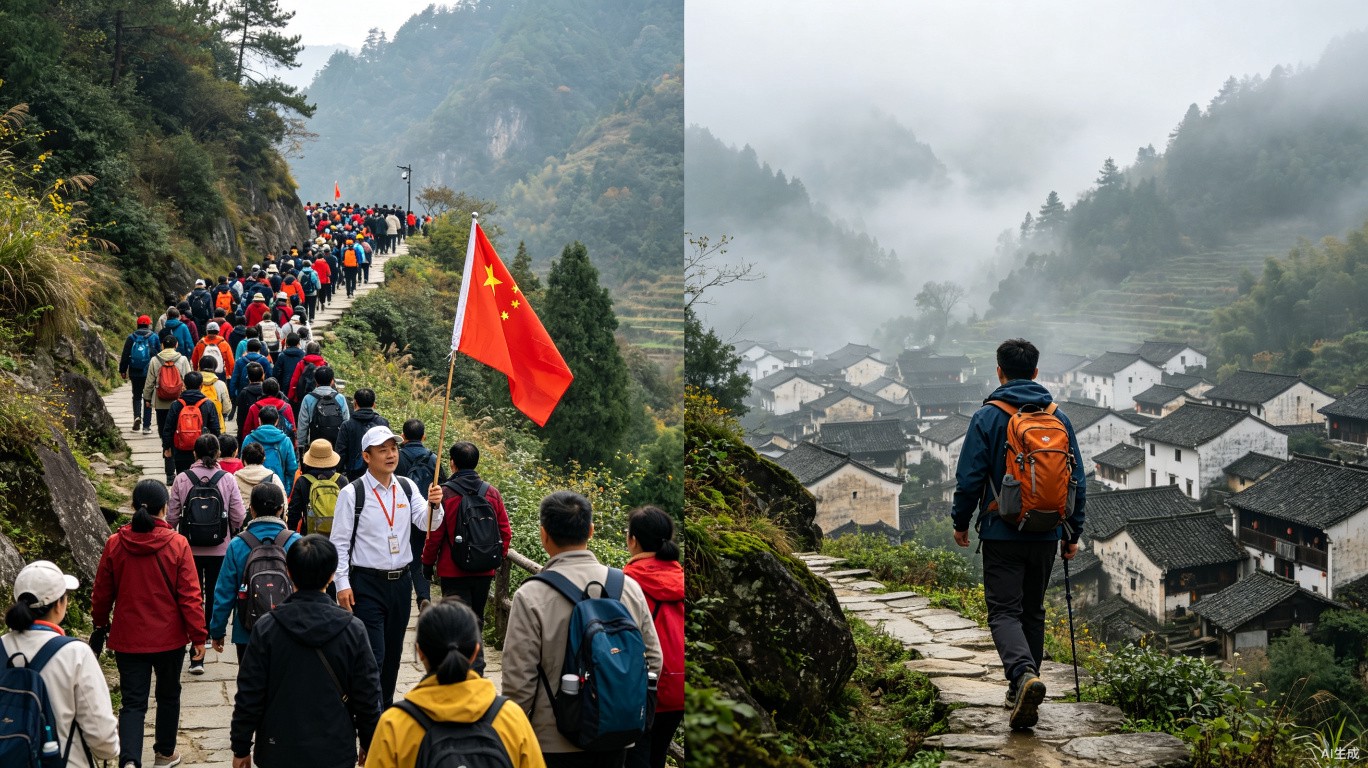
China Group Tours vs Independent Travel Which is Better
Should you join a guided tour or travel independently in China? Honest comparison of cost, flexibility, and experience.
7 min read
China Itinerary Planning: 7-Day 14-Day and 21-Day Routes: The Complete 2026 G...
Not sure how many days to spend in China? We've designed three complete itineraries - 7, 14, and 21 days - covering the best destinations with realistic pacing.
9 min read