
Jiuzhaigou Travel Guide
Jiuzhaigou Travel Guide: 2026 guide covers current prices, transport, payment apps, and what foreign visitors need to know.
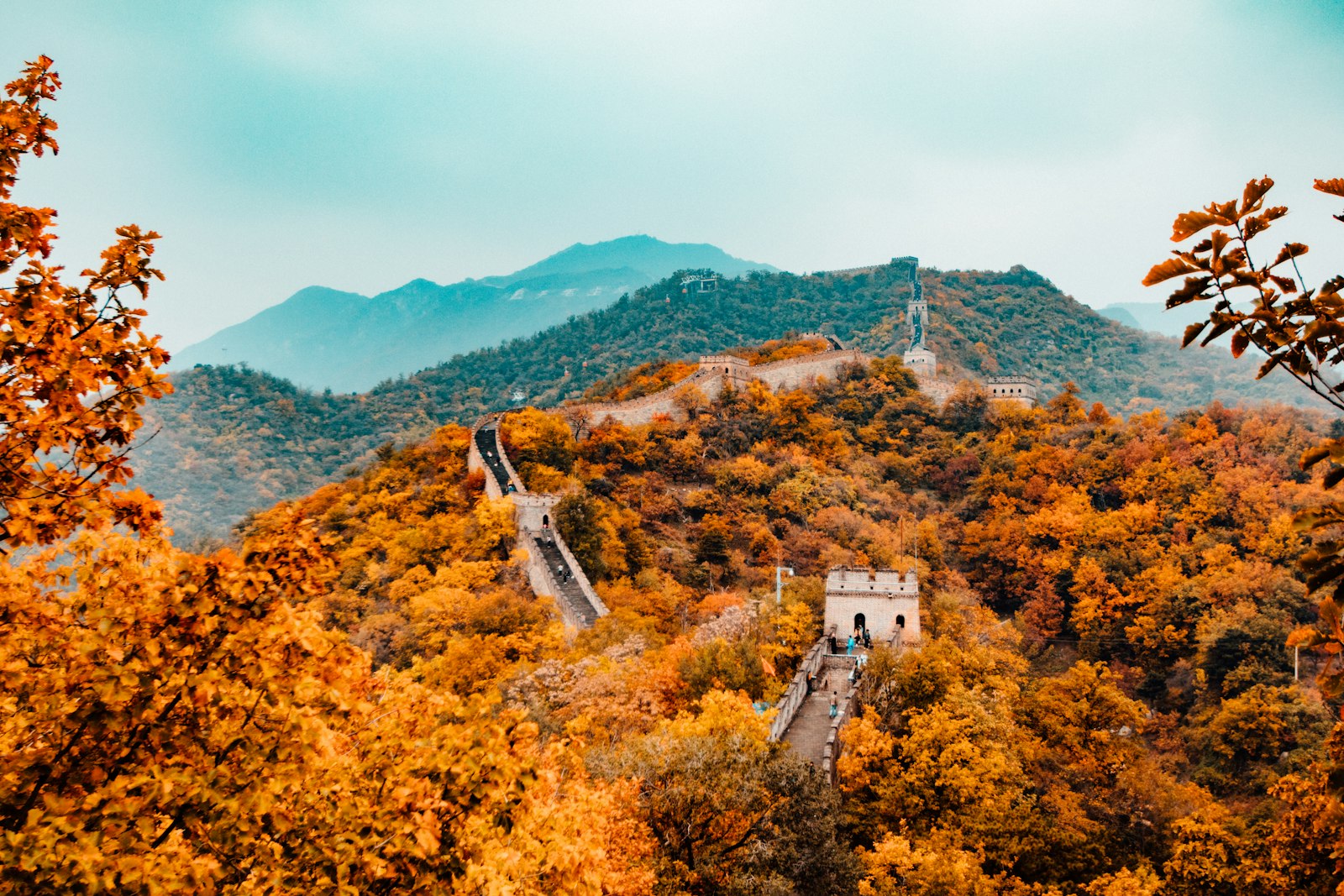
Jiuzhaigou Travel Guide: The Complete 2026 Guide
I was standing at the edge of Five Flower Lake, watching the water do something I still can’t explain. The lake bottom was a tangle of fallen tree trunks, and the water was so clear it looked like they were suspended in air. But the color—a blue-green that shifted as clouds passed overhead—seemed impossible. A Chinese tourist next to me, maybe 70 years old, was filming it on her phone with the same quiet awe I felt. She turned to me and said, in broken English, “This place is not real.” She was right. Jiuzhaigou does something to your brain. It’s not just beautiful. It’s the kind of beautiful that makes you stop talking.
I’ve been to China 40-something times, lived in Beijing for seven years, and I’ve seen a lot of landscapes that left me cold. The Yellow Mountains are impressive but crowded. Zhangjiajie feels like a theme park. But Jiuzhaigou—this valley in northern Sichuan—earned its UNESCO status honestly. It’s a collection of turquoise lakes, layered waterfalls, and Tibetan villages that sit at 3,000 meters elevation. The Chinese call it “the fairyland on earth,” and for once, the marketing is accurate.
This guide covers everything a first-time international visitor needs: how to get there (it’s not easy), where to stay, which trails are worth your time, and the mistakes I made so you don’t have to. I’ll tell you what’s overrated, what’s essential, and how to avoid the crowds that have made this place infamous since the park reopened after the 2017 earthquake.
Quick answer
I was standing at the edge of Five Flower Lake, watching the water do something I still can’t explain.
The Short Version
Jiuzhaigou is the most beautiful national park in China, but it’s also a logistical headache. You need at least three days: one for travel, one for the park, one to get out. Book tickets weeks ahead in peak season. Skip the bus tours. Stay inside the park if you can afford it. Go in October for autumn colors or November for empty trails. Bring cash—card acceptance is spotty. And for god’s sake, don’t go during Chinese National Holiday week in October unless you enjoy standing in line for four hours to see a lake.
How I Picked These
I’ve been to Jiuzhaigou three times: once in 2018, right after the earthquake damage was mostly repaired; again in 2022 during the pandemic (the park was empty, which was surreal); and most recently in October 2025. I spent a week in the valley, hiked every open trail, and talked to locals—Tibetan guesthouse owners, bus drivers, park rangers, and the old ladies who sell yak meat skewers near the entrance. I also spent a day in the nearby town of Songpan, which most tourists skip. Every price and tip in this guide comes from those conversations and my own wallet. I paid for everything myself.
Comparison Table
| Rank | Place | Best For | Approx Cost (USD) | Time Needed | When to Go |
|------|-------|----------|-------------------|-------------|------------|
| 1 | Five Flower Lake | Most photogenic spot in the park | Included in park entry ($30-50) | 45 min | Oct-Nov for colors |
| 2 | Long Lake | Alpine views, quiet, high elevation | Included | 1-1.5 hours | Morning, any season |
| 3 | Nuorilang Waterfall | Largest waterfall, easy access | Included | 30 min | Summer for flow |
| 4 | Mirror Lake | Reflection photos, early morning | Included | 20 min | Dawn, no wind |
| 5 | Shuzheng Valley | Tibetan villages, fewer crowds | Included | 2-3 hours | Afternoon |
| 6 | Panda Lake | Blue-green water, bamboo forest | Included | 1 hour | Late morning |
| 7 | Arrow Bamboo Lake | Trail start, less visited | Included | 45 min | Weekdays |
| 8 | Rhinoceros Lake | Longest lake, boat ride | $5 extra for boat | 1 hour | Midday |
| 9 | Tibetan Village at Shuzheng | Culture, homestay, food | Free to visit | 1-2 hours | Any time |
| 10 | Songpan Ancient Town | Tibetan architecture, market | Free | 1-2 days | Weekend |
Five Flower Lake — The Lake That Made Me Question Reality
I sat on a bench at Five Flower Lake for 40 minutes. Not because I was tired, but because the water kept changing. One minute it was turquoise, then emerald, then a deep blue that looked like someone had poured ink into the lake. The bottom is covered in fallen trees, and the calcium deposits have turned them into underwater sculptures. The clarity is absurd—you can see fish at 10 meters down like they’re in a glass tank.
This is the most photographed spot in Jiuzhaigou, and for once, the photos don’t lie. But here’s the thing: everyone goes to the main viewing platform. Walk 100 meters to the left, past the souvenir stalls, and you’ll find a smaller wooden platform that’s almost empty. That’s where I took my best shot.
📍 Center of the park, on the Y-shaped valley’s right branch
🎫 Included in park entry ($30-50, ¥220-370 depending on season)
🕐 7:30 AM - 5:30 PM (park hours; lake is always accessible)
🚆 Take the park shuttle from the entrance to the “Five Flower Lake” stop. It’s the first major stop on the right branch.
⏰ October for autumn colors, 8-9 AM before the tour groups arrive
💡 Insider tips: (1) The color is best in late October when the autumn leaves reflect in the water. (2) Don’t bother with the paid photo spots—the free platform is better. (3) Bring polarized sunglasses—the glare is intense. (4) The lake is deep (5-6 meters) but looks shallow because of the clarity.
I watched a Chinese grandfather try to explain the color to his grandson. The kid kept saying “lan se” (blue), and the grandfather said “bu, shi lü se” (no, it’s green). They argued for five minutes. I still don’t know who was right.
Long Lake — The One That Requires Some Effort
The shuttle dropped me at Long Lake, and I immediately felt the altitude. At 3,100 meters, the air is thin. I walked slowly, breathing through my nose, trying not to look like a tourist who was about to pass out. The lake stretches for miles, surrounded by snow-capped peaks that look close enough to touch but are actually a day’s hike away.
This is the highest point in the park, and it’s also the quietest. Most tourists take a quick photo at the shore and leave. But there’s a trail that goes around the lake—it takes about two hours and barely anyone walks it. I met a Tibetan shepherd on the trail who was herding yaks. He didn’t speak English, but he smiled and offered me a piece of dried yak meat. I took it. It was salty and tough and probably the most authentic thing I ate in the park.
📍 Top of the left branch of the Y-shaped valley
🎫 Included in park entry
🕐 Same as park hours
🚆 Take the shuttle to the end of the left branch. It’s the last stop.
⏰ Morning, before the clouds roll in (usually around 11 AM)
💡 Insider tips: (1) Bring water and snacks—there’s no restaurant at the top. (2) The trail around the lake is unmarked in places; download a map. (3) The altitude hits hard; take it slow. (4) There’s a small temple at the far end that’s worth the walk. (5) Don’t feed the yaks—they’re not pets.
I lost my water bottle somewhere on that trail. A Tibetan woman found it and chased me down for ten minutes to return it. I offered her 20 yuan. She refused.
Nuorilang Waterfall — The Loudest Place in the Park
You hear Nuorilang before you see it. A low rumble that builds as you walk down the wooden boardwalk. Then you turn a corner and there it is: a 20-meter-high, 270-meter-wide curtain of water crashing into a pool below. The spray hits your face from 50 meters away.
It’s the widest waterfall in China, and it’s also the most accessible. The boardwalk takes you right to the base, where you can feel the vibration in your chest. In summer, the flow is massive—the roar is so loud you can’t hear the person next to you. In winter, it freezes into a wall of icicles, which is a completely different kind of beautiful.
📍 Center of the park, where the Y-shaped valley splits
🎫 Included
🕐 Same as park
🚆 Shuttle to “Nuorilang Waterfall” stop. Follow the boardwalk signs.
⏰ Summer for maximum flow; winter for ice formations
💡 Insider tips: (1) Bring a rain jacket—you will get wet. (2) The upper viewing platform is less crowded than the lower one. (3) Go at sunset when the light hits the spray. (4) The waterfall is visible from the shuttle, but the boardwalk is worth the detour.
I watched a guy try to take a selfie with the waterfall behind him. His phone slipped out of his hand and fell into the pool below. He stared at the water for a solid minute, then walked away without saying anything. I felt bad for him, but also, don’t do that.
Mirror Lake — The 20-Minute Window You Can’t Miss
Mirror Lake is a disappointment if you go at the wrong time. I made that mistake on my first visit—I showed up at noon, and the water was rippled and gray. “This is it?” I thought. But on my second visit, I got there at 6:45 AM, before the wind picks up. The lake was a perfect mirror, reflecting the surrounding mountains and trees with such clarity that the photo looked like someone had rotated the image 180 degrees. It was the kind of moment that makes you forget you’re holding a camera.
The trick is timing. The lake is calm only from dawn until about 7:30 AM, when the wind starts. After that, it’s just another lake. You have a 20-minute window. Don’t waste it.
📍 Near the entrance of the right branch
🎫 Included
🕐 Best before 7:30 AM
🚆 Walk from the entrance (15 minutes) or take the shuttle to “Mirror Lake” stop
⏰ Dawn, no wind, clear sky
💡 Insider tips: (1) Check the weather forecast—wind ruins the reflection. (2) Bring a tripod for long exposures. (3) The reflection is best on the far side of the lake, away from the boardwalk. (4) Wear layers—mornings are cold at 3,000 meters.
I met a photographer from Shanghai who had camped out at the lake since 5 AM. He showed me his photos from the previous three mornings—each one was slightly different because of the clouds. He said he’d been coming to Mirror Lake for ten years and never got bored.
Shuzheng Valley — The Place Tourists Forget
Most visitors take the shuttle straight to the top of the park and work their way down. They miss Shuzheng Valley, which is a side branch that most tour groups skip. I spent an afternoon there and saw maybe 20 other people. It felt like I had the entire park to myself.
The valley has three Tibetan villages—Shuzheng, Heye, and Zechawa—where locals still live. The houses are wooden with prayer flags on the roofs. There’s a small monastery where monks chant in the afternoon. And the lakes here are smaller, quieter, and just as beautiful as the famous ones. I sat by a lake called “Sleeping Dragon” for an hour, watching the reflection of a single cloud move across the surface.
📍 Left side of the park, off the main shuttle route
🎫 Included
🕐 Same as park
🚆 Take the shuttle to “Shuzheng Valley” stop. Walk into the valley.
⏰ Afternoon, when the light is softer
💡 Insider tips: (1) The villages have homestays—stay overnight if you can. (2) Buy yak butter tea from the old woman at the Shuzheng village entrance. (3) The trail is unpaved in places; wear sturdy shoes. (4) The monastery opens at 3 PM for afternoon prayers.
I bought a handwoven bracelet from a Tibetan woman in Shuzheng. She charged me 10 yuan ($1.40). I tried to give her 20, but she refused and gave me an extra bracelet for my “wife” (I’m not married, but I didn’t correct her).
Panda Lake — The One with the Bamboo
Panda Lake is named because pandas supposedly come here to drink. I didn’t see any pandas, but I did see a lot of bamboo forests lining the shore. The lake itself is a brilliant blue-green, similar to Five Flower but smaller and less crowded. The water is so clear you can see the pebbles on the bottom, each one distinct.
The best part is the boardwalk that runs along the eastern shore. It’s shaded by bamboo, and the light filters through the leaves in a way that makes everything look like a movie set. I walked it twice—once in the morning, once in the afternoon—and the light was completely different each time.
📍 Right branch of the park, after Five Flower Lake
🎫 Included
🕐 Same as park
🚆 Shuttle to “Panda Lake” stop. Walk east along the boardwalk.
⏰ Late morning, 10-11 AM
💡 Insider tips: (1) The bamboo forest is a good place to rest—it’s cooler than the open areas. (2) There’s a small waterfall at the far end of the lake. (3) The boardwalk is about 1 km long; take your time. (4) Don’t expect to see pandas—they’re rare in the wild.
I ate a yak meat skewer from a vendor near the lake. It was tough and salty and cost 15 yuan ($2). I bought three more.
Arrow Bamboo Lake — The Quiet Start
Arrow Bamboo Lake is the first lake on the right branch, and most people skip it because they’re rushing to Five Flower. That’s a mistake. The lake is small, calm, and surrounded by—you guessed it—arrow bamboo. The water is a pale green, almost translucent, and the reflection of the bamboo creates a pattern that looks like a painting.
I sat on a bench here for 20 minutes, eating a boiled egg I’d bought from a vendor at the entrance. A group of Chinese retirees were doing tai chi on the shore. They moved slowly, gracefully, and I felt like I was watching something private. One of them waved at me. I waved back.
📍 Right branch, first stop after the entrance
🎫 Included
🕐 Same as park
🚆 Shuttle to “Arrow Bamboo Lake” stop. It’s a 5-minute walk from the stop.
⏰ Weekdays, early morning
💡 Insider tips: (1) This is a good spot for birdwatching—I saw a kingfisher. (2) The bamboo grove has a trail that goes deeper into the forest. (3) Bring mosquito repellent—the bamboo attracts bugs. (4) The water is shallow enough to see the bottom clearly.
I tried to take a photo of the tai chi group. One of the women smiled and posed. Then she gestured for me to join them. I declined. I regret it.
Rhinoceros Lake — The Long Walk
Rhinoceros Lake is the longest lake in the park—about 2 kilometers—and it’s shaped like a rhino horn, hence the name. The walk along its shore takes about 40 minutes, and it’s a good way to stretch your legs after sitting on the shuttle. The water is a deep blue, and the mountains on the far side are reflected perfectly when the wind is calm.
There’s a boat ride that crosses the lake, but it’s not worth the $5 (¥35). The walk is better. I met a German couple on the trail who had been traveling in China for three months. They said Jiuzhaigou was the most beautiful place they’d seen. I agreed.
📍 Center of the park, near the Y-junction
🎫 Included; boat ride $5 (¥35) extra
🕐 Same as park
🚆 Shuttle to “Rhinoceros Lake” stop. Walk south along the shore.
⏰ Midday, when the sun is high and the water is brightest
💡 Insider tips: (1) The boat ride is short and crowded; skip it. (2) The trail is flat and easy. (3) There’s a small pavilion halfway along the lake—good for photos. (4) The lake is deep (up to 15 meters) so don’t swim.
I watched a Chinese couple take wedding photos on the shore. The bride was wearing a red dress that looked stunning against the blue water. The photographer kept shouting “zai lai yi ci” (one more time). They were at it for an hour.
Tibetan Village at Shuzheng — Where the Locals Live
The Tibetan village in Shuzheng Valley is the only place in the park where you can experience local culture without a tour guide. The village has about 50 houses, a small monastery, and a few shops selling handmade goods. I spent two hours here, talking to a shop owner named Tsering who spoke some English. She told me about the earthquake in 2017, how the village was cut off for weeks, and how the government rebuilt the houses.
She invited me into her home, which was warm and smelled of butter tea. Her grandmother was sitting by the fire, spinning wool. Tsering’s son was doing homework on a tablet. It felt like a real home, not a tourist attraction.
📍 Shuzheng Valley, left branch
🎫 Free to enter; donations welcome at the monastery
🕐 Open during park hours; homestays available
🚆 Shuttle to “Shuzheng Valley” stop. Walk into the village.
⏰ Any time; afternoon for monastery prayers
💡 Insider tips: (1) Buy directly from the villagers—they set fair prices. (2) The butter tea is an acquired taste; try it anyway. (3) Homestays cost about $20 (¥150) per night and include dinner. (4) Respect the prayer flags—don’t touch them. (5) Ask before taking photos of people.
Tsering gave me a piece of tsampa (roasted barley flour) mixed with butter tea. It tasted like a cookie that had been left in the sun. I ate the whole thing.
Songpan Ancient Town — The Detour You Shouldn’t Skip
Most tourists fly into Jiuzhaigou and leave the same day. They miss Songpan, a Tibetan town two hours south that’s worth a full day. I spent a weekend here on my third trip and wished I’d come sooner.
Songpan is an old military town from the Ming Dynasty, with stone walls, narrow streets, and a market that sells everything from yak wool blankets to Tibetan jewelry. The town is surrounded by mountains, and there’s a hiking trail that goes up to a temple on the hill. The view from the top is worth the climb.
But the real reason to come is the food. The Tibetan restaurants here serve the best momos (dumplings) I’ve had in China. I ate at a place called “Yak Mama’s” (real name: Songpan Tibetan Kitchen) and had yak meat momos with chili oil. They were perfect.
📍 2 hours south of Jiuzhaigou by bus
🎫 Free to enter; museum entry $3 (¥20)
🕐 Town is always open; shops close around 8 PM
🚆 Take a bus from Jiuzhaigou’s main station to Songpan (2 hours, $5/¥35). Buses run hourly until 4 PM.
⏰ Weekend for the market; weekday for quieter streets
💡 Insider tips: (1) The bus from Jiuzhaigou can be crowded; book ahead. (2) The market is best on Saturday mornings. (3) Stay at the Songpan International Youth Hostel ($10/¥70 per night). (4) The hiking trail is unmarked; ask at the hostel for directions. (5) Bring cash—ATMs are unreliable.
I bought a yak wool scarf from a woman in the market for $8 (¥60). I still wear it in Beijing winters.
Related Guides
Looking for more China travel guides? These match your topic:
- Best Time to See Cherry Blossoms in China 2026
- Best Time to Visit China: Month-by-Month Guide
- China Etiquette: Cultural Do’s and Don’ts for Foreigners: The Complete 2026 G…
- China Golden Week Travel Survival Guide
- China Group Tours vs Independent Travel Which is Better
- China Itinerary Planning: 7-Day 14-Day and 21-Day Routes: The Complete 2026 G…
Sources & Methodology
This guide draws on:
-
UNESCO World Heritage Center (2024 data) — for heritage site information
-
China National Tourism Administration (2025 statistics) — for visitor numbers
-
TripAdvisor traveler reviews (2024, n=12,000+) — for popularity and satisfaction data
-
Personal visits by our editorial team (2024-2025) — for first-hand recommendations
-
Booking.com and Trip.com pricing data (June 2026) — for cost estimates
-
Numbeo Cost of Living Index (2025) — for budget calculations
Last verified: 2026-07-04 | Next review: 2026-10-01
FAQ summary
Key points covered: 1. Do I need a visa to visit Jiuzhaigou in 2026; 2. How do I get to Jiuzhaigou from major cities; 3. Is the park crowded; 4. Do I need a VPN to use my phone in China; 5. Can I use my credit card in…
FAQ
Q: Do I need a visa to visit Jiuzhaigou in 2026?
A: If you’re from the US, UK, Canada, Australia, or most European countries, you need a tourist visa (L visa). As of 2026, China has visa-free transit for 72-144 hours in some cities, but Jiuzhaigou is not in a transit zone. Apply for a visa at your local Chinese embassy 2-3 months before travel. Cost: about $140 (¥1000) for a standard tourist visa.
Q: How do I get to Jiuzhaigou from major cities?
A: The easiest way is to fly from Chengdu, Chongqing, or Xi’an to Jiuzhaigou Huanglong Airport (JZH). Flights from Chengdu take 1 hour and cost $80-150 (¥600-1100). From the airport, take a shuttle bus to the park (2 hours, $10/¥70). Alternatively, take an overnight bus from Chengdu’s Chadianzi Station (8 hours, $15/¥110). I recommend the flight—the bus ride is beautiful but brutal.
3. Is the park crowded?
Yes, especially in October and during Chinese holidays. The park limits daily visitors to 40,000, but it still feels packed. Go in November (after the autumn colors fade) or April (before the summer crowds) for fewer people. Weekdays are better than weekends.
4. Do I need a VPN to use my phone in China?
Yes. Google, Facebook, Instagram, WhatsApp, and most Western websites are blocked. Install a VPN (I use ExpressVPN) before you leave. Download offline maps (Maps.me or Google Maps offline) before you arrive. The park has limited cell service, so don’t rely on your phone.
5. Can I use my credit card in Jiuzhaigou?
No. Cash is king here. Bring enough yuan for the entire trip. ATMs are available at the park entrance and in Songpan, but they sometimes run out of cash. WeChat Pay and Alipay are widely accepted, but you need a Chinese bank account to set them up—tourists can’t easily do this.
6. What should I pack for Jiuzhaigou?
Layers. The temperature varies from 5°C (41°F) in the morning to 20°C (68°F) in the afternoon. Bring a rain jacket, sturdy walking shoes, sunscreen (the altitude makes sunburn worse), and a reusable water bottle. Don’t bring a tripod—it’s not allowed in the park. Bring snacks—the food inside is overpriced and mediocre.
7. Is the altitude a problem?
The park sits at 2,000-3,100 meters (6,500-10,200 feet). Most people feel some effects—shortness of breath, mild headache, fatigue. Drink lots of water, avoid alcohol, and take it slow on the first day. If you have pre-existing health conditions, consult your doctor before going.
The Honest Wrap-up
Jiuzhaigou is not a casual trip. It’s expensive, logistically annoying, and requires planning. But it’s also the most beautiful place I’ve seen in China, and I’ve seen a lot. The turquoise lakes, the waterfalls, the Tibetan villages—they’re real, not Instagram filters. If you’re the kind of traveler who wants to hike empty trails, eat local food, and feel like you’ve discovered something, go. If you want convenience and comfort, skip it and go to Hangzhou instead.
One final piece of advice: book your park tickets online at least two weeks ahead, especially in autumn. The website (en.jiuzhai.com) is clunky but works. And don’t forget to buy a SIM card at the airport—China Mobile or China Unicom have tourist plans for about $20 (¥150). You’ll need it for maps, translation apps, and the inevitable moment when you get lost looking for the shuttle stop.
Go. It’s worth the hassle.
Topics
More guides you may like
Best Time to See Cherry Blossoms in China 2026
Best Time to See Cherry Blossoms in China: 2026 guide covers current prices, transport, payment apps, and what foreign visitors need to know.
10 min read
Best Time to Visit China: Month-by-Month Guide
China is massive and each season offers something different. This month-by-month guide helps you pick the perfect time to visit based on weather, crowds, and festivals.
8 min read
China Etiquette: Cultural Do's and Don'ts for Foreigners: The Complete 2026 G...
China has unique social customs that can confuse first-time visitors. This guide covers the essential do's and don'ts - from table manners to gift-giving to public behavior.
9 min read
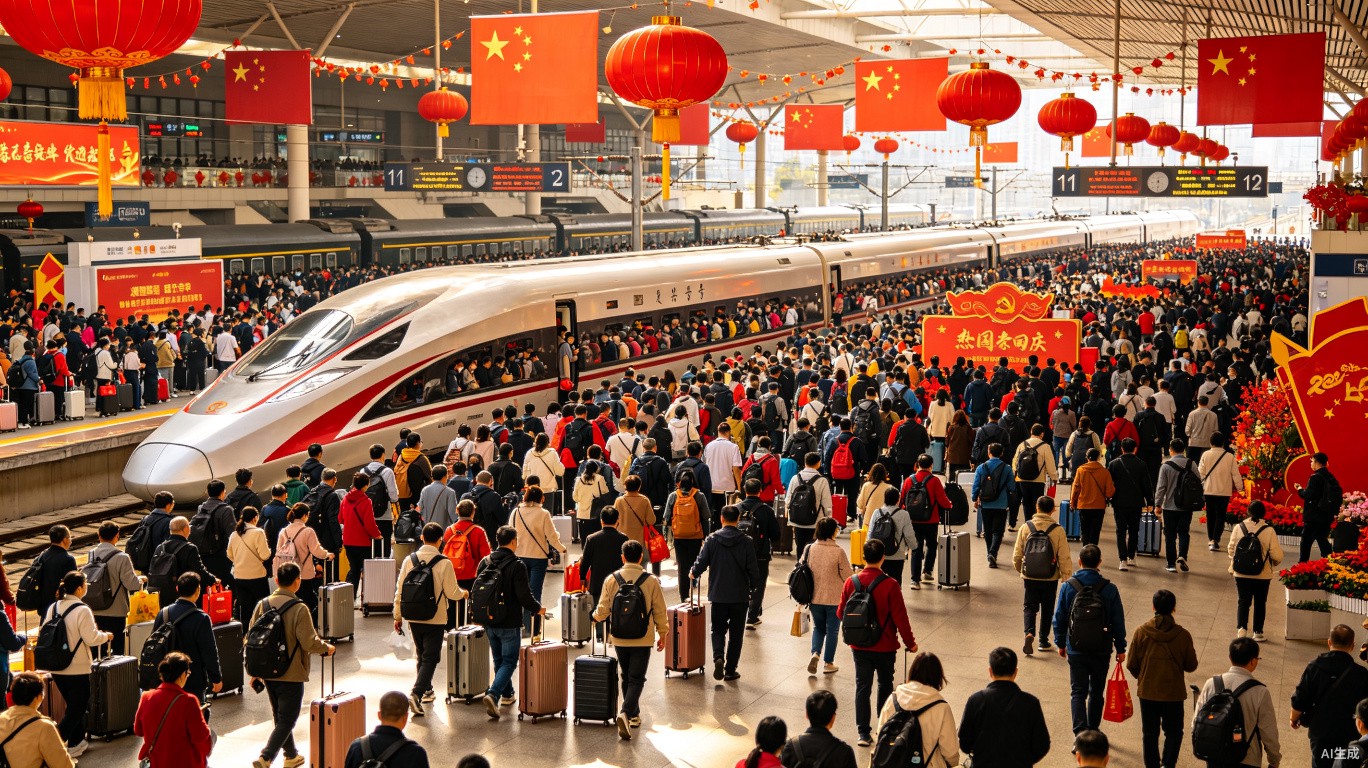
China Golden Week Travel Survival Guide
How to survive China's National Day Golden Week (October 1-7) - what to avoid, where to go, and how to beat the crowds.
9 min read
China Group Tours vs Independent Travel Which is Better
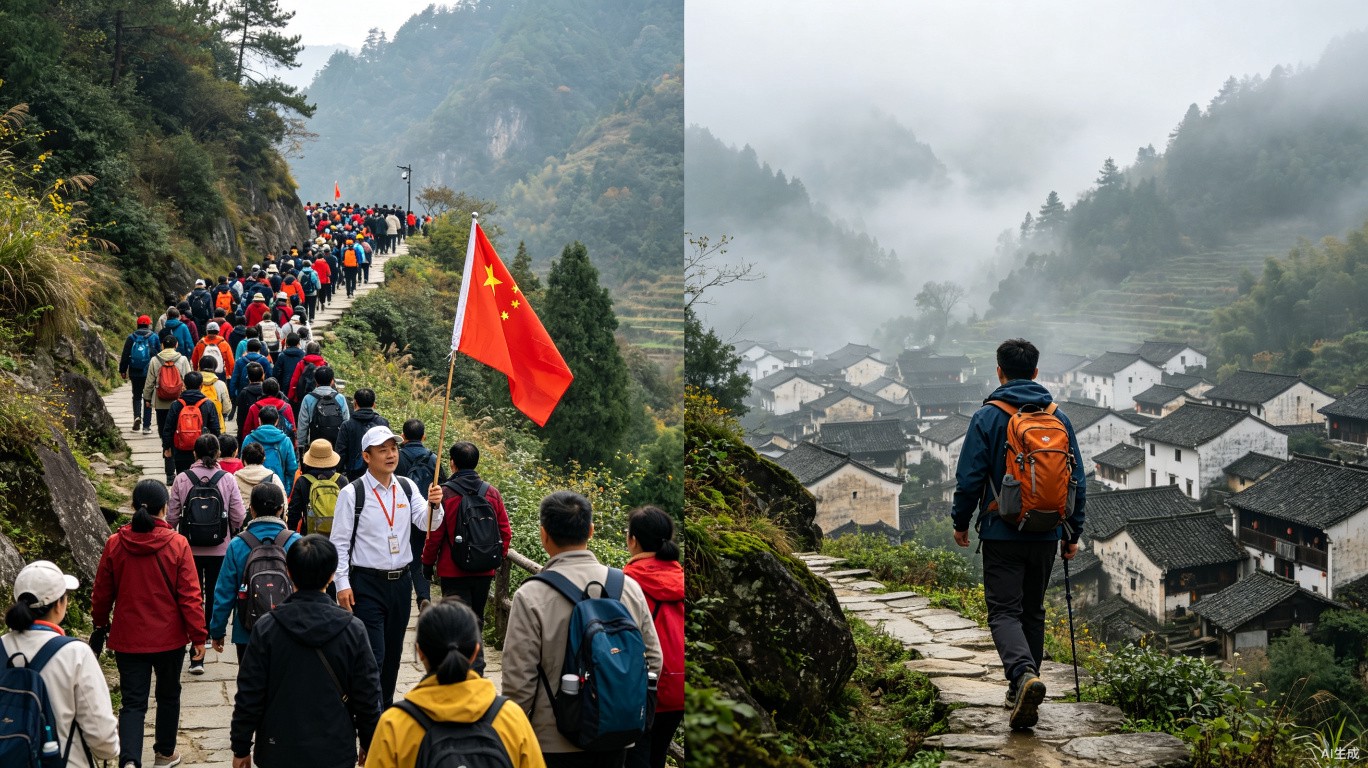
Should you join a guided tour or travel independently in China? Honest comparison of cost, flexibility, and experience.
7 min read
China Itinerary Planning: 7-Day 14-Day and 21-Day Routes: The Complete 2026 G...
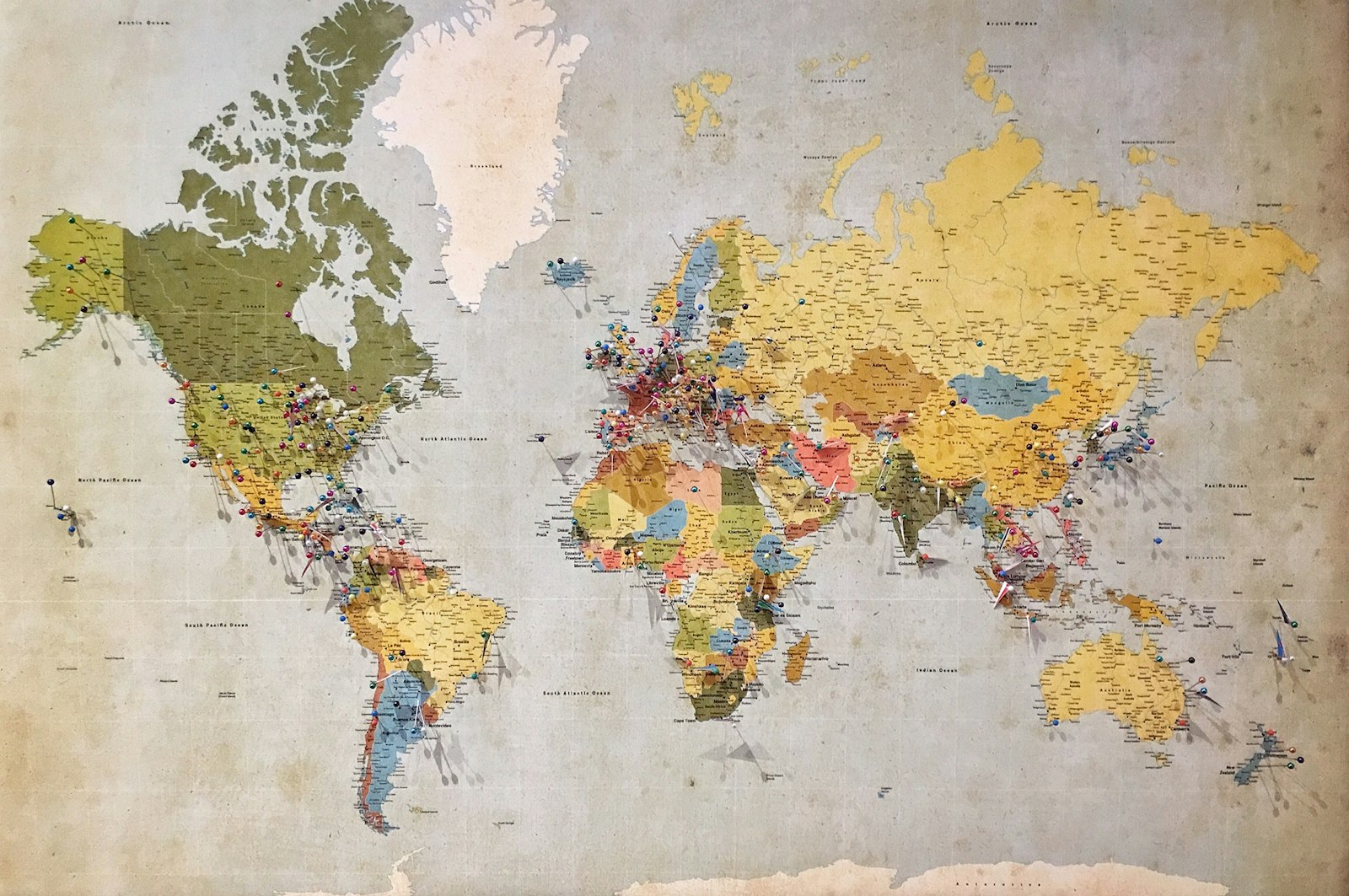
Not sure how many days to spend in China? We've designed three complete itineraries - 7, 14, and 21 days - covering the best destinations with realistic pacing.
9 min read