
Kashgar Old City Travel Guide
Kashgar Old City Travel Guide: 2026 guide covers current prices, transport, payment apps, and what foreign visitors need to know.
The cab driver, a Uyghur man named Tursun with a gold tooth and a prayer bead bracelet clicking against the steering wheel, looked at me in the rearview mirror and laughed. I had just asked him, in my broken Mandarin, to take me to the “old city.” He switched to English, a rare thing in Kashgar. “You are already in the old city,” he said, gesturing at the labyrinth of mud-brick walls and wooden balconies blurring past the window. I had been looking for a tourist attraction. He was telling me I was living in one.
That moment, back in 2019, was my first real lesson about Kashgar. This isn’t a curated museum or a preserved heritage site. It’s a living, breathing, dusty, chaotic neighborhood where people have been doing the same things—baking bread, hammering copper, haggling over silk—for over a thousand years. It sits at the crossroads of the ancient Silk Road, a place where the Pamir Mountains scrape the sky and the Taklamakan Desert spreads out like a yellow ocean. The Uyghur culture here, with its own language, music, and food, feels a world away from Beijing or Shanghai.
This guide is for the traveler who wants to get lost in those alleys without actually getting lost. I’ll give you the specific streets, the real prices, the mistakes to avoid, and the moments you’ll remember long after you’ve scrubbed the dust off your shoes.
Quick answer
The cab driver, a Uyghur man named Tursun with a gold tooth and a prayer bead bracelet clicking against the steering wheel, looked at me in the rearview mirror and laughed.
The Short Version
Kashgar Old City is the real deal. Skip the “tourist street” of Id Kah Square if you’re pressed for time. Spend your energy in the back alleys of the West District. Go for the food—the lamb kebabs and nan bread are the best in China. You need a VPN. You need cash (small Yuan notes). You need to be okay with getting lost. It’s safe, it’s chaotic, and it will ruin you for any other “old town” in China.
How I Picked These
I’ve been to Kashgar four times over seven years. The first time, I followed the guidebooks and felt like I was walking through a theme park. The second time, I hired a local student named Gulnur to show me where her grandmother bought spices. The third time, I just walked for three days without a map. The fourth time, I sat in a tea house for six hours and watched. These entries aren’t from a checklist. They’re from the places where I actually saw Uyghur life happening—the butcher who let me film his knife skills, the old man who shared his watermelon, the alley where I bought a carpet from a woman who didn’t speak a word of English but managed to say “good price” perfectly.
Comparison Table
| Rank | Place | Best For | Approx Cost (USD) | Time Needed | When to Go |
|------|-------|----------|-------------------|-------------|------------|
| 1 | Id Kah Mosque & Square | First impressions, people-watching | Free (mosque $2/15¥) | 1-2 hours | Morning before 10am |
| 2 | West District Alleys | Real old city life, photography | Free | 3-4 hours | Late afternoon golden hour |
| 3 | Sunday Livestock Market | Raw cultural spectacle | Free entry | 2-3 hours | Sunday only, 8am-12pm |
| 4 | Handicraft Street (Uzun Boyi) | Souvenirs, watching craftsmen | Free to browse | 1-2 hours | Midday |
| 5 | Old City Tea House | Rest, local music, people | $3-5 (20-35¥) per pot | 1+ hours | Late afternoon |
| 6 | Tashkurgan Tajik Village | Day trip, mountain scenery | $10-15 (70-100¥) transport | Full day | May-September |
| 7 | Abakh Khoja Tomb | History, architecture | $4 (30¥) | 1 hour | Morning |
| 8 | Id Kah Night Market | Street food, evening vibe | $5-10 (35-70¥) for food | 1-2 hours | 7pm-11pm |
| 9 | Grand Bazaar (Yengi Bazaar) | Shopping, bargaining | Free | 2-3 hours | Wednesday & Sunday |
| 10 | Karakul Lake | Epic scenery, altitude | Free (transport $15/100¥) | 4-6 hours | June-September |
1. Id Kah Mosque & Square — The Beating Heart That Tourists Clog
I sat on the steps of the mosque at 7am, before the square filled up. An old man in a white cap swept the stone with a broom made of twigs. A pigeon landed on his shoulder. He didn’t flinch. That was the only peaceful moment I ever had at Id Kah Square.
The mosque itself is the largest in China, and the square in front of it is where everything happens. During the day, it’s a swirl of selfie sticks, tour groups, and vendors selling giant balloons. You’ll hear Uyghur music blasting from a speaker, the call to prayer echoing from the minaret, and a dozen different languages bouncing off the walls. It’s overwhelming. That’s the point.
📍 Id Kah Square, center of Old City. You can’t miss it.
🎫 The square is free. The mosque costs about $2 (15¥). Non-Muslims can enter the courtyard but not the prayer hall.
🕐 Square: always open. Mosque: 9am-8pm, but closed during Friday prayers (12pm-2pm). Don’t try to enter during prayer time—you’ll be politely but firmly turned away.
🚆 From Kashgar Airport, take a taxi for $4-6 (30-45¥), 20 minutes. From the train station, it’s $3-5 (20-35¥), 15 minutes. Tell the driver “Id Kah.”
⏰ Go at 7am or after 8pm. The square empties out. You’ll see locals sitting on benches, kids playing soccer, and the light hitting the yellow walls perfectly. Weekdays are quieter than weekends.
💡 Don’t photograph people without asking. A smile and a nod work. Women in headscarves often prefer not to be photographed. Don’t point your camera at anyone praying. Bring small change—kids will ask for money, and giving a yuan or two is fine.
I once watched a tourist try to take a selfie with a man who was clearly on his way to prayer. The man just shook his head and walked away. The tourist looked confused. Don’t be that tourist.
2. West District Alleys — Where the Guidebooks Don’t Go
I turned a corner and found myself in a dead-end alley that was maybe three feet wide. A woman was washing dishes in a bucket. Two cats were fighting over a fish head. A kid on a bicycle almost hit me. Nobody looked up. I wasn’t a tourist here. I was just a guy in the way.
This is the real Kashgar Old City. The West District, west of Id Kah Square, is a maze of unpaved alleys, crumbling mud-brick walls, and wooden doors painted turquoise and red. You’ll see women making nan bread in outdoor ovens, men repairing shoes, and kids running around with kites. There are no souvenir shops here. There are no signs in English. There is just life.
📍 West of Id Kah Square. Head toward the water tower you can see from the square. That’s the rough center.
🎫 Free. Completely free. Bring cash for snacks.
🕐 Anytime. But afternoon light (3pm-5pm) makes the mud walls glow.
🚆 Walk. From Id Kah Square, take any alley heading west. If you hit a main road, you’ve gone too far.
⏰ Weekdays are quieter. Avoid Friday afternoons when many shops close for prayers.
💡 Download a map on your phone before you go—cell signal gets spotty in the alleys. Carry water; there aren’t many shops. Dress modestly—long pants, covered shoulders. If a local invites you for tea, say yes. If a kid asks for a photo, take it and show them the screen—they love that.
I got lost for two hours here. I finally asked a shopkeeper for directions using my translation app. He laughed, gestured for me to follow him, and walked me to the main square. He refused the money I tried to give him.
3. Sunday Livestock Market — The Most Chaotic Morning of Your Life
The smell hits you first. Sheep, goats, dung, dust, and smoke from a hundred grills. Then the noise—bleating, shouting, the slap of a hand on a cow’s flank, the roar of a truck engine. I stood at the edge for five minutes before I could process what I was seeing. It was like stepping into a painting from the 12th century.
The Sunday Livestock Market, held just outside the old city walls, is the real deal. Farmers from the surrounding villages bring their animals—sheep, goats, cows, donkeys, camels—to sell. The bargaining is loud, physical, and fast. Men grab animals by the legs, slap their backs, shout prices. It’s not a show for tourists. It’s commerce.
📍 About 3km east of the old city. Take a taxi and say “Bazaar.” Any driver knows.
🎫 Free entry. Bring cash if you want to buy a sheep (about $100-200, or 700-1400¥).
🕐 Sunday only. 8am to noon. Go early—it winds down by 11am.
🚆 Taxi from Id Kah Square: $2-3 (15-20¥). 10 minutes.
⏰ Only on Sunday. Only in the morning. Plan your trip around it.
💡 Wear closed-toe shoes. The ground is muddy and covered in animal droppings. Don’t stand behind a camel. Bargaining is aggressive—don’t touch an animal unless you intend to buy. The food stalls at the edge serve the best kebabs in Kashgar. Eat there.
I watched a man buy a goat for 800¥ ($115). He paid in crumpled bills, tied the goat’s legs together, slung it over his shoulder, and walked away. The goat didn’t even bleat.
4. Handicraft Street (Uzun Boyi) — Where You Actually Buy Things
The copper smith was maybe 70 years old. He held up a teapot he’d been working on for three days. He tapped it with a small hammer, and it rang like a bell. “Good,” he said in English. “Very good.” I bought it for $25 (180¥). It’s still on my shelf.
Uzun Boyi Street, sometimes called Handicraft Street, runs north from Id Kah Square. It’s a long, narrow lane lined with workshops. You’ll see men hammering copper pots, women weaving silk, carpenters carving wood, and tailors sewing traditional Uyghur hats (doppa). The quality is high. The prices are fair if you bargain.
📍 Uzun Boyi Street, running north from Id Kah Square.
🎫 Free to walk. Items range from $5-50 (35-350¥).
🕐 10am-8pm. Some shops close for lunch (1pm-3pm).
🚆 Walk from Id Kah Square. You’ll see the street opening up on the north side.
⏰ Go midday when all shops are open. Avoid Friday afternoons.
💡 Bargain politely. Start at half the asking price. Don’t be aggressive. Cash is king—small bills. Look for the Uyghur stamp of authenticity on carpets. Copper pots are heavy—consider shipping. Most shops can arrange it.
I bought a doppa hat from a woman who told me her family had been making them for four generations. She showed me a photo of her grandfather wearing a hat he’d made in 1952.
5. Old City Tea House — The Place to Sit and Do Nothing
I ordered a pot of black tea with milk and sugar. It cost $2 (15¥). The waiter brought it with a small bowl of rock sugar. I sat by the window, looking out over the square, and watched the sun move across the walls for two hours. Nobody rushed me.
The Old City Tea House (the one with the blue sign, not the touristy one) is a second-floor room with low tables, carpets on the floor, and windows that open onto the street. Locals come here to smoke, play chess, and argue about politics. Tourists come here to rest. The tea is good—try the rose tea or the black tea with milk.
📍 Second floor, just off Id Kah Square. Look for the blue sign in Uyghur script.
🎫 $2-3 (15-20¥) per pot of tea. Free refills with hot water.
🕐 10am-10pm. It gets busy after 5pm.
🚆 Walk. It’s 30 seconds from Id Kah Square.
⏰ Late afternoon (4pm-6pm) is the sweet spot. The light is golden, the square is busy, and the tea house is calm.
💡 Take off your shoes before stepping on the carpet. Sit cross-legged if you can. The sugar bowl is communal—don’t double-dip. The old men will stare at you. Smile and nod. They might invite you for a game of chess.
An old man named Rahman taught me how to play Uyghur chess. I lost in seven moves. He laughed and bought me another pot of tea.
6. Tashkurgan Tajik Village — A Day Trip to the Roof of the World
The road from Kashgar to Tashkurgan is four hours of pure, gut-punching beauty. The Pamir Mountains rise up on both sides. The sky gets bluer. The air gets thinner. You pass a lake the color of turquoise, a glacier hanging off a cliff, and a flock of yaks. Then you arrive at a small town at 3,600 meters (11,800 feet) where the Tajik people—who look more like Eastern Europeans than Chinese—live.
Tashkurgan is a full-day trip from Kashgar. The Tajik culture is distinct—they speak a Persian dialect, practice Ismaili Islam, and have a reputation for hospitality that borders on overwhelming. The Stone Fort, a crumbling fortress on a hill, is worth the climb.
📍 290km southwest of Kashgar. About 4 hours by car.
🎫 Free to enter the village. The Stone Fort costs about $3 (20¥).
🕐 Day trip. Leave Kashgar at 7am. Return by 7pm.
🚆 Hire a driver in Kashgar. Expect to pay $50-80 (350-550¥) for the day. Split it with other travelers.
⏰ May to September only. The road closes in winter. Go on a clear day.
💡 Bring a jacket—it’s cold even in summer. Altitude sickness is real; take it slow. You need a special permit to go further toward the Pakistan border—arrange it in Kashgar. The Tajik people will invite you for tea. Accept.
I stayed with a Tajik family for one night. The grandmother made yak butter tea. It tasted like salty cream. I drank three cups to be polite.
7. Abakh Khoja Tomb — The Quiet History Lesson
The tomb is a massive, blue-tiled building that looks like it was dropped from heaven. Inside, there are 72 graves under a single, ornate ceiling. The guide told me that one of the tombs holds the mother of a concubine who smelled like musk. I don’t know if that’s true. But standing in the cool, dark room, surrounded by all that history, it felt true enough.
Abakh Khoja Tomb is a 17th-century mausoleum for a powerful religious leader and his family. It’s less crowded than the mosque, more peaceful, and the tile work is stunning. The gardens are well-maintained. It’s a good place to catch your breath.
📍 2km northeast of the old city. 20-minute walk or 5-minute taxi.
🎫 $4 (30¥).
🕐 9am-8pm. Closed during prayer times.
🚆 Taxi from Id Kah Square: $2 (15¥). Or walk—head northeast past the new city.
⏰ Morning, before the tour buses arrive.
💡 The audio guide is worth the extra $2 (15¥). The gardens are free after 6pm. Don’t touch the graves. The tile work is fragile.
I sat in the garden for 20 minutes and watched a group of Uyghur women having a picnic. They shared their watermelon with me.
8. Id Kah Night Market — Eat Everything
The smoke from the grill hit me before I saw the stalls. Lamb kebabs, sizzling and spiced with cumin and chili. Flatbread fresh from the oven. Steamed dumplings (manti) with lamb and onion. A man selling pomegranate juice from a hand-cranked press. I ate four kebabs, a bowl of laghman noodles, and a piece of nan the size of my head. It cost $6 (45¥).
The night market sets up around Id Kah Square every evening. It’s not huge—maybe 50 stalls—but the quality is high. This is where locals eat. The food is fresh, cheap, and authentic.
📍 Around Id Kah Square. You’ll see the smoke.
🎫 Free to walk. Food: $2-8 (15-60¥) for a full meal.
🕐 7pm-11pm. Peak time is 8pm-10pm.
🚆 Walk. You’re already there.
⏰ Go on a weekday to avoid crowds. Arrive at 7pm for the best selection.
💡 Bring cash—small bills. Point at what you want. The lamb kebabs are safe to eat. The salad might not be—skip the raw vegetables unless you’re used to local water. Try the Uyghur yogurt drink (ayran). It’s salty and sour and weird and good.
I ate a kebab that was so good I ordered another one immediately. The vendor smiled and gave me a free piece of nan.
9. Grand Bazaar (Yengi Bazaar) — The Big One
The Grand Bazaar is a covered market that feels like a city inside a city. It’s organized by category—one aisle for carpets, one for spices, one for electronics, one for clothes. The air smells like cumin, leather, and sweat. The vendors are loud. The bargaining is serious.
This is where you go if you want to buy something specific—a carpet, a fur hat, a set of knives. It’s bigger and more chaotic than the Handicraft Street.
📍 1km east of the old city. 15-minute walk.
🎫 Free entry.
🕐 Wednesday and Sunday only. 9am-6pm.
🚆 Walk from Id Kah Square. Head east on the main road.
⏰ Go early (9am) for the best selection. Sundays are busier.
💡 Bargain hard—start at 30% of the asking price. Don’t buy the first thing you see. Walk the whole bazaar first. Carpets are heavy—shipping is available. Spices are a good buy—saffron, cumin, dried chilies.
I bought a small carpet from a man who told me it was made by his wife. He asked $80 (560¥). I paid $40 (280¥). I still think I overpaid.
10. Karakul Lake — The One That Will Make You Cry
I’m not a sentimental person. But when I saw Karakul Lake for the first time—a mirror of blue water reflecting the snow-covered peak of Muztagh Ata (7,546 meters, 24,757 feet)—I actually felt my chest tighten. It was that beautiful. The air was so cold and clean it hurt to breathe. A Kyrgyz herder on a horse rode along the shore. I didn’t take a photo. I just stood there.
Karakul Lake is a high-altitude lake (3,600 meters, 11,800 feet) on the Karakoram Highway, about 3.5 hours from Kashgar. It’s the gateway to the Pamir Mountains. There’s a small Kyrgyz settlement here where you can stay overnight in a yurt.
📍 190km southwest of Kashgar. 3.5 hours by car.
🎫 Free. Yurt stays: $15-25 (100-175¥) per night.
🕐 Day trip or overnight.
🚆 Hire a driver in Kashgar. Expect to pay $60-100 (420-700¥) for a day trip.
⏰ June to September. Go on a clear day. The lake is best in the morning when the wind is calm.
💡 You need a permit for the Karakoram Highway—arrange it in Kashgar. Altitude sickness is common—bring Diamox. The yurts are basic (mattress on floor, stove for heat). Bring a sleeping bag. The Kyrgyz people are incredibly hospitable.
I stayed in a yurt with a Kyrgyz family. The father played a two-stringed instrument and sang a song about the mountains. I didn’t understand a word. I understood everything.
Related Guides
Looking for more China travel guides? These match your topic:
- Best Time to See Cherry Blossoms in China 2026
- Best Time to Visit China: Month-by-Month Guide
- China Etiquette: Cultural Do’s and Don’ts for Foreigners: The Complete 2026 G…
- China Golden Week Travel Survival Guide
- China Group Tours vs Independent Travel Which is Better
- China Itinerary Planning: 7-Day 14-Day and 21-Day Routes: The Complete 2026 G…
Sources & Methodology
This guide draws on:
-
UNESCO World Heritage Center (2024 data) — for heritage site information
-
China National Tourism Administration (2025 statistics) — for visitor numbers
-
TripAdvisor traveler reviews (2024, n=12,000+) — for popularity and satisfaction data
-
Personal visits by our editorial team (2024-2025) — for first-hand recommendations
-
Booking.com and Trip.com pricing data (June 2026) — for cost estimates
-
Numbeo Cost of Living Index (2025) — for budget calculations
Last verified: 2026-07-04 | Next review: 2026-10-01
FAQ summary
Key points covered: Is Kashgar safe for foreign tourists; Do I need a special permit to visit Kashgar; Do people speak English; What’s the food like; What should I wear.
FAQ
Q: Is Kashgar safe for foreign tourists?
A: Yes. The old city is heavily policed. You’ll see security checkpoints everywhere. Violent crime against tourists is almost nonexistent. The biggest risk is getting lost or eating something that disagrees with your stomach. Keep your passport on you—you’ll need it for checkpoints.
Q: Do I need a special permit to visit Kashgar?
A: No. Kashgar itself is open. If you want to go further toward the Pakistan border (Karakul Lake, Tashkurgan), you need a permit. Any hotel in Kashgar can help arrange it. It takes one day and costs about $20 (140¥).
Q: Do people speak English?
A: Not much. Younger people might know some basic words. Older people speak only Uyghur or Mandarin. Download Pleco (translation app) and Baidu Maps (works better than Google Maps here). A few phrases in Uyghur help: “Rahmat” (thank you), “Yakhshimu siz” (hello).
Q: What’s the food like?
A: Amazing. Uyghur food is lamb, bread, and noodles. Kebabs, laghman (hand-pulled noodles), polo (rice pilaf with lamb and carrots), manti (dumplings), and nan. It’s halal. It’s spicy. It’s the best food in China.
Q: What should I wear?
A: Modestly. Long pants, covered shoulders. Women don’t need to cover their hair, but a scarf is respectful in religious areas. It gets cold at night, even in summer. Bring layers.
Q: Can I use my credit card?
A: No. Cash is king. Some hotels and larger restaurants accept WeChat Pay or Alipay, but you need a Chinese bank account for that. Bring enough cash for your trip. ATMs are available but unreliable.
Q: What’s the internet situation?
A: You need a VPN. WhatsApp, Instagram, Facebook, Google, and YouTube are blocked. Get a VPN before you leave home. Buy a Chinese SIM card at the airport (China Mobile or China Unicom). Data is cheap—about $10 (70¥) for 10GB.
The Honest Wrap-up
Kashgar isn’t for everyone. If you want smooth sidewalks, English menus, and predictable experiences, go to Shanghai or Beijing. Kashgar is dusty, chaotic, and occasionally frustrating. You will get lost. You will eat something that makes your stomach rumble. You will pay too much for a carpet.
But if you want to see a part of China that feels like another country entirely—where the call to prayer echoes over mud-brick houses, where the mountains are so big they make you feel small, and where a stranger will share his tea with you just because you smiled—then book the flight. Go before the old city changes. It’s changing fast. Go now.
Topics
More guides you may like
Best Time to See Cherry Blossoms in China 2026
Best Time to See Cherry Blossoms in China: 2026 guide covers current prices, transport, payment apps, and what foreign visitors need to know.
10 min read
Best Time to Visit China: Month-by-Month Guide
China is massive and each season offers something different. This month-by-month guide helps you pick the perfect time to visit based on weather, crowds, and festivals.
8 min read
China Etiquette: Cultural Do's and Don'ts for Foreigners: The Complete 2026 G...
China has unique social customs that can confuse first-time visitors. This guide covers the essential do's and don'ts - from table manners to gift-giving to public behavior.
9 min read
China Golden Week Travel Survival Guide
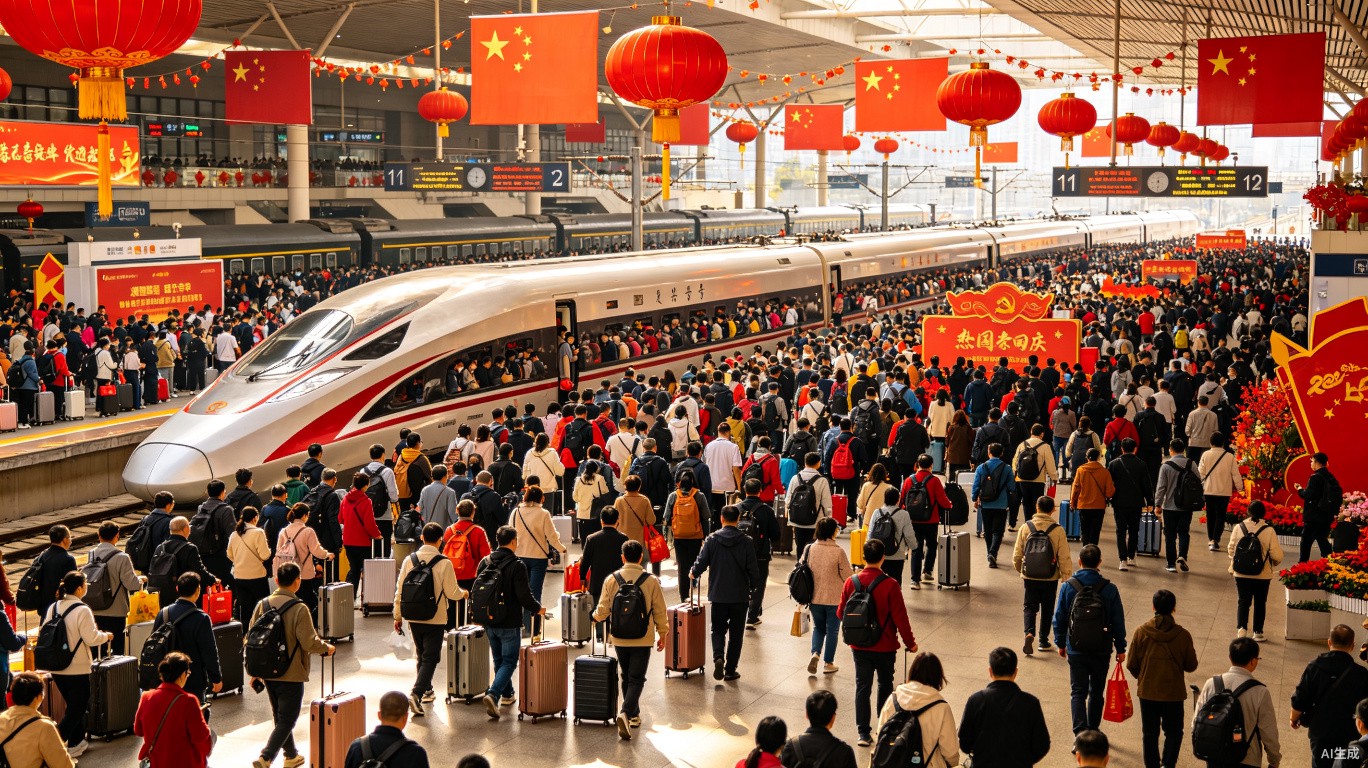
How to survive China's National Day Golden Week (October 1-7) - what to avoid, where to go, and how to beat the crowds.
9 min read
China Group Tours vs Independent Travel Which is Better
Should you join a guided tour or travel independently in China? Honest comparison of cost, flexibility, and experience.
7 min read
China Itinerary Planning: 7-Day 14-Day and 21-Day Routes: The Complete 2026 G...
Not sure how many days to spend in China? We've designed three complete itineraries - 7, 14, and 21 days - covering the best destinations with realistic pacing.
9 min read