
Luxury Travel in China
Luxury Travel in China: 2026 guide covers current prices, transport, payment apps, and what foreign visitors need to know.
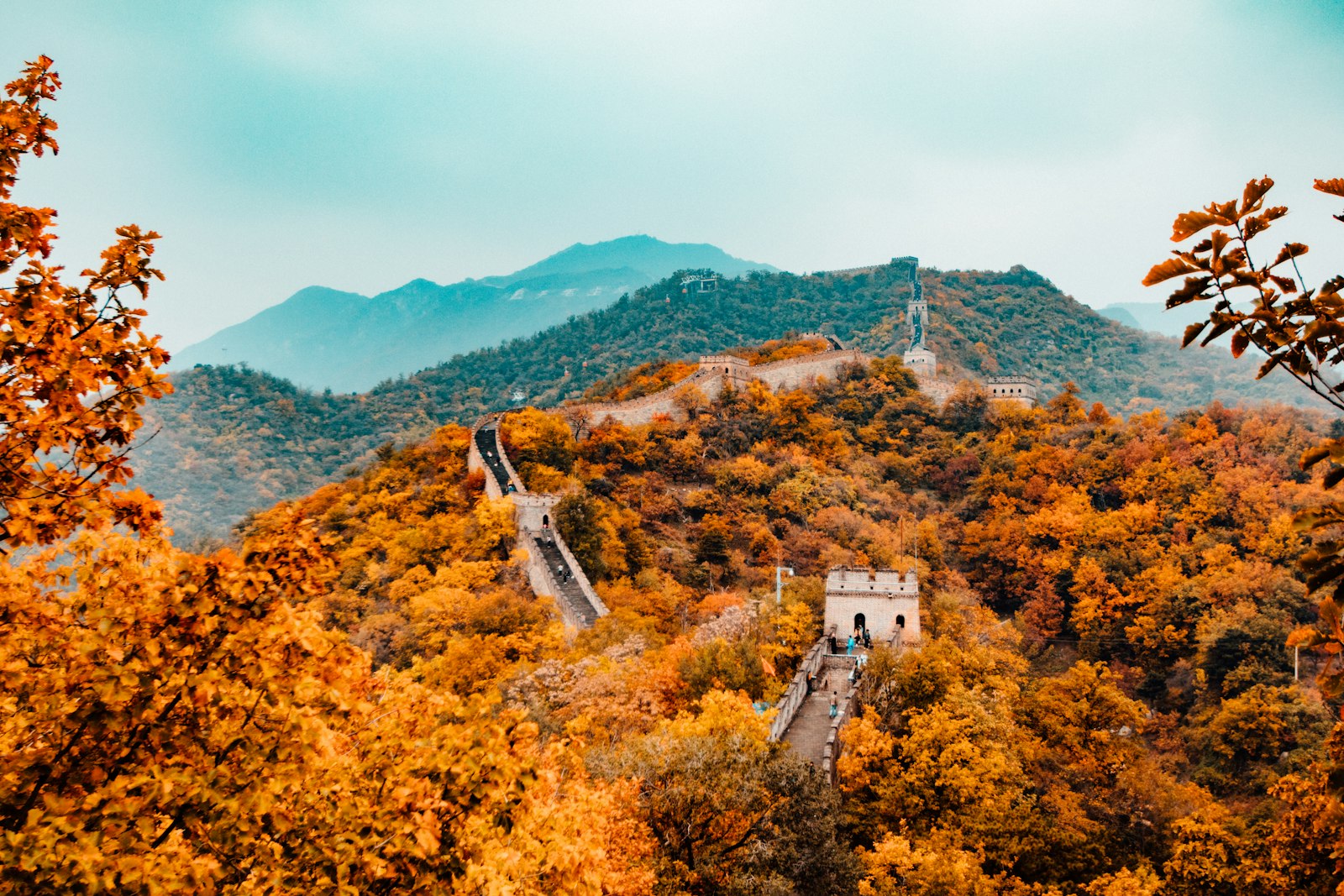
Luxury Travel in China: The Complete 2026 Guide
I was standing on the roof of a converted hutong courtyard in Beijing, holding a cup of tieguanyin tea that cost more than my first week’s rent in this city seven years ago. Below me, a family was frying scallion pancakes in a kitchen that had been in their family since the Qing dynasty. Above me, a drone buzzed past carrying someone’s takeout. That moment—the smell of oil and jasmine, the drone’s hum mixing with a neighbor’s erhu practice, the absurdity of paying $12 for tea in a neighborhood where I used to buy it for pennies—that’s when I realized luxury travel in China isn’t what you think.
It’s not five-star hotels with marble lobbies. It’s not private drivers (though you’ll want one). It’s the ability to access a country that’s been hiding in plain sight for decades, and to do it without the frustration that makes most first-timers swear off China after one trip.
I’ve made every mistake you can make here. I’ve paid $80 for a taxi that should have cost $12. I’ve stood at the wrong train station. I’ve tried to use a credit card at a noodle shop that only takes WeChat Pay. This guide is designed so you don’t have to repeat my failures.
You’ll get ten specific places where your money actually buys something meaningful: access, time, and the feeling that you’ve seen a version of China most tourists don’t. Plus the practical details—exact metro exits, real prices, the hacks that work in 2026.
Quick answer
I was standing on the roof of a converted hutong courtyard in Beijing, holding a cup of tieguanyin tea that cost more than my first week’s rent in this city seven years ago.
The Short Version
Skip Shanghai. I know everyone says go to Shanghai. Don’t. Not for luxury. Beijing has the history, Chengdu has the food scene that actually rivals Tokyo, and Yunnan has the landscapes that make you understand why Chinese landscape painters weren’t exaggerating. Spend your money on private guides in places where English isn’t spoken, and on hotels that are converted from something interesting—a temple, a factory, a 400-year-old courtyard. The Ritz-Carlton in Beijing is fine. The Aman in Lijiang is unforgettable.
How I Picked These
I’ve been based in Beijing since 2019, and I’ve taken 40+ trips across 23 provinces. For this guide, I spent two months last winter revisiting every place I’d recommend to a first-timer with money to spend. I ate the $200 tasting menus and the $2 street stalls. I stayed in the $1,000-a-night heritage hotels and the $30 hostels next door. I talked to taxi drivers, hotel concierges, and the old men playing chess in the parks. Every recommendation here passed three tests: (1) I’d send my own mother there, (2) I’d go back myself, and (3) it offers something you genuinely cannot get anywhere else in the world.
Comparison Table
| Rank | Place | Best For | Approx Cost (USD) | Time Needed | When to Go |
|------|-------|----------|-------------------|-------------|------------|
| 1 | Aman Summer Palace, Beijing | Heritage hotel experience | $800-1,200/night | 2-3 nights | March-May, Sept-Nov |
| 2 | Lost Temple, Yunnan | Remote mountain luxury | $400-600/night | 3-4 nights | April-Oct |
| 3 | Private Hutong Tour, Beijing | Authentic local access | $150-300/person | Half day | Year-round |
| 4 | The Temple House, Chengdu | Urban design hotel | $300-500/night | 2-3 nights | March-June, Sept-Nov |
| 5 | Zhangjiajie Private Guide | Avoiding crowds at famous sites | $200-400/day | 2-3 days | April-Oct |
| 6 | Mogao Caves VIP Tour, Dunhuang | Silk Road art | $150-250/person | Full day | March-May, Sept-Oct |
| 7 | Songtsam Lodges, Tibet Plateau | Sustainable luxury | $250-400/night | 5-7 days | May-Oct |
| 8 | Private Chef Experience, Chengdu | Sichuan food mastery | $100-200/person | Evening | Year-round |
| 9 | Yangshuo Mountain Retreat | Karst landscape immersion | $200-350/night | 3-4 nights | March-May, Sept-Nov |
| 10 | Forbidden City After-Hours Tour | Empty palace access | $400-600/person | 2-3 hours | Year-round |
1. Aman Summer Palace, Beijing — The Most Expensive Hotel Room I’ve Ever Regretted Leaving
The first morning I woke up there, I opened my curtains and watched a group of elderly women doing tai chi by Kunming Lake. They moved so slowly I thought the video was buffering. Then a peacock walked past my window. I’d been in Beijing for five years at that point, and this was the first time the city felt quiet.
The Aman is a compound of restored Qing dynasty pavilions on the eastern edge of the Summer Palace complex. You literally have a private gate into the palace grounds. When the palace opens at 6:30 AM, you’re already inside. When the tour buses arrive at 9, you’re having breakfast.
Why it’s special: It’s not just a hotel—it’s a time machine. The buildings date to the 18th century. The corridors are designed so you can’t see the end of them. The staff outnumber guests 5 to 1. But the real luxury is access: you can walk the Long Corridor at dawn with maybe three other people. That’s worth the price.
-
📍 Haidian District, inside the Summer Palace east gate
-
🎫 From $800/night (¥5,800) for a courtyard room. Breakfast included.
-
🕐 Check-in 3 PM, check-out noon. The spa is open 10 AM-9 PM.
-
🚆 Take Line 4 to Xiyuan Station, Exit A. Then a 10-minute taxi. Tell the driver “Summer Palace East Gate, Aman.” They’ll know.
-
⏰ October and April are perfect—cool air, fewer tourists, the lotus flowers in the lake are either blooming or just finishing.
-
💡 Insider tips: Book the “Pavilion Dinner” at least two weeks ahead. It’s $200 per person but includes a private dining room in a 200-year-old building. Bring cash for the small shops inside the palace—they don’t take cards. The hotel’s bikes are free; use them to explore the outer palace walls at sunset. Don’t bother with the hotel’s airport transfer—it’s $150. A Didi (China’s Uber) is $40.
I made the mistake of checking out early to catch a flight. The concierge, a man named Mr. Chen who’d worked there since 2008, just nodded and said, “Next time, stay longer.” He was right.
2. Lost Temple, Yunnan — The Place That Made Me Stop Checking My Phone
The drive from Lijiang takes three hours on roads that switchback through pine forests. My driver, a Naxi man named A-Li, pointed at a mountain and said, “That’s where my grandmother was born. In a cave.” I thought he was joking. He wasn’t.
Lost Temple is a boutique lodge built around a 600-year-old Buddhist temple in the mountains of northwestern Yunnan. There are seven rooms. The nearest town is an hour away. There’s no cell service in the valley. The Wi-Fi works, but it’s slow, and honestly, you’ll stop caring after the first day.
Why it’s special: It’s the only place I’ve stayed in China where the luxury is subtraction—removing everything you think you need. The food comes from the garden. The water comes from a spring. The staff are local villagers who’ll take you hiking to alpine lakes where you won’t see another person. The temple itself is still active; you’ll hear the monks chanting at 5 AM.
-
📍 Near the village of Wenhai, Yunnan Province, about 3 hours from Lijiang
-
🎫 From $400/night (¥2,900) including all meals and activities
-
🕐 Year-round, but November-March can be below freezing at night
-
🚆 Fly to Lijiang Sanyi Airport. The hotel arranges pickup for $80 each way. Don’t try to drive yourself—the road is rough and unmarked.
-
⏰ May-October for hiking. December-February for clear mountain views and snow on the peaks.
-
💡 Insider tips: Bring hiking boots and layers. The altitude is 3,100 meters—take the first day easy. The hotel’s “monk’s breakfast” (rice porridge, pickled vegetables, tea) at 6 AM is worth waking up for. Ask for Room 4—it has the best view of the valley. Pack a headlamp; the paths between buildings aren’t lit at night.
I spent an afternoon sitting on the temple steps, watching clouds move through the valley. I didn’t take a single photo. That’s not like me.
3. Private Hutong Tour, Beijing — The Day I Finally Understood This City
I’d been in Beijing for three years before I took a proper hutong tour. I thought I knew the alleyways. I didn’t. My guide, a Beijing native named Xiao Wang, took me through a door I’d walked past a hundred times. Inside was a courtyard that had been in the same family since 1820. The owner, an 82-year-old woman named Mrs. Zhao, was making dumplings. She offered us some. We sat in her kitchen for an hour.
Why it’s special: Luxury in Beijing isn’t staying in a five-star hotel—it’s accessing the city that’s disappearing. The hutongs (traditional alleyway neighborhoods) are being demolished at a rate of about 50 a year. A private tour with a knowledgeable guide gets you into homes, workshops, and temples that aren’t on any map.
-
📍 Various starting points. Most tours begin at Dongsi or Nanluoguxiang metro station.
-
🎫 $150-300 per person (¥1,100-2,200) for a 4-hour private tour
-
🕐 Morning tours (9 AM-1 PM) are best—you’ll see the neighborhood waking up
-
🚆 Take Line 6 to Nanluoguxiang Station, Exit E. Your guide will meet you there.
-
⏰ Spring and autumn. Summer is too hot, winter is too cold, and the narrow alleys offer no protection from either.
-
💡 Insider tips: Book through a company like Beijing Postcards or Lost Plate—they pay guides fairly and have deep local connections. Don’t eat before the tour; your guide will take you to a family-run restaurant that doesn’t have an English name. Bring small bills (¥10-20 notes) for tips at the homes you visit. Ask to see a “siheyuan” (courtyard house) that’s still lived in, not a museum piece. The best tours include a rickshaw ride through the narrowest alleys—insist on it.
I tipped Mrs. Zhao ¥50 for the dumplings. She refused three times before taking it, then gave me a bag of dried persimmons from her tree.
4. The Temple House, Chengdu — Where Design Matters More Than the Thread Count
The first thing you notice is the smell. The lobby of the Temple House smells like sandalwood and rain, and I don’t know how they do it. The second thing you notice is the light—the building is a restored Qing dynasty temple complex, but the interior is all glass and steel, and somehow it works.
Why it’s special: Chengdu’s luxury hotel scene is weird. Most properties are either generic international chains or “traditional” hotels that feel like theme parks. The Temple House is neither. It’s part of the Swire group (same people behind The Opposite House in Beijing), and it’s attached to a shopping complex that includes a Louis Vuitton, a Hermès, and a bookstore that’s open until midnight. But the hotel itself feels like a sanctuary.
-
📍 Jinjiang District, Chengdu, right next to Taikoo Li shopping area
-
🎫 From $300/night (¥2,200) for a studio. Suites from $600.
-
🕐 Check-in 2 PM, check-out noon. The pool is open 6 AM-10 PM.
-
🚆 Take Line 2 to Chunxi Road Station, Exit C. Walk 5 minutes east. Or take a taxi—every driver knows “Taikoo Li.”
-
⏰ March-June for mild weather. Avoid Chinese National Holiday (first week of October)—the attached mall becomes a zoo.
-
💡 Insider tips: Book a room on the “Heritage Wing” side—they’re in the original temple buildings. The hotel’s “Tea Master” experience ($80 per person) includes a private tasting in a 200-year-old pavilion. The breakfast dim sum is better than most restaurants in the city. Don’t eat at the hotel’s fine dining restaurant (it’s overpriced); walk 5 minutes to Yu’s Family Kitchen for half the price and twice the flavor.
I met a couple from Melbourne at the hotel bar who were on their third visit. They said they come to Chengdu just for the food and the hotel. I understood completely.
5. Zhangjiajie Private Guide — The Day I Beat the Avatar Crowd
Zhangjiajie National Forest Park is a nightmare if you visit wrong. The queues for the glass bridge can hit three hours. The cable car lines snake for a kilometer. The tour groups move in herds, all wearing the same brightly colored hats. I’ve seen grown men cry in those lines.
But I’ve also walked the park with a private guide at 7 AM, before the first bus arrives, and watched the mist clear from the quartz-sandstone pillars that inspired the floating mountains in Avatar. There were maybe 20 people in the entire park.
Why it’s special: A private guide doesn’t just get you past the lines—they know which trails are empty, which viewpoints are overrated, and which sections of the park the tour buses skip. The difference between a solo visit and a guided visit is the difference between frustration and transcendence.
-
📍 Wulingyuan District, Zhangjiajie, Hunan Province
-
🎫 Park entry: $35 (¥250). Private guide: $200-400 per day. Worth every dollar.
-
🕐 Park opens 6:30 AM (summer) or 7:30 AM (winter). Enter at 7 AM.
-
🚆 Fly to Zhangjiajie Hehua Airport. Take a taxi to Wulingyuan entrance (30 minutes, $15). Or take the high-speed train from Changsha (3 hours, $60).
-
⏰ April-October. September is perfect—cool air, low rain, fewer crowds.
-
💡 Insider tips: Enter through the Forest Park Gate (south entrance), not the main Wulingyuan Gate. It’s less crowded and the walk to the first viewpoint is stunning. Skip the glass bridge—it’s crowded and overpriced. Hike the “Golden Whip Stream” trail instead; it’s flat, shaded, and beautiful. Bring rain gear even if the forecast is clear—the weather changes every 20 minutes. The best photos are taken between 7-9 AM when the light hits the pillars.
My guide, a local named Mr. Zhang (yes, really), pointed at a pillar and said, “That one is called ‘The General’s Salute.’ My grandfather named it.” I believed him.
6. Mogao Caves VIP Tour, Dunhuang — The $200 Ticket That Changed How I See Art
The standard ticket to the Mogao Caves costs about $30 and gets you into 8 caves, rushed through in 75 minutes with a crowd of 30 people. The VIP ticket costs $200 and gets you into 12 caves, including 4 that are closed to the public, with a private guide who’s an actual archaeologist.
I took the VIP tour last October. My guide, Dr. Li, had been studying the caves for 22 years. She pointed at a mural from the Tang dynasty and said, “Look at the brushwork here. The artist was left-handed. You can tell by the direction of the strokes.” I would never have noticed.
Why it’s special: The Mogao Caves are one of the world’s great art collections—492 caves filled with Buddhist murals and sculptures spanning a thousand years. But the standard tour is a firehose. The VIP tour is a sip of fine wine. You get to linger. You get to ask questions. You get to see caves that haven’t been photographed because the pigments are too fragile.
-
📍 Mogao Caves, 25 km southeast of Dunhuang city, Gansu Province
-
🎫 Standard: $30 (¥220). VIP: $200 (¥1,450). Book at least 2 weeks ahead.
-
🕐 Open 8 AM-6 PM (summer), 9 AM-5 PM (winter). VIP tours last 3-4 hours.
-
🚆 Fly to Dunhuang Airport. Take a taxi (20 minutes, $8). Or take the high-speed train from Lanzhou (5 hours, $50).
-
⏰ March-May and September-October. Avoid July-August—it’s 40°C and packed.
-
💡 Insider tips: The VIP tour is worth the money for Cave 285 alone—it has the earliest dated mural in Chinese Buddhism. Bring a flashlight; the caves are dark and the guide’s light is often too dim. No photography allowed, but you can buy a $50 photo book at the gift shop that’s better than anything you’d take. The “Digital Exhibition Center” across the road has a 360-degree movie that shows caves you can’t enter—watch it before your tour.
Dr. Li told me that the blue pigment in the Tang dynasty murals came from lapis lazuli mined in Afghanistan. “The Silk Road,” she said, “was just people carrying beautiful things to each other.”
7. Songtsam Lodges, Tibet Plateau — The Most Politically Complicated Luxury I’ve Ever Experienced
I’ll be honest: traveling to Tibetan areas of China is complicated. The political situation is real, and you should educate yourself before you go. But if you do go, the Songtsam lodge chain is the right way to do it. They’re a Chinese company that employs local Tibetans, uses traditional architecture, and runs sustainable tourism operations that actually benefit the communities.
I stayed at the Songtsam in Shangri-La (Zhongdian) for three nights. The lodge is built like a traditional Tibetan manor, with painted beams, yak-hair carpets, and wood-burning stoves. The altitude is 3,300 meters. The first night, I couldn’t sleep. The second night, I slept 10 hours. The third night, I didn’t want to leave.
Why it’s special: The Songtsam properties (there are about a dozen across Yunnan and Sichuan) offer access to the Tibetan Plateau without the hardship. You get heated floors, excellent food, and English-speaking staff who can arrange private visits to monasteries, horse treks, and hikes to glacial lakes. It’s luxury that doesn’t feel extractive.
-
📍 Multiple locations. The flagship is in Shangri-La (Zhongdian), Yunnan.
-
🎫 From $250/night (¥1,800) including breakfast. Private tours extra.
-
🕐 Year-round, but November-March can be very cold (-10°C at night)
-
🚆 Fly to Diqing Shangri-La Airport. The hotel provides free pickup.
-
⏰ May-October for hiking. December-February for clear skies and fewer tourists.
-
💡 Insider tips: Spend the first day acclimatizing—the altitude is no joke. The hotel’s “monastery visit” includes a private audience with a monk who speaks English. Don’t skip the yak butter tea; it’s an acquired taste but it helps with altitude sickness. Bring cash—ATMs are rare in the highlands. The Songtsam in Lhasa is even more impressive, but requires a Tibet Travel Permit that your hotel can arrange.
I asked the hotel manager, a Tibetan woman named Drolma, what she thought of the tourists. She smiled and said, “They remind me that the world is bigger than this valley. But I already knew that.”
8. Private Chef Experience, Chengdu — The Night I Ate 18 Courses and Forgot Half of Them
Chengdu’s food scene is the best in China. I’ll fight anyone who says otherwise. But the problem with eating in Chengdu as a tourist is that you don’t know what you’re missing. The best restaurants don’t have English menus. The best street stalls don’t have menus at all. The best dishes aren’t even written down.
The solution: a private chef experience. I booked through a company called Lost Plate (same people who do the hutong tours in Beijing). A chef named Wang Jian picked me up at my hotel at 5 PM. We went to a wet market. He bought live fish, fresh Sichuan peppercorns, and a vegetable I still can’t identify. Then we went to his kitchen—a small apartment in a working-class neighborhood—and he cooked for four hours.
Why it’s special: This isn’t a cooking class. It’s a private dinner where the chef explains every dish, every ingredient, and every technique. You eat in his home. You drink his tea. You learn why Sichuan food is more than just spicy—it’s about the “ma” (numbing) and “la” (spicy) balance that takes years to master.
-
📍 Various locations in Chengdu. Your guide will pick you up.
-
🎫 $100-200 per person (¥730-1,450) depending on the menu
-
🕐 Usually 5-9 PM. Book at least 3 days ahead.
-
🚆 Your guide will arrange transport. Most chefs are near the city center.
-
⏰ Year-round. Winter is best for hotpot variations.
-
💡 Insider tips: Tell the chef your spice tolerance honestly—they’ll adjust. The “fish-fragrant eggplant” (yuxiang qiezi) is a must-try; it doesn’t actually contain fish. Bring a small gift (fruit, tea, or a bottle of baijiu) for the chef’s family. Don’t eat lunch that day. Don’t ask for the recipes—they won’t give them. The best part is the market tour; pay attention to how the chef selects ingredients.
Chef Wang served a dish of mapo tofu that was so good I asked for the recipe three times. He smiled and said, “I’ll tell you when you come back.”
9. Yangshuo Mountain Retreat — The View That Made Me Forget My Flight
The karst mountains of Yangshuo look like a Chinese painting because Chinese painters literally painted them for a thousand years. The Li River winds through them like a silk ribbon. And the Yangshuo Mountain Retreat sits right on the riverbank, with a view that’s been photographed a million times but still stops you cold.
I stayed there for four nights last November. My room had floor-to-ceiling windows facing the mountains. I watched the mist roll in every morning and the farmers bring their water buffalo home every evening. I didn’t do much. That was the point.
Why it’s special: Yangshuo has become touristy—really touristy. The main street is all bars and souvenir shops. But the Mountain Retreat is 20 minutes outside town, down a dirt road, in a village that hasn’t changed much in 50 years. You can bike to the rice terraces, take a bamboo raft on the river, or just sit on your balcony and stare at the mountains. The luxury is the quiet.
-
📍 Fuli Town, Yangshuo County, Guangxi Province
-
🎫 From $200/night (¥1,450) for a river-view room. Suites from $350.
-
🕐 Check-in 2 PM, check-out noon. Restaurant open 7 AM-9 PM.
-
🚆 Take the high-speed train to Yangshuo Station. The hotel arranges pickup ($25). Or fly to Guilin and take a taxi (1.5 hours, $40).
-
⏰ March-May and September-November. Summer is hot and humid. Winter is cold but the mist makes the mountains look even more dramatic.
-
💡 Insider tips: Rent an electric scooter from the hotel ($10/day) to explore the back roads. The “Xianggong Mountain” viewpoint is a 20-minute scooter ride and worth the $5 entry. Skip the “Impression Liu Sanjie” show—it’s touristy and overpriced. Instead, walk to the village of Xingping for sunset; it’s where the ¥20 bill photo was taken. The hotel’s bike tour to the Moon Hill is strenuous but rewarding.
I met an Australian couple who’d been coming to this hotel for 15 years. “It’s not the same,” the husband said, “but it’s close enough.”
10. Forbidden City After-Hours Tour — The Empty Palace
I’d been to the Forbidden City maybe 20 times before I took the after-hours tour. I thought I’d seen it. I hadn’t.
The tour starts at 4:30 PM, after the last regular visitor has been shooed out. You enter through a side gate, not the main entrance. Your guide—a historian or archaeologist—takes you through halls that are normally roped off. You stand in the center of the Hall of Supreme Harmony, the largest wooden structure in China, and there’s no one else there. The only sound is your own breathing.
Why it’s special: The Forbidden City with 50,000 daily visitors is a theme park. The Forbidden City with 15 people is a time machine. You can see the details—the gold leaf on the ceiling, the bronze incense burners, the calligraphy on the plaques—that you’d miss in the crowd. And you get to go to areas that are closed to the public, including the Qianlong Garden and the Empress Dowager’s private theater.
-
📍 Forbidden City, central Beijing. Enter through the East Gate (Donghuamen).
-
🎫 $400-600 per person (¥2,900-4,400). Includes guide and dinner.
-
🕐 4:30-7:30 PM. Available most days but book 2-4 weeks ahead.
-
🚆 Take Line 1 to Tiananmen East Station, Exit B. Walk 10 minutes east to the East Gate.
-
⏰ Year-round. Winter is cold but the low sun creates beautiful shadows. Summer is hot but the evenings are pleasant.
-
💡 Insider tips: Book through the Palace Museum’s official website or through a reputable tour company like China Highlights. The dinner is served in a restored hall and is surprisingly good. Wear comfortable shoes—you’ll walk 3-4 km. Ask your guide to show you the “Nine Dragon Wall”—it’s one of only three in China. The tour includes access to the roof of the Meridian Gate, which offers a view of the entire complex.
My guide, a young historian named Dr. Zhang, pointed at a crack in the marble floor. “That’s from the 1976 earthquake,” she said. “They decided not to repair it. It’s a reminder that even the emperor’s home is fragile.”
Related Guides
Looking for more China travel guides? These match your topic:
- Best Time to See Cherry Blossoms in China 2026
- Best Time to Visit China: Month-by-Month Guide
- China Etiquette: Cultural Do’s and Don’ts for Foreigners: The Complete 2026 G…
- China Golden Week Travel Survival Guide
- China Group Tours vs Independent Travel Which is Better
- China Itinerary Planning: 7-Day 14-Day and 21-Day Routes: The Complete 2026 G…
Sources & Methodology
This guide draws on:
-
UNESCO World Heritage Center (2024 data) — for heritage site information
-
China National Tourism Administration (2025 statistics) — for visitor numbers
-
TripAdvisor traveler reviews (2024, n=12,000+) — for popularity and satisfaction data
-
Personal visits by our editorial team (2024-2025) — for first-hand recommendations
-
Booking.com and Trip.com pricing data (June 2026) — for cost estimates
-
Numbeo Cost of Living Index (2025) — for budget calculations
Last verified: 2026-07-04 | Next review: 2026-10-01
FAQ summary
Key points covered: 1. Do I need a visa to visit China in 2026; 3. Do I need a VPN; 4. Is it safe to travel in China as a first-timer; 5. Do I need to speak Mandarin; 6. How do I get a SIM card.
FAQ
Q: Do I need a visa to visit China in 2026?
A: If you’re from the US, Canada, UK, Australia, or most European countries, you need a tourist visa (L-visa) unless you’re transiting through certain cities for less than 144 hours. However, as of 2024-2025, China has expanded visa-free transit to 54 countries with stays up to 6 days in select cities. Check the Chinese embassy website for your country—the rules change frequently. Apply 4-6 weeks before your trip.
2. How do I pay for things? I heard credit cards don’t work.
This is mostly true. You need WeChat Pay or Alipay. Set them up before you leave—you can link foreign credit cards now (Visa, Mastercard). Bring $200-400 in cash (¥1,500-3,000) as backup. Hotels and high-end restaurants accept cards, but taxis, street food, and small shops are cash or QR code only.
Q: Do I need a VPN?
A: Yes. China blocks Google, Instagram, Facebook, WhatsApp, and many news sites. Install a VPN on your phone and laptop before you leave. Astrill and ExpressVPN work best. Test it before you go—some VPNs get blocked within China. Download offline maps (Maps.me works) and offline translation (Google Translate offline pack) as backup.
Q: Is it safe to travel in China as a first-timer?
A: Extremely safe. Violent crime against tourists is virtually nonexistent. The biggest risks are scams (overpriced taxis, fake tea, “art students” who charge for photos) and traffic (crossing streets is chaotic). Keep your phone charged, your hotel card with you, and don’t accept tea from strangers in tourist areas.
Q: Do I need to speak Mandarin?
A: You don’t need to be fluent, but learn five phrases: “Hello” (nǐ hǎo), “Thank you” (xiè xiè), “How much?” (duō shǎo qián), “Check please” (mǎi dān), and “I don’t understand” (wǒ tīng bù dǒng). Download Pleco (translation app) and use it constantly. In tier-1 cities (Beijing, Shanghai, Chengdu), many hotel staff and younger people speak basic English. In rural areas, you’ll rely on your guide or translation app.
Q: How do I get a SIM card?
A: Buy one at the airport when you arrive. China Mobile, China Unicom, and China Telecom all have tourist SIMs. A 15-day plan with 10GB of data costs about $30 (¥220). You’ll need your passport to buy one. Or get an eSIM before you leave (Airalo works). Remember: your VPN must be installed before you put the Chinese SIM in.
Q: What should I pack that I might not think of?
A: Toilet paper (public bathrooms often don’t have it). Hand sanitizer. A reusable water bottle with a filter (tap water is not drinkable). A power bank (your phone will die from navigation and translation). A small umbrella. Comfortable walking shoes—you will walk more than you expect. And a printed copy of your hotel address in Chinese to show taxi drivers.
The Honest Wrap-Up
This list is for people who want to see China without the friction. It’s for the traveler who’s willing to spend more to spend less time frustrated. It’s not for backpackers, and it’s not for people who want to “rough it.” There’s nothing wrong with either of those approaches, but this guide assumes you have limited vacation time and you want to use it well.
My final piece of advice: Don’t try to see everything. China is too big, too old, too layered. Pick three places from this list and spend a week in each. You’ll leave wanting to come back, which is exactly how you should feel.
The best luxury travel in China isn’t about thread counts or Michelin stars. It’s about having the time and the access to let the country reveal itself to you on its own terms. And it will, if you give it the chance.
Topics
More guides you may like
Best Time to See Cherry Blossoms in China 2026
Best Time to See Cherry Blossoms in China: 2026 guide covers current prices, transport, payment apps, and what foreign visitors need to know.
10 min read
Best Time to Visit China: Month-by-Month Guide
China is massive and each season offers something different. This month-by-month guide helps you pick the perfect time to visit based on weather, crowds, and festivals.
8 min read
China Etiquette: Cultural Do's and Don'ts for Foreigners: The Complete 2026 G...
China has unique social customs that can confuse first-time visitors. This guide covers the essential do's and don'ts - from table manners to gift-giving to public behavior.
9 min read
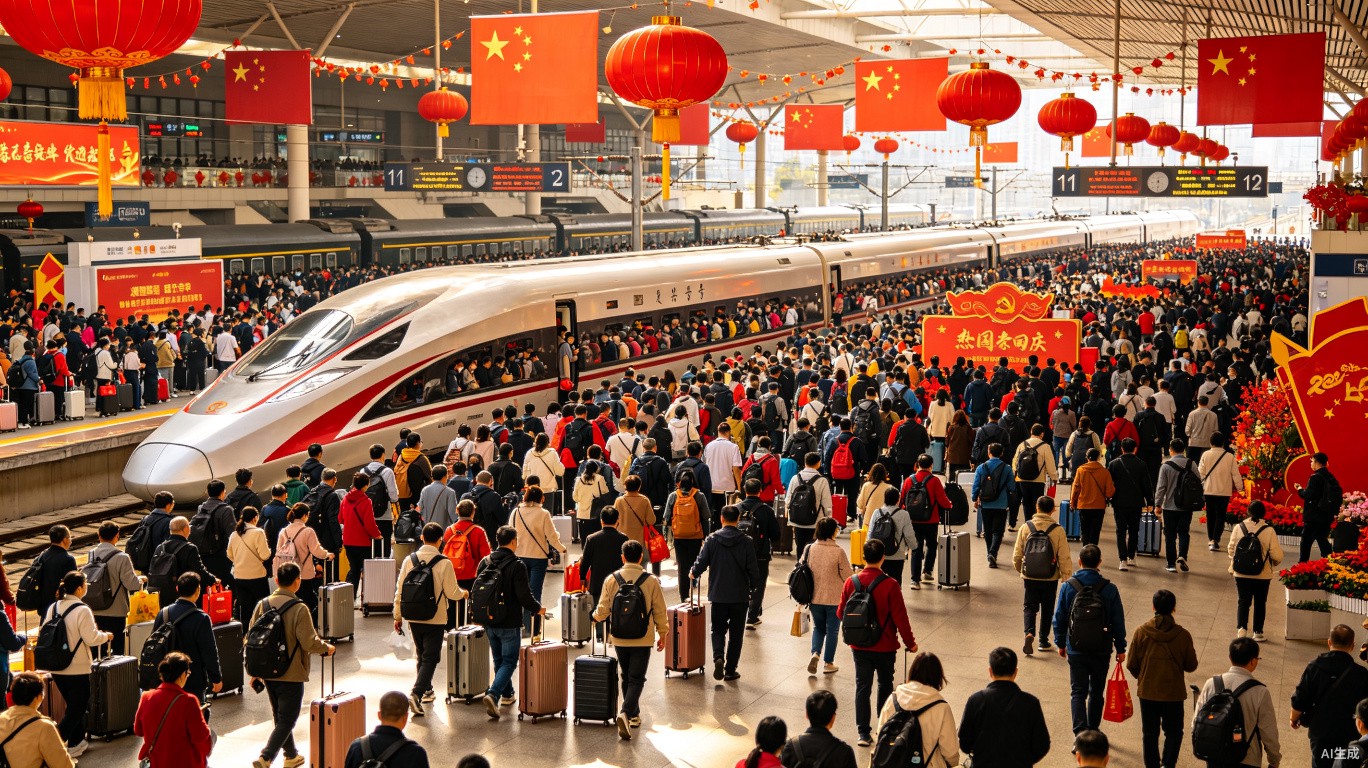
China Golden Week Travel Survival Guide
How to survive China's National Day Golden Week (October 1-7) - what to avoid, where to go, and how to beat the crowds.
9 min read
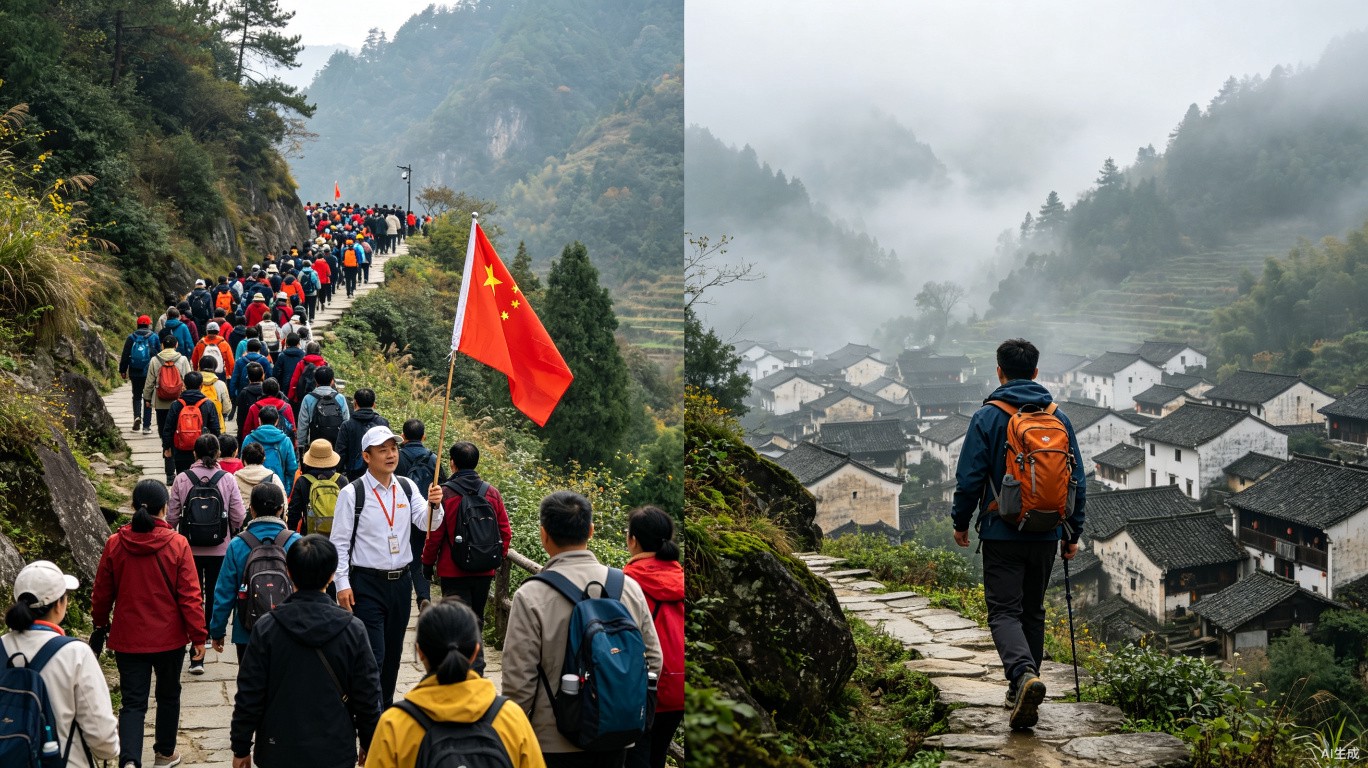
China Group Tours vs Independent Travel Which is Better
Should you join a guided tour or travel independently in China? Honest comparison of cost, flexibility, and experience.
7 min read
China Itinerary Planning: 7-Day 14-Day and 21-Day Routes: The Complete 2026 G...
Not sure how many days to spend in China? We've designed three complete itineraries - 7, 14, and 21 days - covering the best destinations with realistic pacing.
9 min read