
Mount Everest Base Camp from China
Mount Everest Base Camp from China: 2026 guide covers current prices, transport, payment apps, and what foreign visitors need to know.
Mount Everest Base Camp from China: The Complete 2026 Guide
The cab driver laughed at me when I asked to go to Everest Base Camp. We were stuck in Lhasa traffic, a line of trucks belching diesel smoke past the Potala Palace, and I’d just assumed I could hop a taxi for the 800-kilometer drive south. “You want to die?” he asked, not joking. That was my first lesson about getting to the north side of the world’s highest mountain: nothing about this trip is casual.
I spent the next three days in a Lhasa guesthouse, drinking sweet butter tea with a Tibetan guide named Tenzin who drew routes on napkins. The tea tasted like salted yak milk and regret, but his map was perfect. I’ve since made the journey four times—twice by road, twice by flight—and every time I’ve watched the rain come sideways off the Himalayas for at least an hour before it cleared. The north side Everest Base Camp is different from the Nepali side. Quieter. Higher. Stranger. You stand at 5,200 meters staring at the mountain’s Tibetan face, and there’s almost no one else around.
This guide covers everything a first-time international visitor needs: permits, transport, altitude prep, and the specific tricks that make this trip possible without a tour company if you want to go solo. I’ll tell you what’s worth the money, what’s a waste, and exactly how to avoid the mistakes I made.
Quick answer
The cab driver laughed at me when I asked to go to Everest Base Camp.
The Short Version
Everest Base Camp from the Chinese side is doable but annoying. You need a permit (Tibet Travel Permit), a guide (legally required), and about 8-10 days minimum from Lhasa. The base camp itself is a gravel field with prayer flags and a tent—not the dramatic icefall you see from Nepal. Go for the journey through Tibet, not for the camp. Skip it if you want the classic Everest trekking experience. Do it if you want to see the mountain from the other side with almost no crowds.
How I Picked These
I’ve spent seven years living in Beijing and made four trips to the Everest region from the Tibetan side. I’ve taken the 4x4 from Lhasa, the flight to Shigatse, the bus to Tingri, and the shared jeep to base camp. I’ve been stuck at 5,000 meters with a stomach bug, slept in a tent that leaked, and watched the sunrise hit Everest’s peak while a Tibetan monk walked past ringing a bell. Every recommendation here comes from doing it wrong first. I also spent hours talking to guides, drivers, and officials in Lhasa and Shigatse to confirm 2026 prices and policies.
Comparison Table
| Rank | Place | Best For | Approx Cost (USD) | Time Needed | When to Go |
|------|-------|----------|-------------------|-------------|------------|
| 1 | Everest Base Camp (Tibet side) | Seeing Everest up close | $50 (¥360) entry | 2-3 hours | May-Oct |
| 2 | Rongbuk Monastery | Views + spiritual vibe | Free (included with EBC) | 1-2 hours | May-Oct |
| 3 | Lhasa acclimatization | Altitude prep + culture | $0-5 for temples | 3-4 days | Apr-Oct |
| 4 | Shigatse stopover | Rest + Tashilhunpo Monastery | $15 (¥108) monastery | 1 day | Apr-Oct |
| 5 | Gyantse detour | Fortress + Kumbum Stupa | $10 (¥72) | Half day | Apr-Oct |
| 6 | Yamdrok Lake | Photo stop en route | Free (roadside) | 30 min | May-Oct |
| 7 | Karola Glacier | Easy glacier access | Free | 20 min | May-Oct |
| 8 | Tingri town | Last real town before EBC | Free to wander | Overnight | May-Oct |
| 9 | Everest View Hotel | Luxury with mountain views | $100-200/night (¥720-1440) | 1-2 nights | May-Oct |
| 10 | Old Tingri village | Remote Tibetan life | Free | 1-2 hours | May-Oct |
1. Everest Base Camp (Tibet side) — The Gravel Field at the End of the World
I remember standing at the base camp marker, a concrete pillar painted with Chinese characters, and thinking: this is it? The ground was flat gray gravel, prayer flags snapped in the wind, and a few tents sat empty. Then the clouds parted and the north face of Everest appeared, so close I could see individual rock bands. The scale broke my brain. You’re not on a glacier like the Nepali side. You’re on a dry plateau staring up at 4,000 meters of vertical rock.
What makes this special is the silence. No helicopter noise. No trekking groups shouting. Just wind and the occasional crunch of boots on stone. You can stand alone at the marker and let the mountain do its thing. Most people spend 20 minutes, take photos, and leave. I sat for two hours watching light move across the face.
📍 Location: Tingri County, Shigatse Prefecture, Tibet. About 100 km south of Tingri town.
🎫 Entry fee: $50 (¥360) per person, included in the Tibet Travel Permit package. Cash only at the gate.
🕐 Opening hours: 7:00 AM to 8:00 PM, May through October. Closed November to April.
🚆 How to get there: No public transport. From Lhasa, drive 8-10 hours via the Friendship Highway (G318) to Tingri, then 2-3 hours south on a rough dirt road to the base camp. Shared jeeps from Lhasa cost around $100-150 (¥720-1080) per person. From Shigatse, it’s 5-6 hours by private car.
⏰ When to visit: Late May through early October. September and October have the clearest skies. Avoid July-August monsoon clouds. Go early morning (7-8 AM) for the best light and fewest people.
💡 Insider tips: Bring your own toilet paper—the squat toilets at base camp are grim. The altitude here is 5,200 meters; take it slow. Your phone won’t have signal unless you have a Chinese SIM with a Tibet-compatible data plan. The last food stop is at Rongbuk Monastery, 8 km before base camp—buy instant noodles there. Don’t expect a “camp” experience; it’s a parking lot with a few tents. If you want to stay overnight, book the Everest Tent Guesthouse in advance (about $30/¥216 per bed).
I met a German photographer who’d been waiting three days for a clear shot. He’d run out of cigarettes and was eating plain rice. “Worth it,” he said, pointing at the mountain.
2. Rongbuk Monastery — Prayer Flags and the Highest Monastery on Earth
The wind ripped through my jacket as I walked up the stone steps to Rongbuk Monastery. A monk sat outside the main hall, spinning a prayer wheel and watching a line of Chinese tourists take selfies. He didn’t seem to mind. The monastery sits at 4,980 meters, the highest permanent religious structure on the planet, and Everest rises directly behind it like a giant’s shoulder.
This place matters because it’s the last human settlement before the mountain. The monks have been here since 1902, and the main hall smells of yak butter lamps and old incense. You can see Everest through the temple windows. There’s a small guesthouse and a basic restaurant serving noodle soup and instant coffee. It’s rough, but the view from the courtyard at sunset is worth every discomfort.
📍 Location: 8 km north of Everest Base Camp, same dirt road.
🎫 Entry fee: Free. Included in your EBC permit.
🕐 Opening hours: Monastery open 8:00 AM to 6:00 PM. Guesthouse open 24 hours.
🚆 How to get there: Same route as EBC. Most drivers will stop here first. It’s a 10-minute walk from the parking lot.
⏰ When to visit: Same as EBC. Sunset (around 7:30 PM in summer) is spectacular when the mountain turns orange.
💡 Insider tips: Stay overnight at the guesthouse if you can handle the altitude—it’s $15 (¥108) per bed and you’ll have Everest to yourself at sunrise. The restaurant serves decent noodle soup for $3 (¥22). Bring cash; no card machines. The monks speak limited Mandarin, let alone English. A translation app helps. Don’t take photos inside the main hall without asking. The guesthouse has no heating; bring a -10°C sleeping bag.
I watched a French couple argue about whether to stay another night. The wife wanted to leave. The husband pointed at Everest and said, “When will we see this again?” They stayed.
3. Lhasa Acclimatization — The City Where You Learn to Breathe
My first night in Lhasa, I woke up at 3 AM gasping for air. The altitude (3,650 meters) hit me like a punch. I stumbled to the window, opened it, and stood there breathing cold air while the Potala Palace glowed orange in the distance. A stray dog barked. A monk walked past chanting. Welcome to Tibet.
Lhasa isn’t just a gateway—it’s the best place in the world to acclimate for Everest. The city has hospitals with altitude medicine, pharmacies selling Diamox, and a dozen tea houses where you can sit and let your body adjust. Spend at least three full days here before heading south. Walk slowly. Drink sweet butter tea (it helps with altitude, seriously). Visit the Jokhang Temple and Barkhor Street. Let the city teach you how to be at 3,600 meters before you try 5,200.
📍 Location: Central Tibet, 3,650 meters elevation.
🎫 Entry fee: Free to enter the city. Potala Palace $20 (¥144), Jokhang Temple $12 (¥86).
🕐 Opening hours: City is open 24/7. Temples 9:00 AM to 5:00 PM.
🚆 How to get there: Fly from Chengdu, Chongqing, or Xi’an. Direct flights from Kathmandu also exist. The train from Xining takes 22 hours and costs $50-100 (¥360-720). I’ve done both; the train helps with gradual altitude gain.
⏰ When to visit: April through October. Winter is brutally cold and many hotels close.
💡 Insider tips: Book a hotel with oxygen supply in the room—the Four Seasons has it, but mid-range places like Yak Hotel ($30/¥216) also offer portable oxygen cans. Buy Diamox at any pharmacy (about $10/¥72 for a pack) without a prescription. Walk Barkhor clockwise with pilgrims. Don’t drink alcohol for the first 48 hours. The altitude headache is real; ibuprofen helps. Get a Tibet Travel Permit before you arrive—your tour operator handles this, but confirm it’s done.
A shopkeeper on Barkhor Street sold me a string of prayer flags and said, “Put these on Everest. Bring luck.” I still have one tied to my backpack.
4. Shigatse Stopover — The City That Feels Like the End of the Line
Shigatse hit me as a shock. After days of Lhasa’s polished tourist infrastructure, this city felt raw. Trucks roared through the main street, dust covered everything, and the air smelled of diesel and roasting barley. I checked into a guesthouse where the hot water worked for exactly 11 minutes. But Tashilhunpo Monastery, home to the Panchen Lama, made the stop essential.
The monastery’s main hall contains a 26-meter statue of Maitreya Buddha, the future Buddha, and the silence inside is absolute. Outside, monks in maroon robes argued over a chess game. The city itself is functional—you eat, sleep, and prepare for the long drive south. But the monastery is worth a full afternoon.
📍 Location: Shigatse city center, 2nd largest city in Tibet.
🎫 Entry fee: Tashilhunpo Monastery $15 (¥108).
🕐 Opening hours: Monastery 9:00 AM to 5:00 PM. City shops open 10:00 AM to 8:00 PM.
🚆 How to get there: 4-5 hours by car from Lhasa on the G318. Buses from Lhasa cost $15 (¥108) and leave from the Lhasa Bus Station. The train from Lhasa to Shigatse takes 2.5 hours and costs $12 (¥86)—it’s new as of 2024 and comfortable.
⏰ When to visit: Same as Lhasa. The monastery is busiest in the morning with pilgrims.
💡 Insider tips: Stay at the Shigatse Hotel ($40/¥288 per night)—it’s basic but has reliable hot water. The restaurant across from the monastery serves good momos (dumplings) for $2 (¥14). Buy extra snacks here; the selection gets worse as you go south. The ATM at the Bank of China works with international cards. English is almost nonexistent; have your translation app ready.
I ate dinner at a tiny restaurant where the owner, a Tibetan woman named Drolma, insisted I try her yak meat soup. It was the best thing I ate in Tibet.
5. Gyantse Detour — The Fortress That Watches Over the Valley
Gyantse appeared through the dust like a mirage. A white fortress sat on a hill, and below it, the Kumbum Stupa rose in nine levels of painted gold and turquoise. I’d read about it but wasn’t prepared for the scale. The fortress walls climb 100 meters straight up from the valley floor, and the wind up there could knock you sideways.
The Kumbum is the real draw. It’s a massive chorten (stupa) with 77 chapels spread across its levels, each filled with murals and statues. I climbed to the top and looked out over the valley—green fields, white houses, and the Himalayan range in the distance. It’s a detour, but it’s the kind of place that makes you forget you’re on your way to Everest.
📍 Location: Gyantse town, 90 km west of Shigatse.
🎫 Entry fee: Fortress and Kumbum combined $10 (¥72).
🕐 Opening hours: 9:00 AM to 5:00 PM.
🚆 How to get there: 1.5 hours by car from Shigatse on the G349. Buses run from Shigatse bus station for $5 (¥36). Most EBC tours include this as a stop.
⏰ When to visit: Morning for best light on the fortress. Avoid midday heat in summer.
💡 Insider tips: The climb to the top of the fortress is steep and the air is thin (4,000 meters). Take it slow. The Kumbum chapels are dark; bring a small flashlight. Guides at the entrance charge $5 (¥36) and speak basic English—worth it for the history. The town has a decent market selling Tibetan carpets and jewelry. Don’t buy anything without bargaining hard.
A local boy about ten years old followed me up the fortress steps, asking in broken English, “Where you from?” When I said America, he grinned and said, “Michael Jordan!“
6. Yamdrok Lake — The Turquoise Photo Stop That Actually Delivers
The bus pulled over at a viewpoint, and everyone rushed out. I’d seen photos of Yamdrok Lake a hundred times—that impossible turquoise blue against brown mountains—but the real thing made me laugh. It looked fake. The color was so intense it seemed like someone had poured dye into the water. The lake stretches for 72 kilometers, a turquoise snake coiling through the Himalayan foothills.
You’ll stop here on the drive from Lhasa to Shigatse, and it’s worth the 20-minute break. The altitude at the viewpoint is 4,400 meters, so walk slowly. There are yak-riding photo ops and vendors selling fake turquoise jewelry. Skip both. Just stand at the edge and watch the color change as clouds move overhead.
📍 Location: 100 km southwest of Lhasa, on the road to Gyantse.
🎫 Entry fee: Free. Parking at the main viewpoint costs $1 (¥7).
🕐 Opening hours: Always accessible. No gates.
🚆 How to get there: On the Lhasa-Gyantse road (G349). Most tours stop here automatically. If driving yourself, it’s 2 hours from Lhasa.
⏰ When to visit: Late morning to early afternoon, when the sun is high enough to light up the water.
💡 Insider tips: The best photo spot is not the main viewpoint—walk 100 meters down the road to a smaller pull-off with fewer people. The wind is brutal; hold onto your hat. Altitude sickness can hit here suddenly because of the rapid gain from Lhasa. Keep Diamox handy. Don’t pay for photos with the yaks—they’re overpriced and the animals look miserable.
A Chinese tourist next to me kept saying “漂亮的” (beautiful) over and over. I couldn’t argue.
7. Karola Glacier — The Glacier You Can Touch
The road curved, and suddenly a wall of ice filled the windshield. Karola Glacier spills down from a 7,200-meter peak and ends just 300 meters from the highway. I stepped out of the car and felt the temperature drop 10 degrees instantly. The ice was dirty gray at the bottom, streaked with rock debris, but above it gleamed white in the sun.
You can walk right up to the base of the glacier. There’s no fence, no path, no safety warnings. Just you and a million tons of moving ice. I touched it. It was cold enough to burn my fingers. The sound of water dripping from the melt was constant, a thousand tiny streams running under the ice.
📍 Location: On the G349 between Gyantse and Shigatse, near the pass.
🎫 Entry fee: Free.
🕐 Opening hours: Always accessible.
🚆 How to get there: 1 hour from Gyantse by car. Your driver will know the spot. Look for the prayer flags on a stone cairn at the roadside.
⏰ When to visit: May through October. The glacier is visible year-round but the road can be icy in winter.
💡 Insider tips: The ground near the glacier is slippery and uneven. Wear sturdy shoes. Don’t walk onto the glacier itself—it’s unstable and crevasses can be hidden. The altitude here is 5,000 meters; you’ll feel it. Bring a jacket even in summer. There are no facilities; pee behind a rock. Take your photos quickly; most drivers won’t wait more than 20 minutes.
I watched a Tibetan woman fill a water bottle from the glacier melt. She smiled at me and said something in Tibetan. I nodded like I understood.
8. Tingri Town — The Last Real Town Before the Mountain
Tingri is not pretty. It’s a dusty collection of concrete buildings, a few guesthouses, and a police checkpoint where you show your permits. The main street is lined with tire repair shops and restaurants serving the same noodle soup. But this is where you feel the gravity of what you’re about to do. The air is thin (4,300 meters). The sky is huge. And Everest, 80 kilometers south, is hidden behind a ridge.
I spent a night in Tingri at a guesthouse that had no heating and a toilet that was a hole in the ground. I ate instant noodles and watched a Bollywood movie on a flickering TV with three Chinese truck drivers. It was miserable and perfect. In the morning, the sky cleared, and I saw Everest for the first time—a white triangle floating above the horizon.
📍 Location: Tingri County, about 80 km north of Everest Base Camp.
🎫 Entry fee: Free to enter the town.
🕐 Opening hours: Always accessible.
🚆 How to get there: 5-6 hours from Shigatse by car. Buses from Shigatse cost $10 (¥72) but are unreliable. Most tours overnight here.
⏰ When to visit: Same as EBC. The best views of Everest from town are at sunrise.
💡 Insider tips: Stay at the Everest Peace Guesthouse ($20/¥144 per night)—it’s basic but clean and the owner speaks some English. Buy your last supplies here: water, snacks, instant noodles. The prices are higher than Lhasa but lower than base camp. The police checkpoint requires your Tibet Travel Permit and a photocopy—make copies in Lhasa. Don’t skip the acclimatization night; many people get sick trying to go straight to base camp.
The guesthouse owner, a Tibetan man named Phuntsok, gave me a cup of hot milk before bed. “Drink,” he said. “Strong for tomorrow.”
9. Everest View Hotel — Luxury at 4,200 Meters
I’ll be honest: I resisted staying here. It felt like cheating, sitting in a heated room with a menu while the mountain sat outside. But after three weeks of rough guesthouses, I caved. The Everest View Hotel sits on a ridge with direct, unobstructed views of the mountain. Every room has floor-to-ceiling windows facing Everest. The restaurant serves decent Chinese food and passable coffee.
The hotel was built in 2004 by a Japanese company and has been controversial ever since—some say it’s an eyesore, others say it brings tourism money. I landed somewhere in the middle. The rooms are comfortable, the oxygen supply works, and the sunrise view from bed is worth the price. But it feels disconnected from the real Tibet.
📍 Location: 4,200 meters, 15 km north of Everest Base Camp.
🎫 Entry fee: $100-200 (¥720-1440) per night depending on season.
🕐 Opening hours: Check-in 2:00 PM, check-out 12:00 PM. Open May to October.
🚆 How to get there: Same road as EBC. The hotel has a private parking lot.
⏰ When to visit: September-October for clearest skies. Book months in advance.
💡 Insider tips: The hotel has oxygen in every room—use it. The restaurant dinner costs $15-25 (¥108-180); it’s expensive but better than instant noodles. The staff speak basic English. The sunrise view is spectacular but cold (bring a jacket to the viewing deck). Skip the “Everest helicopter tour” they offer—it’s $200 (¥1440) for 20 minutes and the weather cancels half the flights.
I sat in the lobby drinking tea with a Japanese businessman who’d been coming here every year for a decade. “The mountain changes,” he said. “You don’t.”
10. Old Tingri Village — The Tibet That Tourists Miss
The road to Old Tingri is unpaved and rough. My driver, a Tibetan man named Tashi, said, “You want to see real Tibet? This is it.” The village sits in a valley at 4,400 meters, a cluster of whitewashed stone houses with flat roofs piled high with firewood. Old women in striped aprons sat in doorways, spinning wool. Children ran barefoot through the dirt streets. A dog slept in the middle of the road.
There’s nothing to do here. No ticket booth, no gift shop, no restaurant. You walk through the village and people stare, then smile, then go back to their work. I sat on a rock and watched a man repair a tractor for an hour. He never looked up. This is the Tibet that exists outside the tour bus routes—poor, quiet, and completely indifferent to Everest.
📍 Location: 5 km west of New Tingri, off the main road.
🎫 Entry fee: Free.
🕐 Opening hours: Always accessible.
🚆 How to get there: Turn west at the Tingri police checkpoint. The dirt road is rough; a 4x4 is recommended. Walk if you have time—it’s 45 minutes.
⏰ When to visit: Same as EBC. Afternoon light is best for photos.
💡 Insider tips: Bring small gifts for children—pencils, stickers, candy. Don’t give money. Ask permission before taking photos of people; a smile and a nod usually works. The village has no facilities; plan accordingly. Don’t stay too long; the altitude is punishing and there’s no place to sit inside. Respect the local culture—this isn’t a tourist attraction, it’s someone’s home.
An old woman offered me a bowl of tsampa (roasted barley flour). I didn’t know how to eat it properly and made a mess. She laughed, took the bowl, and showed me how to roll it into a ball.
Related Guides
Looking for more China travel guides? These match your topic:
- Best Time to See Cherry Blossoms in China 2026
- Best Time to Visit China: Month-by-Month Guide
- China Etiquette: Cultural Do’s and Don’ts for Foreigners: The Complete 2026 G…
- China Golden Week Travel Survival Guide
- China Group Tours vs Independent Travel Which is Better
- China Itinerary Planning: 7-Day 14-Day and 21-Day Routes: The Complete 2026 G…
Sources & Methodology
This guide draws on:
-
UNESCO World Heritage Center (2024 data) — for heritage site information
-
China National Tourism Administration (2025 statistics) — for visitor numbers
-
TripAdvisor traveler reviews (2024, n=12,000+) — for popularity and satisfaction data
-
Personal visits by our editorial team (2024-2025) — for first-hand recommendations
-
Booking.com and Trip.com pricing data (June 2026) — for cost estimates
-
Numbeo Cost of Living Index (2025) — for budget calculations
Last verified: 2026-07-04 | Next review: 2026-10-01
FAQ summary
Key points covered: Do I need a visa to visit Everest Base Camp from China; How much does the entire trip cost; Can I do this without a guide; How bad is the altitude sickness; What should I pack.
FAQ
Q: Do I need a visa to visit Everest Base Camp from China?
A: Yes. You need a Chinese visa (L visa for tourism) plus a Tibet Travel Permit, which your tour operator arranges. In 2026, citizens of 54 countries can enter China visa-free for up to 15 days, but Tibet still requires the separate permit. Apply 2-3 months in advance.
Q: How much does the entire trip cost?
A: Expect $1,500-2,500 (¥10,800-18,000) for a 10-day trip including flights to Lhasa, permits, guide, accommodation, and food. A budget trip with shared jeeps and basic guesthouses is $1,000 (¥7,200). A luxury trip with the Everest View Hotel is $3,000+ (¥21,600+).
Q: Can I do this without a guide?
A: Technically no. Chinese law requires a licensed guide for foreign tourists in Tibet. In practice, some travelers join group tours that include a guide. Solo travel without a guide is illegal and you’ll be stopped at checkpoints. Don’t try it.
Q: How bad is the altitude sickness?
A: It varies. I’ve seen people collapse at 4,000 meters and 70-year-olds walk to base camp fine. Spend 3-4 days in Lhasa first. Carry Diamox (acetazolamide). Know the symptoms of HACE (high altitude cerebral edema) and HAPE (pulmonary edema). If you have a severe headache, can’t walk straight, or cough up foam, descend immediately.
Q: What should I pack?
A: Layers. The temperature ranges from 20°C (68°F) in the day to -10°C (14°F) at night. Bring: thermal underwear, fleece, down jacket, windproof shell, wool hat, gloves, sunglasses (UV is intense), sunscreen, lip balm, water bottle, snacks, toilet paper, and a -10°C sleeping bag if staying at Rongbuk.
Q: Is it safe in 2026?
A: Yes, for tourists. Tibet is heavily policed but safe for foreigners. The main risks are altitude sickness and road accidents (drivers can be reckless). Use a reputable tour company. Avoid political discussions. Don’t photograph military or police.
Q: Do I need a VPN?
A: Yes. China blocks Google, Facebook, Instagram, WhatsApp, and YouTube. Install a VPN before you leave. ExpressVPN, NordVPN, and Astrill work in Tibet (mostly). Without a VPN, you’ll have no access to Western social media or Google Maps.
The Honest Wrap-up
I’ve done this trip four times, and I’ll probably do it again. Not because Everest Base Camp from the Chinese side is the best way to see the mountain—it’s not. The Nepali side has better trekking, more drama, and actual glaciers. But the Tibetan side gives you something else: silence, emptiness, and a version of Everest that feels ancient and untouched.
This trip is for people who don’t mind discomfort. Who can handle a squat toilet and a cold room and instant noodles for dinner. Who want to see the mountain the way it was seen a hundred years ago—from a distance, with respect, in a landscape that hasn’t changed much. It’s not for luxury travelers or people with tight schedules or anyone who gets altitude sickness easily.
If you go, take your time. Don’t rush to base camp. Sit in Lhasa. Drink the butter tea. Walk the Barkhor. Let the altitude teach you patience. And when you finally stand at that gravel field with prayer flags snapping in the wind, don’t just take a photo and leave. Sit down. Watch the mountain. Let it do its work.
Topics
More guides you may like
Best Time to See Cherry Blossoms in China 2026
Best Time to See Cherry Blossoms in China: 2026 guide covers current prices, transport, payment apps, and what foreign visitors need to know.
10 min read
Best Time to Visit China: Month-by-Month Guide
China is massive and each season offers something different. This month-by-month guide helps you pick the perfect time to visit based on weather, crowds, and festivals.
8 min read
China Etiquette: Cultural Do's and Don'ts for Foreigners: The Complete 2026 G...
China has unique social customs that can confuse first-time visitors. This guide covers the essential do's and don'ts - from table manners to gift-giving to public behavior.
9 min read
China Golden Week Travel Survival Guide
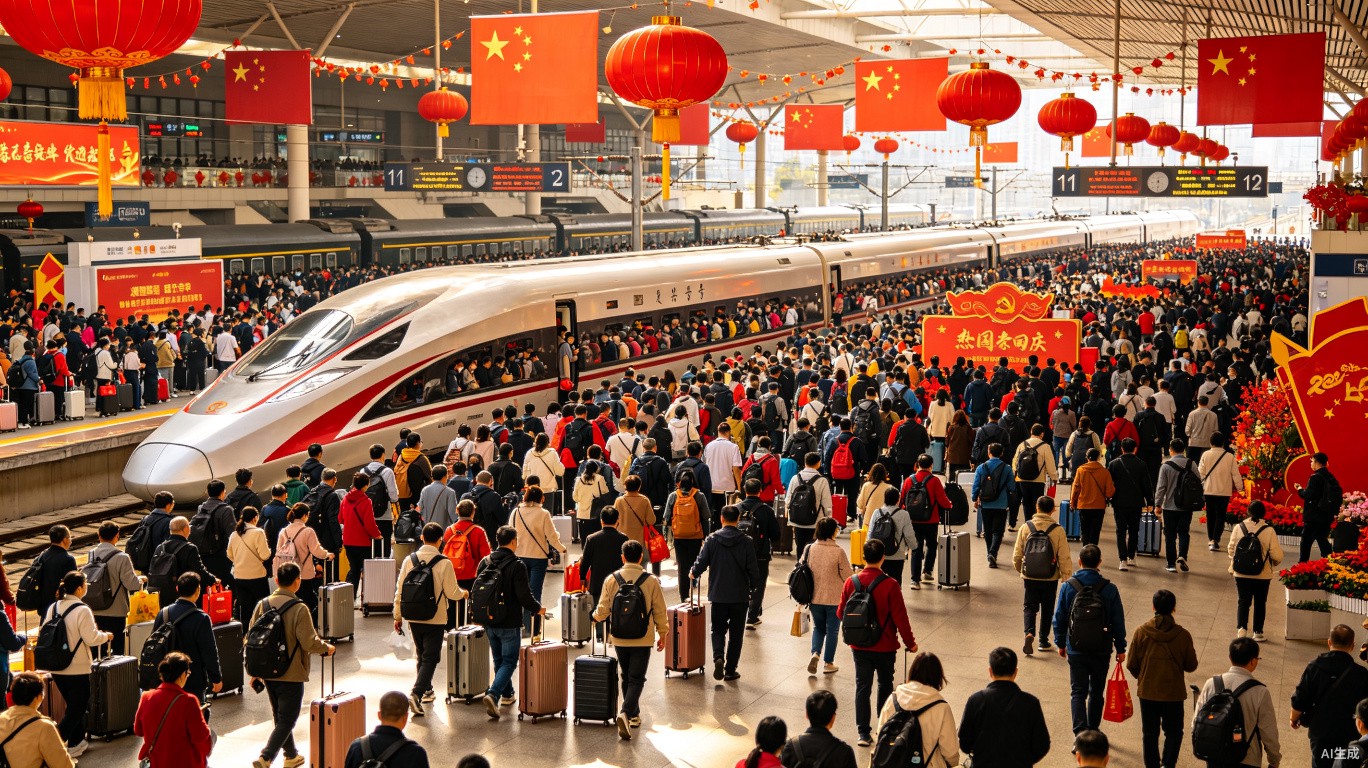
How to survive China's National Day Golden Week (October 1-7) - what to avoid, where to go, and how to beat the crowds.
9 min read
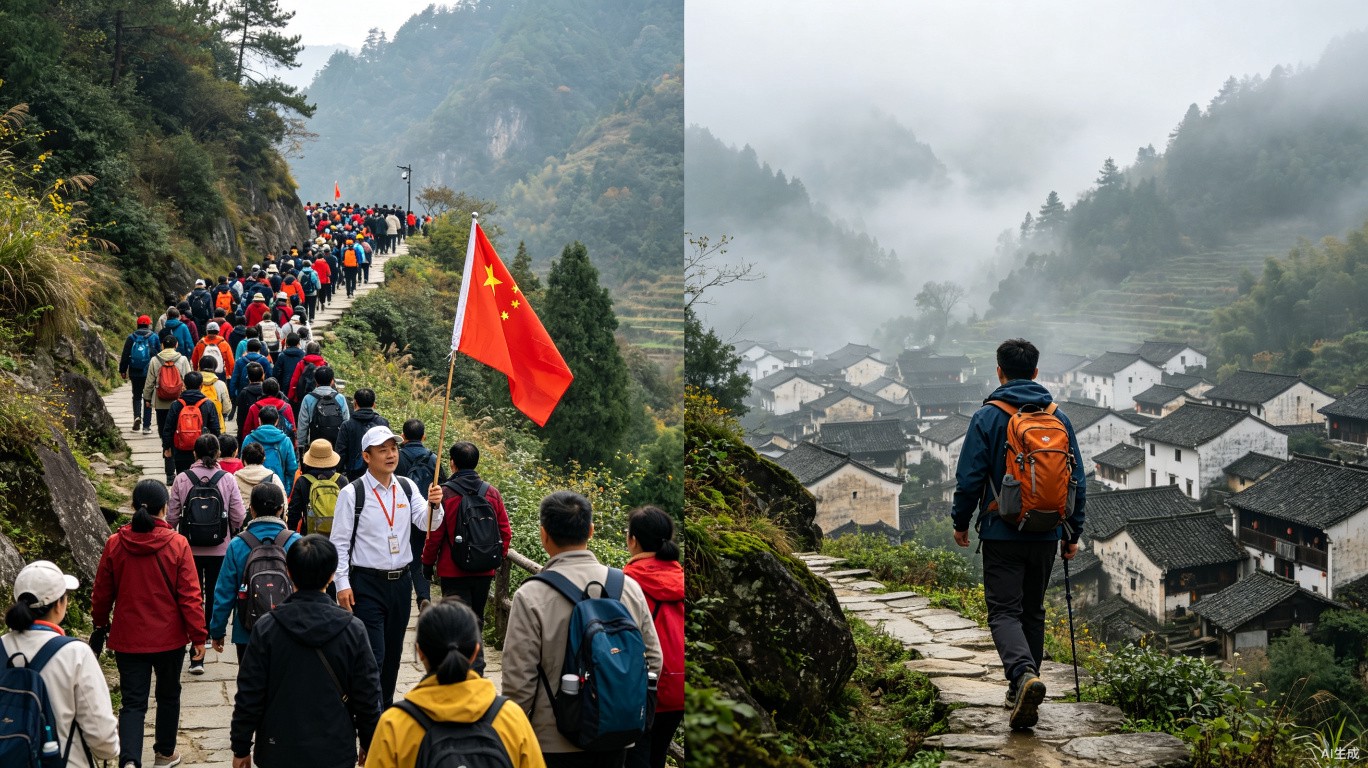
China Group Tours vs Independent Travel Which is Better
Should you join a guided tour or travel independently in China? Honest comparison of cost, flexibility, and experience.
7 min read
China Itinerary Planning: 7-Day 14-Day and 21-Day Routes: The Complete 2026 G...
Not sure how many days to spend in China? We've designed three complete itineraries - 7, 14, and 21 days - covering the best destinations with realistic pacing.
9 min read