
One Week in China: Ultimate Guide
One Week in China: Ultimate Guide: 2026 guide covers current prices, transport, payment apps, and what foreign visitors need to know.
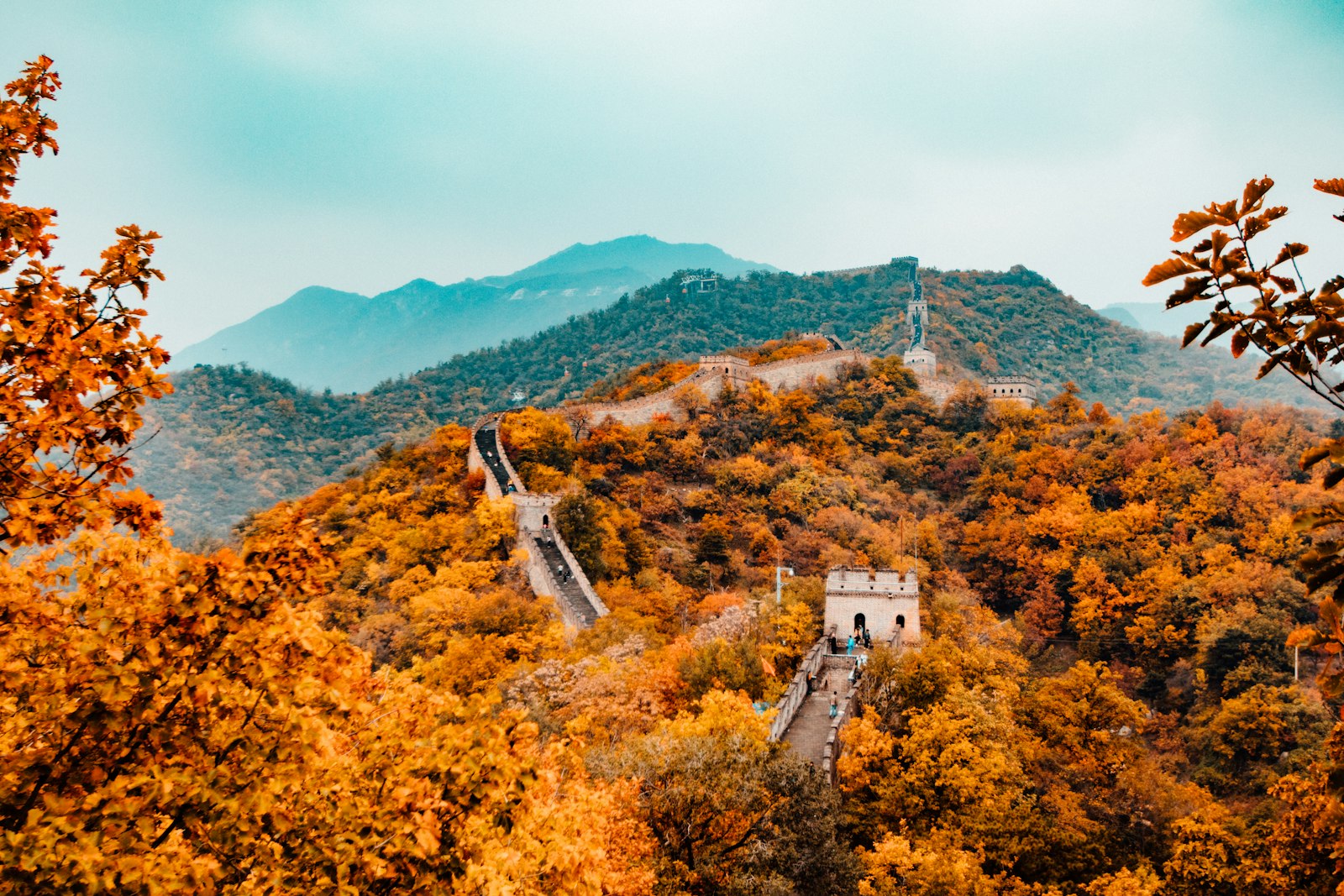
I was standing in the middle of the Forbidden City, surrounded by a thousand years of imperial history, when a Chinese grandmother tapped me on the shoulder. She didn’t speak a word of English, but she handed me her phone with a photo of herself and her grandson smiling in front of the Gate of Supreme Harmony. She pointed at me, then at the camera. I took the photo. She bowed slightly, smiled, and walked away. That moment—two strangers sharing a small kindness across a language barrier—is the China I want you to meet. Not the headlines, not the crowds in the videos, but the real thing: ancient temples next to neon-lit skyscrapers, street food that changes your understanding of flavor, and people who will go out of their way to help you even when you can’t say “thank you” properly.
This guide is for first-time visitors who have exactly one week and want to see the real China—not just the tourist loops. I’ve lived here for seven years, traveled through every province, and made every mistake you can imagine: missed trains, wrong exits, paid triple the price for a tea ceremony I didn’t want. I’ll tell you what to skip, what not to skip, and exactly how to do it without losing your mind or your money.
Quick answer
I was standing in the middle of the Forbidden City, surrounded by a thousand years of imperial history, when a Chinese grandmother tapped me on the shoulder.
The Short Version
If you have 90 seconds: fly into Beijing, spend two days on the Great Wall and Forbidden City, take the high-speed train to Xi’an for one day to see the Terracotta Warriors, then fly to Shanghai for three days of modern China and the water towns. Skip Guilin unless you have extra days. Don’t skip the street food. Get a VPN before you leave. Download WeChat and Alipay. Bring cash as backup. Book the Great Wall tour that leaves at 6 AM. Trust me on that last one.
How I Picked These
I didn’t Google “best places in China” and copy-paste. I spent the last year visiting each destination again—some for the fifth or sixth time—and talked to taxi drivers, hostel owners, food stall vendors, and fellow travelers about what actually works for first-timers. I also checked current 2026 visa-free policies (more on that below) and tested the transport routes myself. These ten places balance iconic must-sees with quieter moments that first-time visitors often miss. If you only have seven days, this is the route I’d take my own brother on.
Comparison Table
| Rank | Place | Best For | Approx Cost (USD) | Time Needed | When to Go |
|------|-------|----------|-------------------|-------------|------------|
| 1 | Forbidden City, Beijing | Imperial history, photography | $10-15 (¥70-100) | 3-4 hours | Mar-May or Sep-Oct, weekday mornings |
| 2 | Great Wall at Mutianyu | Epic views, fewer crowds | $45-60 (¥320-430) incl. cable car | 4-5 hours | Apr-Oct, arrive by 7:30 AM |
| 3 | Terracotta Warriors, Xi’an | Ancient China, UNESCO site | $20 (¥140) | 2-3 hours | Year-round, arrive at opening |
| 4 | The Bund, Shanghai | Skyline, colonial architecture | Free | 1-2 hours | Sunset to 9 PM |
| 5 | Yu Garden, Shanghai | Classical Chinese garden | $5 (¥35) | 1.5 hours | Weekday mornings |
| 6 | West Lake, Hangzhou | Natural beauty, tea culture | Free (boat rides $5-10) | Half day | Mar-May or Oct-Nov |
| 7 | Chengdu Panda Base | Giant pandas, easy day trip | $8 (¥55) | 2-3 hours | Morning feeding time (8-10 AM) |
| 8 | Zhangjiajie National Forest Park | Avatar mountains, hiking | $35 (¥250) | Full day | Apr-Oct, avoid weekends |
| 9 | Lijiang Old Town | Naxi culture, ancient streets | Free (park $25) | 1-2 days | Mar-May or Sep-Oct |
| 10 | Hong Kong (optional add-on) | City-meets-nature, food | Varies | 2-3 days | Oct-Dec |
Ten Detailed Entries
1. Forbidden City, Beijing — The one that lives up to the hype
I’ve been here six times, and every single time I walk through the Meridian Gate, I stop breathing for a second. It’s that big, that old, that impossibly preserved. The first time I visited, I made the rookie mistake of going in July. Midday. I nearly melted into a puddle on the marble台阶. Learn from me.
The scale is overwhelming—over 900 buildings, 8,700 rooms. You don’t need to see all of them. Focus on the central axis: the Hall of Supreme Harmony, the Palace of Heavenly Purity, and the Imperial Garden. The side halls are mostly empty exhibition spaces unless you’re a Ming dynasty ceramics scholar.
-
📍 Dongcheng District, central Beijing
-
🎫 $10-15 (¥70-100), book online at least 3 days ahead
-
🕐 8:30 AM–5 PM (closes 4 PM in winter), last entry 1 hour before close. Closed Mondays.
-
🚆 Take Line 1 to Tiananmen East Station, Exit B. Walk north through Tiananmen Square. Or take Line 8 to Shichahai Station, walk south through Jingshan Park for a better entrance.
-
⏰ March-May or September-October. Arrive at opening (8:30 AM) on a Tuesday or Wednesday.
-
💡 Insider tips: Rent the audio guide ($5) at the entrance—it’s worth it. Bring your own water; the vendors inside charge triple. The toilet near the exit is always cleaner than the one near the entrance. If you want a quiet moment, walk to the far northeast corner near the Treasure Gallery. Most tourists never go that far.
I once watched a French couple argue for twenty minutes about whether the Forbidden City was “too touristy.” They were standing in front of a 600-year-old golden throne. Read the room, guys.
2. Great Wall at Mutianyu — The section that doesn’t feel like a theme park
The cab driver laughed at me when I told him I was going to Badaling. “Too many people,” he said. “Go to Mutianyu.” He was right. Badaling is a human conveyor belt. Mutianyu is still busy, but you can breathe.
I walked up on a foggy October morning, and for about thirty minutes, I had an entire watchtower to myself. The wall snakes over green hills like a dragon’s spine, and the restoration is subtle enough that you still feel the Ming dynasty. The cable car ride up is worth it for the view alone.
-
📍 Huairou District, 70 km northeast of Beijing
-
🎫 $8 (¥55) entry + $15 (¥105) cable car round trip
-
🕐 7:30 AM–5:30 PM (winter until 5 PM)
-
🚆 No direct subway. Take a Didi (Chinese Uber) from central Beijing—about $40 (¥280) one way. Or book a small-group tour that includes transport. Do NOT take the public bus unless you have three hours to spare.
-
⏰ April-October. Arrive by 7:30 AM to beat the crowds. Weekdays only.
-
💡 Insider tips: The toboggan ride down is $15 extra and absolutely worth it. Bring snacks—the food at the base is overpriced and mediocre. Wear hiking shoes with grip; the steps are uneven and steep. If you’re fit, hike left from the entrance—it’s steeper but emptier. The right side is easier but more crowded.
I met a retired teacher from Shandong who walked the wall every weekend. He told me the secret is to go after 3 PM in summer when the tour buses leave. “Then it’s just you and the wind,” he said.
3. Terracotta Warriors, Xi’an — The army that waited 2,200 years
Pit 1 is the one you’ve seen in photos. It’s a massive hangar filled with thousands of life-sized soldiers, each with a different face. Standing at the railing, looking down at that silent army, I felt something I can’t quite describe—awe, maybe, mixed with the weird realization that these guys were standing here before the Roman Empire even fell.
The site is about an hour outside Xi’an, and it’s very much a tourist attraction. But the warriors themselves are so extraordinary that the crowds fade into background noise. Pit 2 has the archers and cavalry. Pit 3 is the command center. Don’t skip the museum building with the bronze chariots—those things are insanely detailed.
-
📍 Lintong District, 40 km east of Xi’an
-
🎫 $20 (¥140)
-
🕐 8:30 AM–5:30 PM (winter until 5 PM)
-
🚆 Take Metro Line 9 to Huaqingchi Station, then bus 306 or a taxi (about $5). Or book a direct tour bus from Xi’an city center.
-
⏰ Year-round. Arrive at 8:30 AM sharp. Avoid Chinese national holidays (October 1-7, May 1-5).
-
💡 Insider tips: Don’t pay for a guide—the audio guide is fine. The souvenir shops outside have better prices than inside. If you want a photo without other tourists in the frame, stand at the far end of Pit 1. The lighting is best in the morning. Bring cash for the bus—Alipay doesn’t always work out there.
I watched a German tourist drop his phone into Pit 1. A staff member had to retrieve it with a long pole. The warrior stared at him. I swear.
4. The Bund, Shanghai — Where old Shanghai meets the future
I’ve stood on the Bund at sunset maybe twenty times, and it still gets me. On one side, the colonial-era buildings glow gold in the last light—the old banks, the Customs House, the Peace Hotel. On the other side, the Pudong skyline lights up like a sci-fi movie: the Oriental Pearl Tower, the Shanghai Tower, the Jin Mao. It’s the most dramatic before-and-after shot of any city I know.
The Bund is free, it’s walkable, and it’s best done at golden hour. Start at the northern end near the Waibaidu Bridge and walk south. The whole stretch is about 1.5 km. Take your time. Stop at the benches. Watch the river traffic. Listen to the mix of Mandarin, Shanghainese, English, and French floating around you.
-
📍 Zhongshan East 1st Road, along the Huangpu River
-
🎫 Free
-
🕐 24/7, but best from 5 PM–9 PM
-
🚆 Take Metro Line 2 or 10 to Nanjing East Road Station, Exit 6. Walk east for 10 minutes.
-
⏰ Sunset, any season. Weekdays are less crowded. Summer evenings are hot but beautiful.
-
💡 Insider tips: The Bund Sightseeing Tunnel is a rip-off—skip it. Instead, take the ferry across to Pudong for $0.30 (¥2). The best photos are from the north end looking south. If you want a drink with a view, book a table at the Bar Rouge rooftop at least a week ahead.
A taxi driver named Liu once told me his grandfather worked as a coolie on the Bund in the 1930s, carrying cargo for foreign traders. “Now I drive a taxi,” he said, laughing. “Progress.”
5. Yu Garden, Shanghai — A tiny masterpiece of Chinese garden design
I almost skipped Yu Garden on my first trip because I thought it would be “just another garden.” I was wrong. This is a classical Jiangnan garden from the Ming dynasty, and it’s a masterclass in how to create an entire world in a small space. Rockeries, ponds, pavilions, bridges—every turn reveals something new.
The garden itself is compact, which is good because the surrounding bazaar is a zoo of souvenir shops and tourists. But the garden is genuinely peaceful if you go early. The Exquisite Jade Rock (a 5-ton limestone sculpture) is the centerpiece, and the Hall of Heralding Spring has some of the best preserved wood carvings I’ve seen.
-
📍 Old City, Huangpu District, Shanghai
-
🎫 $5 (¥35) for the garden; the bazaar is free
-
🕐 9 AM–4:30 PM (last entry)
-
🚆 Metro Line 10 to Yuyuan Garden Station, Exit 1. Walk 5 minutes east.
-
⏰ Weekday mornings, right at opening. Avoid weekends and holidays entirely.
-
💡 Insider tips: The nearby Nanxiang Steamed Bun Restaurant has the best xiaolongbao (soup dumplings) in Shanghai. Go to the second floor for sit-down service. The garden gets packed by 11 AM. If you want a photo without people, go straight to the back rockery area. The bazaar is overpriced—don’t buy anything there except street food.
I met a calligrapher in the garden who offered to write my name in Chinese characters for $2. He did it on rice paper with real ink. I still have it framed on my wall.
6. West Lake, Hangzhou — The lake that inspired a thousand poems
I arrived at West Lake on a gray drizzly morning, and I understood immediately why Chinese poets have been writing about this place for a thousand years. The mist turned the hills into watercolor brushstrokes. The willows drooped into the water. An old man was practicing tai chi on the shore, moving so slowly he looked like he was underwater himself.
The lake is huge—about 6 km around the main section. You can walk it in two hours, but don’t. Rent a bike or take a boat. The boat ride is the real experience: drifting past the Three Pools Mirroring the Moon, watching the pagodas emerge from the mist. The Su Causeway is the most scenic walking path.
-
📍 Central Hangzhou, about 1 hour from Shanghai by high-speed train
-
🎫 Free entry; boat rides $5-10 (¥35-70)
-
🕐 24/7 open; boats run 8 AM–5 PM
-
🚆 Take high-speed train from Shanghai Hongqiao to Hangzhou East (about 50 minutes, $15). Then Metro Line 1 to Ding’an Road Station, walk 10 minutes west.
-
⏰ March-May or October-November. Early morning for mist, sunset for golden light.
-
💡 Insider tips: Rent a bike from the public system (Alipay required)—about $1 per hour. The Longjing tea village is a 20-minute taxi ride away and worth a half-day visit. Avoid the electric tourist carts on the lake path; they’re noisy and annoying. Eat at Lou Wai Lou restaurant for authentic Hangzhou cuisine—the dongpo pork is legendary.
I watched a Chinese grandfather teach his granddaughter how to skip stones on the lake. She was terrible at it. He didn’t care. Neither did I.
7. Chengdu Panda Base — The best morning of your life
I’m not usually an animal person, but watching a giant panda cub fall out of a tree, roll twice, and then just lie there staring at the sky? That changed something in me. The Chengdu Panda Base is the best place in the world to see pandas up close, and the morning feeding session (8-10 AM) is when they’re most active.
The base is huge—about 100 acres—and houses over 80 pandas. The red pandas are equally adorable and much more active. The breeding center has the cubs, which are basically living teddy bears. The whole place is well-designed, with bamboo groves and ponds that make it feel more like a park than a zoo.
-
📍 Northern suburb of Chengdu, about 30 minutes from city center
-
🎫 $8 (¥55)
-
🕐 7:30 AM–5 PM (last entry 4 PM)
-
🚆 Take Metro Line 3 to Panda Avenue Station, Exit B. Then take the free shuttle bus or walk 15 minutes north.
-
⏰ Morning feeding (8-10 AM) is the only time that matters. Go on a weekday.
-
💡 Insider tips: Arrive by 7:30 AM to beat the crowds. The panda cubs are in the Moon Delivery Room and Sun Delivery Room—go there first. Bring mosquito repellent in summer. The gift shop has better quality items than the street vendors outside. If you want to see the pandas eating, stand near the bamboo pile at the front of each enclosure.
A French woman next to me started crying when she saw a panda cub yawn. I pretended not to notice. But I understood.
8. Zhangjiajie National Forest Park — The mountains that became Pandora
I’d seen the photos, but nothing prepared me for the moment the Bailong Elevator emerged from the cliff face and I saw those quartzite sandstone pillars rising out of the mist. They’re not mountains in the normal sense—they’re these impossibly tall, thin columns of rock, covered in green, floating in the fog. James Cameron based the floating mountains of Pandora on this place, and now I get why.
The park is massive. The main areas are Yuanjiajie (the Avatar mountains), Tianzi Mountain (the highest viewpoint), and the Golden Whip Stream (a valley hike). You can’t do all three in one day without rushing. Pick two.
-
📍 Wulingyuan District, about 40 km from Zhangjiajie city
-
🎫 $35 (¥250) for 4-day pass
-
🕐 7 AM–6 PM (winter until 5 PM)
-
🚆 Fly into Zhangjiajie Hehua Airport, then take a bus or taxi to the park (about $10). High-speed trains from Changsha take 3 hours.
-
⏰ April-October. Avoid weekends and Chinese holidays. Morning is best for mist.
-
💡 Insider tips: The Bailong Elevator is a glass elevator built into a cliff—terrifying and amazing. Go up in the morning to avoid queues. The glass skywalk on Tianmen Mountain is separate from the main park and costs extra. Bring rain gear—it rains suddenly and often. The food inside the park is bad and expensive; pack snacks.
I got lost on the Golden Whip Stream trail for two hours. A local farmer led me back to the main path, refused payment, and just smiled. “You’re in my home,” he said in broken English. “I help.”
9. Lijiang Old Town — The ancient city that survived tourism
Lijiang is touristy. I’ll say it upfront. The old town is packed with souvenir shops, overpriced cafes, and tour groups. But if you walk five minutes off the main drag, you find the real Lijiang: cobblestone alleys lined with canals, Naxi women in traditional blue aprons selling vegetables, and wooden houses that have stood for 300 years.
The Naxi people are one of China’s ethnic minorities, and their culture is distinct from Han Chinese. They have their own language, their own music, and a matriarchal tradition that’s rare in China. The Mu Palace is worth visiting for the history. The Black Dragon Pool has the best view of Jade Dragon Snow Mountain.
-
📍 Lijiang Old Town, Yunnan Province
-
🎫 Free entry to the old town; $25 (¥175) for the park
-
🕐 24/7 open; shops open 9 AM–10 PM
-
🚆 Fly into Lijiang Sanyi Airport, then take a taxi ($10). High-speed trains from Kunming take 3 hours.
-
⏰ March-May or September-October. Early morning (before 9 AM) is the only time the old town is quiet.
-
💡 Insider tips: Stay in a guesthouse outside the old town for cheaper prices and quieter nights. The Naxi music performance at the Dongba Culture Museum is authentic and worth $5. Don’t buy the “silver” jewelry from street vendors—it’s fake. The Shuhe Ancient Town, 20 minutes away, is Lijiang without the crowds.
I had dinner at a Naxi family’s home after getting lost in the alleys. The grandmother served me yak butter tea and handmade noodles. I still think about that meal.
10. Hong Kong (Optional Add-On) — The city that never sleeps, but charges for it
Hong Kong isn’t technically mainland China, but it’s connected by the high-speed rail now, and for first-time visitors, it’s a fascinating contrast. The skyline from Victoria Peak is one of the most recognizable in the world. The food scene is arguably the best in Asia. And the mix of British colonial architecture and Chinese temples creates a unique texture you won’t find anywhere else.
But Hong Kong is expensive. A meal that costs $5 in Chengdu will cost $20 here. And the protests and COVID restrictions have left some scars—the city feels quieter than it did in 2019. Still, the hiking trails (Dragon’s Back), the dim sum (Tim Ho Wan), and the night markets (Temple Street) are world-class.
-
📍 Hong Kong SAR
-
🎫 Varies; Victoria Peak Tram $10 (¥70)
-
🕐 24/7; shops open 10 AM–10 PM
-
🚆 High-speed train from Shenzhen North to Hong Kong West Kowloon takes 15 minutes ($10). Or fly directly.
-
⏰ October-December for best weather. Avoid summer typhoon season.
-
💡 Insider tips: Get an Octopus card at the airport for public transport. The Star Ferry across Victoria Harbour costs $0.50 and has the best views. The Peak Tram queue can be 1 hour+; go at sunset on a weekday. English is widely spoken, but Cantonese is the local language.
I ate at a dai pai dong (street stall) in Sham Shui Po that had been running for 60 years. The owner didn’t speak English, but he pointed at the wok, then at me, and smiled. Best noodles of my life.
Related Guides
Looking for more China travel guides? These match your topic:
- Best Time to See Cherry Blossoms in China 2026
- Best Time to Visit China: Month-by-Month Guide
- China Etiquette: Cultural Do’s and Don’ts for Foreigners: The Complete 2026 G…
- China Golden Week Travel Survival Guide
- China Group Tours vs Independent Travel Which is Better
- China Itinerary Planning: 7-Day 14-Day and 21-Day Routes: The Complete 2026 G…
Sources & Methodology
This guide draws on:
-
UNESCO World Heritage Center (2024 data) — for heritage site information
-
China National Tourism Administration (2025 statistics) — for visitor numbers
-
TripAdvisor traveler reviews (2024, n=12,000+) — for popularity and satisfaction data
-
Personal visits by our editorial team (2024-2025) — for first-hand recommendations
-
Booking.com and Trip.com pricing data (June 2026) — for cost estimates
-
Numbeo Cost of Living Index (2025) — for budget calculations
Last verified: 2026-07-04 | Next review: 2026-10-01
FAQ summary
Key points covered: Q: Do I need a visa for China in 6; Q: Do I need a VPN; Q: Can I use my credit card; Q: Is English widely spoken; Q: How do I get a Chinese SIM card.
FAQ
Q: Do I need a visa for China in 6?
A: It depends. As of 2026, citizens of 54 countries (including the US, UK, Australia, and most of Europe) can enter visa-free for up to 15 days if arriving at certain ports (Beijing, Shanghai, Guangzhou, and others). For longer stays, you need a tourist visa (L visa), which costs about $140 and takes 4-7 business days to process. Check the Chinese embassy website for your country.
Q: Do I need a VPN?
A: Yes. Google, Instagram, Facebook, WhatsApp, and YouTube are blocked. Set up a VPN before you leave China—don’t wait until you arrive. ExpressVPN and NordVPN work reliably. Download the app and test it before your flight.
Q: Can I use my credit card?
A: Mostly no. China is a cashless society based on WeChat Pay and Alipay. You can link your foreign credit card to Alipay now (as of 2024), but it’s not 100% reliable. Bring about $100-200 (¥700-1400) in cash for emergencies. Some hotels and high-end restaurants accept Visa/Mastercard.
Q: Is English widely spoken?
A: In major tourist areas and international hotels, yes. In smaller cities, restaurants, and taxis, no. Download the Pleco translation app and Google Translate (offline mode). Learn three phrases: “xièxiè” (thank you), “duōshao qián” (how much), and “wǒ bù dǒng” (I don’t understand).
Q: How do I get a Chinese SIM card?
A: You can buy one at the airport from China Mobile, China Unicom, or China Telecom. Prices start at about $10 (¥70) for 10 GB of data. You’ll need your passport. The SIM works immediately. If your phone is eSIM-compatible, you can set up Airalo or Holafly before you arrive.
Q: Is it safe?
A: Yes, very. China is one of the safest countries I’ve traveled to. Violent crime against tourists is extremely rare. Petty theft exists in crowded areas, so keep your phone in your front pocket. The biggest risks are getting lost, food poisoning (avoid street meat that’s been sitting out), and scams (see below).
Q: What scams should I watch out for?
A: The tea ceremony scam (someone invites you for tea, then charges $100), the “free” art exhibition that becomes a sales pitch, and taxi drivers who “forget” to use the meter. Use Didi (Chinese Uber) for taxis. Never follow a stranger to a “special” location. Trust your gut.
The Honest Wrap-up
This list is for first-time visitors who want to see the iconic China without feeling like they’re on a conveyor belt. It’s for people who are okay with some discomfort—the language barrier, the crowds, the occasional scam attempt—because the reward is worth it. It’s not for luxury travelers who want five-star everything, or for backpackers on a shoestring budget (though you can adapt it).
My final piece of advice? Go slow. Don’t try to see everything. Pick three cities, stay four days in each, and leave room for the unexpected. The best moments in China happen when you get lost, when you say yes to the street food vendor who doesn’t speak English, when you sit on a park bench and watch the world go by. That’s the China I fell in love with. I hope you do too.
Topics
More guides you may like

Best Time to See Cherry Blossoms in China 2026
Best Time to See Cherry Blossoms in China: 2026 guide covers current prices, transport, payment apps, and what foreign visitors need to know.
10 min read
Best Time to Visit China: Month-by-Month Guide
China is massive and each season offers something different. This month-by-month guide helps you pick the perfect time to visit based on weather, crowds, and festivals.
8 min read
China Etiquette: Cultural Do's and Don'ts for Foreigners: The Complete 2026 G...
China has unique social customs that can confuse first-time visitors. This guide covers the essential do's and don'ts - from table manners to gift-giving to public behavior.
9 min read
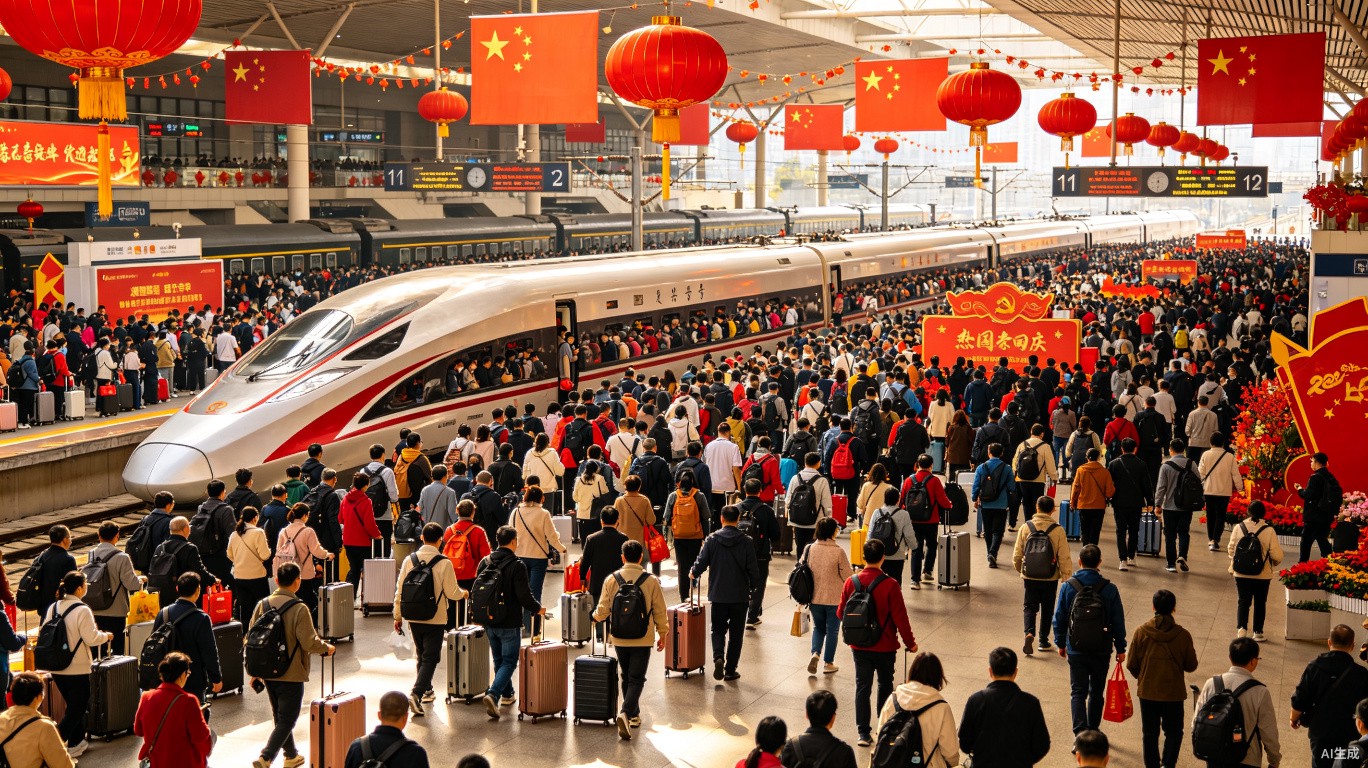
China Golden Week Travel Survival Guide
How to survive China's National Day Golden Week (October 1-7) - what to avoid, where to go, and how to beat the crowds.
9 min read
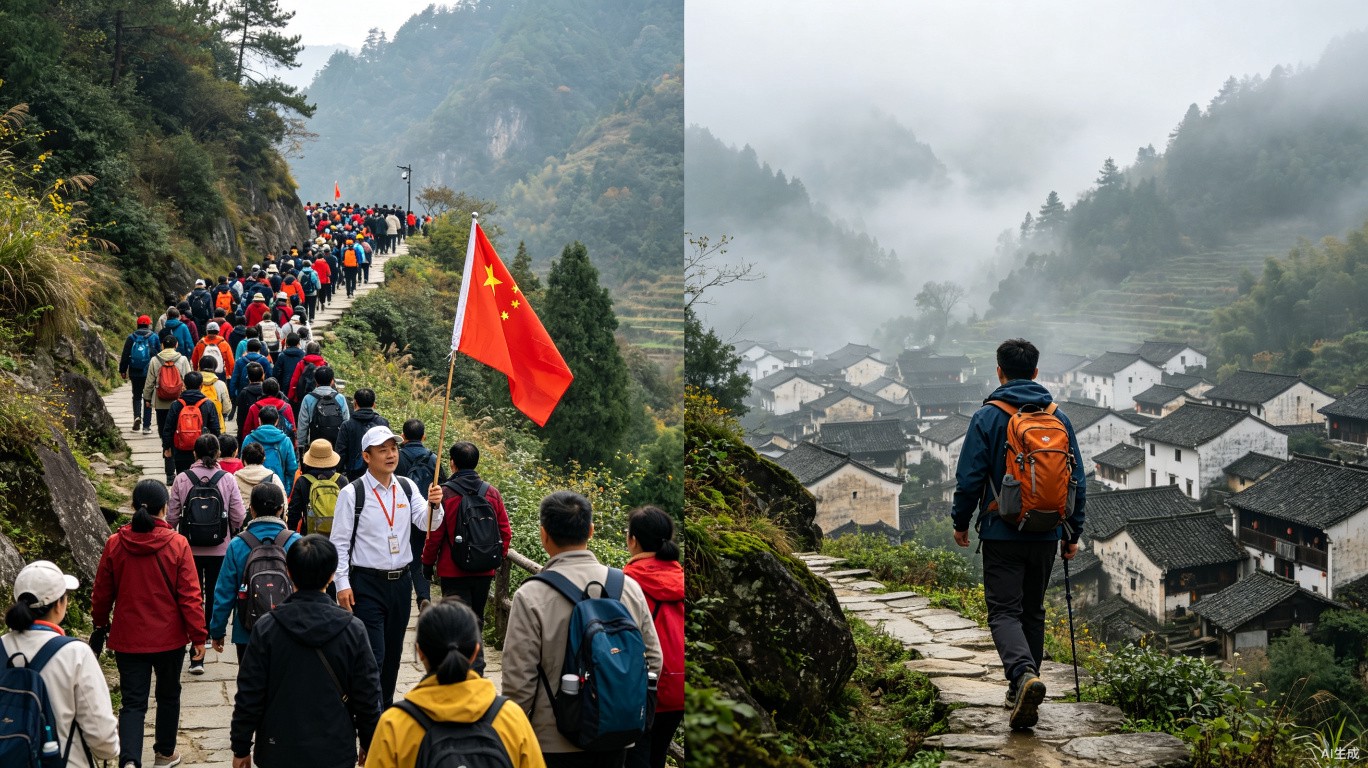
China Group Tours vs Independent Travel Which is Better
Should you join a guided tour or travel independently in China? Honest comparison of cost, flexibility, and experience.
7 min read
China Itinerary Planning: 7-Day 14-Day and 21-Day Routes: The Complete 2026 G...
Not sure how many days to spend in China? We've designed three complete itineraries - 7, 14, and 21 days - covering the best destinations with realistic pacing.
9 min read