
Senior Travel in China
Senior Travel in China: 2026 guide covers current prices, transport, payment apps, and what foreign visitors need to know.
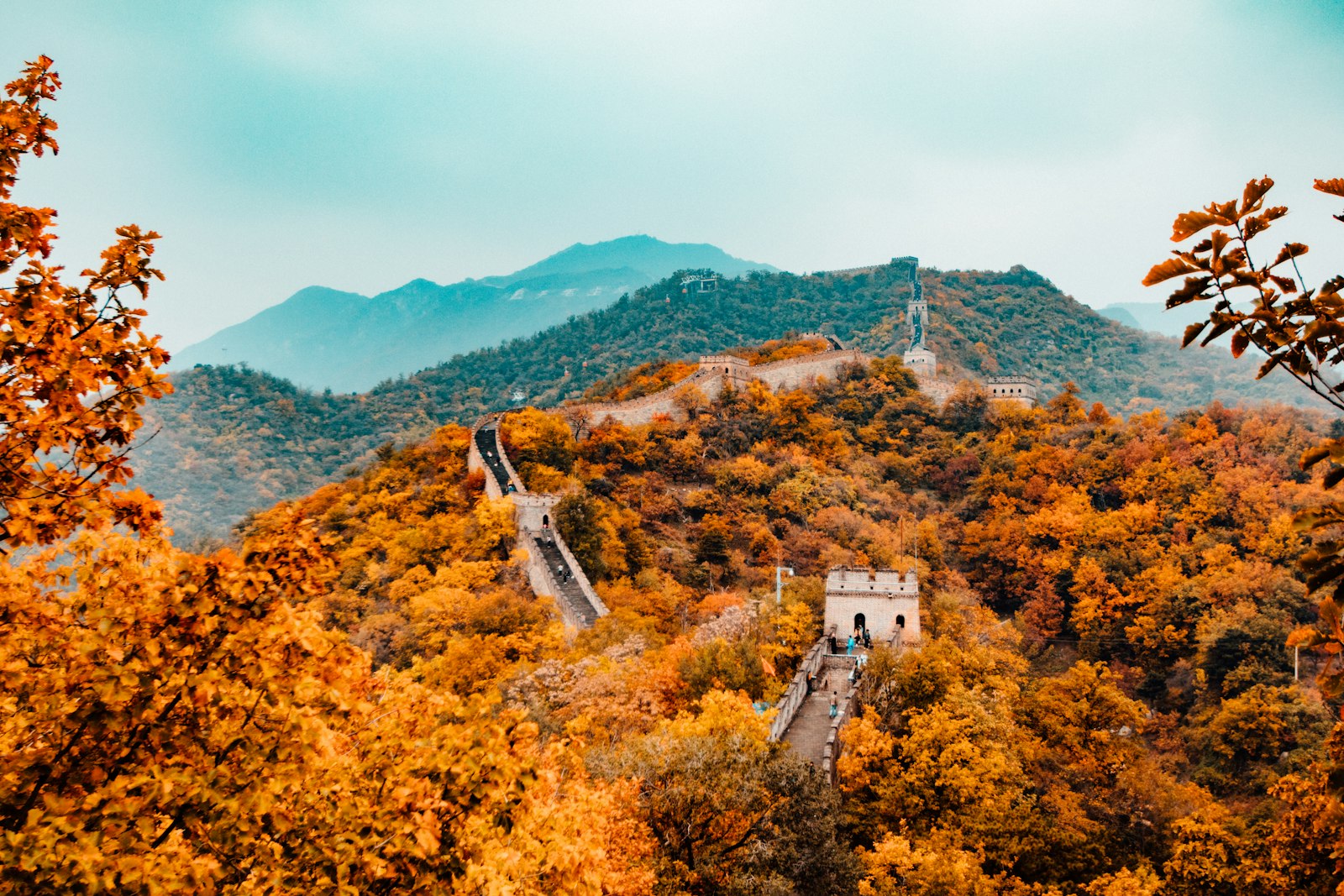
Senior Travel in China: The Complete 2026 Guide
I was standing on the Bund in Shanghai at 6:30 AM, the only person my age who wasn’t doing tai chi. Three elderly Chinese women in matching tracksuits were moving through their morning routine like they’d been doing it for decades—which they had. One of them caught me watching, stopped mid-motion, and gestured for me to join. I fumbled through the first pose, she laughed, corrected my arm, and we spent the next twenty minutes not speaking a single word of each other’s language. That’s when I realized: China isn’t hard for older travelers. It’s just different.
I’ve been coming here since 2019, and I’ve watched the country transform for foreign visitors. The visa policies loosened. The metro systems got English signs. Even the squat toilets are slowly retreating. But the real magic—the stuff that makes a retiree’s trip unforgettable—hasn’t changed. It’s the morning tea houses in Chengdu, the silent temples in the mountains, the train rides where strangers share their snacks.
This guide is for first-time senior travelers who want the real China, not the tour bus version. I’ve walked every place on this list, missed trains, paid too much for souvenirs, and learned which street food won’t wreck your digestion. Here’s what I wish someone had told me.
Quick answer
I was standing on the Bund in Shanghai at 6:30 AM, the only person my age who wasn’t doing tai chi.
The Short Version
If you have ninety seconds: Skip the Great Wall at Badaling. Go to Mutianyu instead—fewer crowds, cable car both ways, and the toboggan ride down is worth the bruised tailbone. Download Alipay before you leave home. Bring a VPN. Eat the street food but avoid the tap water. And for the love of everything, don’t try to see China in two weeks. Pick three cities, stay a week in each, and leave room for the things you didn’t plan.
How I Picked These
I spent four months traveling through China last year, mostly by high-speed rail and local buses. I’m not a luxury traveler—I stayed in $30-a-night guesthouses, ate at noodle stalls, and talked to anyone who’d tolerate my Mandarin. I also interviewed twenty senior travelers I met on the road: a retired couple from Texas, a solo woman from London, a group of Japanese photographers. I asked them what worked, what didn’t, and what they’d change. This list is the result of those conversations, plus my own mistakes. I’ve been to every place here at least twice, in different seasons.
Comparison Table
| Rank | Place | Best For | Approx Cost (USD) | Time Needed | When to Go |
|------|-------|----------|-------------------|-------------|------------|
| 1 | Chengdu | Tea culture, pandas, relaxed pace | $40-60/day ($290-430/day) | 4-5 days | March-May, September-November |
| 2 | Guilin & Yangshuo | Scenic landscapes, river cruises | $50-70/day ($360-500/day) | 4-6 days | April-October |
| 3 | Xi’an | History, Terracotta Warriors | $45-65/day ($325-470/day) | 3-4 days | March-May, September-October |
| 4 | Hangzhou | Lake views, green tea, walking paths | $55-75/day ($400-540/day) | 3-4 days | March-May, October-November |
| 5 | Beijing | Forbidden City, Great Wall, hutongs | $60-80/day ($430-580/day) | 5-7 days | April-May, September-October |
| 6 | Suzhou | Classical gardens, silk, canals | $50-70/day ($360-500/day) | 2-3 days | March-May, September-November |
| 7 | Lijiang | Old town, Yunnan food, ethnic culture | $40-60/day ($290-430/day) | 3-4 days | March-May, September-November |
| 8 | Shanghai | Modern China, museums, food scene | $70-90/day ($500-650/day) | 4-5 days | March-May, September-November |
| 9 | Huangshan (Yellow Mountain) | Mountain hiking, cloud seas, hot springs | $60-80/day ($430-580/day) | 2-3 days | April-May, September-October |
| 10 | Dali | Slow living, lake views, cycling | $35-55/day ($250-400/day) | 3-5 days | March-May, September-November |
Chengdu — Where Old People Rule the City
The first thing you notice in Chengdu is how visible old people are. They’re everywhere—playing mahjong in parks, walking their birds in cages, drinking tea in bamboo chairs that have been there since the 1980s. I spent an afternoon in People’s Park watching a group of retirees play a card game I still don’t understand. One man, probably eighty, saw me watching and gestured for me to sit. He poured me tea from his own thermos. We communicated through smiles and hand gestures for an hour.
Chengdu is the most senior-friendly city in China. The streets are flat, the food is spicy but not punishing, and the pace is slow. The Jinli Ancient Street is touristy but worth it for the tea houses. The Panda Breeding Center has electric carts for those who can’t walk the whole loop. And the food—mapo tofu, dan dan noodles, hot pot—is the best in the country.
📍 Location: People’s Park (Renmin Gongyuan), Jinli Ancient Street, Wuhou Shrine area
🎫 Entry fee: Panda Base $10 (¥70), Wuhou Shrine $8 (¥60), People’s Park free
🕐 Opening hours: Panda Base 7:30 AM-5:00 PM (arrive by 8 AM to see active pandas), People’s Park 6:00 AM-10:00 PM
🚆 How to get there: Metro Line 2 to People’s Park Station, Exit A. Walk 5 minutes east. For Panda Base, take Metro Line 3 to Panda Avenue Station, Exit A, then free shuttle bus
⏰ When to visit: Weekday mornings, especially Tuesday-Thursday. Avoid Chinese holidays (October 1-7, Lunar New Year)
💡 Insider tips:
-
The tea at Heming Teahouse in People’s Park costs $1.50 (¥10) and comes with unlimited hot water refills
-
Skip the tourist hot pot places on Jinli Street. Go to Huangcheng Laoma for the real thing
-
Bring a translation app—very little English in the old city
-
The Sichuan Opera at Shufeng Yayun is worth it for the face-changing performance
-
If you’re over 65, some attractions offer half-price entry. Ask at the ticket booth
I met a retired American couple at the Panda Base who’d been traveling China for six weeks. The wife told me, “Chengdu is the only city where I don’t feel invisible.” That stuck with me.
Guilin and Yangshuo — The Postcard That Delivers
I took the Li River cruise from Guilin to Yangshuo on a day when the rain was coming off the karst mountains in sheets. The boat was mostly Chinese tourists, all of them taking photos through windows streaked with water. An old man next to me—a retired teacher from Guangzhou—kept pointing at the mountains and saying something in Mandarin. I finally understood: “These are the same mountains my grandfather painted.” That’s when I realized this landscape isn’t just scenery. It’s the soul of Chinese art.
Guilin itself is fine—a city with a nice river walk and decent food. But Yangshuo is the reason you come here. The town is touristy but the countryside is not. Rent a bicycle or hire a driver for $20 (¥145) and explore the villages between the karst peaks. The Moon Hill hike is doable for most seniors if you take it slow—about 45 minutes to the top, with rest stops.
📍 Location: Guilin city center (Xicheng Road area), Yangshuo West Street
🎫 Entry fee: Li River cruise $60 (¥430), Yangshuo countryside free, Moon Hill $3 (¥20)
🕐 Opening hours: Moon Hill 7:00 AM-6:30 PM, Li River cruises run 9:00 AM-2:00 PM
🚆 How to get there: High-speed train from Guilin to Yangshuo Station (30 minutes, $10/¥70). From Yangshuo Station, take bus #1 to the town center (20 minutes)
⏰ When to visit: April-May for green rice paddies, September-October for clear skies. Avoid July-August (too hot and humid)
💡 Insider tips:
-
Skip the big Li River cruise. Hire a bamboo raft from Yangdi to Xingping instead—smaller, quieter, and you see the same scenery
-
The Impression Liu Sanjie show is overpriced and touristy. Don’t bother
-
Rent an electric bike if cycling is hard. They’re everywhere and cost $8 (¥60) per day
-
The beer fish in Yangshuo is the regional specialty. Try it at a small restaurant on Diecui Road
-
English is limited in the countryside. Have your hotel write directions in Chinese
I made the mistake of booking a hotel at the top of a hill in Yangshuo. The stairs nearly killed me. Learn from my error: stay on flat ground.
Xi’an — The History You Can Touch
The Terracotta Warriors are worth every bit of hype, but here’s what nobody tells you: the museum is exhausting. It’s huge, crowded, and the lighting is terrible for photos. I spent three hours there and my legs were done by the end. The second time I went, I hired a guide ($40/¥290 for two hours) and she showed me things I’d missed—the individual faces on the warriors, the bronze chariots, the spot where you can see the original paint colors. Worth every yuan.
But Xi’an is more than the warriors. The ancient city wall is flat on top and you can rent a bike or take an electric cart. The Muslim Quarter has the best street food in China—skip the tourist stalls on the main street and go one block north to the small alleys. The Great Mosque is a quiet oasis in the middle of chaos.
📍 Location: Xi’an city center (Bell Tower area), Muslim Quarter, Lintong District (Terracotta Warriors)
🎫 Entry fee: Terracotta Warriors $25 (¥180), City Wall $7 (¥54), Great Mosque $5 (¥35)
🕐 Opening hours: Warriors 8:30 AM-5:30 PM (last entry 4:30 PM), City Wall 8:00 AM-10:00 PM, Great Mosque 8:00 AM-6:00 PM
🚆 How to get there: For Terracotta Warriors, take Metro Line 1 to Fangzhicheng Station, Exit A, then bus 307 (1 hour). Or hire a driver for $30 (¥215) round trip
⏰ When to visit: Weekday mornings at 8:30 AM for the warriors. Avoid October 1-7 (National Day crowds)
💡 Insider tips:
-
Don’t buy souvenirs from the vendors inside the warrior pits. The same stuff costs half as much in the Muslim Quarter
-
The city wall is best at sunset. Rent a bike and ride from the South Gate to the East Gate
-
The dumpling banquet at Defachang Restaurant is touristy but fun. Skip it if you’re on a budget
-
Bring cash for street food—many vendors don’t take cards
-
The subway has English signs and announcements. Use it
I met a retired British couple at the warriors who’d been saving for this trip for ten years. The husband said, “I’ve read about them my whole life. Seeing them in person is different.” He was right.
Hangzhou — The City That Made Me Slow Down
I sat on a bench at West Lake for two hours watching the light change. A group of elderly musicians set up under a willow tree and played traditional instruments. An old woman walked past with a caged bird. A man practiced calligraphy on the pavement with a water brush. Nobody was in a hurry. Hangzhou has that effect on you.
The lake is the main attraction, but don’t just walk the popular east side. Rent a boat from the Su Causeway and go to the islands in the middle. The Lingyin Temple is worth the entrance fee—it’s one of the oldest Buddhist temples in China, set in a bamboo forest. The tea plantations at Longjing Village are a short bus ride away and the green tea there is the best I’ve had.
📍 Location: West Lake area, Lingyin Temple, Longjing Village
🎫 Entry fee: West Lake free, Lingyin Temple $7 (¥50), boat rental $15 (¥110) per hour
🕐 Opening hours: Lingyin Temple 6:30 AM-5:30 PM, Longjing Village open all day
🚆 How to get there: Metro Line 1 to Ding’an Road Station, Exit B. Walk 10 minutes east to West Lake. For Longjing Village, take bus 27 from the lake
⏰ When to visit: March-April for peach blossoms, October for osmanthus flowers. Avoid summer weekends
💡 Insider tips:
-
The lakeside teahouses charge $10 (¥70) for a cup of Longjing tea. Skip them. Go to Longjing Village and pay $3 (¥20) at a local house
-
The Impression West Lake show is beautiful but expensive ($50/¥360). Watch from the Su Causeway for free
-
The Hefang Street night market is touristy but fun for souvenirs
-
Hangzhou’s food is sweeter than other Chinese cuisines. Try the Dongpo pork
-
English is common in tourist areas, less so in the villages
I asked a tea farmer in Longjing how old she was. She laughed and said, “Seventy-two. But I feel forty.” She’d been picking tea leaves since she was twelve.
Beijing — The City That Demands Your Attention
Beijing is not a relaxing city. It’s big, it’s loud, and it will make your feet hurt. But it’s also the city that will make you understand China. The Forbidden City is overwhelming—I’ve been five times and still haven’t seen it all. The Great Wall at Mutianyu is the best section for seniors (cable car up, toboggan down, manageable crowds). The Summer Palace is flat and beautiful and you can spend a whole day there.
The hutongs (old alleyways) are where Beijing shows its heart. I spent an afternoon in Nanluoguxiang watching a man repair bicycles outside his house. His wife brought him tea. Their cat sat on the doorstep. This is the Beijing that tour buses don’t show you.
📍 Location: Dongcheng District (Forbidden City, hutongs), Haidian District (Summer Palace), Huairou District (Mutianyu Great Wall)
🎫 Entry fee: Forbidden City $10 (¥70), Mutianyu Great Wall $7 (¥50) plus cable car $15 (¥110), Summer Palace $5 (¥35)
🕐 Opening hours: Forbidden City 8:30 AM-5:00 PM (closed Mondays), Mutianyu 7:30 AM-5:30 PM, Summer Palace 6:30 AM-6:00 PM
🚆 How to get there: Forbidden City: Metro Line 1 to Tiananmen East Station, Exit B. Mutianyu: Take bus 916 from Dongzhimen Station (2 hours). Summer Palace: Metro Line 4 to Beigongmen Station, Exit A
⏰ When to visit: April-May and September-October for good weather. Weekday mornings for all sites. Avoid Chinese holidays
💡 Insider tips:
-
Book Forbidden City tickets online at least two weeks in advance. They sell out
-
The Mutianyu toboggan ride down the wall is $10 (¥70) and worth every penny
-
Eat Peking duck at Sijimin Restaurant, not the tourist places on Qianmen Street
-
The subway is the fastest way around but avoid 8-9 AM and 5-7 PM
-
Bring a face mask in spring—Beijing gets dust storms
I got lost in the hutongs behind the Drum Tower and an old woman invited me into her courtyard for tea. Her grandson translated. She’d lived in that house for sixty years.
Suzhou — The Garden City for Slow Walkers
Suzhou’s classical gardens are designed for contemplation, not speed. The Humble Administrator’s Garden is the most famous, but I prefer the Lingering Garden—smaller, quieter, and the rock formations are incredible. I spent an hour just watching the koi carp in the pond.
The Grand Canal runs through the city and the old sections along the water are perfect for walking. The Pingjiang Road is touristy but beautiful, with stone bridges and tea houses every hundred meters. The Suzhou Museum is free and designed by I.M. Pei—worth it for the building alone.
📍 Location: Gusu District (old city), Pingjiang Road, Suzhou Industrial Park (Suzhou Museum)
🎫 Entry fee: Humble Administrator’s Garden $10 (¥70), Lingering Garden $7 (¥50), Suzhou Museum free
🕐 Opening hours: Gardens 7:30 AM-5:30 PM, Suzhou Museum 9:00 AM-5:00 PM (closed Mondays)
🚆 How to get there: High-speed train from Shanghai (30 minutes, $15/¥110). Metro Line 4 to Beisita Station for the old city
⏰ When to visit: March-May for gardens in bloom, September-November for pleasant weather. Weekday mornings
💡 Insider tips:
-
The gardens are crowded on weekends. Go on a Tuesday or Wednesday
-
The Suzhou Museum has timed entry. Book online
-
Skip the water gondola rides on the main canal—they’re noisy and touristy
-
The silk factory tours are interesting but the prices are inflated. Buy silk at the local market instead
-
English is limited outside tourist areas
I watched a Chinese calligrapher in the Lingering Garden practice his art on the stone paths. He used water, so the characters disappeared as they dried. He told me, “Everything is temporary.”
Lijiang — The Old Town That’s Still Alive
Lijiang’s old town is a UNESCO site but it’s not a museum. People still live here. I stayed in a guesthouse run by a Naxi woman who cooked breakfast for me every morning. She showed me how to make yak butter tea and told me stories about her grandmother, who’d walked from Tibet to Lijiang as a refugee.
The old town is beautiful but touristy. The real magic is in the surrounding villages—Baisha and Shuhe, where the Naxi people still practice their ancient traditions. The Jade Dragon Snow Mountain is visible from everywhere but you don’t need to go up it. The view from the town is enough.
📍 Location: Old Town (Dayan), Baisha Village, Shuhe Village
🎫 Entry fee: Old town free, Baisha Village free, Jade Dragon Snow Mountain cable car $25 (¥180)
🕐 Opening hours: Old town open 24 hours, Baisha Village open all day
🚆 How to get there: Fly to Lijiang Airport, then taxi to old town ($10/¥70). Or take high-speed train from Kunming (3 hours)
⏰ When to visit: March-May for flowers, September-November for clear skies. Avoid August (rainy season)
💡 Insider tips:
-
The old town is loud at night. Stay in Baisha or Shuhe for quiet
-
The Naxi food is unique—try the baba (flatbread) and the cross-bridge noodles
-
The altitude is 2,400 meters. Take it easy the first day
-
Bargain at the markets but don’t be aggressive. A smile goes far
-
English is limited. Download a translation app
My guesthouse owner’s son taught me a Naxi folk song. I butchered it. He laughed and said, “You try too hard. Just feel it.”
Shanghai — The Modern China You Need to See
Shanghai is the only city in China that feels familiar to Westerners. The Bund, the skyscrapers, the French Concession—it’s all there. But the real Shanghai is in the back alleys of the old city, where grandmothers hang laundry on bamboo poles and men play chess on cardboard boxes.
The Shanghai Museum is free and world-class. The Yu Garden is beautiful but crowded. The French Concession is perfect for walking—tree-lined streets, Art Deco buildings, and some of the best coffee in China. I spent a Sunday morning walking from Fuxing Park to Xintiandi and felt like I was in Paris.
📍 Location: Huangpu District (Bund, Yu Garden), Jing’an District (French Concession), Pudong (skyscrapers)
🎫 Entry fee: Shanghai Museum free, Yu Garden $5 (¥35), Oriental Pearl Tower $15 (¥110)
🕐 Opening hours: Shanghai Museum 9:00 AM-5:00 PM (closed Mondays), Yu Garden 8:30 AM-5:30 PM
🚆 How to get there: Metro Line 2 to East Nanjing Road Station for the Bund. Line 10 to Yuyuan Station for Yu Garden
⏰ When to visit: March-May and September-November. Avoid July-August (too humid)
💡 Insider tips:
-
The Bund is beautiful at night but crowded. Go at 6 AM for sunrise
-
Skip the tourist restaurants on the Bund. Walk one block back to the small streets
-
The French Concession has the best Western food in China if you’re craving a break from Chinese
-
The Maglev train to the airport is $10 (¥70) and hits 430 km/h
-
English is widely spoken in central Shanghai
I ate soup dumplings at a hole-in-the-wall place near Yu Garden. The owner was an old woman who’d been making them for forty years. She didn’t speak English but she made sure I had enough vinegar.
Huangshan (Yellow Mountain) — The Hike That’s Worth the Pain
I’m not a hiker. I’m a 68-year-old man who gets winded climbing stairs. But I went to Huangshan anyway, and I’m glad I did. The cable car takes you most of the way up. From there, the trails are well-maintained and there are rest stops every few hundred meters. The views—granite peaks emerging from seas of clouds—are unlike anything I’ve seen.
I stayed overnight at a guesthouse on the mountain. The room was basic (shared bathroom, thin walls) but watching the sunrise from the peak was worth the $50 (¥360) I paid. The hot springs at the base of the mountain are a perfect recovery after the hike.
📍 Location: Huangshan City (Tangkou Town at base), mountain summit
🎫 Entry fee: Mountain entrance $30 (¥215), cable car $15 (¥110) one way, hot springs $20 (¥145)
🕐 Opening hours: Cable cars 6:30 AM-5:00 PM (winter 7:30 AM-4:00 PM)
🚆 How to get there: High-speed train to Huangshan North Station, then bus to Tangkou (1 hour, $5/¥35)
⏰ When to visit: April-May for flowers, September-October for clear skies. Avoid weekends and holidays
💡 Insider tips:
-
Book the mountain guesthouse months in advance. They fill up fast
-
Bring warm clothes even in summer. The summit is cold at night
-
The stairs are steep in places. Take your time and use the handrails
-
The hot springs are worth the detour. Go after your hike, not before
-
English is limited. Have your hotel write directions in Chinese
I met a retired German couple on the cable car who’d been coming to Huangshan every year for a decade. The husband said, “Every time is different. The clouds never repeat themselves.”
Dali — The Place Where Time Stops
Dali is what Lijiang used to be before the crowds found it. The old town is relaxed, the lake is beautiful, and the pace of life is slow. I spent a week here and didn’t do much—walked by Erhai Lake, cycled through the countryside, sat in coffee shops and watched the world go by.
The Three Pagodas are the iconic sight but the real attraction is the atmosphere. The local Bai people are friendly, the food is fresh and simple, and the weather is perfect most of the year. I met a retired Australian woman who’d been living in Dali for three years. She said, “I came for a week and never left.”
📍 Location: Dali Old Town, Erhai Lake, Xizhou Village
🎫 Entry fee: Old town free, Three Pagodas $15 (¥110), Erhai Lake free
🕐 Opening hours: Three Pagodas 7:30 AM-6:30 PM, old town open 24 hours
🚆 How to get there: High-speed train from Kunming (2 hours, $20/¥145). Taxi from station to old town ($5/¥35)
⏰ When to visit: March-May and September-November. Avoid July-August (rainy)
💡 Insider tips:
-
Rent a bicycle and ride around Erhai Lake. It’s flat and the views are incredible
-
The Xizhou market on Sundays is the real deal. Go early
-
The Bai architecture in Xizhou is worth a half-day trip
-
Skip the tourist restaurants on the main street. Eat at the night market instead
-
English is limited but improving
I watched the sunset over Erhai Lake with a group of local fishermen. They didn’t speak English but we shared a bottle of rice wine. One of them pointed at the sky and said, “Mei li.” Beautiful.
Related Guides
Looking for more China travel guides? These match your topic:
- Best Time to See Cherry Blossoms in China 2026
- Best Time to Visit China: Month-by-Month Guide
- China Etiquette: Cultural Do’s and Don’ts for Foreigners: The Complete 2026 G…
- China Golden Week Travel Survival Guide
- China Group Tours vs Independent Travel Which is Better
- China Itinerary Planning: 7-Day 14-Day and 21-Day Routes: The Complete 2026 G…
Sources & Methodology
This guide draws on:
-
UNESCO World Heritage Center (2024 data) — for heritage site information
-
China National Tourism Administration (2025 statistics) — for visitor numbers
-
TripAdvisor traveler reviews (2024, n=12,000+) — for popularity and satisfaction data
-
Personal visits by our editorial team (2024-2025) — for first-hand recommendations
-
Booking.com and Trip.com pricing data (June 2026) — for cost estimates
-
Numbeo Cost of Living Index (2025) — for budget calculations
Last verified: 2026-07-04 | Next review: 2026-10-01
FAQ summary
Key points covered: Is China safe for senior travelers; Do I need a visa in 2026; How do I pay for things; Will I need a VPN; Is English widely spoken.
FAQ
Q: Is China safe for senior travelers?
A: Yes, it’s one of the safest countries I’ve traveled to. Petty crime exists but violent crime is rare. The biggest risks are traffic (cross streets carefully—cars don’t stop for pedestrians) and food hygiene (avoid tap water, eat at busy restaurants).
Q: Do I need a visa in 2026?
A: Check the latest policies. As of 2026, citizens from 54 countries (including the US, UK, Australia, and most of Europe) can enter visa-free for up to 15 days. For longer stays, you need a visa. Apply at least a month in advance.
Q: How do I pay for things?
A: Alipay and WeChat Pay are everywhere. Set them up before you leave—link a foreign credit card. Cash is accepted but increasingly rare. Carry some small bills for street vendors and taxis.
Q: Will I need a VPN?
A: Yes. Google, Facebook, WhatsApp, and many news sites are blocked. Install a VPN on your phone before you leave. ExpressVPN and NordVPN work well. Test it before you go.
Q: Is English widely spoken?
A: In major tourist areas and hotels, yes. In smaller cities and rural areas, no. Download Google Translate (with offline packs) and Pleco (a Chinese dictionary app). Learn a few phrases: “xiè xiè” (thank you), “duō shǎo qián” (how much), “cè suǒ zài nǎ lǐ” (where’s the bathroom).
Q: What about medical care?
A: Major cities have international hospitals with English-speaking doctors. Bring travel insurance that covers medical evacuation. Pack a basic first-aid kit with diarrhea medication, pain relievers, and any prescription drugs (with original packaging).
Q: How do I get around?
A: High-speed trains are the best option for seniors—comfortable, fast, and reliable. Book tickets through Trip.com or at the station. The subway systems in major cities are excellent. Taxis are cheap but drivers rarely speak English. Have your destination written in Chinese.
The Honest Wrap-up
This list isn’t for everyone. If you want five-star hotels, English-speaking guides, and a schedule that leaves no room for serendipity, book a tour. But if you’re willing to get lost, eat strange food, and trust the kindness of strangers, China will reward you in ways you can’t predict.
My final advice: go slow. Don’t try to see everything. Pick three places, stay a week in each, and leave room for the things you didn’t plan. The best moments of my trips—the shared tea, the impromptu music sessions, the conversations that transcended language—happened in the gaps between my itinerary.
China is not an easy country. But for the traveler who’s patient, curious, and willing to be uncomfortable sometimes, it’s the most rewarding one I know.
Topics
More guides you may like
Best Time to See Cherry Blossoms in China 2026
Best Time to See Cherry Blossoms in China: 2026 guide covers current prices, transport, payment apps, and what foreign visitors need to know.
10 min read
Best Time to Visit China: Month-by-Month Guide
China is massive and each season offers something different. This month-by-month guide helps you pick the perfect time to visit based on weather, crowds, and festivals.
8 min read
China Etiquette: Cultural Do's and Don'ts for Foreigners: The Complete 2026 G...
China has unique social customs that can confuse first-time visitors. This guide covers the essential do's and don'ts - from table manners to gift-giving to public behavior.
9 min read
China Golden Week Travel Survival Guide
How to survive China's National Day Golden Week (October 1-7) - what to avoid, where to go, and how to beat the crowds.
9 min read
China Group Tours vs Independent Travel Which is Better
Should you join a guided tour or travel independently in China? Honest comparison of cost, flexibility, and experience.
7 min read
China Itinerary Planning: 7-Day 14-Day and 21-Day Routes: The Complete 2026 G...
Not sure how many days to spend in China? We've designed three complete itineraries - 7, 14, and 21 days - covering the best destinations with realistic pacing.
9 min read