
Tibet Travel Guide 2026
Tibet Travel Guide: 2026 guide covers current prices, transport, payment apps, and what foreign visitors need to know.
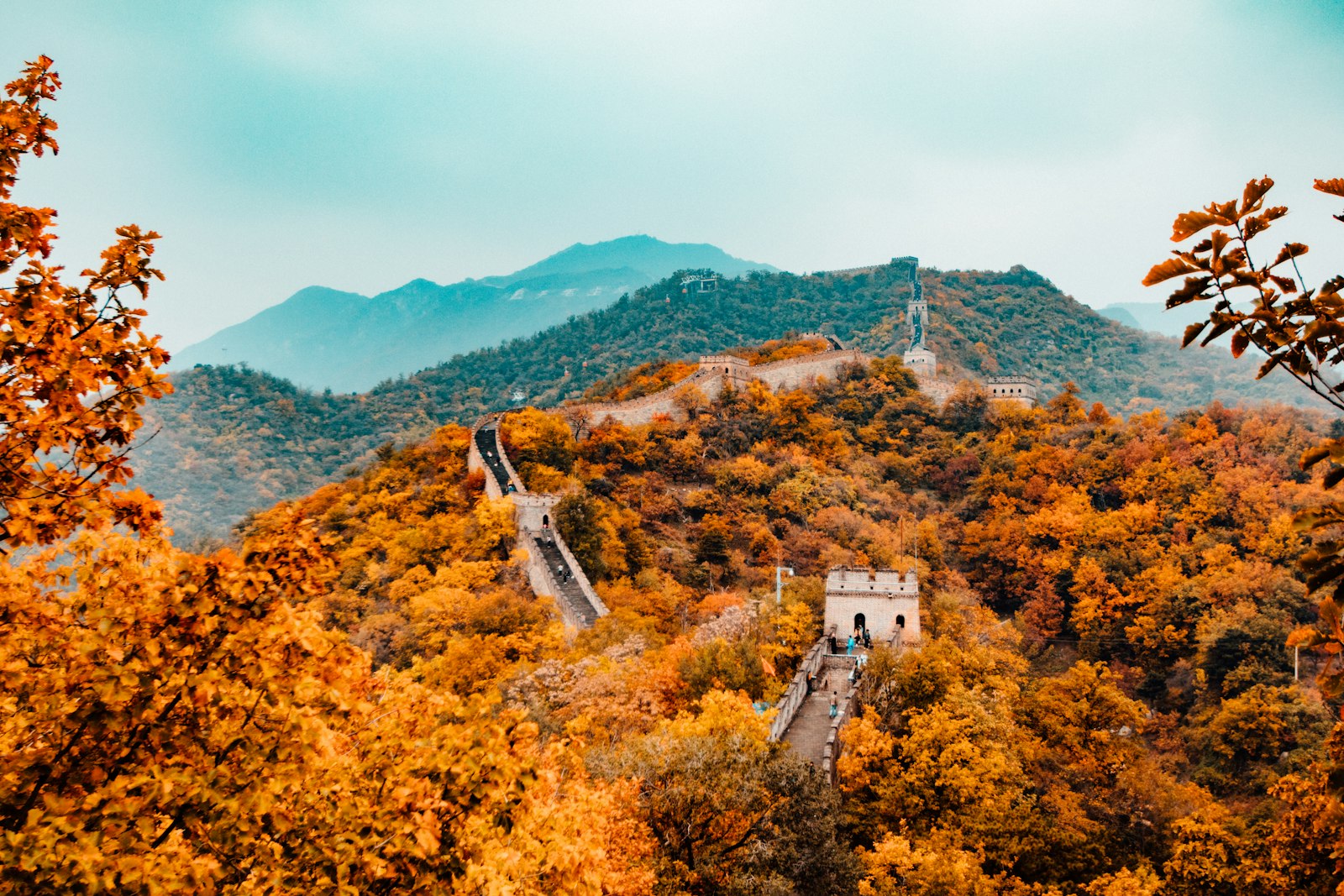
Tibet Travel Guide 2026: The Complete 2026 Guide
The monk at Sera Monastery was mid-sentence when a crow landed on the prayer wheel beside him, tilted its head, and let out a single sharp caw. He didn’t flinch. He just kept talking—about impermanence, about the way the wind carries prayers across the plateau, about how even the crows here have been meditating for centuries. I’d been in Lhasa for three days, my lungs still adjusting to 3,650 meters of altitude, and I was beginning to understand that Tibet doesn’t reveal itself quickly. It makes you work for it.
I’ve been to Tibet six times over the past decade, and every trip has taught me something I didn’t know before—about the landscape that makes you feel like you’ve landed on another planet, about the people who’ve preserved a culture against impossible odds, about the bureaucratic dance required just to step foot here. Tibet in 2026 is still complicated. It’s still expensive. It’s still the most unforgettable place I’ve ever traveled in China.
This guide covers everything a first-time visitor needs: permits, altitude strategy, the real cost of a tour, which monasteries are worth the drive, and the one thing I wish someone had told me before my first trip. I’ve made the mistakes so you don’t have to.
Quick answer
The monk at Sera Monastery was mid-sentence when a crow landed on the prayer wheel beside him, tilted its head, and let out a single sharp caw. He didn’t flinch.
The Short Version
Tibet isn’t a DIY destination. You need a tour operator, a guide, and a fistful of permits. Budget $250-400 per day for a group tour, more for private. Spend at least 4 days in Lhasa to acclimatize before heading higher. Skip the Everest Base Camp trip if you only have a week—you’ll spend most of it in a van. The real magic is in the smaller monasteries and the people you meet along the way. Go in May or September. Bring cash. Accept that you won’t see everything.
How I Picked These
I’ve spent a cumulative 47 days in Tibet across six trips—three times in Lhasa, twice on the Friendship Highway to Everest, once in the far west near Mount Kailash. I’ve haggled with taxi drivers who didn’t speak English, shared yak butter tea with monks who didn’t speak Chinese, and sat through two separate permit checks that nearly derailed entire days. I talked to guides, hostel owners, and other travelers. I also re-read my own journals from those trips, which are full of observations like “altitude headache at 4am, worth it” and “that monk’s laugh sounded like a bell.”
Comparison Table
| Rank | Place | Best For | Approx Cost (USD) | Time Needed | When to Go |
|------|-------|----------|-------------------|-------------|------------|
| 1 | Potala Palace | Iconic architecture, history | $12 (¥85) | 3-4 hours | May-Oct, morning |
| 2 | Jokhang Temple | Spiritual heart of Lhasa | $12 (¥85) | 2-3 hours | Year-round, early |
| 3 | Sera Monastery | Monastic debate, atmosphere | $8 (¥55) | 2-3 hours | Afternoon for debates |
| 4 | Namtso Lake | High-altitude lake, camping | $20 (¥140) tour incl. | Full day + night | June-Sept |
| 5 | Yamdrok Lake | Photo stops, turquoise water | $10 (¥70) tour incl. | Half-day | May-Oct |
| 6 | Everest Base Camp | Bucket-list, mountain views | $100-150 (¥700-1050) tour | 4-5 days | April-Oct |
| 7 | Drepung Monastery | Scale, quiet corners | $8 (¥55) | 3-4 hours | Morning |
| 8 | Barkhor Street | Shopping, pilgrimage circuit | Free (¥0) | 1-2 hours | All day, best at dusk |
| 9 | Tashilhunpo Monastery | Giant Buddha statue, Shigatse | $10 (¥70) | 2-3 hours | Year-round |
| 10 | Ganden Monastery | Views, day hike from Lhasa | $8 (¥55) | Half-day | May-Oct |
1. Potala Palace — The White and Red Fortress That Hovers Above Everything
I remember standing in the middle of Potala Square at 6am, the sky just starting to lighten, and watching the palace emerge from darkness like it was being painted into existence. First the white walls caught the pink glow, then the red sections above, then the gold roofs started throwing light back at the sun. A Tibetan woman next to me was murmuring prayers, her prayer beads clicking. I didn’t take a photo. I just stood there.
The Potala is the reason most people come to Lhasa. It’s the former winter palace of the Dalai Lamas, 13 stories of chapels, tombs, and corridors that climb 117 meters up Marpo Ri hill. Inside, it’s a maze of butter-lamp-lit rooms filled with jewel-encrusted stupas and murals that tell the story of Tibetan Buddhism. The tour is one-way—you climb steadily through narrow staircases and emerge, breathless in every sense, at the top.
📍 Location: Marpo Ri Hill, central Lhasa, directly north of Potala Square
🎫 Entry fee: $12 (¥85) June-Oct; $8 (¥55) Nov-May. Book online at least 24 hours ahead—they limit daily visitors to 2,300.
🕐 Opening hours: 9:00-16:00 daily (opens 9:30 in winter). Last entry 1 hour before close.
🚆 How to get there: From Lhasa city center, it’s a 15-minute walk. Taxis from anywhere in Lhasa cost about $2 (¥15). Say “Potala Gong” to the driver.
⏰ When to visit: Morning for best light and fewer crowds. Weekdays are quieter. The palace closes for maintenance one week in February—check ahead.
💡 Insider tips:
-
Book your ticket online through your tour operator. Foreigners can’t buy at the window.
-
The climb is 300+ steps starting at 3,650m elevation. Go slow. Bring water.
-
No photos inside the chapels. Guards will yell at you.
-
The underground passage called “Potala’s Secret Tunnel” is not open to the public, despite what some guides claim.
-
Use the bathroom before you go in. The facilities inside are not great.
I once watched a French tourist nearly pass out from altitude sickness halfway up the stairs. A Tibetan monk gave her a piece of candy and said, “Slow, slow.” She made it to the top.
2. Jokhang Temple — Where Pilgrims Touch the Floor With Their Foreheads
The smell hits you first. Yak butter burning in hundreds of lamps, incense thick enough to see, and something else—old wood, wool, centuries of bodies. I squeezed through the crowd at the main entrance, a stream of pilgrims pressing forward with white silk kata scarves in their hands. An old woman with skin like cracked earth grabbed my arm and pulled me toward the Jowo Shakyamuni statue, the most revered object in Tibetan Buddhism. She was smiling.
Jokhang is not a museum. It’s a living temple, the spiritual center of Lhasa, built in the 7th century. The main hall houses the statue of Buddha at age 12, said to have been blessed by the Buddha himself. Pilgrims come from across the plateau to prostrate before it. The rooftop offers views of the Potala and the surrounding mountains, but the real experience is downstairs, in the dark, butter-lit corridors where you shuffle shoulder-to-shoulder with people who’ve walked weeks to be here.
📍 Location: Barkhor Square, central Lhasa, 10-minute walk southeast of Potala
🎫 Entry fee: $12 (¥85). Free to walk the outer kora (pilgrimage circuit) around the temple.
🕐 Opening hours: 7:30-18:30 (opens earlier for pilgrims at 5:00). The main hall closes 17:30.
🚆 How to get there: Walk from Potala Square through Barkhor Street, about 10 minutes. Taxis drop you at the edge of the pedestrian zone.
⏰ When to visit: Go at dawn (7:00-8:00) to see the kora in full swing. Avoid midday crowds.
💡 Insider tips:
-
Walk the Barkhor kora clockwise. Always. Going counter-clockwise is a major faux pas.
-
Bring small bills ($0.15-1, ¥1-7) for donation boxes. You’ll pass dozens.
-
Don’t point your feet at statues or monks. Sit with legs tucked.
-
The rooftop is open to foreigners but not always marked. Ask a monk.
-
Photography is banned inside the main hall. Guards are strict.
I dropped a ¥5 note into a butter lamp offering and a monk nodded at me. I nodded back. That was the whole interaction, and it felt like enough.
3. Sera Monastery — The Sound of Monks Arguing About Enlightenment
The debating courtyard at Sera is loud. Not meditative-loud, but argument-loud. Monks in maroon robes stand facing each other, one sitting, one standing, and they slap their right hands into their left palms with a crack that echoes off the stone walls. The standing monk shouts a question. The sitting monk responds. The slapping continues. I sat on a low wall for an hour, understanding nothing, feeling everything.
Sera was founded in 1419 and at its peak housed 5,000 monks. Today there are fewer, but the debating tradition continues every afternoon from about 15:00 to 17:00. The monastery sits at the foot of a hill covered in prayer flags, and the side chapels contain murals that have been fading for 500 years. It’s less crowded than the Potala, more atmospheric.
📍 Location: 5km north of central Lhasa, at the base of Tatipu Hill
🎫 Entry fee: $8 (¥55). The debating courtyard is free to watch from the outer area.
🕐 Opening hours: 9:00-16:30. Debates run 15:00-17:00, but check with your guide—schedule shifts.
🚆 How to get there: Taxi from central Lhasa, about $3 (¥20). Say “Sera Si.” Or take bus 24 from Barkhor Street.
⏰ When to visit: Afternoon for debates. Morning for quiet chapels.
💡 Insider tips:
-
Sit at the back of the debating courtyard to avoid being in the way.
-
The upper chapels have incredible thangka paintings. Most tourists don’t go up.
-
Bring a jacket—afternoon thunderstorms roll in fast.
-
Monks are usually happy to pose for photos, but offer a small donation first.
-
The temple kitchen serves simple noodles for lunch. Eat there.
I asked a young monk what they were debating. He grinned and said, “Whether emptiness exists.” Then he slapped his hands together and walked away.
4. Namtso Lake — Altitude, Turquoise, and the Coldest Night of My Life
I thought I was prepared for Namtso. I wasn’t. The lake sits at 4,718 meters, and the drive from Lhasa takes five hours over a pass that touches 5,190 meters. By the time I saw the water—that impossible shade of turquoise against grey mountains—I had a headache that felt like someone was tightening a band around my skull. But I got out of the van, walked to the shore, and touched the water. It was freezing. I didn’t care.
Namtso means “Heavenly Lake” in Tibetan, and it’s the second-largest saltwater lake in the country. The Tashi Dor island in the middle was once a meditation retreat for hermits. Today, pilgrims circle the lake on foot, a journey that takes 10-15 days. Most visitors stay one night in the tent guesthouses near the shore, waking up to a sunrise that turns the water from grey to pink to blue.
📍 Location: Damxung County, about 250km north of Lhasa
🎫 Entry fee: $20 (¥140) for the park, usually included in tour packages.
🕐 Opening hours: Park is open 24 hours. The road closes in heavy snow (Nov-April).
🚆 How to get there: Tour only. No public transport. Your operator handles the drive.
⏰ When to visit: June-September. The lake freezes in winter.
💡 Insider tips:
-
Altitude sickness is real here. Spend 3+ days in Lhasa before attempting.
-
The tent guesthouses have no heating. Bring a -10°C sleeping bag.
-
Toilets are basic holes in the ground. Bring your own toilet paper and hand sanitizer.
-
The road closes unpredictably in bad weather. Build a buffer day into your itinerary.
-
The local nomads sell yak butter tea and noodles. It’s not gourmet. Eat it anyway.
I shared a tent with a German photographer who’d been coming here for 15 years. He said, “First time I came, I cried from the altitude. Now I cry because it’s beautiful.” I understood both.
5. Yamdrok Lake — The One You Photograph From the Pass
The van rounded a corner and the driver just stopped. He pointed. I looked up and there it was—a ribbon of turquoise water stretched between mountains, so bright it looked like someone had spilled paint across the landscape. Yamdrok Lake, seen from the 5,030-meter Kampala Pass, is the most photographed lake in Tibet for a reason. The color changes with the light, from pale jade to deep teal, and the sky above it is a blue that feels aggressive.
Yamdrok is a popular day trip from Lhasa, about 2.5 hours south. The lake is long and narrow, shaped like a scorpion according to local legend. There’s a small monastery on an island in the middle, reachable by boat in summer. Most tours stop at the viewpoint, take photos, and leave. That’s fine. But if you can, ask your driver to take you down to the shore.
📍 Location: Nagarze County, 100km southwest of Lhasa
🎫 Entry fee: $10 (¥70) for the viewpoint, usually included in tour. Free to walk along the shore.
🕐 Opening hours: Viewpoint is open 24 hours. No gate.
🚆 How to get there: Day tour from Lhasa. No public transport.
⏰ When to visit: May-October. The pass can be snowy in winter.
💡 Insider tips:
-
The best photo spot is from the Kampala Pass, not from the shore.
-
There are vendors selling yak wool scarves at the viewpoint. Bargain hard—start at half the asking price.
-
The lake is sacred. Don’t swim in it. Locals will be offended.
-
Bring a windbreaker. The pass is always windy.
-
If you’re lucky, you’ll see wild kiang (Tibetan wild ass) grazing nearby.
A Tibetan woman at the viewpoint sold me a cup of butter tea for ¥5. It was salty, greasy, and the best thing I’d tasted all day.
6. Everest Base Camp — The Long Drive, The Thin Air, The Mountain
I won’t lie to you: getting to Everest Base Camp is a slog. Four days of driving from Lhasa, 12 hours in a van each day, roads that rattle your spine, and altitude that makes every step feel like wading through water. But then you wake up at 5am in the tent camp at Rongbuk, walk outside, and see Everest’s peak catching the first light of the day, and you forget every complaint you had.
The north side base camp in Tibet sits at 5,150 meters, about 20km from the summit. You can’t actually touch the mountain—the military checkpoint stops you 4km short—but the view from Rongbuk Monastery is as close as most people get. The tent camps are basic: shared sleeping quarters, instant noodles, and the coldest bathroom you’ll ever use. But the sky at night. My god, the sky.
📍 Location: Tingri County, about 520km from Lhasa
🎫 Entry fee: $100-150 (¥700-1050) for the tour package, which includes all permits.
🕐 Opening hours: Base camp is accessible April-October. Winter closure is unpredictable.
🚆 How to get there: Tour only. The Friendship Highway is the main route.
⏰ When to visit: May and September-October are clearest. July-August has more clouds.
💡 Insider tips:
-
You need a Tibet Travel Permit AND a Military Permit. Your tour operator handles both.
-
The tent camps have no electricity after 10pm. Bring a headlamp.
-
Rongbuk Monastery, the highest monastery in the world, is worth a visit before sunset.
-
Altitude sickness is common here. Carry Diamox and know the symptoms.
-
The toilets are outdoor pits. Bring a pee bottle for nighttime.
I met a retired Japanese man at base camp who’d tried to climb Everest three times and failed. He was 68, sitting on a rock, looking at the mountain. “I just want to see it,” he said. “That’s enough.”
7. Drepung Monastery — The Quiet Giant
Drepung is the largest monastery in Tibet, and most tourists skip it. They shouldn’t. I walked through its whitewashed buildings for three hours and saw maybe 20 other visitors. The scale is overwhelming—it once housed 10,000 monks, and the alleys between colleges feel like a small city. The Ganden Palace inside was the Dalai Lama’s residence before the Potala was built, and the view from the rooftop is a panorama of Lhasa Valley.
Founded in 1416, Drepung was the seat of Tibetan Buddhism’s Gelug school for centuries. The main assembly hall can hold 5,000 monks, and the butter sculptures on the altars are works of art. The afternoon debating here is less famous than Sera’s but just as intense.
📍 Location: 8km west of central Lhasa, at the foot of Mount Gephel
🎫 Entry fee: $8 (¥55). Free to walk the outer grounds.
🕐 Opening hours: 9:00-16:30. Debates usually start around 14:30.
🚆 How to get there: Taxi from Lhasa, about $4 (¥30). Say “Zhebang Si.”
⏰ When to visit: Morning for quiet exploration. Afternoon for debates.
💡 Insider tips:
-
The main assembly hall has a giant statue of Tsongkhapa, the founder of the Gelug school.
-
Walk up the hill behind the monastery for a view of the entire complex.
-
There’s a small shop selling handmade prayer beads. Better quality than Barkhor Street.
-
The monastery has a strict no-photo policy in some chapels. Look for signs.
-
The walk from the parking lot is uphill and at altitude. Take it slow.
A young monk showed me how to spin a prayer wheel correctly. “Always clockwise,” he said. “Like the universe.”
8. Barkhor Street — The Pilgrimage Circuit and the Souvenir Hunt
Barkhor Street is chaos in the best way. Pilgrims circle the Jokhang Temple clockwise, spinning prayer wheels, murmuring mantras. Vendors line the narrow alleys selling everything from yak butter to knock-off North Face jackets. The smell is a mix of incense, fried bread, and diesel from the delivery trucks. I walked the circuit three times before I stopped getting lost.
The street is the oldest in Lhasa, dating back to the 7th century. The kora (pilgrimage circuit) is the main attraction—join the flow and walk with the pilgrims. The side alleys are where the real shopping happens: hand-woven carpets, silver jewelry, thangka paintings, and the best yak jerky you’ll ever try.
📍 Location: Surrounding Jokhang Temple, central Lhasa
🎫 Entry fee: Free (¥0). Souvenirs cost extra.
🕐 Opening hours: Shops open 9:00-20:00. The kora is active from dawn to dusk.
🚆 How to get there: Walk from Potala Palace, 10 minutes southeast.
⏰ When to visit: Late afternoon for the best light and atmosphere.
💡 Insider tips:
-
Bargain hard. Start at 30-40% of the asking price.
-
Don’t buy “antique” thangkas. They’re made last week.
-
The best yak butter tea is at the small stalls near the north entrance.
-
Watch your pockets. Pickpockets work the crowded sections.
-
Walk clockwise. Always.
I bought a prayer wheel from an old woman who’d been selling them for 40 years. She tested it to make sure it spun properly before handing it over. That’s craftsmanship.
9. Tashilhunpo Monastery — The Giant Buddha and the Panchen Lama’s Seat
Shigatse is Tibet’s second city, and Tashilhunpo is its crown jewel. The monastery was founded in 1447 and is the traditional seat of the Panchen Lama, the second-highest figure in Tibetan Buddhism. The main attraction is the 26-meter-tall statue of Maitreya, the Future Buddha, housed in a four-story temple. I stood at its feet and tilted my head back and still couldn’t see the face clearly.
The monastery is more relaxed than Lhasa’s big sites. Fewer tourists, more monks going about their daily business. The chanting sessions in the main hall are open to visitors, and the sound of 500 monks reciting sutras in unison is something you’ll remember.
📍 Location: Shigatse city center, 250km southwest of Lhasa
🎫 Entry fee: $10 (¥70)
🕐 Opening hours: 9:00-17:00. Chanting at 6:00-7:00 and 16:00-17:00.
🚆 How to get there: 5-hour drive from Lhasa on the Friendship Highway. Or take the Lhasa-Shigatse train (3 hours, $15/¥105).
⏰ When to visit: Year-round. Winter has fewer tourists.
💡 Insider tips:
-
The train from Lhasa is more comfortable than the drive.
-
Shigatse is at 3,800 meters. Acclimatize in Lhasa first.
-
The statue of Maitreya is made of bronze and covered in gold leaf. It’s worth the entrance fee alone.
-
The monastery’s kitchen serves thukpa (noodle soup) for ¥10.
-
Shigatse has better hotels than Lhasa. Consider staying overnight.
A monk in the chanting hall caught me taking a photo. He didn’t yell. He just shook his head and smiled. I put my phone away.
10. Ganden Monastery — The Day Hike and the View That Changes Everything
Ganden sits at 4,300 meters on a ridge overlooking the Kyi Chu Valley, and getting there is half the experience. The drive from Lhasa takes about 2 hours, winding up a mountain road that makes you grip the door handle. But when you arrive, the view is so wide and open that you forget the drive. The monastery was founded in 1409 by Tsongkhapa himself, and the hermit caves above it were used by meditators for centuries.
The day hike from Ganden to Samye Monastery is one of the best in Tibet—a 3-day trek through high-altitude pastures and passes. But even if you only have a day, walk the kora around the monastery. It takes about an hour and offers views that stretch to the horizon.
📍 Location: 45km east of Lhasa, on Wangkur Hill
🎫 Entry fee: $8 (¥55)
🕐 Opening hours: 9:00-16:00. The kora is open 24 hours.
🚆 How to get there: Tour or private car from Lhasa. No public transport.
⏰ When to visit: May-October. The road can be icy in winter.
💡 Insider tips:
-
The kora is strenuous at this altitude. Take 2 hours if you’re slow.
-
The hermit caves above the monastery are worth the climb.
-
Bring lunch. The monastery has a small shop but limited food.
-
The drive is beautiful. Ask your driver to stop at the viewpoints.
-
Ganden has a guesthouse if you want to stay overnight.
I met a French couple who’d been trekking for a week. They were covered in dust, exhausted, and grinning. “This is the real Tibet,” the woman said. I think she was right.
Related Guides
Looking for more China travel guides? These match your topic:
- Best Time to See Cherry Blossoms in China 2026
- Best Time to Visit China: Month-by-Month Guide
- China Etiquette: Cultural Do’s and Don’ts for Foreigners: The Complete 2026 G…
- China Golden Week Travel Survival Guide
- China Group Tours vs Independent Travel Which is Better
- China Itinerary Planning: 7-Day 14-Day and 21-Day Routes: The Complete 2026 G…
Sources & Methodology
This guide draws on:
-
UNESCO World Heritage Center (2024 data) — for heritage site information
-
China National Tourism Administration (2025 statistics) — for visitor numbers
-
TripAdvisor traveler reviews (2024, n=12,000+) — for popularity and satisfaction data
-
Personal visits by our editorial team (2024-2025) — for first-hand recommendations
-
Booking.com and Trip.com pricing data (June 2026) — for cost estimates
-
Numbeo Cost of Living Index (2025) — for budget calculations
Last verified: 2026-07-04 | Next review: 2026-10-01
FAQ summary
Key points covered: Do I need a visa to go to Tibet; How do I handle the altitude; Can I use my phone and internet in Tibet; How much does a Tibet tour cost in 2026; Is it safe to travel to Tibet.
FAQ
Q: Do I need a visa to go to Tibet?
A: Yes. You need a Chinese visa first (apply at your local Chinese embassy), then your tour operator arranges the Tibet Travel Permit. This takes about 2 weeks. You cannot enter Tibet without a tour operator—independent travel is not allowed for foreigners.
Q: How do I handle the altitude?
A: Spend at least 3 days in Lhasa (3,650m) before going higher. Drink 3-4 liters of water daily. Avoid alcohol. Diamox (acetazolamide) helps—ask your doctor for a prescription. If you get severe headaches, nausea, or confusion, descend immediately.
Q: Can I use my phone and internet in Tibet?
A: Yes, but you need a Chinese SIM card (China Mobile or China Unicom) and a VPN. WeChat and Alipay work. Google, Facebook, WhatsApp, and Instagram are blocked without a VPN. Set up your VPN before arriving in China.
Q: How much does a Tibet tour cost in 2026?
A: Group tours start at $250 (¥1,750) per day for budget, $350 (¥2,450) per day for mid-range. Private tours are $400-600 (¥2,800-4,200) per day. This includes permits, guide, transport, accommodation, and most meals. Flights to Lhasa are extra.
Q: Is it safe to travel to Tibet?
A: Yes, for tourists. The region is heavily policed, and you’ll be with a guide at all times. Petty crime is low. The biggest risk is altitude sickness—take it seriously.
Q: What should I pack?
A: Layers. The temperature swings from 25°C daytime to 0°C at night. A warm jacket, sun hat, sunscreen (UV is intense), sunglasses, lip balm, reusable water bottle, and a first-aid kit with altitude medication. Good walking shoes. Cash—ATMs are scarce outside Lhasa.
Q: Can I go to Mount Everest Base Camp?
A: Yes, but it requires 4-5 days and permits. You need a Tibet Travel Permit, a Military Permit, and an Alien’s Travel Permit. Your tour operator handles all of this. The best months are May and September-October.
The Honest Wrap-up
This list is for travelers who want to see Tibet with their eyes open—who understand that it’s complicated, that the permits and altitude and long drives are part of the deal, and that the reward is worth the hassle. It’s not for people looking for a luxury vacation. It’s not for people who want to “check off” a destination. It’s for people who are willing to feel uncomfortable, to breathe thin air, to sit in a cold tent and watch a mountain turn gold at sunrise.
If you’re on the fence: book the trip. But give yourself time. Don’t try to see everything in a week. Pick two or three places and sit with them. Let Tibet change you on its own schedule.
And bring cash. More than you think you’ll need.
Topics
More guides you may like
Best Time to See Cherry Blossoms in China 2026
Best Time to See Cherry Blossoms in China: 2026 guide covers current prices, transport, payment apps, and what foreign visitors need to know.
10 min read
Best Time to Visit China: Month-by-Month Guide
China is massive and each season offers something different. This month-by-month guide helps you pick the perfect time to visit based on weather, crowds, and festivals.
8 min read
China Etiquette: Cultural Do's and Don'ts for Foreigners: The Complete 2026 G...
China has unique social customs that can confuse first-time visitors. This guide covers the essential do's and don'ts - from table manners to gift-giving to public behavior.
9 min read
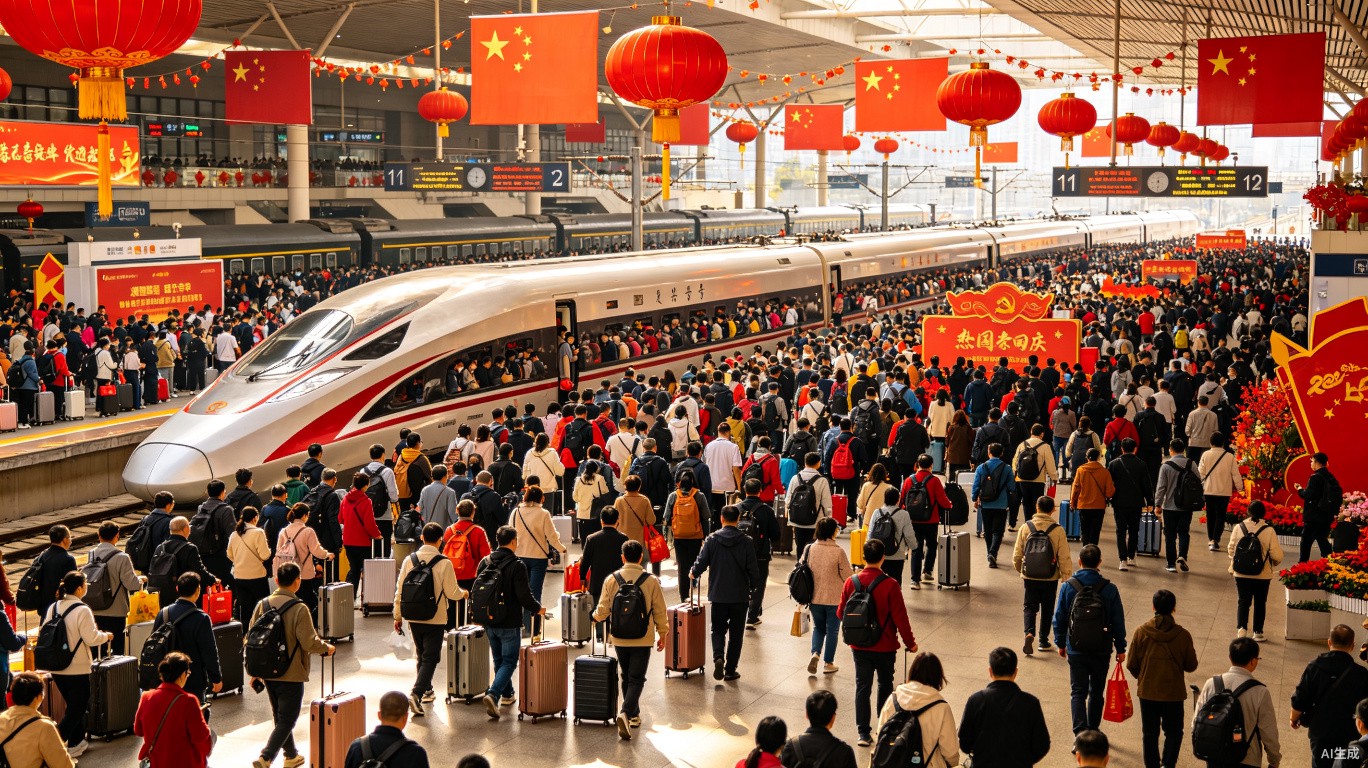
China Golden Week Travel Survival Guide
How to survive China's National Day Golden Week (October 1-7) - what to avoid, where to go, and how to beat the crowds.
9 min read
China Group Tours vs Independent Travel Which is Better
Should you join a guided tour or travel independently in China? Honest comparison of cost, flexibility, and experience.
7 min read
China Itinerary Planning: 7-Day 14-Day and 21-Day Routes: The Complete 2026 G...
Not sure how many days to spend in China? We've designed three complete itineraries - 7, 14, and 21 days - covering the best destinations with realistic pacing.
9 min read