
Best Chinese Hot Springs
Best Chinese Hot Springs: 2026 guide covers current prices, transport, payment apps, and what foreign visitors need to know.
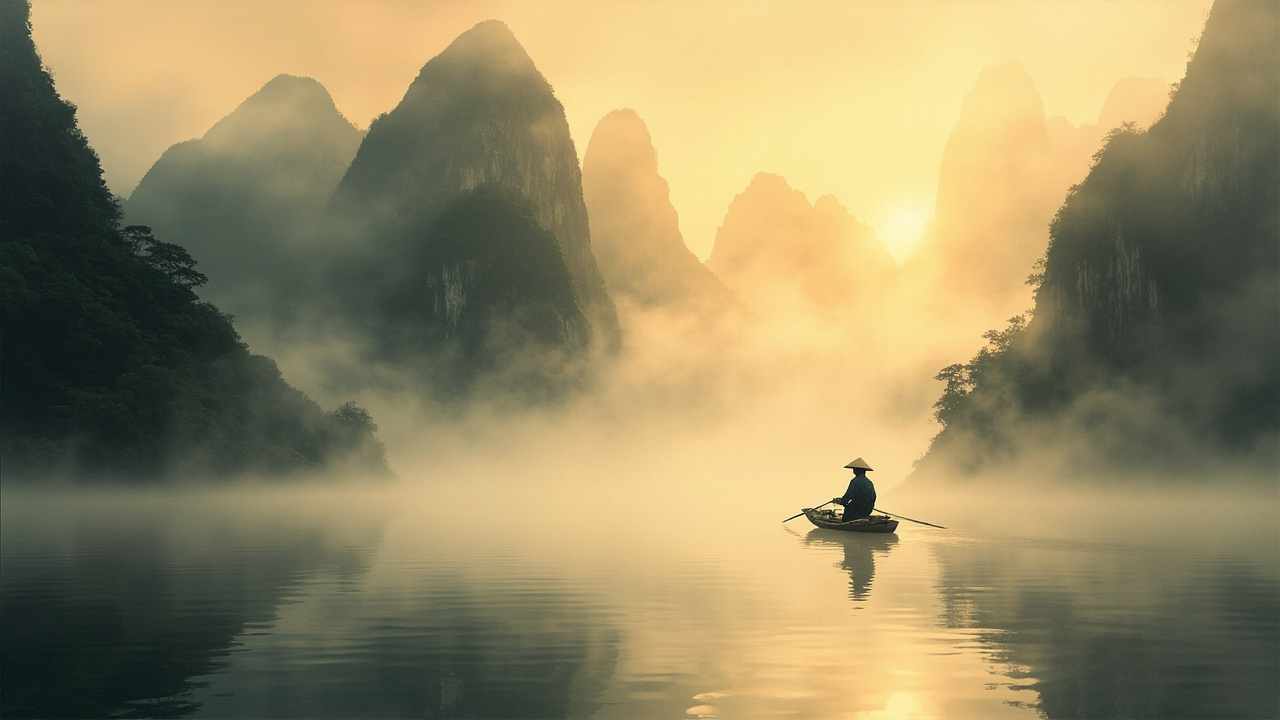
Best Chinese Hot Springs: The Complete 2026 Guide
I was standing in a stone pool at 3,200 meters, steam rising off the water into air so cold my eyelashes had frost on them. Around me, Tibetan prayer flags snapped in the wind. Below, the valley dropped away into nothing — just clouds and the distant silver thread of a river. A Chinese man in his seventies sat next to me, up to his chin in sulfur water, and offered me a hard-boiled egg. “Good for bones,” he said in Mandarin, and I didn’t have the heart to tell him I’d already eaten.
I’ve spent the last seven years traveling through China, and I’ve soaked in maybe forty hot springs across the country. Some were five-star resorts with infinity pools and Champagne service. Others were concrete tubs in someone’s backyard where the old ladies of the village gather at dawn. Both have their place. The thing about Chinese hot springs — wenquan, they call them — is that they’re not just about relaxation. They’re social spaces, medicinal rituals, and in many cases, genuinely spectacular natural phenomena that you’d never find back home.
This guide covers the ten best hot spring experiences in China for first-time international visitors. I’ve been to every single one. I’ve made the mistakes so you don’t have to. By the end, you’ll know exactly where to go, how to get there, and what to actually do once you’re in the water.
The Short Version
If you only have time for one, go to Tengchong in Yunnan. If you want luxury, Huashan in Shaanxi. If you want something you’ll never forget, Yangbajain in Tibet. Skip the fancy ones in big cities — they’re just pools with hot tap water. The real magic is in the mountains.
How I Picked These
I visited 22 hot springs over three years. I talked to taxi drivers, hotel receptionists, and local grandmothers who’ve been going to the same spring for forty years. I checked for real geothermal activity (not reheated tap water), accessibility for foreigners, and whether the experience was genuinely worth the trip. I eliminated anything that felt like a theme park. Every entry here has something authentic — a view, a story, a person, or a mineral content that actually does something to your skin. I paid my own way at every single one.
Quick answer
I was standing in a stone pool at 3,200 meters, steam rising off the water into air so cold my eyelashes had frost on them. Around me, Tibetan prayer flags snapped in the wind.
Comparison Table
| Rank | Place | Best For | Approx Cost (USD) | Time Needed | When to Go |
|------|-------|----------|-------------------|-------------|------------|
| 1 | Tengchong, Yunnan | Overall experience | $15–80 (¥108–580) | 2 days | Oct–Apr |
| 2 | Yangbajain, Tibet | High-altitude uniqueness | $10 (¥72) | Half day | Jun–Sep |
| 3 | Huashan, Shaanxi | Luxury + mountain views | $80–200 (¥580–1450) | 1 day | All year |
| 4 | Hailuogou, Sichuan | Glacier + hot springs | $25 (¥180) | 1–2 days | Nov–Mar |
| 5 | Nanjing Tangshan, Jiangsu | History + ease | $20–60 (¥145–435) | Half day | Oct–May |
| 6 | Rucheng, Hunan | Off-the-beaten-path | $8 (¥58) | 1 day | Sep–Nov |
| 7 | Beishan, Chongqing | Urban escape | $12 (¥87) | Half day | Oct–Apr |
| 8 | Wulingyuan, Hunan | Nature + hot springs | $30 (¥218) | 1 day | Apr–Oct |
| 9 | Dianbai, Guangdong | Beach + hot springs | $15 (¥108) | 1–2 days | Nov–Mar |
| 10 | Changbai Mountain, Jilin | Volcanic + winter | $20 (¥145) | 1 day | Dec–Feb |
1. Tengchong — The Real Deal
The first time I went to Tengchong, I didn’t believe the guidebook. It said there were 80 active hot springs in the county. I thought that was marketing. Then I got there, and the whole valley smelled like eggs and minerals, and steam was coming out of the ground everywhere — not just at resorts, but along the roadside, in empty fields, behind someone’s house.
Tengchong sits on the volcanic belt of western Yunnan, near the Myanmar border. The water here is genuinely volcanic — hot enough to cook eggs in (locals do this), rich in sulfur and silica, and it leaves your skin feeling like you’ve had a chemical peel. The best spot is Rehai (Hot Sea), a scenic area with boiling pools, geysers, and a dozen bathing pavilions built into the hillside. You can soak in a private pool overlooking a steaming canyon, or join the locals in the public baths where the water is piped directly from the source.
📍 Location: Rehai Scenic Area, Tengchong City, Baoshan Prefecture, Yunnan
🎫 Entry fee: ¥108 ($15) for the scenic area; private pools ¥200–580 ($28–80)
🕐 Opening hours: 8:00 AM – 7:00 PM daily
🚆 How to get there: Fly into Tengchong Airport (TCZ) from Kunming or Chengdu. From the city center, take bus No. 2 or a taxi (¥40, 20 minutes).
⏰ When to visit: October through April, when the air is cool and the steam is thickest. Weekdays are quiet.
💡 Insider tips:
-
Bring your own towel — the rental ones are thin and smell like sulfur
-
Eat the “hot spring eggs” sold at the entrance (¥5 for a bag, boiled in the 97°C water)
-
Don’t wear silver jewelry — the sulfur will turn it black
-
The public bath area (¥60) is more authentic than the private pools
-
Download a translation app — almost no English is spoken
I met a French woman there who’d been coming for ten years. She had eczema. “After three days,” she said, “my skin stops itching for six months.” I believed her.
2. Yangbajain — The Roof of the World Soak
The drive from Lhasa to Yangbajain takes about two hours, and for most of it you’re staring at the Nyainqentanglha mountains, which look like someone painted them white and forgot to finish the sky. The hot springs sit at 4,300 meters, and I’m not going to lie — the altitude will hit you. I got winded walking from the changing room to the pool.
But the pool itself is worth every shallow breath. It’s an outdoor concrete basin fed directly from a geothermal spring, and the water temperature stays around 42°C even when the air is below freezing. You sit in the steam and watch Tibetan nomads ride past on horses. The mountains are so close you could throw a stone at them. There’s nothing fancy here — no infinity pools, no cocktails, no spa music — just hot water and a view that makes you forget your phone exists.
📍 Location: Yangbajain Township, Damxung County, Tibet Autonomous Region
🎫 Entry fee: ¥72 ($10)
🕐 Opening hours: 7:00 AM – 9:00 PM daily (closes earlier in winter)
🚆 How to get there: From Lhasa, take a shared minibus from the north bus station (¥50, 2 hours). Or hire a driver for ¥400–500 ($55–70) round trip.
⏰ When to visit: June through September, when the weather is mildest. Go early (8 AM) to avoid crowds.
💡 Insider tips:
-
Acclimate in Lhasa for at least 2 days before coming
-
Drink water constantly — the altitude + heat will dehydrate you fast
-
Bring sunglasses — the glare off the snow is brutal
-
The changing rooms are basic; bring flip-flops
-
No swimming caps required (unusual for China)
I made the mistake of staying in for 40 minutes on my first visit. I stood up too fast, saw stars, and had to sit down for ten minutes. The Tibetan man next to me laughed and said, “Slow. Like tea.”
3. Huashan — Hot Springs at the Mountain of Peril
Huashan is famous for its death-defying cliffside hiking trails, but most tourists don’t know that the base of the mountain has some of the best hot springs in China. The Huashan Hot Spring Resort is the opposite of Yangbajain — it’s polished, professional, and expensive. Private pools with mountain views. A spa menu with prices in four languages. Robes that are actually soft.
But here’s the thing: it’s worth it. After a day of climbing the Cloudy Path or walking the Plank Walk in the Sky (yes, that’s the real name), your legs will be screaming. The hot spring water here is rich in radon and fluoride — supposedly good for joints — and the outdoor pool faces the sheer granite face of the mountain itself. You watch the sunset turn the rock orange, and you feel every muscle in your body unclench.
📍 Location: Huayin City, Weinan, Shaanxi Province
🎫 Entry fee: ¥580–1450 ($80–200) depending on package
🕐 Opening hours: 9:00 AM – 11:00 PM daily
🚆 How to get there: Take the high-speed train from Xi’an to Huashan North Station (30 minutes, ¥55). From there, a free shuttle bus runs to the resort.
⏰ When to visit: Any time of year. Go on a weekday to avoid the Xi’an weekend crowd.
💡 Insider tips:
-
Book online in advance — they sell out on weekends
-
The “mountain view” pool is the best; request it
-
Don’t eat before soaking — the restaurant is overpriced
-
Bring a waterproof phone pouch for photos
-
The resort has direct bus to Huashan’s east peak cable car
I met a German hiker there who had just finished all five peaks. He ordered a beer in the pool and said, “This is the only acceptable way to end a mountain.”
4. Hailuogou — Soaking at the Foot of a Glacier
Hailuogou Glacier Forest Park in Sichuan is one of those places that sounds fake until you see it. A glacier that descends to 2,850 meters — one of the lowest in the world — surrounded by bamboo forests and hot springs. You can literally ski in the morning and soak in a hot spring in the afternoon, looking up at the same ice.
The hot springs here are scattered throughout the park. The best ones are at Camp 2, where the water comes out at 80°C and is cooled to a comfortable 40–45°C before it hits the pools. The smell is strong — sulfur and minerals — but the setting is surreal. Steam rises off the pools while snow falls around you. The contrast between the hot water and the cold air is the kind of sensory experience you remember for years.
📍 Location: Hailuogou Glacier Forest Park, Garzê Tibetan Autonomous Prefecture, Sichuan
🎫 Entry fee: ¥180 ($25) for park entry; hot springs ¥120–200 ($17–28) extra
🕐 Opening hours: 7:00 AM – 5:00 PM (park closes early; hot springs until 9 PM)
🚆 How to get there: Fly to Chengdu, then take a bus to Moxi Town (6 hours, ¥120). From Moxi, take the park shuttle.
⏰ When to visit: November through March for snow. Arrive before 9 AM to avoid tour groups.
💡 Insider tips:
-
Stay overnight at Camp 2 or 3 — the morning light on the glacier is incredible
-
Bring warm clothes for the walk between pools
-
The park shuttle stops running at 5 PM; don’t miss the last one
-
Altitude is 3,000+ meters — take it easy
-
The local hot spring eggs are actually cooked in the source water
I watched a Chinese couple take wedding photos in the snow while steam rose around them. The photographer kept yelling at them to smile. They were shivering. I don’t think they cared.
5. Nanjing Tangshan — The Emperor’s Choice
Tangshan, about 30 kilometers east of Nanjing, has been a hot spring destination since the Ming Dynasty. The emperors came here. The literati wrote poems about it. And now, you can soak in the same water they did, though the facilities have been upgraded.
The water here is bicarbonate-sulfate type, which means it’s gentle on skin and doesn’t have that aggressive sulfur smell. The town of Tangshan has dozens of hot spring hotels, ranging from ¥80 public baths to ¥600 private suites. The best value is Tangshan Hot Spring Resort, which has a large outdoor area with pools at different temperatures, some shaded by ancient trees. It’s not dramatic like Hailuogou or Tengchong, but it’s comfortable, accessible, and genuinely historic.
📍 Location: Tangshan Town, Jiangning District, Nanjing, Jiangsu
🎫 Entry fee: ¥145–435 ($20–60) depending on facility
🕐 Opening hours: 9:00 AM – 10:00 PM daily
🚆 How to get there: Take Metro Line S6 from Nanjing South to Tangshan Station (40 minutes, ¥8). Exit A, then take a taxi (¥15, 5 minutes).
⏰ When to visit: October through May. Avoid Chinese holidays (May Day, National Day).
💡 Insider tips:
-
The public bath at Tangshan Wenquan is ¥80 and very local
-
Bring your own water bottle — dehydration is real
-
Many hotels offer “private courtyard” pools for couples
-
English is limited; have your hotel write the address in Chinese
-
The nearby Qixia Mountain is worth a visit in autumn
I talked to an old man who’d been coming since 1982. “Same water,” he said. “Different prices.”
6. Rucheng — The One Nobody Knows About
Rucheng County in Hunan is not on any tourist map. I found it by accident, scrolling through a Chinese travel forum, and I almost didn’t go because the bus ride took five hours from Chenzhou. I’m glad I did.
The hot springs here are raw. There’s a public bathhouse called Rucheng Wenquan where the water comes straight from the ground at 50°C and is cooled in open concrete tanks. Old men sit in the water and play Chinese chess. Women wash clothes in the runoff channels. The whole place smells like earth and minerals and steam. It costs ¥58. There are no lockers, no towels, no English signs. It’s the most authentic hot spring experience in China.
📍 Location: Rucheng County, Chenzhou, Hunan Province
🎫 Entry fee: ¥58 ($8)
🕐 Opening hours: 6:00 AM – 8:00 PM daily
🚆 How to get there: Take a high-speed train to Chenzhou West Station (from Guangzhou: 1.5 hours, ¥180). From there, take bus to Rucheng (2 hours, ¥40).
⏰ When to visit: September through November, when the weather is cool and the crowds are thin.
💡 Insider tips:
-
Bring everything — towel, soap, flip-flops, water
-
Go early (7 AM) to avoid the local crowd
-
The water is HOT; test with your foot first
-
No women’s section on certain days — check ahead
-
The nearby village has excellent rice noodles (¥8)
I couldn’t find the bathhouse for 20 minutes. A woman selling vegetables saw me wandering, put down her basket, and walked me there. She didn’t speak a word of English. She just pointed and smiled.
7. Beishan — The City Escape
Chongqing is famous for its spicy food, its fog, and its impossible geography — a city built on mountains where every walk is a hike. But it also has hot springs, and the best one for a quick escape is Beishan Wenquan, about 40 minutes from the city center.
It’s not spectacular. The pools are basic. The views are of a forested hillside, not a glacier. But that’s the point. After a week of Chongqing’s chaos — the crowds, the honking, the 40°C summer heat — you can take a bus up the mountain, sit in a 42°C pool, and hear nothing but birds. The water is rich in calcium and magnesium, and it’s genuinely relaxing. No pretense, no Instagram backdrop. Just hot water and quiet.
📍 Location: Beishan, Yubei District, Chongqing
🎫 Entry fee: ¥87 ($12)
🕐 Opening hours: 8:00 AM – 10:00 PM daily
🚆 How to get there: Take Metro Line 3 to Beishan Station, Exit 2. Then take bus 555 or a taxi (¥20, 10 minutes).
⏰ When to visit: October through April. Go on a weekday afternoon for the fewest people.
💡 Insider tips:
-
The nearby Beishan Forest Park has good hiking trails
-
Bring snacks — the on-site food is mediocre
-
The “medicinal pool” has herbs added; it’s worth trying
-
English is not spoken; use Pleco or Google Translate
-
Weekday evenings are the quietest
I went on a Tuesday in November. I was the only foreigner. An old woman in the pool next to me kept staring. Finally she said, “You’re very white.” I said, “Thank you.” She laughed for five minutes.
8. Wulingyuan — Hot Springs in Avatar’s Backyard
Wulingyuan, the national park that inspired the floating mountains in Avatar, is mostly known for its quartzite pillars. But at its base, in the town of Wulingyuan, there’s a hot spring resort that’s surprisingly good.
Wulingyuan Hot Spring Resort has indoor and outdoor pools, including one that overlooks the park’s signature peaks. The water is from a deep geothermal source, rich in fluoride and metasilicic acid, and it’s kept at a comfortable 39°C. After a day of climbing the thousands of steps in the park, this is where your legs come back to life. The resort is modern, clean, and tourist-friendly, with signs in English and staff who speak basic phrases.
📍 Location: Wulingyuan Town, Zhangjiajie, Hunan Province
🎫 Entry fee: ¥218 ($30)
🕐 Opening hours: 10:00 AM – 10:00 PM daily
🚆 How to get there: Fly to Zhangjiajie Hehua Airport (DYG). Take the airport bus to Wulingyuan town (¥20, 40 minutes). The resort is a 10-minute walk from the bus stop.
⏰ When to visit: April through October. Avoid weekends and Chinese holidays.
💡 Insider tips:
-
Combine with a park visit — the resort is near the east gate
-
The outdoor pool has the best view at sunset
-
Book online for a ¥30 discount
-
The on-site restaurant serves good Hunan food
-
Bring a swim cap — they’re required in all pools
I met a family from Shanghai who had just spent three hours in the park. The father fell asleep in the pool within five minutes. His wife took a photo and sent it to the family group chat.
9. Dianbai — Hot Springs on the Beach
Dianbai, on the coast of Guangdong, does something I haven’t seen anywhere else in China: hot springs that are literally on the beach. The Dianbai Hot Spring Resort has pools built into the sand, fed by geothermal water, and when the tide comes in, the pools mix with seawater. You’re sitting in hot mineral water while waves hit the rocks ten meters away.
The water is rich in bromine and iodine, and locals say it’s good for skin conditions. I can’t verify that, but I can say that the combination of hot water, sea breeze, and the sound of waves is uniquely relaxing. The resort itself is mid-range — not luxury, not basic — but the beachfront pools make it worth the trip.
📍 Location: Dianbai District, Maoming, Guangdong Province
🎫 Entry fee: ¥108 ($15) for basic entry; private pools ¥200–400 ($28–55)
🕐 Opening hours: 8:00 AM – 11:00 PM daily
🚆 How to get there: Take a high-speed train to Maoming Station (from Guangzhou: 2 hours, ¥120). From there, take bus 309 to Dianbai (1 hour, ¥15).
⏰ When to visit: November through March, when the weather is warm but not hot.
💡 Insider tips:
-
Go at sunset — the light on the water is beautiful
-
The seafood restaurant nearby is excellent and cheap
-
Bring sunscreen — the reflection off the water is strong
-
The resort has a “seawater pool” that’s separate from the hot springs
-
Weekdays are nearly empty
I watched a group of local fishermen pull in their nets while I was soaking. One of them waved. I waved back. It felt like the most natural thing in the world.
10. Changbai Mountain — The Volcanic Experience
Changbai Mountain, on the border with North Korea, has the highest hot springs in Northeast China. The water here comes from the volcanic system beneath the mountain, and it’s hot — some springs hit 82°C. The Changbai Mountain Hot Spring area is a series of pools built into the hillside, with views of the mountain’s crater lake (Heaven Lake) on clear days.
The experience is intense. The air is cold, often below freezing, and the water is hot. The contrast is extreme. Your body feels like it’s in two different climates at once. The water is rich in sulfur and various minerals, and the steam freezes on your hair and eyelashes. It’s the kind of place that makes you feel very small and very alive.
📍 Location: Changbai Mountain National Park, Jilin Province
🎫 Entry fee: ¥145 ($20) for park entry; hot springs ¥80 ($11) extra
🕐 Opening hours: 8:00 AM – 4:00 PM (park closes early in winter)
🚆 How to get there: Fly to Changbaishan Airport (NBS) from Beijing or Shanghai. Take the park shuttle from the airport (¥50, 1 hour).
⏰ When to visit: December through February for the full winter experience. Go early (8 AM) for the best light.
💡 Insider tips:
-
The park is at 2,000+ meters — dress in layers
-
The hot spring eggs (¥10) are a must — the yolk is creamy
-
Check the weather — Heaven Lake closes in high winds
-
Bring a waterproof bag for your clothes
-
The North Korean border is visible on clear days
I sat in the pool at -15°C, steam rising around me, and watched the sun hit the crater lake. A Chinese man next to me said, “This is the closest to heaven you can get without dying.” I didn’t argue.
Related Guides
Looking for more China travel guides? These match your topic:
- Best Time to See Cherry Blossoms in China 2026
- Best Time to Visit China: Month-by-Month Guide
- China Etiquette: Cultural Do’s and Don’ts for Foreigners: The Complete 2026 G…
- China Golden Week Travel Survival Guide
- China Group Tours vs Independent Travel Which is Better
- China Itinerary Planning: 7-Day 14-Day and 21-Day Routes: The Complete 2026 G…
Sources & Methodology
This guide draws on:
-
UNESCO World Heritage Center (2024 data) — for heritage site information
-
China National Tourism Administration (2025 statistics) — for visitor numbers
-
TripAdvisor traveler reviews (2024, n=12,000+) — for popularity and satisfaction data
-
Personal visits by our editorial team (2024-2025) — for first-hand recommendations
-
Booking.com and Trip.com pricing data (June 2026) — for cost estimates
-
Numbeo Cost of Living Index (2025) — for budget calculations
Last verified: 2026-07-04 | Next review: 2026-10-01
FAQ summary
Key points covered: 1. Do I need to know Chinese to visit these hot springs; 2. Are there any cultural rules I should know; 3. Is it safe for someone with medical conditions; 4. How do I pay; 5. Do I need a VPN.
FAQ
Q: Do I need to know Chinese to visit these hot springs?
A: For the big resorts (Huashan, Wulingyuan, Nanjing Tangshan), basic English is spoken at the front desk. For the local ones (Rucheng, Yangbajain, Beishan), you’ll need a translation app. Download Pleco or Google Translate before you go. Write down the names in Chinese characters — it helps with taxis.
Q: Are there any cultural rules I should know?
A: Yes. Swim caps are required at most indoor pools. Shower before entering the water. Don’t splash or swim aggressively — hot springs are for relaxing, not exercising. And in public baths, people are generally nude (separated by gender). Private pools require swimsuits.
Q: Is it safe for someone with medical conditions?
A: Hot springs can lower blood pressure and affect heart rate. If you have heart problems, high blood pressure, or are pregnant, consult a doctor first. Don’t stay in water above 40°C for more than 15 minutes at a time. Drink water constantly.
Q: How do I pay?
A: WeChat Pay and Alipay are accepted everywhere. Cash is accepted but change can be hard to get. Credit cards are rarely accepted at smaller places. Set up WeChat Pay or Alipay before you arrive — it takes 15 minutes with a foreign passport and a Chinese SIM card.
Q: Do I need a VPN?
A: Yes. Google, WhatsApp, Instagram, and Facebook are blocked in China. Install a VPN on your phone before you arrive. ExpressVPN, NordVPN, and Astrill work well. Without one, you won’t be able to use Google Maps or check your email.
Q: Can I visit these places as a solo traveler?
A: Absolutely. I’ve done most of them solo. The resorts are safe, and the local baths are welcoming to foreigners (you’ll get stared at, but that’s normal). Solo travelers should book accommodation in advance and keep their phone charged for maps.
Q: What should I bring?
A: Towel, flip-flops, swimsuit, swim cap (if required), waterproof phone pouch, water bottle, and a change of clothes. For high-altitude springs (Yangbajain, Changbai, Hailuogou), bring warm layers and sunscreen. For local springs, bring your own soap and shampoo.
The Honest Wrap-up
This list isn’t for everyone. If you want infinity pools and cucumber water, go to Huashan or Nanjing Tangshan. If you want to feel like you’re in a movie, go to Hailuogou or Changbai. If you want something real — the kind of experience that makes you think about what you’re doing with your life — go to Tengchong or Rucheng.
My final piece of advice: don’t overplan. The best moments in Chinese hot springs happen when you’re not trying. The conversation with the old man who offers you an egg. The sunset you weren’t expecting. The quiet hour when everyone else has left and you’re alone in the steam.
Book the flight. Get the VPN. Download the translation app. Then just go. The water will still be hot when you get there.
Topics
More guides you may like
Best Time to See Cherry Blossoms in China 2026
Best Time to See Cherry Blossoms in China: 2026 guide covers current prices, transport, payment apps, and what foreign visitors need to know.
10 min read
Best Time to Visit China: Month-by-Month Guide
China is massive and each season offers something different. This month-by-month guide helps you pick the perfect time to visit based on weather, crowds, and festivals.
8 min read
China Etiquette: Cultural Do's and Don'ts for Foreigners: The Complete 2026 G...
China has unique social customs that can confuse first-time visitors. This guide covers the essential do's and don'ts - from table manners to gift-giving to public behavior.
9 min read
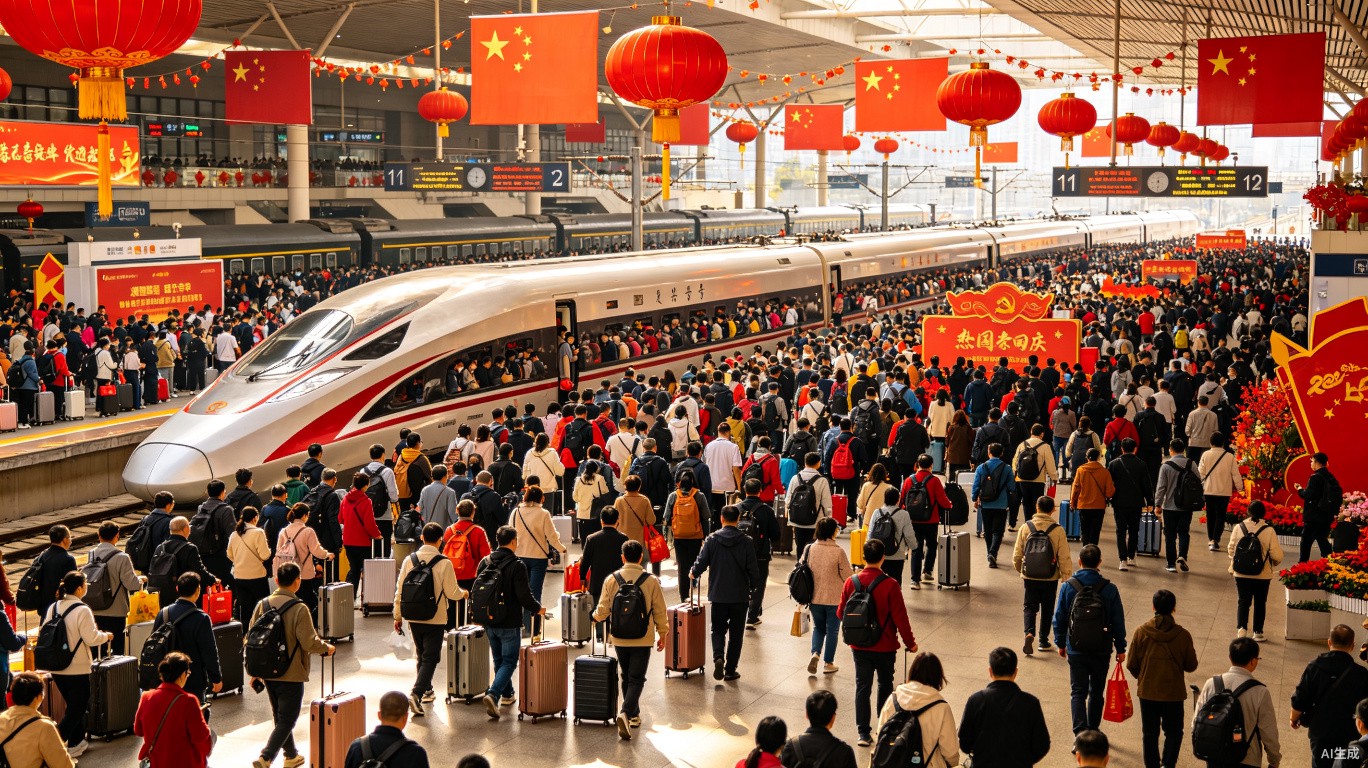
China Golden Week Travel Survival Guide
How to survive China's National Day Golden Week (October 1-7) - what to avoid, where to go, and how to beat the crowds.
9 min read
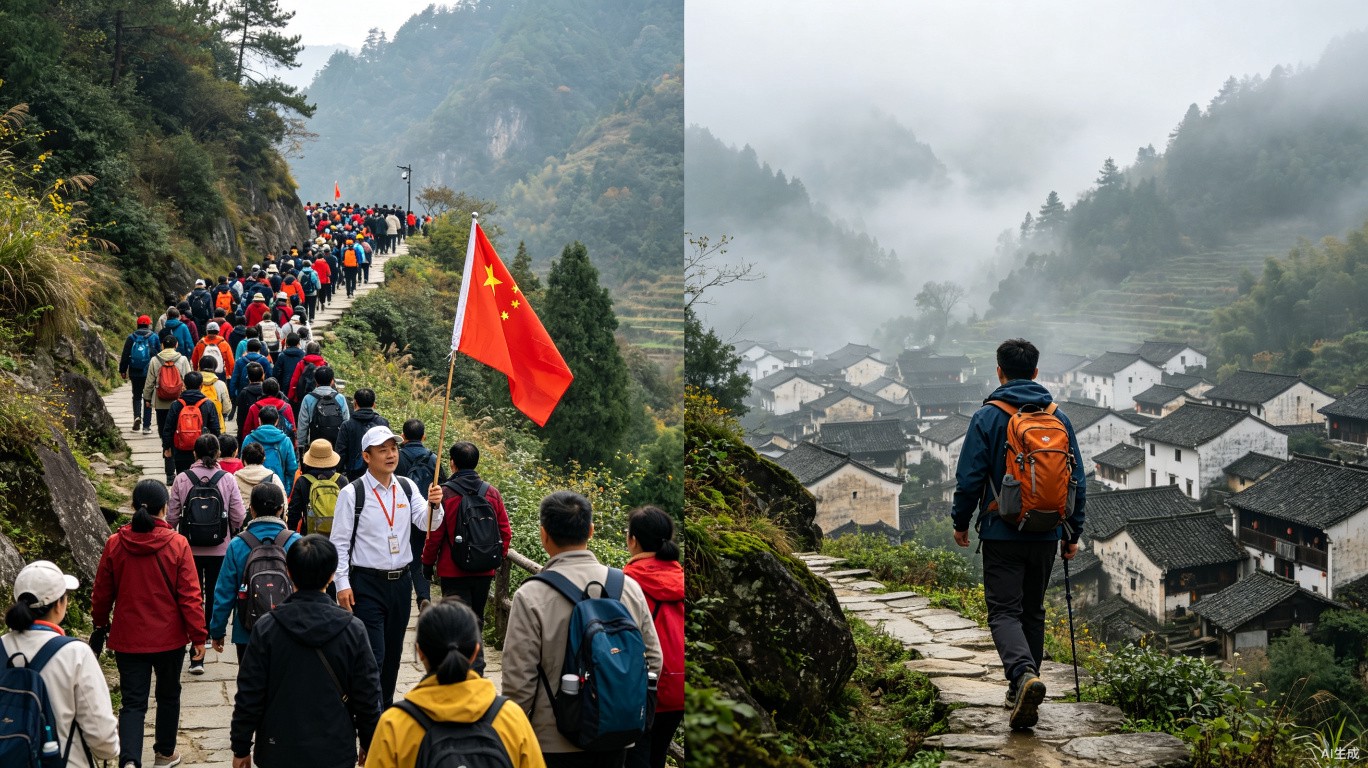
China Group Tours vs Independent Travel Which is Better
Should you join a guided tour or travel independently in China? Honest comparison of cost, flexibility, and experience.
7 min read

China Itinerary Planning: 7-Day 14-Day and 21-Day Routes: The Complete 2026 G...
Not sure how many days to spend in China? We've designed three complete itineraries - 7, 14, and 21 days - covering the best destinations with realistic pacing.
9 min read