
Best Time to Visit China
Best Time to Visit China: 2026 guide covers current prices, transport, payment apps, and what foreign visitors need to know.
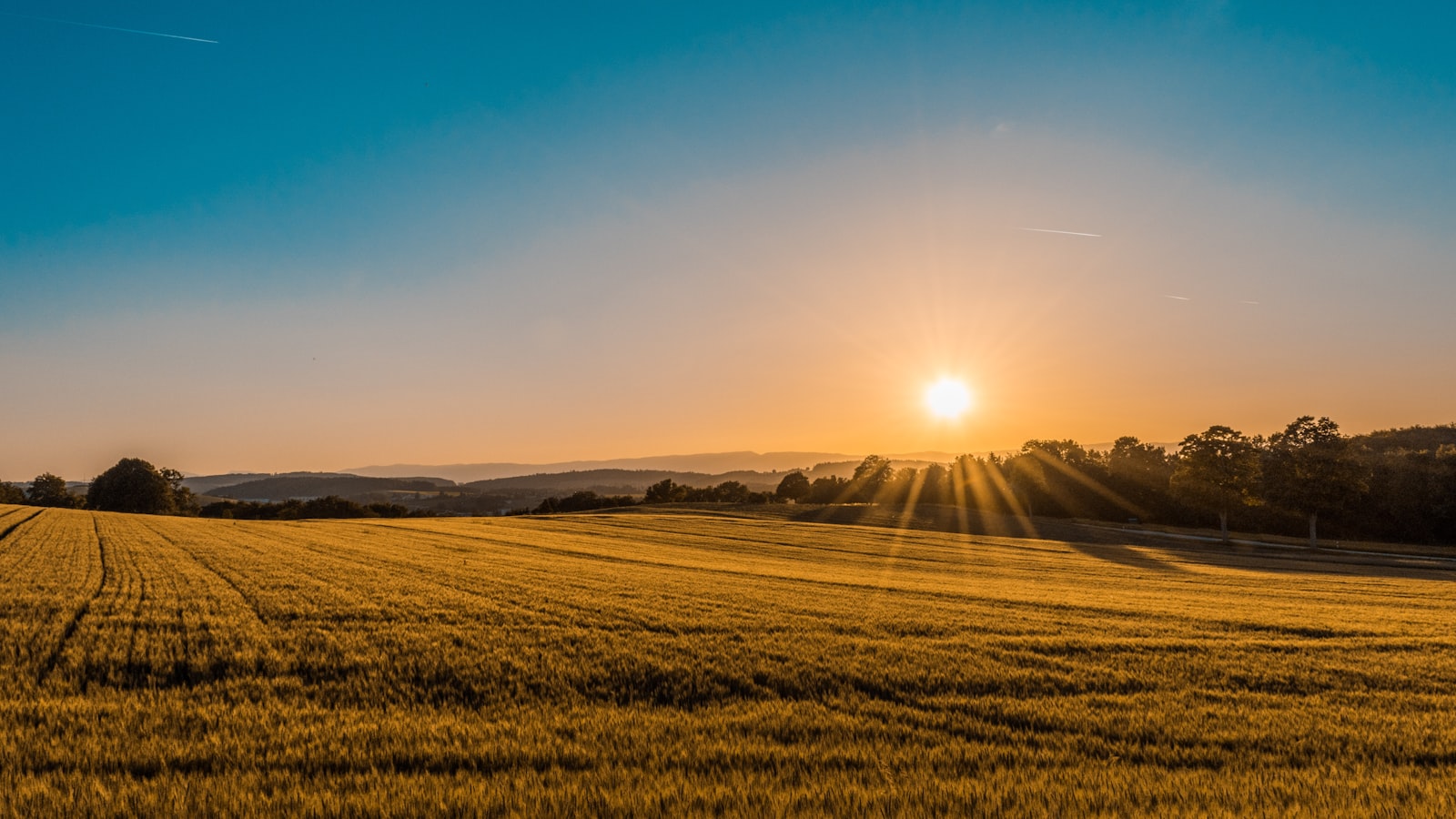
Best Time to Visit China: The Complete 2026 Guide
I was standing on the Great Wall at Mutianyu in mid-October, watching a thin layer of fog roll through the valley below. The air smelled like dry leaves and distant woodsmoke. A Chinese grandmother in a purple windbreaker was feeding her grandson bits of steamed bun while he pointed at a hawk circling above. The sky was that particular shade of autumn blue that makes everything look like it’s been color-graded for a movie. No one was sweating. No one was shivering. No one was holding an umbrella against rain. I remember thinking: this is the moment. This is why people spend months planning a trip to China.
I’ve been coming to China for over a decade now—forty-something trips, seven years living in Beijing, and more train rides than I can count. I’ve been here during the January deep freeze when Beijing hits -15°C and the air hurts your face. I’ve been here during August when Shanghai feels like a steam room with traffic. And I’ve been here during Golden Week, when every tourist attraction in the country becomes a human sardine can.
Here’s the thing about timing a trip to China: it’s not just about weather. It’s about crowds, costs, holidays, air quality, seasonal scenery, and the specific kind of chaos you’re willing to tolerate. This guide will tell you exactly when to come, when to absolutely not come, and what to expect in each season. I’ve made the mistakes so you don’t have to.
Quick answer
I was standing on the Great Wall at Mutianyu in mid-October, watching a thin layer of fog roll through the valley below. The air smelled like dry leaves and distant woodsmoke.
The Short Version
Come in April-May or September-October. That’s it. Those are your windows. Spring and autumn give you comfortable temperatures, manageable crowds (outside of holidays), and the best scenery. Avoid July-August unless you love heat and humidity. Avoid the first week of October (Golden Week) unless you enjoy being packed into a subway car like a dumpling in a steamer. December-February is fine if you’re only going to Harbin or Beijing, but skip the south.
How I Picked These
This isn’t a list I pulled from a tourism board website. Every recommendation here comes from actual trips I’ve taken, conversations I’ve had with taxi drivers, hostel owners, and local guides, and the kind of trial-and-error that involves missed trains, overpriced tea houses, and one memorable incident with a broken air conditioner in Xi’an in July. I’ve visited every region mentioned here in at least two different seasons. I’ve also talked to Chinese friends about when they travel domestically—which is different from what guidebooks say.
Comparison Table
| Rank | Destination | Best For | Approx Daily Cost (USD) | Time Needed | Best Season |
|------|-------------|----------|------------------------|-------------|-------------|
| 1 | Beijing | History, culture, food | $50-80 ($360-580 CNY) | 4-5 days | Apr-May, Sep-Oct |
| 2 | Xi’an | Terracotta Warriors, history | $40-70 ($290-500 CNY) | 2-3 days | Mar-May, Sep-Nov |
| 3 | Guilin/Yangshuo | Scenery, hiking, cycling | $35-60 ($250-430 CNY) | 3-4 days | Apr-Oct |
| 4 | Shanghai | Modern China, food, nightlife | $60-100 ($430-720 CNY) | 3-4 days | Mar-May, Sep-Nov |
| 5 | Chengdu | Pandas, Sichuan food, relaxed vibe | $30-55 ($215-400 CNY) | 2-3 days | Mar-Jun, Sep-Oct |
| 6 | Zhangjiajie | National park, Avatar mountains | $40-65 ($290-470 CNY) | 2-3 days | Apr-Oct |
| 7 | Lijiang/Shangri-La | Old towns, Yunnan culture | $35-60 ($250-430 CNY) | 3-5 days | Mar-May, Sep-Oct |
| 8 | Hong Kong | City, food, harbor views | $80-130 ($575-935 CNY) | 3-4 days | Oct-Dec |
| 9 | Harbin | Ice Festival, Russian architecture | $30-50 ($215-360 CNY) | 2 days | Dec-Feb |
| 10 | Tibet (Lhasa) | High-altitude culture, monasteries | $50-80 ($360-580 CNY) | 5-7 days | May-Oct |
1. Beijing — The City That Rewards Good Timing
I’ll never forget my first Beijing winter. I arrived in January thinking “how bad can it be?” Bad. Real bad. The wind comes off the Gobi Desert and cuts through every layer you’re wearing. The air quality in those days was genuinely dangerous—coal heating plus no wind equals a grey-brown sky that feels like you’re breathing through a wool blanket. These days it’s better, but winter still isn’t ideal.
Come in late April or early May instead. The cherry blossoms are done but the trees are fully green. The air is clear. You can walk the Great Wall without being drenched in sweat or shivering. September and October are equally good—crisp mornings, warm afternoons, and that golden autumn light that makes the Forbidden City look like it’s on fire.
📍 Location: Central Beijing (Dongcheng and Xicheng districts)
🎫 Entry fee: Forbidden City $12 (85 CNY) in peak season; Great Wall at Mutianyu $9 (65 CNY) plus shuttle bus
🕐 Opening hours: Forbidden City 8:30am-5pm (last entry 4pm); closed Mondays. Mutianyu Great Wall 7:30am-5:30pm
🚆 How to get there: Forbidden City: Take Subway Line 1 to Tiananmen East, Exit B, walk north 5 minutes. Mutianyu: Take bus 916 from Dongzhimen to Huairou, then shuttle bus
⏰ When to visit: Weekdays only. The Forbidden City on a Saturday in October is a nightmare. Go Tuesday or Wednesday morning.
💡 Insider tips:
-
Skip the Forbidden City on Mondays (closed) and the first day of any Chinese holiday
-
The Mutianyu section of the Great Wall has fewer crowds and a toboggan ride down
-
Download Pleco translation app before you arrive—English signage is inconsistent
-
You’ll need a VPN for Google, WhatsApp, Instagram, and Facebook
-
Buy a Beijing Subway card at any station—it works on buses too
-
WeChat Pay and Alipay are everywhere but you need a Chinese bank card to set them up fully; bring cash as backup
I met a taxi driver named Mr. Liu on my second trip who told me the best time to visit the Summer Palace is at 6am, before the tour buses arrive. I didn’t listen. I went at 10am. He was right.
2. Xi’an — The Terracotta Army Deserves Your Respect
The Terracotta Army pit is basically a giant airplane hangar with dirt and thousands of clay soldiers. It’s incredible. It’s also hot, crowded, and exhausting if you go at the wrong time. I made the mistake of visiting in late July once. The pit has no air conditioning. The humidity was around 80%. I lasted 20 minutes before I had to sit down.
Come in March or April, or October through early November. The weather is mild—15-25°C—and the crowds are thinner. The soldiers look better in the softer light of spring and autumn anyway.
📍 Location: Lintong District, about 40 minutes east of Xi’an city center
🎫 Entry fee: $22 (150 CNY)
🕐 Opening hours: 8:30am-5:30pm (March-November), 8:30am-5pm (December-February)
🚆 How to get there: Take bus 306 from Xi’an Railway Station (the official green bus, not the fake ones). Or take a Didi (Chinese Uber) for about $15 (110 CNY). The subway doesn’t reach the pits yet—it’s being extended.
⏰ When to visit: Arrive at 8am, 30 minutes before opening. You’ll be first in line and have the main pit nearly to yourself for 20 minutes.
💡 Insider tips:
-
Don’t buy the fake terracotta warriors from the vendors outside—they’re made in a factory two blocks away
-
The Muslim Quarter at night has better food than the fancy restaurants near the Bell Tower
-
The Xi’an City Wall is best cycled at sunset—rent a bike at the South Gate
-
Skip the Tang Dynasty Show unless you really like tourist-oriented performances
-
The Shaanxi History Museum is free but you need to book days in advance online
I ate lamb paomo (bread soaked in lamb soup) at a tiny shop in the Muslim Quarter and the owner, a woman named Auntie Wang, saw me struggling with chopsticks and brought me a fork without me asking. She just smiled and said “foreigner.”
3. Guilin and Yangshuo — The Postcard Comes Alive
The first time I saw the karst peaks rising out of the Li River mist, I actually laughed. They looked fake—like a movie set designed by someone who’d never been to China. But they’re real, and they’re spectacular. The problem is that everyone else wants to see them too.
Summer (June-August) is the worst time. It’s hot, humid, and rainy. The Li River turns brown from runoff. The rice terraces are green but you’ll be soaked in sweat by 9am. Come in April-May or September-October. The water level is right, the rice terraces are either flooded (spring) or golden (autumn), and the temperatures are manageable.
📍 Location: Guilin city (start) to Yangshuo county (end)
🎫 Entry fee: Li River cruise $40-60 (290-430 CNY); Yangshuo free to wander
🕐 Opening hours: Cruises run 9am-2pm typically; rice terraces are open daylight hours
🚆 How to get there: High-speed train from Guilin to Yangshuo station (30 minutes, $8/55 CNY). From Yangshuo station, take bus 5 to the West Street area.
⏰ When to visit: October is peak for the Longji Rice Terraces turning gold. Late April for flooded terraces reflecting the sky.
💡 Insider tips:
-
Skip the big Li River cruise boats—take a bamboo raft from Yangdi to Xingping instead (about $30/215 CNY)
-
Rent an electric scooter in Yangshuo to explore the countryside—$10 (70 CNY) for the day
-
The “Impression Liu Sanjie” show is overpriced and touristy. Save your money
-
English is more common here than in most Chinese cities but still bring a translation app
-
The best view of the karst peaks is from the top of Moon Hill—it’s a steep 20-minute climb but worth it
I got hopelessly lost on a scooter outside Yangshuo and an old farmer gestured for me to follow him. He led me through a village, past some rice paddies, and back to the main road. Then he waved and walked away without saying a word.
4. Shanghai — China’s Future, With Some Past
Shanghai is a city that doesn’t care what season it is. It just keeps going. But you’ll care when you’re walking down the Bund in August and the humidity makes it feel like you’re wading through soup. I’ve seen people literally give up and sit on the curb, fanning themselves with maps.
Spring and autumn are your windows. March to May, September to November. The temperatures hover around 20°C. The air is clearer. The French Concession streets are lined with plane trees that turn gold in October. It’s the Shanghai you see in movies.
📍 Location: Multiple districts—Bund (Huangpu), French Concession (Xuhui), Pudong (skyscrapers)
🎫 Entry fee: Bund is free. Oriental Pearl Tower $15 (110 CNY). Shanghai Museum is free.
🕐 Opening hours: Shanghai Museum 9am-5pm, closed Mondays. Bund is always open.
🚆 How to get there: Pudong Airport to city: Maglev train to Longyang Road (7 minutes, $8/55 CNY), then transfer to Line 2. From Hongqiao Airport: Line 10 or 2.
⏰ When to visit: The Bund at sunrise (6am in summer, 7am in winter) when the joggers are out and the crowds haven’t arrived.
💡 Insider tips:
-
The Shanghai Museum is free but you need to reserve online in advance now
-
Skip the “VIP” Huangpu River cruises—the regular ones are fine
-
The best xiaolongbao (soup dumplings) are at Din Tai Fung, not the touristy places near Yu Garden
-
You can see the skyline for free from the bar at the top of the Peninsula Hotel
-
WeChat Pay works everywhere here but many places don’t take international credit cards
-
The subway is excellent—buy a 3-day pass for $6 (43 CNY)
A bartender at a speakeasy in the French Concession told me he moved to Shanghai from rural Sichuan six years ago. “I came for one year,” he said, pouring me a cocktail with baijiu in it. “Still here.”
5. Chengdu — The Panda City That Moves Slow
Chengdu is the only Chinese city I’ve been to where people seem to be in no hurry. The tea houses are always full. The food is always spicy. The pandas are always sleeping. And the weather is always grey. Seriously—Chengdu gets less sun than almost any other major Chinese city. It’s not depressing, just… muted.
Spring (March to May) is the best time. The temperature is pleasant, the jasmine is blooming, and the pandas are more active in the cooler morning hours. Summer is hot and sticky. Winter is cold and damp.
📍 Location: Chengdu city center (Jinjiang district) plus the Panda Base in the north suburbs
🎫 Entry fee: Panda Base $8 (55 CNY). Jinli Ancient Street is free.
🕐 Opening hours: Panda Base 7:30am-6pm (summer), 8am-5:30pm (winter). Pandas eat at 8:30am and 2pm—that’s when they’re most active.
🚆 How to get there: Panda Base: Take Metro Line 3 to Panda Avenue station, Exit B, then take the free shuttle bus. Or take a Didi for about $8 (55 CNY) from city center.
⏰ When to visit: Arrive at the Panda Base at 7:30am when it opens. The pandas are eating and playing. By 10am they’re asleep.
💡 Insider tips:
-
The VIP ticket at the Panda Base ($15/110 CNY) lets you skip the line—worth it on weekends
-
Chengdu food is genuinely spicy. Not “mildly interesting” spicy. “I am sweating from my forehead” spicy.
-
The best Sichuan hotpot is in small neighborhood joints, not the chains near the tourist areas
-
People’s Park on a Sunday morning is the most relaxed place in China—join a tea house, watch the dancers
-
English is limited outside tourist spots. Have your hotel write down destinations in Chinese
-
The Jinli Ancient Street is touristy but the street food is genuinely good
I sat in a tea house in People’s Park for three hours one afternoon. An elderly man at the next table was reading a newspaper and occasionally looking up to watch the pigeons. He didn’t look at his phone once.
6. Zhangjiajie — The Mountains That Made Avatar Famous
The sandstone pillars of Zhangjiajie look like something from another planet. Which is why James Cameron used them as inspiration for the floating mountains in Avatar. The park is spectacular. It’s also a logistical challenge.
Summer is packed. The glass bridge is a bottleneck. The cable car lines can be two hours long. Fall (September-October) is the sweet spot—the mist hangs between the pillars, the crowds thin out, and the temperatures are perfect for hiking.
📍 Location: Wulingyuan district, about 30km from Zhangjiajie city
🎫 Entry fee: $30 (215 CNY) for a 4-day pass to the national forest park. Glass bridge $15 (110 CNY) extra.
🕐 Opening hours: 6:30am-6pm (summer), 7:30am-5pm (winter)
🚆 How to get there: High-speed train from Changsha (3 hours, $25/180 CNY). From Zhangjiajie station, take bus 1 to the park entrance.
⏰ When to visit: Mid-September to mid-October. The mist is perfect. Arrive at the park entrance by 7am.
💡 Insider tips:
-
Take the Bailong Elevator UP (it’s a glass elevator built into a cliff) but walk down—the queue for the elevator down is insane
-
The “Avatar Hallelujah Mountain” is just a renamed pillar—the actual movie inspiration was from a different part of the park
-
Bring rain gear even on clear days—the weather changes fast in the mountains
-
The Tianmen Mountain cable car is longer and more dramatic than the one in the national park
-
Don’t stay in Zhangjiajie city—stay in Wulingyuan town, right at the park entrance
-
The local specialty is “three pots” (san guo)—a spicy meat stew served in a clay pot
I got caught in a sudden rainstorm near the top of Tianzi Mountain. A group of Chinese tourists from Guangzhou shared their umbrella with me for 20 minutes while we waited for the rain to pass. We couldn’t communicate beyond gestures but it didn’t matter.
7. Lijiang and Shangri-La — Yunnan’s Ancient Towns
Lijiang’s old town is beautiful. It’s also a theme park version of itself. The cobblestone streets, the canals, the Naxi architecture—it’s all real, but it’s been polished and priced for tourists. The real Yunnan is in the smaller towns and the countryside.
Come in spring (March-May) or autumn (September-October). The weather is mild, the flowers are blooming, and the views of Jade Dragon Snow Mountain are clearest. Summer is the rainy season—everything is green but you’ll get wet.
📍 Location: Lijiang Old Town (Gucheng district), Shangri-La (Diqing prefecture)
🎫 Entry fee: Lijiang Old Town maintenance fee $9 (65 CNY) but rarely checked. Shangri-La Old Town is free.
🕐 Opening hours: Old towns are always open. Tiger Leaping Gorge is open daylight hours.
🚆 How to get there: Fly into Lijiang Sanyi Airport from major Chinese cities. High-speed train from Kunming (3 hours, $20/145 CNY). From Lijiang to Shangri-La, take a bus (4 hours, $12/85 CNY).
⏰ When to visit: Late October for the golden autumn colors. The Tiger Leaping Gorge hike is best in April or October.
💡 Insider tips:
-
Don’t stay in Lijiang Old Town—stay in Shuhe, a quieter ancient town 15 minutes away
-
The Tiger Leaping Gorge hike is one of the best in China—do the 2-day version, not the 1-day
-
Shangri-La is at 3,300 meters—take it easy the first day, drink water, consider altitude sickness pills
-
The Songzanlin Monastery in Shangri-La is a smaller version of the Potala Palace in Lhasa
-
Yunnan food is different from the rest of China—try the “crossing the bridge noodles” and yak butter tea
-
The Naxi people have their own language and writing system—the Dongba script is the only pictographic script still in use
A hostel owner in Shuhe told me she moved from Beijing to Yunnan ten years ago. “I had a good job,” she said. “But I couldn’t see the mountains from my office.”
8. Hong Kong — The City That Never Slows Down
Hong Kong is a special administrative region with its own visa rules, currency, and vibe. It’s also the most expensive place in this guide. The best time to visit is October to December, when the humidity drops, the skies clear, and the temperature hovers around 22°C.
Summer (June-September) is brutal—30°C with 80% humidity and sudden typhoons that shut down the city. I was there during Typhoon Mangkhut in 2018 and spent two days in a hotel watching palm trees bend at impossible angles.
📍 Location: Hong Kong Island, Kowloon, and the New Territories
🎫 Entry fee: Peak Tram $8 (55 HKD) one way. Most hiking trails are free. Museums $3-8 (25-60 HKD).
🕐 Opening hours: Most shops and restaurants open 10am-10pm. Markets like Temple Street operate 5pm-midnight.
🚆 How to get there: Fly into Hong Kong International Airport. Take the Airport Express to Central (24 minutes, $12/95 HKD). The MTR subway system covers the whole city.
⏰ When to visit: November is perfect—clear skies, comfortable temperatures, and the Hong Kong Wine & Dine Festival.
💡 Insider tips:
-
The Octopus card works on all public transport and at most convenience stores—buy one at the airport
-
The best view of the skyline is from the Morning Trail on Hong Kong Island, not the Peak
-
Dim sum is best eaten before 11am—after that, the quality drops
-
English is widely spoken here, unlike mainland China
-
The Star Ferry between Hong Kong Island and Kowloon costs less than $1 (5 HKD) and is the best value in the city
-
Hong Kong has its own visa rules separate from mainland China—check if you need one
I was eating wonton noodles at a shop in Mong Kok when the owner, a woman in her 70s, sat down next to me and asked where I was from. When I said “London,” she nodded and said “I went there once. Too cold.”
9. Harbin — The Ice City
Harbin is a winter-only destination. The Ice and Snow Festival runs from December through February, and it’s genuinely spectacular—entire buildings made of ice, lit up with colored lights, looking like something from a sci-fi movie. The catch is that it’s cold. Really cold. -20°C to -35°C cold.
I went in January and learned what “cold” actually means. Your eyelashes freeze. Your phone battery dies in 10 minutes. The air hurts to breathe. But the ice sculptures are worth it.
📍 Location: Harbin city (Heilongjiang province)
🎫 Entry fee: Ice and Snow World $30 (215 CNY). Sun Island Snow Sculpture Expo $25 (180 CNY).
🕐 Opening hours: Ice and Snow World opens at 11am, lights come on at 4pm. Best visited 4pm-8pm.
🚆 How to get there: Fly into Harbin Taiping Airport. Take airport bus to city center ($4/30 CNY). The subway is limited—use taxis or Didi.
⏰ When to visit: January for the festival at its peak. Go on a weekday to avoid the worst crowds.
💡 Insider tips:
-
Dress in layers: thermal underwear, fleece, down jacket, windproof outer layer
-
Hand warmers are essential—buy them at any convenience store in China
-
Russian influence is everywhere—try the Russian bread and red sausage at the Central Street
-
The Siberian Tiger Park is controversial but educational—the tigers are well-fed and active in the cold
-
Your phone will die in the cold—bring a portable charger and keep it in an inner pocket
-
The Saint Sophia Cathedral is beautiful outside but the interior is now a museum, not a church
I met a Canadian couple at the Ice and Snow World who were wearing less layers than me. They were from Edmonton. “This is nothing,” the husband said. I hated him a little.
10. Tibet (Lhasa) — The Roof of the World
Tibet is different from everywhere else in China. The altitude, the culture, the Buddhist monasteries, the sky that looks like it’s been photoshopped to be more blue. It’s also the most logistically complicated destination in this guide.
The best time is May to October. July and August are the warmest but also the rainiest. May-June and September-October give you clear skies and manageable temperatures. Winter is brutal—Lhasa gets snow and many guesthouses close.
📍 Location: Lhasa city (Tibet Autonomous Region)
🎫 Entry fee: Potala Palace $30 (215 CNY) in peak season, $15 (110 CNY) in winter. Jokhang Temple $12 (85 CNY).
🕐 Opening hours: Potala Palace 9am-4pm (last entry 3pm). Jokhang Temple 8am-6pm.
🚆 How to get there: Fly into Lhasa Gonggar Airport from major Chinese cities. The Qinghai-Tibet Railway from Xining (20 hours, $80/575 CNY for a sleeper) is an experience in itself.
⏰ When to visit: September-October for the clearest skies and best hiking conditions.
💡 Insider tips:
-
You need a special permit to enter Tibet, arranged through a tour agency—you can’t just show up
-
Foreigners must be part of an organized tour (this is the current rule in 2026—check before going)
-
Altitude sickness is real—Lhasa is at 3,650 meters. Spend two days acclimatizing before doing anything strenuous
-
The Barkhor Street kora (pilgrimage circuit) is best done at sunrise when the locals are doing their prostrations
-
Photography is restricted near military installations and some monasteries—ask before taking photos
-
Don’t touch or point at religious objects with your feet
-
The Potala Palace requires booking days in advance during peak season
A Tibetan monk at the Sera Monastery saw me looking confused during the debate session and gestured for me to sit next to him. He didn’t speak English. I didn’t speak Tibetan. We sat in silence for 20 minutes watching the other monks argue about Buddhist philosophy.
Related Guides
Looking for more China travel guides? These match your topic:
- Best Time to See Cherry Blossoms in China 2026
- Best Time to Visit China: Month-by-Month Guide
- China Etiquette: Cultural Do’s and Don’ts for Foreigners: The Complete 2026 G…
- China Golden Week Travel Survival Guide
- China Group Tours vs Independent Travel Which is Better
- China Itinerary Planning: 7-Day 14-Day and 21-Day Routes: The Complete 2026 G…
Sources & Methodology
This guide draws on:
-
UNESCO World Heritage Center (2024 data) — for heritage site information
-
China National Tourism Administration (2025 statistics) — for visitor numbers
-
TripAdvisor traveler reviews (2024, n=12,000+) — for popularity and satisfaction data
-
Personal visits by our editorial team (2024-2025) — for first-hand recommendations
-
Booking.com and Trip.com pricing data (June 2026) — for cost estimates
-
Numbeo Cost of Living Index (2025) — for budget calculations
Last verified: 2026-07-04 | Next review: 2026-10-01
FAQ summary
Key points covered: Q: Do I need a visa to visit China in 2026; Q: Is it safe to travel in China as a first-time visitor; Q: Will I need a VPN; Q: Can I use my credit card in China; Q: How do I get a Chinese SIM card.
FAQ
Q: Do I need a visa to visit China in 2026?
A: Most nationalities need a visa, but there are exceptions. Citizens of 54 countries (including the US, UK, Canada, Australia, and most of Europe) can get a 24-hour transit visa at major airports. Some countries now have 15-day visa-free access for tourism—check the latest policy. The standard tourist visa (L visa) costs about $140 and takes 4-7 business days to process.
Q: Is it safe to travel in China as a first-time visitor?
A: Yes, China is one of the safest countries I’ve ever traveled in. Violent crime against tourists is extremely rare. The main risks are scams (overpriced tea houses, fake guides) and traffic (jaywalking is common and dangerous). Keep your phone and wallet in your front pocket in crowded areas.
Q: Will I need a VPN?
A: Yes, if you want to use Google, Gmail, WhatsApp, Instagram, Facebook, Twitter, or YouTube. The “Great Firewall” blocks these services. Install a VPN on your phone and laptop before you arrive—most don’t work if you try to download them in China. ExpressVPN and NordVPN work reasonably well.
Q: Can I use my credit card in China?
A: Not reliably. China is a cashless society but the systems (WeChat Pay, Alipay) are designed for Chinese bank accounts. International credit cards work at major hotels and some shops, but you’ll struggle at smaller restaurants, street vendors, and taxis. Bring some cash (RMB) and have your hotel help you set up Alipay if possible.
Q: How do I get a Chinese SIM card?
A: You can buy one at the airport when you arrive. China Mobile, China Unicom, and China Telecom all have tourist SIMs. A 7-day plan with 10GB of data costs about $15 (110 CNY). You’ll need your passport to register. Make sure the SIM works with your phone—some US phones aren’t compatible with Chinese networks.
Q: Is English widely spoken?
A: In major tourist areas and international hotels, yes. Everywhere else, no. Learn a few phrases: “xie xie” (thank you), “ni hao” (hello), “duo shao qian” (how much), and “zhe ge” (this one). Download Pleco or Google Translate before you go. The camera translation feature is a lifesaver for menus.
Q: What’s the worst time to visit China?
A: The first week of October (Golden Week) when the entire country is on holiday. Also Chinese New Year (late January or February) when transport is packed and many shops close. July and August are miserable in most of the country due to heat and humidity.
The Honest Wrap-up
This list is for the first-time visitor who wants to see the China they’ve read about—the Great Wall, the Terracotta Army, the pandas, the karst mountains. It’s not for the seasoned China traveler who’s already done all that and wants to find a village in Yunnan that no one’s heard of. It’s not for the budget backpacker who wants to spend $10 a day (though you can do that in some places). And it’s not for the luxury traveler who wants five-star everything (though that exists too).
If I had to give one piece of advice to a friend about to book their first China trip, it would be this: come in October. Not September, not November. October. The weather is perfect almost everywhere. The crowds are manageable outside of Golden Week. The light is beautiful. The food is in season. And you’ll stand on the Great Wall, watching the fog roll through the valley, and you’ll understand why I keep coming back.
**
Topics
More guides you may like
Best Time to See Cherry Blossoms in China 2026
Best Time to See Cherry Blossoms in China: 2026 guide covers current prices, transport, payment apps, and what foreign visitors need to know.
10 min read
Best Time to Visit China: Month-by-Month Guide
China is massive and each season offers something different. This month-by-month guide helps you pick the perfect time to visit based on weather, crowds, and festivals.
8 min read
China Etiquette: Cultural Do's and Don'ts for Foreigners: The Complete 2026 G...
China has unique social customs that can confuse first-time visitors. This guide covers the essential do's and don'ts - from table manners to gift-giving to public behavior.
9 min read
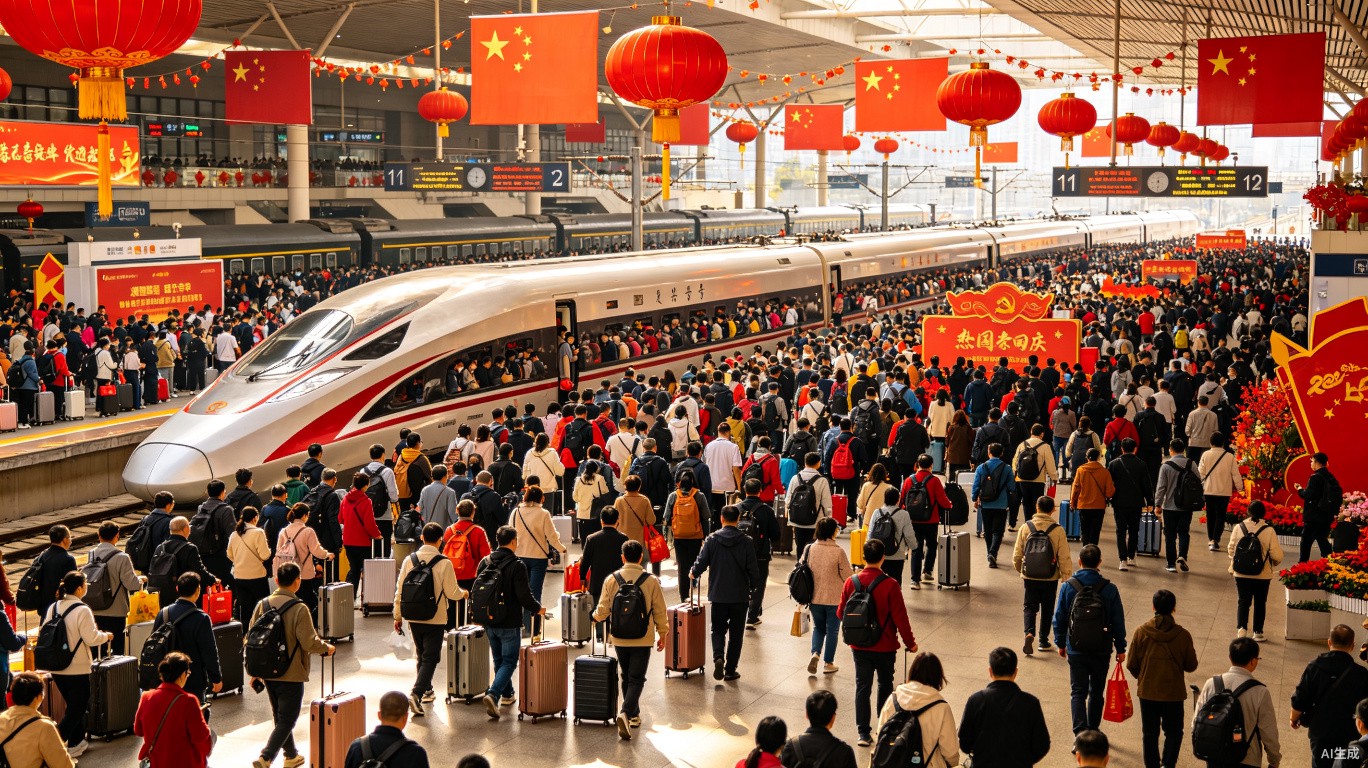
China Golden Week Travel Survival Guide
How to survive China's National Day Golden Week (October 1-7) - what to avoid, where to go, and how to beat the crowds.
9 min read
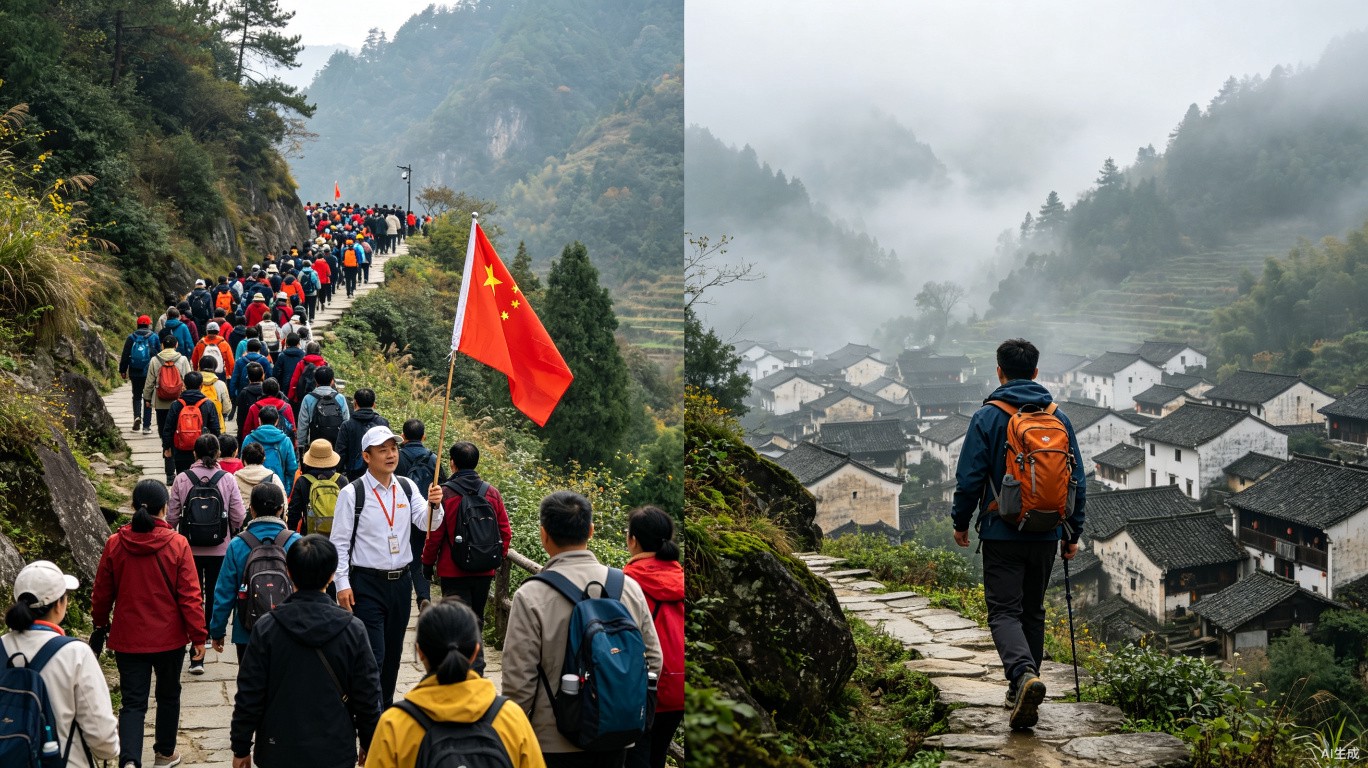
China Group Tours vs Independent Travel Which is Better
Should you join a guided tour or travel independently in China? Honest comparison of cost, flexibility, and experience.
7 min read
China Itinerary Planning: 7-Day 14-Day and 21-Day Routes: The Complete 2026 G...
Not sure how many days to spend in China? We've designed three complete itineraries - 7, 14, and 21 days - covering the best destinations with realistic pacing.
9 min read