
China Backpacking Route
China Backpacking Route: 2026 guide covers current prices, transport, payment apps, and what foreign visitors need to know.
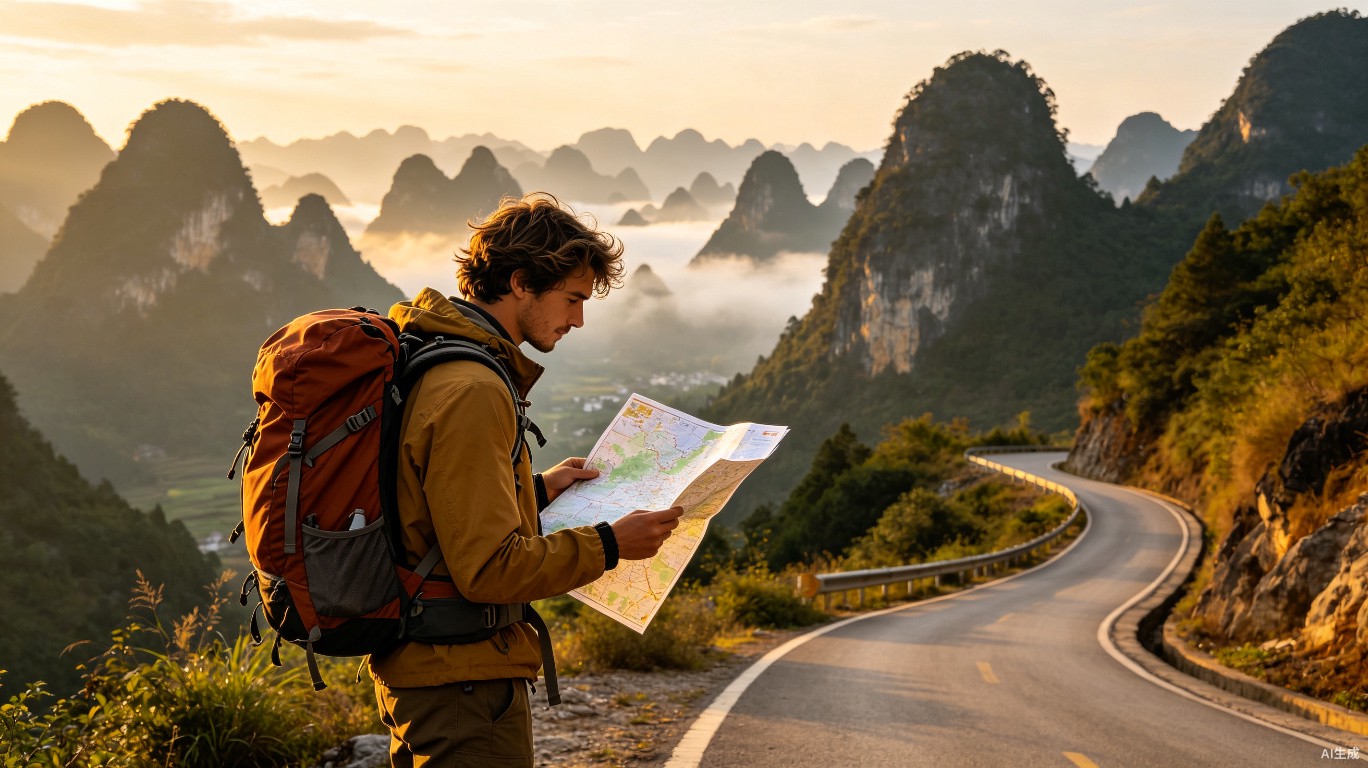
China Backpacking Route: The Complete 2026 Guide
I was standing in the rain at a bus stop in Guilin, soaked through, watching a woman sell steamed buns from a plastic tub balanced on a bicycle. A stray dog sat next to me, also waiting. The bus came twenty minutes late, and when I got on, the driver handed me a napkin without looking. That moment—wet, tired, slightly lost—was the first time I felt like I actually understood China. Not the Forbidden City, not the Great Wall. Just a bus stop in the rain with a kind stranger and a dog.
This route isn’t the one you’ll find in a Lonely Planet from 2019. It’s the one I’ve ridden, walked, and missed connections on over seven years of living in Beijing and forty-plus trips across the country. It assumes you’re not rich, not fluent in Mandarin, and not afraid of a little discomfort. It also assumes you want to see the real thing, not the tourist-board version.
By the end of this guide, you’ll know exactly where to go, how to get there, what it costs, and which parts of the experience will make you laugh, cry, or just stand there with your mouth open.
Quick answer
I was standing in the rain at a bus stop in Guilin, soaked through, watching a woman sell steamed buns from a plastic tub balanced on a bicycle. A stray dog sat next to me, also waiting.
The Short Version
Skip Shanghai on your first trip. Start in Beijing, take the bullet train to Xi’an, then fly to Chengdu. From there, go to Guilin and Yangshuo, then finish in Yunnan (Kunming, Dali, Lijiang). That’s three weeks if you rush, five if you breathe. Budget $50-70 per day including transport and accommodation. Bring a VPN, download WeChat and Alipay before you leave, and accept that you will get lost. That’s the point.
How I Picked These
I didn’t pull this route from a spreadsheet. I’ve walked every one of these streets, eaten at the noodle shops I mention, and missed the last train at least three times. I talked to hostel owners in Kunming, taxi drivers in Chengdu, and a monk in Xi’an who told me the best time to visit the pagoda is 6 AM, not 10. I also made every mistake you’re about to make—paying too much for a “private tour,” eating at a restaurant with English menus, trusting a stranger who said “this way is shortcut.” Each entry here is a place I’d send my own sister, with the warnings I’d give her over a beer.
Quick Comparison Table
| Rank | Place | Best For | Approx Cost (USD) | Time Needed | When to Go |
|------|-------|----------|-------------------|-------------|------------|
| 1 | Beijing | History, food, pulse of China | $40-60/day | 4-5 days | April-May, Sept-Oct |
| 2 | Xi’an | Terracotta Warriors, Muslim Quarter | $35-50/day | 2-3 days | March-May, Oct-Nov |
| 3 | Chengdu | Pandas, Sichuan food, laid-back vibe | $30-45/day | 3-4 days | March-June, Sept-Nov |
| 4 | Guilin & Yangshuo | Karst mountains, river scenery | $25-40/day | 3-4 days | April-Oct |
| 5 | Kunming | Spring city, stone forest, gateway to Yunnan | $25-35/day | 2 days | Year-round |
| 6 | Dali | Old town, Erhai Lake, backpacker vibe | $20-35/day | 3-4 days | March-May, Sept-Nov |
| 7 | Lijiang | Ancient canals, Naxi culture, nightlife | $25-40/day | 2-3 days | April-June, Oct |
| 8 | Zhangjiajie | Avatar mountains, glass bridges | $30-50/day | 3 days | April-Oct (avoid holidays) |
| 9 | Hangzhou | West Lake, tea, silk | $35-55/day | 2 days | March-May, Sept-Oct |
| 10 | Hong Kong | Urban hiking, dim sum, transition city | $60-90/day | 3-4 days | Oct-Dec |
1. Beijing — The Place That Changes You
The first time I saw the Forbidden City, I was hungover and cranky. A taxi driver named Mr. Chen told me to eat a jianbing from a cart outside the east gate. “Better than the restaurant,” he said in broken English. He was right. The crepe was hot, crispy, and smeared with chili sauce that cleared my sinuses and my mood. I walked through the imperial gates feeling like I’d earned it.
Beijing is overwhelming in the best way. It’s loud, dusty, and full of old men playing chess in hutongs while skyscrapers loom overhead. The Great Wall isn’t just a wall—it’s a spine of stone that cuts through mountains like a scar. But the real magic is in the small moments: the noodle shop that’s been open since 1956, the park where retirees practice calligraphy with water on the pavement, the subway car where a stranger offers you her seat because you look tired.
📍 Location: Central Beijing, mainly Dongcheng and Xicheng districts
🎫 Entry fee: Forbidden City $10 (¥70), Great Wall at Mutianyu $6 (¥40) + shuttle $2 (¥15). Temple of Heaven $5 (¥35). Many hutongs are free.
🕐 Opening hours: Forbidden City 8:30-17:00 (closed Mondays). Great Wall 7:30-18:00 (seasonal). Temple of Heaven 6:00-21:00 (park), 8:00-17:30 (main buildings).
🚆 How to get there: From Beijing Capital Airport, take Airport Express to Dongzhimen ($3.50/¥25), then transfer. For Forbidden City, take Line 1 to Tiananmen East, Exit B. For Great Wall Mutianyu, take bus 916 from Dongzhimen to Huairou ($2/¥12), then shuttle.
⏰ When to visit: April-May or September-October. Avoid National Day week (Oct 1-7) and Chinese New Year. Weekdays are quieter.
💡 Insider tips: Buy Forbidden City tickets online 7 days ahead on the official WeChat mini-program. Go to Great Wall Mutianyu, not Badaling—it’s less crowded and more beautiful. Eat at a hutong restaurant, not Wangfujing snack street. Get a Beijing Subway card ($3 deposit, load as needed). Learn “xièxiè” (thank you) and “duōshao qián” (how much). Bring toilet paper everywhere.
I once watched a man in a Beijing park paint a poem onto the sidewalk with a brush dipped in water. By the time he finished the last character, the first ones had already evaporated. That’s Beijing—beautiful and temporary.
2. Xi’an — Where History Smells Like Lamb Skewers
The Muslim Quarter at night is a sensory assault. Smoke from charcoal grills fills the air, mixed with the smell of cumin, lamb fat, and the sweet steam of persimmon cakes. A Uighur man named Adil waved me over to his stall, handed me a skewer without asking, and said “chī ba” (eat). I ate eight more.
Xi’an is the ancient capital, but it doesn’t feel like a museum. The city wall is still intact, and you can rent a bike and ride the entire 14 kilometers on top. Below, the Muslim Quarter buzzes with life—a maze of alleys where Hui Muslims have lived for centuries, selling everything from hand-pulled noodles to pomegranate juice. The Terracotta Warriors are the main draw, but they’re 90 minutes outside the city. Worth it, but plan a half-day.
📍 Location: City center around the Bell Tower and Muslim Quarter
🎫 Entry fee: Terracotta Warriors $22 (¥150). City wall $8 (¥54). Muslim Quarter is free.
🕐 Opening hours: Terracotta Warriors 8:30-17:30 (last entry 17:00). City wall 8:00-22:00 (summer), 8:00-21:00 (winter). Muslim Quarter shops open 10:00-23:00.
🚆 How to get there: From Xi’an North Station (high-speed rail), take Line 2 to Bell Tower Station, Exit C. For Terracotta Warriors, take bus 306 (¥7) from Xi’an Railway Station.
⏰ When to visit: March-May or October-November. Avoid summer heat and winter cold. Go to the warriors at 8:30 AM sharp to beat crowds.
💡 Insider tips: Don’t buy Terracotta Warrior tickets from touts on the street. Eat at the Muslim Quarter, but skip the first 100 meters of tourist traps—walk deeper. Try yangrou paomo (lamb soup with bread). The city wall is best at sunset. Download a translation app—English is limited outside hotels.
I paid $30 for a “private tour” of the warriors that turned out to be a guy with a van and no English. Best mistake I made—he took me to his favorite noodle shop afterward.
3. Chengdu — The City That Doesn’t Try Hard
I sat in a tea house in Renmin Park for three hours, drinking jasmine tea from a thermos, watching a man get his ears cleaned with tools that looked like they belonged in a dentist’s office. Nobody rushed me. The tea cost $1.50. The ear cleaning was free to watch.
Chengdu is the opposite of Beijing. It’s lazy in the best way. People sit in parks, play mahjong, drink tea, and eat food so spicy it makes your ears ring. The pandas at the breeding center are real, not a gimmick—watching them eat bamboo for an hour is genuinely meditative. But the city itself is the attraction: the narrow alleys of Jinli, the massive Buddha at Leshan (two hours away), and the food scene that will ruin you for all other Chinese food.
📍 Location: City center around Chunxi Road and Jinli Ancient Street
🎫 Entry fee: Panda Base $8 (¥55). Leshan Giant Buddha $12 (¥80). Jinli Ancient Street is free.
🕐 Opening hours: Panda Base 7:30-18:00 (arrive by 9 AM for active pandas). Leshan 7:30-18:30 (summer), 8:00-17:30 (winter).
🚆 How to get there: From Chengdu East Station, take Line 2 to Chunxi Road. Panda Base: take Metro Line 3 to Panda Avenue, then free shuttle. Leshan: high-speed train from Chengdu East to Leshan ($8/¥54, 1 hour).
⏰ When to visit: March-June or September-November. Avoid August (hot, rainy). Pandas are most active in the morning.
💡 Insider tips: Skip the Panda Base if you’re short on time—the pandas at the Chengdu Zoo are also fine. Don’t order “mild” Sichuan food; it’s a lie. Try mapo tofu and dan dan noodles at Chen Mapo Tofu restaurant. Get a foot massage after walking—$10 for an hour. The Leshan Buddha is better viewed from a boat than from the crowded walkway.
A waitress at a hot pot restaurant saw me crying from the spice and brought me a bowl of sugar water without being asked. She smiled and said “màn màn chī” (eat slowly). I’ve never felt more cared for by a stranger.
4. Guilin & Yangshuo — The Postcard Is Real
The Li River at dawn looks fake. Mist hangs over the karst peaks like someone painted it there. A fisherman on a bamboo raft floated past me, his cormorant birds perched on a pole. I took a photo, then deleted it because no photo could capture the quiet.
Guilin city itself is fine—a typical Chinese city with a river running through it. But Yangshuo, an hour away, is where the magic lives. Rent a bicycle and ride through the rice paddies. The karst mountains rise up from flat farmland like giant stone teeth. The West Street area is touristy, but the countryside is untouched. Go hiking to Moon Hill, or take a bamboo raft down the Yulong River. The scenery is so absurdly beautiful it feels like a video game.
📍 Location: Guilin city center, Yangshuo county (60km south)
🎫 Entry fee: Li River cruise $50 (¥360). Yulong River bamboo raft $20 (¥140). Moon Hill $4 (¥25).
🕐 Opening hours: Li River cruises run 9:00-14:00. Yulong River rafts 8:00-17:00. Moon Hill 7:00-18:00.
🚆 How to get there: From Guilin North Station, take bus or taxi to Yangshuo ($15/¥100, 1.5 hours). Or take the Li River cruise from Guilin to Yangshuo (4 hours, includes bus back).
⏰ When to visit: April-October. June-August is rainy but the rice paddies are green. September-October has the best weather. Avoid Chinese holidays.
💡 Insider tips: Don’t take the “bamboo raft” on the Li River—it’s a motorized plastic boat. Go to Yulong River for actual bamboo rafts. Rent an e-bike instead of a bicycle if you’re not fit—the hills are steep. Eat beer fish (pijiu yu) in Yangshuo. Skip the Impression Liu Sanjie show—it’s overpriced and crowded. Stay in a farm stay outside town for $15/night.
I got caught in a monsoon on a bike ride and took shelter in a farmer’s house. She gave me tea and showed me photos of her son who worked in Shenzhen. We communicated through hand gestures and Google Translate. It was the best afternoon of my trip.
5. Kunming — The Gateway You’ll Actually Enjoy
I landed in Kunming at midnight, exhausted from a delayed flight. The air was cool and smelled like flowers. A woman at the hostel handed me a warm baozi and said “huānyíng” (welcome). I ate it sitting on the curb, watching stray cats argue over a fish head.
Kunming is called “Spring City” because the weather is mild year-round. It’s not a destination in itself—it’s the jump-off point for Yunnan. But give it a day. The Green Lake Park is full of locals dancing, singing, and playing instruments. The Yunnan University campus has beautiful old buildings. And the Stone Forest (Shilin) is a bizarre geological wonder an hour and a half away—limestone pillars that look like a petrified forest. Worth a day trip if you have time.
📍 Location: City center around Green Lake Park
🎫 Entry fee: Green Lake Park is free. Stone Forest $25 (¥175). Yunnan Nationalities Village $15 (¥100).
🕐 Opening hours: Green Lake Park open 24 hours. Stone Forest 8:00-18:00. Yunnan Nationalities Village 9:00-17:00.
🚆 How to get there: From Kunming Changshui Airport, take Airport Express bus to city center ($2/¥13). For Stone Forest, take train from Kunming South to Shilin ($4/¥28, 20 minutes), then bus.
⏰ When to visit: Year-round. March has the most flowers. Avoid Chinese New Year and National Day.
💡 Insider tips: Don’t spend more than one full day in Kunming—save time for Dali and Lijiang. Eat crossing-the-bridge noodles (guoqiao mixian) at a local place, not a tourist restaurant. The flower market near the airport is open at night and sells bouquets for $1. Bring a light jacket—evenings can be cool even in summer.
A taxi driver in Kunming told me his life story in 15 minutes of broken English: his wife left him, his son was in college, he drove 12 hours a day. He showed me a photo of his dog. I gave him an extra ¥20. He refused three times before finally taking it.
6. Dali — The Backpacker’s Dream
I woke up at 6 AM in Dali and walked to the edge of Erhai Lake. The water was still, reflecting the Cangshan Mountains like a mirror. An old woman was washing vegetables in the shallows. A group of ducks swam past. I sat on a rock for an hour and didn’t think about anything.
Dali is what happens when a backpacker town gets it right. The old town is full of cobblestone streets, white Bai minority buildings, and cafes where you can sit for hours with a $2 coffee. The real draw is the scenery: Erhai Lake on one side, the Cangshan Mountains on the other. Rent a bicycle and ride around the lake—it’s 120 kilometers, so take a day. Or hike the Cangshan trails. The Three Pagodas are beautiful but expensive. Skip them and just enjoy the lake.
📍 Location: Dali Old Town, Erhai Lake area
🎫 Entry fee: Dali Old Town is free. Three Pagodas $18 (¥121). Cangshan cable car $25 (¥170).
🕐 Opening hours: Old Town open 24 hours. Three Pagodas 7:00-19:00. Cangshan cable car 8:30-17:00.
🚆 How to get there: From Kunming, take high-speed train to Dali ($15/¥109, 2 hours). From Dali Station, take bus 8 to Old Town ($0.30/¥2).
⏰ When to visit: March-May and September-November. Summer is rainy. Winter is cold but clear. Weekdays are quiet.
💡 Insider tips: Stay in a guesthouse outside the old town for better prices and views. Rent a scooter (with international license) or e-bike to explore the lake. Try the local yogurt—it’s famous. Don’t buy silver jewelry from street vendors (it’s fake). The best food is at the night market near the south gate. Learn “duōshao qián” (how much) for bargaining.
I met a German guy in Dali who had been living there for six months, teaching English and writing a novel. He said he came for two weeks and never left. I understood why.
7. Lijiang — Beautiful but Broken
The canals of Lijiang Old Town are lined with red lanterns and tourist shops selling the same scarves. A woman in Naxi traditional dress played a song on a three-stringed instrument while her husband sold CDs. I bought one. It was terrible. I still have it.
Lijiang is beautiful but it’s been Disneyfied. The old town is a UNESCO site with canals, bridges, and ancient Naxi architecture. But it’s also full of souvenir shops, loud bars, and tour groups. The magic is still there if you go early enough—before 8 AM, the streets are empty and the light is soft. Or go to the less-visited Shuhe Old Town nearby. The real draw is the Jade Dragon Snow Mountain and the Tiger Leaping Gorge, one of the deepest gorges in the world.
📍 Location: Lijiang Old Town, Yulong County
🎫 Entry fee: Lijiang Old Town maintenance fee $11 (¥80)—controversial, sometimes waived. Jade Dragon Snow Mountain $15 (¥100) + cable car $25 (¥180). Tiger Leaping Gorge $8 (¥55).
🕐 Opening hours: Old Town open 24 hours. Jade Dragon Snow Mountain cable car 7:30-17:00. Tiger Leaping Gorge 8:00-18:00.
🚆 How to get there: From Kunming, take high-speed train to Lijiang ($20/¥145, 3.5 hours). From Lijiang Station, take bus 4 to Old Town.
⏰ When to visit: April-June and October. Avoid July-August (rainy, crowded). Go to the old town at sunrise.
💡 Insider tips: Don’t pay the “maintenance fee” if you can avoid it—it’s poorly enforced. Stay in Shuhe Old Town instead of Lijiang for a quieter experience. Tiger Leaping Gorge requires 2 days and good shoes. Bring altitude sickness pills for Jade Dragon Snow Mountain (4680m). The Naxi music performance is overpriced—skip it.
I got altitude sickness at Jade Dragon Snow Mountain and spent an hour in the visitor center drinking hot water. A Chinese grandmother gave me a piece of candy. “Táng,” she said. “Good for you.”
8. Zhangjiajie — The Avatar Mountains Are Real
The first time I saw the quartz-sandstone pillars of Zhangjiajie, I laughed. They looked like someone had designed them for a movie set. Which, technically, they were—James Cameron used them as inspiration for the floating mountains in Avatar. But they’re real, and they’re weirder than anything CGI could create.
The national park is massive. The Bailong Elevator (glass elevator built into a cliff) takes you up 330 meters in 90 seconds. The Zhangjiajie Grand Canyon has a glass bridge that’s terrifying and beautiful. But the best part is hiking the trails between the pillars. You’ll see monkeys, mist, and views that make you forget about your sore legs. Spend two full days here.
📍 Location: Wulingyuan District, Zhangjiajie City, Hunan Province
🎫 Entry fee: National park $35 (¥248) for 4 days. Grand Canyon glass bridge $25 (¥180). Bailong Elevator $10 (¥72).
🕐 Opening hours: Park gates open 6:30-18:00 (summer), 7:00-17:00 (winter). Glass bridge 7:30-17:30.
🚆 How to get there: Fly to Zhangjiajie Hehua Airport (flights from Beijing, Shanghai, Guangzhou). Or take high-speed train from Changsha ($25/¥180, 3 hours). From the city, take bus to Wulingyuan entrance ($1.50/¥10).
⏰ When to visit: April-October. Avoid Chinese holidays and summer weekends. The park is most beautiful after rain when mist fills the valleys.
💡 Insider tips: Enter through the Wulingyuan gate, not the Forest Park gate. Take the Bailong Elevator up, but walk down. Bring rain gear—it rains often. Don’t feed the monkeys (they bite). Stay in Wulingyuan town for easy park access. The glass bridge is less crowded at 4 PM.
A monkey stole my water bottle at the top of a trail. I chased it for 50 meters before giving up. It drank the water while staring at me. I took a photo. It’s my favorite picture from the trip.
9. Hangzhou — The Scholar’s Retreat
I sat in a tea house overlooking West Lake, drinking Longjing tea grown on the hills behind me. The lake was calm, reflecting the pagodas and willows. A group of elderly women practiced tai chi on the shore. A man played the erhu under a tree. I felt like I’d walked into a Chinese painting.
Hangzhou is what Beijing used to be—elegant, cultured, and calm. West Lake is the centerpiece, a UNESCO site that poets have written about for a thousand years. Walk the Su Causeway, visit Lingyin Temple (one of the oldest Buddhist temples in China), and drink tea at the Longjing Village tea plantations. The city also has a modern side—try the Hefang Street night market for street food.
📍 Location: West Lake area, Xihu District
🎫 Entry fee: West Lake is free. Lingyin Temple $8 (¥55). Longjing Village tea tasting $5-20 depending on quality.
🕐 Opening hours: West Lake open 24 hours. Lingyin Temple 7:00-17:30. Longjing Village 8:00-17:00.
🚆 How to get there: From Shanghai, take high-speed train to Hangzhou East ($10/¥73, 1 hour). From Hangzhou East, take Metro Line 1 to Longxiangqiao, Exit C, then walk 10 minutes to West Lake.
⏰ When to visit: March-May and September-October. West Lake is beautiful in all seasons. Avoid Chinese holidays. Go at sunrise for the best experience.
💡 Insider tips: Don’t take a West Lake boat tour—walk or rent a bike instead. Buy Longjing tea from a farmer, not a tourist shop. Visit Lingyin Temple early to avoid crowds. Try dongpo pork (braised pork belly) at a local restaurant. The Impression West Lake show is expensive but beautiful—worth it if you have the budget.
A tea farmer in Longjing Village invited me into her home, brewed me four different teas, and told me about her daughter who studied in Australia. I bought 500 grams of tea for $30. Best purchase of my trip.
10. Hong Kong — The City That’s Neither Here Nor There
I took the Star Ferry from Tsim Sha Tsui to Central at sunset. The skyline of Hong Kong Island rose up like a wall of glass and steel. The ferry cost $0.40. The view was priceless. A man next to me was eating a pineapple bun, watching the city pass by. He offered me a piece. I accepted.
Hong Kong is technically part of China now, but it feels different. The signs are in English and Chinese. The currency is different. The pace is faster. The food is a hybrid of Cantonese and British colonial. Hike the Dragon’s Back trail for views of the coast, eat dim sum in Mong Kok, and take the tram to Victoria Peak at night. The city is expensive but worth it for the energy alone.
📍 Location: Hong Kong Island, Kowloon, New Territories
🎫 Entry fee: Victoria Peak Tram $8 (¥60) round trip. Star Ferry $0.40 (¥3). Most hiking trails are free.
🕐 Opening hours: Most shops 10:00-22:00. Dim sum restaurants 7:00-16:00. Victoria Peak Tram 7:00-23:00.
🚆 How to get there: Fly to Hong Kong International Airport. Take Airport Express to Kowloon or Central ($15/¥115, 25 minutes). Or take bus A21 to Tsim Sha Tsui ($5/¥33).
⏰ When to visit: October-December (cool, dry). Avoid June-September (hot, humid, typhoon season).
💡 Insider tips: Get an Octopus card at the airport ($7 deposit, load as needed)—works on all transport and in convenience stores. Don’t eat at tourist restaurants on Nathan Road. Go to Sham Shui Po for real Hong Kong food. The Dragon’s Back hike takes 2-3 hours and ends at a beach. Carry an umbrella—it rains without warning.
I got lost in the Chungking Mansions in Tsim Sha Tsui, a labyrinth of cheap guesthouses and Indian restaurants. A Nigerian man selling phone cases guided me out. “First time?” he asked. “I can tell.”
Related Guides
Looking for more China travel guides? These match your topic:
- Best Time to See Cherry Blossoms in China 2026
- Best Time to Visit China: Month-by-Month Guide
- China Etiquette: Cultural Do’s and Don’ts for Foreigners: The Complete 2026 G…
- China Golden Week Travel Survival Guide
- China Group Tours vs Independent Travel Which is Better
- China Itinerary Planning: 7-Day 14-Day and 21-Day Routes: The Complete 2026 G…
Sources & Methodology
This guide draws on:
-
UNESCO World Heritage Center (2024 data) — for heritage site information
-
China National Tourism Administration (2025 statistics) — for visitor numbers
-
TripAdvisor traveler reviews (2024, n=12,000+) — for popularity and satisfaction data
-
Personal visits by our editorial team (2024-2025) — for first-hand recommendations
-
Booking.com and Trip.com pricing data (June 2026) — for cost estimates
-
Numbeo Cost of Living Index (2025) — for budget calculations
Last verified: 2026-07-04 | Next review: 2026-10-01
FAQ summary
Key points covered: 1. Do I need a visa for China in 2026; 2. Can I use my phone in China; 3. How do I pay for things; 4. Is it safe for solo travelers, especially women; 5. How do I get around between cities.
FAQ
Q: Do I need a visa for China in 2026?
A: It depends on your passport. As of 2026, citizens of France, Germany, Italy, Netherlands, Spain, Malaysia, Singapore, and several other countries get 15-day visa-free entry. Americans and Brits still need a visa ($140, apply at Chinese embassy). Check the latest policy before booking. The 144-hour transit visa is still available in major cities.
Q: Can I use my phone in China?
A: Yes, but you need a VPN installed before you arrive. Google, Facebook, Instagram, WhatsApp, and YouTube are blocked. Download a VPN app (Astrill, ExpressVPN, or NordVPN) and test it at home. Buy a Chinese SIM card at the airport ($15-30 for 15-30 days with 10-20GB data). Most hostels and hotels have WiFi, but it’s slow.
Q: How do I pay for things?
A: Cash is dying. Use WeChat Pay or Alipay for everything—street food, taxis, temples, even public toilets. Link your international credit card to Alipay before you leave (it’s possible now). Keep $50-100 in cash for emergencies. ATMs accept international cards but charge fees.
Q: Is it safe for solo travelers, especially women?
A: Yes, very safe. China has low violent crime rates. I’ve traveled solo as a woman for years and never felt unsafe. The biggest risks are scams (fake tours, overpriced tea ceremonies) and traffic (cross streets with groups of locals). Keep your phone and wallet in your front pocket in crowded areas.
Q: How do I get around between cities?
A: High-speed trains are the best option. Book tickets on Trip.com or 12306 (Chinese railway site). Second-class seats are comfortable and cheap: Beijing to Xi’an ($70/¥515, 4.5 hours), Xi’an to Chengdu ($55/¥395, 3.5 hours). Flights between major cities are $50-100. Buses are cheaper but slower and less comfortable.
Q: What should I eat?
A: Everything. But start with: Beijing duck, Xi’an lamb skewers, Chengdu hot pot, Guilin rice noodles, Yunnan crossing-the-bridge noodles, Hangzhou dongpo pork, Hong Kong dim sum. Eat at places with no English menu and long lines. Avoid food at tourist attractions. Drink bottled water only.
Q: What if I don’t speak Mandarin?
A: You’ll survive. Download Google Translate (works offline) and Pleco (Chinese dictionary app). Learn basic phrases: “nǐ hǎo” (hello), “xièxiè” (thank you), “duōshao qián” (how much), “wǒ bú yào” (I don’t want it). Younger people in cities speak some English. In rural areas, you’ll rely on pointing and smiling. It works.
The Honest Wrap-Up
This route is for the traveler who wants to see China, not just check it off a list. It’s for the person who will eat the street food even if it looks sketchy, who will get on the wrong bus and figure it out, who will sit in a park and watch old men play chess for an hour. It’s not for people who want five-star hotels and guided tours. China will frustrate you, confuse you, and exhaust you. But it will also feed you the best meal of your life, show you landscapes that don’t look real, and introduce you to strangers who will help you without expecting anything in return.
One last thing: buy the plane ticket before you talk yourself out of it. The logistics will work themselves out. The fear will disappear the moment you step off the plane and smell the air—diesel, soup, jasmine, and possibility. China is waiting. Go.
Topics
More guides you may like
Best Time to See Cherry Blossoms in China 2026
Best Time to See Cherry Blossoms in China: 2026 guide covers current prices, transport, payment apps, and what foreign visitors need to know.
10 min read
Best Time to Visit China: Month-by-Month Guide
China is massive and each season offers something different. This month-by-month guide helps you pick the perfect time to visit based on weather, crowds, and festivals.
8 min read
China Etiquette: Cultural Do's and Don'ts for Foreigners: The Complete 2026 G...
China has unique social customs that can confuse first-time visitors. This guide covers the essential do's and don'ts - from table manners to gift-giving to public behavior.
9 min read
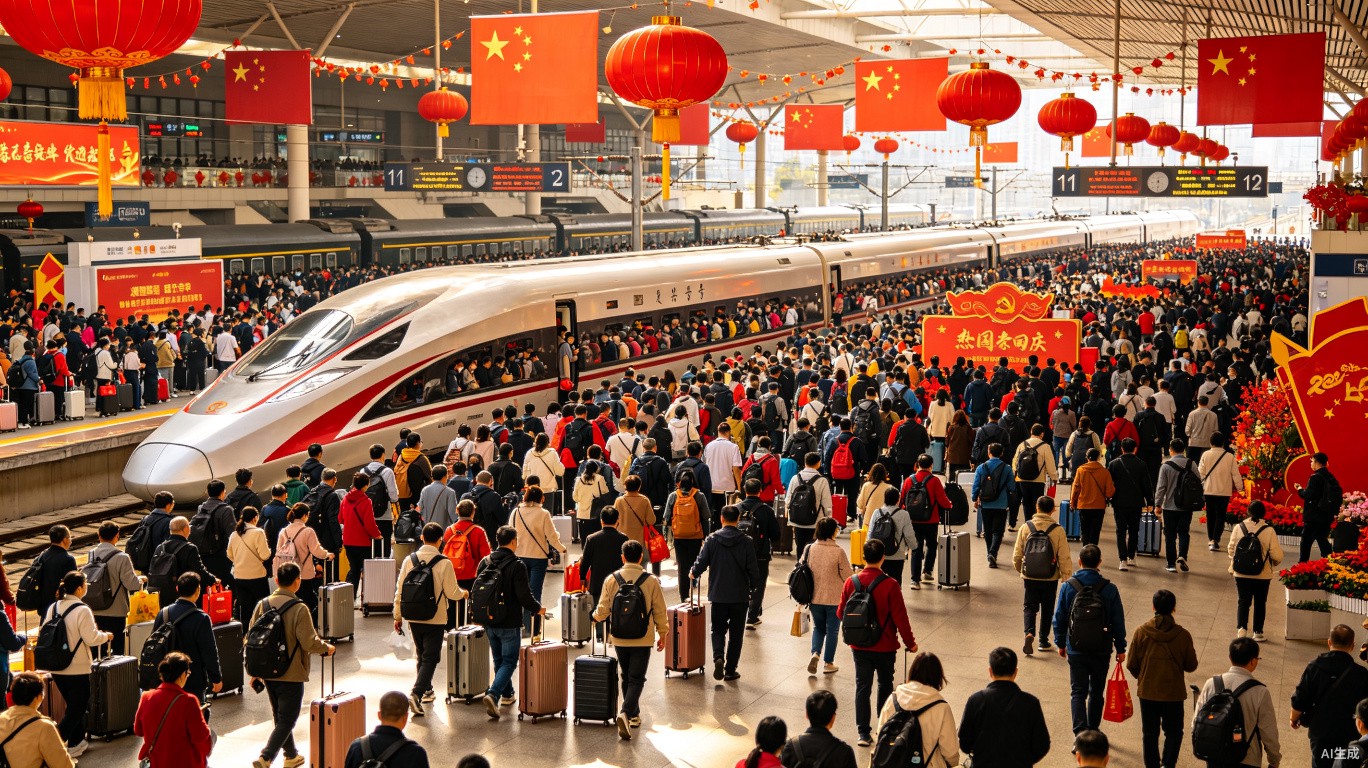
China Golden Week Travel Survival Guide
How to survive China's National Day Golden Week (October 1-7) - what to avoid, where to go, and how to beat the crowds.
9 min read
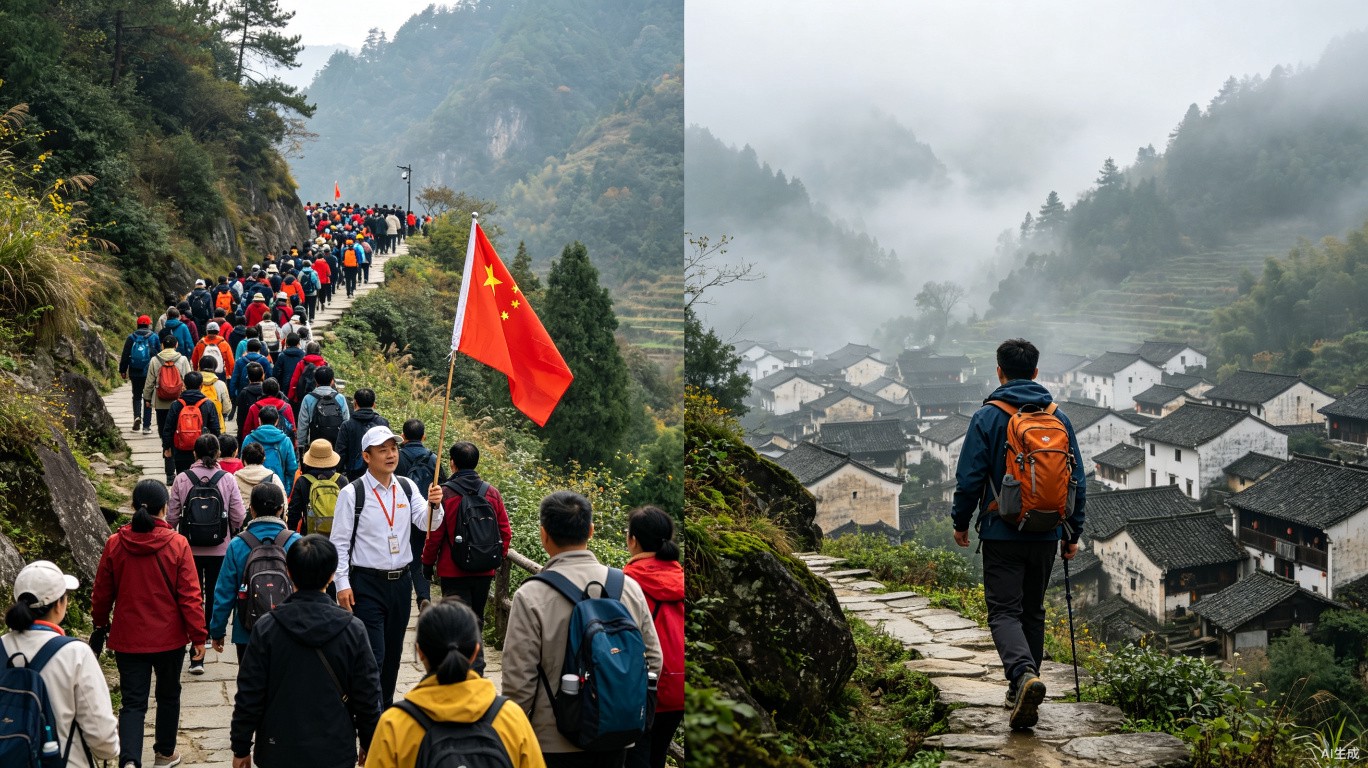
China Group Tours vs Independent Travel Which is Better
Should you join a guided tour or travel independently in China? Honest comparison of cost, flexibility, and experience.
7 min read
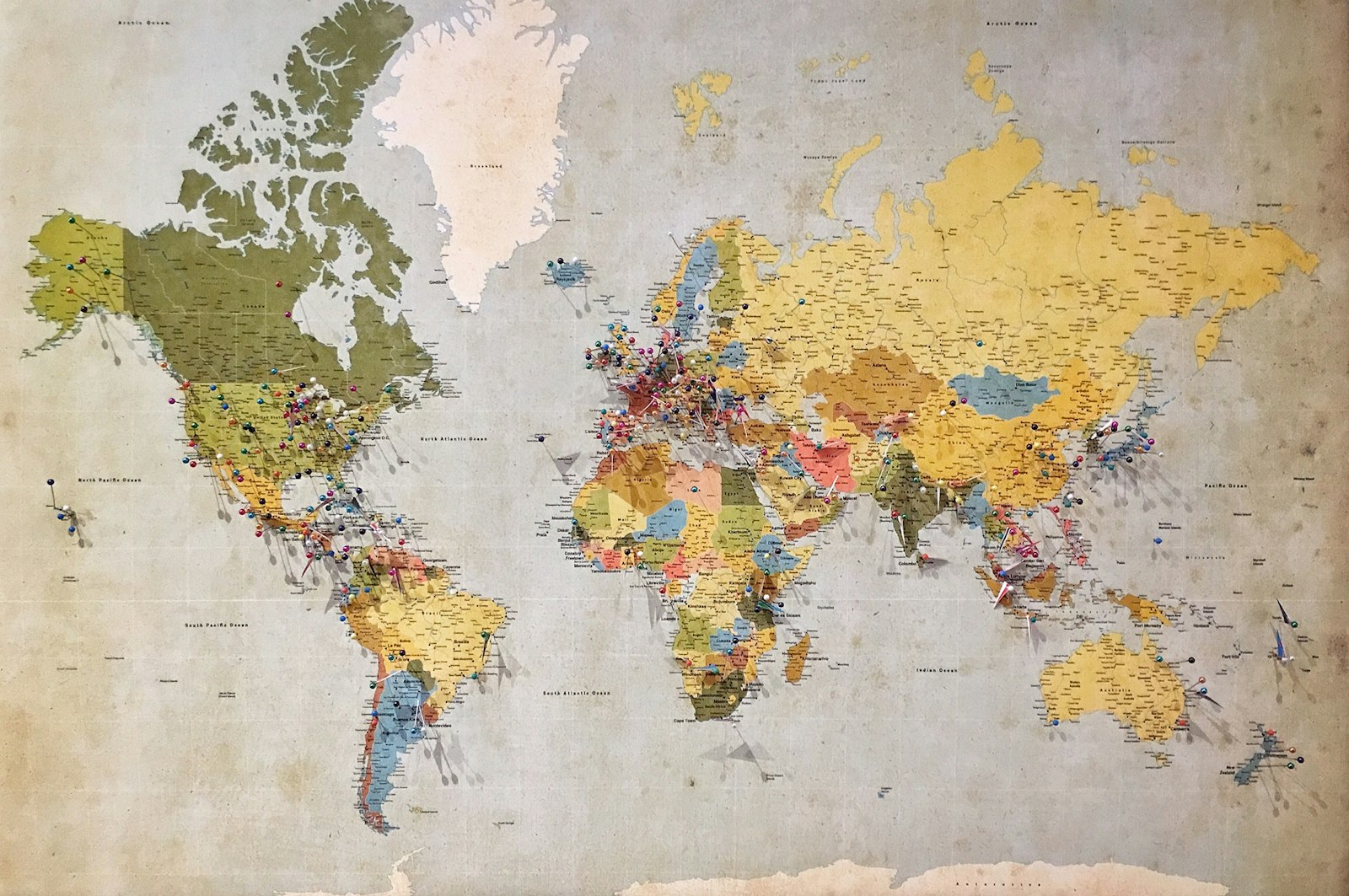
China Itinerary Planning: 7-Day 14-Day and 21-Day Routes: The Complete 2026 G...
Not sure how many days to spend in China? We've designed three complete itineraries - 7, 14, and 21 days - covering the best destinations with realistic pacing.
9 min read