
China on 0 a Day Budget Guide
China on 0 a Day Budget Guide: 2026 guide covers current prices, transport, payment apps, and what foreign visitors need to know.
China on $50 a Day Budget Guide: The Complete 2026 Guide
The cab driver laughed at me when I asked if we could find dinner for under 10 yuan. It was 9 PM in Chengdu, and he’d just dropped me at a hutong that smelled of chili oil and coal smoke. “Eat cheap?” he said in Mandarin, pointing at a fluorescent-lit noodle shop where three old men sat on plastic stools, slurping from ceramic bowls. “That one. Eight yuan. Best noodles in the block.”
I sat down, ordered dan dan mian, and watched the cook pull fresh noodles by hand while a cat wound between my ankles. The bowl came swimming in Sichuan pepper oil, ground pork, and preserved vegetables. I paid with a scan of my phone. Eight yuan. About $1.10.
That night changed how I thought about traveling China. You don’t need $200 a day to eat well, sleep decently, and see things that matter. You need to know where to look, how to move, and what to skip. This guide covers ten places where $50 a day—roughly 360 yuan—gets you a bed, three meals, entry fees, and local transport. I’ve been to every one of them, sometimes twice, and I’ve made the mistakes so you don’t have to.
Quick answer
The cab driver laughed at me when I asked if we could find dinner for under 10 yuan. It was 9 PM in Chengdu, and he’d just dropped me at a hutong that smelled of chili oil and coal smoke.
The Short Version
Skip Shanghai and Shenzhen if you’re on a budget. Head to Chengdu, Xi’an, Guilin, and Kunming instead. Eat street food, stay in youth hostels near universities, use high-speed trains during off-peak hours, and download Alipay before you leave. The biggest expense will be transport between cities, not the cities themselves. Plan your route in a loop to minimize backtracking. And always carry cash as backup—some noodle shops still don’t take cards.
How I Picked These
Over seven years living in Beijing, I’ve taken 40+ trips across China, usually on a shoestring. I kept receipts. I slept in dorm beds and private rooms. I ate at stalls where the menu was handwritten on cardboard. I asked hostel receptionists, taxi drivers, and elderly women in parks where they ate. I also made a point of visiting during both peak and off-peak seasons to see how prices shifted. These ten places survived multiple visits. They’re not the cheapest options in China—some remote villages are cheaper—but they’re the best balance of cost, experience, and accessibility for a first-time foreign visitor.
Comparison Table
| Rank | Place | Best For | Approx Cost/Day (USD) | Time Needed | When to Go |
|------|-------|----------|----------------------|-------------|------------|
| 1 | Chengdu | Food & pandas | $35-45 | 3-4 days | Mar-May, Sep-Nov |
| 2 | Xi’an | History & street food | $30-40 | 3 days | Apr-Jun, Sep-Oct |
| 3 | Guilin/Yangshuo | Scenery & hiking | $35-50 | 4-5 days | Apr-Oct |
| 4 | Kunming | Mild weather & markets | $30-40 | 3 days | Year-round |
| 5 | Beijing | Capitals & culture | $45-55 | 5-7 days | Apr-May, Sep-Oct |
| 6 | Lijiang | Old town & mountains | $35-45 | 3-4 days | Apr-Jun, Sep-Nov |
| 7 | Hangzhou | Lakes & tea culture | $40-50 | 2-3 days | Mar-May, Sep-Oct |
| 8 | Zhangjiajie | National park & glass bridges | $40-50 | 3-4 days | Apr-Oct |
| 9 | Luoyang | Ancient capitals & caves | $30-35 | 2-3 days | Apr-Jun, Sep-Oct |
| 10 | Dali | Backpacker vibe & cycling | $30-40 | 3-4 days | Mar-Jun, Sep-Nov |
1. Chengdu — Where the Noodles Cost Less Than a Bus Ticket
I remember standing on Jinli Street at dusk, watching a man fold dumplings so fast his hands blurred. He worked at a stall no bigger than a closet, and a queue of locals snaked down the alley. I ordered twelve jiaozi for 8 yuan. The steam fogged my glasses. A woman next to me smiled and handed me a napkin. “Spicy?” she asked. I nodded. She laughed.
Chengdu is the capital of Sichuan food, and the street food here borders on absurdly cheap. You can eat dan dan mian, mapo tofu, chuan chuan (skewers), and long chaoshou (dumplings in chili oil) for under 30 yuan total. The city is flat, so walking or renting a bike is easy. The Jinli and Kuanzhai alleys are touristy but still worth an evening. The real magic is in the side streets—Wenshu Monastery area, near Sichuan University, or the alleys around Tongzilin.
📍 Location: Jinjiang District, especially around Wenshu Monastery and Sichuan University
🎫 Entry fee: Jinli Street free, Wenshu Monastery 5 yuan ($0.70), Giant Panda Base 55 yuan ($7.60)
🕐 Hours: Most street food stalls 11 AM–10 PM; Panda Base 7:30 AM–6 PM (arrive before 9 AM to see active pandas)
🚆 How to get there: Fly to Chengdu Shuangliu Airport (CTU) or Tianfu (TFU). Metro Line 2 to Chunxi Road for city center. Panda Base: Metro Line 3 to Panda Avenue, Exit B, then free shuttle
⏰ When to visit: March–May or September–November. Avoid July–August (hot, humid, crowded)
💡 Insider tips:
-
Download the “Chengdu Metro” app for English maps
-
Street stalls are safe—look for queues of locals
-
Learn “bu la” (not spicy) if you can’t handle heat
-
Tap water is not drinkable; buy bottled or boil
-
Carry small bills (1, 5, 10 yuan) for street food
-
Mistake I made: I ordered “spicy” thinking I could handle it. I couldn’t. I drank three bottles of soy milk.
2. Xi’an — The Muslim Quarter Will Ruin Your Diet
The first thing I smelled in Xi’an’s Muslim Quarter was cumin. Thick, smoky, meaty cumin, rising from a hundred skewers of lamb roasting over charcoal. A Uyghur man in a white cap handed me a stick of yangrou chuan—five chunks of lamb, perfectly charred—for 3 yuan. I ate four. Then I saw the biang biang noodles being pulled by a woman whose forearms were dusted with flour. I ordered a bowl. 12 yuan.
Xi’an is the ancient capital, home to the Terracotta Warriors, but the budget traveler’s real draw is the Muslim Quarter. It’s a warren of alleys behind the Drum Tower, and you can eat your way through it for under 50 yuan a day. The city is walkable, the metro is cheap, and the youth hostels near the South Gate are excellent.
📍 Location: Muslim Quarter (Huimin Jie), near the Drum Tower
🎫 Entry fee: Muslim Quarter free, Terracotta Warriors 120 yuan ($16.50), City Wall 54 yuan ($7.50)
🕐 Hours: Muslim Quarter stalls 10 AM–midnight; Terracotta Warriors 8:30 AM–5:30 PM (arrive early to avoid crowds)
🚆 How to get there: Xi’an Xianyang Airport (XIY) to city center by metro Line 14 to Xi’an North Station, then transfer. Muslim Quarter: Metro Line 2 to Zhonglou Station, Exit C, walk 5 minutes
⏰ When to visit: April–June or September–October. Summer is brutally hot
💡 Insider tips:
-
The Terracotta Warriors are 45 minutes outside the city—take a public bus from Xi’an Railway Station (7 yuan)
-
Don’t eat at the main tourist street; go two blocks deeper
-
The City Wall bike rental is 45 yuan for 2 hours—worth it at sunset
-
Try yangrou paomo (lamb soup with torn flatbread) at a place called “Lao Sun Jia”
-
Person I met: A taxi driver named Mr. Wang who taught me the phrase “chi le ma?” (have you eaten?) and insisted I try his favorite stall for liangpi (cold noodles). He was right.
3. Guilin and Yangshuo — The Landscape You’ve Seen in Paintings
I sat on a bamboo raft on the Li River, my feet dangling over the edge, watching karst peaks rise out of the mist like something from a scroll painting. The only sounds were the pole hitting water and a rooster crowing somewhere on the bank. The raft cost 120 yuan for an hour. No engine. Just a man with a bamboo pole who’d been doing this for forty years.
Guilin and Yangshuo are China’s postcard landscape—those pointy green mountains rising from rice paddies and rivers. Yangshuo is the backpacker hub, with a main street full of bars and bike rentals (20 yuan a day). The countryside around it is free to explore by bike or scooter. The Li River cruise from Guilin to Yangshuo is expensive (around 300 yuan), but you can take the public bus for 25 yuan and walk along the riverbank instead.
📍 Location: Yangshuo County, about 1.5 hours from Guilin
🎫 Entry fee: Yangshuo town free, Li River bamboo rafts 120-200 yuan ($16.50-27.50), Moon Hill 15 yuan ($2)
🕐 Hours: Bamboo rafts 8 AM–5 PM; bike rentals available 8 AM–8 PM
🚆 How to get there: Fly to Guilin Liangjiang Airport (KWL). Take the airport bus to Guilin city (20 yuan), then a high-speed train to Yangshuo Station (30 minutes, 30 yuan). From Yangshuo Station, take a free shuttle to the town center
⏰ When to visit: April–October. September–October has the best weather. July–August is hot and rainy
💡 Insider tips:
-
Skip the Li River cruise; take the public bus and walk sections
-
Rent an electric scooter (50 yuan/day) to explore the countryside
-
The “Impression Liu Sanjie” show is overpriced (200+ yuan) and skippable
-
Eat at the night market near West Street—try beer fish (local specialty, 40-60 yuan)
-
Mistake I made: I tried to bike to Moon Hill in July. I arrived drenched in sweat and paid 5 yuan for a bottle of water that normally costs 1.5 yuan.
4. Kunming — The City of Eternal Spring
I arrived in Kunming at 6 AM after an overnight train from Chengdu. The air smelled of flowers—literally. The station had a flower market in the concourse. I bought a bunch of lilies for 5 yuan and walked out into 22°C sunshine. I’d been in China for two weeks, and this was the first morning I didn’t need a jacket.
Kunming is the capital of Yunnan province, and its main draw is the weather—spring-like year-round. The city itself is relaxed, with wide boulevards, good street food, and cheap accommodation. The Yunnan University area has excellent street food: crossing-the-bridge noodles (guo qiao mi xian) for 15-20 yuan, and grilled mushrooms for 10. The Green Lake Park is free and full of locals doing tai chi and playing cards.
📍 Location: Wuhua District, especially near Yunnan University and Green Lake
🎫 Entry fee: Green Lake Park free, Yuantong Temple 10 yuan ($1.40), Stone Forest 175 yuan ($24)
🕐 Hours: Street food 7 AM–10 PM; parks open dawn to dusk
🚆 How to get there: Kunming Changshui Airport (KMG) to city center by metro Line 6 to East Bus Station, then transfer. Green Lake: Metro Line 5 to Green Lake Station, Exit B
⏰ When to visit: Year-round. March–April for flowers, September–October for clearest skies
💡 Insider tips:
-
The Stone Forest is a full-day trip and expensive—skip it if short on time
-
Eat at the food stalls near Yunnan University’s north gate
-
Kunming is a great base for trips to Dali and Lijiang (overnight buses are cheap)
-
Try er kuai (rice cakes) grilled with chili and soy sauce—3 yuan
-
Person I met: A hostel receptionist named Xiao Li who gave me a hand-drawn map of her favorite noodle spots. I still have it.
5. Beijing — The Capital on a Budget (It’s Possible)
I walked through the hutongs near Nanluoguxiang at 7 AM, the only sound being a man sweeping his doorstep with a bamboo broom. A woman opened her window and hung a birdcage outside. A bicycle bell rang. This was Beijing before the crowds, before the tour buses, before the selfie sticks. And it was free.
Beijing is expensive compared to other Chinese cities, but it’s possible to do it on $50 a day if you’re smart. Skip the expensive Peking duck restaurants near Wangfujing (300+ yuan) and eat at a hutong dumpling shop (20 yuan). Stay in a hostel near Dongsi or Gulou. The Forbidden City costs 60 yuan, the Great Wall (at Mutianyu) is 40 yuan plus bus fare, and the Summer Palace is 30 yuan. The hutongs, parks, and temples are mostly free.
📍 Location: Dongcheng District, especially hutongs around Gulou and Nanluoguxiang
🎫 Entry fee: Forbidden City 60 yuan ($8.30), Mutianyu Great Wall 40 yuan ($5.50), Summer Palace 30 yuan ($4.10), Temple of Heaven 15 yuan ($2)
🕐 Hours: Forbidden City 8:30 AM–5 PM (closed Mondays), Great Wall 7:30 AM–5:30 PM
🚆 How to get there: Beijing Capital Airport (PEK) or Daxing (PKX). Metro to city center (Line 2 to Dongsi or Line 5 to Zhangzizhong Lu). Mutianyu: take bus 916 from Dongzhimen to Huairou, then shuttle
⏰ When to visit: April–May and September–October. Avoid Chinese National Holiday (Oct 1-7)
💡 Insider tips:
-
Book Forbidden City tickets online at least a week ahead (official site or WeChat)
-
Great Wall at Mutianyu is less crowded than Badaling
-
Eat at the food court in the basement of the Wangfujing department store—locals go there
-
Download the “Beijing Metro” app for offline maps
-
Mistake I made: I tried to visit the Forbidden City on a Monday. It’s closed. I stood at the gate like an idiot.
6. Lijiang — The Old Town That’s Also a Trap
I climbed to the top of Lion Hill at 6 AM, before the tour groups arrived. The old town below me was a maze of gray-tiled roofs and cobblestone alleys, with Jade Dragon Snow Mountain rising in the distance. A rooster crowed. A dog barked. Then the first tour bus horn echoed from the parking lot.
Lijiang’s Old Town is beautiful but touristy—think Venice but with Naxi architecture. The main streets are packed with shops selling the same scarves and tea. But the side alleys, early in the morning, are magical. Stay in a guesthouse outside the Old Town (cheaper, quieter) and walk in. The Black Dragon Pool is free and offers the classic mountain reflection photo.
📍 Location: Old Town (Dayan), Gucheng District
🎫 Entry fee: Old Town free (was 80 yuan, dropped in 2022), Black Dragon Pool free, Jade Dragon Snow Mountain 100 yuan ($14)
🕐 Hours: Old Town open 24/7; Black Dragon Pool 7 AM–7 PM
🚆 How to get there: Fly to Lijiang Sanyi Airport (LJG). Take the airport bus (20 yuan) to the city center, then walk or taxi (15 yuan) to the Old Town
⏰ When to visit: April–June and September–November. July–August is rainy
💡 Insider tips:
-
Don’t stay inside the Old Town—noisy and expensive
-
The “Ancient Music” performances are overpriced (120 yuan)
-
Hike to the top of Lion Hill for sunrise (free before 8 AM)
-
Try baba (Naxi flatbread) from a street stall—5 yuan
-
Person I met: A Naxi woman named Ah Ma who sold me grilled corn from a cart. She told me her grandmother used to weave the cloth I was admiring. She charged me 3 yuan.
7. Hangzhou — The Lake That Inspired Poets
I rented a bike for 20 yuan and cycled around West Lake at sunrise. The water was still, mist rising off the surface. An old man was practicing tai chi on a pavilion. A woman was painting the scene in watercolors. I stopped at a teahouse and bought a cup of Longjing tea for 15 yuan. The owner, a woman in her sixties, showed me how to pour the water in a circular motion. “Slow,” she said. “Like the lake.”
West Lake is free, and it’s the reason to come to Hangzhou. The lake is surrounded by parks, pagodas, and walking paths. The city itself is modern and expensive, but budget travelers can eat well at the Muslim Quarter (near the Drum Tower) and stay in hostels near the lake. The Longjing tea plantations are a short bus ride away and free to walk through.
📍 Location: West Lake Scenic Area, Xihu District
🎫 Entry fee: West Lake free, Leifeng Pagoda 40 yuan ($5.50), Lingyin Temple 45 yuan ($6.20)
🕐 Hours: West Lake open 24/7; temples 7 AM–5 PM
🚆 How to get there: Hangzhou Xiaoshan Airport (HGH) to city center by metro Line 1 to Longxiangqiao Station. West Lake: Metro Line 1 to Ding’an Road, Exit B, walk 5 minutes
⏰ When to visit: March–May and September–October. Cherry blossoms in March
💡 Insider tips:
-
Rent a bike for the lake loop (10 km, takes 1-2 hours)
-
The “Impression West Lake” show is 200+ yuan—skip it
-
Eat at the Muslim Quarter near the Drum Tower for cheap lamb skewers
-
Buy Longjing tea from the plantations, not the tourist shops
-
Mistake I made: I bought “Longjing tea” from a shop near the lake. It was 80 yuan for 50 grams. I later learned it was from a different province.
8. Zhangjiajie — The Mountains That Inspired Avatar
I stood on a glass bridge suspended 300 meters above a canyon, my legs shaking. Below me, sandstone pillars rose from the mist like giant fingers. A Chinese woman next to me was calmly taking a selfie. I gripped the railing and tried not to look down. The bridge cost 138 yuan. I spent 20 minutes on it. Worth every yuan.
Zhangjiajie National Forest Park is the place that inspired the floating mountains in Avatar. It’s stunning, but it’s also expensive and crowded. The trick is to stay in the nearby town of Wulingyuan (cheaper than the park hotels) and enter the park early. The park itself is massive—you can spend 2-3 days hiking. The glass bridge at Zhangjiajie Grand Canyon is separate and costs extra.
📍 Location: Wulingyuan District, about 30 minutes from Zhangjiajie city
🎫 Entry fee: National Forest Park 225 yuan ($31) for 4 days, Glass Bridge 138 yuan ($19)
🕐 Hours: Park 7 AM–6 PM (last entry 4 PM); Glass Bridge 8 AM–5 PM
🚆 How to get there: Fly to Zhangjiajie Hehua Airport (DYG). Take the airport bus to Wulingyuan (30 yuan, 1 hour). Or take a high-speed train to Zhangjiajie West Station, then bus to Wulingyuan
⏰ When to visit: April–October. September–October for clearest views. Avoid Chinese holidays
💡 Insider tips:
-
Stay in Wulingyuan town, not the park—cheaper and more food options
-
Take the Bailong Elevator (72 yuan) up the mountain—it’s worth it once
-
The “Avatar Hallelujah Mountain” is just a renamed pillar—don’t expect movie magic
-
Bring rain gear—the park is often misty
-
Mistake I made: I wore sneakers. The steps are steep and wet. I slipped twice. Next time, hiking boots.
9. Luoyang — The Caves That Will Make You Forget Your Phone
I walked into the Longmen Grottoes, and a man next to me whispered, “Holy shit.” I didn’t blame him. The cliff face was carved with thousands of Buddha statues, some as tall as a building, others no bigger than my thumb. The largest, Vairocana Buddha, stared down at me with a calm expression. I stood there for 10 minutes, not moving.
Luoyang is one of China’s ancient capitals, and the Longmen Grottoes are its crown jewel. The grottoes are a UNESCO World Heritage site, and the entry fee is 90 yuan—steep for a budget trip, but worth it. The rest of Luoyang is cheap: street food near the Old Town, hostels for 50 yuan a night, and the White Horse Temple for 35 yuan. The city itself is less touristy than Xi’an or Beijing.
📍 Location: Longmen Grottoes, Luolong District, 12 km south of city center
🎫 Entry fee: Longmen Grottoes 90 yuan ($12.40), White Horse Temple 35 yuan ($4.80), Guanlin Temple 40 yuan ($5.50)
🕐 Hours: Longmen Grottoes 8 AM–6 PM (last entry 5 PM); White Horse Temple 7:30 AM–5:30 PM
🚆 How to get there: Luoyang Beijiao Airport (LYA) to city center by bus (10 yuan). Longmen Grottoes: Metro Line 2 to Longmen Station, Exit A, walk 10 minutes
⏰ When to visit: April–June and September–October. April for peonies (Luoyang is famous for them)
💡 Insider tips:
-
Visit Longmen Grottoes at 4 PM—the light is golden and crowds thin
-
The White Horse Temple has a section with Thai, Indian, and Burmese-style temples—weird but interesting
-
Eat luoyang shui xi (water banquet) at a local restaurant—it’s 24 courses of soup, 50 yuan
-
Person I met: A security guard at the grottoes who told me his grandfather worked on the restoration in the 1970s. He pointed to a small Buddha and said, “That one was my grandfather’s favorite.”
10. Dali — The Backpacker’s Dream That’s Still Real
I sat on the rooftop of a hostel in Dali Old Town, watching the sun set over Erhai Lake. The sky turned pink, then purple, then blue. A German backpacker next to me was playing guitar. A Chinese couple was taking photos. The hostel charged 40 yuan for a dorm bed. I’d eaten dinner for 12 yuan at a Muslim noodle shop down the street.
Dali is what Lijiang used to be before the tour buses arrived. It’s a laid-back town with a beautiful old town, a lake, and mountains. The pace is slow. People cycle, drink tea, and watch the clouds. The Three Pagodas are 75 yuan, but you can see them from the road for free. Erhai Lake has a 120-km cycling path that’s mostly free. The food is a mix of Yunnan and Bai minority cuisine—try xiannai (fried goat cheese) and guoqiaomi xian (crossing-the-bridge noodles).
📍 Location: Dali Old Town, Dali City, Yunnan Province
🎫 Entry fee: Old Town free, Three Pagodas 75 yuan ($10.30), Erhai Lake cycling path free, Cangshan Mountain cable car 90 yuan ($12.40)
🕐 Hours: Old Town open 24/7; Three Pagodas 7 AM–7 PM
🚆 How to get there: Fly to Dali Airport (DLU). Take the airport bus (15 yuan) to the Old Town. Or take a high-speed train from Kunming (2 hours, 145 yuan)
⏰ When to visit: March–June and September–November. July–August is rainy
💡 Insider tips:
-
Rent a bike or scooter to explore Erhai Lake—40 yuan for a full day
-
The “Dali” sign on the mountain is a photo spot, but skip the cable car—hike instead
-
Eat at the Muslim Quarter near the South Gate for cheap lamb
-
Dali is a great place to slow down—don’t try to see everything in one day
-
Person I met: A hostel owner named Zhang who had quit his job in Shanghai to open a guesthouse. “I was tired of 12-hour workdays,” he said. “Now I work 14-hour days, but I’m happy.”
Related Guides
Looking for more China travel guides? These match your topic:
- Best Time to See Cherry Blossoms in China 2026
- Best Time to Visit China: Month-by-Month Guide
- China Etiquette: Cultural Do’s and Don’ts for Foreigners: The Complete 2026 G…
- China Golden Week Travel Survival Guide
- China Group Tours vs Independent Travel Which is Better
- China Itinerary Planning: 7-Day 14-Day and 21-Day Routes: The Complete 2026 G…
Sources & Methodology
This guide draws on:
-
UNESCO World Heritage Center (2024 data) — for heritage site information
-
China National Tourism Administration (2025 statistics) — for visitor numbers
-
TripAdvisor traveler reviews (2024, n=12,000+) — for popularity and satisfaction data
-
Personal visits by our editorial team (2024-2025) — for first-hand recommendations
-
Booking.com and Trip.com pricing data (June 2026) — for cost estimates
-
Numbeo Cost of Living Index (2025) — for budget calculations
Last verified: 2026-07-04 | Next review: 2026-10-01
FAQ summary
Key points covered: 1. Is $50 a day realistic in China in 2026; 2. Do I need a visa in 2026; 3. How do I pay for things; 4. Do I need a VPN; 5. Is it safe to eat street food.
FAQ
Q: Is $50 a day realistic in China in 2026?
A: Yes, especially outside first-tier cities like Beijing, Shanghai, and Shenzhen. In Chengdu, Xi’an, Kunming, and Dali, you can easily stay under $50. In Beijing, you’ll need to be more careful—skip expensive attractions, eat street food, and stay in hostels. The biggest variable is accommodation: a dorm bed costs $8-12, a private room $20-30.
Q: Do I need a visa in 2026?
A: As of 2026, China offers 144-hour visa-free transit at major airports for citizens of 54 countries (US, UK, Canada, Australia, most of Europe, etc.). For longer stays, you need a tourist visa (L visa). Apply at your nearest Chinese embassy or visa center. The visa costs $140-160 and takes 4-5 business days. Check the latest policies—they change frequently.
Q: How do I pay for things?
A: Alipay and WeChat Pay are everywhere. Link your international credit/debit card before you go. Some vendors accept foreign credit cards, but many don’t. Always carry 200-300 yuan in cash for street food, taxis, and small shops. ATMs are common, but withdrawal fees add up.
Q: Do I need a VPN?
A: Yes. Google, Facebook, Instagram, WhatsApp, and many news sites are blocked. Install a VPN on your phone and laptop before you leave China. Popular options include ExpressVPN, NordVPN, and Astrill. Test it before you go. Some VPNs don’t work in China.
Q: Is it safe to eat street food?
A: Generally yes, especially in busy stalls with high turnover. Look for queues of locals. Avoid raw vegetables washed in tap water. Drink bottled or boiled water. I’ve eaten street food hundreds of times and only gotten sick twice—both times from a fancy restaurant, not a street stall.
Q: How do I get around between cities?
A: High-speed trains are the best option. Book tickets on Trip.com (formerly Ctrip) or at the station. Second-class seats are affordable: e.g., Beijing to Xi’an (4.5 hours, 515 yuan/$71), Chengdu to Kunming (5 hours, 485 yuan/$67). Overnight trains are cheaper but less comfortable. Flights are sometimes cheaper than trains if you book early.
Q: Is English widely spoken?
A: In tourist areas and hostels, some English is spoken. In smaller cities, very little. Download a translation app (Google Translate works offline if you download the language pack) and learn a few phrases: xie xie (thank you), duo shao qian (how much), zhe ge (this one). Hand gestures and pointing at menus work fine.
The Honest Wrap-up
This list is for travelers who want to see China without breaking the bank, who are willing to eat where locals eat, sleep in dorm beds, and walk an extra kilometer to save 10 yuan. It’s not for luxury travelers, people with mobility issues, or anyone who needs air conditioning in July.
If you’re about to book your flight, here’s my advice: start in Chengdu, end in Dali. That route—Chengdu to Xi’an to Luoyang to Kunming to Dali—gives you food, history, nature, and downtime in a loop that minimizes transport costs. Don’t try to see everything. Pick three or four cities and stay a week each. The best moments won’t be the famous sights; they’ll be the noodle shop at 9 PM, the bike ride through rice paddies, the conversation with a hostel owner who left a corporate job to open a guesthouse.
China is big, cheap, and full of surprises. Go with an open mind, an empty stomach, and a phone that’s already set up with Alipay. You’ll be fine.
Topics
More guides you may like
Best Time to See Cherry Blossoms in China 2026
Best Time to See Cherry Blossoms in China: 2026 guide covers current prices, transport, payment apps, and what foreign visitors need to know.
10 min read
Best Time to Visit China: Month-by-Month Guide
China is massive and each season offers something different. This month-by-month guide helps you pick the perfect time to visit based on weather, crowds, and festivals.
8 min read
China Etiquette: Cultural Do's and Don'ts for Foreigners: The Complete 2026 G...
China has unique social customs that can confuse first-time visitors. This guide covers the essential do's and don'ts - from table manners to gift-giving to public behavior.
9 min read
China Golden Week Travel Survival Guide
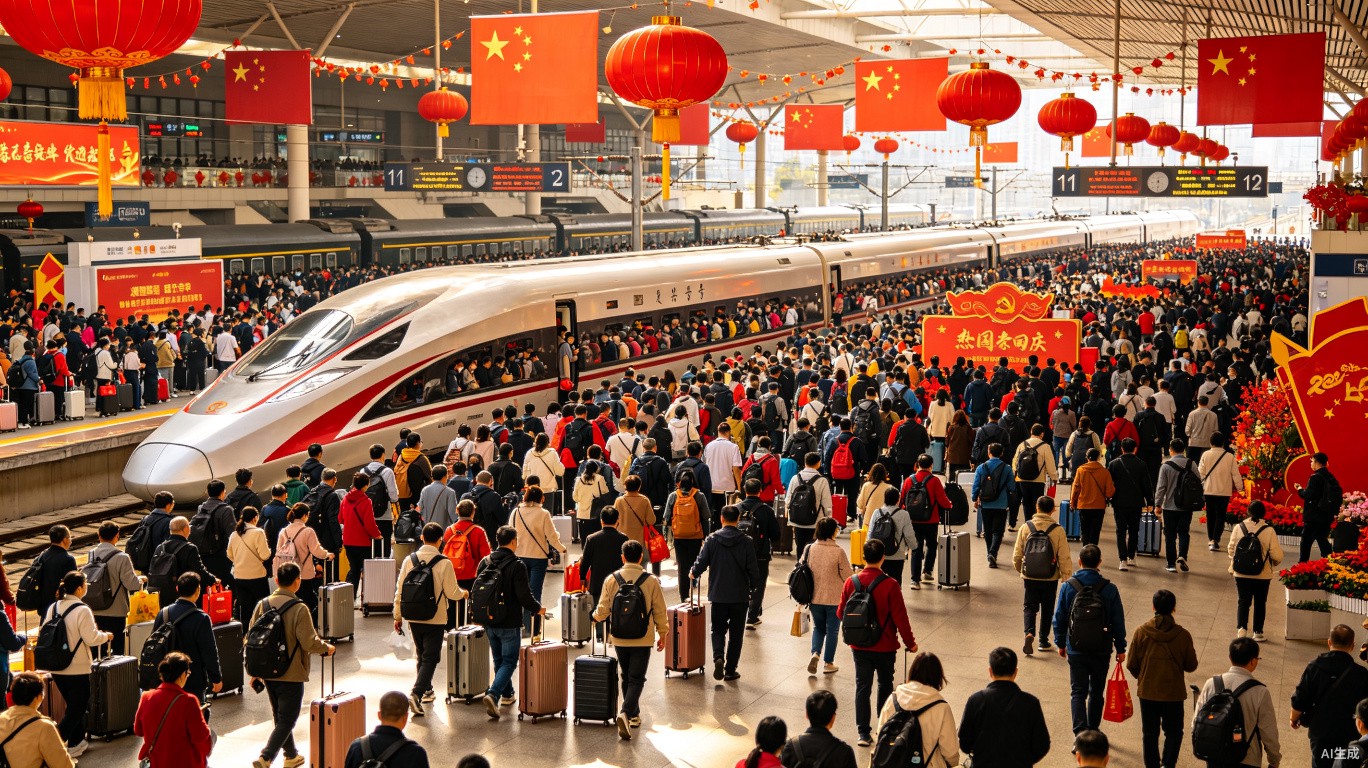
How to survive China's National Day Golden Week (October 1-7) - what to avoid, where to go, and how to beat the crowds.
9 min read
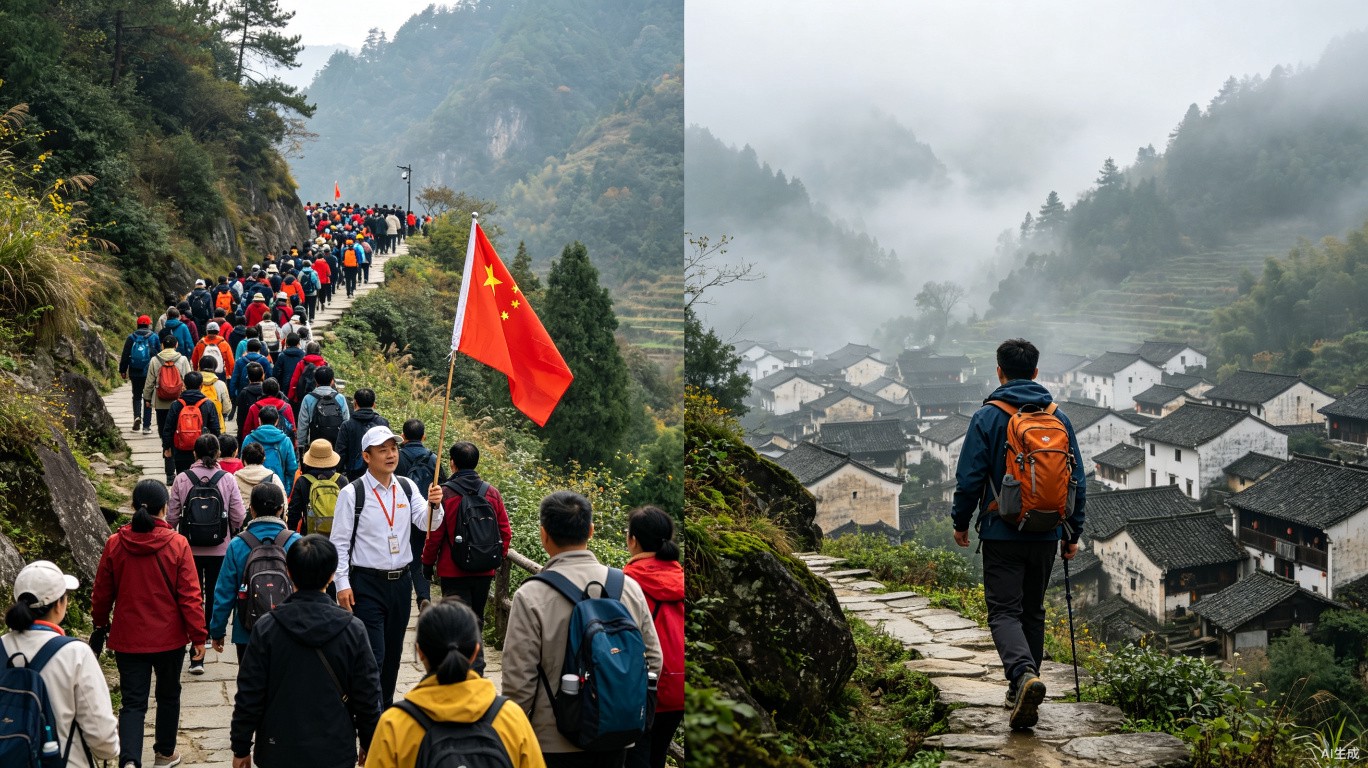
China Group Tours vs Independent Travel Which is Better
Should you join a guided tour or travel independently in China? Honest comparison of cost, flexibility, and experience.
7 min read
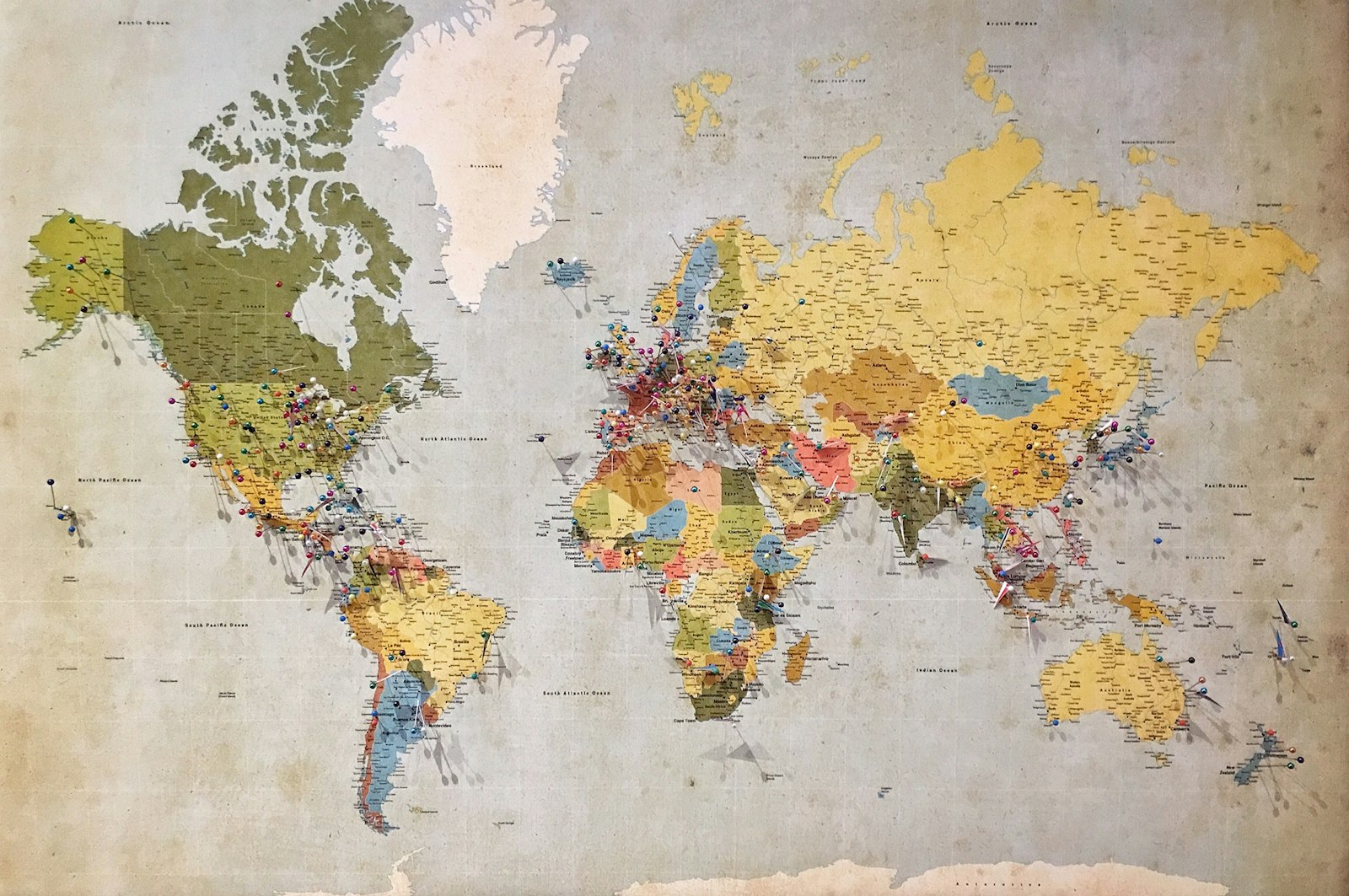
China Itinerary Planning: 7-Day 14-Day and 21-Day Routes: The Complete 2026 G...
Not sure how many days to spend in China? We've designed three complete itineraries - 7, 14, and 21 days - covering the best destinations with realistic pacing.
9 min read