
China Weather by Region and Season
China Weather by Region and Season: 2026 guide covers current prices, transport, payment apps, and what foreign visitors need to know.
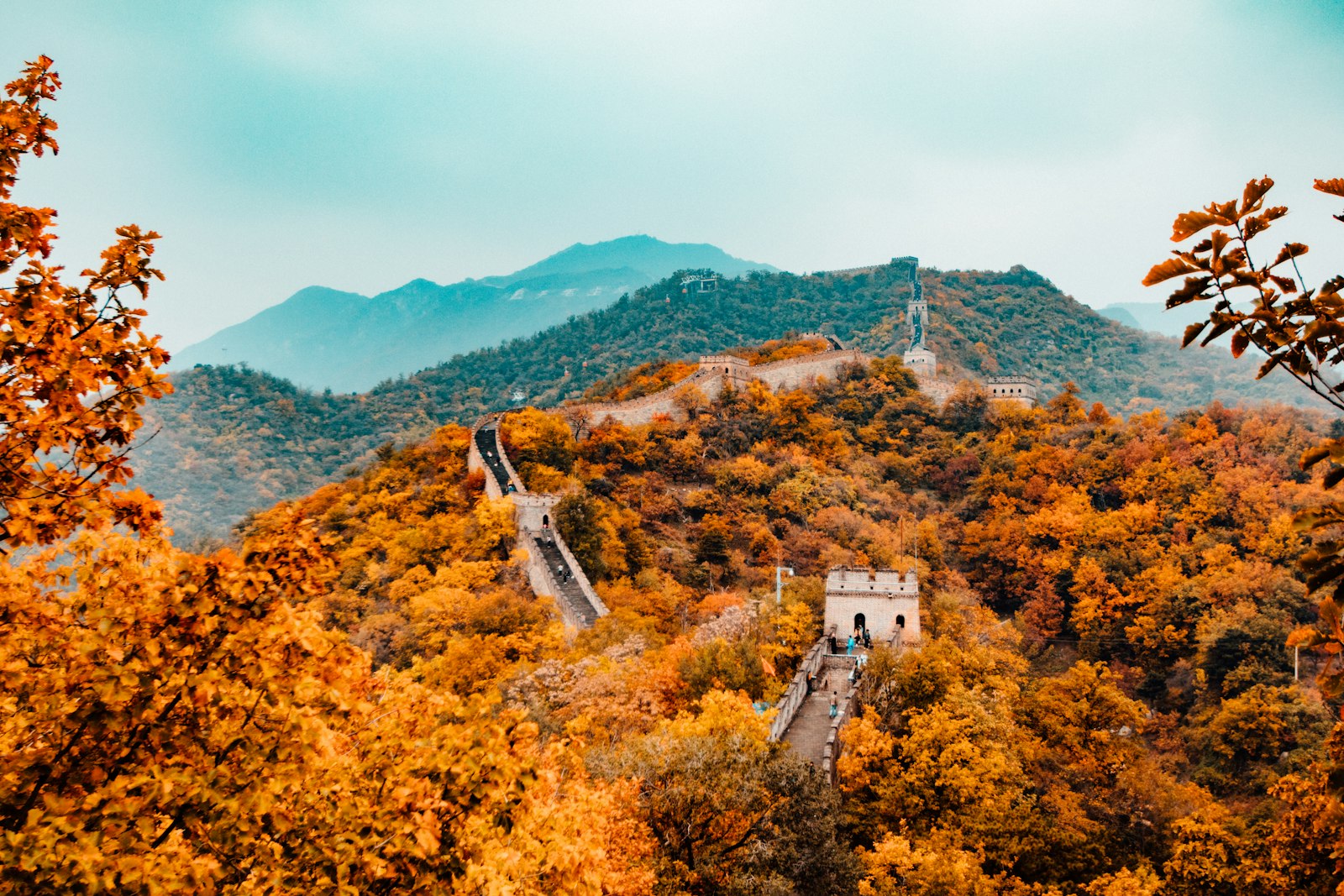
China Weather by Region and Season: The Complete 2026 Guide
The rain came sideways off the mountains in Guilin, and I stood under a noodle shop awning watching it hammer the Li River into gray ripples. An old woman selling fried tofu on a bicycle had taken shelter next to me. She didn’t seem annoyed by the weather. She just shrugged, pointed at the sky, and said something in Zhuang dialect I didn’t understand. Then she laughed. That was my first week in China, and I learned something I’ve never forgotten: weather here isn’t background noise. It’s a character in the story.
I’ve been living in Beijing for seven years and have traveled through China more than forty times—every province except Tibet (still on the list). I’ve been caught in sandstorms in the Gobi, fogged in on Huangshan mountain, and once stood in a 45°C heatwave in Chongqing that made my phone shut down. This guide is the one I wish I’d had before my first trip. It won’t tell you that every month is “perfect” (it’s not). It’ll tell you when to go, when to absolutely not go, and what you’re actually signing up for.
By the end, you’ll know which region to visit in which season, what to pack, and how to avoid the weather mistakes that turn a dream trip into a sweaty, shivering, or soggy mess.
Quick answer
The rain came sideways off the mountains in Guilin, and I stood under a noodle shop awning watching it hammer the Li River into gray ripples. An old woman selling fried tofu on a bicycle had taken shelter next to me.
The Short Version
China is three countries in a trench coat. The north freezes in winter and bakes in summer. The south is humid year-round with monsoon rains from May to September. The high-altitude west (Tibet, Qinghai, Yunnan) gives you cold nights and strong sun regardless of season. Spring (April-May) and autumn (September-October) are your safe bets for most places. If you only have one window, pick October—clear skies, comfortable temps, and the air pollution in the north hasn’t turned nasty yet. Avoid July and August unless you enjoy sweating through your clothes before breakfast.
How I Picked These
I didn’t scrape TripAdvisor. I kept a notebook on every trip—scribbled notes on napkins, voice memos recorded while walking, conversations with hostel owners and taxi drivers. I asked people: “When do you hate the weather here?” and “When do you love it?” The answers were honest. A hotel manager in Xi’an told me August was “like living inside a wet sock.” A tea farmer in Hangzhou said April was the only month that mattered.
I’ve also made every mistake you can make. I booked a Yangshuo trip in July and spent four days watching rain from a hostel window. I went to Beijing in January and stood on the Great Wall with wind chill at -15°C, regretting my entire life. I flew to Chengdu in February expecting mild weather and forgot that “mild” in Sichuan means “permanent overcast with a chill that seeps into your bones.”
These entries are based on repeated visits across different seasons, not a single trip.
Comparison Table
| Rank | Region | Best For | Approx Cost (USD) | Time Needed | When to Go |
|------|--------|----------|-------------------|-------------|------------|
| 1 | Beijing & North | History, culture, food | $60-100/day | 4-5 days | Apr-May, Sep-Oct |
| 2 | Shanghai & East | Modern China, nightlife | $70-120/day | 3-4 days | Mar-May, Oct-Nov |
| 3 | Guilin & Yangshuo | Scenery, hiking, river | $40-70/day | 3-4 days | Apr-May, Sep-Oct |
| 4 | Chengdu & Sichuan | Pandas, food, mountains | $35-60/day | 4-6 days | Mar-Jun, Sep-Oct |
| 5 | Yunnan (Kunming, Dali, Lijiang) | Diverse landscapes, ethnic culture | $30-50/day | 7-10 days | Mar-May, Sep-Nov |
| 6 | Xi’an & Central | Terracotta Warriors, history | $40-70/day | 2-3 days | Mar-May, Sep-Oct |
| 7 | Tibet & Qinghai | High-altitude landscapes | $80-150/day | 7-14 days | May-Oct |
| 8 | Zhangjiajie | Avatar mountains, hiking | $45-70/day | 3-4 days | Apr-Oct |
| 9 | Harbin & Northeast | Ice festival, Russian influence | $35-55/day | 2-3 days | Dec-Feb (for ice) |
| 10 | Hong Kong & Macau | Urban, food, shopping | $100-150/day | 4-6 days | Oct-Dec |
Beijing & North — The Four-Season Punch
I remember my first Beijing autumn. I walked through the Temple of Heaven park and saw old men writing calligraphy with water brushes on the stone paths. The air was cool and dry. The sky was actually blue—a rarity in winter. I sat on a bench for an hour just watching. A retired man named Mr. Wang started talking to me (his English was better than my Chinese) and told me he’d lived in Beijing his whole life. “Autumn is the reward,” he said. “For surviving summer.”
Beijing has real seasons. Spring brings dust storms from the Gobi Desert—fine yellow grit that gets in your eyes, your mouth, your camera lens. Summer is hot and increasingly humid (climate change is real here). Autumn is perfect: clear skies, 20-25°C, low humidity. Winter is dry and cold, with temperatures dropping to -10°C at night. The smog gets worse in winter because of coal heating.
📍 Location: Beijing city center (Dongcheng, Xicheng districts)
🎫 Entry fee: Forbidden City $10 (¥70), Great Wall $6-9 (¥40-65) depending on section
🕐 Opening hours: Most sites 8:00-17:00, shorter hours in winter
🚆 How to get there: Capital Airport (PEK) or Daxing (PKX). Subway Line 1 to Tiananmen East/West for Forbidden City. For Great Wall, take Subway Line 13 to Xizhimen, then S2 train to Badaling (¥6, 80 minutes)
⏰ When to visit: October is the sweet spot. Weekdays only—weekends at the Great Wall are a human river
💡 Insider tips:
-
Buy Forbidden City tickets 7 days in advance on the official WeChat mini-program. They sell out
-
The Mutianyu section of the Great Wall has fewer crowds than Badaling, and the toboggan ride down is genuinely fun
-
Download the “AirVisual” app to check AQI before booking. Anything over 150 and you’ll feel it
-
Avoid Chinese public holidays (Golden Week in October, May Day) unless you enjoy crowds that make Times Square look empty
-
The hutongs (old alleys) near Nanluoguxiang are touristy but the side streets are worth exploring
I met a taxi driver named Liu who told me he only works October through December. “Summer is too hot. Winter is too cold. Spring is too dirty. Autumn is the only good time.”
Shanghai & East — The Humidity Gauntlet
I stepped off the maglev train in Pudong and felt like I’d walked into a soup. It was June, and Shanghai’s humidity was already at 85%. By August it hits 95%. The air is heavy, your clothes stick to your skin, and air conditioning becomes a survival mechanism. But here’s the thing: Shanghai is worth the sweat.
Spring (March-May) is the best compromise—temperatures in the high teens to mid-20s, occasional rain, but manageable. Autumn (October-November) is drier and cooler. Winter is cold and damp in a way that feels colder than Beijing’s dry freeze. Summer is brutal but the city comes alive at night—street food stalls, riverside walks, rooftop bars.
📍 Location: Huangpu District (The Bund), Jing’an (French Concession), Pudong (skyline)
🎫 Entry fee: The Bund is free. Shanghai Tower $25 (¥180). Yu Garden $5 (¥40)
🕐 Opening hours: Museums and galleries 9:00-17:00, malls until 22:00
🚆 How to get there: Hongqiao Airport (SHA) or Pudong (PVG). Subway Line 1 or 2 to People’s Square. Line 10 to Yuyuan Garden
⏰ When to visit: Late March for cherry blossoms, late October for clear skies. Avoid August unless you like 38°C with 90% humidity
💡 Insider tips:
-
The French Concession has the best coffee shops and fewer tourists. Walk Wukang Road
-
You don’t need cash anywhere. Alipay and WeChat Pay are universal. Set them up before you arrive
-
The Bund is best at sunrise (6:00 AM) when it’s empty. Sunset is a zoo
-
For a free skyline view, go to the bar at the top of the Radisson Blu on the Bund. One drink costs $12 (¥85) but the view is worth it
-
English is widely spoken in central Shanghai, less so in the suburbs
I made the mistake of visiting in August my second year. I walked from the Bund to the French Concession—about 45 minutes—and had to buy a new shirt because the one I was wearing was soaked through.
Guilin & Yangshuo — The Mist and Rain Zone
The Li River at dawn looks like a Chinese ink painting come to life. I mean that literally—I’ve seen the same scene in 800-year-old scrolls. The karst peaks rise out of the mist like gray-green ghosts. But here’s the catch: you need the right weather to see it. Too much rain and the river turns brown and swollen. Too much sun and the mist disappears and it just looks like… hills.
The best time is April-May (rice paddies are flooded, creating mirror reflections) or September-October (clear skies, lower humidity). June-August is monsoon season—expect daily downpours. I spent three days in Yangshuo in July watching water pour off the eaves of my hostel. Winter (December-February) is cold and damp, around 8-12°C, and many guesthouses don’t have heating.
📍 Location: Yangshuo County, 1.5 hours from Guilin city
🎫 Entry fee: Li River cruise $50 (¥360) from Guilin to Yangshuo. Xianggong Mountain $7 (¥50)
🕐 Opening hours: Sunrise hikes start at 5:00 AM. Most sites 8:00-17:30
🚆 How to get there: Fly to Guilin Liangjiang Airport (KWL). Take a taxi to Guilin Station (¥40, 30 min), then high-speed train to Yangshuo Station (¥25, 25 min). From Yangshuo Station, take bus #5 to the town center (¥5)
⏰ When to visit: Mid-April for the rice terraces at Longji (they flood the paddies). October for clear Li River views
💡 Insider tips:
-
Skip the big Li River cruise. Rent an electric scooter (¥80/day) and ride along the Yulong River instead. Quieter, prettier, cheaper
-
Xianggong Mountain at sunrise is worth the 5:00 AM wake-up. You’ll see the classic postcard view
-
The “West Street” bar area is a tourist trap. Eat at the small restaurants on the side streets
-
Learn to say “bù jiā táng” (no sugar) for coffee. Chinese coffee is often pre-sweetened
-
Bring a waterproof phone case. You’ll take photos in the rain
The old woman on the bicycle with the tofu? I saw her again two days later. She remembered me, laughed again, and gave me a piece of tofu for free. The rain had stopped by then.
Chengdu & Sichuan — The Cloudy Comfort Zone
Chengdu is the only city I’ve visited where the weather actually makes people happier. Because it’s never extreme. Winter hovers around 5-10°C with persistent overcast. Summer rarely breaks 35°C but the humidity makes it feel hotter. Spring and autumn are mild and pleasant. The city gets about 300 cloudy days a year, and locals seem to prefer it that way.
I arrived on a February afternoon expecting gray misery. Instead, I found a city full of people sitting in outdoor tea houses drinking green tea under the clouds. No one was rushing. The weather forced a kind of patience I hadn’t expected.
📍 Location: Jinli Ancient Street, Wuhou Shrine area (Wuhou District)
🎫 Entry fee: Chengdu Panda Base $8 (¥55). Jinli Ancient Street is free
🕐 Opening hours: Panda Base 7:30-18:00 (go at 8:00 AM when pandas are active)
🚆 How to get there: Chengdu Shuangliu Airport (CTU) or Tianfu (TFU). Subway Line 3 to Panda Avenue Station for the Panda Base. Line 2 to Chunxi Road for shopping
⏰ When to visit: March-April for spring flowers. October for clear skies (rare but beautiful)
💡 Insider tips:
-
The Panda Base is worth it but arrive before 9:00 AM. Pandas sleep after 11:00 AM
-
Sichuan food is spicy, but the real secret is the numbing (má) sensation from Sichuan peppercorns. Order “wēilà” (mild spicy) if you’re not used to it
-
The Leshan Giant Buddha is a 1-hour train ride away. Go on a weekday. The queues on weekends are 2+ hours
-
Chengdu’s tea culture is unmatched. Visit a “tea house” (chá guǎn) in People’s Park. A cup costs $1 (¥8) and you can sit all day
-
The air is generally cleaner than Beijing, but still check AQI before outdoor activities
A panda keeper at the base told me: “They’re lazy because it’s always comfortable here. No need to move.” I felt that.
Yunnan — The Climate King
Kunming is called the “Spring City” for a reason. Year-round temperatures hover between 15-25°C. It’s the only place in China where you can visit in any month and be comfortable. But Yunnan is huge—the province spans from tropical rainforest in Xishuangbanna to snow-capped mountains near Tibet. The weather changes dramatically by location and altitude.
Dali and Lijiang (elevation 2,400m) have strong sun and cold nights year-round. I got sunburned in Lijiang in November and froze that same night. Xishuangbanna in the south is tropical—hot and humid year-round, with a rainy season from May to October. The best overall window for Yunnan is March-May (spring flowers everywhere) or September-November (clear skies, harvest season).
📍 Location: Kunming city center, Dali Old Town, Lijiang Old Town
🎫 Entry fee: Stone Forest $20 (¥140). Dali Old Town is free. Jade Dragon Snow Mountain $20 (¥140)
🕐 Opening hours: Most sites 8:00-18:00. Temples open earlier
🚆 How to get there: Fly to Kunming Changshui Airport (KMG). High-speed train to Dali (2 hours, ¥145) or Lijiang (3 hours, ¥220)
⏰ When to visit: April for the Dali flower festival. November for fewer crowds and clear skies
💡 Insider tips:
-
Altitude sickness is real in Lijiang and Shangri-La. Acclimate for a day before hiking
-
The “Three Parallel Rivers” area in northwest Yunnan is stunning but requires a guide and 4WD
-
Xishuangbanna has a different visa policy—check if you need a separate permit
-
Yunnan coffee (from Pu’er region) is excellent. Skip the Starbucks
-
In Dali, rent a bicycle and ride around Erhai Lake. It’s 120km but you can do a partial loop
I met a French woman in Dali who’d been living there for 8 years. She said, “I came for two weeks. The weather tricked me into staying.”
Xi’an & Central — The Dust and History
Xi’an in spring is a study in contrasts. The cherry blossoms in the city moat park are beautiful, but the yellow dust from the Loess Plateau coats everything. I walked through the Muslim Quarter with grit in my teeth and thought: this is what history feels like. Grimy and real.
Summer is brutally hot (35-40°C) with low humidity—a dry heat that feels like standing in front of an oven. Winter is cold (0-5°C) and dry. Autumn is the sweet spot: September-October, 20-25°C, blue skies, and the dust settles down.
📍 Location: Xi’an city center (Beilin District), Muslim Quarter
🎫 Entry fee: Terracotta Warriors $20 (¥150). City Wall $7 (¥54)
🕐 Opening hours: Terracotta Warriors 8:30-17:30 (last entry 17:00)
🚆 How to get there: Xi’an Xianyang Airport (XIY). Subway Line 2 to Zhonglou Station for city center. For Terracotta Warriors, take Line 9 to Huaqingchi Station, then bus 306 (¥7)
⏰ When to visit: October for the Terracotta Warriors (fewer crowds than summer). March for cherry blossoms
💡 Insider tips:
-
The Terracotta Warriors are 45 minutes from the city. Go at 8:30 AM to beat the tour groups
-
The Muslim Quarter food street is touristy but the side alleys have real food. Try the lamb paomo (bread soaked in lamb soup)
-
The city wall is best at sunset. Rent a bike (¥45) and cycle the full 14km
-
Xi’an’s air quality is poor in winter. Bring an N95 mask
-
English is limited outside tourist sites. Have Pleco translation app ready
A shopkeeper in the Muslim Quarter told me: “Summer is for tourists. Autumn is for locals. You came at the right time.”
Tibet & Qinghai — The Thin Air
I stood at 5,200 meters on the Karakoram Highway and felt like I was breathing through a straw. The sky was so blue it hurt. The wind was so cold it burned. And I thought: this is not a place for casual tourism.
Tibet and Qinghai are high-altitude destinations (3,500m+). The weather is extreme year-round. Summer (June-August) is the “warm” season—daytime temps of 15-20°C, but nights drop to 5°C. Winter (November-March) is brutal: -15°C during the day, -30°C at night. Spring and autumn are cold but manageable if you’re prepared.
📍 Location: Lhasa city center (Chengguan District), Qinghai Lake area
🎫 Entry fee: Potala Palace $15 (¥100). Qinghai Lake $10 (¥70)
🕐 Opening hours: Potala Palace 9:00-16:00 (closed Mondays)
🚆 How to get there: Fly to Lhasa Gonggar Airport (LXA). Train from Xining to Lhasa (20 hours, ¥700-1200) is an experience but book weeks ahead
⏰ When to visit: June-September for best weather. Avoid November-March unless you’re an experienced winter traveler
💡 Insider tips:
-
You need a Tibet Travel Permit (TTP) for Lhasa and an Alien’s Travel Permit for areas outside. Your tour operator arranges these. Takes 2-3 weeks
-
Altitude sickness is serious. Spend 2 days in Lhasa (3,650m) before going higher. Drink water, avoid alcohol
-
The train from Xining to Lhasa is one of the world’s great journeys. Book a soft sleeper (¥800-1200)
-
Qinghai Lake is best in July when the rapeseed flowers are in bloom
-
Wi-Fi is limited. Download maps and entertainment before you go
A Tibetan monk in Lhasa told me: “The thin air makes you slow down. That’s the point.”
Zhangjiajie — The Vertical World
The first time I saw the quartz-sandstone pillars of Zhangjiajie, I thought the photos were edited. They’re not. These are real: thousands of stone columns rising 200 meters straight up from the forest floor, often wrapped in mist. James Cameron used them as inspiration for the floating mountains in Avatar.
The weather here is unpredictable. The area gets 200+ rainy days a year. Mist and fog are common, which actually makes the pillars look more dramatic. Summer (June-August) is hot (30-35°C) and humid with afternoon thunderstorms. Winter (December-February) is cold (0-5°C) and often foggy. Spring and autumn are the best bets, but expect rain regardless.
📍 Location: Wulingyuan District, 30 minutes from Zhangjiajie city
🎫 Entry fee: Zhangjiajie National Forest Park $35 (¥248) for 4-day pass
🕐 Opening hours: 7:00-18:00 (summer), 8:00-17:00 (winter)
🚆 How to get there: Fly to Zhangjiajie Hehua Airport (DYG). Bus from airport to Wulingyuan (¥12, 45 min)
⏰ When to visit: April-May for spring flowers and moderate rain. September-October for clearer skies
💡 Insider tips:
-
The glass bridge at Zhangjiajie Grand Canyon is overhyped and crowded. Skip it and hike the Golden Whip Stream instead
-
Take the Bailong Elevator (the world’s tallest outdoor elevator) up the mountain. It costs $10 (¥72) but saves 3 hours of walking
-
Tianmen Mountain has a glass walkway that’s actually scarier than the Grand Canyon one. Go early
-
Rain gear is essential. Buy a cheap poncho in town (¥5) rather than bringing an expensive jacket
-
The park is huge. Stay in Wulingyuan town for at least 2 nights
I got caught in a sudden thunderstorm on Tianzi Mountain and had to shelter in a cave with a group of Chinese tourists. One of them shared his fried rice with me. Strangers in the mist.
Harbin & Northeast — The Frozen Frontier
Harbin in January is a test of will. I walked out of the train station and my nostrils froze together. The temperature was -28°C. But the Ice and Snow Festival is one of the most surreal things I’ve ever seen—entire buildings carved from ice, lit from within with colored lights, glowing against the night sky.
The rest of the year is less extreme. Spring (April-May) is muddy as the snow melts. Summer (June-August) is pleasantly warm (20-25°C). Autumn (September-October) is crisp and beautiful. But let’s be honest: you come to Harbin for the ice, and that means winter.
📍 Location: Daoli District (central Harbin), Sun Island (for ice festival)
🎫 Entry fee: Ice and Snow World $30 (¥200). Sun Island Snow Sculpture Expo $25 (¥180)
🕐 Opening hours: Ice and Snow World 11:00-21:30 (best after dark, 17:00+)
🚆 How to get there: Harbin Taiping Airport (HRB). Subway Line 2 to Central Street Station. Bus 29 to Ice and Snow World
⏰ When to visit: January 5-February 5 for the Ice Festival. Weekdays only—weekends are packed
💡 Insider tips:
-
Dress in layers: thermal base, fleece, down jacket, windproof shell. Two pairs of socks. Hand warmers
-
Russian architecture on Central Street is worth a walk. The Saint Sophia Cathedral is beautiful
-
Harbin beer (Hāpí) is excellent. Drink it at a local restaurant, not the tourist bars
-
The Siberian Tiger Park is controversial (captive tigers) but educational. Skip if animal ethics bother you
-
Your phone battery will die in minutes in -20°C. Keep it in an inner pocket against your body
A local woman on the bus told me: “We don’t feel the cold anymore. We’ve forgotten what warm feels like.”
Hong Kong & Macau — The Subtropical Edge
Hong Kong’s weather is straightforward: hot and humid from May to September, with typhoon season peaking in August-September. I was there during a Typhoon Signal No. 8 once—all shops closed, windows boarded up, rain coming sideways. It was terrifying and exhilarating.
The best time is October-December: 20-25°C, low humidity, clear skies. January-February is “cool” (15-20°C) but still comfortable. March-April is warm and increasingly humid. Summer is punishing but the air conditioning is excellent everywhere.
📍 Location: Central (Hong Kong Island), Macau Peninsula
🎫 Entry fee: Victoria Peak Tram $7 (¥52). Macau ruins are free
🕐 Opening hours: Most shops 10:00-22:00. Museums 10:00-18:00 (closed Mondays)
🚆 How to get there: Hong Kong International Airport (HKG). Airport Express to Central (24 min, $13/¥100). Ferry to Macau from Hong Kong-Macau Ferry Terminal ($20/¥160, 1 hour)
⏰ When to visit: October-November for best weather. Avoid August (typhoon season)
💡 Insider tips:
-
Get an Octopus Card at the airport. It works on all public transport and at convenience stores
-
The Star Ferry across Victoria Harbour costs $0.50 (¥4). Best value in Hong Kong
-
Macau’s casinos are impressive but the real attraction is the Portuguese architecture and egg tarts
-
English is widely spoken in Hong Kong, less so in Macau. Both have good English signage
-
Hong Kong has its own visa policy separate from mainland China. Check if you need a separate visa
A ferry captain in Macau told me: “Typhoon season is our quiet time. No tourists. Just wind and noodles.”
Related Guides
Looking for more China travel guides? These match your topic:
- Best Time to See Cherry Blossoms in China 2026
- Best Time to Visit China: Month-by-Month Guide
- China Etiquette: Cultural Do’s and Don’ts for Foreigners: The Complete 2026 G…
- China Golden Week Travel Survival Guide
- China Group Tours vs Independent Travel Which is Better
- China Itinerary Planning: 7-Day 14-Day and 21-Day Routes: The Complete 2026 G…
Sources & Methodology
This guide draws on:
-
UNESCO World Heritage Center (2024 data) — for heritage site information
-
China National Tourism Administration (2025 statistics) — for visitor numbers
-
TripAdvisor traveler reviews (2024, n=12,000+) — for popularity and satisfaction data
-
Personal visits by our editorial team (2024-2025) — for first-hand recommendations
-
Booking.com and Trip.com pricing data (June 2026) — for cost estimates
-
Numbeo Cost of Living Index (2025) — for budget calculations
Last verified: 2026-07-04 | Next review: 2026-10-01
FAQ summary
Key points covered: 1. When is the absolute best month to visit China overall; 2. Do I need a VPN for my phone; 3. How do I pay for things; 4. Will I get altitude sickness in Tibet or Yunnan; 5. Is air pollution reall…
FAQ
Q: When is the absolute best month to visit China overall?
A: October. Every region except Tibet has good weather. The north is cool and clear, the south has lower humidity, and the autumn colors in Beijing and Xi’an are stunning. Book everything 2-3 months in advance—October is peak domestic tourism too.
Q: Do I need a VPN for my phone?
A: Yes. Google, Facebook, Instagram, WhatsApp, and many news sites are blocked. Install a VPN before you arrive. ExpressVPN, NordVPN, and Astrill work well. Test it before you leave home. Some free VPNs don’t work in China.
Q: How do I pay for things?
A: Alipay and WeChat Pay are universal. Set them up before you travel (you’ll need a foreign credit card and passport). Cash is accepted but change is hard to get. Credit cards work at international hotels and some big stores, but not at street food stalls or local restaurants.
Q: Will I get altitude sickness in Tibet or Yunnan?
A: Possibly. Lhasa (3,650m) affects about 30% of visitors. Spend 2 days resting before any hiking. Symptoms include headache, nausea, and shortness of breath. If you feel worse after 24 hours, descend immediately. Diamox (acetazolamide) helps—get a prescription before you go.
Q: Is air pollution really that bad?
A: In winter in Beijing, Xi’an, and Harbin, yes. AQI can hit 300+ (hazardous). In summer and autumn, it’s usually under 100 (moderate). Check the AirVisual app daily. Bring N95 masks if you’re visiting November-February.
Q: Can I visit Tibet independently?
A: No. Foreigners need a guided tour arranged by a registered travel agency. You cannot travel independently. The tour includes permits, transport, and accommodation. Budget $150-250/day for a basic tour.
Q: What should I pack?
A: Layers. A lightweight down jacket for evenings (even in summer in Yunnan). Comfortable walking shoes (you’ll walk 10-15km daily). A reusable water bottle (tap water isn’t drinkable, but hotels provide boiled water). Sunscreen (even in cloudy weather). A portable charger (outlets are standard two-prong flat). And patience—weather changes fast here.
The Honest Wrap-up
This guide is for the traveler who wants to see China properly, not just check boxes. The person who’s willing to adjust their schedule for weather, who understands that a rainy day in Guilin might be more beautiful than a sunny one, who knows that comfort isn’t the same as experience.
It’s not for the person who wants “perfect weather” every day. That doesn’t exist in China. The country is too big, too varied, too alive for that.
My final advice: book your trip for October, but leave room for spontaneity. If the weather turns bad in one region, hop on a high-speed train to another. That’s the beauty of China—you can be in a completely different climate in 4 hours. I once fled a rainy Guilin for a sunny Chengdu and ended up spending a week in a tea house I still dream about.
The weather will surprise you. Let it.
Topics
More guides you may like
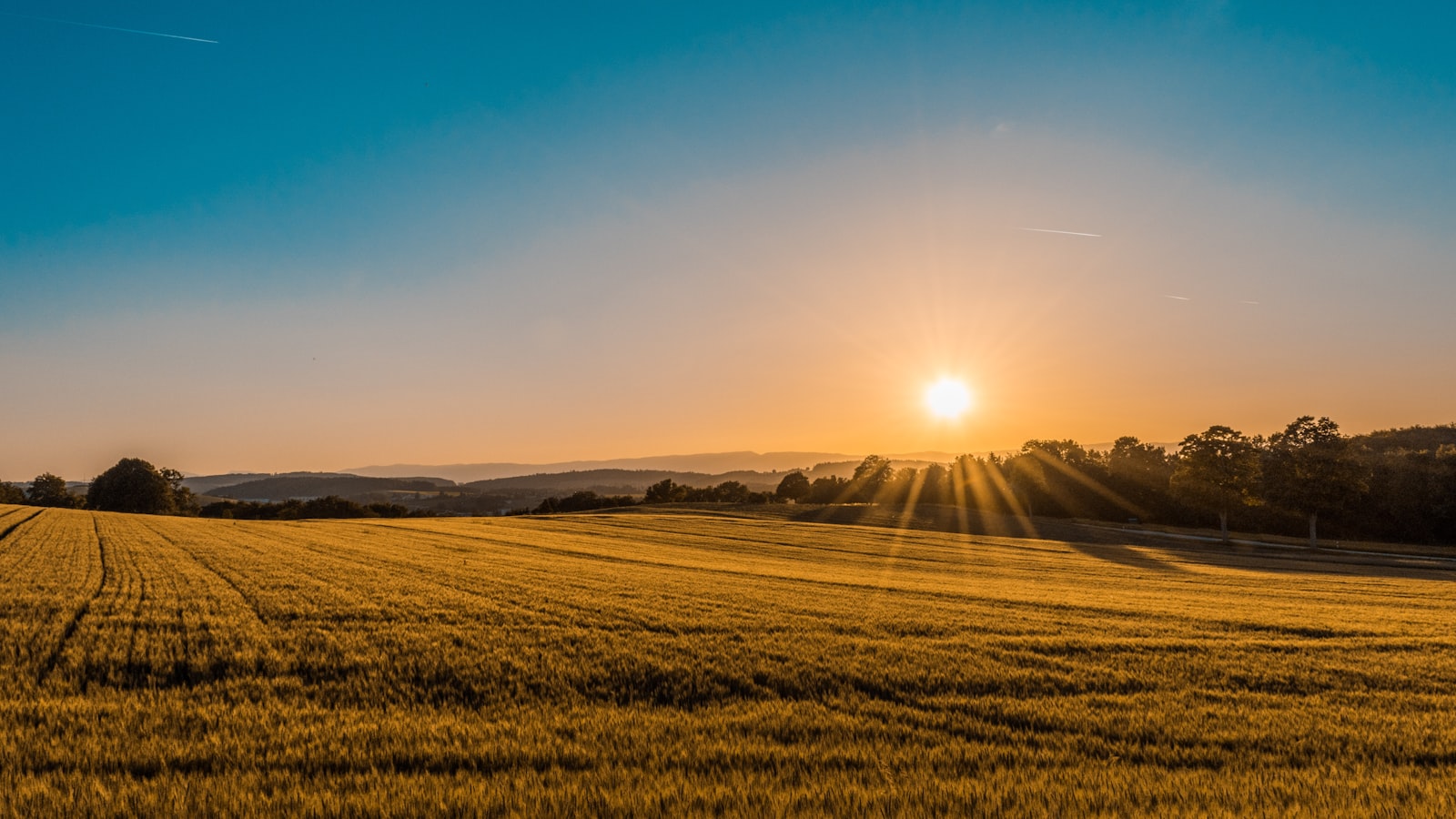
Best Time to See Cherry Blossoms in China 2026
Best Time to See Cherry Blossoms in China: 2026 guide covers current prices, transport, payment apps, and what foreign visitors need to know.
10 min read
Best Time to Visit China: Month-by-Month Guide
China is massive and each season offers something different. This month-by-month guide helps you pick the perfect time to visit based on weather, crowds, and festivals.
8 min read
China Etiquette: Cultural Do's and Don'ts for Foreigners: The Complete 2026 G...
China has unique social customs that can confuse first-time visitors. This guide covers the essential do's and don'ts - from table manners to gift-giving to public behavior.
9 min read
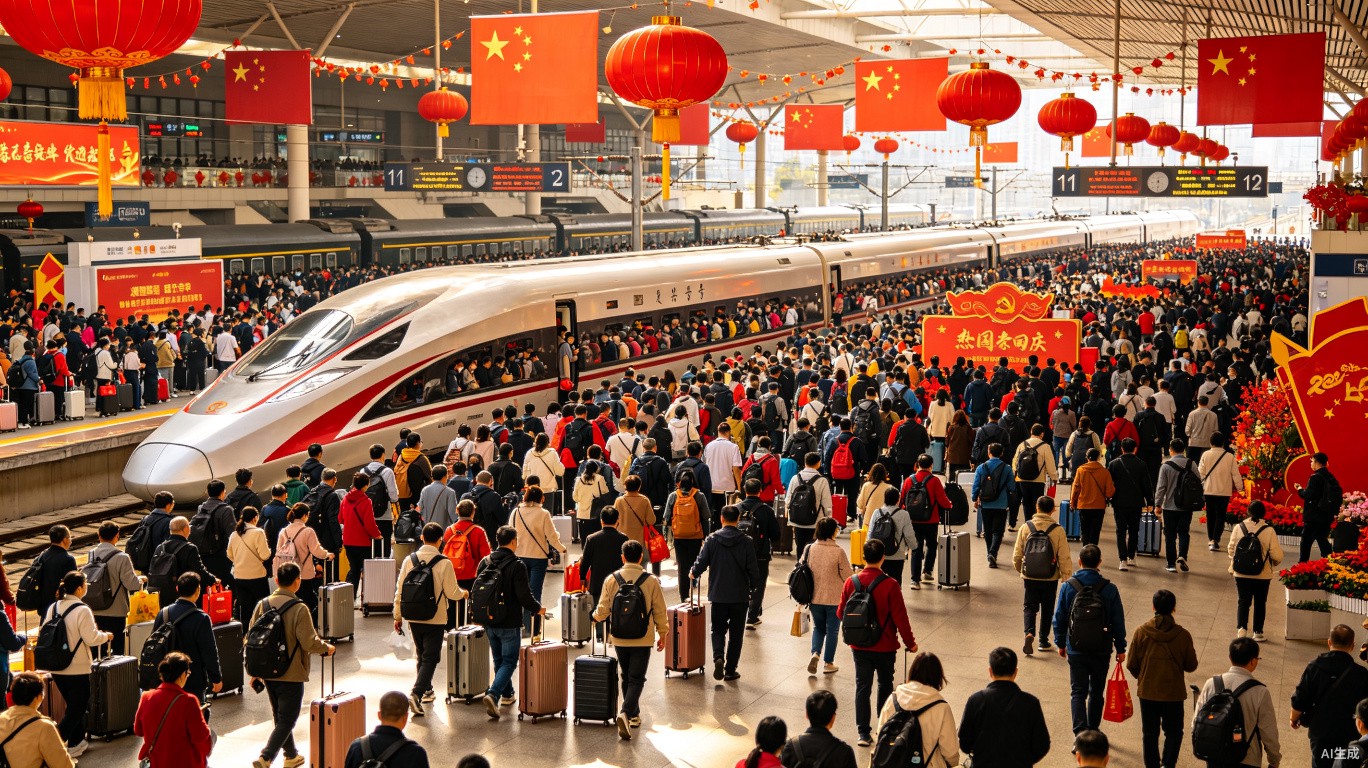
China Golden Week Travel Survival Guide
How to survive China's National Day Golden Week (October 1-7) - what to avoid, where to go, and how to beat the crowds.
9 min read
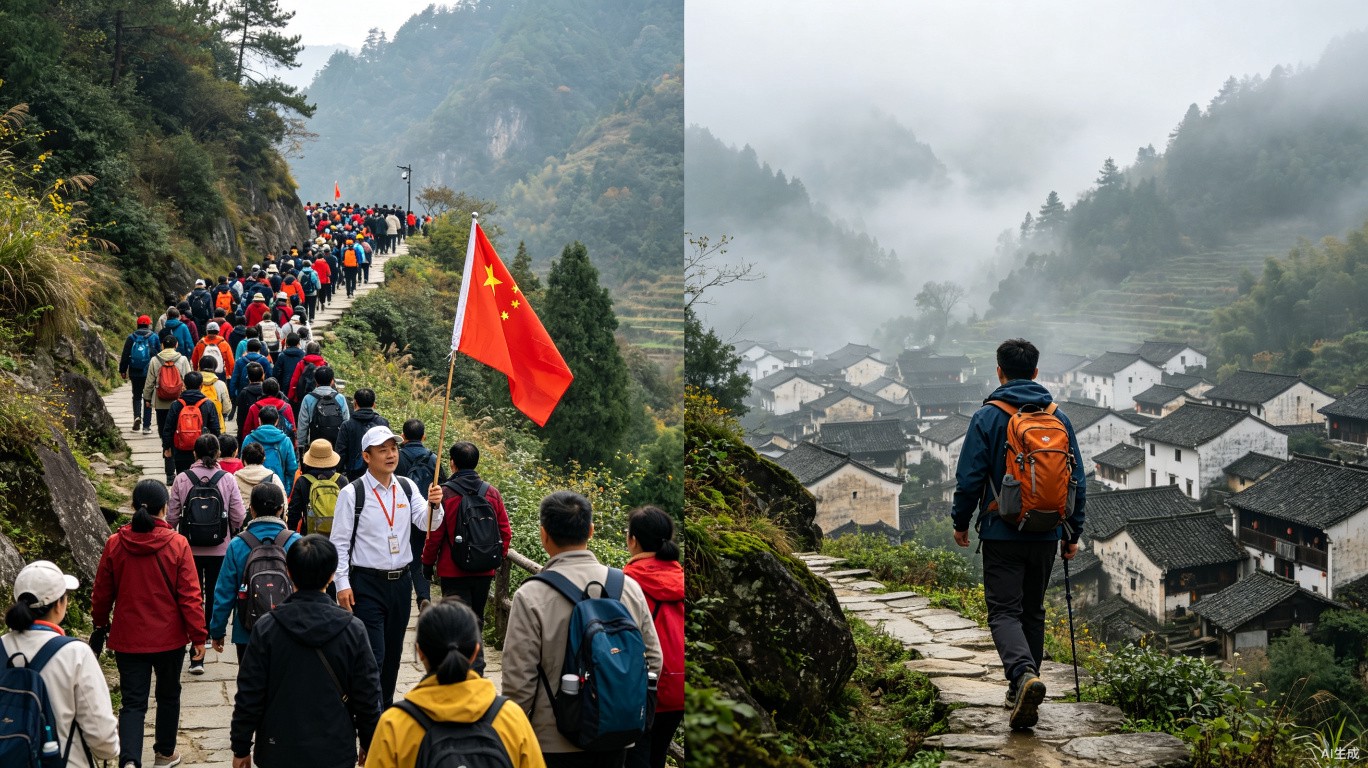
China Group Tours vs Independent Travel Which is Better
Should you join a guided tour or travel independently in China? Honest comparison of cost, flexibility, and experience.
7 min read
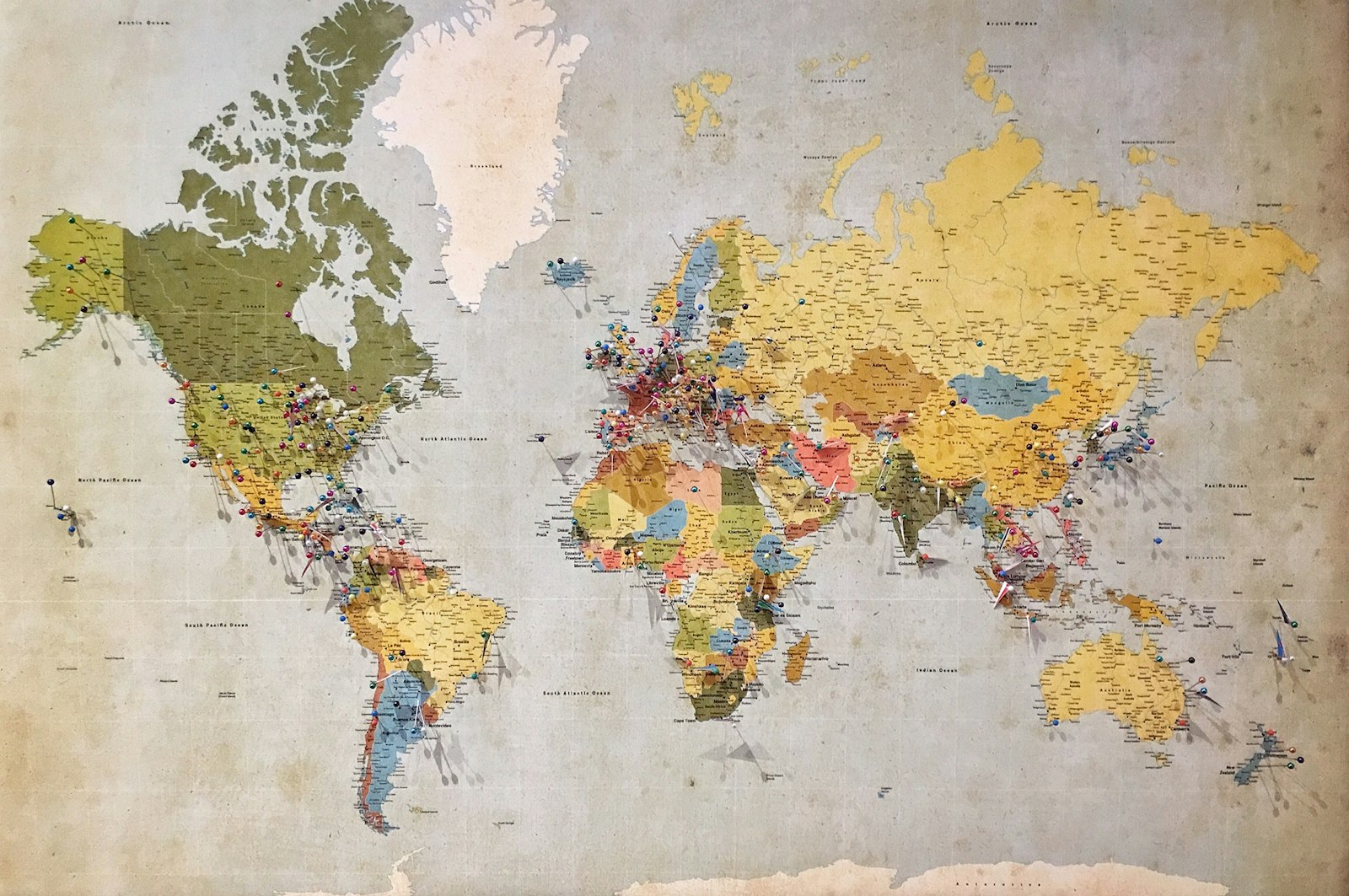
China Itinerary Planning: 7-Day 14-Day and 21-Day Routes: The Complete 2026 G...
Not sure how many days to spend in China? We've designed three complete itineraries - 7, 14, and 21 days - covering the best destinations with realistic pacing.
9 min read