
Great Wall Hiking Guide
Great Wall Hiking Guide: 2026 guide covers current prices, transport, payment apps, and what foreign visitors need to know.
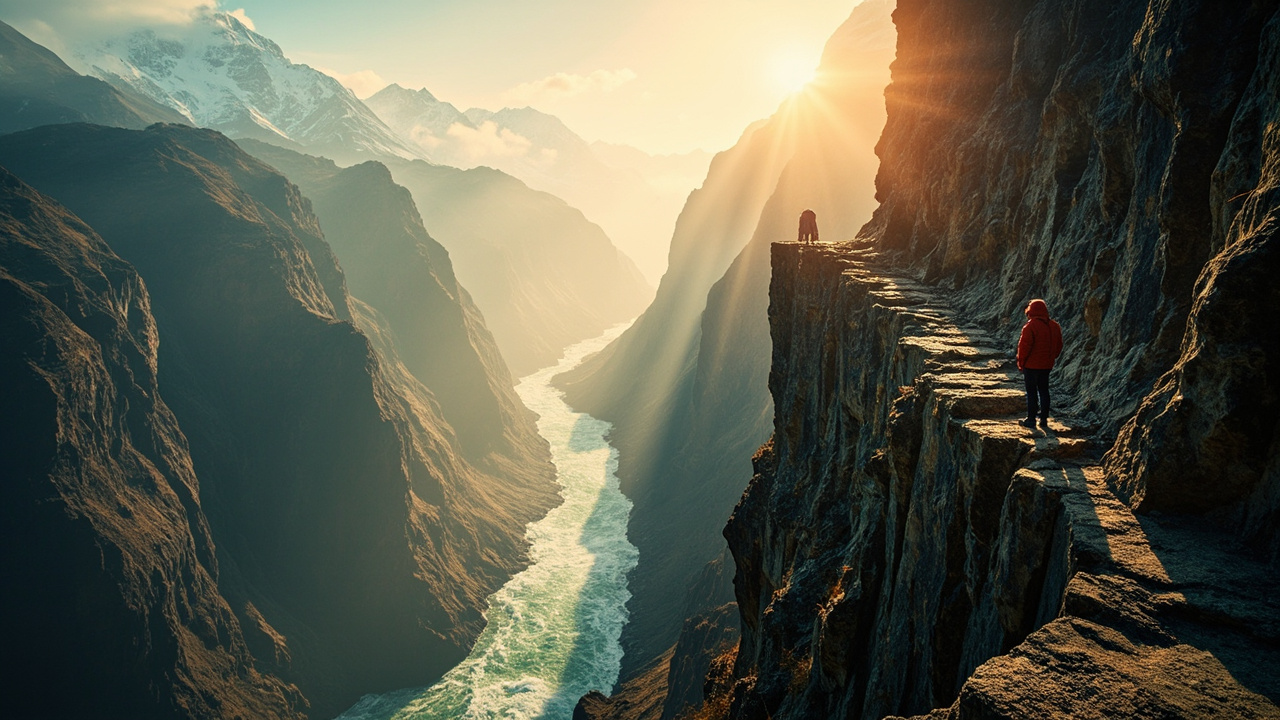
Great Wall Hiking Guide: The Complete 2026 Guide
The cab driver laughed at me when I asked to go to “the Great Wall.” He turned around in his seat, one hand on the wheel, weaving through Beijing traffic like it was nothing, and said: “Which one? There are fifty.”
I’d been in China for exactly three days. My Mandarin was limited to xièxiè and duōshǎo qián. I had no VPN, no WeChat Pay set up, and a paper map that was already falling apart. I thought the Great Wall was one place. One wall. One ticket booth. One postcard view.
I was wrong.
That first trip I ended up at a restored section packed with tour buses. Selfie sticks everywhere. A KFC at the bottom. I spent more time waiting in line for the cable car than actually walking on the wall. The experience felt hollow—like visiting a theme park version of something that should feel ancient and wild.
Over the next seven years, I went back thirty-something times. I found sections where you’re the only person for miles. I met a farmer who unlocked a rusted gate for me and charged me 20 yuan ($3) to walk his family’s private stretch of Ming Dynasty stone. I watched fog roll over towers that haven’t been touched by restoration crews since the Qing Dynasty fell.
This guide is what I wish I’d had that first morning in Beijing. It’s not a list of every possible section—that would be exhausting and useless. It’s the ten that matter, ranked by how they actually feel when you’re standing on them.
Quick answer
The cab driver laughed at me when I asked to go to “the Great Wall.” He turned around in his seat, one hand on the wheel, weaving through Beijing traffic like it was nothing, and said: “Which one? There are fifty.”
The Short Version
Skip Badaling. Seriously. Go to Mutianyu if you want restored beauty with fewer crowds. Go to Jiankou if you want the raw, crumbling, “Indiana Jones” experience. Go to Jinshanling if you want a full-day hike through both. Don’t try to do more than two sections in one day—you’ll rush and regret it. Get a driver for the day; it costs $60-80 and saves hours of bus transfers.
How I Picked These
I walked every section on this list at least twice. Some I’ve done in pouring rain, some in August heat so thick you could chew it, some in January when my fingers went numb through two pairs of gloves. I talked to taxi drivers, hostel owners, a retired history professor at Peking University, and a guy named Zhao who runs a noodle shop at the base of Mutianyu and has been watching tourists climb past his door for twenty years.
I ranked these on three things: the quality of the hiking experience, how easy it is for a first-time foreign visitor to actually get there, and whether the crowds ruin the feeling. Some famous sections (looking at you, Badaling) dropped hard on the crowd factor. Some obscure ones (like Gubeikou) scored high on atmosphere even though they’re harder to reach.
Comparison Table
| Rank | Place | Best For | Approx Cost (USD) | Time Needed | When to Go |
|------|-------|----------|-------------------|-------------|------------|
| 1 | Mutianyu | First-timers, families, balance of beauty & ease | $8-10 entry + $15 cable car | Half day | April-May, Oct-Nov |
| 2 | Jiankou | Adventurers, photographers, ruins lovers | Free (unofficial) | Half to full day | May, Sept-Oct |
| 3 | Jinshanling | Serious hikers, full-day treks | $8 entry | Full day | May-June, Sept |
| 4 | Simatai West | Night hikes, photographers | $10 entry + $18 night ticket | Evening | May-Oct evenings |
| 5 | Gubeikou | Solitude seekers, history buffs | $6 entry | Half to full day | April, Oct |
| 6 | Huanghuacheng | Lake views, less walking | $8 entry + $6 boat | Half day | May, Sept |
| 7 | Badaling | Checking the box (if you must) | $6 entry + $15 cable car | Half day | Avoid weekends |
| 8 | Juyongguan | Easy access, short hike | $5 entry | 2-3 hours | Weekday mornings |
| 9 | Shanhaiguan | History (Ming起点), not hiking | $7 entry | Half day | May, Oct |
| 10 | Wild Wall at Zhuanduokou | True isolation, no tourists | Free (unofficial) | Full day | May, Sept |
Mutianyu — The One I Take First-Time Friends To
The first time I brought my younger sister here, she stood at the top of the cable car and just said “oh” very quietly. Then she didn’t say anything for about two minutes. That’s the Mutianyu effect. It’s restored enough to feel safe and impressive, but the wall snakes through forested mountains in a way that makes you feel like you’ve stepped into a scroll painting.
The restoration here is good—solid stone, rebuilt watchtowers, proper railings where you need them. But unlike Badaling, it’s not sanitized. There are steep sections where you’ll use your hands. The crowds are thinner because most tour buses go to Badaling. And the toboggan ride down is genuinely fun—a metal slide that twists through the trees for about a kilometer.
📍 Location: Huairou District, 70km northeast of Beijing
🎫 Entry fee: $8 (60 CNY) entry, $15 (120 CNY) round-trip cable car, $12 (100 CNY) toboggan one-way
🕐 Hours: 7:30-17:30 (summer), 8:00-17:00 (winter)
🚆 How to get there: Take bus 916快 from Dongzhimen Bus Station to Huairou, then transfer to bus H23 or H24 to the wall. Or book a driver through your hotel—about $65 (450 CNY) round-trip.
⏰ When to visit: Weekday mornings in May or October. Avoid Chinese holidays entirely.
💡 Insider tips:
-
The toboggan line gets long by 11am—go down before lunch
-
Bring your own water; the vendors at the top charge $3 (20 CNY) per bottle
-
The right side of the wall (facing up) is steeper and less crowded
-
Buy your cable car ticket online via WeChat—the window queue can be 30 minutes
-
There’s a decent pizza place at the base if you need a break from Chinese food
I met a retired British couple here who’d been coming every year since 2005. The husband told me, “We tried Badaling once. Never again.”
Jiankou — Where the Wall Fights Back
I almost died at Jiankou. That sounds dramatic, but I slipped on loose stone near the “Beijing Knot”—a section where the wall does a sharp turn on a knife-edge ridge—and caught myself on a crumbling watchtower. My heart didn’t calm down for an hour. I loved every second of it.
Jiankou is unrestored. The Ming Dynasty bricks are loose underfoot. Watchtowers have missing roofs. Vegetation grows through the stone. It’s dangerous, beautiful, and absolutely worth doing if you’re physically capable and not afraid of heights. The section called “Heaven’s Ladder” is a near-vertical climb up broken steps. “The Single-Plank Bridge” is exactly what it sounds like.
📍 Location: Huairou District, near Mutianyu (you can hike between them)
🎫 Entry fee: Free—it’s not an official park. Local farmers may charge $2-5 (15-35 CNY) to park on their land.
🕐 Hours: Always open. Don’t hike after dark unless you know the route.
🚆 How to get there: Drive to Xizhazi Village. From there, it’s a 30-minute uphill walk to the wall. Most drivers know the route.
⏰ When to visit: May for green mountains, late September for clear skies. Avoid rain—wet stone here is lethal.
💡 Insider tips:
-
Wear hiking boots with aggressive tread. Sneakers will betray you.
-
Bring gloves—you’ll be using your hands on the steep climbs
-
Don’t go alone your first time. Hire a guide from a hostel in Beijing for about $50
-
The best photo spot is the “Beijing Knot” at sunrise
-
Tell someone where you’re going and when you’ll be back. Phone signal is unreliable
I once watched a guy in flip-flops try to climb Heaven’s Ladder. He made it about ten steps before turning around. I don’t think he’d planned that far ahead.
Jinshanling — The Full-Day Commitment
Jinshanling is what you do when you want to earn your view. It’s a 10-kilometer stretch of wall that connects to Simatai West, and walking the whole thing takes five to seven hours. The wall here is a mix of restored and wild sections—you’ll go from smooth stone to rubble and back again.
What makes Jinshanling special is the variety. There are 67 watchtowers along this stretch, each slightly different. Some have double arches, some have stone roofs, some are just shells. The landscape opens up in ways that other sections don’t—you can see the wall snaking across ridges for miles in both directions.
📍 Location: Luanping County, Hebei Province, 130km from Beijing
🎫 Entry fee: $8 (60 CNY)
🕐 Hours: 6:00-19:00 (summer), 7:00-17:30 (winter)
🚆 How to get there: Take a bus from Beijing’s Wangjing West Station to Luanping, then a local bus or taxi. Or book a driver for $80 (550 CNY) round-trip.
⏰ When to visit: May-June for wildflowers, September for golden light. Start by 8am.
💡 Insider tips:
-
Hike from Jinshanling to Simatai West—it’s downhill overall
-
Bring 2 liters of water minimum. There’s one vendor halfway, but it’s unreliable
-
The cable car at Simatai West will take you down if you’re exhausted
-
Pack snacks—the restaurants near the entrance are overpriced and mediocre
-
Download the map offline before you go. No signal in the middle section
I met a French photographer here who’d been coming for fifteen years. He showed me his favorite tower—the 24th, with a collapsed roof that frames the sunrise perfectly.
Simatai West — The Night Hike
Most people see the Great Wall in daylight. Simatai West lets you see it lit up, which is a completely different experience. The night ticket lets you walk a restored section after dark, with lights placed along the wall and in the watchtowers. It sounds touristy, but it’s surprisingly atmospheric.
The section itself is steep—one of the steeper restored sections I’ve walked. The wall climbs a ridge at a 45-degree angle in places. At night, with the lights casting long shadows and the mountains black against the sky, it feels like you’re walking through a dream. Or a video game. Depends on your mood.
📍 Location: Miyun District, 120km northeast of Beijing
🎫 Entry fee: $10 (70 CNY) day, $18 (120 CNY) night ticket
🕐 Hours: Night tickets available 17:30-21:00 (summer only, May-October)
🚆 How to get there: Drive or book a driver. Public transport takes 3+ hours with transfers.
⏰ When to visit: Summer evenings for the night hike. Go on a Tuesday or Wednesday for smallest crowds.
💡 Insider tips:
-
The night ticket includes a cable car ride up and down
-
Bring a jacket—it gets cold on the wall after sunset, even in summer
-
The light show on the wall runs until 21:00, but the last cable car down is 20:30
-
Eat at the Gubei Water Town restaurants before going up—nothing on the wall
-
Book night tickets in advance during peak season; they sell out
I once saw a couple get engaged on the wall here at sunset. She said yes. The crowd of about twelve strangers all clapped. Even the grumpy ticket guy smiled.
Gubeikou — The Quiet One
Gubeikou is where I go when I need to think. It’s a section that most tourists skip because it’s not as dramatic as Jiankou or as polished as Mutianyu. But that’s exactly why it’s good. On a weekday in October, I walked for three hours and saw exactly four other people.
The wall here is unrestored but walkable. It’s lower and less steep than other sections, which makes it a good choice if you want a long walk without the heart-pounding exposure of Jiankou. The watchtowers are mostly intact but empty—no vendors, no railings, no signs telling you where to go.
📍 Location: Miyun District, 130km northeast of Beijing
🎫 Entry fee: $6 (40 CNY)
🕐 Hours: 8:00-17:00
🚆 How to get there: Bus from Dongzhimen to Miyun, then taxi to Gubeikou Village. Or drive—the road is good now (newly paved in 2024).
⏰ When to visit: April for wild apricot blossoms, October for autumn colors. Weekdays only.
💡 Insider tips:
-
The wall connects to Jinshanling if you want a longer hike (3-4 hours between them)
-
Bring cash—no ATMs near the entrance
-
The village at the base has a few family-run guesthouses if you want to stay overnight
-
The local specialty is youmian (oil noodles) at a tiny shop run by a woman named Auntie Chen
-
Watch for loose bricks on the steeper sections—some are barely balanced
Auntie Chen, the noodle lady, told me she’s lived at the base of the wall for 62 years. She remembers when there was no road, just a dirt path. “More people now,” she said, gesturing at the empty parking lot.
Huanghuacheng — The Lake Section
Huanghuacheng is the only section of the Great Wall that dips into a reservoir. The wall literally goes underwater—a Ming Dynasty watchtower sits half-submerged in the lake, which happened when the dam was built in the 1970s. You can take a boat across the water and then climb the wall on the far side.
It’s not the most dramatic wall section. The hiking is moderate, the restoration is decent, and the crowds are manageable. What makes it special is the contrast—green water, gray stone, blue sky. On a calm day, the reflection of the wall in the lake is almost perfect.
📍 Location: Huairou District, 60km north of Beijing
🎫 Entry fee: $8 (60 CNY) entry, $6 (40 CNY) boat ride
🕐 Hours: 8:00-17:00 (summer), 8:30-16:30 (winter)
🚆 How to get there: Take bus 916快 from Dongzhimen to Huairou, then bus H21 to the scenic area. About 2 hours total.
⏰ When to visit: May for green hills, September for clear water. Go early—by 10am the boat lines get long.
💡 Insider tips:
-
Take the boat first, then walk back along the wall—saves the uphill for when you’re fresh
-
The wall on the far side is steeper and less crowded
-
There’s a restaurant near the entrance that does decent nongjia (farmhouse) food
-
Bring mosquito repellent in summer—the lake breeds them
-
The swimming is technically forbidden, but locals do it anyway
I watched a Chinese grandfather teach his grandson how to skip stones on the reservoir. The kid couldn’t get more than two skips. The old man got seven. Some skills don’t fade.
Badaling — The One You Should Probably Skip
I’m going to be honest with you: Badaling is the worst section of the Great Wall for the experience, and it’s the most popular. It’s where every tour bus goes. It’s where you’ll find selfie sticks, screaming children, and a Starbucks. The wall itself is perfectly restored, but you’ll spend more time shuffling in a crowd than actually walking.
That said, I understand why people go. It’s the easiest to reach from Beijing (70 minutes by direct bus or train), the facilities are excellent, and if you have mobility issues, the cable car and smooth paths make it accessible. It’s also the most photographed section, so you’ll recognize it from every postcard.
📍 Location: Yanqing District, 80km northwest of Beijing
🎫 Entry fee: $6 (45 CNY) entry, $15 (100 CNY) cable car round-trip
🕐 Hours: 6:30-17:00 (winter), 6:00-19:00 (summer)
🚆 How to get there: Take the S2 train from Beijing North Station to Badaling—it’s scenic and cheap ($3/20 CNY). Or bus 877 from Deshengmen.
⏰ When to visit: If you must go, go on a weekday in November or March. Avoid weekends and holidays at all costs.
💡 Insider tips:
-
The north side is less crowded than the south—most tour groups go south
-
Walk past the first three watchtowers; crowds thin significantly after that
-
Don’t buy water from the first vendor—prices drop as you walk further in
-
The train ride through the mountains is genuinely beautiful, especially in autumn
-
If you’re fit, skip the cable car and walk up—it takes about 45 minutes
I met a family from Ohio here who’d saved for three years for this trip. The dad looked at the crowd and said, “Well, I guess this is it.” He didn’t sound thrilled. I felt bad for him.
Juyongguan — The Quick Hit
Juyongguan is the closest decent section to Beijing—about an hour by car. It’s a small, compact section set in a valley between two mountain ridges. The wall climbs both sides, forming a circle, which means you can walk up one side, cross the top, and come down the other without backtracking.
It’s not the most impressive wall. The restoration is good but feels a bit like a movie set. The crowds are moderate. But if you’re short on time or traveling with kids who won’t last a full day, Juyongguan works. You can do the whole thing in two hours and still have time for lunch in Beijing.
📍 Location: Changping District, 50km northwest of Beijing
🎫 Entry fee: $5 (40 CNY)
🕐 Hours: 8:00-17:00 (winter), 7:30-18:00 (summer)
🚆 How to get there: Take bus 919 from Deshengmen to Juyongguan. About 1.5 hours.
⏰ When to visit: Weekday mornings. It gets crowded by 11am even on slow days.
💡 Insider tips:
-
The left side (facing the wall) is steeper but has better views
-
There’s a small museum at the base about the wall’s history—worth 20 minutes
-
The “Cloud Platform” gate at the entrance has Buddhist carvings from the 14th century
-
Bring cash for the ticket window—card machines sometimes don’t work
-
The restaurants outside the gate are overpriced; eat before you come
A Chinese tour guide once told me that Juyongguan was the “practice wall” for Beijing school field trips. “They learn to hate it here,” he said, “so they appreciate the real wall later.”
Shanhaiguan — Where the Wall Meets the Sea
Shanhaiguan is not a hiking destination. It’s a historical one. This is where the Great Wall meets the Bohai Sea—the eastern terminus of the Ming Dynasty wall. The section itself is a fortress town, not a mountain ridge, and the wall here is wide and flat.
The main attraction is the “Old Dragon’s Head”—a section of wall that extends into the sea. It’s been rebuilt several times, but the concept is striking: the wall literally walks into the ocean. The fortress complex is interesting too—Ming Dynasty gates, a small temple, and a museum about the wall’s military history.
📍 Location: Shanhaiguan District, Qinhuangdao, 300km east of Beijing
🎫 Entry fee: $7 (50 CNY) for the fortress, $9 (60 CNY) for Old Dragon’s Head
🕐 Hours: 7:00-18:00 (summer), 7:30-17:00 (winter)
🚆 How to get there: High-speed train from Beijing to Shanhaiguan Station—2 hours, $30 (200 CNY). Then taxi 15 minutes.
⏰ When to visit: May or October for pleasant weather. Summer is crowded with domestic tourists.
💡 Insider tips:
-
The seafood in Shanhaiguan is excellent—try the steamed crabs at a local restaurant
-
Walk the wall from the fortress to the sea—it’s about 2km and flat
-
The best photos of Old Dragon’s Head are from the beach, not the wall itself
-
English signage is minimal; download a translation app before you go
-
Combine this with a trip to Beidaihe beach if you want a weekend trip
An old fisherman near the wall told me his grandfather used to fish off the wall before the restoration. “Now they charge money to stand where I used to sit,” he said, laughing.
Wild Wall at Zhuanduokou — The Real Thing
Zhuanduokou is not for everyone. It’s a “wild wall” section—completely unrestored, no ticket booth, no signs, no safety railings. The wall here has been crumbling for centuries. Trees grow through watchtowers. The path is sometimes just a suggestion.
But if you want to see the Great Wall the way it really is—not a tourist attraction, but an ancient structure slowly being reclaimed by the mountains—this is where you go. On the day I visited, I saw no one else for six hours. Just the wall, the wind, and the occasional hawk circling overhead.
📍 Location: Huairou District, near the Hebei border, about 100km from Beijing
🎫 Entry fee: Free
🕐 Hours: Always open. Don’t hike after 2pm—you won’t make it back before dark.
🚆 How to get there: Drive to the village of Zhuanduokou. The road is unpaved for the last 3km. A 4WD is helpful but not essential.
⏰ When to visit: May or September for good weather. Avoid after rain—the wall becomes dangerously slippery.
💡 Insider tips:
-
This is advanced hiking. Don’t attempt if you’re not comfortable with exposure and unstable footing
-
Bring a GPS device or phone with offline maps. Getting lost here is easy
-
Pack more water than you think you need—there’s nothing on the wall
-
Wear long pants and sleeves—the vegetation on the wall is thick and scratchy
-
Leave no trace. Pack out everything you bring in
I sat alone on a watchtower here for an hour, eating a cold baozi and watching clouds form over the valley. No music, no conversation, no phone signal. Just the sound of wind through broken stone. It was the most peaceful hour of my life in China.
Related Guides
Looking for more China travel guides? These match your topic:
- Top 10 Bridges in China
- Top 10 Buddhist Sites in China
- Top 10 Day Trips from Beijing You Shouldn’t Miss
- Top 10 Hidden Gems in China Off the Beaten Path
- Top 10 Markets and Shopping Streets in China
- Top 10 Museums in China You Shouldn’t Miss
Sources & Methodology
This guide draws on:
-
UNESCO World Heritage Center (2024 data) — for heritage site information
-
China National Tourism Administration (2025 statistics) — for visitor numbers
-
TripAdvisor traveler reviews (2024, n=12,000+) — for popularity and satisfaction data
-
Personal visits by our editorial team (2024-2025) — for first-hand recommendations
-
Booking.com and Trip.com pricing data (June 2026) — for cost estimates
-
Numbeo Cost of Living Index (2025) — for budget calculations
Last verified: 2026-07-04 | Next review: 2026-10-01
FAQ summary
Key points covered: Q: Do I need a tour guide, or can I go independently; Q: How do I pay for things at the wall; Q: Do I need a VPN; Q: What should I wear; Q: Is the Great Wall safe for solo female travelers.
FAQ
Q: Do I need a tour guide, or can I go independently?
A: For Mutianyu, Badaling, and Juyongguan, go independently—it’s easy with public transport. For Jiankou, Gubeikou, and especiallyZhuanduokou, hire a guide your first time. The unmarked trails and unstable footing are genuinely dangerous if you don’t know the route.
Q: How do I pay for things at the wall?
A: WeChat Pay and Alipay work at all official sections (ticket windows, cable cars, vendors). Bring about $30 (200 CNY) in cash for unofficial sections, village taxis, and the old lady selling water from a cooler at Jiankou.
Q: Do I need a VPN?
A: Yes. Google Maps, WhatsApp, Instagram, and most Western websites don’t work without one. Install it BEFORE you leave your home country. I use Astrill and ExpressVPN—both work reliably. Download offline maps of the wall sections before you go.
Q: What should I wear?
A: Layered clothing and proper hiking shoes. The wall is exposed—windy, sunny, and often cold even when it’s warm at the base. In summer, you’ll sweat through your shirt. In winter, you’ll need thermal layers, a windproof jacket, gloves, and a hat. No exceptions.
Q: Is the Great Wall safe for solo female travelers?
A: Yes, at the official sections. The unofficial sections (Jiankou, Zhuanduokou) are safe from people but dangerous from the terrain. I’ve traveled to all these sections alone as a woman and never felt threatened. That said, carry a backup battery for your phone and tell someone your plan.
Q: What’s the best time of year to visit?
A: Late April to early June (spring green, wildflowers, clear air) and late September to early November (autumn colors, crisp weather). July and August are hot, humid, and crowded with domestic tourists. December to February is brutally cold but stunning if you dress properly—I’ve had entire sections to myself in January.
Q: Can I see the Great Wall from space?
A: No. This is a myth. You can’t see it from the moon with the naked eye. From low Earth orbit (like the space station), maybe on a clear day with good light. Don’t tell people you came to China to see the only man-made structure visible from space, because you’ll sound like you got your facts from a cereal box.
The Honest Wrap-up
This list is for people who want more than a photo in front of a wall. If you just want to check the box, go to Badaling, take your picture, buy a T-shirt, and move on. No judgment—some trips are like that.
But if you want to feel something—if you want to stand on a thousand-year-old structure with the wind in your face and no one else around, if you want to understand why this wall matters beyond the postcard version—then pick one section and commit to it. Spend the whole day there. Walk until your legs ache. Sit in a watchtower and watch the light change.
One final piece of advice: don’t try to do too much. I see tourists trying to hit three sections in two days and ending up exhausted, sunburned, and disappointed. The Great Wall is not a checklist. It’s a place to be. Pick one, go slow, and let it do its work.
The wall has been here for six hundred years. It’ll wait for you.
Topics
More guides you may like

Top 10 Bridges in China
China's bridges are engineering marvels spanning mountains, rivers, and seas. Here are 10 of the most spectacular, from ancient stone to modern steel.
8 min read

Top 10 Buddhist Sites in China
From the Leshan Giant Buddha to the Dunhuang Caves, these 10 Buddhist sites represent 2,000 years of China's spiritual heritage.
9 min read

Top 10 Day Trips from Beijing You Shouldn't Miss
Beijing is packed with history, but some of China's best experiences are just a few hours away. Here are 10 day trips that will transform your visit.
9 min read

Top 10 Hidden Gems in China Off the Beaten Path
Beyond the Great Wall and Terracotta Warriors, China has incredible hidden destinations few tourists ever reach. Here are 10 underrated gems worth the detour.
9 min read

Top 10 Markets and Shopping Streets in China
From Shanghai's Bund to Beijing's Silk Street - 10 markets where foreigners can haggle, explore, and bring home authentic Chinese goods.
9 min read

Top 10 Museums in China You Shouldn't Miss
China's museums span 5,000 years of civilization. These 10 - from the Palace Museum to Xi'an's terracotta gallery - are unmissable for culture lovers.
9 min read