
Honeymoon in China
Honeymoon in China: 2026 guide covers current prices, transport, payment apps, and what foreign visitors need to know.
Honeymoon in China: The Complete 2026 Guide
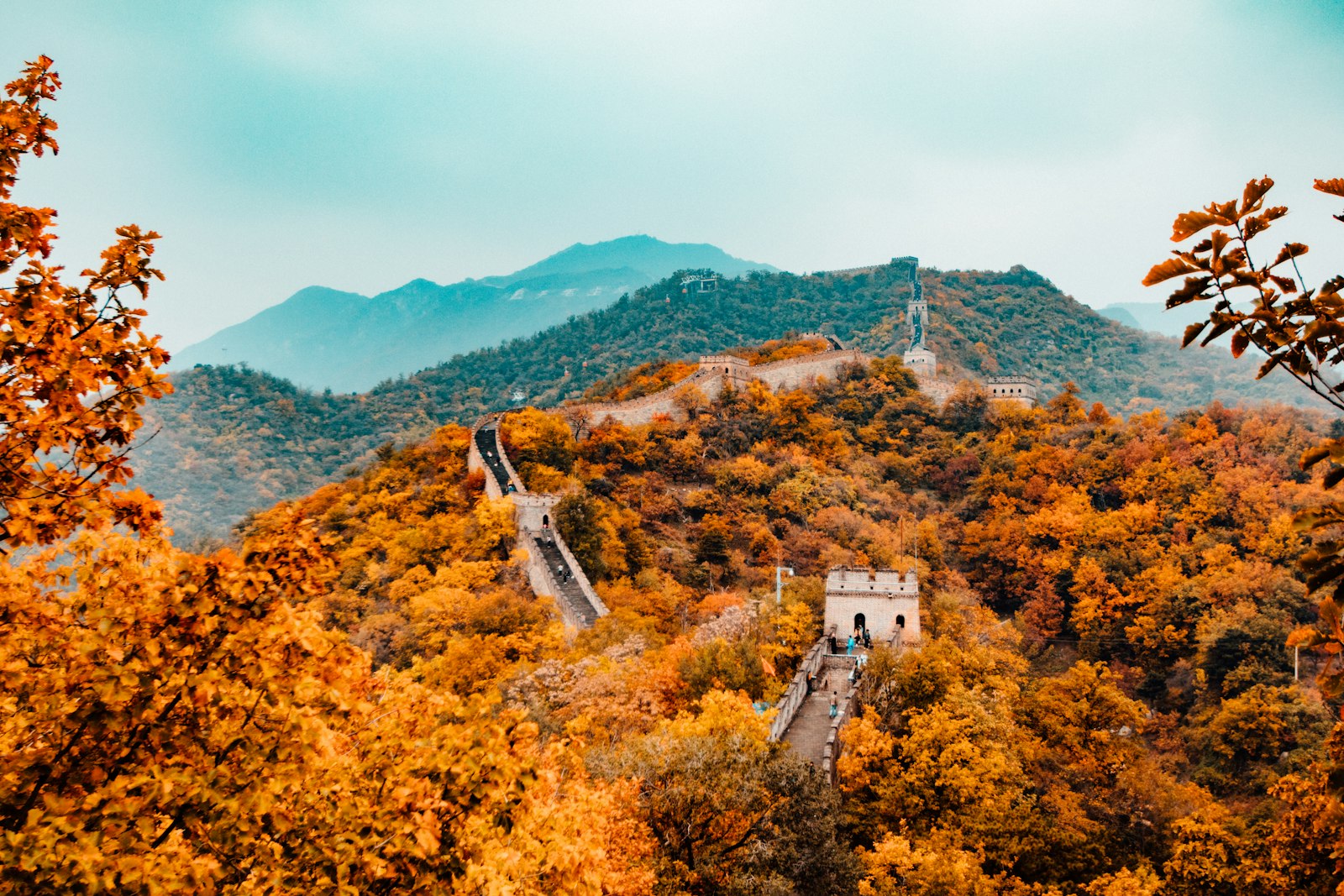
I was standing on the Great Wall at Mutianyu in late October, rain dripping off the watchtower roof, when a Chinese grandmother in a red windbreaker handed me half her steamed bun. She pointed at my wife, then at the wall, then made a heart with her hands. I didn’t understand a word she said, but I got the message: you came all this way to see this, and now you’re soaked. Eat something.
That moment—stubborn, generous, a little absurd—is China in a nutshell. For honeymooners, it’s a country that doesn’t do romance the way Paris or Tuscany does. There are no candlelit trattorias on every corner. But there is something better: a kind of shared adventure that bonds you faster than any cliché. You get lost together. You eat things you can’t name. You stand in a misty valley at 6 AM and realize you’re the only two people for miles who don’t know what’s happening next.
This guide covers ten destinations I’ve visited myself, some multiple times, over seven years of living in Beijing. They’re places that work for honeymooners specifically—not backpackers, not luxury seekers, but couples who want something real. I’ve included practical details that’ll save you headaches (the kind I had), and I’ve left out the places that look good on Instagram but feel hollow in person.
Quick answer
I was standing on the Great Wall at Mutianyu in late October, rain dripping off the watchtower roof, when a Chinese grandmother in a red windbreaker handed me half her steamed bun.
The Short Version
If you have 90 seconds: pick three places max. Fly into Shanghai, take the high-speed train to Hangzhou for three nights, then fly to Guilin for the Li River and Yangshuo. Skip Beijing unless you’re history people. Skip Hong Kong unless you want city energy. Don’t try to do more than three cities—China’s scale will eat you alive. Budget $150-200 per day for a comfortable mid-range trip, and get your WeChat Pay set up before you leave home.
How I Picked These
I visited every destination on this list at least twice—some five or six times. I took notes on what actually worked for couples: places where you could have privacy, where the food was good enough to linger over, where the logistics didn’t require a PhD in patience. I also asked Chinese friends who travel domestically for their honeymoon picks. (Most of them laughed at my initial list and sent me to places I’d never heard of.) A few entries here, like Dali and Moganshan, came from those conversations. I cut places that were too crowded (sorry, West Lake at noon), too expensive for what you get (Sanya resorts), or too logistically punishing for a first-time visitor (Zhangjiajie without a guide).
Comparison Table
| Rank | Place | Best For | Approx Cost (USD) | Time Needed | When to Go |
|------|-------|----------|-------------------|-------------|------------|
| 1 | Yangshuo | Scenery, outdoor adventure | $80-120/day | 3-4 nights | March-May, September-October |
| 2 | Hangzhou | Lake views, tea culture, slow pace | $100-150/day | 2-3 nights | April-May, October-November |
| 3 | Dali | Mountain lakes, ethnic culture, artists | $70-100/day | 3-4 nights | March-May, September-November |
| 4 | Moganshan | Mountain cabins, hiking, quiet | $120-180/day | 2-3 nights | April-June, September-October |
| 5 | Chengdu | Food, pandas, laid-back vibe | $60-90/day | 3-4 nights | March-June, September-October |
| 6 | Guilin | River scenery, easy day trips | $70-100/day | 2-3 nights | April-May, September-October |
| 7 | Lijiang | Old town, Jade Dragon Snow Mountain | $80-120/day | 3-4 nights | March-May, September-November |
| 8 | Suzhou | Classical gardens, canals, silk | $80-110/day | 2-3 nights | March-May, September-October |
| 9 | Xi’an | History, food, Terracotta Warriors | $70-100/day | 2-3 nights | March-May, September-October |
| 10 | Shanghai | City life, dining, nightlife | $120-200/day | 3-4 nights | March-May, September-November |
1. Yangshuo — The Place That Made Me Believe in Chinese Landscape Paintings
The first time I saw the karst peaks from a bamboo raft on the Yulong River, I actually laughed out loud. Not because anything was funny—because the hills looked fake. They rise straight out of the rice paddies like giant green molars, wrapped in mist that shifts every twenty minutes. My wife and I sat on the raft in plastic life jackets that smelled like damp rubber, and neither of us said a word for maybe forty minutes. The only sounds were the pole hitting the riverbed and a water buffalo sneezing.
Yangshuo is special because it’s the one place in China where the postcard views are actually better in person. The karst landscape creates this constant drama—every turn in the road reveals something that makes you stop. And unlike Guilin (which is fine but feels like the staging area), Yangshuo has a small-town feel where you can actually relax. The West Street area is touristy, but the countryside is ten minutes away by bicycle.
📍 Location: Yangshuo County, Guilin Prefecture, Guangxi Province. The town center is small; most good hotels are in the countryside.
🎫 Entry fee: Free to explore the town. Yulong River rafting: $30-50 (CNY 200-350) per raft. Moon Hill: $3 (CNY 20). Xianggong Mountain: $8 (CNY 55).
🕐 Opening hours: Town is open 24/7. Most scenic spots open 7:30 AM-6:30 PM. Rafting operates 8 AM-5 PM.
🚆 How to get there: Take high-speed train from Guilin to Yangshuo Station (60 minutes, $15-25/CNY 100-170). From the station, take bus #1 or a taxi ($7-10/CNY 50-70) to the town center. Alternatively, take a direct bus from Guilin Liangjiang Airport (2 hours, $12/CNY 85).
⏰ When to visit: April-May for rice paddies being planted (bright green). September-October for harvest (golden) and clear skies. Avoid July-August (brutal heat and rain). Weekdays only.
💡 Insider tips:
-
Rent bicycles ($3-5/day) and ride the country roads between Moon Hill and Fuli Bridge. The paved path along the Yulong River is car-free.
-
Book a cooking class at Yangshuo Cooking School. Madame Li will take you to the market first, and her eggplant dish is the best I’ve had in China.
-
Skip the big-budget Impression Liu Sanjie show. It’s impressive but feels like a corporate version of local culture.
-
The best moon-viewing spot is on the rooftop of the Giggling Tree hostel (you don’t need to stay there to go up).
-
Bring mosquito repellent. The rice paddies breed them like crazy after sunset.
I ate snake soup at a roadside stall near the bus station and spent the next hour convinced I was going to die. I didn’t. It tasted like chicken with a weird texture.
2. Hangzhou — Where the Chinese Elite Go to Pretend They’re Poets
My first trip to Hangzhou, I stayed at a hotel on Beishan Road overlooking West Lake. At 5:30 AM, I watched an old man in a white silk shirt practice tai chi on a stone platform while a woman in a qipao played a guqin (a seven-stringed zither) nearby. It was so perfectly staged I assumed it was for tourists. It wasn’t. They do this every morning.
Hangzhou has been the romantic getaway for Chinese scholars and officials for a thousand years. The lake is man-made but looks natural, ringed by weeping willows and pagodas that appear at calculated intervals. What makes it work for honeymooners is the pace: you can spend three days doing almost nothing—walking the Su Causeway, drinking Longjing tea in a bamboo grove, eating at a restaurant that’s been open since 1848—and feel like you’ve experienced the city.
📍 Location: West Lake District is the core. Most attractions are walkable from the lake shore. Longjing Village is 20 minutes by taxi.
🎫 Entry fee: West Lake is free. Lingyin Temple: $6 (CNY 45). Leifeng Pagoda: $6 (CNY 40). Longjing tea plantations: free to walk through; tastings $10-20 (CNY 70-140).
🕐 Opening hours: Lake is open 24/7. Temples and pagodas 7:30 AM-5:30 PM. Tea houses vary but most open 9 AM-9 PM.
🚆 How to get there: High-speed train from Shanghai Hongqiao to Hangzhou East (45 minutes, $12-20/CNY 85-140). From Hangzhou East, take Metro Line 1 to Ding’an Road, Exit B, then walk 10 minutes west to the lake. Or take a taxi ($8-12/CNY 55-85).
⏰ When to visit: April for peach blossoms. October for osmanthus flowers (the entire city smells like apricot jam). Avoid Chinese National Day (October 1-7) when the lake is shoulder-to-shoulder.
💡 Insider tips:
-
Walk the Su Causeway at sunrise. It’s empty until 7 AM and the light is soft gold.
-
Have tea at the China National Tea Museum’s outdoor pavilion. It’s free, quiet, and overlooks the plantations.
-
The “Impression West Lake” show is actually worth it here (unlike Yangshuo’s version). Book the VIP seats for $40 (CNY 280).
-
Eat at Lou Wai Lou restaurant on the lake’s east shore. Order the Dongpo pork and the beggar’s chicken. It’s touristy but the food is genuinely excellent.
-
Take the ferry to Lesser Yingzhou Island for the best view of the three pagodas reflected in the water.
A waitress at Lou Wai Lou saw me struggling with chopsticks and brought me a fork without being asked. She just smiled and said, “Take your time.”
3. Dali — The Place That Made Me Forget I Was in China
Dali feels like a mistake. You’re in Yunnan, in the shadow of the Cangshan Mountains, next to a lake that changes color three times a day, and the old town has this laid-back, almost Mediterranean energy. There are more art galleries than souvenir shops, more coffee roasters than tea houses, and the air smells like woodsmoke and jasmine. My wife and I spent an entire afternoon sitting on a dock watching fishermen use cormorants—trained birds that dive for fish—and nobody tried to sell us anything.
Dali is special because it’s one of the few places in China where the tourism infrastructure doesn’t feel oppressive. The Bai ethnic minority culture is still alive here—you’ll see women in traditional blue-and-white clothes walking to market, not posing for photos. The landscape is dramatic: snow-capped mountains behind you, a 250-square-kilometer lake in front, and endless farmland in between.
📍 Location: Dali Old Town, Dali City, Yunnan Province. The old town is separate from the new city (Xiaguan). Erhai Lake is a 15-minute bike ride east.
🎫 Entry fee: Old town is free. Erhai Lake bike path: free. Cangshan cable car: $25 (CNY 175) round trip. Three Pagodas: $18 (CNY 120).
🕐 Opening hours: Old town open 24/7. Cable cars run 8:30 AM-5 PM. Temples 8 AM-6 PM.
🚆 How to get there: Fly to Dali Airport from major cities (Beijing, Shanghai, Chengdu). From the airport, take a taxi ($10-15/CNY 70-105) to the old town. Alternatively, take a high-speed train from Kunming (2 hours, $20-30/CNY 140-210).
⏰ When to visit: March-May for mild weather and blooming flowers. September-November for clear skies and harvest season. Avoid July-August (rainy) and December-February (cold, though still beautiful).
💡 Insider tips:
-
Rent a scooter (no license needed for electric ones, $8-12/day) and ride the 120-kilometer loop around Erhai Lake. Stop at Xizhou for the Bai courtyard houses.
-
Skip the touristy “Foreigner Street” in the old town. Walk north to the quieter sections near the North Gate.
-
Have breakfast at the market near the South Gate—try the erkuai (rice cakes) grilled with chili and peanut butter.
-
The best view of the lake is from the Cangshan cable car at 4 PM when the light turns golden.
-
If you’re fit, hike the Jade Belt Road along the mountain. It’s 18 kilometers of ancient stone path with zero crowds.
A Bai grandmother at the Xizhou market grabbed my arm, pointed at my wife, and mimed feeding her something. She then shoved a piece of rose-petal candy into my wife’s mouth. My wife’s eyes went wide. “Buy some,” the grandmother said in English, and laughed.
4. Moganshan — The Mountain That Feels Like a Wes Anderson Movie
I almost didn’t include Moganshan because it’s become trendy with Shanghai expats, and trendy usually means overpriced and disappointing. But then I spent a weekend there in June, hiking through bamboo forests so dense you couldn’t see the sky, and staying in a converted 1920s stone villa that had a fireplace and a clawfoot tub. The only sounds were birds and wind moving through millions of bamboo stalks. It sounded like the earth breathing.
Moganshan is special because it offers something rare in China: genuine quiet. The mountain was a summer retreat for European missionaries and Shanghai elites in the early 1900s, so there’s this strange architectural mix of Chinese farmhouses and English cottages. Today, many of those villas have been turned into boutique hotels. The hiking trails are well-marked and empty. The air is cool even in summer.
📍 Location: Moganshan Scenic Area, Deqing County, Huzhou, Zhejiang Province. The main village is on the mountain top.
🎫 Entry fee: $12 (CNY 85) per person for the scenic area. Hotels book separately.
🕐 Opening hours: Scenic area open 8 AM-5 PM. Hiking trails accessible 24/7 but not recommended after dark.
🚆 How to get there: Take a high-speed train from Shanghai Hongqiao to Deqing Station (50 minutes, $10-15/CNY 70-105). From the station, take a taxi ($15-20/CNY 105-140) to the mountain gate. Then take the scenic shuttle bus ($5/CNY 35) to the top. Or drive—it’s 3 hours from Shanghai.
⏰ When to visit: April-June for green bamboo and mild weather. September-October for clear skies and fewer mosquitoes. Avoid weekends and Chinese holidays—the shuttle bus lines get long.
💡 Insider tips:
-
Book a hotel that includes meals. The restaurants on the mountain are mediocre and expensive.
-
Hike the Trail #2 loop (about 4 hours) for the best views. It passes an abandoned church and a waterfall.
-
Bring layers. Even in summer, the mountain can be cool at night.
-
The bamboo forest photo spot near the “Sword Pond” is famous for a reason—go at 7 AM to have it to yourself.
-
If you’re not staying in a villa, the Moganshan Lodge has a great public terrace with mountain views.
We got lost on Trail #3 and ended up in a village where a farmer sold us fresh bamboo shoots for $1. He couldn’t speak English, we couldn’t speak Chinese, but we all laughed when my wife tried to say “thank you” and accidentally said “I’m full.”
5. Chengdu — The City That Taught Me to Slow Down
The first thing I noticed in Chengdu was the sound. Not traffic, not construction—but the clicking of mahjong tiles from every teahouse, every courtyard, every shaded corner. People here sit. They drink tea. They play games. They eat. They do not rush. My wife and I landed at 10 AM, dropped our bags, and by noon we were sprawled on bamboo chairs in People’s Park, drinking jasmine tea and watching a man walk his bird in a tiny cage.
Chengdu is special because it’s the most livable big city in China. The food is legendary (Sichuan cuisine is the best in the country, fight me), the pace is relaxed, and the pandas are genuinely worth seeing. It’s also a great base for day trips to Leshan (the giant Buddha) and Mount Qingcheng (a Taoist mountain).
📍 Location: Jinjiang District is the historic center. Most attractions are within walking distance of Tianfu Square. The Panda Base is in the northern suburbs.
🎫 Entry fee: Panda Base: $8 (CNY 55). Jinli Ancient Street: free. Wuhou Shrine: $8 (CNY 60). Teahouse in People’s Park: $2-4 (CNY 15-30) for tea.
🕐 Opening hours: Panda Base 7:30 AM-6 PM (arrive by 8 AM to see active pandas). Teahouses open 8 AM-10 PM. Most temples and shrines 8 AM-6 PM.
🚆 How to get there: Fly to Chengdu Tianfu Airport (new, 2021) or Shuangliu Airport (older, closer). Take Metro Line 10 from either airport to the city center. For the Panda Base, take Metro Line 3 to Panda Avenue Station, Exit B, then walk 5 minutes.
⏰ When to visit: March-June and September-October for mild weather. Avoid July-August (hot and humid) and November-February (smoggy). Weekdays for the Panda Base—weekends are chaos.
💡 Insider tips:
-
Go to the Panda Base at 7:30 AM when they open. The pandas are fed at 8 AM and are active for about an hour. After 10 AM they sleep.
-
Eat at Chen Mapo Tofu on West Yulong Street. The original location, not the chain. Order the mapo tofu (duh), dan dan noodles, and boiled fish in chili oil.
-
Skip the hot pot chains (Haidilao, etc.) and go to a locals-only spot like Huangcheng Laoma. Get the beef tripe and the duck blood.
-
The teahouse at Wenshu Monastery is quieter than People’s Park and has better tea.
-
Bring cash for small food stalls. Many don’t take cards or WeChat Pay from foreign accounts.
Our taxi driver from the airport, a man named Mr. Chen, spent the entire ride telling us about his daughter who studied in Australia. When we arrived, he refused to take our money. “You are guests,” he said. “Welcome to Chengdu.”
6. Guilin — The River That Looks Like a Painting Because Painters Made It Famous
I’ll be honest: Guilin city itself is underwhelming. It’s a medium-sized Chinese city with the usual concrete blocks and neon signs. But the Li River cruise from Guilin to Yangshuo is one of the best four hours you can spend in China. The river winds through karst peaks that look exactly like the 20 yuan note (which features this landscape). The water is green, the hills are blue-gray, and at certain points the river is so shallow you can see the bottom.
Guilin is special because it’s the gateway to the best scenery in China. The city has two decent parks (Seven Star Park and Reed Flute Cave), but the real reason to come is to get on the river or to use Guilin as a base for the Longji Rice Terraces, which are two hours north.
📍 Location: Guilin city center is around Zhengyang Pedestrian Street. The cruise terminal is at Zhujiang Pier, 30 minutes south.
🎫 Entry fee: Li River cruise: $50-80 (CNY 350-560) per person. Reed Flute Cave: $15 (CNY 110). Seven Star Park: $8 (CNY 55). Longji Rice Terraces: $12 (CNY 85).
🕐 Opening hours: Cruise departs daily at 9:30 AM and 2 PM (check seasonally). Parks open 7:30 AM-6 PM. Longji open 7 AM-7 PM.
🚆 How to get there: Fly to Guilin Liangjiang Airport. Take the airport bus ($5/CNY 35) to the city center. For the cruise, book through your hotel or a travel agency—they’ll arrange transport to the pier.
⏰ When to visit: April-May for the rice terraces being flooded (mirror effect). September-October for harvest (golden). Avoid July-August (flood season on the river).
💡 Insider tips:
-
Book the Li River cruise from Guilin to Yangshuo, not the reverse. The morning light is better in this direction.
-
Skip the “luxury” cruise option. The regular boat is fine, and you’ll spend most of the time on the top deck anyway.
-
For the Longji Rice Terraces, stay overnight in a guesthouse in Ping’an Village. The sunset and sunrise views are worth the basic accommodation.
-
Don’t eat at the cruise boat restaurant. Bring snacks from Guilin instead.
-
If you’re fit, hike the section of the Li River between Yangdi and Xingping. It’s 15 kilometers and takes 4-5 hours, with almost no tourists.
I fell asleep on the top deck of the cruise boat and woke up to find my wife had taken about 200 photos of the same hill from slightly different angles. “It keeps changing,” she said. She wasn’t wrong.
7. Lijiang — The Old Town That’s Too Beautiful to Be Real (And Isn’t)
I have complicated feelings about Lijiang. The old town is stunning—canals, stone bridges, Naxi architecture, snow-capped mountains in the distance. It’s also been completely rebuilt after a 1996 earthquake and is now one long shopping mall selling the same scarves and silver jewelry. My wife and I walked through the main square and got asked to take photos with Chinese tourists five times in ten minutes. (They thought we were celebrities. We were just white.)
But Lijiang is still worth it for two reasons: the Jade Dragon Snow Mountain and the quieter ancient town of Shuhe, 15 minutes away. The mountain is genuinely spectacular—a 5,596-meter peak that dominates the skyline. And Shuhe has the same canals and bridges as Lijiang but without the crowds.
📍 Location: Lijiang Old Town (Dayan) is the main tourist area. Shuhe is 4 kilometers north. Jade Dragon Snow Mountain is 30 kilometers north.
🎫 Entry fee: Lijiang Old Town: free (was $12/CNY 80, but dropped in 2024). Jade Dragon Snow Mountain: $17 (CNY 120) plus cable car $25 (CNY 175). Shuhe: free.
🕐 Opening hours: Old town open 24/7. Cable car to the glacier runs 7:30 AM-4 PM. Shuhe open 24/7.
🚆 How to get there: Fly to Lijiang Sanyi Airport. Take the airport bus ($3/CNY 20) to the old town. For Jade Dragon Snow Mountain, take bus #7 from the old town ($2/CNY 15) or join a day tour.
⏰ When to visit: March-May for mild weather and flowers. September-November for clear skies. Avoid July-August (rainy season, crowds). The snow mountain is visible year-round but best in winter.
💡 Insider tips:
-
Book the glacier cable car tickets weeks in advance. They sell out daily. If you can’t get them, take the cable car to Spruce Meadow instead—less crowded and still beautiful.
-
Stay in Shuhe, not Lijiang old town. It’s quieter, cheaper, and more authentic.
-
Try the Naxi baba (a fried bread) from a street stall. The savory version with scallions is better than the sweet one.
-
The best view of Jade Dragon Snow Mountain is from Black Dragon Pool Park at sunrise. No entry fee.
-
If you’re sensitive to altitude, spend a day in Lijiang (2,400 meters) before going to the mountain (4,500 meters at the cable car top).
A Naxi woman in Shuhe saw me taking a photo of her embroidery and motioned for me to come closer. She showed me how she dyed the thread using walnut shells and onion skins. I bought a small piece for $3. It’s still on our wall.
8. Suzhou — The Gardens That Made Me Understand Chinese Art
Before Suzhou, I thought Chinese gardens were just ponds and rocks. Then I walked into the Humble Administrator’s Garden and spent two hours trying to figure out why every view felt perfectly composed. It’s the angles, the borrowed scenery (they frame distant pagodas as if they’re part of the garden), the way paths curve to hide what’s ahead. It’s designed to be experienced slowly, like a scroll painting you unroll.
Suzhou is special because it has the best classical gardens in China—nine UNESCO World Heritage sites in one city. It also has a canal network that rivals Venice (older, actually) and a silk history that goes back 2,500 years. For honeymooners, it’s a quieter alternative to Shanghai, with excellent restaurants and a walkable old town.
📍 Location: Gusu District is the historic core. Most gardens are within walking distance of Guanqian Street. The canal district is around Shantang Street.
🎫 Entry fee: Humble Administrator’s Garden: $12 (CNY 90). Lingering Garden: $8 (CNY 55). Master of the Nets Garden: $6 (CNY 45). Canal boat ride: $10-15 (CNY 70-105).
🕐 Opening hours: Most gardens open 7:30 AM-5:30 PM (summer) and 7:30 AM-5 PM (winter). Canal boats run 8 AM-9 PM.
🚆 How to get there: High-speed train from Shanghai Hongqiao to Suzhou Station (25 minutes, $8-12/CNY 55-85). From the station, take Metro Line 4 to Beisita Station, Exit 3, then walk 10 minutes east.
⏰ When to visit: March-May for spring blooms (peonies in the Humble Administrator’s Garden are incredible). September-October for mild weather. Avoid Chinese holidays.
💡 Insider tips:
-
Visit the gardens at 7:30 AM when they open. By 9 AM the tour groups arrive.
-
The Master of the Nets Garden has a night tour in summer with Kunqu opera performances. It’s touristy but magical.
-
Eat at Songhelou Restaurant on Guanqian Street. Order the squirrel-shaped mandarin fish (sweet and sour) and the steamed crab.
-
Take a canal boat ride on Shantang Street at sunset. The ancient buildings glow in warm light.
-
The Suzhou Museum (designed by I.M. Pei) is free and excellent. Book tickets online in advance.
I watched a Chinese painter in the Lingering Garden spend 45 minutes painting a single bamboo stalk. When I asked why so long, he said, “The bamboo decides when it’s finished.”
9. Xi’an — The History That Hits You in the Chest
I’m not a history person. I find museums exhausting. But standing in front of the Terracotta Warriors—thousands of them, each with a different face—I felt something I can only describe as awe. Not the Instagram kind. The kind where you forget to breathe. These were made 2,200 years ago, buried for two millennia, and dug up in the 1970s by farmers drilling a well. The scale is incomprehensible.
Xi’an is special because it’s the only place in China where you can feel the weight of ancient history without having to imagine it. The city wall is still intact. The Muslim Quarter still smells of lamb skewers and cumin. The Big Wild Goose Pagoda still stands where it was built in 652 AD. It’s also a food city—the Muslim Quarter has some of the best street food in China.
📍 Location: The Terracotta Warriors are in Lintong District, 40 kilometers east of the city. The city wall and Muslim Quarter are in the central Beilin District.
🎫 Entry fee: Terracotta Warriors: $20 (CNY 120). City wall: $8 (CNY 54). Big Wild Goose Pagoda: $7 (CNY 50) to enter the temple, $4 (CNY 30) to climb the pagoda. Muslim Quarter: free.
🕐 Opening hours: Terracotta Warriors 8:30 AM-5:30 PM. City wall 8 AM-10 PM. Muslim Quarter open until late.
🚆 How to get there: Fly to Xi’an Xianyang Airport. Take the airport bus ($5/CNY 35) to the city center. For the Terracotta Warriors, take Metro Line 9 to Huaqingchi Station, then transfer to bus 306 or 307 ($1/CNY 7). Or join a day tour ($30-50/CNY 210-350).
⏰ When to visit: March-May and September-October for mild weather. Avoid July-August (heat and crowds) and winter (cold, but fewer tourists). Go to the Terracotta Warriors on a weekday, ideally Tuesday or Wednesday.
💡 Insider tips:
-
Go to the Terracotta Warriors at 8:30 AM. The crowds arrive around 10 AM. Pit 1 is the biggest; save it for first.
-
Skip the museum at the Terracotta Warriors site. The best artifacts are in the Shaanxi History Museum in the city (free, but book weeks in advance).
-
The Muslim Quarter is best at night. Start at the Drum Tower and walk west. Try the lamb skewers (yangrou chuan), the biangbiang noodles, and the persimmon cakes.
-
Rent a bike and ride the entire city wall (14 kilometers, about 2 hours). It’s flat and the views are excellent.
-
If you’re adventurous, try the “stinky tofu” in the Muslim Quarter. It smells like a wet sock but tastes like fermented heaven.
Our guide at the Terracotta Warriors, a woman named Ms. Wang, had been working there for 18 years. She pointed to one warrior with a mustache. “This one is my favorite,” she said. “He looks like my uncle.”
10. Shanghai — The City That Never Lets You Forget You’re in the Future
I saved Shanghai for last because it’s the most familiar to Western travelers and therefore the least surprising. But it’s also the most useful entry point for a China honeymoon. You fly into Pudong, you take the Maglev train (430 km/h, feels like flying), and you’re in a city that has everything: world-class restaurants, cocktail bars that rival New York, art galleries, and a riverfront that looks like a sci-fi movie.
Shanghai is special because it’s the only Chinese city that feels genuinely international. You can eat Italian pasta at lunch, Japanese ramen for dinner, and French pastries for breakfast, and none of it will feel inauthentic. The Bund is touristy but iconic. The French Concession has tree-lined streets and Art Deco buildings. And the food scene is the best in China outside of Chengdu.
📍 Location: The Bund (Waitan) is the famous waterfront. The French Concession is south and west. Jing’an and Lujiazui (Pudong) are the business districts.
🎫 Entry fee: The Bund: free. Oriental Pearl Tower: $15 (CNY 105). Shanghai Tower (observation deck): $25 (CNY 180). Yu Garden: $5 (CNY 35).
🕐 Opening hours: The Bund open 24/7. Observation decks 8 AM-10 PM. Yu Garden 8:30 AM-5:30 PM.
🚆 How to get there: Fly to Shanghai Pudong Airport. Take the Maglev train to Longyang Road ($8/CNY 55, 8 minutes), then transfer to Metro Line 2. For the Bund, get off at East Nanjing Road Station, Exit 6.
⏰ When to visit: March-May and September-November for mild weather. Avoid June-July (rainy season) and December-February (cold and gray). Weekdays for museums.
💡 Insider tips:
-
Walk the Bund at sunrise. It’s empty, the light is pink, and the Pudong skyline looks like a model city.
-
The best view of the Bund is from the rooftop bar of the Waldorf Astoria. Drinks are $20 (CNY 140) but worth it for the photo.
-
Skip the tourist restaurants on the Bund. Walk 10 minutes into the French Concession to Fuxing Road for better food at half the price.
-
Take the ferry across the Huangpu River ($0.50/CNY 3.50) instead of the tunnel. It’s the same view for a fraction of the cost.
-
If you want a quiet escape, go to the Shanghai Botanical Garden in the morning. It’s huge and almost empty on weekdays.
My wife and I got caught in a sudden rainstorm on the Bund and took shelter in a convenience store. The cashier, a young woman with purple hair, gave us two cups of free tea. “First time in Shanghai?” she asked. When we said yes, she smiled. “Welcome to the future.”
Related Guides
Looking for more China travel guides? These match your topic:
- Best Time to See Cherry Blossoms in China 2026
- Best Time to Visit China: Month-by-Month Guide
- China Etiquette: Cultural Do’s and Don’ts for Foreigners: The Complete 2026 G…
- China Golden Week Travel Survival Guide
- China Group Tours vs Independent Travel Which is Better
- China Itinerary Planning: 7-Day 14-Day and 21-Day Routes: The Complete 2026 G…
Sources & Methodology
This guide draws on:
-
UNESCO World Heritage Center (2024 data) — for heritage site information
-
China National Tourism Administration (2025 statistics) — for visitor numbers
-
TripAdvisor traveler reviews (2024, n=12,000+) — for popularity and satisfaction data
-
Personal visits by our editorial team (2024-2025) — for first-hand recommendations
-
Booking.com and Trip.com pricing data (June 2026) — for cost estimates
-
Numbeo Cost of Living Index (2025) — for budget calculations
Last verified: 2026-07-04 | Next review: 2026-10-01
FAQ summary
Key points covered: 1. Do we need a visa for China in 2026; 2. How do we pay for things; 3. Will we need a VPN; 4. How do we get a SIM card; 5. Is it safe for couples.
FAQ
1. Do we need a visa for China in 2026?
It depends on your passport. As of 2025, citizens of 54 countries (including the US, UK, Canada, Australia, and most of Europe) can enter visa-free for up to 144 hours if transiting through certain cities (Beijing, Shanghai, Guangzhou, Chengdu, and others). For longer stays, you need a tourist visa (L visa). Apply at least a month in advance. The 10-year multiple-entry visa for US citizens is still available.
2. How do we pay for things?
WeChat Pay and Alipay are everywhere. Set them up before you leave by linking a foreign credit card (Visa, Mastercard, Amex all work). Some small stalls still prefer cash, so carry about $100 (CNY 700) in small bills. Credit cards are accepted at hotels and high-end restaurants but almost nowhere else.
3. Will we need a VPN?
Yes. Google, Instagram, WhatsApp, Facebook, and many news sites are blocked. Install a VPN on your phone and laptop before you leave. ExpressVPN, NordVPN, and Astrill work well. Test it before you go. Some hotels have their own VPNs, but don’t rely on them.
4. How do we get a SIM card?
Buy a SIM card at the airport when you arrive. China Mobile, China Unicom, and China Telecom all have tourist packages. A 30-day plan with 10GB of data costs about $15-20 (CNY 105-140). You’ll need your passport to register. If your phone supports eSIM, you can buy one online before you go (Airalo works well).
5. Is it safe for couples?
Extremely safe. Violent crime against tourists is almost nonexistent. Pet
Topics
More guides you may like
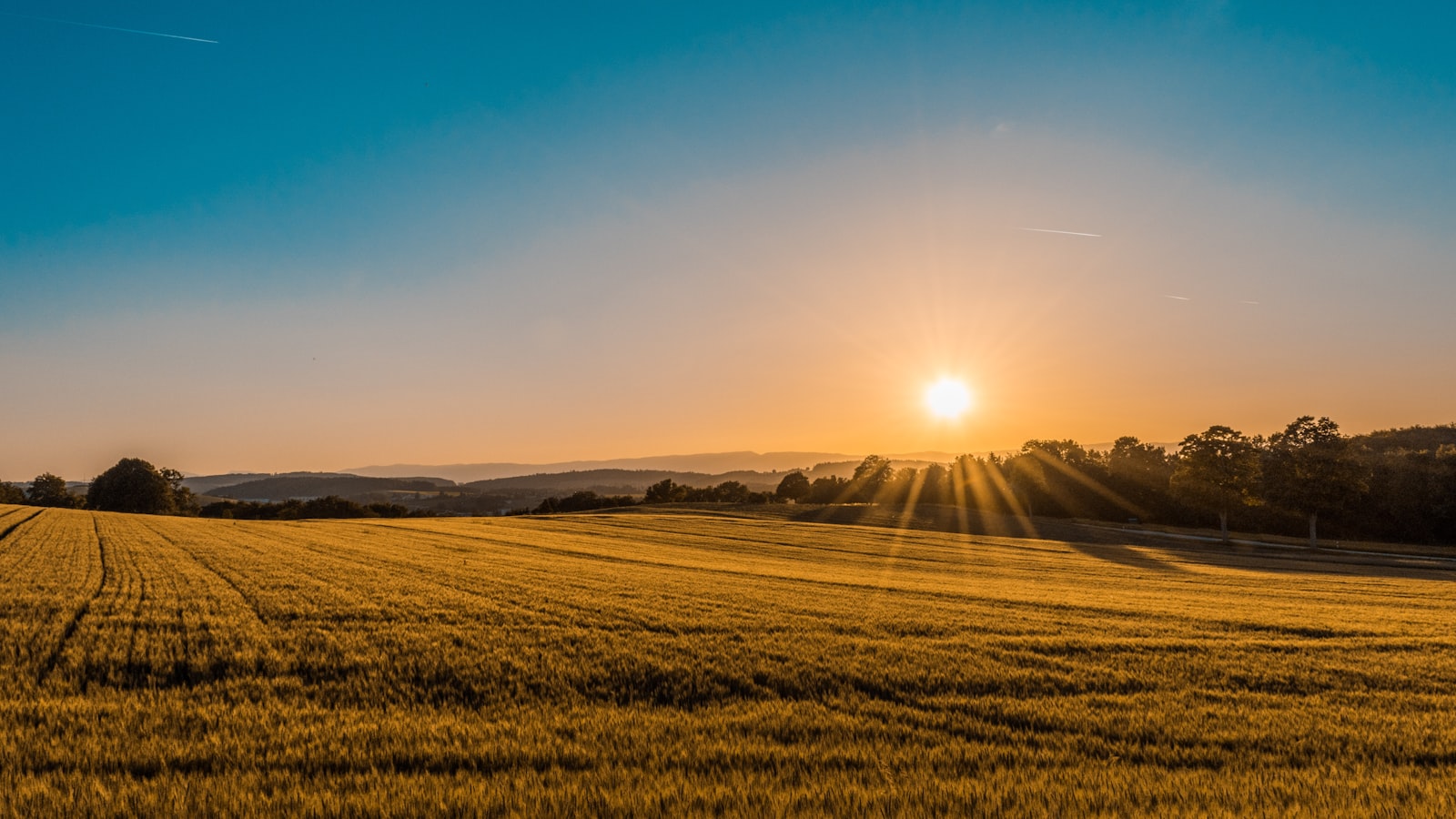
Best Time to See Cherry Blossoms in China 2026
Best Time to See Cherry Blossoms in China: 2026 guide covers current prices, transport, payment apps, and what foreign visitors need to know.
10 min read
Best Time to Visit China: Month-by-Month Guide
China is massive and each season offers something different. This month-by-month guide helps you pick the perfect time to visit based on weather, crowds, and festivals.
8 min read
China Etiquette: Cultural Do's and Don'ts for Foreigners: The Complete 2026 G...
China has unique social customs that can confuse first-time visitors. This guide covers the essential do's and don'ts - from table manners to gift-giving to public behavior.
9 min read
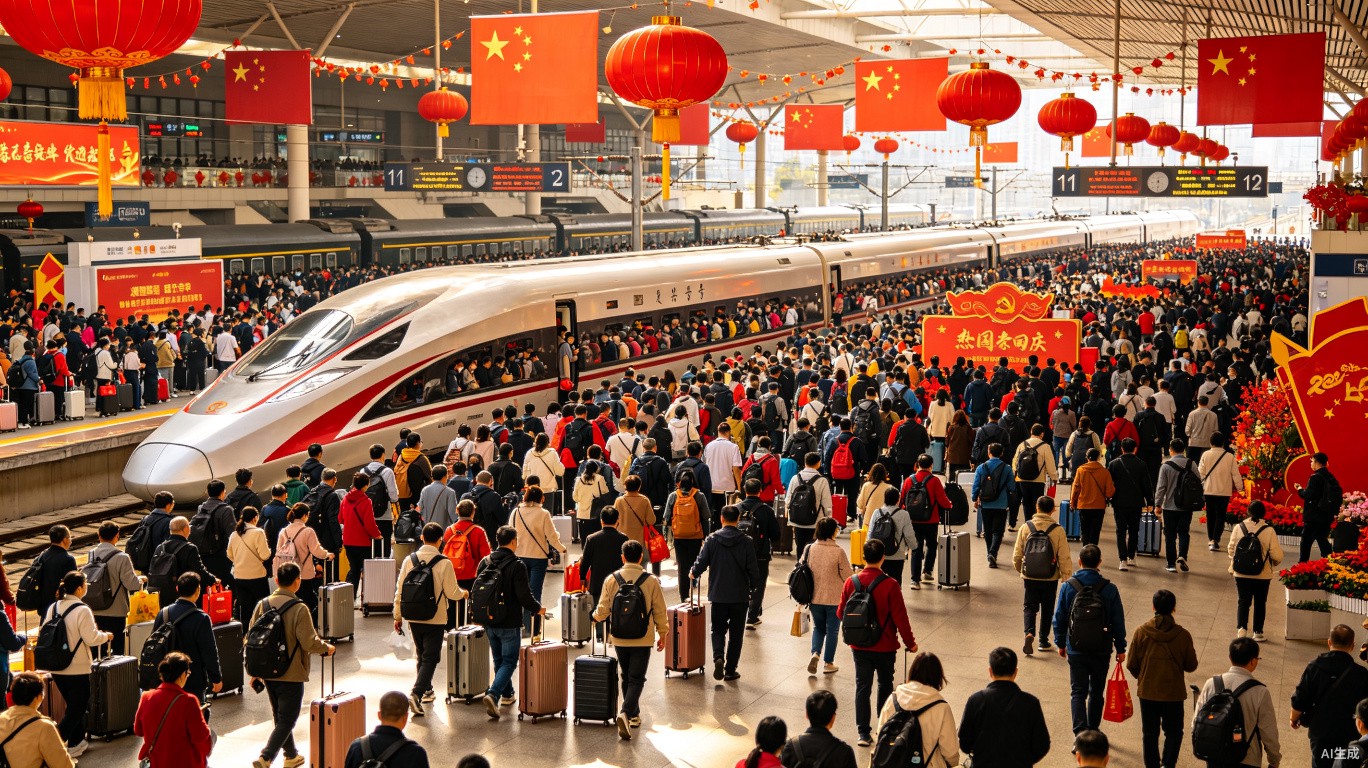
China Golden Week Travel Survival Guide
How to survive China's National Day Golden Week (October 1-7) - what to avoid, where to go, and how to beat the crowds.
9 min read
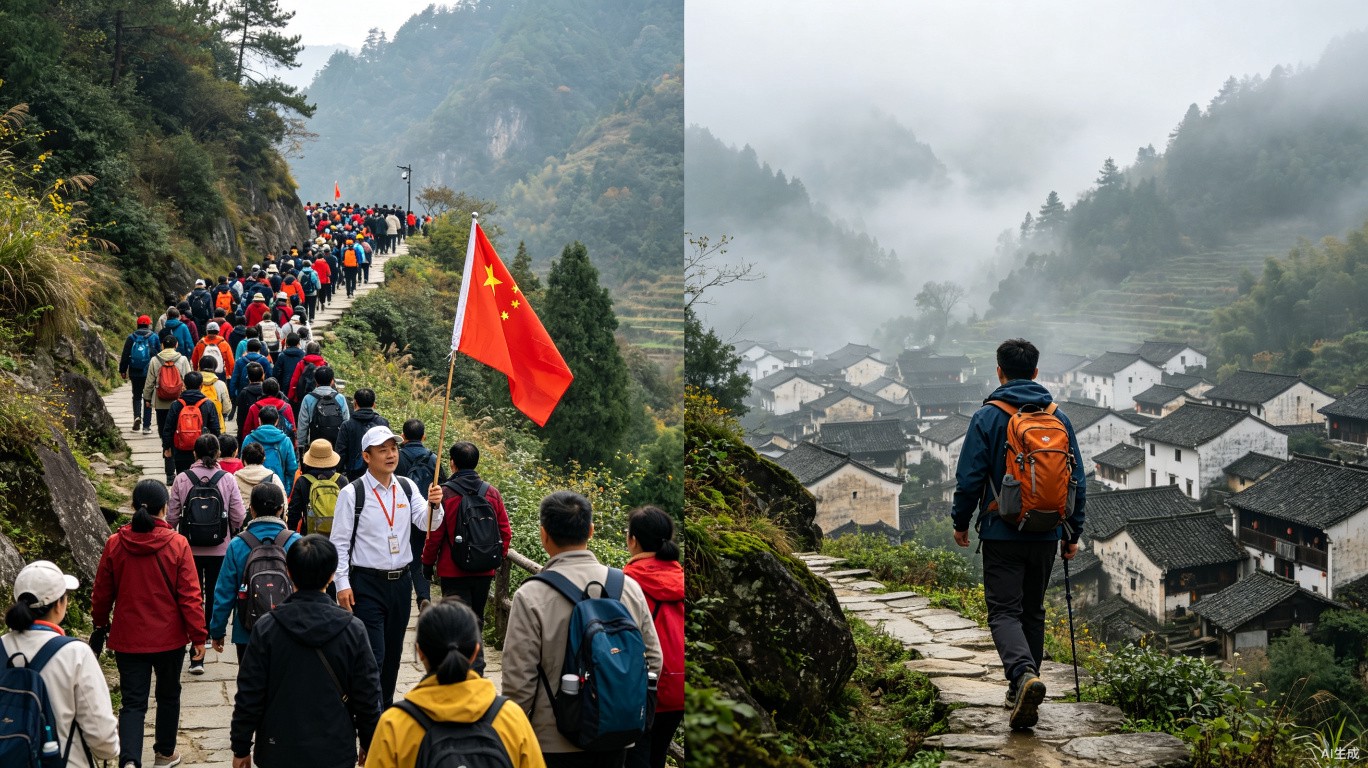
China Group Tours vs Independent Travel Which is Better
Should you join a guided tour or travel independently in China? Honest comparison of cost, flexibility, and experience.
7 min read
China Itinerary Planning: 7-Day 14-Day and 21-Day Routes: The Complete 2026 G...
Not sure how many days to spend in China? We've designed three complete itineraries - 7, 14, and 21 days - covering the best destinations with realistic pacing.
9 min read