
How Many Days in China: Itineraries
How Many Days in China: Itineraries: 2026 guide covers current prices, transport, payment apps, and what foreign visitors need to know.
How Many Days in China: Itineraries: The Complete 2026 Guide
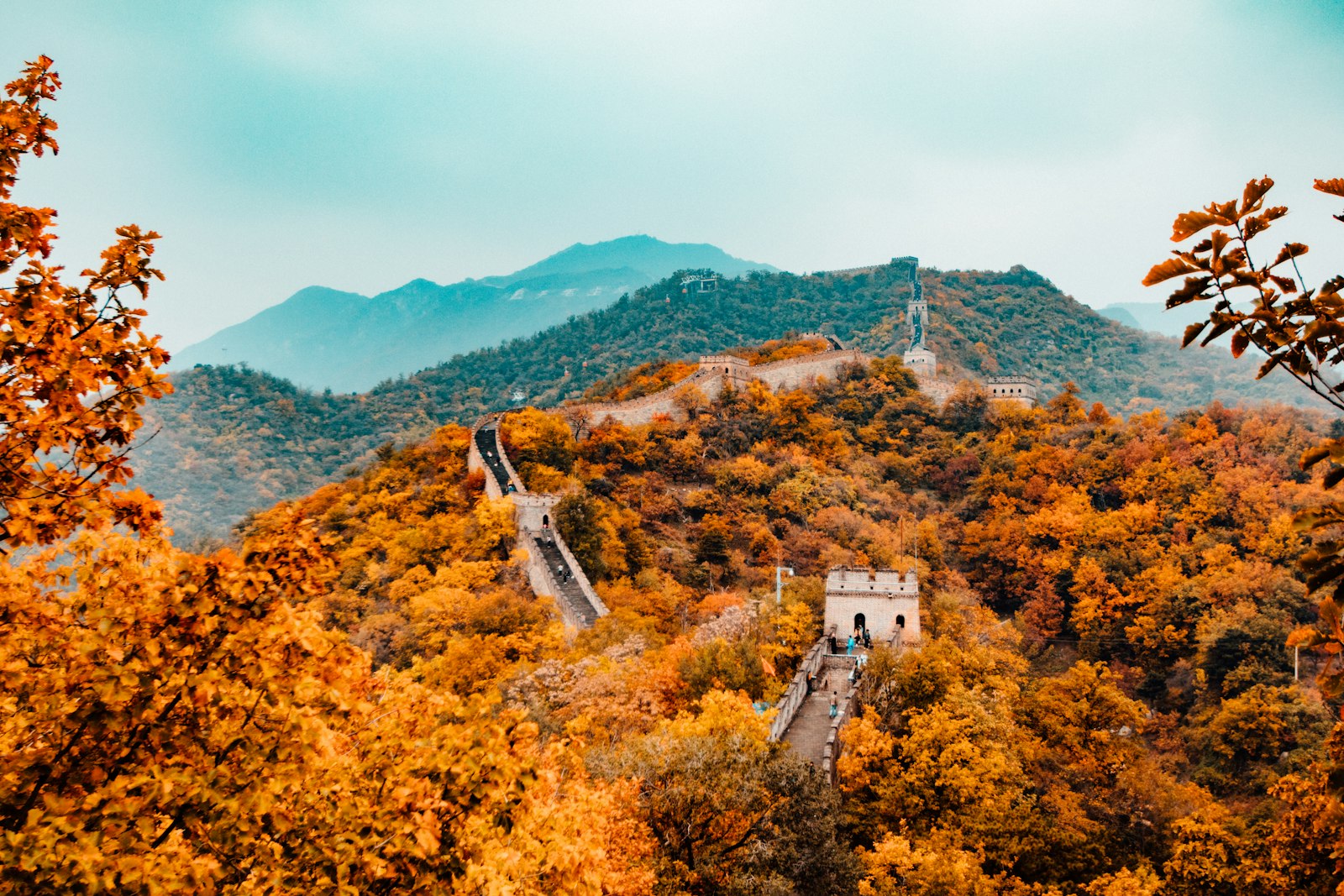
The cab driver laughed at me when I asked him to take me to the Great Wall. It was 5:30 AM, still dark, and he kept saying something in Beijing dialect I couldn’t catch. Eventually he pointed at my shoes—thin canvas sneakers—and shook his head. He drove me anyway, and two hours later I was standing on a section of wall so empty I could hear my own heartbeat. The fog was lifting off the mountains, and a group of old women were doing tai chi on a watchtower. That was my first morning in China, and I’ve been coming back ever since.
This guide is for people who’ve never been here and don’t know where to start. I’ve lived in Beijing for seven years, traveled through China forty-something times, and made every mistake you can make—wrong train, wrong season, wrong shoes, wrong expectations. I’ll tell you what’s worth your time, what’s not, and exactly how many days you need for each place. No fluff. Just what I’d tell a friend who’s about to book the flight.
Quick answer
The cab driver laughed at me when I asked him to take me to the Great Wall. It was 5:30 AM, still dark, and he kept saying something in Beijing dialect I couldn’t catch.
The Short Version
Seven days minimum for one city. Twelve to fourteen for two cities. Anything less than five days isn’t worth the jet lag. Beijing and Shanghai are the obvious first-timer picks—they’re safe, easy, and have the big sights. But if you want something that’ll stick with you longer, skip Shanghai and do Beijing plus Xi’an or Guilin. You’ll thank me later.
How I Picked These
Every itinerary here is based on trips I’ve actually taken, not Wikipedia summaries. I’ve stood in the ticket lines, missed the last bus, paid the wrong price, and eaten the wrong street food. I’ve also talked to dozens of other travelers—backpackers in Kunming hostels, business travelers in Shanghai hotels, families in Beijing hutongs—about what worked for them and what didn’t. I’ve updated everything for 2026: new visa policies, train lines that didn’t exist five years ago, restaurants that closed, and hidden gems that opened.
Quick Comparison Table
| Rank | Place | Best For | Approx Daily Cost (USD) | Minimum Days | Best Season |
|------|-------|----------|------------------------|--------------|-------------|
| 1 | Beijing | First-timers, history, food | $80-120 (¥580-870) | 4-5 | Spring/Fall |
| 2 | Xi’an | Terracotta Warriors, ancient capital | $60-90 (¥435-650) | 3-4 | Spring/Fall |
| 3 | Guilin/Yangshuo | Scenery, hiking, rural China | $50-80 (¥360-580) | 4-5 | Spring/Fall |
| 4 | Shanghai | Modern China, nightlife, shopping | $90-130 (¥650-940) | 3-4 | Spring/Fall |
| 5 | Chengdu | Pandas, Sichuan food, laid-back vibe | $55-85 (¥400-615) | 3-4 | Spring/Fall |
| 6 | Hong Kong | Urban energy, hiking, food scene | $100-150 (¥720-1085) | 4-5 | Winter/Spring |
| 7 | Zhangjiajie | Avatar mountains, glass bridges | $60-90 (¥435-650) | 3-4 | Spring/Fall |
| 8 | Lijiang/Shangri-La | Old towns, Tibetan culture | $50-80 (¥360-580) | 5-6 | Spring/Fall |
| 9 | Suzhou/Hangzhou | Classical gardens, canals, tea | $65-95 (¥470-690) | 3-4 | Spring/Fall |
| 10 | Yunnan Province | Diversity, off-the-beaten-path | $45-75 (¥325-540) | 7-10 | Spring/Fall |
1. Beijing — The One City You Can’t Skip
I remember sitting on a bench in the Temple of Heaven park at 6 AM, watching an old man write calligraphy on the ground with a giant brush dipped in water. He wrote characters, they evaporated, he wrote more. No one watched. No one cared. That’s Beijing—ancient rituals happening in plain sight, completely unbothered by the 22 million people living around them.
Beijing is China’s beating heart. The Forbidden City is overwhelming in scale—you need three hours minimum, and you’ll still miss half of it. The Great Wall at Mutianyu (go here, not Badaling) is quieter and has a toboggan ride down that’s worth the embarrassment. The hutongs—those narrow alley neighborhoods—are where the city actually lives. Walk through Nanluoguxiang once for the tourist shops, then spend your real time in the side alleys where grandmas hang laundry and kids play badminton.
-
📍 Central Beijing, with major sights spread across the city
-
🎫 Forbidden City: $12 (¥87), Great Wall: $8 (¥58), Temple of Heaven: $5 (¥36)
-
🕐 Forbidden City: 8:30-17:00, closed Mondays. Great Wall: 7:30-18:00
-
🚆 Subway is your best friend. Forbidden City: Line 1 to Tiananmen East, Exit B. Great Wall: take bus 877 from Deshengmen (¥12, 2 hours)
-
⏰ March-April or October-November. Avoid National Holiday week (Oct 1-7) at all costs
-
💡 Insider tips: Book Forbidden City tickets a week ahead on their official WeChat account. Bring your passport everywhere—you’ll need it for ticket counters. Download Didi (Chinese Uber) before you arrive. Eat at a hutong family restaurant, not the tourist spots. The subway is cheap (30 cents a ride) and has English signs.
-
I once got hopelessly lost in the hutongs near Gulou and a noodle shop owner named Auntie Wang walked me three blocks to my hostel, refusing payment but accepting a photo.
2. Xi’an — Where China’s History Actually Breathes
The Terracotta Warriors are exactly as impressive as everyone says—and nothing prepares you for how big the pit is. I stood at the railing for twenty minutes, watching the faces. Every single one is different. Different hair, different expressions, different mustaches. A farmer discovered them in 1974 while digging a well. That farmer now signs books at the gift shop.
But Xi’an isn’t just the warriors. The old city wall is 14 kilometers long and you can rent a bike on top for $5. Ride it at sunset. The Muslim Quarter has the best street food I’ve eaten anywhere in China—try the biangbiang noodles (wide, chewy, covered in chili oil) and the lamb skewers cooked over charcoal. The food here is serious business.
-
📍 City center, walled area is compact and walkable
-
🎫 Terracotta Warriors: $22 (¥160), City Wall: $8 (¥58), Muslim Quarter: free
-
🕐 Warriors: 8:30-17:30. Wall: 8:00-22:00 in summer, 8:00-21:00 in winter
-
🚆 High-speed train from Beijing: 4.5 hours, $80 (¥580). From the Xi’an train station, take bus 306 (¥7) directly to the warriors
-
⏰ Go to the warriors at 8 AM opening—the tour buses arrive at 10. Weekdays only
-
💡 Insider tips: Hire a guide at the warriors for $30—they know details you’ll never find online. Bring cash for street food, some stalls don’t take WeChat Pay. The subway has English signs. Try the “sour soup dumplings” at De Fa Chang. Skip the Tang Dynasty Show, it’s touristy and overpriced.
-
I watched an old man make noodles by stretching a single piece of dough into hundreds of strands in under a minute. He was 72 and had been doing it for fifty years.
3. Guilin and Yangshuo — The China You’ve Seen in Paintings
The first time I saw the karst mountains rising out of the Li River mist, I actually laughed. They looked fake—like a movie set. But they’re real, and they’re everywhere. The bus from Guilin to Yangshuo takes about an hour, and the whole thing is a landscape painting you’re driving through.
Yangshuo is the real destination. Guilin city is fine, but Yangshuo is where you want to be. Rent a bicycle or an e-scooter and ride through the rice paddies. Take a bamboo raft on the Yulong River (not the Li River—it’s quieter). The hiking is incredible—climb Moon Hill for sunrise, or do the Xianggong Mountain trail for the classic postcard view. The food here is simple and good: beer fish, stuffed tofu, rice noodles.
-
📍 Yangshuo county, 65 km south of Guilin
-
🎫 Li River cruise: $60 (¥435), Yulong River raft: $25 (¥180), Moon Hill: $4 (¥29)
-
🕐 Most outdoor attractions: 8:00-17:30. The river rafts run until about 16:00
-
🚆 High-speed train from Guilin to Yangshuo station: 30 minutes, $10 (¥72). From Yangshuo station, take bus 5 (¥20) to the town center
-
⏰ April-May or September-October. Summer is hot and humid, winter is gray. Avoid Chinese holidays
-
💡 Insider tips: The Li River cruise is overpriced and crowded—skip it and do the Yulong River raft instead. Rent an e-scooter for $8/day, but you’ll need an international driver’s permit. The night market on West Street is touristy but fun for souvenirs. Learn to say “bù yào là” (no spice) if you can’t handle heat. Download a translation app—English is limited outside hotels.
-
I got caught in a monsoon rain on a scooter and took shelter in a noodle shop where the owner gave me free tea and let me dry my socks on his stove.
4. Shanghai — The City That Forgot It’s in China
Shanghai feels like a different country. The Bund at night is all colonial buildings and neon lights, and Pudong across the river looks like a sci-fi movie. I walked the Bund on my first night in Shanghai and felt like I was in a dream—the city is so aggressively modern it’s almost disorienting.
But Shanghai has layers. The French Concession has tree-lined streets and art deco buildings where you can spend hours just walking. The Old City has the Yu Garden and the bazaar, which is touristy but worth an hour. The food scene is world-class—eat xiaolongbao (soup dumplings) at Din Tai Fung or the original Jia Jia Tang Bao. The nightlife is the best in China, but it’s expensive.
-
📍 Central districts: Huangpu, Jing’an, French Concession
-
🎫 The Bund: free. Oriental Pearl Tower: $20 (¥145). Yu Garden: $5 (¥36)
-
🕐 Yu Garden: 8:45-16:45. Museums: usually 9:00-17:00, closed Mondays
-
🚆 Shanghai’s subway is the best in China. Pudong Airport to city: Maglev train (7 minutes, $10) or Line 2 (45 minutes)
-
⏰ March-May or September-November. Summer is brutally humid. New Year’s Eve on the Bund is a nightmare
-
💡 Insider tips: The Bund is best at sunrise (empty) or midnight (lights off at 11 PM). Skip the Oriental Pearl Tower—go to the Shanghai Tower observation deck instead ($30). Use the subway, it’s clean and has English. The fake market on Nanjing Road sells good knockoffs but bargain hard. Get a VPN before you arrive—Google, WhatsApp, Instagram don’t work without it.
-
A taxi driver named Mr. Chen told me he’d never been to the Oriental Pearl Tower. “Why would I go?” he said. “I see it every day.”
5. Chengdu — The Only City I’d Move To
Chengdu is the most relaxing big city in China. People here take naps. They play mahjong in the street. They eat spicy food and drink tea and don’t rush. I spent an entire afternoon at a tea house in People’s Park, drinking jasmine tea and watching old men play cards. Best $3 I ever spent.
The pandas are the headline, and they’re worth it. The Chengdu Panda Base has over 80 pandas, and you can watch baby pandas play in the nursery. Go at 8 AM when they’re fed—they’re active for about an hour, then they sleep. The rest of Chengdu is about food. Sichuan cuisine is legendary—try mapo tofu, dan dan noodles, and hot pot. The hot pot here is a religious experience. You’ll sweat, you’ll cry, you’ll want more.
-
📍 Chengdu city center, Panda Base is 10 km north
-
🎫 Panda Base: $8 (¥58). Wuhou Temple: $8 (¥58). People’s Park: free
-
🕐 Panda Base: 7:30-18:00 (pandas most active 8-10 AM). Tea houses: open until late
-
🚆 Subway Line 3 to Panda Base station, Exit B, then free shuttle bus. From airport: subway Line 10 to Line 3
-
⏰ March-May or September-October. Avoid summer (humid) and winter (gray)
-
💡 Insider tips: Book Panda Base tickets online in advance—same-day tickets sell out. Don’t go to the Chengdu Research Base (the other one), it’s worse. Try the “cold noodles” at Zhang Lao Er. Learn to say “wēi là” (mild spicy) if you’re scared. The night market at Jinli is touristy but fun.
-
I ate hot pot with a group of locals who insisted I try the “duck blood tofu.” It was exactly what it sounds like. It was delicious.
6. Hong Kong — The City That Never Sleeps (and Never Stops)
Hong Kong feels like a fever dream. The neon signs, the double-decker trams, the smell of egg waffles and incense. I took the Star Ferry across Victoria Harbour at sunset and watched the skyline light up. It’s still one of the best cheap experiences in the world—less than a dollar for a ten-minute ride.
Hong Kong is expensive, but it’s efficient. The MTR subway is flawless. The food is incredible—dim sum at Lin Heung Tea House, roast goose at Yung Kee, egg tarts at Tai Cheong. The hiking is world-class—Dragon’s Back trail gives you ocean views that rival anything in Southeast Asia. The nightlife in Lan Kwai Fong is wild but pricey. Hong Kong is also the easiest entry point for first-timers because English is everywhere and the infrastructure is seamless.
-
📍 Hong Kong Island, Kowloon, New Territories
-
🎫 Star Ferry: $0.50 (¥3.60). Peak Tram: $8 (¥58). Disneyland: $85 (¥615)
-
🕐 Shops: 10:00-22:00. Markets: as early as 6 AM, as late as midnight
-
🚆 Airport Express to city: 24 minutes, $13 (¥94). MTR covers everything
-
⏰ October-December best weather. Summer is typhoon season. Chinese New Year is crowded but spectacular
-
💡 Insider tips: Get an Octopus card at the airport—it works on everything. The Peak Tram is packed at sunset, go at 10 AM instead. The night market at Temple Street is better than Ladies’ Market. Bring cash for street food stalls. Hong Kong has its own visa rules separate from mainland China—check if you need one.
-
I asked a local woman for directions in Cantonese (badly) and she spent twenty minutes walking me to my destination, correcting my pronunciation the whole way.
7. Zhangjiajie — The Mountains That Made Avatar Famous
The pillars of quartzite sandstone in Zhangjiajie National Forest Park look like something from another planet—because they are. James Cameron used them as inspiration for the floating mountains in Avatar. The first time I saw them in person, I couldn’t process what I was looking at. They’re hundreds of meters tall, covered in green, rising straight out of the mist.
The park is enormous. The best way to see it is the Bailong Elevator (glass elevator built into a cliff face, terrifying and amazing) to the top, then walk across the Zhangjiajie Grand Canyon Glass Bridge (not for the faint of heart). The hiking trails are steep but worth it—the Tianzi Mountain area has views that go on forever. The town of Wulingyuan is the gateway and has decent hotels and restaurants.
-
📍 Wulingyuan district, 30 km from Zhangjiajie city
-
🎫 Park entrance: $35 (¥253), valid for 4 days. Glass Bridge: $30 (¥217)
-
🕐 Park: 6:30-18:00 in summer, 7:30-17:00 in winter
-
🚆 High-speed train from Changsha: 3 hours, $30 (¥217). From Zhangjiajie station, take bus 5 to Wulingyuan (¥10)
-
⏰ April-May or September-October. The park is foggy year-round—embrace it, the mist makes the mountains look better
-
💡 Insider tips: Enter the park at the Forest Park Gate (not the Wulingyuan Gate) to avoid crowds. The glass bridge requires advance booking. Bring rain gear—it rains every day in summer. Don’t bother with the “Avatar Hallelujah Mountain” sign, it’s a tourist trap. Stay in Wulingyuan, not Zhangjiajie city.
-
I stood on the glass bridge for ten minutes before I could move. A Chinese grandmother walked past me carrying a toddler and laughing.
8. Lijiang and Shangri-La — Old Towns and High Altitudes
Lijiang’s Old Town is a maze of cobblestone streets, canals, and Naxi architecture. It’s beautiful but it’s also a theme park—every building is a souvenir shop or a bar playing “Hotel California.” I walked through at midnight when the crowds were gone and finally understood why people love it. The canals reflect the lanterns and it’s genuinely magical.
Shangri-La (actually called Zhongdian) is three hours north by bus, and it’s a completely different world. The altitude is 3,300 meters. The air is thin. The Tibetan Buddhist monastery at Songzanlin is the real deal—monks chanting, butter lamps burning, prayer flags snapping in the wind. The old town here is quieter than Lijiang and feels more authentic. The food is Tibetan—yak butter tea, tsampa, and momos (dumplings).
-
📍 Lijiang Old Town (Yunnan), Shangri-La (3 hours north)
-
🎫 Lijiang Old Town: free (was $10 conservation fee, recently dropped). Songzanlin Monastery: $15 (¥108)
-
🕐 Lijiang: always open. Monastery: 8:00-18:00
-
🚆 Bus from Lijiang to Shangri-La: 3 hours, $12 (¥87). Or fly from Lijiang to Shangri-La: 40 minutes, $60 (¥435)
-
⏰ March-May for flowers, September-November for clear skies. Avoid summer rain
-
💡 Insider tips: Stay in a guesthouse outside Lijiang’s Old Town—quieter and cheaper. Acclimate to altitude in Lijiang (2,400m) before heading to Shangri-La. Try the Naxi “baba” bread in Lijiang. The Tiger Leaping Gorge hike is world-class but requires 2 days. Don’t pet the yaks in Shangri-La, they’re not friendly.
-
A Tibetan monk at Songzanlin showed me how to spin the prayer wheels correctly (clockwise) and laughed when I got it wrong three times.
9. Suzhou and Hangzhou — Classical Gardens and Tea Country
Suzhou is the Venice of China—canals, stone bridges, and classical gardens that have been around for a thousand years. I spent a morning at the Humble Administrator’s Garden and didn’t want to leave. Every corner is a painting: a pavilion, a rock formation, a koi pond. The design is deliberate—the gardens are meant to mimic nature in miniature.
Hangzhou is an hour away by high-speed train, and it’s famous for West Lake. The lake is beautiful but it’s also crowded—go at dawn or on a weekday. The real reason to come is the Longjing tea plantations. Walk through the hills where Dragon Well tea is grown, stop at a farmhouse for a cup, watch the tea leaves unfurl. It’s the most peaceful day trip from Shanghai you can do.
-
📍 Suzhou (Jiangsu), Hangzhou (Zhejiang), both 1 hour from Shanghai
-
🎫 Humble Administrator’s Garden: $10 (¥72). West Lake: free. Tea plantation tours: $5-10 (¥36-72)
-
🕐 Gardens: 7:30-17:30. West Lake: always open
-
🚆 High-speed train from Shanghai to Suzhou: 25 minutes, $8 (¥58). Suzhou to Hangzhou: 1 hour, $12 (¥87)
-
⏰ March-May for gardens and tea harvest. September-October for pleasant weather
-
💡 Insider tips: Book garden tickets online—they limit daily visitors. The tea harvest is in March-April, that’s when the best tea is made. Skip the boat ride on West Lake, it’s overpriced. Eat “squirrel-shaped mandarin fish” in Suzhou—it’s a local specialty. The Suzhou Museum (free, designed by I.M. Pei) is worth an hour.
-
A tea farmer in Longjing village poured me seven cups of different grades of tea, then sold me the cheapest one. “Good tea doesn’t need to be expensive,” she said.
10. Yunnan Province — The China Most Tourists Miss
Yunnan is huge—about the size of Germany—and it’s the most diverse province in China. I spent three weeks here on my first trip and barely scratched the surface. Kunming (the capital) is called the Spring City because the weather is perfect year-round. Dali has an old town that feels like a backpacker’s dream—cheap, beautiful, full of travelers. Yuanyang has rice terraces that look like golden staircases to heaven when the sun hits them.
But the real gem is Xishuangbanna in the south, where the Dai minority people live. It feels like Southeast Asia—stilt houses, Buddhist temples, tropical fruit. The night market in Jinghong has the best mango sticky rice I’ve eaten outside Thailand. Yunnan is for travelers who want to get off the main tourist trail and see a China that most people don’t know exists.
-
📍 Kunming (central), Dali (west), Xishuangbanna (south), Yuanyang (southeast)
-
🎫 Dali Old Town: free. Yuanyang Rice Terraces: $15 (¥108). Xishuangbanna parks: $10-20 (¥72-145)
-
🕐 Varies by location. Most attractions open 8:00-18:00
-
🚆 Kunming is well-connected by high-speed rail. Dali: 2 hours from Kunming ($20). Xishuangbanna: fly from Kunming (1 hour, $50)
-
⏰ October-April for dry season. Avoid summer rain and winter cold in the north
-
💡 Insider tips: Yunnan is huge—pick 2-3 places, don’t try to see everything. The “crossing-the-bridge noodles” in Kunming are legendary. Learn some minority language phrases—it’s appreciated. The altitude in Shangri-La (if you go north) is serious—take it slow. English is limited outside tourist areas, download Pleco translation app.
-
I stayed with a Dai family in Xishuangbanna who taught me to make sticky rice in bamboo tubes. I burned the first three. They ate them anyway.
Related Guides
Looking for more China travel guides? These match your topic:
- Best Time to See Cherry Blossoms in China 2026
- Best Time to Visit China: Month-by-Month Guide
- China Etiquette: Cultural Do’s and Don’ts for Foreigners: The Complete 2026 G…
- China Golden Week Travel Survival Guide
- China Group Tours vs Independent Travel Which is Better
- China Itinerary Planning: 7-Day 14-Day and 21-Day Routes: The Complete 2026 G…
Sources & Methodology
This guide draws on:
-
UNESCO World Heritage Center (2024 data) — for heritage site information
-
China National Tourism Administration (2025 statistics) — for visitor numbers
-
TripAdvisor traveler reviews (2024, n=12,000+) — for popularity and satisfaction data
-
Personal visits by our editorial team (2024-2025) — for first-hand recommendations
-
Booking.com and Trip.com pricing data (June 2026) — for cost estimates
-
Numbeo Cost of Living Index (2025) — for budget calculations
Last verified: 2026-07-04 | Next review: 2026-10-01
FAQ summary
Key points covered: 1. Do I need a visa for China in 2026; 2. How much money do I need per day; 3. Do I need a VPN; 4. Can I use my phone in China; 5. Is it safe for solo travelers.
FAQ
Q: Do I need a visa for China in 2026?
A: Most nationalities need a visa, but 2026 has expanded visa-free policies. Citizens of France, Germany, Italy, Netherlands, Spain, Malaysia, Singapore, and Thailand can visit visa-free for up to 15 days. The 144-hour transit visa-free policy applies at major airports in Beijing, Shanghai, Guangzhou, and Chengdu—you can stay up to 6 days if you’re transiting to a third country. Check the Chinese embassy website for your nationality. Apply 4-6 weeks ahead.
Q: How much money do I need per day?
A: Budget travelers can manage on $50-70 (¥360-505) per day including hostels, street food, and public transport. Mid-range travelers should budget $100-150 (¥720-1085) for decent hotels, restaurant meals, and taxis. Luxury travelers can easily spend $300+ (¥2170+). Beijing and Shanghai are more expensive than smaller cities.
Q: Do I need a VPN?
A: Yes. Google, Gmail, WhatsApp, Facebook, Instagram, and YouTube are blocked. Install a VPN before you leave—most don’t work if you install them in China. ExpressVPN, NordVPN, and Astrill are reliable. Test it before you arrive. Some hotels have their own VPNs but they’re slow.
Q: Can I use my phone in China?
A: You can buy a SIM card at the airport—China Mobile, China Unicom, and China Telecom have tourist SIMs for $20-40 (¥145-290) with 10-30 GB of data. You’ll need your passport to buy one. Most Chinese phones don’t have Google Play, so download apps (WeChat, Alipay, Didi, Pleco, Maps.me) before you arrive.
Q: Is it safe for solo travelers?
A: China is one of the safest countries I’ve traveled in. Violent crime is rare. Petty theft happens in tourist areas—keep your phone in your front pocket. Women traveling solo should be fine, but nightlife areas in big cities can have harassment. Use common sense. The police are visible and generally helpful.
Q: What should I pack?
A: Comfortable walking shoes (you’ll walk 15,000+ steps daily), a reusable water bottle (tap water isn’t drinkable, but hotels have kettles), a power bank (outlets are scarce in public), toilet paper (public bathrooms often don’t have it), and a light jacket (air conditioning is aggressive). Pack for the season—China has all four weathers.
Q: How do I pay for things?
A: WeChat Pay and Alipay are everywhere—even street vendors use them. Set up both before you leave (you’ll need a foreign credit card and passport). Cash is still accepted but less common. Credit cards work at international hotels and chain stores but not much else. Apple Pay works where Alipay is accepted.
The Honest Wrap-up
This list is for first-timers who want to see the highlights without wasting time. If you have seven days, do Beijing and Xi’an. If you have two weeks, add Guilin or Chengdu. If you have three weeks, spend it in Yunnan. Skip Shanghai if you’ve been to any other modern city—it’s impressive but not unique. Skip Hong Kong if you’re on a budget—it’ll eat your wallet alive.
But here’s the thing no guide tells you: the best moments in China aren’t the famous sights. They’re the random ones—the old man doing calligraphy in the park, the noodle shop owner who walks you home, the tea farmer who pours you seven cups and sells you the cheapest one. China is chaotic and overwhelming and sometimes frustrating. But it’s also the most interesting country I’ve ever visited. Book the flight. You’ll figure the rest out.
Topics
More guides you may like
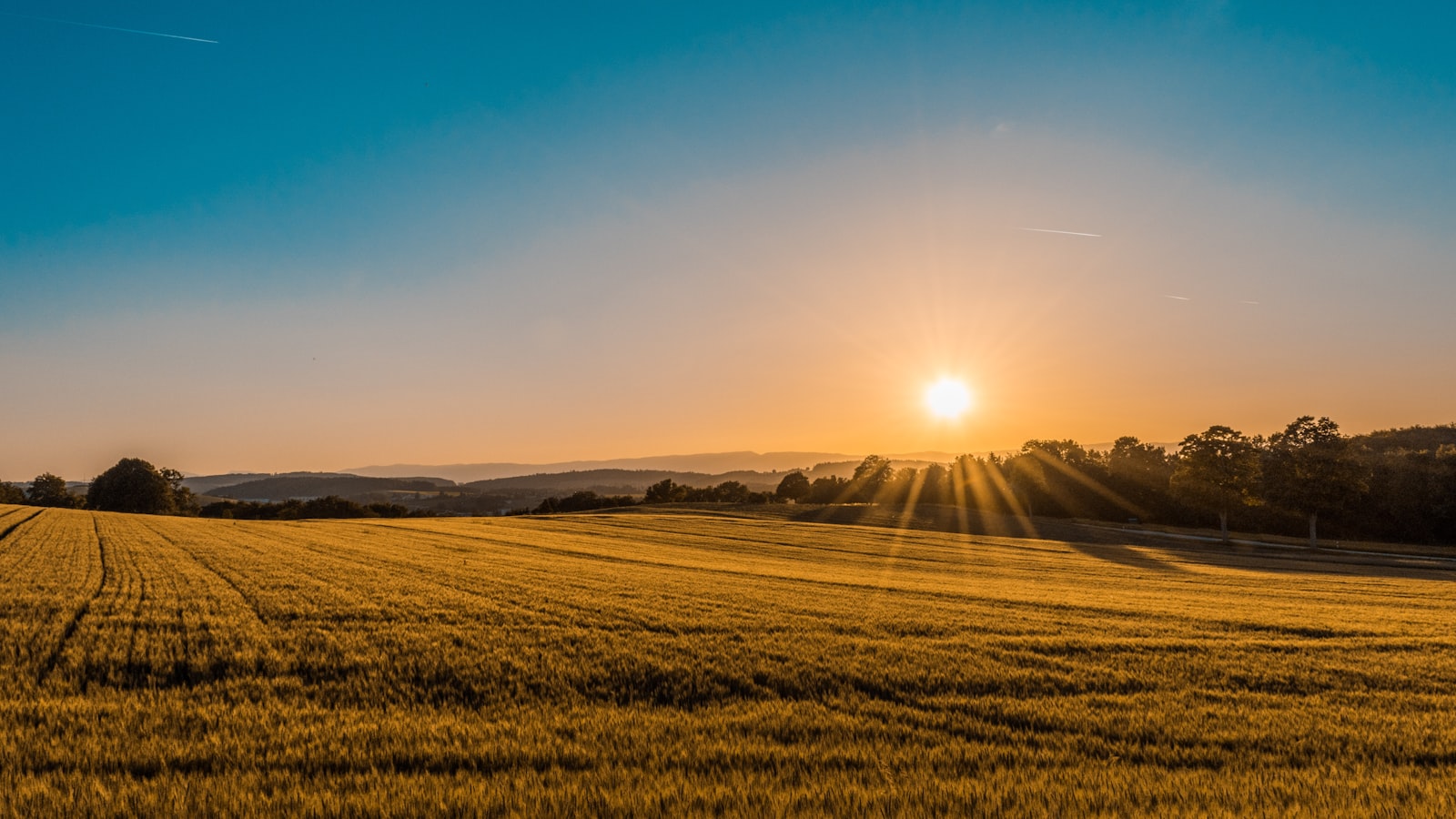
Best Time to See Cherry Blossoms in China 2026
Best Time to See Cherry Blossoms in China: 2026 guide covers current prices, transport, payment apps, and what foreign visitors need to know.
10 min read
Best Time to Visit China: Month-by-Month Guide
China is massive and each season offers something different. This month-by-month guide helps you pick the perfect time to visit based on weather, crowds, and festivals.
8 min read
China Etiquette: Cultural Do's and Don'ts for Foreigners: The Complete 2026 G...
China has unique social customs that can confuse first-time visitors. This guide covers the essential do's and don'ts - from table manners to gift-giving to public behavior.
9 min read
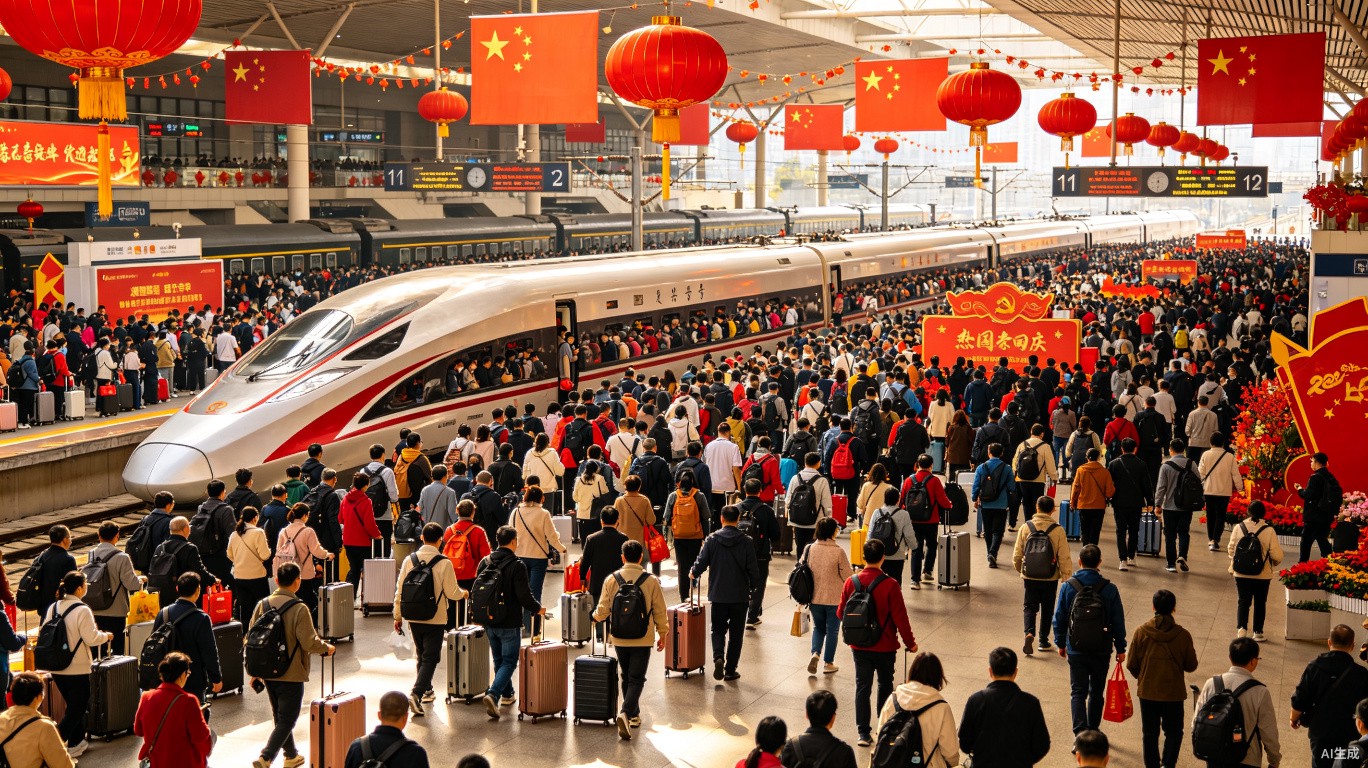
China Golden Week Travel Survival Guide
How to survive China's National Day Golden Week (October 1-7) - what to avoid, where to go, and how to beat the crowds.
9 min read
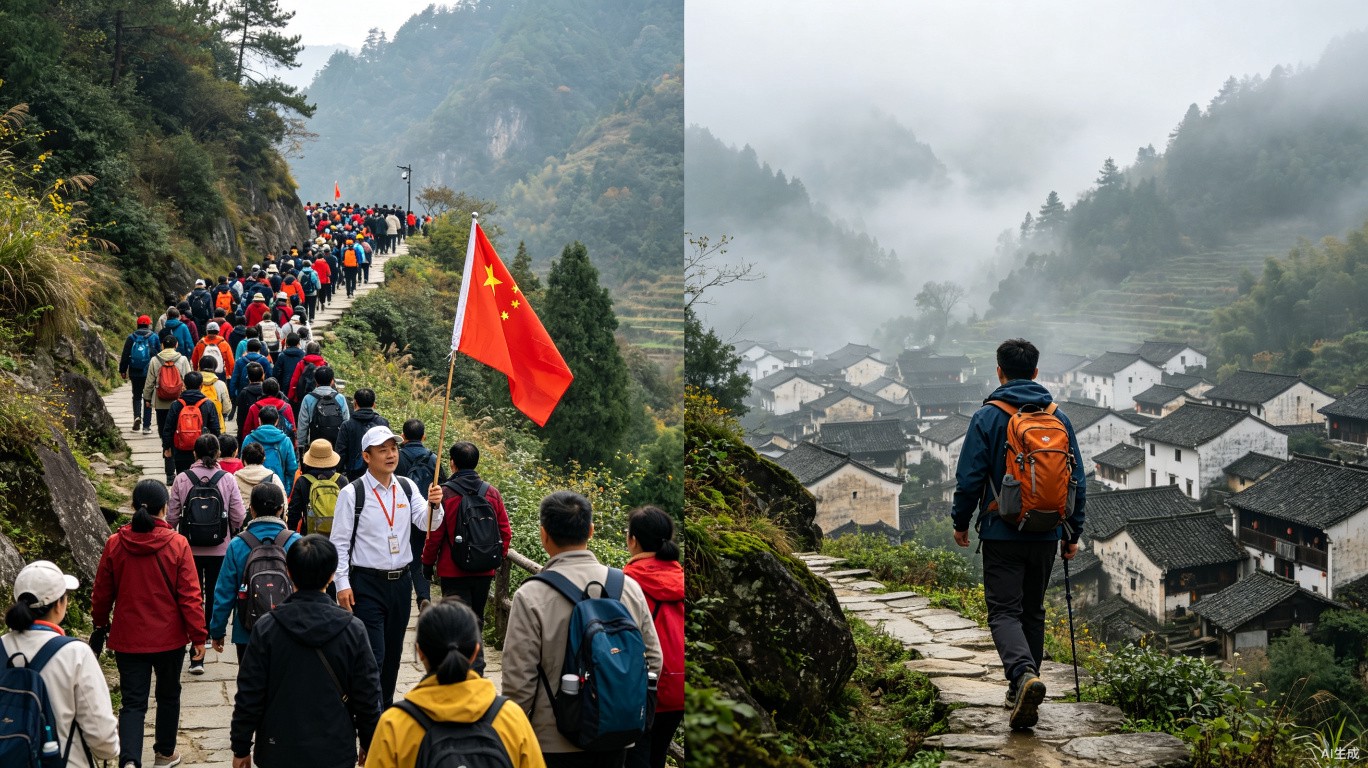
China Group Tours vs Independent Travel Which is Better
Should you join a guided tour or travel independently in China? Honest comparison of cost, flexibility, and experience.
7 min read
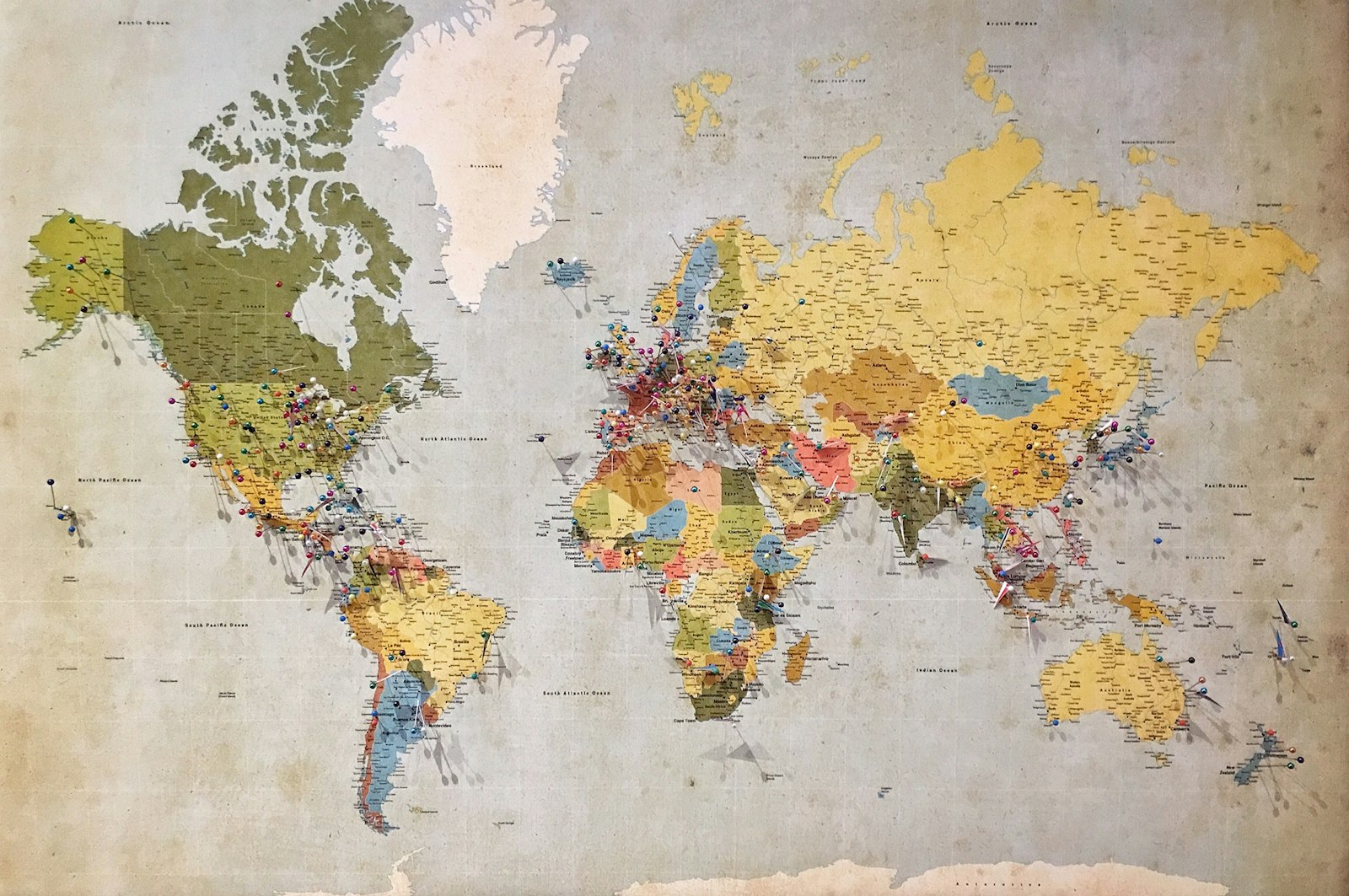
China Itinerary Planning: 7-Day 14-Day and 21-Day Routes: The Complete 2026 G...
Not sure how many days to spend in China? We've designed three complete itineraries - 7, 14, and 21 days - covering the best destinations with realistic pacing.
9 min read