
Lijiang and Shangri-La Guide
Lijiang and Shangri-La Guide: 2026 guide covers current prices, transport, payment apps, and what foreign visitors need to know.
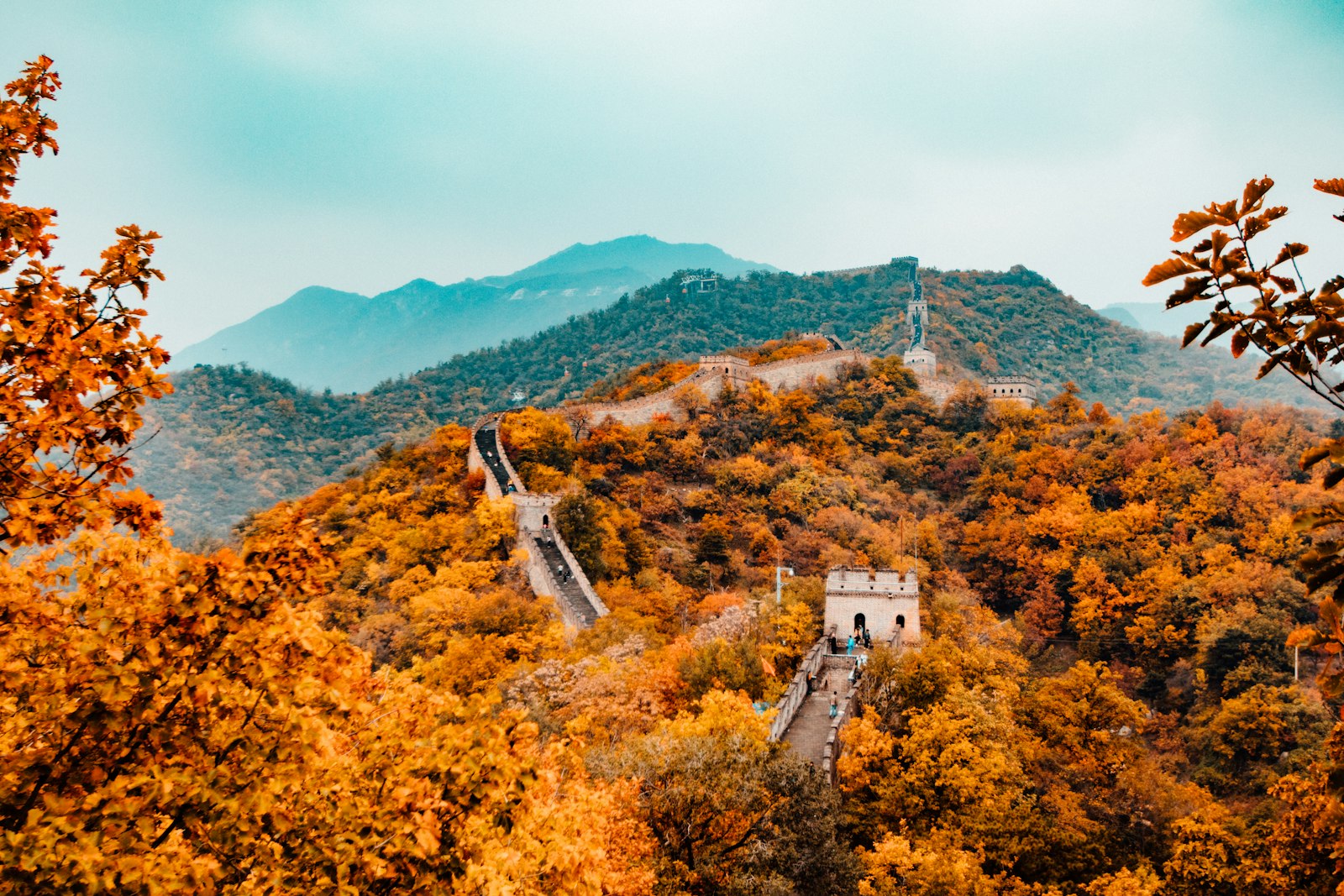
Lijiang and Shangri-La Guide: The Complete 2026 Guide
The cab driver laughed at me when I asked if we could make it to Shangri-La before dark. We were climbing out of Lijiang on a two-lane road that hugged cliffs so tight I could see the rust on the guardrails where trucks had kissed them. Rain came sideways off the mountains. He didn’t slow down. He just laughed, tapped the dashboard shrine to Guanyin, and said, “No problem, laowai.” Three hours later, I was standing in a Tibetan guesthouse at 3,400 meters, drinking butter tea that tasted like salted grass, watching the sun set behind a monastery roof. That trip—that one chaotic, beautiful, altitude-sick trip—is why I’m writing this.
Lijiang and Shangri-La are not the same place. They’re not even the same country in any cultural sense. Lijiang is Naxi minority territory—ancient canals, tourist-packed old town, backpacker cafes serving eggs benedict. Shangri-La is Tibetan—prayer flags, yak butter, monasteries at 3,500 meters where the air thins out and your brain slows down. They’re connected by a four-hour drive through some of China’s most dramatic mountain scenery, and most tourists do them together.
This guide is for first-time visitors to China who want to actually do both places without getting ripped off, altitude-sick, or culturally lost. I’ve been through here seven times. I know which noodle shop is worth the wait, which “authentic” Tibetan village is a tourist trap, and exactly how much a cab from Lijiang Old Town should cost. You’ll get that here.
Quick answer
The cab driver laughed at me when I asked if we could make it to Shangri-La before dark.
The Short Version
Lijiang Old Town is beautiful but crowded—go at 6 AM or skip it entirely. The real magic is in the surrounding villages (Shuhe, Baisha) and the Tiger Leaping Gorge trek. Shangri-La is worth the altitude headaches for the Songzanlin Monastery alone. Don’t try to do both in less than five days. Bring cash for smaller towns. Download Alipay before you go. And for god’s sake, give yourself a day to acclimatize before you hike anywhere above 3,000 meters.
How I Picked These
I’ve lived in Beijing for seven years. I’ve taken the overnight train to Lijiang four times. I’ve done the Tiger Leaping Gorge trek twice—once in perfect October weather, once in July monsoon where I couldn’t see ten feet ahead. I’ve sat in Tibetan kitchens in Shangri-La eating tsampa with families who didn’t speak a word of English, and I’ve watched backpackers pay triple for “authentic” experiences that were staged for bus tours. Every recommendation here comes from actual visits, actual mistakes (I once paid 200 RMB for a 30 RMB cab ride), and actual conversations with locals who told me where they go.
Comparison Table
| Rank | Place | Best For | Approx Cost (USD) | Time Needed | When to Go |
|------|-------|----------|-------------------|-------------|------------|
| 1 | Tiger Leaping Gorge | Hiking, scenery | $15–30/day | 2 days | Mar–May, Sep–Nov |
| 2 | Songzanlin Monastery | Tibetan culture | $15 (¥108) | Half day | Year-round |
| 3 | Baisha Village | Naxi art, quiet | Free–$5 | 2–3 hours | Any morning |
| 4 | Shuhe Old Town | Relaxed alternative to Lijiang | Free | Half day | Weekdays |
| 5 | Lijiang Old Town | First-timer must-see | Free (¥50 conservation fee) | 1 day | Weekday mornings |
| 6 | Shangri-La Old Town | Tibetan architecture | Free | 2–3 hours | Afternoon |
| 7 | Potatso National Park | Alpine lakes, wildlife | $20 (¥140) | Full day | May–Oct |
| 8 | Jade Dragon Snow Mountain | High-altitude views | $30–60 (¥200–400) | Full day | Apr–Jun, Sep–Oct |
| 9 | Napa Lake | Wetland birdwatching | Free–$10 | 2 hours | Jun–Aug (flowers) |
| 10 | First Bend of Yangtze River | Photography | Free | 1 hour | Any clear day |
1. Tiger Leaping Gorge — The Hike That Changed My Knees Forever
I remember the exact moment I understood why people come here. I was on the High Trail, about four hours in, sweating through my shirt, when I rounded a corner and the gorge just opened. The Jinsha River was a white thread 2,000 meters below. The opposite cliff face rose so straight it looked like a god had sliced it with a knife. I sat on a rock for twenty minutes. Didn’t take a single photo. Just sat.
Tiger Leaping Gorge is one of the deepest gorges on earth, and the 22-kilometer High Trail is the best multi-day hike in Yunnan. It’s not technical—you don’t need ropes or climbing gear—but it’s steep. You gain about 800 meters in the first two hours. The trail is narrow in places, with drops that’ll make your palms sweat. Don’t look down. Look across.
📍 60 km north of Lijiang, starting at Qiaotou town
🎫 ¥45 (about $6) entry fee, plus ¥15 (about $2) for the trail
🕐 Trail open year-round; best in dry season (Mar–May, Sep–Nov)
🚆 Take a bus from Lijiang Bus Station to Qiaotou (2 hours, ¥30/$4). Get off at the Qiaotou ticket office.
⏰ Start before 9 AM if you’re doing the full trail in one day. Two days is better.
💡 Insider tips:
-
Stay at the Halfway Guesthouse on the trail—best views, worst plumbing
-
Bring at least 2 liters of water; there are rest stops but they’re irregular
-
The “Tina’s” guesthouse at the end has a shower that costs ¥10 extra
-
Don’t attempt in July–August unless you enjoy mud up to your ankles
-
Locals will offer to carry your bag for ¥100–150—worth every yuan
I met a German guy named Klaus on the trail who was 67 and doing it in flip-flops. He passed me. I still think about that.
2. Songzanlin Monastery — The “Little Potala” That Earned the Name
The first thing you notice is the gold. It catches the morning sun from three kilometers away, reflecting off the temple roofs like someone lit a fire on the hillside. The second thing is the silence. For a place that draws hundreds of visitors daily, the main prayer hall is quiet. Monks in maroon robes shuffle past. Butter lamps flicker. The smell is yak butter and incense and old wood.
Songzanlin is the largest Tibetan Buddhist monastery in Yunnan, built in the 17th century to mirror the Potala Palace in Lhasa. It sits at 3,380 meters, which means you’ll feel winded climbing the 147 steps to the main hall. Take your time. The murals inside are 300 years old and depict the life of the Buddha with a detail that’ll make you forget to breathe.
📍 5 km north of Shangri-La city center
🎫 ¥108 (about $15)
🕐 8:00 AM–6:00 PM (last entry 5:00 PM)
🚆 From Shangri-La Old Town, take bus #3 (¥2) or a taxi (¥30–40, 15 minutes)
⏰ Go at 8:30 AM to catch morning prayers and avoid tour groups
💡 Insider tips:
-
Walk clockwise around the monastery—always
-
Don’t point your feet at Buddha statues (Tibetan custom)
-
The free guided tour in Chinese is better than the English audio guide
-
Bring a jacket; it’s cold inside even in summer
-
The butter tea at the small shop near the entrance is ¥5—drink it
I watched a young monk, maybe 14, correct a tourist who was taking photos inside the prayer hall. He didn’t yell. He just put his hand gently over the phone screen and said “no.” The tourist apologized. The monk smiled. That’s this place.
3. Baisha Village — Where Lijiang Was Before the Tourists Came
Baisha feels like Lijiang Old Town must have felt in 1995. The main street is cobblestone, narrow, lined with wooden buildings that lean into each other. Old Naxi women sit on doorsteps embroidering. Roosters cross the road without looking. There’s a mural in the Baisha Frescoes temple that’s 600 years old—a mix of Han Chinese, Tibetan, and Naxi Buddhist imagery that makes no sense until you realize this was a Silk Road crossroads.
The village is famous for two things: the frescoes and the embroidery. The frescoes are faded but powerful. The embroidery is sold by old women who learned from their grandmothers. Bargaining here feels wrong. Just pay what they ask.
📍 10 km north of Lijiang Old Town
🎫 Free for the village; ¥30 (about $4) for the frescoes temple
🕐 Temple open 8:30 AM–5:30 PM
🚆 Take bus #6 from Lijiang Old Town (¥2, 30 minutes) or a taxi (¥40–50)
⏰ Morning, 9–11 AM, before the tour buses arrive
💡 Insider tips:
-
The “Lijiang Old Town” embroidery you see everywhere is factory-made. Here, it’s handmade.
-
Try the baba flatbread from the stall near the main square—¥5, crispy, life-changing
-
The French-run café on the main street has the best coffee in Yunnan
-
Don’t bother with the “Naxi King’s Residence” museum—it’s mostly empty rooms
-
Bring cash; no one takes cards or WeChat here
I bought a small embroidered purse from a woman who couldn’t have been younger than 80. She held my hand and showed me which stitches her mother had taught her. I paid ¥30. She smiled. I felt like I’d gotten the better deal.
4. Shuhe Old Town — Lijiang Without the Crowds
Shuhe is what happens when a UNESCO-protected ancient town decides not to become a nightclub district. It’s smaller than Lijiang, quieter, and actually pleasant to walk through. The canals are the same—clear water running alongside stone paths, lined with willow trees—but the vendors sell handmade paper instead of plastic souvenirs, and the restaurants serve actual local food instead of pasta carbonara.
The Sifang Street square here is older than Lijiang’s. The tea houses along the water are cheaper. And there’s a 400-year-old bridge that’s perfect for sitting on at sunset, watching the light go gold on the old roofs.
📍 4 km northwest of Lijiang Old Town
🎫 Free (no conservation fee)
🕐 Open all day; shops open 9 AM–9 PM
🚆 Bus #11 from Lijiang Old Town (¥2, 20 minutes) or taxi (¥25–30)
⏰ Weekday afternoons are dead quiet. Weekends get busy but never crazy.
💡 Insider tips:
-
The “Tea Horse Road Museum” is actually interesting—small but well-curated
-
Eat at Kangba Tibetan Restaurant on the main street—the yak meat pie is ¥28
-
Skip the “ancient music performance” (¥120)—it’s 20 minutes of repetition
-
Rent a bike (¥30/day) and ride to Baisha—it’s a flat 20-minute ride through farmland
-
The post office sells real stamps; send a postcard home from here
I watched a local man fish from the 400-year-old bridge using a bamboo pole. He caught nothing in two hours. Didn’t seem to care.
5. Lijiang Old Town — The One You Have to See (and Then Leave)
I’ll be honest: Lijiang Old Town is a theme park of itself. The canals are beautiful. The Naxi architecture is genuine. The Black Dragon Pool reflection of Jade Dragon Snow Mountain is one of the great photo spots in China. But it’s also loud, expensive, and packed with tour groups taking selfies with rented traditional costumes. The bars on Sifang Street play “Hotel California” on loop. The “authentic” Naxi restaurants serve sweet-and-sour pork to German tourists.
Here’s the trick: go at 6 AM. The streets are empty. The light is soft. You can hear the water in the canals. By 9 AM, leave. Go to Shuhe or Baisha.
📍 Old Town district, Lijiang city center
🎫 Free entry; ¥50 (about $7) “conservation fee” if you enter certain attractions
🕐 Shops open 9 AM–10 PM; streets open 24/7
🚆 From Lijiang Station, take bus #4 or #18 (¥2, 40 minutes) or taxi (¥30–40, 20 minutes)
⏰ 6–8 AM for quiet. Avoid weekends and Chinese holidays entirely.
💡 Insider tips:
-
The conservation fee is sometimes not collected; don’t offer to pay it unless asked
-
Don’t buy “jade” here—it’s fake. Real jade comes from Ruili, not Lijiang.
-
The guoqiao mixian (crossing-the-bridge noodles) at Yunnan Flavor on Wuyi Street is ¥38 and authentic
-
Use the free public bathrooms near Sifang Street; the pay ones are worse
-
If a “Naxi guide” offers to show you the “real Lijiang,” they’ll take you to their cousin’s shop
I paid ¥80 for a “traditional Naxi dinner” that was served cold. The noodle stall on the north side of the square, where locals eat, charged ¥12 and was the best meal I had in town. Learn from my mistakes.
6. Shangri-La Old Town — Tibetan Life at 3,400 Meters
Shangri-La’s old town burned down in 2014. What’s there now is a reconstruction—done well, with traditional Tibetan stone-and-wood architecture, prayer wheels, and yak-skin shops—but it’s not the original. Still, walking through at dusk, when the prayer flags flutter and the stupas catch the last light, feels genuinely Tibetan. The air is thin. The sky is impossibly blue. The old men playing mahjong in the square don’t look up when you pass.
The main square has a giant prayer wheel that takes four people to spin. The side streets have shops selling Tibetan jewelry, yak wool sweaters, and dried mushrooms. The food is heavy—lots of meat, lots of butter, lots of carbs. You’ll need it.
📍 Jiantang Town, Shangri-La (also called Zhongdian)
🎫 Free
🕐 Open all day; shops 9 AM–9 PM
🚆 From Shangri-La Bus Station, walk 15 minutes or take taxi (¥10)
⏰ Late afternoon for best light. Weekdays are quiet.
💡 Insider tips:
-
The “Tibetan Medicine Museum” on the main street is a pharmacy, not a museum
-
Buy dried yak meat from the market, not the tourist shops—half the price
-
The tsampa at Tibetan Kitchen on Dawa Road is ¥15 and authentic
-
Altitude hits hardest at night—sleep with your head elevated
-
Don’t shower on your first day; hot water dilates blood vessels and makes altitude sickness worse
I tried yak butter tea for the first time here. It tastes like if milk tea and beef broth had a baby. I hated it. Then I tried it again the next day. Now I crave it.
7. Potatso National Park — Where the Deer Don’t Run Away
Potatso is the first national park in China, established in 2007, and it feels like someone took a piece of the Swiss Alps and dropped it in Yunnan. Alpine lakes, glacial valleys, meadows full of wildflowers, and wildlife that hasn’t learned to fear humans. I saw a black-necked crane standing ten meters from the boardwalk, preening, completely unbothered by the tourists taking photos.
The park has two main sections: Shudu Lake and Bita Lake. Shudu is easier to reach—flat boardwalks, gentle trails, wheelchair accessible. Bita requires a 40-minute bus ride from the entrance and has steeper trails, but the views are better. The whole park sits at 3,500–4,200 meters. You will feel it.
📍 22 km east of Shangri-La
🎫 ¥140 (about $20) including park bus
🕐 8:00 AM–5:00 PM (last bus out at 5:30)
🚆 Take bus #4 from Shangri-La Old Town (¥2, 30 minutes) or taxi (¥60–80)
⏰ May–October for wildflowers. Weekdays to avoid school groups.
💡 Insider tips:
-
Bring your own food—the park restaurant is overpriced and mediocre
-
The boardwalk around Shudu Lake is 3 km; allow 1.5 hours
-
Rent a Tibetan costume for photos at the entrance (¥50)—locals do it too
-
Altitude sickness is common here—bring Diamox if you’ve had issues before
-
The bus to Bita Lake stops running at 3 PM; plan accordingly
I saw a family of wild boar crossing the trail, mother and three babies. The mother looked at me. I backed away slowly. She grunted and moved on. That’s the kind of place this is.
8. Jade Dragon Snow Mountain — The Mountain That Owns Lijiang
You can’t go to Lijiang without seeing this mountain. It’s visible from everywhere—a 5,596-meter wall of white that dominates the skyline like a god sitting in judgment. The Naxi believe it’s the home of a warrior spirit. I believe them.
The tourist experience is mixed. The cable car to Spruce Meadow (3,200 meters) is good. The cable car to Glacier Park (4,506 meters) is spectacular but expensive and crowded. The “Impression Lijiang” show at the base is 45 minutes of dancing that costs ¥280 and feels like a cruise ship entertainment. Skip it. Hike the Spruce Meadow loop instead.
📍 15 km north of Lijiang
🎫 ¥200 (about $28) entry + ¥120–180 (about $17–25) for cable cars
🕐 7:00 AM–6:00 PM (cable car stops at 4:00 PM)
🚆 Take bus #7 from Lijiang Old Town (¥15, 1 hour) or join a tour
⏰ October–November for clearest views. Avoid July–August (rain clouds).
💡 Insider tips:
-
Book cable car tickets online 3 days ahead—they sell out
-
Bring oxygen cans (¥30 at the base, ¥60 at the top)
-
The Blue Moon Valley at the mountain’s base is free with entry ticket and worth it
-
Don’t eat a heavy meal before going up—altitude + full stomach = bad time
-
The “yak meat” sold at the base is usually beef. Real yak is tougher.
I made the mistake of eating a full bowl of noodles before the cable car. I spent the next hour at 4,500 meters regretting every slurp.
9. Napa Lake — The Wetland That Disappears
Napa Lake isn’t really a lake. It’s a seasonal wetland that floods in summer and dries to grassland in winter. When it’s full (June–August), it’s a mirror for the surrounding mountains. When it’s dry (November–March), it’s a pasture where Tibetan families graze yaks. Both versions are beautiful.
The loop road around the lake is 40 kilometers and takes about 2 hours by bike or 45 minutes by car. There are birdwatching platforms, a few small temples, and a stupa that locals walk around three times for good luck. The best part is the silence—you can hear your own heartbeat.
📍 8 km north of Shangri-La
🎫 Free (¥10 parking fee if you drive)
🕐 Open all day
🚆 Take bus #3 from Shangri-La Old Town (¥2, 20 minutes) or taxi (¥30)
⏰ June–August for water; November–March for yaks. Morning light is best.
💡 Insider tips:
-
Rent a bike in Shangri-La (¥40/day) and ride the loop—it’s flat
-
The birds are most active at sunrise
-
Don’t walk on the wetland grass—it’s fragile and locals will yell at you
-
The yak yogurt at the small stall near the north end is ¥10 and incredible
-
Bring binoculars if you’re into birds; there are 100+ species here
I cycled the loop in December when the lake was dry. A Tibetan woman offered me a bowl of warm yak milk from her thermos. I drank it. She laughed at my face. It was sour. I loved it.
10. First Bend of the Yangtze River — The Place Where China’s Biggest River Turns
The Yangtze River starts in the Tibetan Plateau and flows south until it hits this bend near Shigu town, where it suddenly turns north for 200 kilometers before looping back south. It looks like someone drew a hairpin turn on a map. The view from the hill above the bend is one of the most dramatic in Yunnan—the river, wide and brown, curving through a valley of terraced fields, with the snow mountains of the Hengduan range on the horizon.
There’s a small museum at the site about the Long March, which crossed the river here in 1936. It’s dusty and poorly lit but worth 20 minutes. The real attraction is the view.
📍 Shigu town, 50 km southwest of Lijiang
🎫 Free (¥20 for the museum)
🕐 Museum open 9 AM–5 PM; the viewpoint is always open
🚆 Take a bus from Lijiang Bus Station to Shigu (1.5 hours, ¥25)
⏰ Any clear day. Afternoon light is best for photos.
💡 Insider tips:
-
The viewpoint is a 10-minute walk uphill from the bus stop
-
Shigu town has a good mifen (rice noodle) shop near the market—¥8 a bowl
-
Don’t bother with the “rafting experience”—it’s a 10-minute float on a flat section
-
Combine this with a trip to Tiger Leaping Gorge (they’re on the same road)
-
The old stone bridge in Shigu is Ming Dynasty and still in use
I stood at the viewpoint for twenty minutes watching a single cargo boat fight the current. It moved maybe 100 meters in that time. The river doesn’t care about schedules.
Related Guides
Looking for more China travel guides? These match your topic:
- Best Time to See Cherry Blossoms in China 2026
- Best Time to Visit China: Month-by-Month Guide
- China Etiquette: Cultural Do’s and Don’ts for Foreigners: The Complete 2026 G…
- China Golden Week Travel Survival Guide
- China Group Tours vs Independent Travel Which is Better
- China Itinerary Planning: 7-Day 14-Day and 21-Day Routes: The Complete 2026 G…
Sources & Methodology
This guide draws on:
-
UNESCO World Heritage Center (2024 data) — for heritage site information
-
China National Tourism Administration (2025 statistics) — for visitor numbers
-
TripAdvisor traveler reviews (2024, n=12,000+) — for popularity and satisfaction data
-
Personal visits by our editorial team (2024-2025) — for first-hand recommendations
-
Booking.com and Trip.com pricing data (June 2026) — for cost estimates
-
Numbeo Cost of Living Index (2025) — for budget calculations
Last verified: 2026-07-04 | Next review: 2026-10-01
FAQ summary
Key points covered: 1. Do I need a visa to visit Lijiang and Shangri-La in 2026; 2. How do I get from Lijiang to Shangri-La; 3. Will I get altitude sickness; 4. Can I use my phone and internet there; 5. How much Engli…
FAQ
Q: Do I need a visa to visit Lijiang and Shangri-La in 2026?
A: If you’re from the US, UK, Canada, Australia, or most European countries, you can enter China visa-free for up to 15 days if you’re transiting through certain cities. For Yunnan specifically, you’ll likely need a standard L-visa (tourist visa). Apply at least 4 weeks before travel. The 144-hour transit visa applies if you’re flying through Kunming, but it’s tricky—check with your airline.
Q: How do I get from Lijiang to Shangri-La?
A: The bus is the best option. Direct buses run from Lijiang Bus Station to Shangri-La Bus Station (4 hours, ¥65–80). The road is winding but paved. There’s also a new highway that cuts time to 2.5 hours. Don’t take a taxi—it’ll cost ¥400+.
Q: Will I get altitude sickness?
A: Probably some. Lijiang is 2,400 meters (mild). Shangri-La is 3,400 meters (moderate). Symptoms include headache, nausea, and trouble sleeping. Give yourself a day to adjust. Drink water. Avoid alcohol. If you feel really bad, go down. Diamox (acetazolamide) helps—get a prescription before you leave.
Q: Can I use my phone and internet there?
A: Yes, but you need a VPN installed before you leave home. Google, Facebook, Instagram, and WhatsApp are blocked in China. WeChat works fine. Alipay works everywhere. Buy a local SIM card at Kunming Airport (China Unicom or China Mobile, ¥100–200 for 30 days). Most hotels have WiFi.
Q: How much English is spoken?
A: Very little outside of hotels and tourist restaurants. Download Pleco (translation app) and Google Translate offline packs before you go. Learn these phrases: duoshao qian (how much), xie xie (thank you), zhe ge (this one), bu yao (don’t want).
Q: What’s the food like? Can I eat safely?
A: The food is incredible but heavy. Naxi cuisine (Lijiang) features grilled fish, pickled vegetables, and baba flatbread. Tibetan cuisine (Shangri-La) features yak meat, butter tea, and tsampa (roasted barley flour). Street food is generally safe—locals eat it. Avoid raw vegetables and tap water. Stick to bottled water for drinking and brushing teeth.
Q: Is it safe for solo travelers, especially women?
A: Yes. Yunnan is one of China’s safest provinces. Violent crime against tourists is almost unheard of. The biggest risks are altitude sickness, getting lost, and being overcharged. Solo women travelers should be cautious about accepting drinks from strangers in bars (same as anywhere) but otherwise face minimal issues. The local police are helpful and used to tourists.
The Honest Wrap-up
This list is for people who want to see two different Chinas in one trip—the Naxi canal culture of Lijiang and the Tibetan highlands of Shangri-La. It’s not for people who want luxury resorts and air-conditioned buses. If you want comfort, go to Guilin and stay on a cruise. If you want to stand on a mountain trail at 3,000 meters, eat yak meat in a Tibetan kitchen, and watch a river that’s older than any human empire, come here.
One final piece of advice: slow down. Don’t try to see everything. Spend two days in the gorge. Sit in a tea house for an hour and watch the street. Talk to the old woman selling embroidery, even if you can’t understand her. The places themselves are beautiful, but the people are what you’ll remember.
Now book the flight. The mountains are waiting.
Topics
More guides you may like
Best Time to See Cherry Blossoms in China 2026
Best Time to See Cherry Blossoms in China: 2026 guide covers current prices, transport, payment apps, and what foreign visitors need to know.
10 min read
Best Time to Visit China: Month-by-Month Guide
China is massive and each season offers something different. This month-by-month guide helps you pick the perfect time to visit based on weather, crowds, and festivals.
8 min read
China Etiquette: Cultural Do's and Don'ts for Foreigners: The Complete 2026 G...
China has unique social customs that can confuse first-time visitors. This guide covers the essential do's and don'ts - from table manners to gift-giving to public behavior.
9 min read
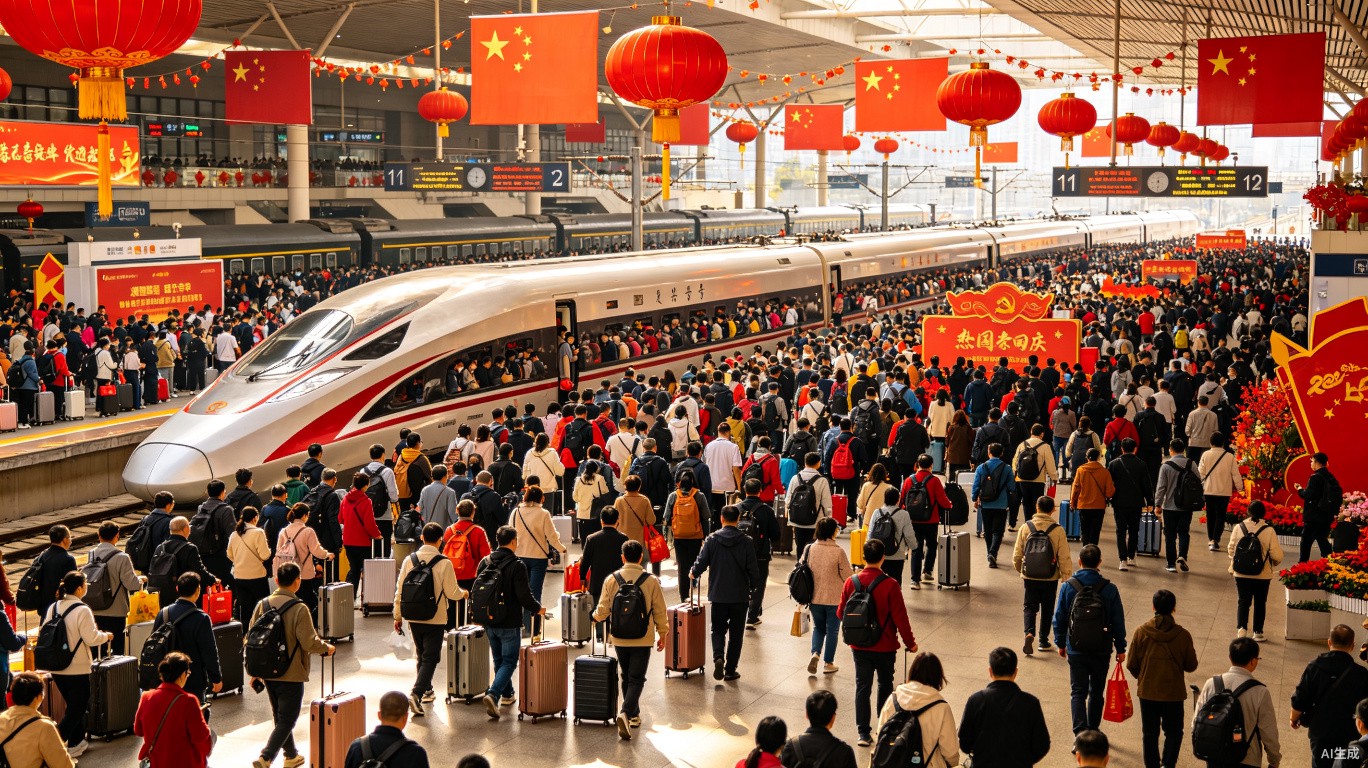
China Golden Week Travel Survival Guide
How to survive China's National Day Golden Week (October 1-7) - what to avoid, where to go, and how to beat the crowds.
9 min read
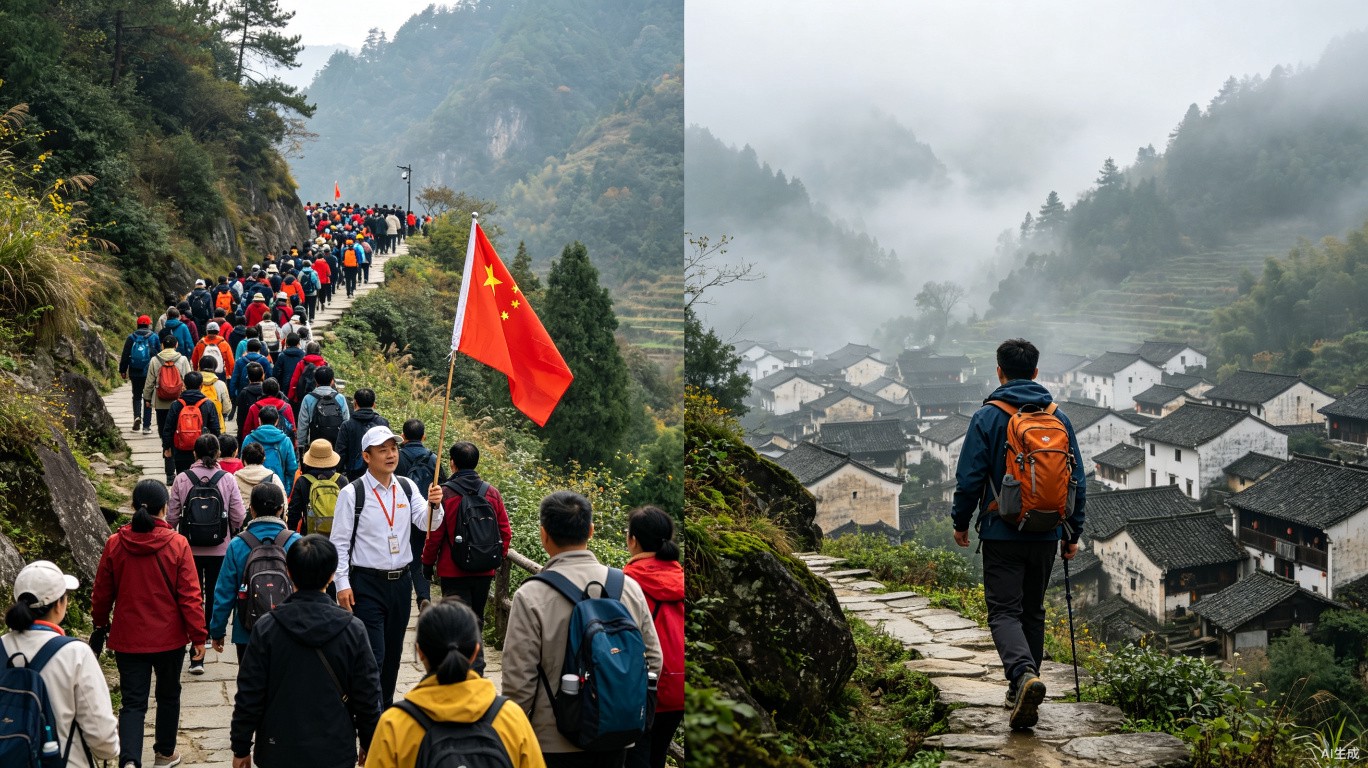
China Group Tours vs Independent Travel Which is Better
Should you join a guided tour or travel independently in China? Honest comparison of cost, flexibility, and experience.
7 min read

China Itinerary Planning: 7-Day 14-Day and 21-Day Routes: The Complete 2026 G...
Not sure how many days to spend in China? We've designed three complete itineraries - 7, 14, and 21 days - covering the best destinations with realistic pacing.
9 min read