
Sichuan Province Travel Guide
Sichuan Province Travel Guide: 2026 guide covers current prices, transport, payment apps, and what foreign visitors need to know.
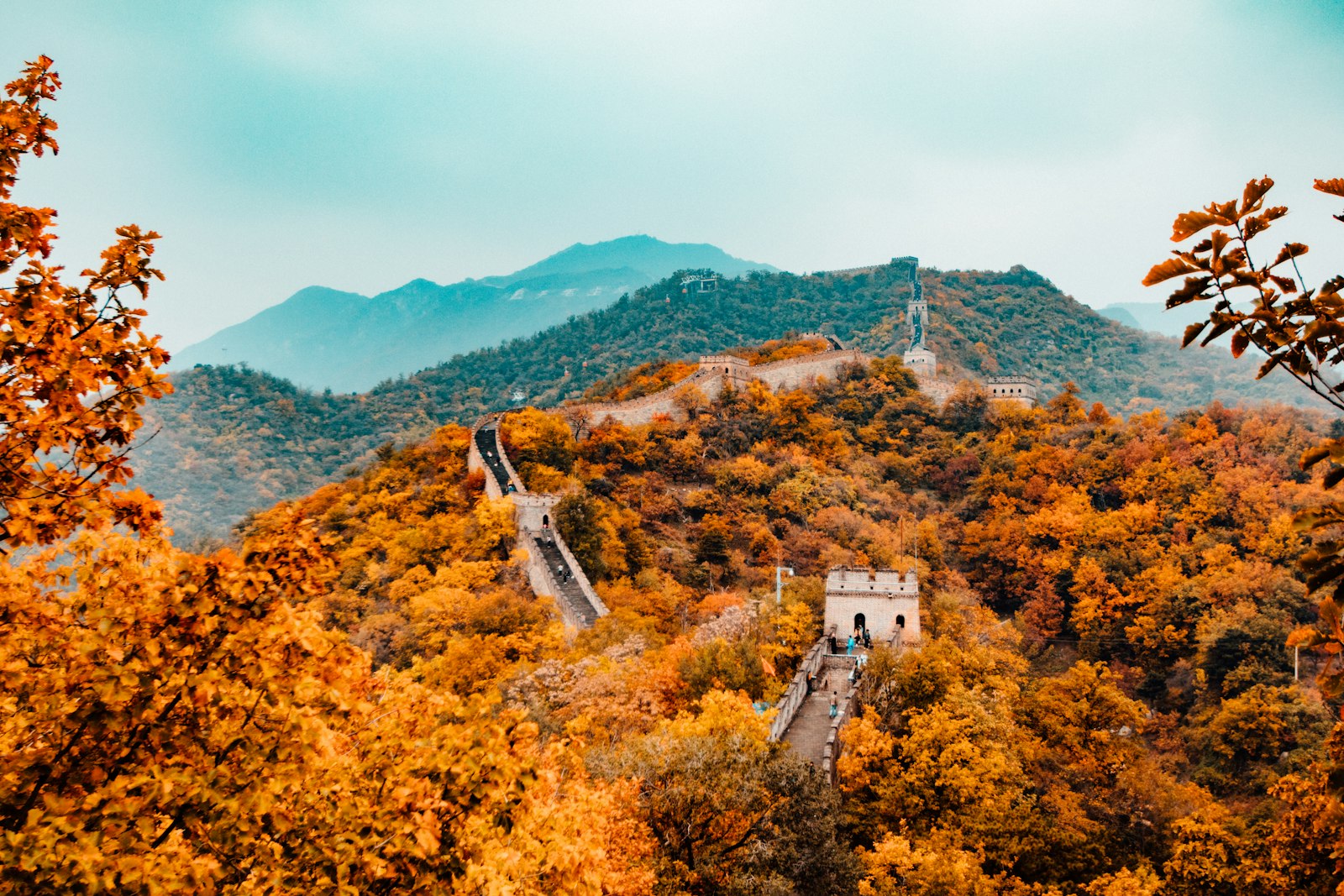
Sichuan Province Travel Guide: The Complete 2026 Guide
The cab driver laughed at me when I asked if we could make it to Wolong before dark. It was already 3 PM, and I’d just landed at Chengdu Shuangliu, clutching a paper map like it was 2005. “Mei wenti,” he said—no problem—then spent the next three hours dodging trucks on mountain roads while fog rolled down the valleys like slow-motion waterfalls. I watched the rain come sideways off the hills for twenty minutes near Yingxiu, and somewhere between the fourth tunnel and a roadside stall selling skewered rabbit heads, I realized: Sichuan doesn’t show you its best side right away. It makes you work for it.
That’s the thing about this province. It’s not just pandas and spicy food—though both are genuinely world-class. It’s the 4,000-year-old irrigation system that still waters a million farms. It’s the Tibetan plateau where monks share yak butter tea with Han Chinese pilgrims. It’s the foggy basin cities where people play mahjong on the sidewalk at 10 AM on a Tuesday. For first-time visitors to China, Sichuan is the sweet spot: accessible enough that you won’t lose your mind, foreign enough that you’ll feel like you’ve actually traveled somewhere.
This guide covers ten places I’ve visited multiple times between 2019 and 2025. I’ve gotten lost at most of them, paid too much at a few, and found one or two that most guidebooks skip. By the end, you’ll know exactly where to go, when to show up, and what mistakes to avoid.
Quick answer
The cab driver laughed at me when I asked if we could make it to Wolong before dark. It was already 3 PM, and I’d just landed at Chengdu Shuangliu, clutching a paper map like it was 2005.
The Short Version
Skip the packaged tours. Base yourself in Chengdu for 3 days, then pick one direction: west to the Tibetan highlands (Kangding, Litang) or south to the bamboo sea and ancient towns (Leshan, Yibin). Don’t try to do both in one trip. The panda base is worth it if you arrive before 8 AM. The food is genuinely spicy—la means “numbing” as much as “hot”—and you will sweat. Bring cash for street stalls; WeChat Pay covers everything else.
How I Picked These
Over seven years of living in Beijing, I’ve made about fifteen trips to Sichuan. Some were solo, some with Chinese friends who grew up in Chengdu, one was a disaster involving a broken-down bus at 4,000 meters. I interviewed hostel owners in Kangding, a tea farmer in Emeishan, and a retired history teacher at the Dujiangyan irrigation system who spoke no English but spent twenty minutes drawing diagrams in my notebook. Every entry here is a place I’ve stood in, paid for, and eaten near. The prices are from late 2025; expect small changes.
Quick Comparison Table
| Rank | Place | Best For | Approx Cost (USD) | Time Needed | When to Go |
|------|-------|----------|-------------------|-------------|------------|
| 1 | Chengdu | Food, pandas, urban energy | $30-50/day | 3-4 days | Mar-May, Sep-Nov |
| 2 | Jiuzhaigou | Turquoise lakes, waterfalls | $45 entry + $15 bus | 2 days | Oct (peak color) |
| 3 | Leshan Giant Buddha | Massive stone sculpture | $12 entry | 4-6 hours | Weekdays, early morning |
| 4 | Mount Emei | Buddhist mountain, sunrise | $25 entry | 2-3 days | Apr-Jun, Sep-Oct |
| 5 | Dujiangyan | Ancient irrigation, easy day trip | $12 entry | 4-5 hours | Any season |
| 6 | Kangding | Tibetan culture, gateway to highlands | $20-30/day | 2-3 days | Jun-Sep |
| 7 | Wolong Panda Base | Less crowded panda viewing | $20 entry | 3-4 hours | Weekdays, 8-10 AM |
| 8 | Yibin Bamboo Sea | Bamboo forests, quiet hiking | $15 entry | 1-2 days | May-Oct |
| 9 | Huanglong | Travertine pools, high altitude | $25 entry | 4-6 hours | Jun-Oct |
| 10 | Langzhong Ancient Town | Ming/Qing architecture, no crowds | $10 entry | 1-2 days | Apr, Oct |
1. Chengdu — The City That Eats Dinner at 9 PM
I walked into a mala tang shop near Kuanzhai Alley at 8:30 PM on a Tuesday, thinking I’d beat the crowd. The place was packed. A woman in her sixties gestured at me to sit at her table, pushed a bowl of pickled vegetables toward me, and went back to her phone. Nobody spoke English. I ordered by pointing at what the guy next to me was eating. It was beef tripe in a broth so oily and numbing that my lips went dead for twenty minutes. I loved every second.
Chengdu is the kind of city where you can spend a week and barely scratch the surface. The food scene alone is worth the flight—mapo tofu here is not the bland version you’ve had abroad, it’s a volcanic bowl of silken tofu swimming in chili oil and Sichuan peppercorns. The pandas at the Chengdu Research Base are cute, sure, but the real magic is in the neighborhoods: the teahouses along Jinli Street where old men play er ren zhuan (Sichuan opera duets), the back alleys near Tongzilin where Korean BBQ joints sit next to traditional noodle shops.
📍 Location: Chengdu city proper; Jinjiang District for central access, Wuhou District for temple proximity
🎫 Panda Base entry: $10 (¥70); Jinli Ancient Street: free; Wuhou Temple: $8 (¥60)
🕐 Opening hours: Panda Base 7:30 AM–5 PM (arrive before 8 AM); most temples 8 AM–6 PM
🚆 Getting there: High-speed rail from Xi’an (3.5 hours), Chongqing (1.5 hours), Beijing (7.5 hours). Metro from Chengdu East Station (Line 7 to Line 3, Panda Avenue Station, Exit B)
⏰ When to visit: March–May or September–November. Summer is humid and rainy; winter is gray but not cold
💡 Insider tips:
-
Skip the hotpot chains (Haidilao, etc.) and find a street-level huoguo place with plastic stools
-
The “tourist” Kuanzhai Alley is actually worth walking through at 7 AM before the crowds
-
Get a Chengdu Transit Card on Apple Wallet or Alipay — it works on metro and buses
-
English signage is decent in central areas; outside those, use Pleco or Google Translate
-
You’ll need a VPN for Google services; WeChat and Alipay work fine without one
I met a university student named Xiao Wei at a chuan chuan stall who spent twenty minutes teaching me the difference between mala and xiangla while we ate skewers of quail eggs and lotus root. She paid for my second round before I could stop her.
2. Jiuzhaigou Valley — The Place That Looks Photoshopped
The first time I saw Five Flower Lake, I checked my phone to see if someone had messed with the saturation. The water was turquoise, teal, and electric blue all at once, with fallen tree trunks visible fifteen feet down. A French tourist next to me kept saying “C’est pas réel” over and over. I get it. Jiuzhaigou looks like a screensaver come to life, but it’s real—and it’s fragile.
This valley survived a 2017 earthquake that closed parts of it for years. The boardwalks are newer now, and some of the original waterfalls collapsed, but what remains is still one of the most beautiful places I’ve seen in China. The park runs a bus system that drops you at different scenic points; the trick is to walk between them rather than ride. The section between Mirror Lake and Pearl Shoal Waterfall is a 2-kilometer boardwalk through forest that most tourists skip because they’re in a hurry to see the “main” spots.
📍 Location: Jiuzhaigou County, Aba Tibetan and Qiang Autonomous Prefecture (430 km north of Chengdu)
🎫 Entry fee: $45 (¥320) including mandatory bus; separate ticket for second day at half price
🕐 Opening hours: 7:30 AM–5:30 PM (shorter in winter, 8:30 AM–4:30 PM)
🚆 Getting there: New high-speed rail from Chengdu East to Huanglongjiuzhai Station (2 hours, $25/¥170). Station is 90 minutes from the park by shuttle bus ($5/¥35). Alternatively, fly into Jiuzhai Huanglong Airport (1 hour flight, $80-150/¥550-1050)
⏰ When to visit: October for autumn colors (peak is mid-October, book accommodation 2 months ahead). July-August is rainy. Winter is quiet but some boardwalks close
💡 Insider tips:
-
Bring your own food — the park restaurants are overpriced and mediocre
-
The bus drops most people at the top (Primeval Forest); go to the bottom (Mirror Lake) first and work up
-
Buy your ticket online via the official WeChat mini-program; the queue at the gate can be 45 minutes
-
Altitude is about 2,000-3,000m; most people are fine but take it easy the first day
-
The Tibetan village inside the park (Shuzheng) has actual residents — wave, don’t photograph without asking
I made the mistake of taking the bus to the highest point first like everyone else. By noon, I was in a crowd of 200 people trying to take selfies at the same waterfall. Go reverse.
3. Leshan Giant Buddha — Bigger Than You Think
You’ve seen photos. You think you understand the scale. You don’t. I stood at the foot of the Leshan Giant Buddha and craned my neck so far back that my hat fell off. The thing is 71 meters tall—about 20 stories—carved into a cliff face where three rivers meet. It took 90 years to build, starting in 713 AD. The toenails are big enough to sit on.
The site is more than just the Buddha. There’s a 9-story wooden walkway that spirals down the cliff beside the carving, letting you see it from every angle. The queue for this walkway can hit two hours on weekends. I went on a Tuesday in November and waited fifteen minutes. At the top, there’s a temple complex (Lingyun Temple) that most tourists rush past; it’s worth an hour for the views alone.
📍 Location: Leshan city, 140 km south of Chengdu
🎫 Entry fee: $12 (¥80); boat tour to see the Buddha from the river: $10 (¥70)
🕐 Opening hours: 7:30 AM–6:30 PM (April-October), 8 AM–5:30 PM (November-March)
🚆 Getting there: High-speed rail from Chengdu East to Leshan Station (1 hour, $10/¥70). Then bus 3 or K1 to the scenic area (30 minutes, $0.50/¥3)
⏰ When to visit: Weekdays only, arrive at 8 AM when gates open. November and March are perfect — no crowds, mild weather
💡 Insider tips:
-
The boat tour is worth it for the full-body view; skip the “VIP” boat, it’s the same route
-
Don’t climb down the walkway if you have knee problems — it’s 333 steep steps with no elevator
-
The food street outside the east gate has better and cheaper malatang than inside
-
English signage is minimal; download the Leshan scenic area app for audio guides
-
Combine with a half-day trip to Mount Emei if you have time
A shopkeeper near the east gate saw me sweating and handed me a bowl of liangfen (cold jelly noodles) without me asking. When I tried to pay, she waved me off and said something in Sichuan dialect that I think meant “you look like you need it.”
4. Mount Emei — The Pilgrim’s Mountain
I started climbing at 5 AM in the dark, following a string of headlamps up stone steps worn smooth by a thousand years of feet. By 6:30, I was above the clouds. The sunrise from Golden Summit hit the 48-meter bronze statue of Samantabhadra and turned it gold against a pink sky. A monk next to me rang a bell exactly once. Nobody spoke.
Mount Emei is one of China’s four sacred Buddhist mountains, and it feels sacred in a way that’s hard to fake. The trail from Baoguo Temple to Golden Summit is 50 kilometers of stone steps through bamboo groves, cloud forests, and monkey zones. You can take a bus and cable car to the top in 2 hours, but you’ll miss the point. The real experience is the three-day hike, staying in temple guesthouses along the way, eating vegetarian meals with monks.
📍 Location: Emeishan city, 160 km south of Chengdu
🎫 Entry fee: $25 (¥160); cable car one-way: $10 (¥65); bus to mid-mountain: $8 (¥50)
🕐 Opening hours: Gates open 6 AM–6 PM; temples close earlier
🚆 Getting there: High-speed rail from Chengdu East to Emeishan Station (1 hour, $10/¥70). Bus 12 to the scenic area entrance (20 minutes)
⏰ When to visit: April-June (flowers, mild weather) or September-October (clear skies, autumn colors). July-August is rainy and crowded with Chinese summer tourists
💡 Insider tips:
-
The monkeys are aggressive — don’t carry plastic bags or open food, they’ll grab it
-
Stay overnight at Jinding Temple on the summit ($20/¥140 for a basic room with shared bathroom); the sunset is better than the sunrise
-
The vegetarian meal at Baoguo Temple ($3/¥20) is simple but excellent
-
Bring layers; the summit is 3,099m and can be 15°C colder than the base
-
English is almost nonexistent once you leave the base; have Pleco ready with phrases like “how far to the next temple?”
I shared a room at Xixiangchi Temple with a Taiwanese pilgrim who was on his fourth visit. He told me he comes every year because “the mountain changes you a little each time.” I thought it was a line. Then I woke up at 4 AM to the sound of chanting and realized he might be right.
5. Dujiangyan — The 2,200-Year-Old Genius
The old history teacher drew a diagram in my notebook: a fish-shaped dam splitting a river into two channels, a “bottleneck” that controls flow, a spillway that removes sediment. He drew it with the confidence of someone who’d explained it a thousand times, then pointed at the actual river outside. The water was doing exactly what he’d drawn. It had been doing it since 256 BC.
Dujiangyan is the irrigation system that made Sichuan the “Land of Abundance.” It’s still in use today, watering 5,000 square kilometers of farmland without a single dam blocking the river. The engineering is so elegant that UNESCO called it “the oldest and only surviving non-dam irrigation system in the world.” The park around it is beautiful—bamboo groves, temple pavilions, suspension bridges over the rushing Min River—but the real draw is the sheer audacity of the thing.
📍 Location: Dujiangyan city, 60 km northwest of Chengdu
🎫 Entry fee: $12 (¥80); Anlan Suspension Bridge: included
🕐 Opening hours: 8 AM–6 PM
🚆 Getting there: High-speed rail from Chengdu Xi’pu Station to Dujiangyan Station (30 minutes, $5/¥35). Then bus 4 or walk 15 minutes east
⏰ When to visit: Any season. Spring has blooming flowers, autumn has clear views of the mountains behind. Weekdays are quiet
💡 Insider tips:
-
Hire a guide at the entrance ($15/¥100 for 2 hours); the engineering is fascinating but hard to understand without explanation
-
Walk across the Anlan Suspension Bridge when it’s less crowded (before 10 AM)
-
The “Fulong Temple” inside has a 3-ton statue of Li Bing, the engineer who built the system
-
Combine with a trip to Mount Qingcheng (Taoist mountain) on the same day
-
The food street outside the south gate has excellent zhacai (pickled vegetables) — buy a jar to take home
The history teacher’s name was Mr. Chen. He was 73 and had been giving informal tours for twenty years. He refused my money but accepted the pack of cigarettes I bought him. “This is my country’s greatest achievement,” he said. “I want to share it.”
6. Kangding — Where China Becomes Tibet
The air changes when you cross the Zheduo Pass at 4,300 meters. It gets thinner, colder, and somehow clearer. On the other side, the landscape shifts from green valleys to brown plateaus dotted with white stupas and prayer flags. Kangding sits at this threshold—half Han Chinese, half Tibetan, entirely its own thing.
I spent three days here eating tsampa (roasted barley flour) and drinking yak butter tea in a guesthouse run by a Tibetan family. The owner, a woman named Drolma, spoke Mandarin with a heavy accent and English not at all. We communicated through gestures and Google Translate. She showed me how to spin a prayer wheel, pointed out the best hiking trails, and charged me $8 a night including breakfast. The town itself is small—a river running through a valley, lined with noodle shops, hardware stores, and monasteries—but the surrounding mountains are enormous.
📍 Location: Kangding city, Garzê Tibetan Autonomous Prefecture, 330 km west of Chengdu
🎫 Entry fee: Free (town); nearby attractions like Mugecuo Lake: $12 (¥80)
🕐 Opening hours: N/A for the town; Mugecuo Lake: 8 AM–6 PM
🚆 Getting there: New high-speed rail from Chengdu South to Kangding Station (2.5 hours, $20/¥140). Or long-distance bus from Chengdu’s Chadianzi Station (6 hours, $15/¥100)
⏰ When to visit: June-September (warm, green, flowers blooming). October is beautiful but cold. November-March is harsh and many guesthouses close
💡 Insider tips:
-
Altitude sickness is real here (2,560m in town, higher on passes). Take Diamox if you’re prone, or spend a day in Chengdu at 500m first
-
The night market on the main street has Tibetan barbecue — try the yak meat skewers
-
Learn a few Tibetan phrases: Tashi delek (hello), Thuk je che (thank you)
-
Bring cash; many Tibetan-run businesses don’t accept WeChat Pay
-
The hike to Paoma Mountain (behind the town) takes 2 hours and gives you views of the entire valley
Drolma’s son, Tenzin, was 16 and wanted to be a photographer. He showed me his phone—photos of the mountains at sunrise, his grandmother weaving, a stray dog sleeping in a prayer flag. “I want to show people this place,” he said. “Not the tourist photos. The real one.”
7. Wolong Panda Base — The Quiet One
The Chengdu base is a zoo. Wolong is a research center. The difference matters. At Wolong, the pandas live in large, forested enclosures on a mountainside, and there are fewer people—maybe 200 visitors on a busy day versus 20,000 at Chengdu. I watched a panda named Mei Xiang eat bamboo for forty-five minutes without another tourist pushing past me. She sat with her back against a tree, stripped the leaves off stalks with practiced efficiency, and occasionally looked up as if to say “what are you looking at?”
Wolong was devastated by the 2008 earthquake; the original center was destroyed, and many pandas were relocated. The new facility, built with Hong Kong funding, is better. The enclosures are bigger, the breeding program is successful, and the setting—in a valley surrounded by snow-capped peaks—is stunning.
📍 Location: Wolong National Nature Reserve, Wenchuan County, 100 km west of Chengdu
🎫 Entry fee: $20 (¥140); volunteer program: $50 (¥350) for half-day
🕐 Opening hours: 8:30 AM–5 PM
🚆 Getting there: Bus from Chengdu’s Chadianzi Station to Wolong (3 hours, $10/¥70). Or hire a driver ($80/¥550 round trip). The road is winding; take motion sickness medicine
⏰ When to visit: Weekdays only. Arrive at 8:30 AM when the pandas are most active. March-May and September-November for comfortable weather
💡 Insider tips:
-
The volunteer program lets you clean enclosures and prepare food; book 2 weeks ahead through the official website
-
Bring binoculars; some pandas are far from the viewing platforms
-
The panda cubs are usually visible June-September (birth season)
-
There’s a small museum about panda conservation that’s worth 30 minutes
-
No English guides available; download the Wolong app for audio tours
I spent an hour talking to a researcher named Dr. Li who was tracking panda behavior. She told me that each panda has a distinct personality—some lazy, some playful, one who kept escaping her enclosure to visit the male pandas. “They’re not all the same,” she said. “People think they are, but they’re not.”
8. Yibin Bamboo Sea — The Green Tunnel
I walked into the bamboo forest and the sound changed. The wind hitting millions of hollow stalks creates a low, creaking hum that’s somewhere between music and silence. The light turns green—literally green, filtered through layers of leaves. The air smells like earth and chlorophyll. I walked for three hours without seeing another person.
The Yibin Bamboo Sea (Shunan Zhuhai) is 120 square kilometers of bamboo—over 400 varieties—spread across rolling hills in southern Sichuan. It’s not as famous as the bamboo forest in Anji (Zhejiang), but it’s bigger, wilder, and less crowded. There are hiking trails, a cable car, and a few temples hidden in the groves. The best part is the “Bamboo Tunnel” section, where the stalks arch over the path to form a green ceiling.
📍 Location: Changning County, Yibin city, 300 km south of Chengdu
🎫 Entry fee: $15 (¥100); cable car: $8 (¥55)
🕐 Opening hours: 7:30 AM–6:30 PM
🚆 Getting there: High-speed rail from Chengdu East to Yibin West Station (1.5 hours, $15/¥105). Then bus from Yibin’s South Bus Station to the Bamboo Sea (1.5 hours, $3/¥20)
⏰ When to visit: May-October (green and lush). July-August is hot but the bamboo provides shade. November-March is cold and gray
💡 Insider tips:
-
Stay overnight at one of the guesthouses inside the park ($15-25/¥100-170); the forest is magical at dawn
-
The bamboo shoot dishes at local restaurants are excellent — try the stir-fried shoots with Sichuan pepper
-
Rent a bike ($5/¥35 per day) to cover more ground; the roads are mostly flat
-
Mosquito repellent is essential in summer
-
The “Fairy Lake” section is touristy; skip it and head to the “Cloud Sea” viewpoint instead
I ate lunch at a tiny restaurant run by a woman named Auntie Wang. She served bamboo shoot soup, bamboo leaf rice, and pickled bamboo shoots. Everything was made from bamboo. “We use every part,” she said, laughing. “Even the chopsticks.”
9. Huanglong — The Golden Dragon
If Jiuzhaigou is about lakes, Huanglong is about pools. Thousands of them, terraced into the mountainside like rice paddies filled with turquoise water. The calcium carbonate deposits have turned the rock a golden color, giving the valley its name—“Yellow Dragon.” I walked up the boardwalk in a light rain, and the pools looked like they were glowing from within.
Huanglong sits at 3,100 to 3,600 meters, and the altitude hits hard. I saw a German tourist pass out on the trail; the park staff gave him oxygen from a canister. The walk from the entrance to the top pool (Five-Color Pond) is 4 kilometers uphill, and most people take 2-3 hours. It’s worth it, but don’t rush.
📍 Location: Songpan County, Aba Prefecture, 390 km north of Chengdu
🎫 Entry fee: $25 (¥170); cable car one-way: $12 (¥80)
🕐 Opening hours: 8 AM–6 PM (May-October only; closed November-April)
🚆 Getting there: Fly from Chengdu to Jiuzhai Huanglong Airport (1 hour, $80-150/¥550-1050). The airport is 30 minutes from Huanglong by shuttle. Alternatively, bus from Chengdu’s Chadianzi Station (7 hours, $20/¥140)
⏰ When to visit: June-October. October has autumn colors but is crowded. July-August is rainy but the pools are fullest
💡 Insider tips:
-
Take the cable car up, walk down. The walk up is brutal at this altitude
-
Bring oxygen cans ($3/¥20 at the entrance) if you’re not acclimated
-
The boardwalk is slippery when wet; wear shoes with grip
-
Combine with Jiuzhaigou (2 hours by bus) for a 4-day trip
-
No English signage; download the scenic area app for basic info
I sat next to a Tibetan grandmother at the Five-Color Pond. She was selling prayer beads and bottled water. She pointed at the pool, then at her heart, then smiled. I bought a string of beads for $2. I still have them.
10. Langzhong Ancient Town — The One That’s Actually Quiet
Most ancient towns in China are theme parks. Langzhong is a real town. I walked through its Ming Dynasty gates at 7 AM and found old men doing tai chi in the square, a woman sweeping her doorstep with a bamboo broom, and a bakery already selling zhangfei beef (spicy dried beef named after a Three Kingdoms general). No souvenir shops. No loudspeakers. Just a town that happens to be 2,300 years old.
Langzhong was the capital of the Ba Kingdom (1046-256 BC) and later a major stop on the Ancient Tea Horse Road. The old city covers 1.5 square kilometers, with cobblestone streets, courtyard houses, and a 1,200-year-old mosque. It’s one of the best-preserved ancient towns in China, and almost no international tourists come here.
📍 Location: Langzhong city, Nanchong prefecture, 230 km northeast of Chengdu
🎫 Entry fee: $10 (¥70) for the old town; individual attractions extra ($3-5/¥20-35 each)
🕐 Opening hours: Old town is open 24/7; individual sites 8 AM–6 PM
🚆 Getting there: High-speed rail from Chengdu East to Langzhong Station (2.5 hours, $15/¥105). Then bus 1 or walk 20 minutes to the old town
⏰ When to visit: April and October (mild weather, fewer Chinese tourists). Summer is hot and humid. Winter is cold but atmospheric
💡 Insider tips:
-
Stay in a courtyard guesthouse inside the old town ($20-30/¥140-210 per night)
-
The zhangfei beef is sold everywhere; the best is from the shop on the main street near the north gate
-
Climb the Huaguang Tower for sunset views over the old town
-
The mosque (Qingzhen Si) is open to visitors; women must cover their heads
-
English is almost nonexistent; have Pleco ready for ordering food
I had dinner at a family-run restaurant where the grandmother cooked and the granddaughter translated. She was 12 and learning English in school. “I want to study in America,” she said. “But first, I need to show you how to eat this properly.” She wrapped a piece of zhangfei beef in a pancake with garlic and chili. It was perfect.
Related Guides
Looking for more China travel guides? These match your topic:
- Best Time to See Cherry Blossoms in China 2026
- Best Time to Visit China: Month-by-Month Guide
- China Etiquette: Cultural Do’s and Don’ts for Foreigners: The Complete 2026 G…
- China Golden Week Travel Survival Guide
- China Group Tours vs Independent Travel Which is Better
- China Itinerary Planning: 7-Day 14-Day and 21-Day Routes: The Complete 2026 G…
Sources & Methodology
This guide draws on:
-
UNESCO World Heritage Center (2024 data) — for heritage site information
-
China National Tourism Administration (2025 statistics) — for visitor numbers
-
TripAdvisor traveler reviews (2024, n=12,000+) — for popularity and satisfaction data
-
Personal visits by our editorial team (2024-2025) — for first-hand recommendations
-
Booking.com and Trip.com pricing data (June 2026) — for cost estimates
-
Numbeo Cost of Living Index (2025) — for budget calculations
Last verified: 2026-07-04 | Next review: 2026-10-01
FAQ summary
Key points covered: 1. Do I need a visa for Sichuan in 2026; 2. Is the food really that spicy; 3. Can I use my phone in Sichuan; 4. How do I get around between cities; 5. Is English widely spoken.
FAQ
Q: Do I need a visa for Sichuan in 2026?
A: Most nationalities need a tourist visa (L-visa) for China. As of 2026, citizens of 12 countries (including France, Germany, Malaysia, Singapore) have 15-day visa-free entry. Check the Chinese embassy website for your country. The 144-hour transit visa applies in Chengdu if you’re flying through to a third country.
Q: Is the food really that spicy?
A: Yes, but it’s not just heat—it’s mala (numbing spice). The Sichuan peppercorn creates a tingling sensation that’s unique. If you can’t handle spice, say “bu yao la” (no spice) or “wei la” (mild spice). Most restaurants can adjust. Carry yogurt or milk to cool your mouth.
Q: Can I use my phone in Sichuan?
A: You’ll need a VPN (like ExpressVPN or Astrill) installed before you leave home to access Google, Instagram, WhatsApp, etc. Buy a Chinese SIM card at the Chengdu airport (China Mobile or Unicom, about $10/¥70 for 10GB). WeChat Pay and Alipay work for everything; set them up with a foreign credit card before you arrive.
Q: How do I get around between cities?
A: High-speed rail is the best option for most routes (Chengdu to Leshan, Emeishan, Dujiangyan). For Jiuzhaigou and Huanglong, fly or take the new rail line. For Kangding and Wolong, buses or hired drivers are the only options. Download 12306 (the official rail app) or use Trip.com for booking.
Q: Is English widely spoken?
A: In Chengdu, yes—hotels, major attractions, and some restaurants. Outside Chengdu, almost no one speaks English. Download Pleco (dictionary app) and Google Translate (with offline packs). Learn basic phrases: xie xie (thank you), duo shao qian (how much), zhe ge (this one).
Q: What should I pack?
A: Comfortable walking shoes (you’ll do 15,000+ steps daily), a reusable water bottle (tap water is not drinkable, but hotels provide boiled water), a power bank (outlets are everywhere but adapters are needed for US/European plugs), and layers (Sichuan’s weather changes fast). Bring toilet paper—public bathrooms often don’t have it.
Q: Is Sichuan safe for solo travelers, especially women?
A: Yes. China is one of the safest countries I’ve traveled in. Violent crime is rare. The main risks are pickpocketing in crowded areas (keep your phone in your front pocket) and scams (taxi drivers overcharging, tea houses with hidden fees). Use Didi (Chinese Uber) instead of hailing cabs. Solo female travelers report feeling safe, but exercise normal caution at night.
The Honest Wrap-up
This list is for people who want to taste China—really taste it—without having to be experts. Sichuan gives you the food, the nature, the history, and the weirdness all in one province. It’s not the easiest place to travel (the language barrier is real, the altitude can knock you out, and the spice will make you cry), but it’s the most rewarding.
Who this list isn’t for: people who want five-star resorts and English menus. Who it is for: anyone willing to get on a local bus, point at food they can’t identify, and trust that it’ll work out. It always does.
One last thing: don’t try to see everything. Pick three places from this list and spend real time in each. The best Sichuan isn’t found by checking boxes; it’s found sitting in a teahouse at 4 PM, watching the world go by, with no plan for dinner yet.
Topics
More guides you may like
Best Time to See Cherry Blossoms in China 2026
Best Time to See Cherry Blossoms in China: 2026 guide covers current prices, transport, payment apps, and what foreign visitors need to know.
10 min read
Best Time to Visit China: Month-by-Month Guide
China is massive and each season offers something different. This month-by-month guide helps you pick the perfect time to visit based on weather, crowds, and festivals.
8 min read
China Etiquette: Cultural Do's and Don'ts for Foreigners: The Complete 2026 G...
China has unique social customs that can confuse first-time visitors. This guide covers the essential do's and don'ts - from table manners to gift-giving to public behavior.
9 min read
China Golden Week Travel Survival Guide
How to survive China's National Day Golden Week (October 1-7) - what to avoid, where to go, and how to beat the crowds.
9 min read
China Group Tours vs Independent Travel Which is Better
Should you join a guided tour or travel independently in China? Honest comparison of cost, flexibility, and experience.
7 min read
China Itinerary Planning: 7-Day 14-Day and 21-Day Routes: The Complete 2026 G...
Not sure how many days to spend in China? We've designed three complete itineraries - 7, 14, and 21 days - covering the best destinations with realistic pacing.
9 min read