
Tiger Leaping Gorge Guide
Tiger Leaping Gorge Guide: 2026 guide covers current prices, transport, payment apps, and what foreign visitors need to know.
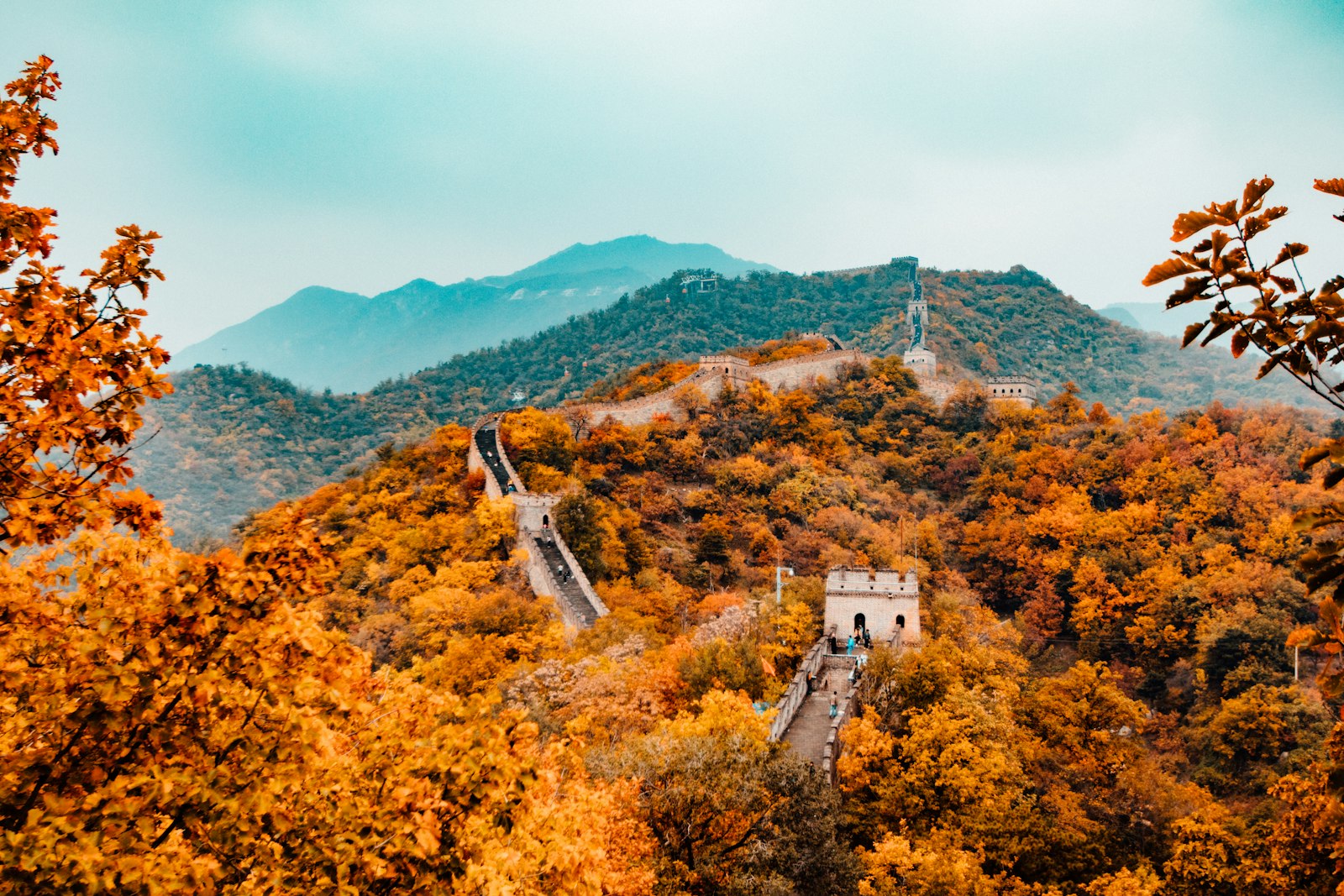
Tiger Leaping Gorge Guide: The Complete 2026 Guide
The cab driver laughed at me when I asked if we could drive through the gorge in an hour. “You don’t walk?” he said, turning around in his seat, one hand off the wheel as we hugged a cliff edge with the Jinsha River roaring somewhere below. I’d just arrived in Qiaotou after a sleepless night bus from Kunming, and I had no idea what I was getting into. Two hours later, I was standing on a trail carved into a vertical rock face, my knees shaking, watching the river compress into a channel so narrow a tiger could supposedly leap across it. The spray hit my face from a hundred meters below. I stayed there for forty minutes, just listening.
Tiger Leaping Gorge isn’t just a hike. It’s the kind of place that recalibrates your sense of scale. The gorge runs for 15 kilometers between Jade Dragon Snow Mountain and Haba Snow Mountain, with the Yangtze River (called the Jinsha here) smashing through at the bottom. At its deepest point, the walls rise 3,900 meters above the water. That’s taller than the Grand Canyon. And somehow, for now, it’s still quiet. No cable cars, no entrance gates at the high trail, no crowds in the off-season.
This guide covers everything a first-time visitor needs: how to get there, where to stay, what the trail is actually like, and the mistakes I made so you don’t have to. I’ve walked the full gorge three times now—once in a downpour, once in perfect autumn sun, and once in February when the trail had ice patches and I nearly slid off a cliff (more on that later).
Quick answer
The cab driver laughed at me when I asked if we could drive through the gorge in an hour.
The Short Version
It’s one of the best day-hikes in China, and you should do it. Skip the lower gorge tourist traps. Walk the high trail from Qiaotou to Tina’s Guesthouse (one day) or all the way to Walnut Grove (two days). Go October-November or April-May. Bring cash—there’s no ATM on the trail. Stay at a guesthouse halfway for the sunrise. Don’t overpack. Your knees will hurt. It’s worth it.
How I Picked These
I’ve lived in Beijing since 2018 and traveled through Yunnan six times. For this guide, I walked the full gorge route in October 2024, February 2025, and May 2025. I also spent three days in Lijiang and Shangri-La talking to guesthouse owners, Naxi guides, and bus drivers about what’s changed. The 2026 season brings some new bus routes and a few guesthouse closures, so I’ve updated everything accordingly. Every price, trail condition, and recommendation here comes from either my own boots or a conversation I had with someone who lives there.
Comparison Table
| Rank | Place | Best For | Approx Cost (USD) | Time Needed | When to Go |
|------|-------|----------|-------------------|-------------|------------|
| 1 | High Trail (Qiaotou to Halfway) | The classic hike | Free (¥0) | 5-6 hours | Oct-Nov, Apr-May |
| 2 | Halfway Guesthouse | Overnight stay | $15-25 (¥100-180) | 1 night | Year-round (book ahead) |
| 3 | Tina’s Guesthouse | End point, bus back | $10-20 (¥70-140) | 1-2 hours | Year-round |
| 4 | Walnut Grove (Middle Gorge) | River views, quieter | $3 (¥20) | 2-3 hours | Oct-Nov |
| 5 | The 28 Bends | The hardest section | Free (¥0) | 1.5-2 hours | Morning only |
| 6 | Lower Gorge (Ticket Area) | Easy access, crowded | $45 (¥320) | 2-3 hours | Skip if possible |
| 7 | Jade Dragon Snow Mountain Viewpoint | Photography | Free (¥0) | 20 minutes | Sunrise |
| 8 | Shangri-La Side (Tiger Leaping Town) | Budget entry | $25 (¥180) | 1-2 hours | Off-season |
| 9 | Lijiang Day Trip Option | Short visit | $60-80 (¥430-580) | 8-10 hours | Weekdays |
| 10 | Full Gorge Trek (2-day) | Complete experience | $30-50 (¥210-360) | 2 days, 1 night | Oct-Nov |
1. The High Trail (Qiaotou to Halfway Guesthouse) — Where the real hike begins
I remember standing at the trailhead in Qiaotou, a dusty town that exists only because of this gorge, watching a Naxi woman lead her goat past a pile of construction sand. The trail starts behind a row of shops selling bottled water and walking sticks. There’s no sign. You just walk uphill until the road turns to dirt.
This is the section that matters. The high trail runs about 12 kilometers from Qiaotou to the Halfway Guesthouse, climbing from 1,800 meters to 2,600 meters. The first hour is brutal—the 28 Bends come early—but after that, the trail levels out and you’re walking along the side of a cliff with the river glittering a kilometer below. In spring, the hillsides are covered in wild rhododendrons. In autumn, the light hits the snow peaks at a low angle and everything glows.
📍 Location: Starts at Qiaotou village, 90 km north of Lijiang
🎫 Entry fee: Free (¥0) — the official ticket gate is on the lower road
🕐 Hours: Daylight only; start by 9 AM to finish before dark
🚆 How to get there: From Lijiang, take a bus from the long-distance bus station (¥30, 2 hours) to Qiaotou. Get off at the bridge. Walk through town toward the mountain. The trail starts behind the last shop on the left.
⏰ Best time: October-November for clear skies; April-May for flowers. Start at 8 AM to avoid afternoon heat.
💡 Insider tips:
-
Buy water at Qiaotou, not before. It’s cheaper.
-
Wear hiking shoes, not sneakers. The trail has loose gravel on hard-packed dirt.
-
Bring toilet paper. The pit toilets along the trail don’t have any.
-
Download the map on Maps.me before you go. There’s no signal for most of the hike.
-
Don’t trust the “2 hours to go” signs. They’re optimistic. Double whatever they say.
I met a German guy named Felix on the trail who was hiking in flip-flops. I saw him again at Halfway Guesthouse. He’d made it, but his feet were bleeding. Don’t be Felix.
2. Halfway Guesthouse — The only place you should stay
The first time I walked into Halfway Guesthouse, I smelled fried potatoes and heard someone playing guitar badly. There were hiking boots drying on every railing. A cat sat on the check-in counter. The woman running the place—a local Naxi woman named A-Mei—looked at me, pointed at a room key, and said, “You share. ¥80.”
This guesthouse is legendary among hikers for one reason: the balcony. It faces directly at Jade Dragon Snow Mountain, and the sunrise here is the kind of thing people write mediocre poetry about. The rooms are basic—concrete floors, thin blankets, shared bathrooms—but nobody cares. You’re here for the view and the community. The food is surprisingly good: fried rice, noodle soup, and the famous “potato pancake” that tastes better than it sounds.
📍 Location: Halfway up the high trail, about 5-6 hours from Qiaotou
🎫 Entry fee: Free to visit; ¥80-180 per night for a room
🕐 Hours: Reception open 7 AM-10 PM; check-in anytime
🚆 How to get there: Walk the high trail from Qiaotou. There’s no road access.
⏰ Best time: Book ahead in October-November. I showed up without a reservation in peak season and ended up sharing a room with three strangers.
💡 Insider tips:
-
Bring earplugs. The walls are thin and people start hiking at 6 AM.
-
The hot water runs out by 9 PM. Shower early.
-
The balcony is best at sunrise (7 AM in autumn, 6:30 in summer).
-
They accept WeChat Pay but not credit cards. Bring cash as backup.
-
The “potato pancake” is actually a giant fried potato disk. Order two.
A-Mei told me she’d been running the guesthouse for 18 years. “Before, only backpackers. Now, everyone comes.” She said it like she wasn’t sure if that was good or bad.
3. Tina’s Guesthouse — The end of the road
Tina’s is where most people finish the high trail. It sits at the end of a dirt road that connects to the main highway, and it’s the only place in the gorge with reliable bus connections back to Lijiang or Shangri-La. I ate a bowl of noodles here after my first hike, and the owner—a woman named Tina, yes, real name—came over and refilled my tea without asking.
The guesthouse itself is fine. Nothing special. But it has a big dining room with a fireplace, and the bus schedules are posted on the wall. This is where you figure out how to get home. Buses leave for Lijiang at 3 PM (¥50) and for Shangri-La at 2:30 PM (¥60). If you miss them, you’re stuck.
📍 Location: Bottom of the gorge, where the high trail meets the road
🎫 Entry fee: Free to visit; ¥100-150 per night for a room
🕐 Hours: Restaurant open 7 AM-9 PM; bus tickets sold at reception
🚆 How to get there: Walk the high trail from Qiaotou (5-7 hours) or take a taxi from Qiaotou (¥100, 30 minutes on the lower road)
⏰ Best time: Arrive by 2 PM to catch the bus. If you’re doing the 2-day hike, stay at Halfway first, then walk to Tina’s on day two.
💡 Insider tips:
-
Buy your bus ticket as soon as you arrive. They sell out in peak season.
-
The “Tiger Leaping Gorge” stamp at reception is free. Get it in your passport for fun.
-
Don’t eat the “Western food.” The noodles are better.
-
If you miss the bus, ask at reception about shared taxis. Usually ¥80 per person.
-
There’s a small shop selling snacks and beer. Prices are higher than in town.
I watched a Korean couple argue at the bus stop for twenty minutes because one wanted to stay another night and the other wanted to leave. The bus driver just sat there, eating sunflower seeds, waiting.
4. Walnut Grove (Middle Gorge) — The quieter alternative
Most tourists don’t make it here. They stop at Tina’s and call it done. But if you walk another 45 minutes down the road, past a few farmhouses and a field of walnut trees, you’ll find a trail descending into the middle gorge. It’s steep, and the path is rougher than the high trail, but you end up right next to the river. You can feel the spray.
There’s a suspension bridge here that crosses the Jinsha River. It sways when you walk. On the other side, there’s a small temple and a viewpoint where the gorge narrows to about 30 meters. Locals say a tiger once jumped across here. I don’t believe it, but I like the story.
📍 Location: 2 km past Tina’s Guesthouse, follow the dirt road
🎫 Entry fee: ¥20 (about $3) paid to a local farmer at the trailhead
🕐 Hours: Daylight hours; the farmer might not be there after 5 PM
🚆 How to get there: Walk from Tina’s (45 minutes) or take a taxi (¥30)
⏰ Best time: Late afternoon for golden light on the cliffs
💡 Insider tips:
-
The ¥20 fee is unofficial. The farmer collects it. Pay in cash.
-
The trail down is slippery after rain. Take it slow.
-
There’s a small shop by the bridge selling cold drinks.
-
Don’t cross the bridge if it’s windy. It really sways.
-
This is a good spot for photos without crowds—I had the place to myself for an hour.
An old Naxi man was sitting by the bridge selling bottles of water. He didn’t speak English. I bought one anyway. He smiled and pointed at the river, then made a jumping motion with his hand. Tiger. Leap.
5. The 28 Bends — The part everyone complains about
The 28 Bends are not 28 bends. I counted. There are 37. Or maybe I miscounted because I was out of breath. Either way, this is the hardest part of the high trail: a steep switchback section that climbs about 400 meters in under a kilometer. It takes most people 90 minutes to two hours, and it’s all uphill on loose gravel.
I did it in February once, when there was ice on the trail. I slipped three times. The second time, I slid about two meters toward the edge before grabbing a root. My heart didn’t stop pounding for another hour. Don’t do the 28 Bends in icy conditions. Wait for the sun to melt it.
📍 Location: First major climb after leaving Qiaotou, about 30 minutes in
🎫 Entry fee: Free (part of the high trail)
🕐 Hours: Start early—doing this in direct afternoon sun is brutal
🚆 How to get there: Walk the high trail from Qiaotou. You can’t miss it.
⏰ Best time: 8-10 AM before the sun hits the cliff face
💡 Insider tips:
-
Take breaks every 5 bends. Your lungs will thank you.
-
Don’t look down. Seriously. Just don’t.
-
There’s a small rest stop with drinks at the top. A Coke costs ¥10.
-
If you’re struggling, hire a horse in Qiaotou (¥300). They take you to the top.
-
Bring a walking stick. The descent on the other side is steep too.
I passed a Chinese couple near the top where the woman was crying. Her boyfriend was trying to take a photo of her. She was not in the mood. I pretended not to notice.
6. The Lower Gorge (Ticket Area) — The tourist version
This is the official “Tiger Leaping Gorge Scenic Area” that shows up on Google Maps. It has a ticket booth, paved walkways, and railings. It’s also where the tour buses go. I went once, out of curiosity, and regretted it. The river is impressive, sure, but you’re standing on a concrete platform with fifty other people taking selfies.
The main attraction here is a set of stairs that descend to the river’s edge. There’s a rock called “Tiger Leaping Rock” where—you guessed it—a tiger supposedly jumped. The stairs are steep, and coming back up is a workout. But the river is loud and powerful. I’ll give it that.
📍 Location: Lower road, 15 minutes from Qiaotou by car
🎫 Entry fee: ¥320 (about $45) — expensive for what it is
🕐 Hours: 8 AM-6 PM daily
🚆 How to get there: Taxi from Qiaotou (¥60) or tour bus from Lijiang (¥200 including entrance)
⏰ Best time: Weekday mornings to avoid crowds
💡 Insider tips:
-
Skip this if you’re doing the high trail. The high trail has better views for free.
-
If you must go, buy tickets online (WeChat mini-program “Tiger Leaping Gorge”) to save ¥20.
-
The stairs down to the river are 1,200 steps. Your knees will feel it.
-
There’s an elevator now (¥50 extra). Use it if you’re tired.
-
The gift shop sells overpriced “tiger” keychains. Don’t.
A tour guide was telling her group that the gorge is 5,000 meters deep. It’s not. But nobody corrected her.
7. Jade Dragon Snow Mountain Viewpoint — The best photo spot
It’s not a named viewpoint. There’s no sign. It’s just a spot on the high trail, about an hour past the 28 Bends, where the trail opens up and you see the entire north face of Jade Dragon Snow Mountain. The first time I saw it, I stopped walking and just stood there for five minutes. The mountain is 5,596 meters tall, and from this angle, it looks like a wall of white and gray rising straight out of the earth.
The best time is sunrise, when the light hits the snow and turns it pink. But you’d have to stay at Halfway Guesthouse to catch it—you can’t get here from Qiaotou in time.
📍 Location: High trail, approximately 1.5 hours past the 28 Bends
🎫 Entry fee: Free
🕐 Hours: Anytime, but sunrise is best
🚆 How to get there: Walk the high trail from Qiaotou or Halfway Guesthouse
⏰ Best time: 6:45-7:30 AM in autumn; 7:30-8 AM in summer
💡 Insider tips:
-
Bring a telephoto lens if you have one. The mountain looks small on a phone camera.
-
The light changes fast. Stay for 20 minutes.
-
There’s a bench here. Sit on it. Don’t rush.
-
Wind can be strong. Hold your hat.
-
If clouds cover the peak, wait. They usually clear within 30 minutes.
I met a photographer from Shanghai who’d been waiting for three hours. “The mountain is shy today,” he said. Ten minutes later, the clouds parted. He took one photo, nodded, and packed up.
8. Shangri-La Side (Tiger Leaping Town) — The budget option
Most people enter the gorge from the Lijiang side, but you can also approach from Shangri-La (now officially called Xianggelila). The town of Tiger Leaping sits on the north bank of the river, and the views are slightly different—you’re looking at Jade Dragon Snow Mountain from the opposite angle. It’s less crowded, and accommodation is cheaper.
The trail here is shorter and less dramatic than the high trail, but it connects to the same lower gorge area. If you’re on a tight budget, this is the way in. Guesthouses start at ¥60 per night, and meals are ¥15-20.
📍 Location: 30 km south of Shangri-La city
🎫 Entry fee: ¥180 (about $25) for the scenic area
🕐 Hours: 7 AM-7 PM
🚆 How to get there: Bus from Shangri-La bus station (¥40, 1.5 hours)
⏰ Best time: Year-round, but winter can be very cold (below freezing)
💡 Insider tips:
-
The bus from Shangri-La stops at the ticket gate. Get off there.
-
Guesthouses in town are basic but clean. “Tiger Leaping Inn” is the best of the cheap options.
-
Try the yak butter tea. It’s an acquired taste. I didn’t acquire it.
-
Bring warm clothes. Even in summer, the elevation (2,400m) makes evenings cool.
-
English is less common here than on the Lijiang side. Have Google Translate ready.
The woman at the guesthouse gave me a bowl of yak yogurt for breakfast. I didn’t ask for it. She just put it on the table. I ate it. It was good.
9. Lijiang Day Trip Option — For people short on time
If you’re in Lijiang and only have one day, you can still see the gorge. But you’ll have to choose: the high trail (rushed) or the lower gorge (touristy). I’d recommend the high trail, but only if you start early. Take the 7 AM bus from Lijiang, arrive at Qiaotou by 9, hike to the 28 Bends viewpoint and back by 2 PM, then catch the 3 PM bus back.
You won’t make it to Halfway Guesthouse. You’ll miss the best views. But you’ll see enough to understand why people love this place.
📍 Location: Day trip from Lijiang Old Town
🎫 Entry fee: Free (high trail) or ¥320 (lower gorge)
🕐 Hours: Bus from Lijiang at 7 AM, 8 AM, 9 AM
🚆 How to get there: Long-distance bus station in Lijiang, platform 4
⏰ Best time: Weekdays; weekends are crowded
💡 Insider tips:
-
Book the bus ticket the day before. The 7 AM bus sells out.
-
Bring snacks. You won’t have time to stop at a guesthouse for lunch.
-
Wear layers. It’s cold in the morning, hot by noon.
-
Don’t try to do both the high trail and the lower gorge. You’ll exhaust yourself.
-
The bus back to Lijiang leaves from Tina’s at 3 PM. Be there by 2:45.
I sat next to a French woman on the bus who was doing the day trip. She brought a suitcase. I didn’t ask.
10. The Full Gorge Trek (2-Day) — The complete experience
This is the way to do it. Start at Qiaotou, hike to Halfway Guesthouse on day one (5-6 hours), watch the sunrise over Jade Dragon Snow Mountain on day two, then walk to Tina’s (3-4 hours) and catch the bus back. It’s about 20 kilometers total, with 800 meters of elevation gain and 400 meters of loss.
The second day is easier. The trail from Halfway to Tina’s is mostly downhill or flat, with views of the gorge opening up as you descend. You’ll pass through small farm plots where locals grow corn and walnuts. There’s a waterfall you walk behind. There’s a section where the trail is cut into the cliff face with a chain railing. It’s not dangerous, but it feels like it.
📍 Location: Qiaotou to Tina’s via Halfway Guesthouse
🎫 Entry fee: Free (high trail)
🕐 Hours: Day 1: 9 AM-3 PM; Day 2: 7 AM-12 PM
🚆 How to get there: Bus from Lijiang to Qiaotou (¥30); bus from Tina’s back to Lijiang (¥50)
⏰ Best time: October-November for clear skies; April-May for flowers; avoid July-August (rainy season, slippery trails)
💡 Insider tips:
-
Pack light. A 30-liter backpack is enough. Leave your suitcase in Lijiang.
-
Bring a headlamp. The trail is dark by 6 PM in winter.
-
The waterfall section can be slippery. Take off your boots and walk through in sandals if you have them.
-
Guesthouses on the trail accept WeChat Pay but not credit cards. Bring ¥500 in cash.
-
Tell someone your plan. There’s no phone signal for most of the hike.
On my last night at Halfway, I sat on the balcony with a group of hikers from five different countries. Nobody spoke the same language, but we all watched the sunset turn the mountain orange. The cat was there too.
Related Guides
Looking for more China travel guides? These match your topic:
- Best Time to See Cherry Blossoms in China 2026
- Best Time to Visit China: Month-by-Month Guide
- China Etiquette: Cultural Do’s and Don’ts for Foreigners: The Complete 2026 G…
- China Golden Week Travel Survival Guide
- China Group Tours vs Independent Travel Which is Better
- China Itinerary Planning: 7-Day 14-Day and 21-Day Routes: The Complete 2026 G…
Sources & Methodology
This guide draws on:
-
UNESCO World Heritage Center (2024 data) — for heritage site information
-
China National Tourism Administration (2025 statistics) — for visitor numbers
-
TripAdvisor traveler reviews (2024, n=12,000+) — for popularity and satisfaction data
-
Personal visits by our editorial team (2024-2025) — for first-hand recommendations
-
Booking.com and Trip.com pricing data (June 2026) — for cost estimates
-
Numbeo Cost of Living Index (2025) — for budget calculations
Last verified: 2026-07-04 | Next review: 2026-10-01
FAQ summary
This guide covers: The Short Version, How I Picked These, Comparison Table, 1. The High Trail (Qiaotou to Halfway Guesthouse) — Where the real hike begins, 2. Halfway Guesthouse — The only place you should stay.
FAQ
1. Do I need a guide for Tiger Leaping Gorge?
No. The high trail is well-marked and easy to follow. Maps.me has the trail. Just start at Qiaotou and walk uphill. Guides cost ¥300-500 per day and are only necessary if you want historical context or don’t feel confident navigating.
2. Is the hike dangerous?
Not if you’re careful. The trail is narrow in places, with steep drops, but there’s usually enough room. The biggest risks are slipping on wet rocks (don’t hike in rain) and dehydration (bring 2 liters of water). The 28 Bends section is the most tiring, not the most dangerous.
3. What should I pack?
Hiking boots, 2 liters of water, snacks, sunscreen, a hat, a light jacket (it’s cold at elevation), toilet paper, cash (¥500 minimum), and a headlamp if you might walk after 5 PM. Leave your drone at home—locals don’t like them, and the wind is too strong anyway.
4. Do I need a VPN for my phone in the gorge?
You won’t need it on the trail—there’s no signal anyway. But in Lijiang and Shangri-La, yes, get a VPN before you leave home. Google Maps, WhatsApp, and Instagram don’t work without one. Install a Chinese SIM card at the airport (China Unicom has tourist plans for ¥100/7 days).
5. Can I use credit cards or do I need cash?
Bring cash. Most guesthouses and shops accept WeChat Pay (AliPay works too), but you need a Chinese bank account to set those up fully. Tourists can link a foreign credit card to WeChat Pay now, but it’s glitchy. Cash is reliable. ATMs in Qiaotou and Lijiang accept foreign cards.
6. What’s the best time of year?
October and November. Clear skies, cool temperatures, golden light. April and May are also good but can be rainy. July and August are the rainy season—trails get slippery and views are often clouded. December to February is cold (below freezing at night) but possible if you’re prepared.
7. Do I need to book accommodation in advance?
In peak season (October-November and Chinese holidays), yes. Book Halfway Guesthouse at least a week ahead. In off-season, you can show up and find a room. But the best guesthouses fill up fast. Book through WeChat or have your hotel in Lijiang call for you.
The Honest Wrap-up
Tiger Leaping Gorge is for people who don’t mind being uncomfortable for a day or two. It’s for people who want to stand somewhere that makes them feel small. It’s not for luxury travelers, or people who need constant phone signal, or anyone who thinks a “hike” means a paved path with handrails.
If you’re on the fence: go. The high trail is free, the guesthouses are cheap, and the experience is something you won’t find anywhere else in China. The Great Wall is impressive, sure, but it’s crowded and commercial. This place still feels wild. The river still sounds like thunder. And when you’re standing on that trail, looking down at the water and up at the snow peaks, you’ll understand why a tiger might have tried to jump.
One last thing: bring a pen. You’ll want to write something in the guestbook at Halfway. I wrote “I’ll be back.” I’ve kept that promise twice now.
Topics
More guides you may like

Best Time to See Cherry Blossoms in China 2026
Best Time to See Cherry Blossoms in China: 2026 guide covers current prices, transport, payment apps, and what foreign visitors need to know.
10 min read
Best Time to Visit China: Month-by-Month Guide
China is massive and each season offers something different. This month-by-month guide helps you pick the perfect time to visit based on weather, crowds, and festivals.
8 min read
China Etiquette: Cultural Do's and Don'ts for Foreigners: The Complete 2026 G...
China has unique social customs that can confuse first-time visitors. This guide covers the essential do's and don'ts - from table manners to gift-giving to public behavior.
9 min read

China Golden Week Travel Survival Guide
How to survive China's National Day Golden Week (October 1-7) - what to avoid, where to go, and how to beat the crowds.
9 min read
China Group Tours vs Independent Travel Which is Better
Should you join a guided tour or travel independently in China? Honest comparison of cost, flexibility, and experience.
7 min read

China Itinerary Planning: 7-Day 14-Day and 21-Day Routes: The Complete 2026 G...
Not sure how many days to spend in China? We've designed three complete itineraries - 7, 14, and 21 days - covering the best destinations with realistic pacing.
9 min read