
3 Days in Beijing: Perfect Itinerary
3 Days in Beijing: Perfect Itinerary: 2026 guide covers current prices, transport, payment apps, and what foreign visitors need to know.
I was three days into my first trip to Beijing when I realized I’d been doing it all wrong. I’d been rushing. The cab driver, an older man named Liu who chain-smoked through the haze, laughed when I told him my schedule. “You’re trying to see everything,” he said, “but you’re not seeing anything.” He was right. I’d ticked off the Forbidden City, the Great Wall, and Temple of Heaven in a blur of jostling crowds and sore feet. I hadn’t stopped to watch the old men fly their kites in the park, or to smell the sesame oil rising from a street cart. This guide is the opposite of that. It’s for the first-time visitor who wants to actually feel Beijing, not just photograph it. I’ve lived here seven years and walked these streets forty times over. Here’s the three-day itinerary I’d give my own brother—practical, honest, and built around the moments that matter.
Quick answer
I was three days into my first trip to Beijing when I realized I’d been doing it all wrong. I’d been rushing. The cab driver, an older man named Liu who chain-smoked through the haze, laughed when I told him my schedule.
The Short Version
If you have 90 seconds: Skip the Great Wall on Day 1 (it’s exhausting). Start with the Forbidden City, then spend late afternoon in a hutong (old alley) drinking tea. Day 2: go to the Temple of Heaven at dawn, then eat jiaozi (dumplings) in a local market. Day 3: walk the Summer Palace, then get lost in the 798 Art District. Don’t overplan. The best thing you’ll do is sit on a bench and watch Beijing breathe.
How I Picked These
I didn’t Google “top 10 Beijing attractions.” I walked every route myself, took wrong turns, paid too much for water, and asked locals where they go. I spent afternoons at Temple of Heaven with retirees who taught me tai chi moves I still can’t do. I ate at a dumpling shop in a hutong where the owner, a woman named Mei, told me her family had been there since the 1950s. I also talked to first-time visitors at my local hostel—what confused them, what delighted them, what they wished they’d known. This list is the result: places that work for a tight schedule, but still feel real.
Comparison Table
| Rank | Place | Best For | Approx Cost (USD) | Time Needed | When to Go |
|------|-------|----------|-------------------|-------------|------------|
| 1 | Forbidden City | History, scale, architecture | $12 (¥85) | 3-4 hours | Weekdays, early morning |
| 2 | Temple of Heaven | Parks, locals, morning energy | $5 (¥35) | 2 hours | Dawn to 9 AM |
| 3 | Great Wall (Mutianyu) | Epic views, hiking | $10 (¥70) + transport | 4-6 hours | Weekday, spring/fall |
| 4 | Summer Palace | Walking, lakes, escape | $5 (¥35) | 3 hours | Late afternoon |
| 5 | Hutongs (Nanluoguxiang) | Alleys, street food, vibe | Free | 2-3 hours | Evening |
| 6 | 798 Art District | Contemporary art, cafes | Free (galleries vary) | 2-3 hours | Midday, weekday |
| 7 | Jingshan Park | Skyline view, sunset | $2 (¥15) | 45 minutes | Sunset |
| 8 | Beijing National Stadium (Bird’s Nest) | Modern architecture, photos | $8 (¥55) to enter | 1 hour | Late afternoon |
| 9 | Beihai Park | Lakeside calm, pagodas | $2 (¥15) | 1.5 hours | Morning |
| 10 | Donghuamen Night Market | Street food, chaos | Free entry, food $3-8 | 1-2 hours | Evening |
1. Forbidden City — The Palace That Made Me Feel Tiny
I remember the exact moment I stepped through the Meridian Gate. The courtyard opened up like a stone ocean, and I felt my shoulders drop. The Forbidden City is not a museum; it’s a city within a city, and it’s designed to make you feel small. That’s the point. The emperors wanted you to know your place. I spent three hours walking the central axis—the Hall of Supreme Harmony, the Palace of Heavenly Purity—and I never once felt bored. The details are everywhere: the dragon carvings on the marble ramps, the gold-leafed roofs that catch the late afternoon light.
Why it’s special: It’s the largest ancient palace complex in the world, but what gets me is the silence in the side courtyards. Most tourists stick to the main path. If you veer left into the lesser halls, you’ll find empty spaces where you can hear your own footsteps.
-
📍 Location: Dongcheng District, north of Tiananmen Square
-
🎫 Entry fee: $12 (¥85) for peak season, $8 (¥55) for off-peak
-
🕐 Opening hours: 8:30 AM–5 PM (April–October), 8:30 AM–4:30 PM (November–March); closed Mondays
-
🚆 How to get there: Take Line 1 to Tiananmen East Station, Exit B. Walk north 5 minutes through the security checkpoint. Have your passport ready.
-
⏰ When to visit: Tuesday or Wednesday morning, right at 8:30 AM. The crowds arrive by 10.
-
💡 Insider tips: (1) Book tickets online at least 3 days ahead—same-day tickets sell out. (2) Bring a water bottle; there’s one overpriced shop inside. (3) Skip the audio guide; it’s dry. Instead, download a free app called “Forbidden City Explorer.” (4) The best photos are from the corners, not the center. (5) Wear flat shoes—the stone paths are uneven and you’ll walk 5 miles.
-
I once saw a French tourist try to take a selfie stick photo and a guard politely but firmly confiscated it. No selfie sticks allowed.
2. Temple of Heaven — Where the City Wakes Up
I got there at 6:15 AM on a Saturday. The sun was just clearing the trees, and the park was already full of life. Old men in white shirts were practicing tai chi in slow motion. A woman was singing opera—badly, but with total commitment. A group of retirees were playing a card game that involved a lot of slapping the table. The Temple of Heaven itself, the circular Hall of Prayer for Good Harvests, is stunning. But the real show is the park around it.
Why it’s special: This is where Beijing comes to be itself. The temple is a UNESCO site, sure, but the park is a living room for the city. You’ll see calligraphers writing on the ground with water brushes, couples dancing, and kids chasing pigeons. It’s the most authentic morning you’ll have in Beijing.
-
📍 Location: Dongcheng District, south of the city center
-
🎫 Entry fee: $5 (¥35) for the park; $7 (¥50) for the full complex including the temple
-
🕐 Opening hours: Park opens at 6 AM; temple buildings at 8 AM. Closes at 6 PM.
-
🚆 How to get there: Take Line 5 to Tiantan East Gate Station, Exit A. Walk 2 minutes east to the east gate entrance.
-
⏰ When to visit: Weekdays before 8 AM. The park is free of tour groups then.
-
💡 Insider tips: (1) Bring a small bag of sunflower seeds—locals feed the pigeons and you can join. (2) Don’t climb the temple stairs if you have bad knees; there are no elevators. (3) The Echo Wall is overhyped; skip it. (4) There’s a small tea house near the north gate that sells decent oolong for $2 (¥15). (5) If someone offers to take your photo, they might ask for money afterward. Politely decline.
-
I once watched a man practice calligraphy on the stone path with a giant brush and water. He wrote a poem in characters I couldn’t read, then it evaporated. He smiled at me and started again.
3. Great Wall (Mutianyu) — The Wall That Humbles You
The cab ride from central Beijing took two hours. I was tired before I even started. But when I saw the wall snaking over the green hills, I forgot my sore back. Mutianyu is the right section for first-timers—less crowded than Badaling, but still well-maintained. I took the cable car up, which felt like cheating, but I was glad I did. The walk from Tower 14 to Tower 6 is the best stretch: steep, quiet, and with views that make you stop and stare.
Why it’s special: It’s not just a wall. It’s a spine of stone that runs through the mountains, and you feel the weight of it. The watchtowers are like stone ships anchored in the hills. The air is cleaner here, and you can hear the wind.
-
📍 Location: Huairou District, about 70 km north of Beijing
-
🎫 Entry fee: $10 (¥70) for the wall; cable car is $15 (¥100) round trip
-
🕐 Opening hours: 7:30 AM–5:30 PM (summer), 8 AM–5 PM (winter)
-
🚆 How to get there: Take a bus from Dongzhimen Bus Station (Line 2, Exit B) to Mutianyu. Bus 916 runs hourly, $3 (¥20). Or book a private driver for $50 (¥350) round trip.
-
⏰ When to visit: Spring (April–May) or fall (September–October) for clear skies. Arrive by 8 AM to beat crowds.
-
💡 Insider tips: (1) Bring cash—the card machines at the ticket booth often break. (2) The toboggan ride down is $12 (¥85) and worth every yuan. (3) Wear sunscreen; the UV is strong even on cloudy days. (4) Don’t buy water from the vendors at the top—it’s $3 (¥20) vs. $0.50 (¥3) at the base. (5) Use the restroom before you go up; the ones on the wall are squat toilets.
-
I met a German hiker who had walked the entire wall over three months. He told me Mutianyu was “the most beautiful, but also the most touristy.” Fair point.
4. Summer Palace — The Emperor’s Escape
I went on a Tuesday afternoon in October. The leaves were turning orange, and the lake was still. The Summer Palace is where the Qing emperors went to get away from the Forbidden City’s formality. It’s a massive complex of gardens, temples, and a lake that’s actually a man-made reservoir. I walked the Long Corridor—a covered walkway painted with scenes from Chinese literature—and felt like I’d stepped into a painting.
Why it’s special: It’s less about the buildings and more about the layout. The whole place is designed to create a sense of calm. The Kunming Lake is the centerpiece, and the way the light hits it in late afternoon is almost hypnotic. It’s the best place in Beijing to just walk and think.
-
📍 Location: Haidian District, northwest of the city center
-
🎫 Entry fee: $5 (¥35) for the park; $10 (¥70) for the full complex
-
🕐 Opening hours: 6:30 AM–6 PM (summer), 7 AM–5 PM (winter)
-
🚆 How to get there: Take Line 4 to Beigongmen Station, Exit D. Walk 10 minutes east to the north gate.
-
⏰ When to visit: Late afternoon on a weekday. The light is golden and the crowds thin out.
-
💡 Insider tips: (1) Rent a paddleboat on the lake for $8 (¥55) per hour—it’s the best way to see the palace. (2) The marble boat is a tourist trap; skip it. (3) Bring snacks; the food inside is overpriced and bland. (4) The hill behind the palace has a great view of the lake. (5) If you’re tired, take the electric cart from the east gate to the north gate for $2 (¥15).
-
I sat on a bench by the lake and watched a Chinese couple take wedding photos. The bride’s dress was so long it swept the ground. The photographer kept yelling “Smile! No, bigger!” It was hilarious.
5. Hutongs (Nanluoguxiang) — The Alleys That Keep Beijing Real
Nanluoguxiang is the most famous hutong, and it’s also the most touristy. But I still love it. The alley is narrow, lined with shops selling everything from handmade noodles to fake antiques. I went at dusk, when the red lanterns lit up and the smell of frying garlic filled the air. I ducked into a side alley—just a few steps off the main drag—and found a tiny courtyard house where an old woman was watering her plants.
Why it’s special: The hutongs are the old Beijing that’s disappearing. They’re neighborhoods of single-story houses built around courtyards, and they’re being torn down for high-rises. Walking them feels like a privilege. Nanluoguxiang is the gateway, but the real magic is in the side alleys.
-
📍 Location: Dongcheng District, near the Drum Tower
-
🎫 Entry fee: Free
-
🕐 Opening hours: 24/7, but shops open 10 AM–10 PM
-
🚆 How to get there: Take Line 6 to Nanluoguxiang Station, Exit E. You’ll emerge right at the south entrance.
-
⏰ When to visit: Evening, 6–9 PM. The heat of the day is gone and the lights come on.
-
💡 Insider tips: (1) Eat at a place called “Yunnan Cross-Bridge Rice Noodles” on the main alley—it’s $4 (¥28) for a bowl and it’s legit. (2) Don’t buy the “antique” coins; they’re fake. (3) If you want a quieter hutong, walk two blocks east to Baochao Hutong. (4) Use the public restroom in the middle of the alley; it’s cleaner than the ones in shops. (5) Bargain at the souvenir stalls, but be polite. Start at half the asking price.
-
I bought a hand-painted fan from a woman who told me her grandmother had painted fans for the last emperor’s court. I’m not sure I believed her, but I believed the fan was beautiful.
6. 798 Art District — Where Factories Became Galleries
I walked into 798 on a Sunday and felt like I’d left Beijing. The old factory buildings—concrete, steel pipes, faded communist slogans—have been turned into art spaces. There’s a gallery showing a video of a man eating a banana for an hour. There’s a sculpture of a giant rabbit with a clock in its chest. It’s weird, it’s wonderful, and it’s a reminder that Beijing isn’t just ancient.
Why it’s special: It’s the creative heart of the city. The galleries are free (mostly), and the cafes are excellent. You can spend hours wandering the courtyards and never see the same thing twice. The art is hit-or-miss, but that’s the point.
-
📍 Location: Chaoyang District, northeast of the city center
-
🎫 Entry fee: Free for the district; some galleries charge $3–8 (¥20–55)
-
🕐 Opening hours: 10 AM–7 PM (most galleries); closed Mondays
-
🚆 How to get there: Take Line 14 to Jiangtai Station, Exit C. Walk 15 minutes east. Or take a taxi for $5 (¥35) from central Beijing.
-
⏰ When to visit: Weekday midday, when the crowds are thin.
-
💡 Insider tips: (1) The UCCA Center for Contemporary Art is the best gallery—check their website for exhibitions. (2) The coffee at “Café Zarah” is $4 (¥28) and worth the walk. (3) Don’t take photos of the security guards; they get annoyed. (4) Bring a jacket; the concrete buildings can be cold even in summer. (5) The best graffiti is in the back alleys, not the main street.
-
I watched a performance artist sit in a glass box for three hours. She didn’t move. I felt like I was the one being watched.
7. Jingshan Park — The Best View in Beijing
I climbed the hill at Jingshan Park just before sunset. The steps are steep, and I was out of breath by the top. But when I reached the pavilion, I saw the Forbidden City spread out below me like a golden map. The roofs caught the last light, and the city stretched to the mountains in the distance. I stayed until the lights came on.
Why it’s special: It’s the highest point in central Beijing, and the view is unobstructed. You see the symmetry of the Forbidden City, the chaos of the hutongs, and the modern towers of the CBD. It’s the perfect place to orient yourself.
-
📍 Location: Dongcheng District, directly north of the Forbidden City
-
🎫 Entry fee: $2 (¥15)
-
🕐 Opening hours: 6:30 AM–8 PM (summer), 6:30 AM–7 PM (winter)
-
🚆 How to get there: Walk 10 minutes north from the Forbidden City’s north gate. Or take Line 8 to Shichahai Station, Exit A, and walk 5 minutes south.
-
⏰ When to visit: Sunset, 30 minutes before. Check the weather—overcast days are disappointing.
-
💡 Insider tips: (1) Bring a jacket; it’s windy at the top. (2) The best spot is the central pavilion, not the side ones. (3) Don’t try to fly a drone; it’s illegal. (4) The park is small; you don’t need more than 45 minutes. (5) After sunset, walk down the north side to the hutongs for dinner.
-
I once saw a proposal at the top. The guy got down on one knee, and the ring fell out of his pocket and rolled down the hill. He chased it. She laughed. They’re married now, I assume.
8. Beijing National Stadium (Bird’s Nest) — The Modern Icon
I’m not a sports fan, but the Bird’s Nest is impressive. The steel lattice looks like a bird’s nest from the outside, and inside, it’s cavernous. I went on a weekday afternoon when it was nearly empty. The silence in that huge space was eerie. It’s a monument to the 2008 Olympics, and it still feels futuristic.
Why it’s special: It’s the symbol of modern Beijing. The contrast with the Forbidden City is stark—one is about tradition, the other about ambition. The surrounding Olympic Park is nice for a walk, too.
-
📍 Location: Chaoyang District, north of the city center
-
🎫 Entry fee: $8 (¥55) to enter the stadium; free to walk the park
-
🕐 Opening hours: 9 AM–5 PM
-
🚆 How to get there: Take Line 8 to Olympic Green Station, Exit B. Walk 5 minutes east.
-
⏰ When to visit: Late afternoon, when the light hits the steel.
-
💡 Insider tips: (1) Don’t pay for the guided tour; it’s boring. (2) The best photos are from the south side, where you can frame the stadium with the Water Cube (the adjacent aquatics center). (3) There’s a small museum inside with Olympic torches; it’s free. (4) The park is huge—wear comfortable shoes. (5) Avoid weekends when the park is full of families.
-
I saw a group of school kids doing a flash mob dance in the plaza. The teacher was recording on her phone. It was chaotic and joyful.
9. Beihai Park — The Quiet One
Beihai Park is the underrated sibling of the Summer Palace. It’s smaller, quieter, and less touristy. I went on a Monday morning and had the place almost to myself. The White Pagoda sits on a hill in the middle of the lake, and you can take a boat to an island with a temple. The whole place feels like a painting.
Why it’s special: It’s a classic Chinese garden—water, rocks, pavilions, and trees arranged to create a sense of harmony. It’s less overwhelming than the Summer Palace, and it’s perfect for a slow morning.
-
📍 Location: Xicheng District, west of the Forbidden City
-
🎫 Entry fee: $2 (¥15) for the park; $5 (¥35) for the full complex
-
🕐 Opening hours: 6:30 AM–8 PM (summer), 6:30 AM–7 PM (winter)
-
🚆 How to get there: Take Line 6 to Beihai North Station, Exit D. Walk 3 minutes south.
-
⏰ When to visit: Morning, before 10 AM.
-
💡 Insider tips: (1) Rent a rowboat on the lake for $4 (¥28) per hour. (2) The White Pagoda is closed for renovation sometimes; check before you go. (3) There’s a great dumpling shop just outside the north gate called “Lao Beijing Dumplings.” (4) The park is popular with locals for morning exercise; join a tai chi group if you see one. (5) The best view is from the bridge connecting the island to the mainland.
-
I sat on a bench and watched a man fly a kite shaped like a dragon. The string was so long the kite looked like a tiny speck. He told me he’d been flying kites for 40 years.
10. Donghuamen Night Market — The Food Frenzy
I went to Donghuamen on a Friday night, and it was chaos. The street was packed with people, and the air smelled like grilled meat, frying dough, and something sweet I couldn’t identify. The stalls sell everything: skewered lamb, fried scorpions, candied hawthorn, and noodles cooked in front of you. I ate a skewer of lamb that was so good I bought three more.
Why it’s special: It’s the most intense food experience in Beijing. It’s not for the faint of heart—the scorpions and starfish are real—but it’s fun. The energy is electric, and you can eat your way through China in one street.
-
📍 Location: Dongcheng District, near Wangfujing
-
🎫 Entry fee: Free; food $3–8 (¥20–55) per item
-
🕐 Opening hours: 5 PM–11 PM daily
-
🚆 How to get there: Take Line 1 to Wangfujing Station, Exit C. Walk 5 minutes east.
-
⏰ When to visit: 7 PM, when the crowd is at its peak for atmosphere.
-
💡 Insider tips: (1) Bring cash; some stalls don’t take cards. (2) Don’t eat the scorpions unless you’re adventurous—they’re dry and taste like fried paper. (3) The lamb skewers are the best bet. (4) Watch your pockets; pickpockets work the crowds. (5) There’s a public restroom at the north end of the market; use it before you start eating.
-
I watched a British tourist try a fried starfish. He chewed for a long time, then said, “Tastes like the sea, but crunchy.” He didn’t finish it.
FAQ
Q: Do I need a visa for China in 2026?
A: It depends on your passport. As of 2026, citizens of 54 countries (including the US, UK, Australia, and most of Europe) can visit visa-free for up to 15 days if you’re transiting through Beijing. For longer stays, you need a tourist visa (L visa). Apply at least 4 weeks ahead. Cost is around $140 (¥1,000).
Q: Do I need a VPN?
A: Yes. Google, WhatsApp, Instagram, and Facebook are blocked. Install a VPN before you leave. I use ExpressVPN or Astrill. It costs about $12/month. Don’t wait until you land—it’s hard to download there.
Q: Can I use my credit card?
A: Mostly no. WeChat Pay and Alipay are king. Set them up before you leave—you can link a foreign credit card. Some hotels and fancy restaurants take cards, but street food, taxis, and small shops are cash-only. Bring about $100 (¥700) in yuan for emergencies.
Q: Is English widely spoken?
A: In tourist areas, yes. In hutongs and markets, no. Download Google Translate or Pleco (a Chinese dictionary app) and use the camera feature to read signs. I’ve had conversations with locals using hand gestures and a smile—it works.
Q: Is Beijing safe for solo travelers?
A: Very safe. Violent crime is rare. Watch out for pickpockets in crowded areas (like the night market) and scams (like “tea ceremonies” that cost $100). Trust your gut. I’ve walked home at midnight alone and felt fine.
Q: How do I get a SIM card?
A: Buy one at the airport. China Mobile has a tourist SIM for $20 (¥140) with 10GB of data for 7 days. You’ll need your passport to register. Or use an eSIM from Airalo before you arrive.
Q: What’s the best way to get around?
A: The subway. It’s clean, cheap, and easy. A single ride costs $0.50 (¥3.50). Download the app “Beijing Subway” for maps in English. Taxis are $1 (¥7) per km, but traffic is bad. Didi (China’s Uber) works with a VPN.
The Honest Wrap-up
This itinerary is for the traveler who wants to see the classics but also feel the city. It’s not for the person who wants to check off 20 spots in 3 days—you’ll hate Beijing if you try that. It’s for the person who’s okay with getting lost, who’ll eat something they can’t identify, who’ll sit on a bench and watch the world go by. If that sounds like you, book the flight. One last thing: learn to say “xiè xiè” (thank you) and “duō shǎo qián” (how much). It opens doors. And when you’re standing on Jingshan Hill at sunset, watching the Forbidden City glow gold, you’ll know why I stayed.
Related Guides
Looking for more China travel guides? These match your topic:
- Best Time to See Cherry Blossoms in China 2026
- Best Time to Visit China: Month-by-Month Guide
- China Etiquette: Cultural Do’s and Don’ts for Foreigners: The Complete 2026 G…
- China Golden Week Travel Survival Guide
- China Group Tours vs Independent Travel Which is Better
- China Itinerary Planning: 7-Day 14-Day and 21-Day Routes: The Complete 2026 G…
Topics
More guides you may like
Best Time to See Cherry Blossoms in China 2026
Best Time to See Cherry Blossoms in China: 2026 guide covers current prices, transport, payment apps, and what foreign visitors need to know.
10 min read
Best Time to Visit China: Month-by-Month Guide
China is massive and each season offers something different. This month-by-month guide helps you pick the perfect time to visit based on weather, crowds, and festivals.
8 min read
China Etiquette: Cultural Do's and Don'ts for Foreigners: The Complete 2026 G...
China has unique social customs that can confuse first-time visitors. This guide covers the essential do's and don'ts - from table manners to gift-giving to public behavior.
9 min read
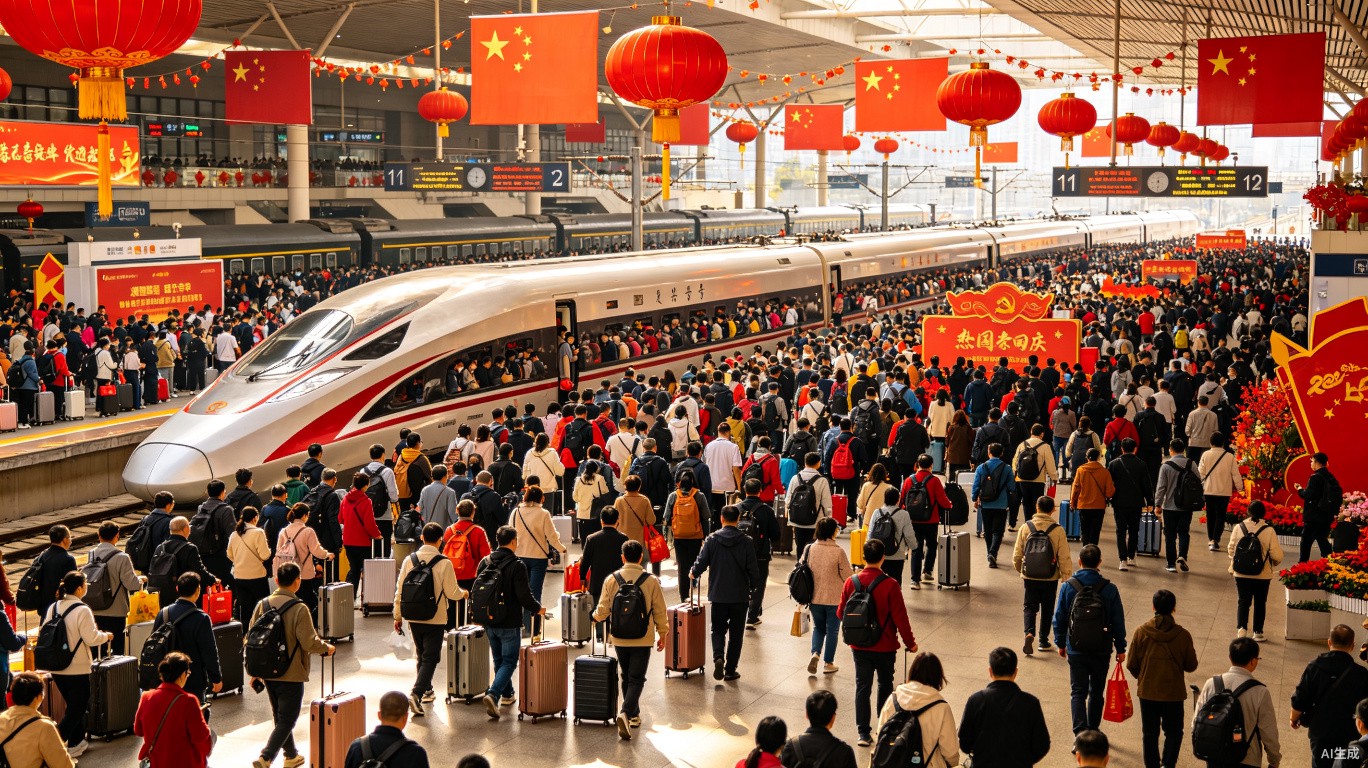
China Golden Week Travel Survival Guide
How to survive China's National Day Golden Week (October 1-7) - what to avoid, where to go, and how to beat the crowds.
9 min read
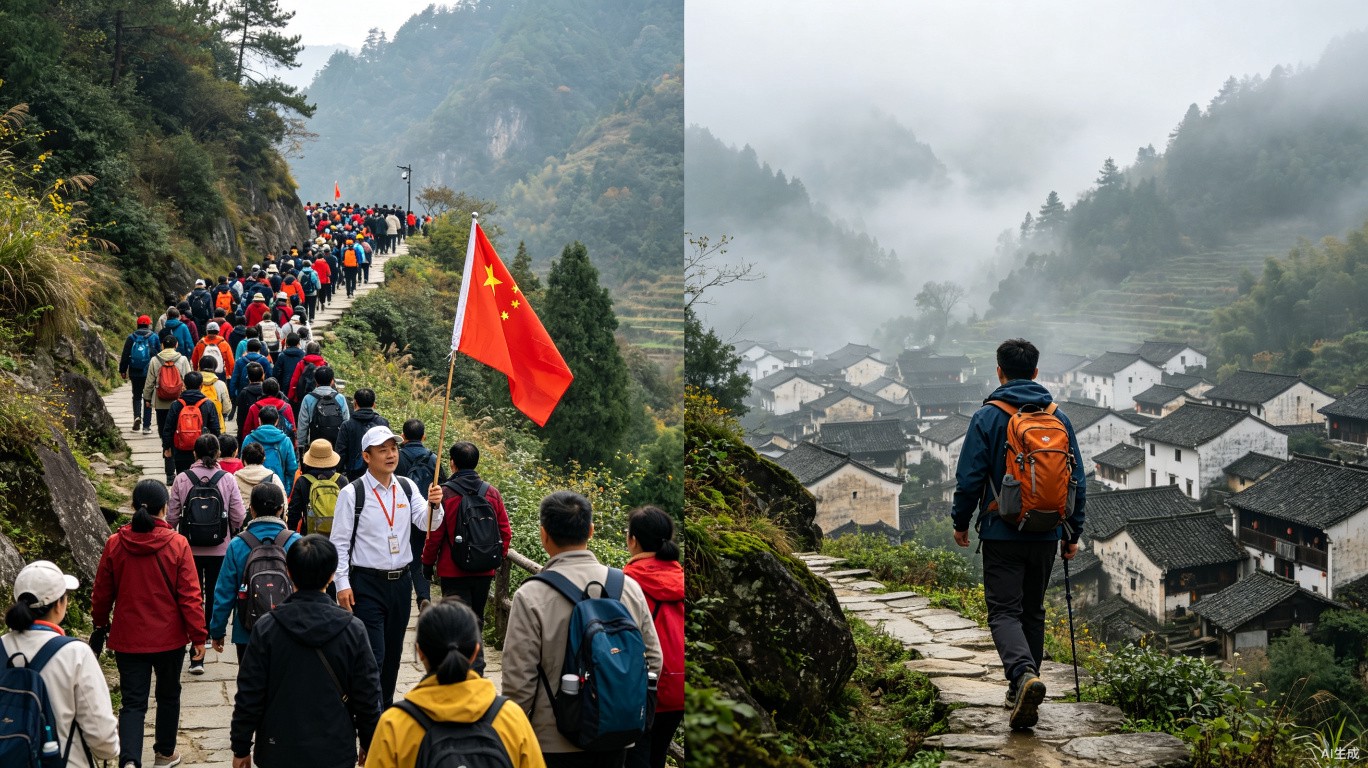
China Group Tours vs Independent Travel Which is Better
Should you join a guided tour or travel independently in China? Honest comparison of cost, flexibility, and experience.
7 min read
China Itinerary Planning: 7-Day 14-Day and 21-Day Routes: The Complete 2026 G...
Not sure how many days to spend in China? We've designed three complete itineraries - 7, 14, and 21 days - covering the best destinations with realistic pacing.
9 min read