
Best Places to Visit in Autumn
Best Places to Visit in Autumn: 2026 guide covers current prices, transport, payment apps, and what foreign visitors need to know.
Best Places to Visit in Autumn: The Complete 2026 Guide
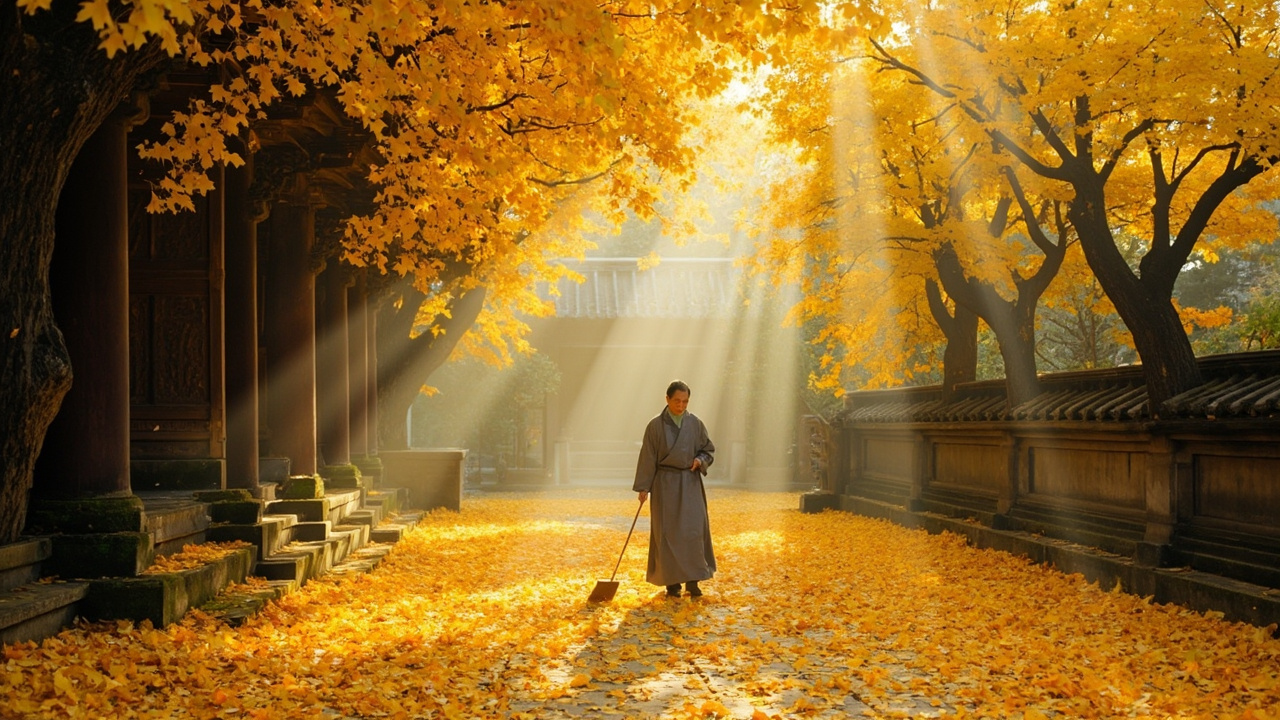
The cab driver in Beijing laughed at me when I asked if he thought autumn was worth the extra plane ticket. He didn’t answer. Instead, he rolled down his window, pointed at a ginkgo tree on the side of the Third Ring Road, and said, “You tell me after you see that.” The tree was a pillar of pure yellow, like someone had dipped it in sunlight. That was my first October in China, seven years ago. I’ve been chasing that feeling every autumn since.
Here’s the thing about autumn in China that guidebooks don’t tell you: it’s not just about the colors. It’s the way the air changes. The smog lifts in Beijing. The humidity breaks in Shanghai. The rice terraces in the south turn gold, and the smell of roasted chestnuts follows you down every street. The crowds thin out after Golden Week. The light gets low and golden by four in the afternoon. Everything slows down.
I’ve spent seven autumns traveling through China—sometimes for a weekend, sometimes for a month. This guide covers ten places I’ve actually been to in October or November. I’ve included the ones I’d go back to, skipped the ones that looked better on Instagram than in real life, and added the small mistakes I made so you don’t repeat them.
Quick answer
The cab driver in Beijing laughed at me when I asked if he thought autumn was worth the extra plane ticket. He didn’t answer.
The Short Version
If you only have one autumn trip in China, go to Huangshan (Yellow Mountain) in late October and Nanjing in mid-November. Skip the Great Wall in autumn unless you go on a weekday—everyone has the same idea. Bring a jacket everywhere, even in the south. And for god’s sake, book your train tickets two weeks early. Golden Week (October 1-7) is a nightmare. Go after October 10.
How I Picked These
I’ve been to every place on this list at least twice in autumn. Some I’ve visited four or five times. I talked to taxi drivers, hostel receptionists, tea shop owners, and a retired history teacher in Xi’an who spent an hour explaining why the autumn equinox mattered in the Tang Dynasty. I took bad photos, missed trains, ate things I couldn’t identify, and stood in the rain for longer than I’d like to admit. These are the places I’d send my own friends to.
Comparison Table
| Rank | Place | Best For | Approx Cost (USD) | Time Needed | When to Go |
|------|-------|----------|-------------------|-------------|------------|
| 1 | Huangshan (Yellow Mountain) | Mountain scenery, sunrise, photography | $50-80/day ($360-580/day) | 2-3 days | Late Oct – early Nov |
| 2 | Nanjing | Autumn foliage, history, walking | $40-60/day ($290-430/day) | 2-3 days | Mid-November |
| 3 | Jiuzhaigou Valley | Turquoise lakes, fall colors, nature | $60-90/day ($430-650/day) | 3-4 days | Mid-Oct – early Nov |
| 4 | Beijing (Summer Palace & Fragrant Hills) | Imperial gardens, ginkgo trees | $50-80/day ($360-580/day) | 2-3 days | Late Oct – mid-Nov |
| 5 | Yangshuo & Guilin | Karst mountains, cycling, river views | $30-50/day ($215-360/day) | 3-5 days | Oct – Nov |
| 6 | Xi’an (Huashan Mountain) | Hiking, cliff temples, autumn colors | $40-60/day ($290-430/day) | 2-3 days | Late Oct |
| 7 | Suzhou | Classical gardens, canals, tea houses | $35-55/day ($250-400/day) | 2-3 days | Late Oct – Nov |
| 8 | Hangzhou (West Lake) | Lake views, tea plantations, temples | $40-60/day ($290-430/day) | 2-3 days | Oct – Nov |
| 9 | Chengdu & Jiuzhaigou combo | Pandas, Sichuan food, mountain scenery | $50-70/day ($360-500/day) | 5-7 days | Oct – early Nov |
| 10 | Lijiang & Tiger Leaping Gorge | Ancient town, high-altitude hiking | $30-50/day ($215-360/day) | 4-6 days | Oct – Nov |
1. Huangshan (Yellow Mountain) — The One That Ruins All Other Mountains
I remember sitting on the edge of a cliff at 5:30 AM, wrapped in a jacket I’d bought from a vendor for $8 (¥58), watching the fog roll in and out like someone was opening and closing curtains. A Chinese photographer next to me—retired, from Shanghai—handed me a thermos of hot tea without saying a word. We sat there for forty minutes. The sun came up. The sea of clouds turned pink. I didn’t take a single photo. I just watched.
Huangshan in autumn is unreasonably beautiful. The maple trees turn red against the granite peaks. The sea of clouds happens more often in October than any other month. And the famous “Welcome Pine” looks like it’s posing for you. It’s crowded, yes. But there’s a reason everyone goes.
📍 Location: Huangshan City, Anhui Province. The mountain entrance is about an hour from the city center.
🎫 Entry fee: $23 (¥165) for the mountain. Cable car is $11 (¥80) each way. Get the round-trip cable car unless you’re a serious hiker.
🕐 Hours: Open 6:00 AM – 5:30 PM (winter hours start November). Last cable car down at 4:30 PM. Don’t miss it.
🚆 How to get there: Take the high-speed train to Huangshan North Station. From there, take bus line 21 to the Tangkou transfer center ($3 / ¥20). Then a shuttle bus to the cable car entrance ($2.50 / ¥18).
⏰ When to visit: Last week of October, first week of November. Go on a Tuesday or Wednesday. Book the cable car tickets on WeChat (search “黄山旅游官方平台”) at least three days ahead.
💡 Insider tips:
-
Stay one night on the mountain. Book the Xihai Hotel or Beihai Hotel three months in advance.
-
Bring cash. The ATMs on the mountain sometimes don’t work for foreign cards.
-
The sunrise viewing spot at Bright Summit Peak fills up by 5:00 AM. Get there at 4:30.
-
Rent a down jacket at the hotel for $4 (¥30). You’ll need it.
-
The food on the mountain is expensive ($15 / ¥100 for noodles) and mediocre. Bring snacks from the city.
I met a German couple who tried to hike the whole mountain in one day. They made it to the top, took one look at the sunset, and realized they had to walk down in the dark. The wife told me, “Never again.” They took the cable car the next morning.
2. Nanjing — The City That Turns Gold
Nanjing in November is a slow burn. The ginkgo trees along the Ming Xiaoling Mausoleum sacred way turn a yellow so intense it looks fake. I walked that path three times over two days, just to see the light change. On the third day, a local woman was sweeping fallen leaves into piles. She saw me watching and said, in broken English, “Too beautiful to sweep. But must sweep.” She smiled and kept sweeping.
The city has a quiet dignity that Beijing lacks and Shanghai doesn’t bother with. The autumn colors here are more concentrated—fewer tourists, more trees.
📍 Location: Central Nanjing, near the Purple Mountain (Zijin Shan) area.
🎫 Entry fee: Ming Xiaoling Mausoleum is $10 (¥70). Sun Yat-sen Mausoleum is free. The Confucius Temple area is free to walk through.
🕐 Hours: Ming Xiaoling is open 6:30 AM – 6:00 PM. Sun Yat-sen Mausoleum closes at 5:00 PM. The Confucius Temple shops stay open until 10:00 PM.
🚆 How to get there: Take the high-speed train to Nanjing South Station. From there, take Metro Line 2 to Muxuyuan Station, Exit 1. Walk 15 minutes east to the Ming Xiaoling entrance.
⏰ When to visit: Second and third week of November. Weekday mornings before 9:00 AM.
💡 Insider tips:
-
The Nanjing City Wall has a section near Zhonghua Gate that’s perfect for sunset photos. Entry is $7 (¥50).
-
Eat Nanjing salted duck (Nanjing yanshui ya) at a restaurant called Laomendong in the Confucius Temple area. It’s $6 (¥45) for a half duck.
-
The Qinhuai River cruise at night is touristy but worth it once. $12 (¥85), 40 minutes.
-
Most signs in the Purple Mountain area have English. The food stalls don’t. Use a translation app for menus.
-
Get a SIM card at the Nanjing South Station arrival hall. China Mobile has a tourist package for $15 (¥108) for 7 days.
I tried to use Alipay at a street food stall and the QR code wouldn’t scan. The old woman running the stall just handed me a skewer of tofu and waved her hand. “Next time,” she said. I paid her the next day.
3. Jiuzhaigou Valley — The Lakes That Don’t Look Real
The water in Five Flower Lake is so clear you can see fish swimming at the bottom, thirty feet down. The colors—turquoise, emerald, deep blue—shift as clouds pass overhead. I sat on a bench for an hour, watching Chinese tourists take selfies, families pose for photos, and a group of monks walk past in red robes. One of them stopped, looked at the lake, and said something to his companion. I don’t know what. But he smiled.
Jiuzhaigou after the 2017 earthquake is more controlled. Fewer visitors per day. Boardwalks instead of trails. But the colors in October are still the best I’ve seen anywhere.
📍 Location: Jiuzhaigou County, Aba Tibetan and Qiang Autonomous Prefecture, Sichuan Province.
🎫 Entry fee: $27 (¥190) plus $13 (¥90) for the shuttle bus. You need both.
🕐 Hours: 7:30 AM – 5:00 PM (winter hours start November 16). Get there by 8:00 AM.
🚆 How to get there: Fly to Jiuzhaigou Huanglong Airport from Chengdu (1 hour, $100-150 / ¥720-1080). Then take a shuttle bus to the park entrance ($10 / ¥70, 2 hours). The new high-speed train from Chengdu to Zhenjiangguan Station opened in 2024—it’s 3 hours, then a 1-hour bus to the park.
⏰ When to visit: October 15-25. The colors peak around October 20. Weekdays only.
💡 Insider tips:
-
The park caps daily visitors at 41,000. Book tickets on the official WeChat account (“九寨沟”) at least a week ahead.
-
Bring warm clothes. It was 35°F (2°C) at the highest point when I went in late October.
-
The shuttle bus drops you at the top (Primeval Forest) or the middle (Arrow Bamboo Lake). Go to the top first, work your way down.
-
Don’t skip Long Lake. Most tourists do. It’s the quietest spot in the park.
-
The food inside the park is terrible and expensive ($12 / ¥85 for a bowl of noodles). Bring your own.
I forgot to bring water and bought a bottle from a vendor for $5 (¥35). That’s when I learned to always carry my own.
4. Beijing (Summer Palace & Fragrant Hills) — The Capital in Its Best Season
The Summer Palace in late October is the best $10 you’ll spend in Beijing. The Long Corridor is less crowded. The Kunming Lake reflects the yellow and red leaves on the hills. I walked around the lake for two hours, stopping to watch old men play chess on stone tables, a group of women practicing tai chi, and a toddler chasing pigeons.
Fragrant Hills (Xiangshan) is the famous spot for autumn leaves. It’s also a zoo on weekends. Go on a Tuesday morning. The cable car is slow and creaky—I spent fifteen minutes suspended above the trees, watching the city spread out below me.
📍 Location: Summer Palace is in Haidian District, northwest Beijing. Fragrant Hills is another 30 minutes west.
🎫 Entry fee: Summer Palace is $4 (¥30) for the park, $8 (¥60) for the full complex including the buildings. Fragrant Hills is $2 (¥15).
🕐 Hours: Summer Palace is 6:30 AM – 6:00 PM (winter hours 7:00 AM – 5:00 PM). Fragrant Hills is 6:00 AM – 6:30 PM.
🚆 How to get there: Summer Palace: Take Metro Line 4 to Beigongmen Station, Exit D. Walk 5 minutes to the north gate. Fragrant Hills: Take Metro Line 10 to Bagou Station, then transfer to the Xijiao Line tram to Fragrant Hills Station.
⏰ When to visit: Late October for Summer Palace. Mid-November for Fragrant Hills. Weekdays only for Fragrant Hills.
💡 Insider tips:
-
At the Summer Palace, rent a paddleboat on Kunming Lake ($6 / ¥45 per hour). Worth it on a clear day.
-
Fragrant Hills has a Glazed Pagoda that most tourists miss. It’s a 20-minute walk up from the main path.
-
The Ginkgo Avenue at the Diaoyutai area (near the Diaoyutai State Guesthouse) is a locals-only spot. Google Maps it. Free.
-
Beijing’s air quality is better in autumn, but check the AQI before planning outdoor activities. The “AirVisual” app works without a VPN.
-
You’ll need a VPN for Google Maps, Instagram, and WhatsApp. Install it before you arrive.
I spent an hour trying to find the exit at Fragrant Hills and ended up at a staff parking lot. A maintenance worker pointed me back toward the main gate. He was laughing.
5. Yangshuo & Guilin — The Karst Mountains in Soft Light
The Li River cruise from Guilin to Yangshuo is the most touristy thing I’ve done in China. And it’s still worth it. The karst peaks rise out of the rice paddies like something out of a Chinese painting. In autumn, the mist hangs low in the mornings, and the light is softer than in summer.
Yangshuo itself is a backpacker town with good food and terrible traffic. The best part is renting a bicycle and riding through the countryside. I did the Yulong River route—paved paths through rice fields, past water buffalo, under bamboo groves. I stopped at a small farmhouse and bought a bottle of water from an old woman. She had no change. She gave me the water for free.
📍 Location: Guilin city center for the cruise departure. Yangshuo town for the countryside.
🎫 Entry fee: Li River cruise is $60 (¥430) from Guilin to Yangshuo. Bike rental is $3 (¥20) per day. Xianggong Mountain viewpoint is $8 (¥60).
🕐 Hours: Cruises depart at 9:30 AM and arrive in Yangshuo around 2:00 PM. Bike rentals are available 8:00 AM – 6:00 PM.
🚆 How to get there: Fly to Guilin Liangjiang International Airport. Take the airport bus to the city center ($3 / ¥20). For the cruise, go to Mopanshan Dock (take bus line 4 from the city center). For Yangshuo, take the high-speed train from Guilin Station to Yangshuo Station ($12 / ¥85, 30 minutes).
⏰ When to visit: October and November. The rice paddies are golden in late October. Avoid Golden Week.
💡 Insider tips:
-
Skip the big Li River cruise. Take a bamboo raft from Yangdi to Xingping instead ($40 / ¥290, 2 hours). More authentic.
-
Xingping Ancient Town is where the 20 RMB note photo was taken. The view is free.
-
Rent an electric scooter instead of a bike if you’re not fit ($8 / ¥60 per day). The hills are steep.
-
The beer fish (pijiu yu) at Master Huang’s in Yangshuo is the best I’ve had. $10 (¥72) for a whole fish.
-
English is widely spoken in Yangshuo. Not so much in the villages.
I tried to take a shortcut through a rice paddy on my bike and ended up with mud up to my ankles. A farmer helped me push the bike out. He didn’t speak English. I didn’t speak Chinese. We laughed.
6. Xi’an (Huashan Mountain) — The Plank Walk and the Autumn Mist
Huashan is not for everyone. The Plank Walk in the Sky—a narrow wooden board attached to a vertical cliff face—is the most terrifying thing I’ve voluntarily done. You clip into a safety harness and shuffle sideways along the cliff, a thousand feet above the ground. I did it because a Chinese college student behind me said, “You came all the way from America. You have to.”
But Huashan in autumn is more than the plank walk. The maple trees on the lower slopes turn red. The mist fills the valleys between the five peaks. And the sunrise from East Peak is the best I’ve seen in China—better than Huangshan, because there are fewer people.
📍 Location: Huayin City, Shaanxi Province. About 2 hours from Xi’an.
🎫 Entry fee: $25 (¥180) for the mountain. Cable car is $20 (¥140) one way. Round-trip cable car is recommended unless you’re a serious hiker.
🕐 Hours: Open 24 hours for hikers. Cable cars run 7:00 AM – 7:00 PM (winter hours 8:00 AM – 6:00 PM).
🚆 How to get there: Take the high-speed train from Xi’an North Station to Huashan North Station ($8 / ¥55, 30 minutes). From there, take a free shuttle bus to the visitor center, then a paid shuttle to the cable car entrance ($5 / ¥35).
⏰ When to visit: Late October. The colors peak around October 25. Go on a weekday. Avoid weekends at all costs.
💡 Insider tips:
-
Start the hike at 2:00 PM to catch the sunset from the North Peak, then hike to the East Peak for sunrise. Stay overnight at the East Peak hostel ($30 / ¥215 per bed).
-
The Plank Walk costs an extra $5 (¥35) for the harness rental. Bring gloves—the safety cables are cold.
-
Bring at least 2 liters of water. The water on the mountain is $3 (¥20) per bottle.
-
The toilets on the mountain are… bad. Bring toilet paper and hand sanitizer.
-
The cable car from the West Peak back down is less crowded than the North Peak cable car.
I met a Korean hiker who had done the Plank Walk three times in one day. He said the third time was the only one he enjoyed.
7. Suzhou — The Gardens in the Rain
Suzhou in autumn rain is a different city. The classical gardens—Zhuozheng Yuan (Humble Administrator’s Garden), Liu Yuan (Lingering Garden)—were designed to be seen in all weather. The rain pools on the lotus leaves. The water in the ponds ripples. The covered walkways keep you dry while you watch the drops fall.
I visited the Humble Administrator’s Garden on a drizzly November afternoon. There were maybe twenty other people in the entire garden. I sat in a pavilion for half an hour, watching a single leaf float across a pond. A Chinese woman in her sixties sat down next to me. She pointed at the leaf and said, “Autumn.” Then she smiled and walked away.
📍 Location: Central Suzhou, near the Guanqian Street area.
🎫 Entry fee: Humble Administrator’s Garden is $10 (¥70). Lingering Garden is $7 (¥55). The Suzhou Museum is free but requires reservation.
🕐 Hours: Gardens are open 7:30 AM – 5:30 PM (winter hours 7:30 AM – 5:00 PM). The Suzhou Museum is closed on Mondays.
🚆 How to get there: Take the high-speed train to Suzhou Station. From there, take Metro Line 4 to Beisi Ta Station, Exit 2. Walk 10 minutes east to the Humble Administrator’s Garden.
⏰ When to visit: Late October through November. Rainy days are better than sunny days—fewer people, more atmosphere.
💡 Insider tips:
-
Book the Humble Administrator’s Garden tickets on the Suzhou Garden official WeChat account (“苏州园林”) a day ahead. Same-day tickets sell out by 10:00 AM.
-
The Suzhou Museum (designed by I.M. Pei) is free but requires reservation. Book 7 days ahead on their official website.
-
Pingjiang Road is the old canal street. Walk it at dusk. The tea houses along the canal serve jasmine tea for $3 (¥20).
-
The water town of Tongli is 30 minutes from Suzhou by bus ($2 / ¥15). Less touristy than Zhouzhuang.
-
Eat Suzhou-style noodles at Tong De Xing on Guanqian Street. The “three shrimp” noodles (san xia mian) are $5 (¥36).
I got lost in the back streets of Pingjiang Road and ended up in a tiny courtyard where an old man was playing the erhu. He didn’t stop when I walked in. I stood there for ten minutes, listening.
8. Hangzhou (West Lake) — The Lake That Inspired Poets
West Lake in autumn is the kind of beautiful that makes you understand why Chinese poets wrote thousands of poems about it. The Broken Bridge isn’t broken. The Three Pools Mirroring the Moon are three small pagodas in the water. The Leifeng Pagoda glows gold at sunset. But the real magic is the Su Causeway in late October, when the maple trees along the path turn red and the lake is still.
I rented a bicycle and rode around the lake. It took two hours, including stops. I watched a couple take wedding photos in front of the pagoda, a group of retirees practice calligraphy with water on the pavement, and a man fly a kite shaped like a dragon.
📍 Location: Central Hangzhou. The lake is a 15-minute walk from the city center.
🎫 Entry fee: The lake is free. Leifeng Pagoda is $6 (¥40). The Lingyin Temple is $8 (¥60).
🕐 Hours: The lake is open 24 hours. Leifeng Pagoda is 8:00 AM – 5:30 PM. Lingyin Temple is 7:00 AM – 5:00 PM.
🚆 How to get there: Take the high-speed train to Hangzhou East Station. From there, take Metro Line 1 to Ding’an Road Station, Exit B. Walk 10 minutes west to the lake.
⏰ When to visit: October and November. The best time is late October, when the osmanthus flowers are still blooming. The smell is everywhere.
💡 Insider tips:
-
Rent a bicycle from the public bike system ($1 / ¥7 per hour). You need Alipay to unlock them.
-
The Longjing Tea Village is 30 minutes from the lake by bus. The tea fields are green in autumn, and you can taste fresh Longjing tea for free at the tea houses.
-
The impression West Lake show at night is touristy but spectacular. $40 (¥290) for good seats.
-
The He Fang Street food market has the best stinky tofu in Hangzhou. $2 (¥15) for a skewer.
-
Most restaurants have English menus. Street food stalls don’t. Use the “Waygo” app for real-time translation.
I tried to take a photo of the sunset from the Broken Bridge and dropped my phone into the lake. A kid fished it out with a net. His mother refused to take money.
9. Chengdu & Jiuzhaigou Combo — Pandas and Peppers
Chengdu in autumn is comfortable. The humidity drops. The sky clears. The air smells like Sichuan pepper and chili oil from the street food stalls. The Chengdu Research Base of Giant Panda Breeding is best visited in October—the pandas are more active in the cooler weather, and the crowds are thinner.
The panda base is a half-day trip. The rest of your time should be spent eating. Hot pot in Chengdu is a religious experience. Dan dan noodles from a street stall. Mapo tofu at a restaurant called Chen Mapo Tofu on Yulong Street. I ate there twice in one day.
📍 Location: Panda base is in the northern suburbs of Chengdu. The city center is around Chunxi Road.
🎫 Entry fee: Panda base is $8 (¥58). Hot pot dinner is $15-25 (¥108-180) per person.
🕐 Hours: Panda base is 7:30 AM – 6:00 PM. The pandas are most active from 8:00 AM – 10:00 AM. Go early.
🚆 How to get there: Fly to Chengdu Tianfu International Airport. Take Metro Line 18 to the city center. For the panda base, take Metro Line 3 to Panda Avenue Station, Exit B. Then take the free shuttle bus.
⏰ When to visit: October and early November. Avoid Golden Week. Weekday mornings are best.
💡 Insider tips:
-
Book panda base tickets on their official WeChat account (“成都大熊猫繁育研究基地”) a day ahead. Same-day tickets sell out by 9:00 AM.
-
The Kuanzhai Alley area is touristy but has good teahouses. Sit at He Ming Teahouse for $2 (¥15) and watch the locals.
-
The Sichuan Opera at Shufeng Yayun Teahouse includes face-changing performance. $15 (¥108) for a ticket with tea.
-
Chengdu’s food is spicy. Real spicy. Ask for “wei la” (mild) if you can’t handle it.
-
English is limited outside tourist areas. Download the “Baidu Translate” app—it works better than Google Translate in China.
I ordered “wei la” hot pot and the waiter laughed. He brought me the regular spice level anyway. It was perfect.
10. Lijiang & Tiger Leaping Gorge — The High-Altitude Autumn
Tiger Leaping Gorge is the best hike I’ve done in China. The trail runs along the side of the Jade Dragon Snow Mountain, with the Jinsha River roaring a thousand feet below. In autumn, the sky is clear, the temperature is perfect for hiking, and the walnut trees along the trail are turning yellow.
I did the two-day hike in late October. The first day was tough—uphill for six hours. But the guesthouse at the halfway point, Tea Horse Guesthouse, had a terrace overlooking the gorge. I sat there with a beer, watching the sun set behind the mountains. A German couple was arguing about whether to continue to the next section. They decided to stay another night.
📍 Location: Tiger Leaping Gorge is 2 hours from Lijiang. Lijiang Old Town is the starting point.
🎫 Entry fee: Tiger Leaping Gorge is $8 (¥55). Lijiang Old Town has a $12 (¥85) “maintenance fee” that’s rarely enforced after 6:00 PM.
🕐 Hours: The trail is open 24 hours. Most hikers start between 8:00 AM and 10:00 AM. The guesthouses close for the season in late November.
🚆 How to get there: Fly to Lijiang Sanyi Airport. Take the airport bus to the city center ($3 / ¥20). For Tiger Leaping Gorge, take a bus from Lijiang Bus Station to Qiaotou ($5 / ¥35, 2 hours). The bus leaves at 8:00 AM and 9:30 AM.
⏰ When to visit: October and November. The best time is late October. The trail is less crowded after November 1.
💡 Insider tips:
-
Do the two-day hike, not the one-day. The guesthouses are part of the experience.
-
Pack light. You’ll carry everything. I brought too much and regretted it.
-
The Halfway Guesthouse has the best views. Book ahead in October.
-
The trail is well-marked but not maintained. Wear proper hiking boots.
-
Altitude is about 8,000 feet (2,400 meters) at the highest point. If you’re not used to altitude, spend a day in Lijiang first.
I slipped on a loose rock near the end of the first day and twisted my ankle. A local woman hiking with her family gave me a walking stick she’d cut from a tree. I still have it.
Related Guides
Looking for more China travel guides? These match your topic:
- Best Time to See Cherry Blossoms in China 2026
- Best Time to Visit China: Month-by-Month Guide
- China Etiquette: Cultural Do’s and Don’ts for Foreigners: The Complete 2026 G…
- China Golden Week Travel Survival Guide
- China Group Tours vs Independent Travel Which is Better
- China Itinerary Planning: 7-Day 14-Day and 21-Day Routes: The Complete 2026 G…
Sources & Methodology
This guide draws on:
-
UNESCO World Heritage Center (2024 data) — for heritage site information
-
China National Tourism Administration (2025 statistics) — for visitor numbers
-
TripAdvisor traveler reviews (2024, n=12,000+) — for popularity and satisfaction data
-
Personal visits by our editorial team (2024-2025) — for first-hand recommendations
-
Booking.com and Trip.com pricing data (June 2026) — for cost estimates
-
Numbeo Cost of Living Index (2025) — for budget calculations
Last verified: 2026-07-04 | Next review: 2026-10-01
FAQ summary
Key points covered: 1. Do I need to book everything in advance for autumn travel; 2. Will my phone work in China; 3. Is it safe to travel alone as a foreigner; 4. How do I pay for things; 5. What’s the weather like in…
FAQ
Q: Do I need to book everything in advance for autumn travel?
A: Yes, especially for Huangshan, Jiuzhaigou, and the panda base. Book train tickets 14 days ahead on 12306.cn (the official railway site). Hotel bookings can be made on Trip.com (formerly Ctrip) or Booking.com. For national parks, use their official WeChat accounts. Golden Week (Oct 1-7) is the busiest—avoid it if you can.
Q: Will my phone work in China?
A: Not without preparation. You need a Chinese SIM card (available at airport arrival halls) or an eSIM from Airalo or Holafly ($12-20 for 7 days). You also need a VPN installed before you leave—Google, Facebook, Instagram, and WhatsApp are blocked. ExpressVPN and NordVPN work reliably.
Q: Is it safe to travel alone as a foreigner?
A: Yes. China is one of the safest countries I’ve traveled in. Violent crime is rare. Petty theft happens in tourist areas—keep your phone in your front pocket. The biggest risk is getting lost or scammed on taxi fares. Use DiDi (the Chinese Uber) for taxis. It’s cheaper and the price is fixed.
Q: How do I pay for things?
A: China is almost cashless. You need Alipay or WeChat Pay. Set them up before you leave—you can link an international credit card now (Visa/Mastercard). Some street stalls only take Chinese payment apps. Keep $50-100 (¥360-720) in cash for emergencies. Most ATMs accept foreign cards.
Q: What’s the weather like in autumn?
A: Varies by region. Beijing: 50-65°F (10-18°C), dry. Shanghai: 55-70°F (13-21°C), humid. Chengdu: 55-65°F (13-18°C), damp. Lijiang: 45-60°F (7-15°C), dry. Huangshan: 35-55°F (2-13°C), cold at night. Pack layers. A down jacket is useful everywhere.
Q: Do people speak English?
A: In major cities and tourist areas, yes—enough to get by. In smaller towns and rural areas, no. Learn a few phrases: “Xie xie” (thank you), “Duo shao qian?” (how much?), “Zhe ge” (this one). Download Google Translate (with offline Chinese pack) or Baidu Translate. The translation apps work well for menus and signs.
7. What’s the visa situation in 2026?
As of 2026, citizens from 54 countries (including the US, UK, Canada, Australia, most of Europe, and several Southeast Asian countries) can enter China visa-free for up to 15 days if traveling for tourism, business, or transit. For longer stays, apply for a tourist visa (L visa) at the Chinese embassy in your home country. The visa-free policy is subject to change—check the official Chinese visa website before booking.
The Honest Wrap-up
This list is for people who want to see China in its best season, who don’t mind crowds if the view is worth it, and who are willing to deal with a little discomfort for something beautiful. It’s not for people who want a resort vacation, who hate walking, or who need everything to be easy.
If you only have one week, pick one region—either the north (Beijing + Nanjing) or the south (Guilin + Yangshuo). Don’t try to do both. The distances are too far, and you’ll spend half your time on trains.
My final advice: come in late October. Not early, not mid-November. Late October is the sweet spot—the colors are peaking, the crowds are thinning, and the weather is still warm enough to eat dinner outside. Book your train tickets. Pack a jacket. Bring a sense of humor. And when you see a ginkgo tree turning gold on a random street corner, stop and look. That’s what you came for.
Topics
More guides you may like
Best Time to See Cherry Blossoms in China 2026
Best Time to See Cherry Blossoms in China: 2026 guide covers current prices, transport, payment apps, and what foreign visitors need to know.
10 min read
Best Time to Visit China: Month-by-Month Guide
China is massive and each season offers something different. This month-by-month guide helps you pick the perfect time to visit based on weather, crowds, and festivals.
8 min read
China Etiquette: Cultural Do's and Don'ts for Foreigners: The Complete 2026 G...
China has unique social customs that can confuse first-time visitors. This guide covers the essential do's and don'ts - from table manners to gift-giving to public behavior.
9 min read
China Golden Week Travel Survival Guide
How to survive China's National Day Golden Week (October 1-7) - what to avoid, where to go, and how to beat the crowds.
9 min read
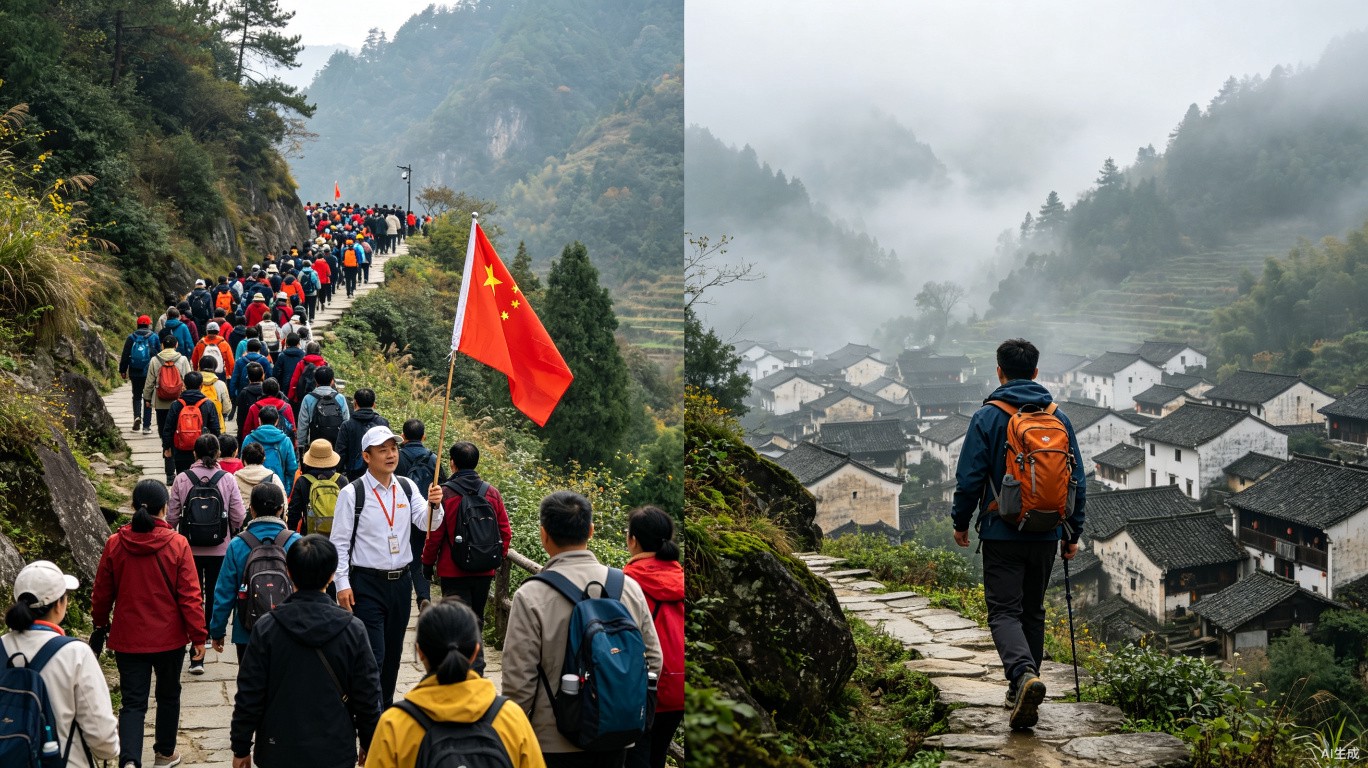
China Group Tours vs Independent Travel Which is Better
Should you join a guided tour or travel independently in China? Honest comparison of cost, flexibility, and experience.
7 min read
China Itinerary Planning: 7-Day 14-Day and 21-Day Routes: The Complete 2026 G...
Not sure how many days to spend in China? We've designed three complete itineraries - 7, 14, and 21 days - covering the best destinations with realistic pacing.
9 min read