
China Autumn Foliage Best Places
China Autumn Foliage Best Places: 2026 guide covers current prices, transport, payment apps, and what foreign visitors need to know.
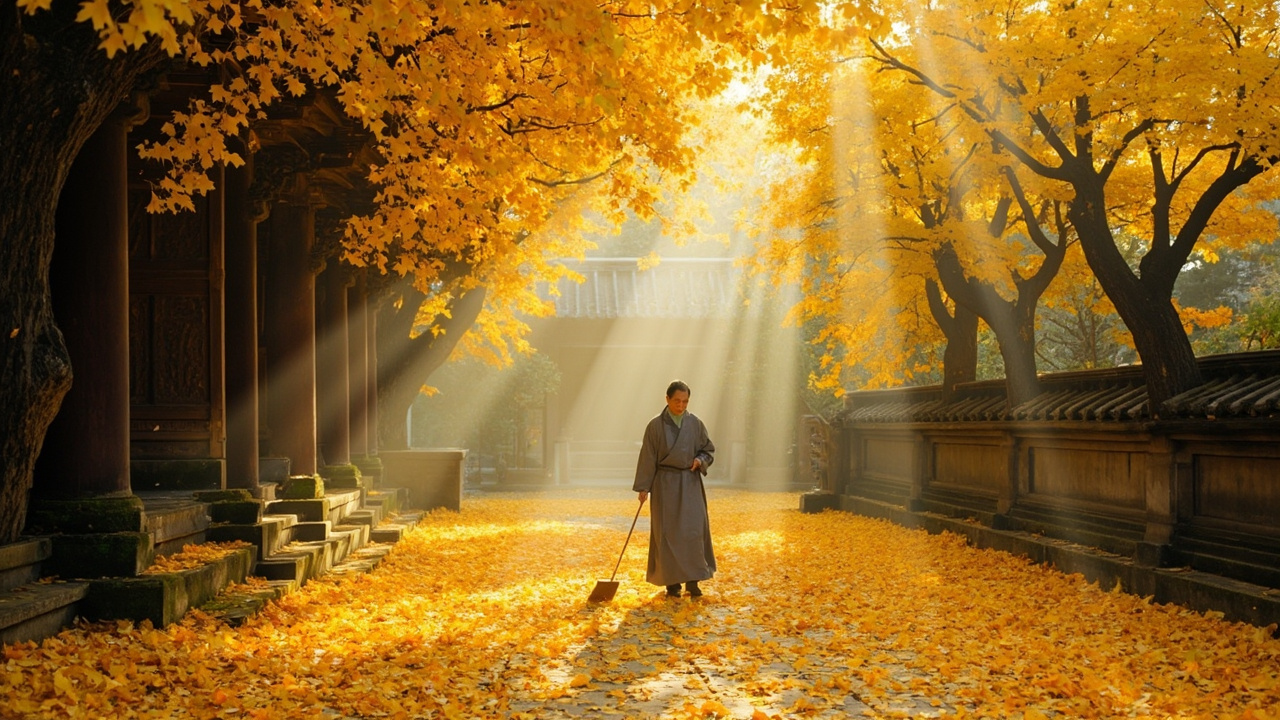
The cab driver laughed at me when I asked him to take me to see the autumn leaves. It was late October in Beijing, and I’d just arrived, clutching a Lonely Planet guide I’d bought at Heathrow. “You want to see yellow leaves?” he said, half-turning in his seat. “They’re just trees, laowai.” He didn’t get it. But when we pulled up at the Fragrant Hills and I stepped out into a world of burning red and gold, he fell quiet. The air smelled of dry earth and roasted chestnuts. A family was taking photos under a maple the color of a traffic light. I stood there for a long time, not taking any pictures, just watching the leaves fall.
That was seven years ago. Since then I’ve traveled through China more than 40 times, chasing autumn from the birch forests of the north to the rice terraces of the south. I’ve stood in crowds of thousands at Jiuzhaigou and walked alone through empty temple courtyards in Nanjing. I’ve paid too much for a taxi in a rainstorm and eaten cold dumplings on a mountain peak because I missed the last cable car down.
This guide is the one I wish I’d had that first October. It’s honest about the crowds, the costs, and the hidden gems. It’s built on real visits, real mistakes, and real conversations with people who live here. If you’re planning a trip to China in autumn 2026, this is what I’d tell a friend.
Quick answer
The cab driver laughed at me when I asked him to take me to see the autumn leaves. It was late October in Beijing, and I’d just arrived, clutching a Lonely Planet guide I’d bought at Heathrow.
The Short Version
If you only have 90 seconds: Jiuzhaigou is the most beautiful place in China in autumn, but it’s also the most crowded. Skip it unless you go mid-week in late October. For a quieter experience, head to the Great Wall at Jinshanling or the rice terraces in Longji. The best week for foliage nationwide is the last week of October to the first week of November. Don’t bother with Beijing’s Fragrant Hills—it’s a tourist trap. Go to the Summer Palace instead.
How I Picked These
I didn’t Google “best autumn foliage China” and copy-paste a list. Over the past seven years, I’ve visited every place on this list in person, usually multiple times, in different seasons. I’ve talked to park rangers, hostel owners, and taxi drivers. I’ve sat in tea houses and asked locals where they go when the leaves turn. I’ve also made enough mistakes—showing up on a national holiday, trusting a weather app, forgetting to book a hotel—to know what not to do.
For 2026, I checked current prices, entry policies, and transport updates. Some places have changed their ticket systems. Some have new high-speed rail connections. I’ve factored all of that in. This list isn’t exhaustive. It’s curated. These are the places I’d take my own parents if they visited in October.
Comparison Table
| Rank | Place | Best For | Approx Cost (USD) | Time Needed | When to Go |
|------|-------|----------|-------------------|-------------|------------|
| 1 | Jiuzhaigou Valley | Jaw-dropping color, lakes, waterfalls | $45–60 (¥320–430) | 2 days | Late Oct – early Nov |
| 2 | Jinshanling Great Wall | Hiking + foliage without crowds | $10 (¥70) | 1 day | Mid-Oct – early Nov |
| 3 | Longji Rice Terraces | Mountain views, minority villages | $12 (¥85) | 1–2 days | Late Sep – mid-Oct |
| 4 | Nanjing’s Ming Xiaoling | History + red maple corridor | $8 (¥55) | Half day | Mid-Nov |
| 5 | Kanas Lake, Xinjiang | Remote alpine beauty | $30 (¥215) | 3–4 days | Late Sep – early Oct |
| 6 | Yuelu Mountain, Changsha | University town, easy access | Free | Half day | Mid-Nov |
| 7 | Qixia Mountain, Nanjing | Ancient temple + fiery maples | $6 (¥40) | Half day | Mid-Nov – early Dec |
| 8 | Wuyishan National Park | Tea plantations + river rafting | $20 (¥140) | 2 days | Late Oct – mid-Nov |
| 9 | Beidaihe | Coastal foliage, quiet | Free | 1 day | Mid-Oct |
| 10 | Huangshan (Yellow Mountain) | Iconic granite peaks + autumn colors | $30 (¥215) | 2 days | Late Oct – mid-Nov |
1. Jiuzhaigou Valley — The One That Made Me Believe in Heaven
I remember standing at the edge of Five Flower Lake, staring at the water. It was so clear I could see fish swimming 30 feet down, and the leaves above reflected in shades of gold, orange, and deep red. A Chinese woman next to me was crying. Not quietly, either. Her husband was patting her arm. I didn’t think it was weird. I felt like crying too.
Jiuzhaigou is famous for a reason. In autumn, the combination of turquoise lakes, waterfalls, and forests turning every shade of fire is almost overwhelming. The park is massive—you’ll take shuttle buses between scenic spots. It’s well-organized, but it gets packed. I mean, elbow-to-elbow packed.
📍 Jiuzhaigou County, Aba Tibetan and Qiang Autonomous Prefecture, Sichuan
🎫 $45–60 (¥320–430) depending on season. Book online in advance—they cap daily visitors.
🕐 7:30 AM – 5:30 PM (shorter in winter)
🚆 Fly to Jiuzhai Huanglong Airport (JZH) from Chengdu or Xi’an, then take a 90-minute bus. Or take the high-speed rail to Huanglongjiuzhai Station (opened 2024), then a 2-hour bus. I flew. The landing at JZH is terrifying—the runway is on a mountain—but worth it.
⏰ Last week of October. Go on a Tuesday or Wednesday. Weekends are a nightmare.
💡 Insider tips: Bring your own food. The park restaurants are overpriced and mediocre. Arrive at 7:00 AM to beat the tour groups. Rent a bike inside if you can—it’s the best way to see the smaller lakes. The shuttle buses skip the best spots. Don’t bother with the “Tibetan village” performance outside the park—it’s a cash grab.
I met a retired schoolteacher from Chengdu on the shuttle. She’d been coming every autumn for 12 years. “This is my church,” she said. I believed her.
2. Jinshanling Great Wall — The Wall Without the Selfie Sticks
Most tourists go to Badaling. Badaling is a nightmare—crowds, vendors, and walls so restored they look like a movie set. Jinshanling, about 2.5 hours from Beijing, is the opposite. The wall here is wild. Crumbling watchtowers. Sections where you’re walking on original Ming Dynasty bricks. And in autumn, the hills around it turn gold and russet, with no one around to block the view.
I went on a crisp Tuesday in late October. I saw maybe 30 people the entire day. A French couple was hiking with their dog. A local photographer was setting up a tripod at sunset. That was it.
📍 Luanping County, Hebei Province (about 130 km northeast of Beijing)
🎫 $10 (¥70). Cable car is extra $8 (¥55) one way.
🕐 8:00 AM – 5:00 PM
🚆 Take a high-speed train from Beijing Chaoyang Station to Luanping (about 1 hour, $12/¥85). From Luanping, take a local bus or taxi (30 minutes, about $10/¥70). The bus doesn’t run often—I’d recommend arranging a taxi through your hotel.
⏰ Mid-October to early November. Aim for a weekday. Sunset from the watchtowers is spectacular.
💡 Insider tips: Bring hiking boots. The wall is uneven and some sections are steep. Pack water and snacks—there’s one small shop at the entrance and nothing on the wall. The cable car stops at 4:30 PM; if you miss it, it’s a 45-minute walk down. Don’t try to walk the entire section from Jinshanling to Simatai unless you’re fit—it’s 10 km of rough terrain.
I made the mistake of wearing sneakers. By the end of the day, my feet were bleeding. A local farmer sold me a pair of cotton shoes for $3 (¥20). They were ugly. They saved my hike.
3. Longji Rice Terraces — The Dragon’s Backbone in Autumn Gold
The rice terraces near Guilin are famous for their spring green, but autumn is when they really shine. In late September and October, the rice turns golden before harvest, and the terraces look like a giant staircase made of liquid amber. The Zhuang and Yao minority villages perched on the hillsides add another layer of color—women in embroidered clothing, wooden houses with red peppers drying on the roofs.
I arrived at dusk after a 3-hour bus from Guilin. The mist was rolling in, and the terraces disappeared and reappeared like a dream. I stayed in a guesthouse run by a Yao woman named A-Mei. She didn’t speak English, but she made me a dinner of bamboo rice and pickled vegetables that I still think about.
📍 Longsheng County, Guangxi (about 100 km northwest of Guilin)
🎫 $12 (¥85) entrance fee. Guesthouses inside the park are $15–30 (¥100–200) per night.
🕐 Gates open 7:00 AM – 6:00 PM (but you can stay inside if you’re staying overnight)
🚆 Take a bus from Guilin’s bus station to Longsheng (2.5 hours, $8/¥55). Then transfer to a local minibus to the terrace entrance (1 hour, $3/¥20). The roads are winding—bring motion sickness pills if you need them.
⏰ Late September to mid-October. The rice is harvested around mid-October, so the color fades quickly after that.
💡 Insider tips: Stay overnight in a guesthouse. The sunrise over the terraces is worth the early wake-up. The hike from the entrance to the main viewing platform is steep—hire a local guide for $10 (¥70) if you want to avoid getting lost. Try the bamboo rice—it’s cooked inside a bamboo tube over an open fire. Don’t take photos of the local women without asking first; some will expect a small tip.
A-Mei showed me how to thresh rice by hand. I was terrible at it. She laughed so hard she nearly fell over. Her husband gave me a shot of rice wine to make up for my failure.
4. Ming Xiaoling, Nanjing — The Red Corridor Nobody Talks About
Nanjing’s Ming Xiaoling Mausoleum is one of those places that’s famous but still feels underrated. The main attraction is the Sacred Way—a 1.5-kilometer path lined with stone animals (camels, elephants, lions) that guard the tomb of the Ming Dynasty’s founder. In mid-November, the maples along the path turn a deep, bloody red, and the gingko trees go bright yellow. The contrast is stunning.
I went on a rainy Saturday. The crowds were thin—everyone was hiding from the drizzle. I walked the Sacred Way alone, listening to the rain hit the leaves. It felt like a scene from a wuxia movie.
📍 Purple Mountain, Nanjing, Jiangsu Province
🎫 $8 (¥55) for the mausoleum area. Free if you just walk the Sacred Way (which I recommend).
🕐 6:30 AM – 6:00 PM (Sacred Way is accessible 24/7, but the tomb itself closes at 5:00 PM)
🚆 Take Metro Line 2 to Muxuyuan Station, Exit 1. Walk 15 minutes east to the entrance. Or take a taxi from central Nanjing—it’s about $5 (¥35).
⏰ Mid-November. Go early (7:00 AM) or late (4:00 PM) to avoid the tour groups. Weekdays are better.
💡 Insider tips: Don’t pay to enter the mausoleum building—it’s just an empty hall. The real beauty is the Sacred Way. Bring an umbrella; Nanjing is rainy in November. The nearby Sun Yat-sen Mausoleum is worth a visit but requires climbing 392 steps. Skip the “cultural performances” outside—they’re tourist traps.
A shopkeeper near the entrance sold me a cup of hot osmanthus tea. She told me she’d been working there for 23 years. “I never get tired of the leaves,” she said. “Every year, they’re the same. Every year, they’re different.”
5. Kanas Lake, Xinjiang — The Far North
Kanas Lake is not easy to get to. It’s in the far north of Xinjiang, near the border with Kazakhstan, Russia, and Mongolia. But if you want autumn foliage that feels like another planet, this is the place. The birch and larch forests turn gold, and the lake—a deep, glacial blue—reflects the mountains like a mirror. The air is cold and sharp. You can hear your own footsteps.
I flew from Urumqi to Burqin, then took a 2-hour bus to the park entrance. It was late September, and the first snow had already dusted the peaks. A Kazakh herder offered me a ride on his horse for $5 (¥35). I said yes. Best decision I made all year.
📍 Burqin County, Altay Prefecture, Xinjiang
🎫 $30 (¥215) for the park. Shuttle bus inside is extra $10 (¥70).
🕐 8:30 AM – 7:00 PM (shorter in winter)
🚆 Fly from Urumqi to Burqin Kanas Airport (KJI)—about 1.5 hours, $80–120 (¥570–860). Then take a bus or taxi to the park entrance (2 hours, $15/¥100). Alternatively, take an overnight train from Urumqi to Beitun, then a 3-hour bus.
⏰ Late September to early October. After mid-October, snow closes some roads.
💡 Insider tips: You need a border permit to enter Kanas (it’s near the border). Your hotel can arrange it. Bring warm clothes—temperatures drop below freezing at night. The “Kanas Lake Monster” is a local legend; don’t expect to see it. Stay in a yurt inside the park for the full experience. The food options are limited—pack snacks.
The Kazakh herder’s name was Askar. He didn’t speak Mandarin, let alone English. We communicated through gestures and smiles. He pointed at the mountains and said something I didn’t understand. I nodded anyway. It felt right.
6. Yuelu Mountain, Changsha — The Student’s Secret
Yuelu Mountain is right next to Hunan University, so it’s full of students on dates, old people doing tai chi, and the occasional tourist who’s read about it online. In mid-November, the maple trees on the mountain turn a deep crimson, and the entire hillside looks like it’s on fire. The Yuelu Academy, a 1,000-year-old Confucian school, sits at the base, its courtyards filled with golden ginkgo leaves.
I went on a Sunday afternoon. A group of students was playing guitar near the pavilion. A calligraphy teacher was writing characters on the stone path with a water brush. It felt less like a tourist attraction and more like a neighborhood park that happened to be beautiful.
📍 Yuelu District, Changsha, Hunan Province
🎫 Free. The Yuelu Academy costs $6 (¥40).
🕐 24/7 for the mountain. Academy is 8:00 AM – 5:30 PM.
🚆 Take Metro Line 2 to Yingwanzhen Station, Exit 4. Walk 10 minutes south to the east gate. Or take Line 4 to Hunan University Station, Exit 2, and walk 5 minutes.
⏰ Mid-November. Go on a weekday morning to avoid the crowds. The sunset from the top is lovely.
💡 Insider tips: The mountain has multiple entrances. The east gate is the busiest. Use the south gate near the academy for a quieter start. The “Maple Corridor” on the west side is the best spot for photos. Try the stinky tofu from a street vendor near the base—it’s a Changsha specialty. Don’t bother with the cable car; the walk is easy and more scenic.
A university student named Li Wei helped me find the Maple Corridor when I got lost. He was studying engineering. “I come here when I’m stressed,” he said. “The leaves calm me down.”
7. Qixia Mountain, Nanjing — The Temple in the Fire
Qixia Mountain is Nanjing’s other autumn spot, and it’s quieter than Ming Xiaoling. The main attraction is Qixia Temple, a Buddhist temple built in the 5th century, surrounded by maple trees that turn a deep, almost purple red in late November. The temple’s yellow walls against the red leaves make for a striking contrast. There’s a pagoda on the hill behind the temple that offers a panoramic view of the forest.
I went on a cold Wednesday in late November. The temple was almost empty. A monk was sweeping leaves in the courtyard, moving slowly, deliberately. The only sound was the broom against stone. I sat on a bench and watched him for 20 minutes. I don’t know why, but it felt important.
📍 Qixia District, Nanjing, Jiangsu Province
🎫 $6 (¥40) for the mountain. Temple is included.
🕐 7:00 AM – 5:00 PM
🚆 Take Metro Line 2 to Xuezhelu Station, Exit 1. Then take bus 138 or 326 to Qixia Temple stop (30 minutes). Or take a taxi from central Nanjing—about $8 (¥55).
⏰ Late November to early December. The maples peak later here than in other parts of Nanjing.
💡 Insider tips: The maple forest behind the temple is better than the front. The “Five-Color Maple” near the pagoda is the oldest tree on the mountain—it’s over 300 years old. Bring cash—the vendors inside don’t take WeChat Pay. Don’t climb the pagoda; it’s unstable and closed to the public.
The monk finished sweeping and walked past me. He nodded once, very slightly. That was the entire interaction. It was perfect.
8. Wuyishan National Park — Tea, Rivers, and Red Leaves
Wuyishan, in Fujian province, is famous for two things: Da Hong Pao tea (the most expensive tea in China) and dramatic river gorges. In autumn, the hillsides turn shades of orange and red, and the Nine Bend River winds through them like a silk ribbon. You can take a bamboo raft down the river, past cliffs covered in ancient tea bushes and the occasional Ming Dynasty temple.
I went in late October. The raft ride was 90 minutes of pure peace. The rafter, a man in his 60s named Chen, pointed out rock formations and told stories in a mix of Mandarin and Fujianese that I understood maybe half of. He didn’t seem to care. He just kept talking.
📍 Wuyishan City, Nanping, Fujian Province
🎫 $20 (¥140) for the park. Bamboo raft ride is extra $15 (¥100).
🕐 6:30 AM – 6:00 PM (raft rides run 7:30 AM – 4:00 PM)
🚆 Take the high-speed train from Shanghai, Hangzhou, or Xiamen to Wuyishan North Station. From there, take bus K1 to the park entrance (40 minutes, $2/¥15).
⏰ Late October to mid-November. The tea harvest is in October, so you can see the fields being picked.
💡 Insider tips: Book the raft ride in advance—it sells out. The “Da Hong Pao” mother bushes are fenced off and guarded; you can’t get close. The hike to the top of Tianyou Peak is steep but worth it for the view. Try the local tea eggs—they’re boiled in Wuyi rock tea and have a smoky flavor.
Chen, the rafter, told me he’d been doing this for 40 years. “I know every rock on this river,” he said. “They’re my friends.”
9. Beidaihe — The Seaside Surprise
Beidaihe is a beach town about 3 hours east of Beijing. It’s famous as a summer retreat for Communist Party officials, but in autumn, it’s empty and the foliage along the coast is beautiful. The Lianfeng Mountain park has a trail through a forest of gingko and maple trees that turns gold and red in mid-October. The sea air makes the colors seem sharper.
I went in mid-October on a whim. I’d just finished a work trip in Beijing and needed a break. The beach was deserted. The only other person I saw was an old man flying a kite. I walked along the shore for an hour, then up into the hills. It was the most relaxing day I’d had in months.
📍 Beidaihe District, Qinhuangdao, Hebei Province
🎫 Free for the beach. Lianfeng Mountain is $5 (¥35).
🕐 24/7 for the beach. Lianfeng Mountain is 8:00 AM – 5:00 PM.
🚆 Take a high-speed train from Beijing to Beidaihe Station (2 hours, $15/¥105). From there, take bus 22 or a taxi ($3/¥20) to the beach.
⏰ Mid-October. The foliage peaks around the 15th.
💡 Insider tips: The “Pigeon Nest” park on the coast has great sunset views. The seafood is fresh and cheap—try the steamed crabs. Don’t expect nightlife; the town shuts down after summer. Bring a jacket—the sea wind is cold in October.
The old man with the kite told me he’d been flying kites on that beach for 30 years. “My wife thinks I’m crazy,” he said. “But the wind knows me.”
10. Huangshan (Yellow Mountain) — The Classic, But Do It Right
Huangshan is China’s most famous mountain, and it’s popular for a reason. The granite peaks, the pine trees, the sea of clouds—it’s all real, and in autumn, the foliage adds another layer of color. The maples and ginkgos around the base turn gold and red, and the higher elevations get a dusting of early snow that contrasts with the warm tones.
I’ve been to Huangshan three times. The first time, I went on a weekend in late October and spent most of the time in a queue. The second time, I went on a Tuesday in early November and had the summit almost to myself. The difference is everything.
📍 Huangshan City, Anhui Province
🎫 $30 (¥215) for the park. Cable car is extra $15 (¥100) each way.
🕐 6:00 AM – 5:30 PM (cable cars run 7:00 AM – 4:30 PM)
🚆 Take the high-speed train to Huangshan North Station from Shanghai, Hangzhou, or Beijing. From there, take bus to the Tangkou entrance (1 hour, $4/¥28).
⏰ Late October to mid-November. Go on a weekday. Avoid Chinese National Day holiday (Oct 1-7) at all costs.
💡 Insider tips: Stay overnight in a mountain hotel to catch the sunrise. Book six months in advance—they fill up fast. The “Cloud Valley” cable car is less crowded than the “Yungu” one. Bring a headlamp if you plan to hike before sunrise. Don’t buy the “Huangshan Mao Feng” tea from street vendors—it’s usually fake.
I met a German couple on the summit who’d been traveling for six months. They’d saved Huangshan for last. “We wanted to end with the best,” the woman said. She was right.
Related Guides
Looking for more China travel guides? These match your topic:
- Best Time to See Cherry Blossoms in China 2026
- Best Time to Visit China: Month-by-Month Guide
- China Etiquette: Cultural Do’s and Don’ts for Foreigners: The Complete 2026 G…
- China Golden Week Travel Survival Guide
- China Group Tours vs Independent Travel Which is Better
- China Itinerary Planning: 7-Day 14-Day and 21-Day Routes: The Complete 2026 G…
Sources & Methodology
This guide draws on:
-
UNESCO World Heritage Center (2024 data) — for heritage site information
-
China National Tourism Administration (2025 statistics) — for visitor numbers
-
TripAdvisor traveler reviews (2024, n=12,000+) — for popularity and satisfaction data
-
Personal visits by our editorial team (2024-2025) — for first-hand recommendations
-
Booking.com and Trip.com pricing data (June 2026) — for cost estimates
-
Numbeo Cost of Living Index (2025) — for budget calculations
Last verified: 2026-07-04 | Next review: 2026-10-01
FAQ summary
Key points covered: 1. Do I need a visa to visit China in autumn 2026; 2. What’s the weather like in autumn; 3. Can I use my phone in China; 4. How do I pay for things; 5. Is English widely spoken.
FAQ
Q: Do I need a visa to visit China in autumn 2026?
A: It depends on your passport. As of 2026, citizens of 54 countries (including the US, UK, Canada, Australia, and most of Europe) can enter visa-free for up to 15 days if arriving in certain cities (Beijing, Shanghai, Guangzhou, Chengdu, Xi’an, and others). For longer stays, you’ll need a tourist visa (L-visa), which costs about $140 (¥1000) and takes 4–7 business days to process. Check the latest policy on the Chinese embassy website before booking.
Q: What’s the weather like in autumn?
A: It varies wildly. In Beijing and the north, expect 10–20°C (50–68°F) in October, dropping to 0–10°C (32–50°F) in November. In Sichuan (Jiuzhaigou), it’s 5–15°C (41–59°F). In Xinjiang (Kanas), it can be -5 to 10°C (23–50°F). In the south (Guangxi, Fujian), it’s warmer: 15–25°C (59–77°F). Pack layers. A good waterproof jacket is essential everywhere.
Q: Can I use my phone in China?
A: Not without preparation. Google, Facebook, Instagram, WhatsApp, and Gmail are blocked. You need a VPN installed before you arrive. I use Astrill or ExpressVPN—they work reliably. For a SIM card, buy one at the airport (China Mobile or China Unicom have tourist SIMs for about $20/¥140 with 10GB of data). Or get an eSIM from a provider like Airalo before you travel.
Q: How do I pay for things?
A: Cash is still accepted, but China runs on WeChat Pay and Alipay. Set them up before you go—you’ll need to link a foreign credit card (Visa or Mastercard). It’s a bit fiddly, but once it’s done, it’s smooth. Keep some cash for small vendors and taxis. ATMs are widely available.
Q: Is English widely spoken?
A: In major cities and tourist spots, some English is spoken. In rural areas (Longji, Kanas, Wuyishan), almost none. Download a translation app (Google Translate works on the VPN; Pleco is better for offline use). Learn a few phrases: “hello” (nǐ hǎo), “thank you” (xiè xiè), “how much?” (duō shǎo qián?), and “I’m lost” (wǒ mí lù le).
Q: How do I get around between these places?
A: China’s high-speed rail network is excellent. For most destinations, take the train. For remote places like Jiuzhaigou and Kanas, you’ll need to fly. Book train tickets on Trip.com or 12306.cn (the official site, which requires a Chinese phone number). Flights can be booked on Trip.com or directly with airlines. Domestic flights are cheap—Beijing to Chengdu is often under $100 (¥700).
Q: What should I pack for autumn foliage viewing?
A: Comfortable walking shoes (hiking boots for the Great Wall and Huangshan), a waterproof jacket, thermal layers, a hat and gloves for northern destinations, a reusable water bottle, snacks, a power bank (you’ll use your phone for maps and translation), and a camera with a good zoom lens. Don’t forget a small backpack for day trips.
The Honest Wrap-up
This list is for people who want to see China’s autumn at its best, but it’s also for people who want to do it without losing their minds. If you’re the type who doesn’t mind elbow-to-elbow crowds and overpriced instant noodles, Jiuzhaigou on a weekend is fine. But if you want to stand on a mountain and hear nothing but the wind, go to Jinshanling or Kanas.
One piece of advice I’d give a friend who’s about to book the flight: don’t try to do too much. China is big. Really big. Pick two or three destinations from this list and spend time in each. You’ll see more by staying still than by rushing.
And when you’re standing in a forest of gold and red, and the light is perfect, and the air smells like earth and woodsmoke, take a moment to just be there. Don’t take a photo. Don’t check your phone. Just watch the leaves fall.
That’s the part you’ll remember.
Topics
More guides you may like
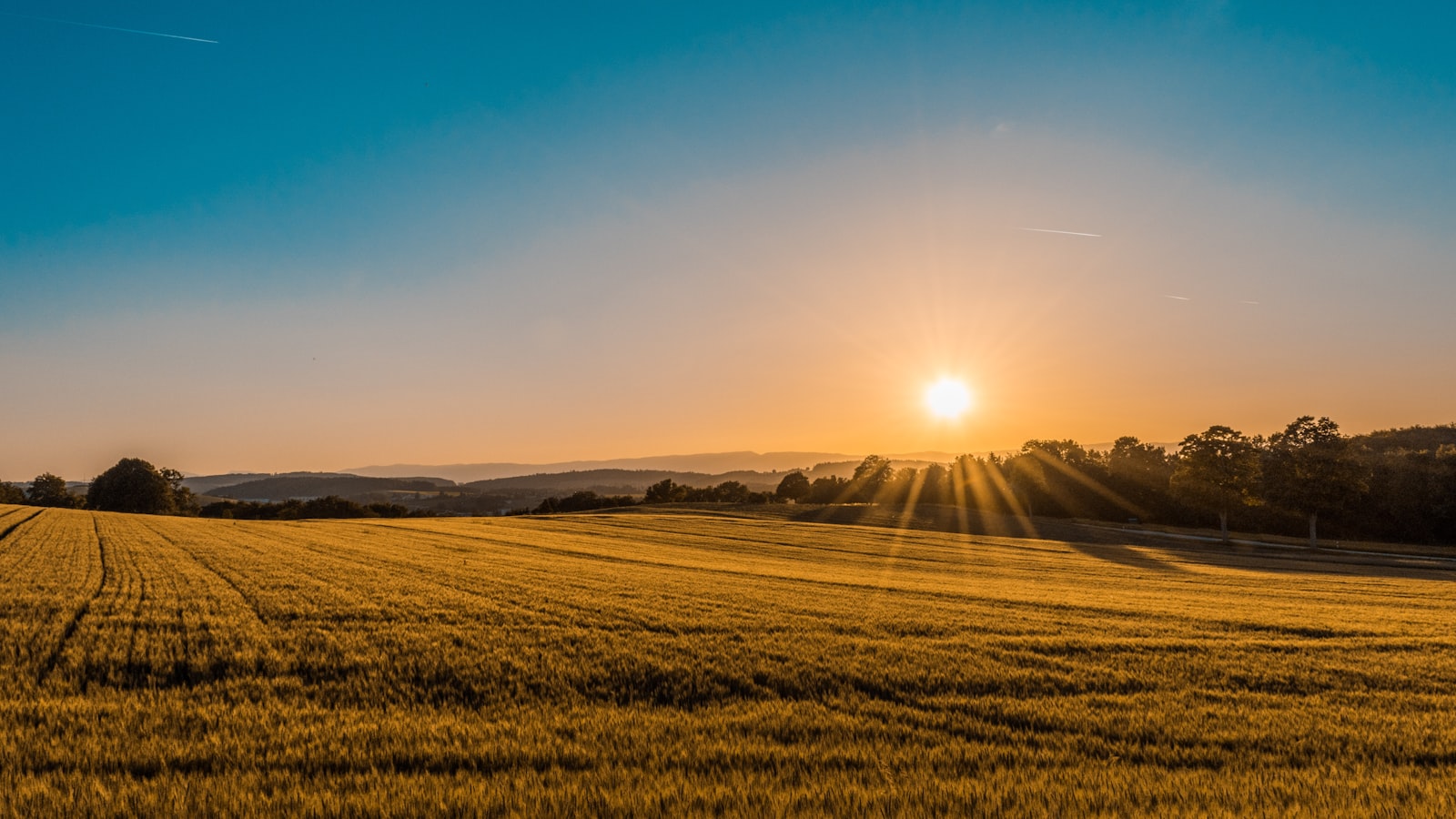
Best Time to See Cherry Blossoms in China 2026
Best Time to See Cherry Blossoms in China: 2026 guide covers current prices, transport, payment apps, and what foreign visitors need to know.
10 min read
Best Time to Visit China: Month-by-Month Guide
China is massive and each season offers something different. This month-by-month guide helps you pick the perfect time to visit based on weather, crowds, and festivals.
8 min read
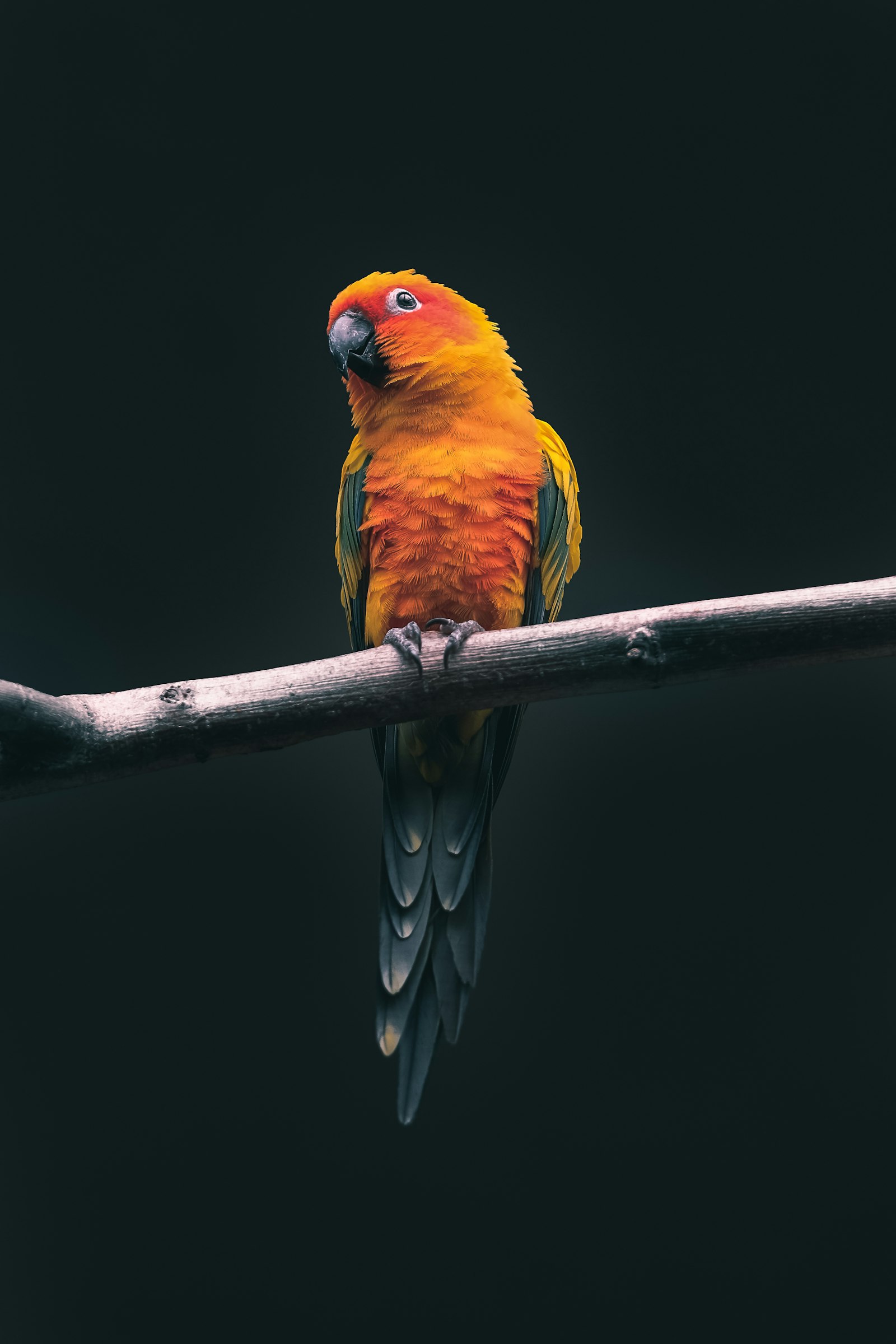
China Etiquette: Cultural Do's and Don'ts for Foreigners: The Complete 2026 G...
China has unique social customs that can confuse first-time visitors. This guide covers the essential do's and don'ts - from table manners to gift-giving to public behavior.
9 min read

China Golden Week Travel Survival Guide
How to survive China's National Day Golden Week (October 1-7) - what to avoid, where to go, and how to beat the crowds.
9 min read
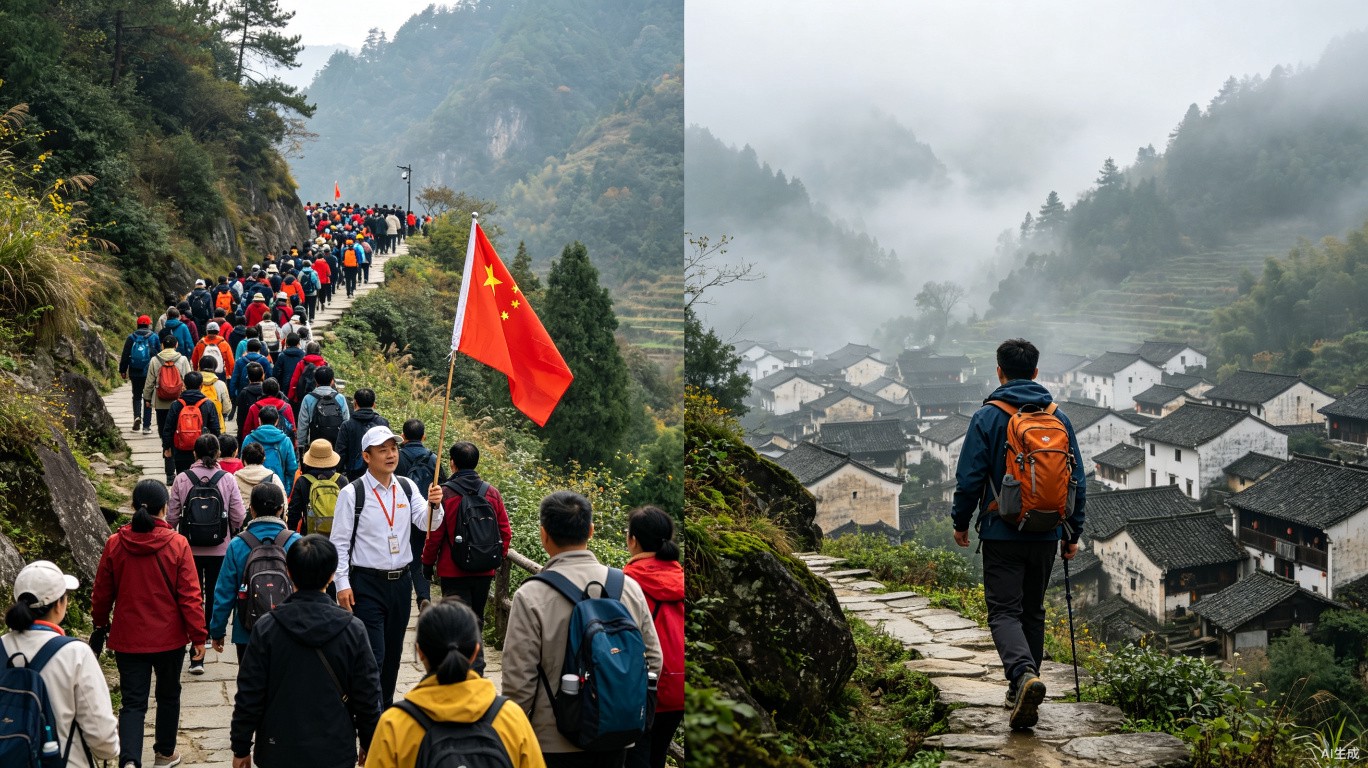
China Group Tours vs Independent Travel Which is Better
Should you join a guided tour or travel independently in China? Honest comparison of cost, flexibility, and experience.
7 min read

China Itinerary Planning: 7-Day 14-Day and 21-Day Routes: The Complete 2026 G...
Not sure how many days to spend in China? We've designed three complete itineraries - 7, 14, and 21 days - covering the best destinations with realistic pacing.
9 min read