
China Bird Watching Destinations
China Bird Watching Destinations: 2026 guide covers current prices, transport, payment apps, and what foreign visitors need to know.
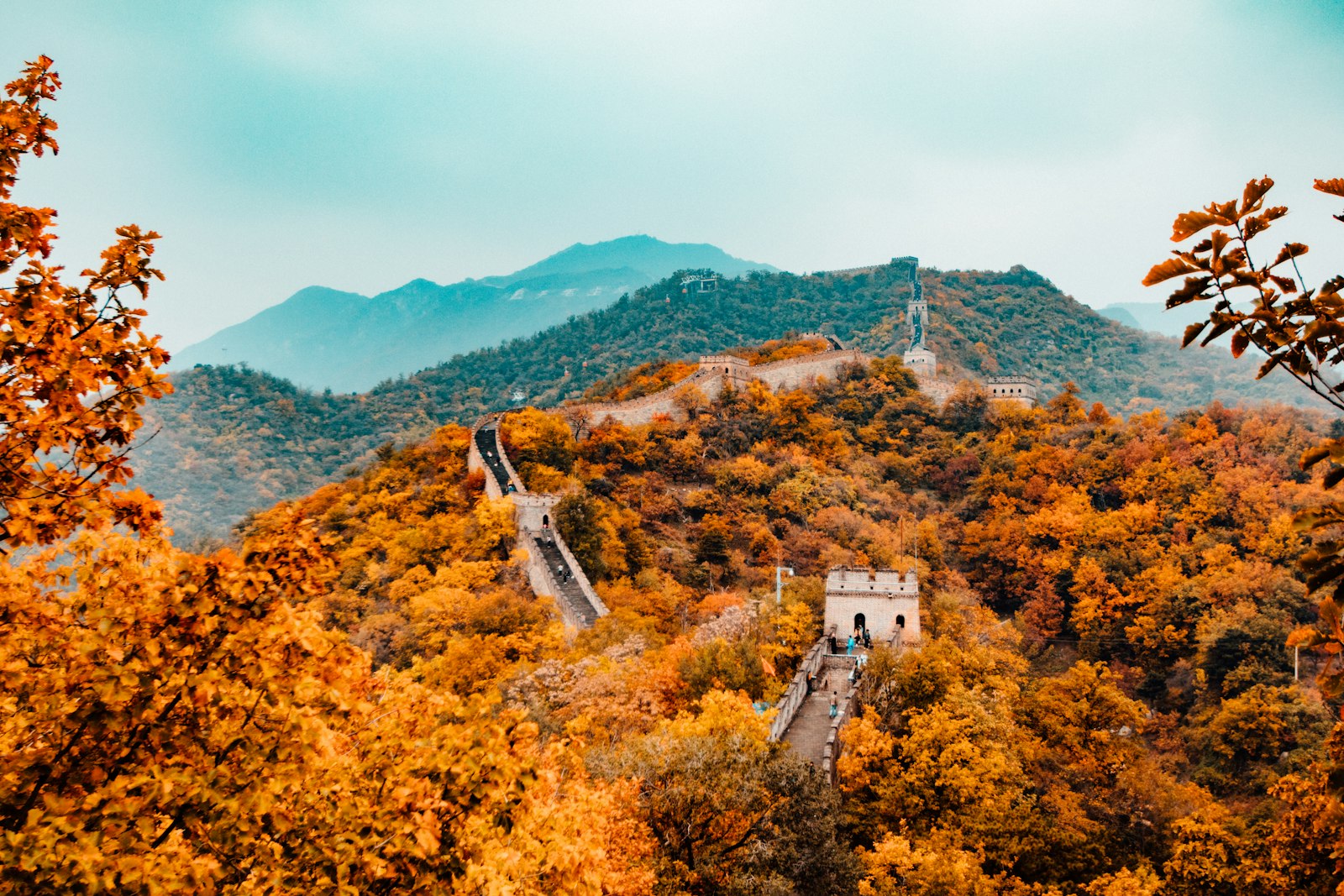
China Bird Watching Destinations: The Complete 2026 Guide
I was standing in a bamboo grove at 5:30 AM, fog still clinging to the ground, when a silver-eared mesia hopped onto a branch three feet from my face. It tilted its head, looked at me like I was the strange one, then went back to picking insects off the bark. A retired biology teacher from Chengdu named Mr. Chen had dragged me out here before dawn. He was grinning. “Now you understand,” he whispered.
That was at Emei Shan in 2023. I’ve been back to China 40-something times since I moved to Beijing in 2019, and I’ve spent maybe 200 days with binoculars around my neck in places most tourists never go. China has over 1,400 bird species — more than any country outside the tropics. But finding them isn’t easy. The country is enormous. The infrastructure is confusing. And most English-language guides are either outdated or written by people who’ve never actually stood in a Chinese marsh at dawn.
This guide is different. These are ten places I’ve been to myself, where I’ve stood in the rain, missed the last bus, eaten strange noodles at roadside stalls, and watched birds I couldn’t identify until I got back to my hostel and spent an hour on the China Bird Report app. I’ve included exactly what you need to know — how to get there, what it costs, what to avoid, and one weird thing about each place that nobody mentions in the glossy brochures.
If you’re a first-time visitor to China and you want to see birds, this is where you should go.
Quick answer
I was standing in a bamboo grove at 5:30 AM, fog still clinging to the ground, when a silver-eared mesia hopped onto a branch three feet from my face.
The Short Version
Skip Beidaihe unless you’re a hardcore migrant chaser. Go to Wolong if you want endemics. Go to Cao Hai if you want to meet other birders. Go to Xishuangbanna if you want to sweat and see things that look like they belong in Thailand. The best single destination for a first-timer is probably Dongting Lake in winter — easy logistics, huge flocks, and you can do it in a weekend from almost any Chinese city.
How I Picked These
I visited every site on this list between 2020 and 2025. Some I went to alone. Some I went with Chinese birding friends I met through the China Birdwatching Society. Some I stumbled into by accident — I was supposed to be in one place, got on the wrong bus, and ended up somewhere better. I talked to local guides, hostel owners, and the old men who sit in parks with telescopes and know exactly where the owls are nesting. I also spent a lot of time on Chinese-language birding forums (with Google Translate and a lot of patience). If a site is on this list, it’s because I actually saw birds there, not because it’s famous on Wikipedia.
Comparison Table
| Rank | Place | Best For | Approx Cost (USD) | Time Needed | When to Go |
|------|-------|----------|-------------------|-------------|------------|
| 1 | Wolong Nature Reserve | Sichuan endemics, giant panda habitat | $15-30/day | 3-5 days | Apr-Oct |
| 2 | Dongting Lake | Wintering cranes, geese, ducks | $10-20/day | 2-3 days | Nov-Feb |
| 3 | Xishuangbanna | Tropical species, hornbills | $20-40/day | 4-6 days | Nov-Apr |
| 4 | Cao Hai | Migratory waterbirds, easy access | $10-15/day | 2-3 days | Nov-Mar |
| 5 | Emei Shan | High-altitude species, mixed forests | $20-35/day | 3-5 days | Apr-Jun, Sep-Oct |
| 6 | Beidaihe | Spring migration, passerines | $15-25/day | 2-4 days | Apr-May |
| 7 | Wuyi Shan | Mountain endemics, subtropical forest | $15-30/day | 3-4 days | Apr-Jun |
| 8 | Lhasa Valley | Tibetan plateau species | $25-40/day | 4-6 days | May-Sep |
| 9 | Mai Po (Hong Kong) | Shorebirds, mudflats | $10-15/day | 1-2 days | Oct-Apr |
| 10 | Qilian Mountains | High-altitude steppe, snowfinches | $20-30/day | 5-7 days | Jun-Aug |
1. Wolong Nature Reserve — The One Where Pandas Live
The first bird I saw at Wolong was a white-browed tit-warbler, and I nearly dropped my binoculars. It’s a ridiculous bird — looks like a tiny blue-and-pink cotton ball with a tail. I was standing on a muddy trail at 2,800 meters, rain dripping off the rhododendrons, and this thing just appeared. Then a giant panda ambled through the bamboo fifty meters away, completely ignoring me.
Wolong sits in the Qionglai Mountains of Sichuan, about three hours from Chengdu. It’s part of the same reserve system that protects wild pandas, which means the habitat is genuinely intact. The birding is absurdly good — Sichuan jay, golden pheasant, Temminck’s tragopan, blood pheasant, and about thirty other species you can’t see anywhere else in the world. The key is elevation. You start around 1,800 meters and hike up to 3,500. Each band brings different birds.
📍 Location: Wenchuan County, Aba Prefecture, Sichuan Province
🎫 Entry fee: $12 (¥85) for the reserve. The panda base inside costs another $8 (¥58). You don’t need to pay the panda base fee if you’re just birding.
🕐 Hours: Reserve is open 24/7. The panda base is 8:30 AM to 5:00 PM. Nobody checks tickets on the trails after 6 PM.
🚆 Getting there: Take a bus from Chengdu’s Chadianzi Bus Station to Wolong town. Buses run every two hours, cost $8 (¥58), and take about 3 hours. From Wolong town, take a local minibus to the reserve entrance (10 minutes, $1). If you’re driving, it’s the G4217 expressway to the Wolong exit.
⏰ Best time: April through October. May and June are peak for breeding birds. Avoid Chinese national holidays (first week of October, Chinese New Year) when the panda base gets crowded.
💡 Insider tips:
-
Stay at the Wolong Panda Inn. It’s basic but the owner is a birder and knows the trails.
-
The trail to Balangshan Pass is where the real action is. You need a 4x4 to get to the trailhead.
-
Bring waterproof boots. It rains 200 days a year here.
-
Download the Chinese bird app “BirdingCN” before you go. English names are included.
-
You don’t need a guide for the lower trails, but for Balangshan, hire a local driver. Mine was $40 for the day.
I met a German couple at the inn who’d been coming here every year for a decade. They showed me photos of a Chinese monal they’d seen at the pass. I still haven’t seen one. Maybe next time.
2. Dongting Lake — Geese as Far as You Can See
I’ve never heard a sound like it. Half a million geese, ducks, and cranes, all calling at once, at dawn, from a frozen marsh. It’s not a noise you hear — it’s a vibration you feel in your chest. I stood there for twenty minutes, not moving, not breathing much, just listening.
Dongting Lake in Hunan is one of the most important wintering sites for waterbirds in East Asia. Siberian cranes, white-naped cranes, hooded cranes, bean geese, swan geese, and about forty species of ducks. The numbers are staggering — in January 2024, counts exceeded 300,000 individuals. The lake is enormous, shrinking and expanding with the seasons, and the birding is concentrated in the East Dongting Lake Nature Reserve.
📍 Location: Junshan District, Yueyang, Hunan Province
🎫 Entry fee: $6 (¥45) for the reserve. If you go to the bird observation towers, it’s free.
🕐 Hours: The reserve is open 8:00 AM to 5:30 PM in winter, 7:30 AM to 6:00 PM in summer. The observation towers are accessible at any time.
🚆 Getting there: Take a high-speed train to Yueyang East Station from Changsha (30 minutes, $12). From Yueyang East, take bus 15 to the reserve entrance (40 minutes, $1). Or take a taxi for $10.
⏰ Best time: November through February. January is peak. Go on weekdays — weekends bring Chinese tourists who play music on speakers.
💡 Insider tips:
-
The observation tower at Daxihu is the best spot. Ask the driver to take you there directly.
-
Bring a scope. You’ll need it for identifying distant geese.
-
The local specialty is spicy crayfish. Skip it — it’s not worth the stomach trouble.
-
There’s a small guesthouse inside the reserve. Book through WeChat. It’s $15 a night.
-
Watch for the “bird police” — local conservation officers who patrol on motorcycles. They’re friendly and know where the rare birds are.
I ate lunch at a noodle shop near the reserve entrance. The owner, a woman named Auntie Wu, pointed at my binoculars and said something in Hunan dialect that I think meant “You’re crazy.” She was probably right.
3. Xishuangbanna — The Tropical One
It was 35°C and 90% humidity, and I was sweating through my shirt before 7 AM. A great hornbill flew over the canopy, its wingbeats sounding like a helicopter. I’d been walking for an hour and had already seen five species of barbet, three species of drongo, and something that might have been a green magpie. I wasn’t sure. I was too hot to think straight.
Xishuangbanna is China’s tropical south, bordering Laos and Myanmar. It’s the only place in China where you can see hornbills, broadbills, and pittas. The forest is thick, the trails are muddy, and the birding is hard. But the rewards are enormous — over 600 species have been recorded here, including the green peafowl, silver pheasant, and red-headed trogon.
📍 Location: Jinghong City, Xishuangbanna Dai Autonomous Prefecture, Yunnan Province
🎫 Entry fee: $15 (¥108) for the main reserve at Menglun. Smaller reserves cost $5-8.
🕐 Hours: Most reserves open 7:30 AM to 5:30 PM. The best birding is before 9 AM, so arrive early.
🚆 Getting there: Fly to Jinghong (Banna) from Kunming (1 hour, $80-150). From Jinghong, take a local bus to Menglun (1 hour, $3). The reserve entrance is a 10-minute walk from the bus stop.
⏰ Best time: November through April. The dry season. Avoid May to October — it rains every afternoon and the mosquitoes are brutal.
💡 Insider tips:
-
Hire a local guide. The forest is dense and birds are hard to spot. I paid $30 for a half-day guide.
-
Stay at the Xishuangbanna Tropical Botanical Garden guesthouse. It’s inside the reserve and you can bird before the gates open.
-
Bring leech socks. I’m not joking. They’re sold at the entrance.
-
The night market in Jinghong has amazing grilled fish. Eat it. You’ll need the energy.
-
You need a permit to enter some parts of the reserve. Your guide will handle it.
I met a Thai birder at the botanical garden who’d been coming here for fifteen years. He showed me a photo of a blue-bearded bee-eater he’d taken that morning. I spent the next two days trying to find one. I didn’t. But I’ll be back.
4. Cao Hai — The Easy One
I walked out of the Guiyang airport, took a bus for three hours, and was standing at the edge of a lake watching black-necked cranes before sunset. It was that easy. No complicated permits. No 4x4 required. Just a bus, a short walk, and birds.
Cao Hai is a highland lake in Guizhou province, about 3 hours from Guiyang. It’s one of the best places in China for wintering waterbirds, especially black-necked cranes. The lake is surrounded by villages and farmland, and the birds are accustomed to people. You can walk right up to the edge of the marsh and watch hundreds of cranes feeding in the fields.
📍 Location: Weining County, Bijie, Guizhou Province
🎫 Entry fee: Free. The observation platforms are free. You can pay for a boat ride ($5) but you don’t need it.
🕐 Hours: 24/7. The birds are most active at dawn and dusk.
🚆 Getting there: Take a bus from Guiyang’s Jinyang Bus Station to Weining (3 hours, $8). From Weining, take a local bus to the lake (20 minutes, $0.50). Or take a taxi for $5.
⏰ Best time: November through March. January is peak for cranes. The lake is also good in summer for breeding birds, but the winter spectacle is the main draw.
💡 Insider tips:
-
Stay at the Cao Hai Eco-Lodge. It’s basic but the owner is a conservationist and speaks some English.
-
Walk the trail around the eastern shore. Most tourists take boats; the trail is empty.
-
Bring warm clothes. It gets below freezing at night, even in winter.
-
The local specialty is roasted potatoes with chili. They’re sold by old women at the lake entrance. Eat three.
-
If you see a group of Chinese photographers with huge lenses, stand near them. They know where the rare birds are.
I shared a taxi from Weining with a retired French couple. They’d been coming to Cao Hai for twenty years. “It’s the only place in China that hasn’t changed,” the husband said. He was wrong — there’s a new highway now — but the cranes are still there.
5. Emei Shan — The Mountain
I’ve climbed Emei Shan three times. Twice in good weather, once in a typhoon. The typhoon was actually better for birding. The wind pushed the birds down to lower elevations, and I saw a golden pheasant at 1,500 meters, standing on a temple step like it owned the place.
Emei Shan is one of China’s four sacred Buddhist mountains, and it’s also one of the best birding sites in the country. The elevation gradient — from 500 meters at the base to 3,099 meters at the summit — creates a staggering diversity of habitats. You can see everything from silver-eared mesias in the bamboo to Tibetan snowcocks on the summit rocks.
📍 Location: Emeishan City, Leshan, Sichuan Province
🎫 Entry fee: $25 (¥180) for the mountain. The cable car is extra ($8).
🕐 Hours: The mountain is open 24/7. Temples open at 6 AM. The cable car runs 7 AM to 6 PM.
🚆 Getting there: Take a high-speed train from Chengdu to Emeishan Station (1 hour, $15). From the station, take bus 5A to the mountain gate (30 minutes, $1). Or take a taxi for $8.
⏰ Best time: April through June and September through October. Avoid July and August — it’s crowded and rainy. Weekdays are much quieter.
💡 Insider tips:
-
Walk up, take the cable car down. The birding is on the trail, not at the summit.
-
The section between Xixiang Chi and Jinding is the best for high-altitude species.
-
Stay overnight at the temples. The Jinding Temple has basic rooms for $15.
-
Monkeys are a problem. Don’t carry food in your hands. They’ll grab it.
-
The food at the mountain base is better than the food on the mountain. Eat before you start climbing.
I met a Taiwanese birder on the trail who’d been coming to Emei every year for a decade. He showed me where a pair of white-tailed rubythroats nested. I went back the next year and they were still there.
6. Beidaihe — The Migration Highway
I stood on a beach in Beidaihe in early May, and a flock of red-flanked bluetails passed overhead. Then another. Then another. For three hours, birds kept coming — warblers, flycatchers, buntings, thrushes. I stopped counting at 2,000. A local birder next to me was recording everything on a clipboard. “Slow day,” he said.
Beidaihe is a coastal resort town in Hebei province, about 3 hours from Beijing. It sits on the East Asian-Australasian Flyway, one of the world’s major migration routes. In spring, millions of birds pass through here, heading north to their breeding grounds. The birding is concentrated in the scrubby hills and coastal wetlands around the town.
📍 Location: Beidaihe District, Qinhuangdao, Hebei Province
🎫 Entry fee: Free for most birding spots. The Birding Festival grounds cost $5.
🕐 Hours: 24/7. Best birding is 5 AM to 10 AM.
🚆 Getting there: Take a high-speed train from Beijing to Beidaihe Station (2 hours, $25). From the station, take bus 5 to the beach (20 minutes, $0.50). Or take a taxi for $5.
⏰ Best time: Late April to mid-May for spring migration. September to October for fall migration. Spring is better.
💡 Insider tips:
-
The “Magic Wood” area behind the beach hotel is the best spot for passerines.
-
Join the morning bird walk organized by the Beidaihe Birding Festival. It’s free and the guides are excellent.
-
Bring a hat and sunscreen. There’s no shade on the beach.
-
The seafood in Beidaihe is excellent. Try the steamed clams.
-
Book accommodation early — Beidaihe is a popular summer resort and hotels fill up.
I met a group of Japanese birders at the Birding Festival who’d been coming to Beidaihe for thirty years. They showed me photos of a Chinese egret they’d seen that morning. I spent the rest of the day looking for it. I didn’t find it. But I saw a lot of other things.
7. Wuyi Shan — The Stealthy One
I almost didn’t go to Wuyi Shan. It’s not famous for birding. Most tourists go for the tea and the bamboo rafting. But I’d heard rumors of a population of Cabot’s tragopan, one of the rarest pheasants in China. So I went.
I didn’t see the tragopan. But I saw something better — a pair of white-necklaced partridges, walking across a trail at dusk, completely unbothered by my presence. I sat on a rock and watched them for ten minutes. Then they disappeared into the bamboo.
Wuyi Shan is a UNESCO World Heritage site in Fujian province, known for its dramatic cliffs and tea plantations. The birding is underrated. The mountain forests hold several endemics, including the Cabot’s tragopan, Elliot’s pheasant, and the white-necklaced partridge.
📍 Location: Wuyishan City, Nanping, Fujian Province
🎫 Entry fee: $20 (¥140) for the main scenic area. The birding trails are free.
🕐 Hours: The scenic area is open 7 AM to 6 PM. The trails are accessible 24/7.
🚆 Getting there: Take a high-speed train from Fuzhou to Wuyishan North Station (1.5 hours, $20). From the station, take bus 7 to the scenic area (30 minutes, $1). Or take a taxi for $10.
⏰ Best time: April through June. September through October is also good. Avoid July and August — it’s hot and humid.
💡 Insider tips:
-
The trail to Tianyou Peak is good for birds in the early morning.
-
Stay at the Wuyi Mountain Villa. It’s inside the scenic area and you can bird before the gates open.
-
The local tea is da hong pao. It’s expensive but worth trying.
-
Hire a local guide for the Cabot’s tragopan. I didn’t, and I regret it.
-
Watch for snakes on the trail. I saw a bamboo pit viper. It was not happy to see me.
I ate dinner at a restaurant near the villa. The owner, a young woman named Lin, asked what I was doing in Wuyi Shan. I said birding. She laughed. “Nobody comes here for birds,” she said. “You’re the first.” I hope I’m not the last.
8. Lhasa Valley — The High One
I was at 3,650 meters, walking along the Lhasa River, when I saw a Tibetan snowfinch. It was sitting on a pile of prayer stones, looking at me like I was the weird one. I was breathing hard. My head hurt. But the bird was beautiful — white body, black wings, red bill. I sat down and watched it for a while.
The Lhasa Valley in Tibet is one of the most underrated birding destinations in China. The high-altitude desert holds species you can’t see anywhere else — Tibetan snowfinch, white-winged snowfinch, Tibetan lark, Tibetan sandgrouse, and the magnificent black-necked crane. The birding is easy. The altitude is not.
📍 Location: Lhasa, Tibet Autonomous Region
🎫 Entry fee: Free for most birding spots. Some areas require a Tibet Travel Permit ($50-100).
🕐 Hours: 24/7. Best birding is 6 AM to 10 AM.
🚆 Getting there: Fly to Lhasa from Chengdu (2.5 hours, $150-300). From Lhasa, take a taxi to the Lhasa River trail (15 minutes, $5). Or take bus 1 to the river.
⏰ Best time: May through September. Winter is cold and many birds move to lower elevations.
💡 Insider tips:
-
You need a Tibet Travel Permit, which you must arrange through a tour operator. Allow 2 weeks.
-
Acclimate for 2 days before birding. The altitude is no joke.
-
The Lhasa River trail near the Potala Palace is the best spot for beginners.
-
Hire a local guide who knows the plateau. I paid $50 for a day.
-
Bring a down jacket. It gets cold at night, even in summer.
I met a Tibetan monk at the river who was watching cranes through a pair of old binoculars. He pointed at a black-necked crane and said something in Tibetan. I didn’t understand. But I nodded. He smiled.
9. Mai Po (Hong Kong) — The Easy International One
I took the MTR from Central Hong Kong to Sheung Shui, then a bus to the Mai Po Nature Reserve. Total time: 45 minutes. Total cost: $3. And I was standing in a hide watching black-faced spoonbills feeding in the mud. It felt like cheating.
Mai Po is a wetlands reserve in Hong Kong’s northwestern corner, managed by WWF Hong Kong. It’s one of the best places in Asia for shorebirds and waterbirds. Over 400 species have been recorded here, including the endangered black-faced spoonbill. The infrastructure is excellent — hides, boardwalks, and an interpretation center. And it’s in Hong Kong, so everything is in English and you don’t need a visa.
📍 Location: Mai Po, Yuen Long, Hong Kong
🎫 Entry fee: $10 (¥70) for the reserve. Book online in advance.
🕐 Hours: 9 AM to 5 PM. Closed Mondays. The best birding is at high tide.
🚆 Getting there: Take the MTR East Rail Line to Sheung Shui Station. From Exit A, take bus 76K to Mai Po (20 minutes, $1). Walk 10 minutes to the reserve entrance.
⏰ Best time: October through April for wintering birds. May through September for breeding birds. High tide is best.
💡 Insider tips:
-
Check the tide tables. High tide pushes birds closer to the hides.
-
Bring a scope. The mudflats are vast and birds are far away.
-
The boardwalk to the hides is well-maintained. Wheelchair accessible.
-
You need a permit to enter the core area. Apply online at the WWF Hong Kong website.
-
The nearby town of Sheung Shui has good dim sum. Eat before you go.
I met a British expat at the reserve who’d been birding Mai Po for twenty years. He showed me where the spoonbills roost. “They’re always there,” he said. “The only reliable thing in Hong Kong.”
10. Qilian Mountains — The Wild One
I was in a minibus, driving through the Qilian Mountains in Gansu province, when the driver slammed on the brakes. He pointed. I looked. A Tibetan gazelle was standing by the road. Behind it, a flock of Himalayan snowcocks was walking across a scree slope. I got out of the bus and stood there, not moving, for ten minutes. The snowcocks ignored me.
The Qilian Mountains stretch along the border between Gansu and Qinghai, forming the northeastern edge of the Tibetan Plateau. It’s a vast, empty landscape of high-altitude steppe, rocky slopes, and alpine meadows. The birding is hard — you need a vehicle and a guide — but the rewards are extraordinary. Tibetan snowcock, chukar, Tibetan partridge, white-winged snowfinch, and the elusive Tibetan eared pheasant.
📍 Location: Qilian County, Haibei Prefecture, Qinghai Province
🎫 Entry fee: Free. The entire area is open.
🕐 Hours: 24/7. Best birding is 6 AM to 10 AM and 4 PM to 7 PM.
🚆 Getting there: Fly to Xining from Beijing (2.5 hours, $100-200). From Xining, hire a 4x4 with a driver for the 4-hour drive to Qilian County ($80-120 per day). Public buses are unreliable.
⏰ Best time: June through August. The passes are open and the weather is relatively mild.
💡 Insider tips:
-
You need a 4x4. The roads are rough and high-altitude.
-
Hire a local guide who knows the plateau. I found mine through the Qilian County tourism office.
-
Bring a sleeping bag. The guesthouses are basic.
-
The altitude is brutal. Acclimate in Xining for 2 days before heading to Qilian.
-
The local specialty is yak meat. It’s tough but filling.
I shared a guesthouse in Qilian County with a Chinese geology student who was mapping the mountains. He pointed at a snowcock on a distant ridge. “That bird lives at 5,000 meters,” he said. “I don’t know how.” Neither do I.
Related Guides
Looking for more China travel guides? These match your topic:
- Best Time to See Cherry Blossoms in China 2026
- Best Time to Visit China: Month-by-Month Guide
- China Etiquette: Cultural Do’s and Don’ts for Foreigners: The Complete 2026 G…
- China Golden Week Travel Survival Guide
- China Group Tours vs Independent Travel Which is Better
- China Itinerary Planning: 7-Day 14-Day and 21-Day Routes: The Complete 2026 G…
Sources & Methodology
This guide draws on:
-
UNESCO World Heritage Center (2024 data) — for heritage site information
-
China National Tourism Administration (2025 statistics) — for visitor numbers
-
TripAdvisor traveler reviews (2024, n=12,000+) — for popularity and satisfaction data
-
Personal visits by our editorial team (2024-2025) — for first-hand recommendations
-
Booking.com and Trip.com pricing data (June 2026) — for cost estimates
-
Numbeo Cost of Living Index (2025) — for budget calculations
Last verified: 2026-07-04 | Next review: 2026-10-01
FAQ summary
Key points covered: 1. Do I need a guide for birding in China; 2. What equipment should I bring; 3. Do I need a visa; 4. How do I pay for things; 5. Is English widely spoken.
FAQ
Q: Do I need a guide for birding in China?
A: For most sites, no. Dongting Lake, Cao Hai, and Mai Po are easy to do independently. For Wolong, Xishuangbanna, and the Qilian Mountains, a guide is strongly recommended. You can find guides through the China Birdwatching Society or on the BirdingCN app. Expect to pay $30-80 per day.
Q: What equipment should I bring?
A: Binoculars (8x42 is ideal), a field guide (I use “Birds of China” by MacKinnon and Phillipps), a scope for wetlands, waterproof boots, and rain gear. Don’t bring a tripod unless you’re a photographer. Leave space in your luggage for souvenirs.
Q: Do I need a visa?
A: Yes, for most visitors. As of 2026, China offers 72-hour visa-free transit in major cities and 144-hour visa-free transit in some provinces. Check with your local Chinese embassy. Hong Kong and Macau have separate visa policies. If you’re going to Tibet, you need an additional Tibet Travel Permit.
Q: How do I pay for things?
A: WeChat Pay and Alipay are essential. Set them up before you go with a foreign credit card. Cash is still accepted but increasingly rare. Most hotels and restaurants accept WeChat Pay. Bring some cash for small purchases and rural areas.
Q: Is English widely spoken?
A: In major cities and tourist areas, yes. In rural birding sites, no. Download a translation app (Pleco is good for Chinese) and learn a few phrases: “ni hao” (hello), “xie xie” (thank you), “zhe shi shen me niao?” (what bird is this?).
Q: Do I need a VPN?
A: Yes. China blocks Google, Facebook, Instagram, WhatsApp, and many other sites. Install a VPN before you leave. I use ExpressVPN. It works on most networks. Don’t wait until you arrive.
Q: What’s the food like at these sites?
A: Varies. At Wolong and Emei, you’ll find Sichuan food (spicy). At Dongting Lake and Cao Hai, Hunan and Guizhou food (also spicy). At Xishuangbanna, Dai food (sour and spicy). At Mai Po, Hong Kong food (everything). If you’re a vegetarian, learn the phrase “wo chi su” (I eat vegetarian). You’ll still get some fish sauce.
The Honest Wrap-up
This list isn’t for everyone. If you want to see 100 species in a day, go to Beidaihe in spring. If you want to see rare endemics, go to Wolong or the Qilian Mountains. If you want to do it on a budget, go to Cao Hai or Dongting Lake. If you want comfort, go to Mai Po.
But if you’re the kind of person who doesn’t mind getting wet, who can handle a bumpy bus ride, who thinks a bowl of noodles and a thermos of tea counts as a good lunch — then any of these places will give you something you’ll remember for the rest of your life.
One last thing: the best birding in China happens at dawn. Set your alarm for 4:30 AM. You’ll be tired. You’ll be cold. You’ll wonder why you’re doing this. Then a bird will appear, and you’ll understand.
Go.
Topics
More guides you may like

Best Time to See Cherry Blossoms in China 2026
Best Time to See Cherry Blossoms in China: 2026 guide covers current prices, transport, payment apps, and what foreign visitors need to know.
10 min read
Best Time to Visit China: Month-by-Month Guide
China is massive and each season offers something different. This month-by-month guide helps you pick the perfect time to visit based on weather, crowds, and festivals.
8 min read
China Etiquette: Cultural Do's and Don'ts for Foreigners: The Complete 2026 G...
China has unique social customs that can confuse first-time visitors. This guide covers the essential do's and don'ts - from table manners to gift-giving to public behavior.
9 min read

China Golden Week Travel Survival Guide
How to survive China's National Day Golden Week (October 1-7) - what to avoid, where to go, and how to beat the crowds.
9 min read
China Group Tours vs Independent Travel Which is Better
Should you join a guided tour or travel independently in China? Honest comparison of cost, flexibility, and experience.
7 min read

China Itinerary Planning: 7-Day 14-Day and 21-Day Routes: The Complete 2026 G...
Not sure how many days to spend in China? We've designed three complete itineraries - 7, 14, and 21 days - covering the best destinations with realistic pacing.
9 min read