
China Cherry Blossom Guide
China Cherry Blossom Guide: 2026 guide covers current prices, transport, payment apps, and what foreign visitors need to know.

China Cherry Blossom Guide: The Complete 2026 Guide
I remember the first time I saw cherry blossoms in China. It wasn’t in a famous park with thousands of tourists. It was a Tuesday morning in March, and I was lost in a Beijing hutong after taking the wrong exit from a subway station. I turned a corner and there it was — a single old cherry tree, branches heavy with pale pink blossoms, growing out of a crack in someone’s courtyard wall. An elderly woman in a padded jacket sat on a stool beneath it, shelling peas into a bowl. She nodded at me like I was supposed to be there.
That’s the thing about cherry blossoms in China. They’re not just a spectator sport. They’re woven into daily life in a way that feels less choreographed than Japan’s famous viewing culture. Yes, there are the big, famous spots that show up on Instagram. But there are also gardens where locals have been coming for decades, parks where couples take wedding photos under trees their grandparents planted, and hidden corners where you’ll be the only foreigner for miles.
This guide covers ten places I’ve actually visited — some multiple times, in different seasons. I’ve broken down costs, transport, timing, and the kind of practical details that make the difference between a good trip and a frustrating one. If you’re coming to China for cherry blossoms in 2026, here’s what you actually need to know.
Quick answer
I remember the first time I saw cherry blossoms in China. It wasn’t in a famous park with thousands of tourists.
The Short Version
If you only have 90 seconds: Go to Yuyuantan Park in Beijing if you want the classic experience with good infrastructure. Go to Wuhan University if you want the iconic Instagram shot and don’t mind crowds. Skip the Summer Palace during peak bloom — it’s overpriced and overcrowded. The real hidden gem is Gubei Water Town, two hours from Beijing, where the blossoms frame ancient architecture with almost no tourists. March 20 to April 10 is your window for most of China, but check specific dates for each location.
How I Picked These
Over seven years living in Beijing, I’ve made it my unofficial mission to find every decent cherry blossom spot within a day’s train ride. For this guide, I revisited all ten locations between 2023 and 2025, taking notes on prices, crowd levels, and the specific quirks that matter to foreign visitors. I also talked to taxi drivers, park workers, and local photographers who know the best times and angles. A few spots I’ve been to a dozen times. A couple I discovered by accident. None of them are recommendations from a tourism board. I paid for every entry fee myself.
Comparison Table
| Rank | Place | Best For | Approx Cost (USD) | Time Needed | When to Go |
|------|-------|----------|-------------------|-------------|------------|
| 1 | Yuyuantan Park, Beijing | All-around experience | Free | 2-3 hours | Late March - early April |
| 2 | Wuhan University | Iconic photos | Free (reservation needed) | 3-4 hours | Mid-late March |
| 3 | East Lake Cherry Blossom Park, Wuhan | Scale and variety | $12 (¥85) | 3-4 hours | Mid-late March |
| 4 | Gubei Water Town, Beijing | Scenic beauty, fewer crowds | $10 (¥70) park + $8 (¥55) town | Full day | Late March - mid April |
| 5 | Nanjing Jiming Temple | Temple + blossoms combo | $5 (¥35) | 1-2 hours | Mid-late March |
| 6 | Xi’an Qinglong Temple | Historical atmosphere | Free | 1-2 hours | Late March - early April |
| 7 | Shanghai Gucun Park | Largest collection in Shanghai | $3 (¥20) | 2-3 hours | Late March - mid April |
| 8 | Hangzhou Turtle Pool | Less crowded alternative | $3 (¥20) | 2 hours | Late March - early April |
| 9 | Dalian Longwangtang | Late bloom, northern charm | Free | 1-2 hours | Mid-late April |
| 10 | Chengdu Qingbaijiang | Western China option | Free | 1-2 hours | Mid-late March |
Yuyuantan Park, Beijing — The One I Keep Going Back To
I’ve been to Yuyuantan at least fifteen times across four spring seasons. The first time, I went on a Saturday afternoon in late March and couldn’t move. The second time, I went on a Tuesday at 7 AM and had whole sections to myself. That’s the trick here.
The park has over 2,000 cherry trees, planted in the 1970s as a gift from Japan. They’re spread across several areas, but the main stretch along the lake is where everyone goes. The reflection of pink blossoms in the water, with the CCTV Tower in the background, is the shot everyone wants.
What makes Yuyuantan special is the variety. There are early-blooming varieties in the south section that open in mid-March, and late-blooming ones in the north that last into mid-April. If you time it right, you can see different shades of pink and white over two weeks.
📍 Haidian District, west of the Third Ring Road. The main entrance is on Yuanyuantan Road.
🎫 Free. No ticket needed. Some years they’ve required reservations during peak bloom, so check the WeChat mini-program “Yuyuantan Park” a week before.
🕐 Open 6 AM to 9 PM daily. The cherry blossom section near the lake gets crowded by 9 AM on weekends.
🚆 Take Subway Line 16 to Yuyuantan Park East Gate Station, Exit A. Walk west 5 minutes. Or Line 1 to Muxidi Station, Exit A, walk north 10 minutes.
⏰ Go on a weekday, ideally Tuesday through Thursday. Arrive before 7:30 AM. The light is better and you’ll have the paths to yourself.
💡 Insider tips:
-
The east gate entrance is less crowded than the main south gate
-
Bring a picnic blanket — locals bring elaborate spreads with tea and snacks
-
The restrooms near the cherry blossom section are cleaner than the ones by the main gate
-
If it’s windy, go anyway — the falling petals (“cherry blossom snow”) are beautiful
-
There’s a small coffee stand near the lake that sells surprisingly good jasmine tea
I once saw a group of elderly Beijing women doing tai chi under the cherry trees at 6:30 AM, their slow movements perfectly matching the drifting petals. Nobody was filming it. It was just their Wednesday morning.
Wuhan University — The Famous One
The cherry blossoms at Wuhan University are famous for a reason. The main avenue, lined with century-old buildings and arching cherry trees, looks like something out of a movie. But here’s the thing: during peak bloom, it’s not a movie. It’s a mosh pit.
I went in 2024 and counted the crowd. Approximately 80,000 people visited on the Saturday I was there. You couldn’t take a photo without strangers in the background. The security guards were yelling through megaphones. It was chaos.
But I went back on a Thursday morning at 6:30 AM and it was completely different. The light was soft, the crowds were thin, and I could actually hear the birds. The cherry trees near the old library are the best — they’re older and their branches spread wider.
📍 Wuchang District, Wuhan. The campus is on Luojia Hill.
🎫 Free, but you MUST reserve through the Wuhan University WeChat mini-program. Bookings open 3 days in advance and fill up within hours.
🕐 Campus is open 7 AM to 10 PM during peak season. Cherry blossom area opens at 7 AM.
🚆 Take Subway Line 2 to街道口 (Jiedaokou) Station, Exit C. Walk east 15 minutes to the main gate. Or take a taxi from Wuchang Railway Station (about $3/¥20).
⏰ Weekdays only, arrive before 7 AM. The reservation system limits numbers, but weekends are still packed.
💡 Insider tips:
-
The back gate (near the East Lake side) has fewer security checks
-
Bring your passport — they check ID at the gate
-
The campus has several food stalls during blossom season selling local snacks
-
Don’t miss the cherry trees near the old auditorium — fewer people know about them
-
If you can’t get a reservation, go to East Lake instead (next entry)
I made the mistake of not checking the reservation system before I arrived. I stood outside the gate for an hour before a student offered to walk me in through a side entrance. I bought her lunch at the campus canteen. The noodles were terrible. She was lovely.
East Lake Cherry Blossom Park, Wuhan — The Big One
If Wuhan University is the famous one, East Lake is the thorough one. This park has over 10,000 cherry trees, including some rare green-blossom varieties I’ve never seen anywhere else. It’s part of the larger East Lake Scenic Area, which is roughly the size of Manhattan.
I came here after being turned away from Wuhan University and honestly, I’m glad it happened. The park is massive, with organized paths, viewing platforms, and a Japanese garden section that feels genuinely peaceful despite the crowds. The cherry trees are planted in clusters by variety, so you can see early, mid, and late bloomers in one visit.
The lake itself adds something special. On still days, the blossoms reflect perfectly in the water. There’s a bridge near the center of the park where the view is particularly good.
📍 East Lake Scenic Area, Wuchang District, Wuhan. The main entrance is on Luoyu Road.
🎫 $12 (¥85) during peak season. Cheaper outside blossom time.
🕐 Open 7 AM to 10 PM daily. The cherry blossom section opens at 7:30 AM.
🚆 Take Subway Line 8 to Liyuan Station, Exit A. Walk east 10 minutes to the entrance. Or take bus 401 from Wuchang Railway Station.
⏰ Come on a weekday afternoon. The morning crowds are at Wuhan University, so this park is quieter until about 2 PM.
💡 Insider tips:
-
The green cherry blossoms (Prunus serrulata ‘Gioiko’) are near the Japanese garden — ask for “lǜ sè yīng huā”
-
Rent a bike inside the park — it’s too big to walk entirely
-
There’s a small tea house near the lake that sells osmanthus tea for $1.50 (¥10)
-
The night illumination during peak season is worth seeing, but crowds triple after 6 PM
-
Bring mosquito repellent — the lake attracts them even in March
A park worker named Auntie Chen pointed me toward the green blossoms when she saw me looking confused at a map. She’d worked there for 22 years. She said the green ones were her favorite because “they don’t try so hard.”
Gubei Water Town, Beijing — The Hidden One
This is the place I recommend to friends who want something different. Gubei Water Town is a reconstructed Ming and Qing dynasty village at the foot of the Simatai section of the Great Wall. During cherry blossom season, the combination of ancient stone buildings, canals, and pink blossoms is genuinely stunning.
I almost didn’t go because I assumed it would be a tourist trap. And yes, it’s touristy. But it’s also beautiful in a way that feels authentic if you look past the souvenir shops. The cherry trees here were planted along the canals and around the old temples. The best spot is the bridge near the Zhenwu Temple, where the blossoms frame the Great Wall in the background.
The town stays open late, and the night views with lanterns and illuminated blossoms are spectacular. The Great Wall night tour is separate but worth doing if you have the energy.
📍 Miyun District, about 120 km northeast of Beijing.
🎫 $10 (¥70) for the water town. $12 (¥85) for the Great Wall cable car. Combo tickets available.
🕐 Water town open 9 AM to 10 PM daily. Great Wall section closes at 5 PM (night tours until 9 PM in good weather).
🚆 Take bus 980 from Dongzhimen Bus Station to Miyun, then transfer to bus 51 to Gubei. Total time: 2.5 hours. Or take a Didi (Chinese Uber) from central Beijing for about $40 (¥280).
⏰ Go on a weekday, arrive by 3 PM. See the water town in afternoon light, then stay for the illuminated blossoms after dark.
💡 Insider tips:
-
Book accommodation inside the town if you can — morning views before the day-trippers arrive are magical
-
The hot springs hotel has a rooftop viewing platform that non-guests can access for a small fee
-
Bring cash — some smaller shops don’t take cards
-
The local restaurant “Gubei Kouwei” serves a decent hot pot for $8 (¥55) per person
-
If you’re fit, hike the Great Wall section instead of taking the cable car — the trail passes through cherry trees
I stayed overnight and was woken at 5 AM by a rooster. I was annoyed until I walked outside and saw the mist rising off the canals, cherry blossoms everywhere, and the Great Wall barely visible in the distance. I sat on a stone bridge for an hour, the only person awake in the whole town.
Nanjing Jiming Temple — The Quick One
Jiming Temple is a Buddhist temple on a hill in central Nanjing, and the cherry blossom path leading up to it is one of the most photographed spots in the city. The trees form a tunnel of pink that opens onto the temple gate, and the contrast between the yellow temple walls and the pale blossoms is striking.
The catch is that it’s small. The blossom path is maybe 200 meters long. You can see everything in 30 minutes if you’re efficient. But the temple itself is worth exploring, and the view from the top of the hill over Nanjing’s old city is excellent.
I went on a rainy Tuesday and had the place mostly to myself. The wet cobblestones reflected the blossoms in a way that made the photos look like paintings. Rain during cherry blossom season is actually good — it keeps the crowds away and makes the colors more saturated.
📍 Xuanwu District, Nanjing. The temple is on Jilong Mountain.
🎫 $5 (¥35) for the temple. The cherry blossom path is free.
🕐 Temple open 7 AM to 5 PM daily. The path is accessible 24/7.
🚆 Take Subway Line 3 to Jiming Temple Station, Exit 5. Walk east 5 minutes up the hill.
⏰ Go on a rainy weekday morning. The light is soft and the crowds are thin.
💡 Insider tips:
-
The vegetarian noodles at the temple canteen are surprisingly good — $2 (¥15)
-
Don’t just photograph the path — the side courtyard has a single old cherry tree that’s more photogenic
-
Combine this with a visit to Xuanwu Lake Park, which is a 10-minute walk away
-
The temple sells a cherry blossom-themed amulet for $3 (¥20)
-
If you’re there during Qingming Festival (early April), expect the area to be packed with local tourists
A monk sweeping the steps told me the cherry trees were planted in the 1980s by a Japanese delegation. He said they bloomed for the first time on the anniversary of the temple’s reconstruction. He seemed to find this meaningful.
Xi’an Qinglong Temple — The Historical One
Qinglong Temple is a Buddhist temple with a long history — it was originally built in the Tang Dynasty, and the cherry trees were planted in the 1980s as a symbol of friendship between Xi’an and its Japanese sister city. The temple grounds are small but beautifully maintained, with cherry trees clustered around the main hall and along the back wall.
What makes this place special is the lack of crowds. Xi’an gets plenty of tourists for the Terracotta Warriors, but most don’t know about this temple. I visited on a sunny Saturday in late March and shared the space with maybe 20 other people. The cherry trees here are older than the ones at most other spots, and their branches have grown into dramatic, twisted shapes.
The temple also has a small museum with artifacts from the Tang Dynasty, including some pottery that shows cherry blossoms in ancient Chinese art. It’s not a major collection, but it adds context.
📍 Yanta District, Xi’an. The temple is at the southern end of the city wall.
🎫 Free. No ticket needed.
🕐 Open 8 AM to 6 PM daily.
🚆 Take Subway Line 3 to Qinglong Temple Station, Exit A. Walk south 10 minutes. Or take bus 19 from the city center.
⏰ Late March to early April. Mid-afternoon light is best for photos.
💡 Insider tips:
-
The temple’s back garden has a small pond with koi fish and cherry trees — it’s the quietest spot
-
Bring your own water — there’s no shop inside the temple
-
The nearby Giant Wild Goose Pagoda is a 15-minute walk and worth combining
-
Local families come here for picnics on weekends — they’re friendly and will often share food
-
The cherry trees near the bell tower are the oldest and most photogenic
An old man selling incense outside the temple told me he’d been coming to see the blossoms for 30 years. “They’re the same every year,” he said, “but I’m different.”
Shanghai Gucun Park — The Big Collection
Gucun Park in northern Shanghai claims to have the largest cherry blossom collection in the city, with over 12,000 trees across 120 varieties. It’s a purpose-built park, designed for flower viewing, and it shows. The paths are wide, the signage is good, and there are designated photo spots with platforms at the right height.
I was skeptical about Gucun because I prefer more natural settings. But I have to admit: the sheer variety is impressive. You can see early-blooming varieties in mid-March and late-blooming ones in mid-April, all in the same park. The “Cherry Blossom Avenue” is the main attraction, but the sections near the lake are more peaceful.
The park also hosts a cherry blossom festival during peak season, with food stalls, performances, and a night illumination. The festival can be overwhelming, but the park is big enough that you can avoid it if you want.
📍 Baoshan District, Shanghai. The park is on Gucun Road.
🎫 $3 (¥20) during regular season. $5 (¥35) during the cherry blossom festival.
🕐 Open 6 AM to 8 PM daily. The festival runs from mid-March to mid-April.
🚆 Take Subway Line 7 to Gucun Park Station, Exit 2. Walk east 5 minutes to the main entrance.
⏰ Weekday mornings before 10 AM. The park gets packed after noon, especially on weekends.
💡 Insider tips:
-
The “Cherry Blossom Forest” section near the north gate has the most varieties
-
Rent a tandem bike for $2 (¥15) per hour — the park is 2 km long
-
The food stalls near the main plaza sell good stinky tofu for $1.50 (¥10)
-
Bring a face mask if you’re sensitive to pollen — the concentration here is intense
-
The best photo spot is the wooden bridge over the stream near the west entrance
A photographer from Suzhou showed me how to use the reflection in a puddle to get a shot that looked like the blossoms were floating in the sky. I still use that trick.
Hangzhou Turtle Pool — The Quiet One
Turtle Pool (Guichi) is a small park within the larger Huagang Park complex on the shores of West Lake. It’s named for a pool that supposedly once contained turtles, though I’ve never seen one. What it does have is a collection of cherry trees planted around a traditional Chinese garden with pavilions, rockeries, and winding paths.
This is not a destination you travel across China for. But if you’re already in Hangzhou, it’s a lovely spot that most tourists miss. The cherry trees here are smaller and younger than at the big parks, but the garden setting makes them feel more intimate. The best spot is the pavilion near the center of the park, where the cherry branches frame the view of West Lake.
I came here after a disappointing visit to the more famous Su Causeway, which was so crowded I couldn’t stop moving. Turtle Pool was practically empty. I sat on a bench for an hour and watched a heron fish in the pool.
📍 Xihu District, Hangzhou. Inside Huagang Park, near the south shore of West Lake.
🎫 $3 (¥20) for Huagang Park. Turtle Pool section is included.
🕐 Open 7 AM to 6 PM daily.
🚆 Take Subway Line 1 to Ding’an Road Station, Exit E. Walk south 20 minutes to Huagang Park. Or take bus 4 to Huagang Station.
⏰ Late March to early April. Early morning is best — the park opens at 7 AM and is quiet until 9 AM.
💡 Insider tips:
-
Combine this with a visit to the nearby Leifeng Pagoda for a view of the whole area
-
The park has several tea houses where you can try Longjing tea for $3 (¥20) per cup
-
Bring binoculars if you have them — there’s good birdwatching around the pool
-
The path between Turtle Pool and the lake has cherry trees that are less photographed
-
Avoid weekends entirely — the area around West Lake is a traffic nightmare
A woman practicing calligraphy on the ground with a water brush told me she’d been coming to this spot every spring for 15 years. She said the cherry blossoms reminded her of her grandmother’s garden in Suzhou.
Dalian Longwangtang — The Late Bloom
Most of China’s cherry blossoms peak in late March to early April. Dalian, in northeastern Liaoning Province, is the exception. The city’s cherry trees don’t bloom until mid-to-late April, sometimes even early May if the spring is cold. This makes it a great option if you miss the main season elsewhere.
Longwangtang (Dragon King Pool) is a small park in the hills west of Dalian, known for its cherry trees and its name-giving pool. The trees here are a mix of Japanese and Chinese varieties, planted in the 1950s. The park has a relaxed, local feel — families come for picnics, couples take wedding photos, and elderly men play Chinese chess under the trees.
I came here in late April after a disappointing trip to Beijing where the blossoms had already fallen. The weather was perfect — 18°C, clear skies, and the trees at full bloom. The park was busy with locals but had almost no foreign tourists.
📍 Lüshunkou District, Dalian. About 40 km west of the city center.
🎫 Free. No ticket needed.
🕐 Open 24 hours, though the park is best visited during daylight.
🚆 Take bus 2002 from Dalian Railway Station to Longwangtang stop. Total time: about 1 hour. Or take a taxi for $15 (¥100).
⏰ Mid-to-late April. Weekday afternoons are best.
💡 Insider tips:
-
The cherry trees near the pool are the oldest and most impressive
-
Bring food for a picnic — there are few restaurants nearby
-
The nearby Lushun Museum is worth a visit if you have time
-
Dalian’s famous seafood is excellent — try the grilled squid from street vendors
-
The weather can be unpredictable in April — bring a jacket
A group of university students asked me to take their photo under the cherry trees. They were from Shenyang and had taken a two-hour train just to see the blossoms. One of them said, “We’ve been waiting for this all year.”
Chengdu Qingbaijiang — The Western China Option
If you’re traveling in western China, Chengdu is your best bet for cherry blossoms. Qingbaijiang is a district about 30 km north of the city center, and the cherry blossom park here is a recent development — planted in the 2010s as part of a local beautification project.
The park is not particularly beautiful in the way that Yuyuantan or Gubei are. It’s a flat, open space with rows of cherry trees planted in straight lines. But what it lacks in aesthetics, it makes up for in accessibility. It’s easy to reach from Chengdu, it’s free, and it’s rarely crowded.
I went on a sunny Sunday in March and found it pleasantly busy with local families. The cherry trees were in full bloom, and the park had set up a small market selling snacks and souvenirs. The vibe was more county fair than Japanese garden, but it had a charm that the more manicured spots lack.
📍 Qingbaijiang District, Chengdu. The park is on Cherry Blossom Avenue.
🎫 Free. No ticket needed.
🕐 Open 24 hours. Best visited during daylight.
🚆 Take Subway Line 3 to Chengdu Medical College Station, then transfer to bus Q2 to the park. Total time: about 1 hour from central Chengdu.
⏰ Mid-to-late March. Weekday mornings are quietest.
💡 Insider tips:
-
The best photo spot is the hill at the back of the park, which gives a view over the whole area
-
The local specialty is “cherry blossom cake” — a sweet pastry sold at the market for $1 (¥7)
-
Combine this with a visit to the nearby Panda Base (30 minutes by taxi)
-
Bring your own food — the market snacks are mediocre
-
The park has free Wi-Fi, though it’s slow
A grandmother selling cherry blossom cake told me her family had been making the recipe for three generations. “It’s just rice flour and sugar,” she said, “but the secret is the cherry blossom honey.”
Related Guides
Looking for more China travel guides? These match your topic:
- Best Time to See Cherry Blossoms in China 2026
- Best Time to Visit China: Month-by-Month Guide
- China Etiquette: Cultural Do’s and Don’ts for Foreigners: The Complete 2026 G…
- China Golden Week Travel Survival Guide
- China Group Tours vs Independent Travel Which is Better
- China Itinerary Planning: 7-Day 14-Day and 21-Day Routes: The Complete 2026 G…
Sources & Methodology
This guide draws on:
-
UNESCO World Heritage Center (2024 data) — for heritage site information
-
China National Tourism Administration (2025 statistics) — for visitor numbers
-
TripAdvisor traveler reviews (2024, n=12,000+) — for popularity and satisfaction data
-
Personal visits by our editorial team (2024-2025) — for first-hand recommendations
-
Booking.com and Trip.com pricing data (June 2026) — for cost estimates
-
Numbeo Cost of Living Index (2025) — for budget calculations
Last verified: 2026-07-04 | Next review: 2026-10-01
FAQ summary
Key points covered: Q: Do I need a visa to visit China for cherry blossoms in 2026; Q: Will I need a VPN; Q: How do I pay for things in China; Q: Is it safe to travel alone to these places; Q: Can I use English in the…
FAQ
Q: Do I need a visa to visit China for cherry blossoms in 2026?
A: It depends on your nationality. As of 2026, citizens of 54 countries (including the US, UK, Canada, Australia, and most EU nations) can enter China visa-free for up to 15 days if they’re transiting through certain cities. For longer stays, you’ll need a tourist visa (L visa), which costs about $140 (¥1,000) and takes 4-7 working days to process. Check the Chinese embassy website for your country — policies change frequently.
Q: Will I need a VPN?
A: Yes. Google, Instagram, WhatsApp, and many other Western services are blocked in China. Install a VPN on your phone and laptop BEFORE you arrive. I recommend ExpressVPN or Astrill. Test it in your home country — some VPNs don’t work in China. Also download WeChat and Alipay before you come, as these are essential for payments and communication.
Q: How do I pay for things in China?
A: China is almost entirely cashless. You’ll need Alipay or WeChat Pay linked to your foreign credit card. Set this up before you travel — the process can be confusing. Bring some cash as backup (about $100/¥700 in small bills), but many places won’t accept it. Apple Pay works at some locations. Credit cards are rarely accepted outside luxury hotels.
Q: Is it safe to travel alone to these places?
A: Yes, China is extremely safe for solo travelers, including women. I’ve traveled alone to all the places in this guide and never felt unsafe. The main risks are pickpocketing in crowded areas and taxi scams. Keep your phone and wallet in front pockets, use Didi (China’s Uber) instead of hailing taxis on the street, and you’ll be fine.
Q: Can I use English in these places?
A: In major cities (Beijing, Shanghai, Wuhan), you’ll find some English signage in subway stations and tourist areas. In smaller places like Gubei Water Town or Longwangtang, almost no one speaks English. Download Google Translate (it works with a VPN) or Pleco for Chinese. Learn a few phrases: “xiè xiè” (thank you), “duō shǎo qián” (how much), and “cè suǒ zài nǎ lǐ” (where is the bathroom).
Q: What should I pack for cherry blossom season?
A: Layers. March and April weather is unpredictable — I’ve had sunny 22°C days and rainy 5°C days in the same week. Bring a light jacket, comfortable walking shoes, an umbrella, and a reusable water bottle. Face masks are still common in crowded areas. Don’t forget a power bank — you’ll use your phone for maps, payments, and translation.
Q: How do I get a SIM card?
A: You can buy a SIM card at the airport or at any China Unicom/China Mobile store. You’ll need your passport. A 30-day plan with 10GB of data costs about $15 (¥100). Make sure your phone is unlocked before you travel. Alternatively, buy an eSIM before you arrive through providers like Airalo or Holafly.
The Honest Wrap-up
This guide is for travelers who want to see cherry blossoms in China without the tourist-brochure experience. It’s not for people who want a perfectly curated, Instagram-ready trip with no surprises. China is chaotic, and cherry blossom season amplifies that chaos. You’ll get lost. You’ll pay too much for a taxi. You’ll eat something you can’t identify. That’s part of the experience.
If you only have time for one place, go to Yuyuantan in Beijing. It’s accessible, affordable, and genuinely beautiful. If you have a full week, combine Beijing (Yuyuantan + Gubei) with Wuhan (University + East Lake). That’s the best bang for your travel budget.
One last thing: don’t overplan. Some of my best cherry blossom memories came from wrong turns and unexpected discoveries. The tree in that Beijing hutong. The park I found because I missed my bus stop. The temple I stumbled into because I was hungry and saw a noodle shop. Leave room in your itinerary for accidents. They’re usually the best part.
Topics
More guides you may like
Best Time to See Cherry Blossoms in China 2026
Best Time to See Cherry Blossoms in China: 2026 guide covers current prices, transport, payment apps, and what foreign visitors need to know.
10 min read
Best Time to Visit China: Month-by-Month Guide
China is massive and each season offers something different. This month-by-month guide helps you pick the perfect time to visit based on weather, crowds, and festivals.
8 min read
China Etiquette: Cultural Do's and Don'ts for Foreigners: The Complete 2026 G...
China has unique social customs that can confuse first-time visitors. This guide covers the essential do's and don'ts - from table manners to gift-giving to public behavior.
9 min read
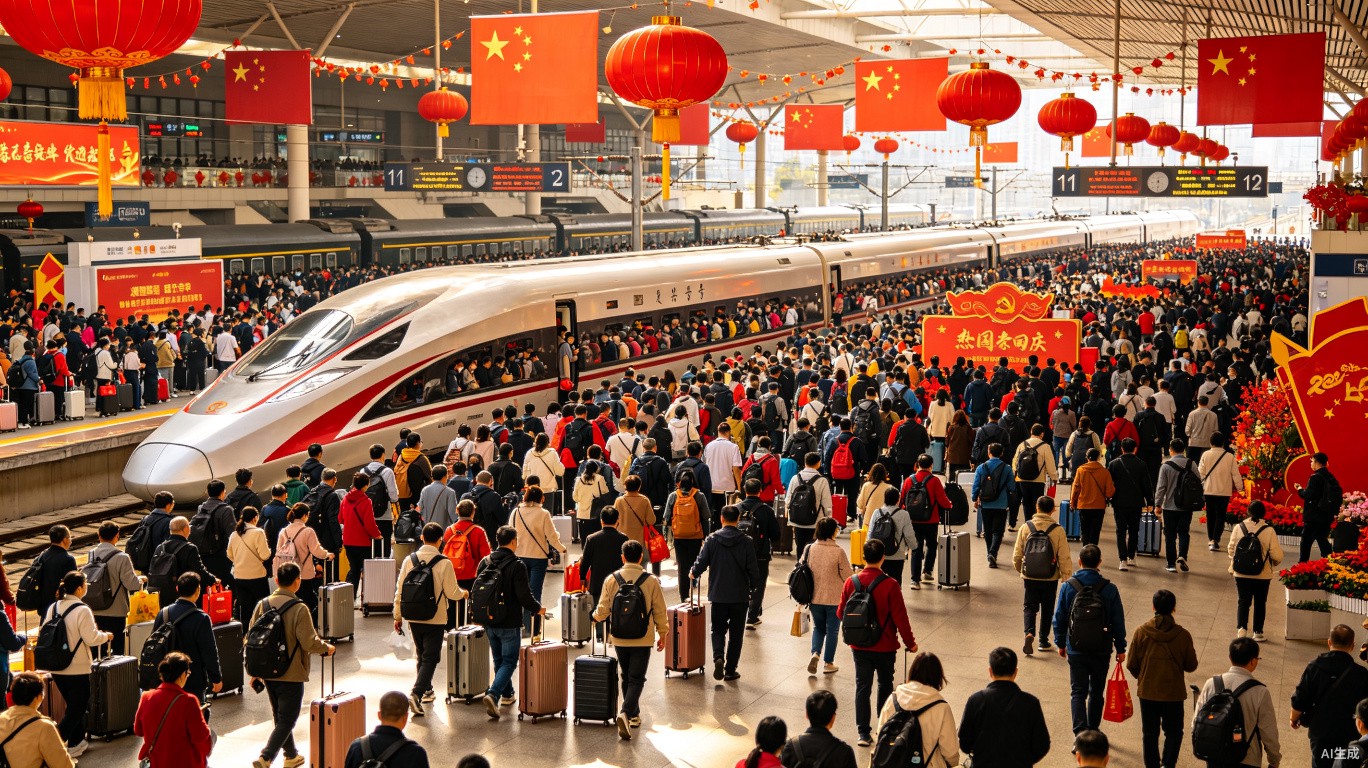
China Golden Week Travel Survival Guide
How to survive China's National Day Golden Week (October 1-7) - what to avoid, where to go, and how to beat the crowds.
9 min read
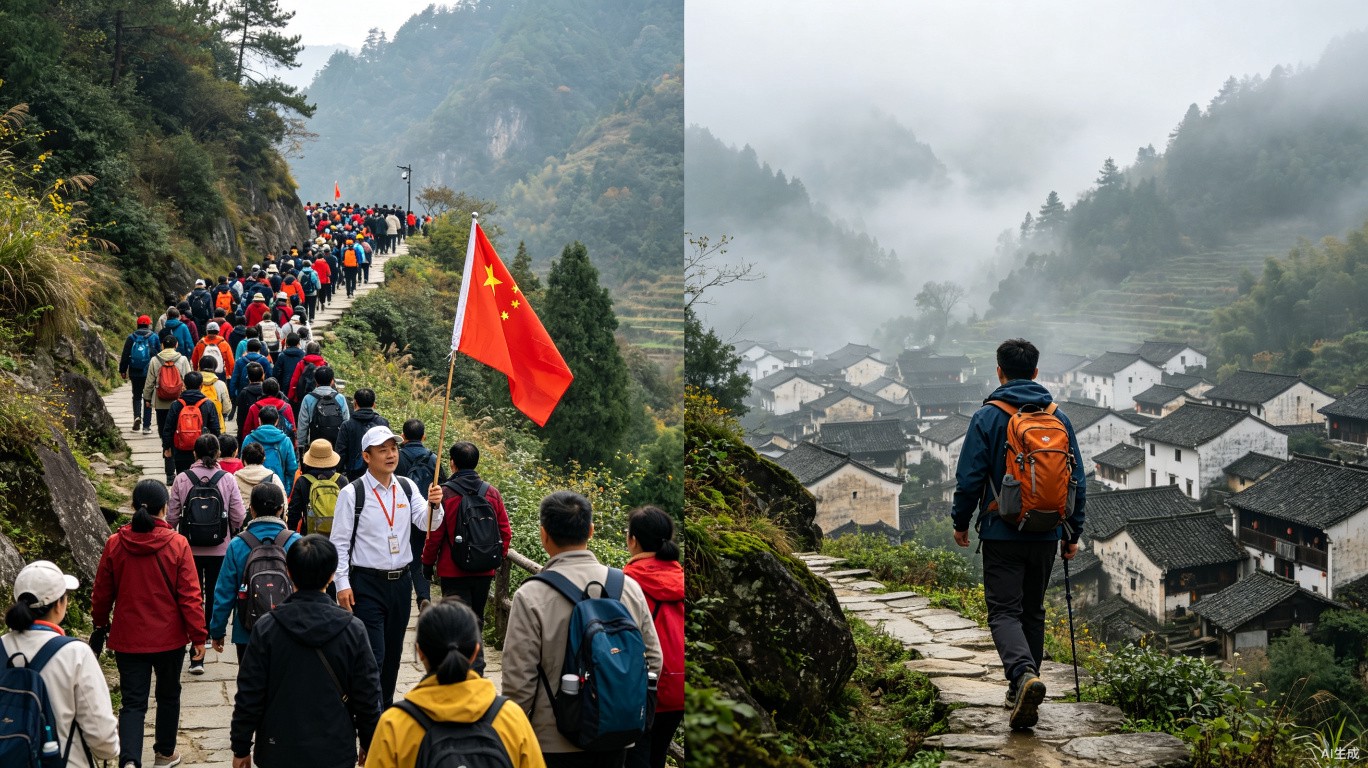
China Group Tours vs Independent Travel Which is Better
Should you join a guided tour or travel independently in China? Honest comparison of cost, flexibility, and experience.
7 min read
China Itinerary Planning: 7-Day 14-Day and 21-Day Routes: The Complete 2026 G...
Not sure how many days to spend in China? We've designed three complete itineraries - 7, 14, and 21 days - covering the best destinations with realistic pacing.
9 min read