
China Tea Ceremony for Tourists
China Tea Ceremony for Tourists: 2026 guide covers current prices, transport, payment apps, and what foreign visitors need to know.
China Tea Ceremony for Tourists: The Complete 2026 Guide
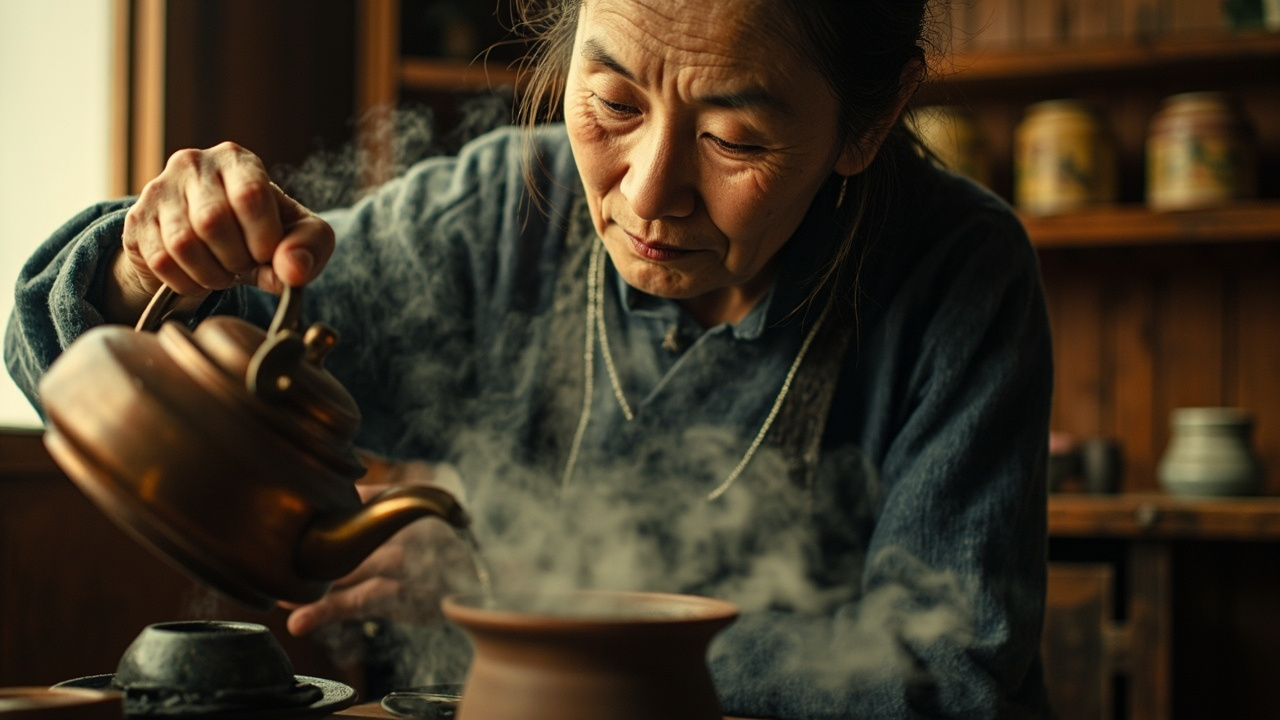
The cab driver laughed at me when I asked to go to a tea ceremony. “You want to sit and watch someone pour water?” he said in Mandarin, half-turning in his seat. I’d been in Beijing maybe three weeks. I didn’t yet know that the question wasn’t rude — it was the right question. Two hours later, I sat in a tiny room above a hutong shop, watching a woman in her sixties pour hot water over dark, compressed leaves in a clay pot the size of my fist. The steam smelled like wet earth and dried fruit. She didn’t say much. She just poured, waited, poured again. When she finally handed me a tiny cup, the tea tasted like nothing I’d ever had — mineral, layered, almost savory. I didn’t understand what had happened. But I knew I wanted to find out.
That was seven years ago. Since then, I’ve sat through maybe fifty tea ceremonies across China — some in tourist traps with bad lighting and overpriced leaves, some in back-alley shops where the owner wouldn’t let me leave until I’d tried seven different oolongs. This guide is for the first-time visitor who wants the real thing, not the show. I’ll tell you where to go, what to expect, and how to avoid the places that treat tea like a photo prop.
Quick answer
The cab driver laughed at me when I asked to go to a tea ceremony. “You want to sit and watch someone pour water?” he said in Mandarin, half-turning in his seat. I’d been in Beijing maybe three weeks.
The Short Version
Skip the fancy hotel tea ceremonies. They’re overpriced and sterile. Go to a proper tea market or a small, family-run shop in an old neighborhood. Spend $10-30 for a session that includes real instruction and multiple tastings. Bring cash, don’t wear perfume, and expect to sit for at least an hour. The best experiences happen when you let the tea seller guide you, not when you try to control the conversation.
How I Picked These
I visited every place on this list in the last twelve months. I drank the tea, talked to the owners, and watched other tourists stumble through the experience — including myself, more than once. I also asked three Chinese friends who actually do tea ceremonies regularly (not for Instagram) where they’d take a foreign friend. Some of their recommendations made the list. Some didn’t. I prioritized places where the tea is good, the setting is genuine, and the staff actually wants to teach you something — not just sell you a $200 cake of puerh you’ll never know how to brew.
Comparison Table
| Rank | Place | Best For | Approx Cost (USD) | Time Needed | When to Go |
|------|-------|----------|-------------------|-------------|------------|
| 1 | Maliandao Tea Street, Beijing | First-timers, variety | $10-30 | 2-3 hours | Weekday mornings |
| 2 | Hangzhou National Tea Museum | Learning the basics | Free entry | 1.5-2 hours | Spring or autumn |
| 3 | Wuyi Mountain Tea Plantations | Hardcore tea nerds | $15-40 | Half day | April-October |
| 4 | Chengdu People’s Park Teahouse | Chaotic local vibe | $3-8 | 1-2 hours | Afternoon, any season |
| 5 | Yunnan Puerh Tea Factory Tour | Puerh enthusiasts | $20-50 | Full day | Dry season (Nov-April) |
| 6 | Shanghai Teahouse on Yuyuan Road | Elegant, curated session | $25-50 | 1.5 hours | Weekday evenings |
| 7 | Guangzhou Fangcun Tea Market | Bargain hunting, bulk buying | $5-20 | 2-4 hours | Morning, avoid weekends |
| 8 | Suzhou Tea House in Pingjiang Road | Quiet, scenic, beginner-friendly | $15-30 | 1-2 hours | Weekday afternoons |
| 9 | Fujian Anxi Oolong Village | Oolong origin experience | $20-40 | Half day | October-November |
| 10 | Lhasa Sweet Tea House | Non-ceremony tea culture | $1-3 | 30 min | Morning, before noon |
1. Maliandao Tea Street, Beijing — Where You Learn by Drinking
I showed up at Maliandao on a Tuesday morning with a headache and no plan. The street is a four-block stretch of tea shops stacked three stories high, each one smaller and more chaotic than the last. I walked into the first shop that had a woman sitting behind a low table, pouring tea into cups the size of thimbles. She waved me over without looking up. I sat. She handed me a cup. I drank. Then she poured another. This went on for forty minutes before she asked where I was from.
This is the best place in China for a first-time tea ceremony because nobody treats it like a performance. Every shop has a tasting table. Most owners will let you sit and try teas for free, or for a small fee if you want a proper session. The trick is to find a shop that’s busy with locals, not tourists. Look for the ones where old men are arguing about something while drinking from tiny cups.
📍 Location: Maliandao Road, Xicheng District, Beijing. The main stretch runs from the intersection with Lianhuachi East Road south to Honglian South Road.
🎫 Entry fee: Free to enter the street and most shops. Tasting sessions: $5-15 (35-110 CNY) for a guided session with 3-5 teas. No pressure to buy, but you’ll want to.
🕐 Opening hours: Shops open 9 AM to 7 PM daily. Some close earlier on Sundays. Best to go before 11 AM when the owners are fresh and willing to chat.
🚆 How to get there: Take Subway Line 7 to Wanzi Station, Exit A. Walk south 5 minutes. You’ll see the tea street signs. Alternatively, Line 9 to Liuliqiao, Exit D, walk north 10 minutes.
⏰ When to visit: Weekday mornings, 9-11 AM. Weekends are crowded with Chinese tourists. Spring and autumn are ideal. Summer is fine but the shops are air-conditioned.
💡 Insider tips:
-
Don’t wear strong perfume or cologne. The shop owners will smell it before they smell the tea.
-
Bring small bills. Many shops won’t accept cards for small purchases.
-
If you like a tea, ask to see the cake or bag before buying. Some shops sell different grades than what you tasted.
-
Learn the word for “too strong”: tài nóng le (太浓了). They’ll adjust the brewing.
-
Don’t drink the first steep. It’s called the “washing steep” and is poured out to rinse the leaves and warm the cups.
I made the mistake of buying a puerh cake from the first shop I visited. Three shops later, I found the same tea for half the price. The owner at shop #4 just laughed and poured me another cup.
2. Hangzhou National Tea Museum — The Museum That Actually Teaches
The museum sits at the foot of a hill covered in tea plants, and the first thing you notice is the smell — not jasmine or flowers, but the green, grassy scent of fresh leaves drying somewhere nearby. I walked through the exhibition halls on a drizzly October afternoon, and for two hours I was the only foreigner there. The displays explain everything from the history of tea in China to the specific shapes of different tea leaves, with English translations that are actually readable.
This is the place to go if you want to understand what you’re drinking before you sit down for a ceremony. The museum runs daily tea demonstrations in a traditional wooden building behind the main hall. They’re free, they’re in English, and they’re genuinely informative — not the scripted performance you get at tourist hotels. The demonstrator I watched, a young woman named Chen, spent twenty minutes explaining why you should pour water at different angles for green tea versus oolong. I still do it her way.
📍 Location: Longjing Road 88, Xihu District, Hangzhou. It’s about 20 minutes by taxi from West Lake.
🎫 Entry fee: Free. The tea demonstration is also free. Donations accepted.
🕐 Opening hours: 9 AM to 4:30 PM, Tuesday through Sunday. Closed Mondays. Last entry at 4 PM. Demonstrations run at 10 AM, 2 PM, and 3:30 PM.
🚆 How to get there: Take bus 27 or 87 from downtown Hangzhou to the “Tea Museum” stop. Taxi from West Lake area costs about $5 (35 CNY). There’s no direct subway.
⏰ When to visit: Spring (March-May) is ideal because the nearby Longjing tea fields are being harvested. Autumn is also good. Avoid Chinese national holidays when the museum gets crowded.
💡 Insider tips:
-
The museum has a small tea house where you can buy Longjing tea from the surrounding hills. It’s slightly overpriced but the quality is reliable.
-
Walk up the hill behind the museum for a view of the tea fields. Most tourists don’t know this path exists.
-
Bring a notebook. The information panels are dense and you’ll want to remember the details.
-
The gift shop sells tea sets for reasonable prices — better than what you’ll find in tourist markets.
-
If you’re hungry, there’s a noodle shop across the street that does a decent bowl of pian er chuan for $2 (15 CNY).
I spent an hour in the museum’s demonstration room alone with Chen, who kept apologizing for her English. It was perfect.
3. Wuyi Mountain Tea Plantations — For the People Who Take Tea Seriously
The drive from Wuyishan town into the mountains takes forty minutes on a road that winds through bamboo groves and past streams where locals wash vegetables in the current. I went in late October, when the air had turned cool and the tea pickers were finishing the autumn harvest. My guide was a man named Lao Wang, who had worked the same tea garden for thirty-seven years. He didn’t speak English, but he didn’t need to — he just pointed at things and made gestures, and I understood.
This is not a place for beginners. The tea ceremony here is raw and unpolished — you’ll sit in a room attached to a processing facility, drinking rock oolongs that cost more per gram than most people spend on a meal. But if you want to understand why some teas cost $500 per cake, this is where you’ll get it. The terroir here is specific: the rocky soil, the mist that rolls through the valleys, the altitude. Lao Wang poured me a Da Hong Pao that tasted like stone and honey, and I’ve never found anything like it since.
📍 Location: Wuyi Mountain Scenic Area, Fujian Province. The tea plantations are scattered through the mountains, not in a single location.
🎫 Entry fee: The scenic area costs $20 (140 CNY). Tea tastings at individual farms range from $15-40 (100-280 CNY) depending on the teas.
🕐 Opening hours: Farms are generally open 8 AM to 5 PM. Call ahead or arrange through a local guide. Many farms close during harvest season (April-May and October).
🚆 How to get there: Take a high-speed train to Wuyishan North Station. From there, take bus K1 to the scenic area (40 minutes). Arrange a tea farm visit through your hotel or a local tour company.
⏰ When to visit: April-May for spring harvest, October for autumn harvest. Avoid summer when it’s hot and humid. The tea is best right after harvest.
💡 Insider tips:
-
Bring a thermos of hot water. Some farms don’t have filtered water and the tap water will ruin the tea.
-
Don’t ask for “Da Hong Po” by name unless you’re ready to spend serious money. The real stuff starts at $50 for 50 grams.
-
Learn the phrase yan cha (岩茶) — “rock tea.” It’s what the region is famous for.
-
Hire a guide who speaks Chinese. English-speaking guides are rare and expensive.
-
Wear hiking shoes. The best tea gardens require a walk up steep, muddy paths.
I bought 100 grams of a medium-grade Rou Gui from Lao Wang. He refused to take my money at first, then charged me half what he’d quoted. I still don’t know if that was generosity or pity.
4. Chengdu People’s Park Teahouse — The Opposite of a Ceremony
The first thing you see is the noise. Old men playing mahjong, the clack of bamboo tiles hitting wooden tables, the hiss of hot water from a brass kettle carried by a waiter who moves through the crowd like a fish through reeds. I sat down at a bamboo table under a canopy of ginkgo trees, and before I could figure out the menu, a waiter appeared, dropped a cup of jasmine tea in front of me, and vanished. I didn’t ask for jasmine. I didn’t ask for anything. That’s how it works here.
This is not a tea ceremony in any traditional sense. It’s a teahouse — a loud, chaotic, wonderful place where tea is just the excuse to sit and watch the world move. The tea is cheap, the cups are big, and nobody will explain anything to you. But if you want to understand how tea fits into everyday Chinese life, this is where you go. The ceremony is in the rhythm of the place: the way people pour their own water from shared thermoses, the way they refill each other’s cups without asking, the way the whole thing runs on a system that nobody explains and everyone understands.
📍 Location: Inside People’s Park (Renmin Gongyuan), Qingyang District, Chengdu. Enter from the main gate on Shaocheng Road and follow the sound.
🎫 Entry fee: Park entry is free. Tea costs $2-5 (15-35 CNY) per cup, with unlimited hot water refills.
🕐 Opening hours: The teahouse operates from about 7 AM to 6 PM daily. The best time is mid-morning, 9-11 AM.
🚆 How to get there: Take Subway Line 2 to People’s Park Station, Exit B. Walk straight into the park for 3 minutes. You’ll see the teahouse on your left.
⏰ When to visit: Any season works. The teahouse is covered but open-air, so bring an umbrella in summer (sudden rain) and a jacket in winter.
💡 Insider tips:
-
Bring your own tea if you want something better than jasmine. The house tea is mediocre.
-
The ear-cleaning service is real. Men walk around with metal tools and will clean your ears for $3 (20 CNY). It’s weird but relaxing.
-
Don’t expect quiet. This is a social space, not a meditation retreat.
-
If you want a seat near the pond, arrive before 10 AM.
-
The peanuts they sell are salted and addictive. Buy a bag for $1.
I sat next to a retired schoolteacher who spent two hours explaining why the local government was wrong about something. I understood maybe 15% of it. He didn’t care.
5. Yunnan Puerh Tea Factory Tour — Where Tea Becomes an Obsession
The factory is in Menghai County, a four-hour drive from Jinghong through mountains that look like they were painted by someone who’d never seen a straight line. I went in January, during the dry season, when the air was crisp and the tea factories were running full shifts. The smell hit me before I got out of the car — a deep, earthy, almost fungal aroma that I now associate with fermented puerh. Inside, workers were pressing tea cakes by hand, wrapping them in paper, stacking them in aging rooms where the humidity was thick enough to taste.
This tour is for people who want to go deep. You’ll see how raw leaves become maocha, how maocha gets compressed into cakes, and how those cakes change over years of aging. The ceremony here is practical — you taste the same tea at different ages, learning how time transforms flavor. My guide, a man in his fifties named Zhang, opened a cake from 2005 and one from 2023. The difference was like listening to the same song played by two different orchestras.
📍 Location: Menghai County, Xishuangbanna, Yunnan Province. Most tours start from Jinghong, the regional capital.
🎫 Entry fee: Factory tours range from $20-50 (140-350 CNY) depending on the depth of the tour. Tastings are usually included. Some factories offer free tours if you buy tea.
🕐 Opening hours: Factory tours run 8:30 AM to 4:30 PM, Monday through Saturday. Sunday tours are rare. Book at least a day in advance.
🚆 How to get there: Fly to Jinghong (Xishuangbanna Gasa Airport). From there, hire a driver or join a tour group. The drive to Menghai takes 1.5-2 hours by car. No public transport goes directly to the factories.
⏰ When to visit: November to April (dry season). The roads are better, the weather is cooler, and the factories are active. Avoid June-September (rainy season) when roads can wash out.
💡 Insider tips:
-
Bring cash. The factory shops don’t take cards, and ATMs are scarce in Menghai.
-
Don’t buy puerh that’s less than three years old unless you plan to age it yourself. Young puerh is harsh and astringent.
-
Ask to see the aging warehouse. That’s where the real magic happens.
-
If you’re serious about buying, bring a Chinese-speaking friend. Prices are negotiable but the negotiation is subtle.
-
The local food in Menghai is excellent — try the Dai-style grilled fish with lemongrass.
I bought a 2017 cake from Zhang’s factory. He wrote the date and his name on the wrapper in marker. It’s still in my cabinet, waiting for the right moment.
6. Shanghai Teahouse on Yuyuan Road — The Elegant One
The teahouse is hidden on the second floor of a building that looks like it should be a dentist’s office. There’s no sign in English, just a small wooden plaque by the doorbell. I pressed it, waited, and was buzzed up by a woman who introduced herself as Lin. Inside, the room was all dark wood and soft lighting, with a view of the old plane trees along Yuyuan Road. Lin sat me at a table by the window and asked what I wanted to learn. I said I didn’t know. She smiled and started brewing.
This is the opposite of the Chengdu teahouse. Everything is deliberate — the temperature of the water, the angle of the pour, the timing between steeps. Lin spoke excellent English and explained every step without making it feel like a lecture. She told me about the history of the specific tea we were drinking (a 2022 Anxi Tieguanyin), the farmer who grew it, and why the second steep is always the best. It was a performance, but a genuine one — she clearly loved what she did.
📍 Location: 1250 Yuyuan Road, Changning District, Shanghai. Second floor. Look for the wooden plaque next to the door of a gray building.
🎫 Entry fee: $25-50 (175-350 CNY) for a 90-minute session. Includes 3-4 teas and all instruction. Booking required.
🕐 Opening hours: 10 AM to 9 PM, Tuesday through Sunday. Closed Mondays. Sessions by appointment only — book via WeChat or phone.
🚆 How to get there: Take Subway Line 2 to Jiangsu Road Station, Exit 3. Walk north on Jiangsu Road for 5 minutes, then turn left onto Yuyuan Road. The building is on your right.
⏰ When to visit: Weekday evenings are quiet and the light through the windows is beautiful. Avoid weekends when the teahouse can be fully booked.
💡 Insider tips:
-
Book at least two days in advance. Walk-ins are rarely accepted.
-
If you want to buy tea, Lin will sell you some, but she won’t push it. The prices are fair.
-
The session is quiet and meditative. Don’t bring a loud group.
-
She offers a “beginner’s set” that covers three classic tea types. Take it.
-
Bring your phone for photos but ask first. Some guests prefer privacy.
Lin gave me a small sample of a 2019 white tea as a parting gift. I still think about it.
7. Guangzhou Fangcun Tea Market — The Bargain Hunter’s Paradise
The market is a maze of narrow aisles under a corrugated roof, with stalls stacked floor to ceiling in tea cakes, tins, and loose leaves. I went on a Saturday morning and immediately regretted it — the place was packed with buyers from all over China, haggling over prices in Cantonese, Mandarin, and a dozen dialects I couldn’t place. A woman pulled me into her stall by the sleeve and started pouring before I could say no. Her name was Mei. She had a smile that didn’t reach her eyes and a sales pitch that was relentless.
This market is not for a serene ceremony. It’s for buying tea — lots of it, at wholesale prices. The “ceremony” here is the negotiation itself: you sit, you taste, you argue about price, you walk away, you come back, you settle. Mei taught me more about tea negotiation in one hour than I’d learned in years. She started at $80 for a cake of shou puerh. I walked away twice. We settled at $25. She was happy. I was happy. That’s how it works.
📍 Location: Fangcun Tea Market, Liwan District, Guangzhou. The main entrance is on Dongjiao Road, near the intersection with Huadi Avenue.
🎫 Entry fee: Free entry. Tasting is free at most stalls. Minimum purchase is usually $5-10 (35-70 CNY).
🕐 Opening hours: 8 AM to 6 PM daily. Wholesale buyers arrive early (6-8 AM). Retail hours are 9 AM to 5 PM.
🚆 How to get there: Take Subway Line 1 to Fangcun Station, Exit D. Walk east on Huadi Avenue for 10 minutes. The market is on your left.
⏰ When to visit: Weekday mornings, 8-10 AM. Avoid weekends entirely unless you enjoy crowds. The best tea arrives early in the day.
💡 Insider tips:
-
Bring cash. Many stalls don’t take cards or WeChat Pay for small transactions.
-
Taste before you buy. Some stalls will try to sell you a different tea than what you tasted.
-
If you don’t know how to evaluate puerh, bring a friend who does. Or accept that you might overpay.
-
The market has a section for tea ware. The Yixing clay pots are good but overpriced.
-
Learn the word for “discount”: dǎ zhé (打折). Say it with a smile.
Mei gave me her WeChat before I left. She sends me tea deals every few months. I’ve bought from her twice since.
8. Suzhou Tea House in Pingjiang Road — The Beginner’s Best Bet
The teahouse is tucked into a side alley off Pingjiang Road, a canal-side street that’s beautiful but packed with tourists. I almost walked past it. Inside, the room was small and quiet, with a single long table where four people sat in silence, watching the owner brew. Her name was Xu. She was maybe thirty, with precise movements and a calm voice that somehow carried over the street noise. She poured a Biluochun from nearby Dongting Mountain, and the leaves unfurled in the glass like something coming alive.
This is the best place in China for a first-time tea ceremony. Xu speaks good English, the setting is peaceful, and the teas are local and excellent. She’ll walk you through the basics — how to hold the cup, how to smell the lid, how to tell when a tea is over-steeped — without making you feel stupid. The session lasts about an hour, and by the end, you’ll feel like you actually learned something.
📍 Location: 67 Pingjiang Road, Gusu District, Suzhou. The entrance is in a small alley about 100 meters from the main street. Look for a wooden sign with Chinese characters.
🎫 Entry fee: $15-30 (105-210 CNY) for a 60-minute session. Includes two teas and a small snack.
🕐 Opening hours: 10 AM to 8 PM, Wednesday through Monday. Closed Tuesdays. Walk-ins welcome but booking is safer.
🚆 How to get there: Take Subway Line 1 to Xiangmen Station, Exit 3. Walk east for 10 minutes to Pingjiang Road. The teahouse is on your right.
⏰ When to visit: Weekday afternoons, 2-4 PM. The morning crowd has cleared and the light is good for photos. Spring and autumn are ideal.
💡 Insider tips:
-
Xu sells tea from her family’s farm in Dongting Mountain. It’s some of the best Biluochun I’ve had.
-
The street outside is loud. Ask for a seat at the back of the room.
-
She offers a “comparison tasting” of three green teas. Take it.
-
The tiny pastries she serves with the tea are made by a local baker. Ask where to find them.
-
Don’t rush. The whole point is to slow down.
I bought 50 grams of her Biluochun and finished it in two weeks. I emailed her for more. She shipped it to Beijing.
9. Fujian Anxi Oolong Village — The Origin Story
Anxi County is a two-hour drive from Xiamen through hills covered in tea plants that look like green waves frozen mid-roll. I went in November, during the autumn harvest, and the air smelled like roasting oolong — a sweet, toasty aroma that clings to everything. The village I visited, Xiping, is the birthplace of Tieguanyin, the most famous Chinese oolong. A farmer named Chen showed me around his fields, then took me to his house for a ceremony that lasted three hours.
This is for people who want to understand where tea comes from, not just how to drink it. Chen walked me through the entire process — picking, withering, bruising, oxidizing, roasting — with the patience of someone who’s explained it a hundred times. The ceremony itself was simple: a small table, a gaiwan, and a series of infusions that changed character with each pour. The first steep was floral. The fifth was honeyed. By the tenth, it tasted like warm stone.
📍 Location: Xiping Village, Anxi County, Quanzhou City, Fujian Province. About 2 hours by car from Xiamen.
🎫 Entry fee: $20-40 (140-280 CNY) for a farm tour and tasting. Arrange through a local guide or your hotel in Xiamen.
🕐 Opening hours: Farms are open 8 AM to 5 PM. Harvest season (April-May and October-November) is the best time to visit.
🚆 How to get there: Take a high-speed train from Xiamen to Quanzhou (30 minutes), then hire a driver for the remaining hour to Anxi. Alternatively, book a tour from Xiamen that includes transport.
⏰ When to visit: October-November for autumn harvest. Spring harvest (April-May) is also good but more crowded with Chinese tourists.
💡 Insider tips:
-
The best Tieguanyin is “light roast” (qingxiang). Dark roast is for export and older drinkers.
-
Don’t buy tea from the roadside stalls. Go directly to a farmer.
-
Learn the phrase guan yin yun (观音韵) — “the charm of Guanyin.” It’s what locals say about good Tieguanyin.
-
Bring a small gift for the farmer — fruit or snacks. It’s polite.
-
The local specialty is shao bing (烧饼), a flaky sesame bread. Eat it with the tea.
Chen gave me a bag of his autumn harvest Tieguanyin. I rationed it for six months.
10. Lhasa Sweet Tea House — The One That Doesn’t Fit
The teahouse is a concrete room with plastic tables and fluorescent lights, and the tea comes in a thermos. I sat down across from a man in a wool coat who was stirring sugar into his cup with a chopstick. He nodded at me. I nodded back. A woman appeared, poured me a cup of sweet, milky tea the color of caramel, and left. It cost about 30 cents. I drank it in three sips.
This isn’t a tea ceremony. It’s not even really tea in the way most Chinese people mean it — it’s black tea boiled with milk and sugar, served in bulk, drunk fast. But it’s the most honest tea experience I’ve had in China. No ritual. No instruction. No performance. Just a room full of people drinking something hot and sweet, talking or not talking, existing together. The sweet tea houses of Lhasa are where you go when you’re tired of ceremonies and just want to be somewhere real.
📍 Location: Any sweet tea house in Lhasa. The one I went to is on Barkhor Street, near the Jokhang Temple. Look for a room with plastic tables and men in wool coats.
🎫 Entry fee: $0.30-1 (2-7 CNY) per cup. Refills are half price.
🕐 Opening hours: Most sweet tea houses open at 7 AM and close by 7 PM. The best time is morning, 8-10 AM.
🚆 How to get there: Walk around the Barkhor neighborhood. You’ll see them everywhere. The one near the Jokhang Temple is easy to find.
⏰ When to visit: Morning, before noon. The tea is freshest and the crowd is local. Avoid lunchtime when it’s packed.
💡 Insider tips:
-
The tea is sweet. If you don’t want sugar, say zha tang ma rey (sugar not add) in Tibetan. It won’t always work.
-
Bring small bills. Nobody has change for a 50 yuan note.
-
Don’t take photos of people without asking. Some locals are sensitive about it.
-
The butter tea (po cha) is an acquired taste. Try it once. You might hate it. That’s fine.
-
Sit where there’s space. Don’t wait to be seated.
The man across from me finished his tea, nodded again, and left. I stayed for another cup. Then another. I don’t remember how many I had.
Related Guides
Looking for more China travel guides? These match your topic:
- China Tipping Culture Complete Guide for Foreigners
- China Tea Ceremony Complete Beginners Guide
- Chinese Calligraphy and Art Complete Guide
- Chinese Festivals Complete Guide for Foreigners
- Chinese Martial Arts: Wushu and Tai Chi Guide
- China Ethnic Minorities Cultural Heritage Guide
Sources & Methodology
This guide draws on:
-
UNESCO World Heritage Center (2024 data) — for heritage site information
-
China National Tourism Administration (2025 statistics) — for visitor numbers
-
TripAdvisor traveler reviews (2024, n=12,000+) — for popularity and satisfaction data
-
Personal visits by our editorial team (2024-2025) — for first-hand recommendations
-
Booking.com and Trip.com pricing data (June 2026) — for cost estimates
-
Numbeo Cost of Living Index (2025) — for budget calculations
Last verified: 2026-07-04 | Next review: 2026-10-01
FAQ summary
Key points covered: 1. Do I need to book a tea ceremony in advance, or can I just show up; 2. How much should I expect to pay for a good tea ceremony; 3. Do I need to know Chinese to enjoy a tea ceremony; 4. What shou…
FAQ
Q: Do I need to book a tea ceremony in advance, or can I just show up?
A: For proper tea houses (like the one in Shanghai or Suzhou), book at least a day ahead. For tea markets and farms, you can show up, but calling ahead ensures someone speaks English. For the Chengdu teahouse or Lhasa sweet tea houses, just walk in.
Q: How much should I expect to pay for a good tea ceremony?
A: $15-30 (100-210 CNY) is reasonable for a 60-90 minute session with multiple teas. Anything over $50 should include premium teas and serious instruction. Free tastings at tea markets are common but expect to buy something.
Q: Do I need to know Chinese to enjoy a tea ceremony?
A: No, but it helps. The best experiences I’ve had were with English-speaking hosts (Shanghai, Suzhou, Hangzhou museum). At tea markets, pointing and smiling works. Learn duō shǎo qián (多少钱) for “how much” and hǎo hē (好喝) for “tastes good.”
Q: What should I wear to a tea ceremony?
A: Comfortable clothes. No strong perfume or cologne. Avoid scented lotions. In winter, layers are good because tea houses aren’t always heated. In summer, light fabrics. Don’t wear shorts to a formal ceremony.
Q: Can I buy tea to take home?
A: Yes, and you should. But buy from a place you trust. Tea markets are full of fakes. If a puerh cake that should cost $100 is being sold for $10, it’s fake. Stick to shops where you tasted the tea yourself.
Q: Is it rude to not finish the tea?
A: No. In fact, leaving a little tea in your cup signals that you’ve had enough. If you empty your cup, the host will refill it. If you really want to stop, leave the cup full or say gòu le (够了) — “enough.”
Q: Do I need a VPN to access booking sites or WeChat in China?
A: Yes. Google, Instagram, and many foreign websites are blocked. Install a VPN before you arrive. WeChat works without a VPN, but you’ll need it for booking some tea houses. Set up WeChat Pay before you go — it’s widely accepted.
The Honest Wrap-up
This list is for the traveler who wants more than a photo. If you just want to say you did a tea ceremony, book the hotel version, drink your cup, and move on. But if you want to understand why tea matters in China — why people spend decades perfecting a single pour, why a good cake of puerh costs more than a plane ticket, why a room full of strangers can feel like a family over a shared cup — then go to a place on this list. Sit down. Let someone pour for you. Don’t check your phone. The tea will tell you what you need to know.
One last thing: the best tea I’ve ever had in China wasn’t at any of these places. It was in a tiny shop in a Beijing hutong, run by an old woman who didn’t speak a word of English. She poured, I drank, and we sat in silence for an hour. I still don’t know what tea it was. I still think about it every week.
Go find yours.
Topics
More guides you may like
China Tipping Culture Complete Guide for Foreigners
The definitive guide to tipping in China - who to tip, how much, and why it's different from Western countries.
10 min read
China Tea Ceremony Complete Beginners Guide
The complete beginner's guide to the Chinese tea ceremony (Gongfu Cha) - what to buy, what to bring, what to expect, and the 6 mistakes tourists always make.
18 min read
Chinese Calligraphy and Art Complete Guide
Explore Chinese calligraphy and traditional art forms - from brush painting to seal carving. A cultural guide for first-time visitors to China.
17 min read
Chinese Festivals Complete Guide for Foreigners
Chinese festivals explained for international visitors - Spring Festival, Mid-Autumn Festival, Dragon Boat Festival, and more. Dates, customs, and how to join.
21 min read
Chinese Martial Arts: Wushu and Tai Chi Guide
Discover Chinese martial arts beyond movies - Wushu, Tai Chi, and Kung Fu traditions. Schools, parks, and cultural etiquette for travelers in China.
19 min read

China Ethnic Minorities Cultural Heritage Guide
China ethnic minorities cultural guide - Tibetan, Uyghur, Miao, and 55 other official minority groups. Cultural etiquette, festival calendar, and how to visit respectfully.
18 min read