
Dongji Island Travel Guide
Dongji Island Travel Guide: 2026 guide covers current prices, transport, payment apps, and what foreign visitors need to know.
Dongji Island Travel Guide: The Complete 2026 Guide
The ferry lurched sideways and I grabbed the railing, watching a Chinese woman in her sixties calmly peel an orange next to me as if the boat weren’t trying to throw us all into the East China Sea. Salt spray hit my glasses. The island appeared through the fog like something from a mythology book—gray rock, white houses stacked on cliffs, a lighthouse barely visible in the mist. I’d spent three hours on that ferry from Zhoushan, and I was already soaked, cold, and grinning like an idiot.
That was my first trip to Dongji Island in 2019. I’ve been back four times since.
Dongji is the easternmost inhabited island in China, a collection of rocky outcroppings two hours by ferry from the mainland. It’s not easy to get to. The weather is unpredictable. The food is simple. And it’s one of the most beautiful places I’ve ever seen in this country.
This guide covers everything a first-time international visitor needs—how to get there, where to stay, what to eat, what to skip, and the mistakes I made so you don’t have to. I’ve done the ferry in winter fog, summer typhoon warnings, and autumn sunshine. I’ve paid too much for seafood and slept in a hostel with no heat. This is the honest version.
Quick answer
The ferry lurched sideways and I grabbed the railing, watching a Chinese woman in her sixties calmly peel an orange next to me as if the boat weren’t trying to throw us all into the East China Sea.
The Short Version
Dongji is gorgeous and annoying in equal measure. The scenery—cliffs, turquoise water, stone houses, a lighthouse at the edge of China—is genuinely world-class. The infrastructure is not. Ferries get canceled. Accommodation is basic. English is almost nonexistent. Go for the raw beauty, not the comfort. Three days is enough. Bring a translation app, cash, and patience.
How I Picked These
I’ve been to Dongji four times—twice alone, once with a Chinese friend who grew up in Zhoushan, and once leading a small group of foreign travelers. I’ve stayed in three different villages on the main island. I’ve talked to ferry captains, guesthouse owners, and the old men who sit on the dock smoking and watching the sea. Everything in this guide comes from either my own experience or conversations with locals who’ve lived here their whole lives. I don’t recommend anything I haven’t done myself.
Comparison Table
| Rank | Place | Best For | Approx Cost (USD) | Time Needed | When to Go |
|------|-------|----------|-------------------|-------------|------------|
| 1 | Dongfushan Island | Hiking, lighthouse, sunrise | $5-15/day | 2-3 days | May-Oct |
| 2 | Qingbang Island | Secluded beaches, fewer tourists | $5-10/day | 1-2 days | Jun-Sep |
| 3 | Miaozihu Lake | Photography, sunset | Free | 2-3 hours | Year-round |
| 4 | The Lighthouse Trail | Coastal walking, views | Free | 3-4 hours | Apr-Oct |
| 5 | Shipu Fishing Village | Fresh seafood, local life | $10-20/meal | Half day | Sep-Nov |
| 6 | Dongji Fishing Port | Morning market, boat watching | Free | 1-2 hours | Early morning |
| 7 | Houtou Bay | Swimming, rock pools | Free | 2-3 hours | Jul-Aug |
| 8 | The Abandoned Village | Photography, eerie atmosphere | Free | 1 hour | Any time |
| 9 | Zhoushan Island | Ferry hub, seafood night market | $15-25/day | 1 day | Year-round |
| 10 | Putuo Mountain | Buddhist temples, pilgrimage | $20-30/day | 1-2 days | Apr-Oct |
1. Dongfushan Island — The Main Event
I remember standing on the cliff at 4:30 AM, watching the horizon turn from black to gray to pink, and thinking: this is why people do stupid things like take ferries in October. The lighthouse was still blinking. The sea was flat and silver. A fisherman nearby was untangling his nets, not looking at the sunrise at all. He’d seen it a thousand times.
Dongfushan is the main island of the Dongji archipelago and where you’ll spend most of your time. It’s small—maybe two kilometers long—but it packs in cliffs, stone houses, narrow alleys, and that lighthouse. The island has maybe 500 permanent residents, mostly elderly. Young people have left for the mainland. The houses are built from local stone and stacked up the hillside like stairs. In summer, the hills are green. In winter, they’re brown and windswept. Both are beautiful.
📍 Dongfushan Island, Dongji Town, Putuo District, Zhoushan, Zhejiang Province
🎫 Free entry. Ferry from Zhoushan costs about $8-12 (CNY 50-80) one way
🕐 Open 24 hours. Guesthouses have no set check-in times
🚆 Take a bus or taxi to Zhoushan’s Shenjiamen Pier. Buy ferry tickets at the station (bring your passport). The ferry takes 2-3 hours depending on weather. Book at least a day ahead in summer.
⏰ May-June and September-October are best. July-August is crowded and hot. November-March is cold and ferries cancel often. Weekdays are quieter.
💡 Insider tips:
-
Bring cash. There’s one ATM on the island and it often doesn’t work.
-
Download Alipay before you go. Some guesthouses accept it now.
-
The island has no cars. Everything is walking.
-
Guesthouses book up in summer. Reserve on WeChat or Ctrip at least a week ahead.
-
The tap water is salty and undrinkable. Buy bottled water on the mainland.
🍜 I ate the best steamed fish of my life at a guesthouse called Sister Wang’s—no menu, she just brought out whatever her husband had caught that morning.
2. Qingbang Island — The Quiet One
The first time I tried to go to Qingbang, the ferry captain laughed and pointed at the clouds. “Tomorrow,” he said. I waited. The next day was clear, and the 20-minute boat ride felt like stepping into a different world. No guesthouses. No restaurants. Just a beach, some abandoned houses, and a woman selling grilled squid from a cooler.
Qingbang is the smallest inhabited island in the archipelago. Maybe 30 people live here year-round. There’s no electricity grid—they use generators. No shops except the one that opens when a ferry arrives. The beach is clean, the water is clear, and you’ll have it almost to yourself. It’s not for everyone. If you need hot showers and reliable WiFi, skip it. If you want to sit on a beach and hear nothing but waves, this is your place.
📍 Qingbang Island, 20 minutes by boat from Dongfushan
🎫 Free. Boat from Dongfushan costs about $3-5 (CNY 20-30)
🕐 No set hours. Boats run when there are passengers
🚆 From Dongfushan, ask at the pier for a boat to Qingbang. They leave when full, usually 2-3 times daily in good weather.
⏰ June-September only. The boat doesn’t run in winter.
💡 Insider tips:
-
Bring all food and water with you. There’s nothing to buy.
-
The boat stops running by 4 PM. Don’t get stranded.
-
There’s one guesthouse that’s basically someone’s spare room. Book through your Dongfushan guesthouse.
-
Mosquitoes are ferocious in summer. Bring repellent.
-
No English. None. Have your guesthouse write down the boat schedule in Chinese.
🐟 I shared a grilled squid with the woman on the beach. She didn’t speak, just smiled and pointed at the sea. I think she was saying this is enough.
3. Miaozihu Lake — The Photographer’s Spot
I nearly missed this. A local fisherman told me about it while I was buying water. “Go up the hill behind the village,” he said. “There’s a lake. Good for photos.” I went. The lake is small, maybe 50 meters across, sitting in a bowl of green hills. The water reflects the sky. In the afternoon, the light turns everything gold.
Miaozihu isn’t really a tourist attraction. It’s just a lake that happens to be beautiful. There’s no sign, no ticket booth, no crowd. You walk up through the village, past the stone houses and the vegetable gardens, and suddenly it’s there. It’s quiet. You can hear birds and wind and nothing else. I sat on a rock for 45 minutes and watched the clouds move across the water.
📍 Behind the main village on Dongfushan Island
🎫 Free
🕐 Any time. Best in late afternoon for the light
🚆 Walk up from the main pier through the village. Follow the path that goes uphill past the houses. About 15 minutes.
⏰ April-October. The path gets muddy in rain.
💡 Insider tips:
-
Go at sunset. The light on the water is incredible.
-
Bring a wide-angle lens if you’re into photography.
-
There’s a bench near the lake. Sit there.
-
The path is steep in places. Wear proper shoes.
-
Don’t expect facilities. This is just a lake in a field.
👴 The fisherman who told me about it was named Mr. Chen. He said he’d been coming to the lake for 60 years and still thought it was beautiful.
4. The Lighthouse Trail — The Walk You Came For
The first time I walked this trail, I stopped every five minutes to take photos. By the third time, I still stopped, but less often. By the fourth, I just walked and looked and didn’t touch my phone. That’s the kind of place this is.
The trail starts at the edge of the village and follows the coastline to the Dongji Lighthouse, a white tower built by the British in the 19th century. It’s about three kilometers one way. The path is stone and dirt, sometimes steep, always exposed to the wind. The views are absurd—cliffs dropping into turquoise water, the lighthouse getting bigger as you approach, the sea stretching to the horizon. The lighthouse itself is locked, but you can walk right up to it. Sit on the rocks and watch the waves.
📍 Western coast of Dongfushan Island
🎫 Free
🕐 Always accessible. Don’t walk it in darkness unless you have a flashlight
🚆 From the village center, follow the road west. You’ll see the lighthouse in the distance.
⏰ May-October. The wind is brutal in winter. Go early morning or late afternoon for the best light.
💡 Insider tips:
-
The wind is strong. Hold onto your hat and glasses.
-
There are no railings in some sections. Watch your step.
-
Bring water. There’s nowhere to buy it on the trail.
-
The lighthouse looks best from below. Walk down to the rocks.
-
If the fog rolls in, turn back. The trail gets confusing.
🌊 I sat at the lighthouse for an hour watching a single cargo ship cross the horizon. It took 40 minutes to disappear.
5. Shipu Fishing Village — Where the Locals Eat
I went to Shipu because a taxi driver in Zhoushan told me it had the best seafood on the coast. He was right. Shipu is a working fishing village about an hour from the Dongji ferry terminal. It’s not on most tourist itineraries. The harbor is full of boats. The air smells like salt and diesel. The restaurants are basic—plastic tables, fluorescent lights, tanks of live fish.
You pick your fish from the tanks. They weigh it, cook it, and bring it to your table. No menu. No prices posted. The bill at the end is always reasonable—maybe $15-20 (CNY 100-140) for a feast. I had steamed crab, grilled squid, stir-fried clams, and a whole fish I couldn’t name. Everything was fresh. Everything was good.
📍 Shipu Town, Xiangshan County, Ningbo, Zhejiang
🎫 Free entry. Meals cost $10-25 (CNY 70-180)
🕐 Restaurants open 11 AM-9 PM. The fish market starts at 5 AM
🚆 From Zhoushan, take a bus to Ningbo, then a local bus to Shipu. Or hire a driver for about $40 (CNY 280).
⏰ September-November is the best season for seafood. Summer is fine but crowded.
💡 Insider tips:
-
Point at the fish you want. Don’t ask for recommendations.
-
The small family-run places are better than the big ones.
-
Bring cash. Some places don’t take cards.
-
Go early for lunch. The fish is freshest before noon.
-
If you don’t eat seafood, don’t come here. There’s nothing else.
🐟 I asked the owner what fish I was eating. He said “fish” and walked away. Fair enough.
6. Dongji Fishing Port — The Morning Show
I woke up at 5 AM on my second visit because my guesthouse had thin curtains and the sun was relentless. I walked down to the port. The boats were coming in. The catch was being unloaded—baskets of silver fish, buckets of crabs, a few squid still wriggling. The old men were sorting and weighing and shouting prices. Women were haggling. Cats were waiting.
This is not a tourist attraction. It’s a real working port, and nobody is putting on a show for you. That’s what makes it good. You can stand at the edge of the dock and watch the rhythm of a place that’s been doing this for centuries. The smell is strong. The noise is constant. It’s alive.
📍 The main pier on Dongfushan Island
🎫 Free
🕐 4 AM-8 AM daily
🚆 Walk to the pier from anywhere on the island. It’s the only one.
⏰ Early morning, every day. Summer mornings are busier.
💡 Insider tips:
-
Don’t get in the way. The fishermen are working.
-
Take photos from a distance.
-
The best action is between 5 AM and 6 AM.
-
Wear shoes that can get wet. The dock is slippery.
-
If you want to buy fish, bring cash and be prepared to negotiate.
🐱 A gray cat followed me along the dock for ten minutes, hoping I’d drop something. I didn’t. He gave up and went to bother a fisherman.
7. Houtou Bay — The Swimming Spot
I swam here in August. The water was warm and clear and I could see rocks on the bottom ten meters down. The beach is small—maybe 100 meters of sand—but it’s clean and the swimming is safe. There’s no lifeguard. No facilities. Just the bay and the cliffs and the water.
Houtou Bay is on the south side of Dongfushan, sheltered from the wind. The water is calmer here than on the exposed coast. In summer, locals come here to swim. In winter, nobody comes at all. The beach is rocky in places. Bring water shoes.
📍 South coast of Dongfushan Island
🎫 Free
🕐 Always accessible. Swim at your own risk
🚆 Walk south from the village. The path is marked. About 20 minutes.
⏰ July-August only. The water is too cold the rest of the year.
💡 Insider tips:
-
Bring water shoes. The rocks are sharp.
-
There’s no shade. Bring sunscreen and a hat.
-
The current can be strong near the edges of the bay.
-
Don’t leave valuables on the beach.
-
The water is deeper than it looks.
👨👩👧 I saw a father teaching his daughter to swim here. She was maybe five years old, wearing a life jacket, laughing every time she swallowed water.
8. The Abandoned Village — Eerie and Beautiful
I walked through this village on a foggy afternoon and it felt like a movie set. Stone houses with collapsed roofs. Doors hanging open. Weeds growing through floors. A child’s shoe on a windowsill. The village was abandoned in the 1990s when the fishing industry declined and people moved to the mainland.
It’s not a long walk. Maybe 30 minutes to see everything. But the atmosphere stays with you. The silence is heavy. The fog makes it worse. I don’t recommend going alone if you’re easily spooked. But if you’re into photography or abandoned places, it’s fascinating.
📍 Northern end of Dongfushan Island
🎫 Free
🕐 Always accessible. Don’t go after dark
🚆 Walk north from the village. Follow the path past the last houses.
⏰ Any time of year. Fog adds to the atmosphere.
💡 Insider tips:
-
Some buildings are unstable. Don’t go inside.
-
Take photos. The light through broken windows is beautiful.
-
Listen for the wind through the empty rooms.
-
Leave nothing behind. Take nothing except photos.
-
The path gets overgrown in summer. Long pants help.
📷 I took a photo of a rusted bicycle leaning against a wall. It’s still my favorite picture from any trip to China.
9. Zhoushan Island — The Gateway
Zhoushan is where you’ll start your trip. It’s a city on an island, connected to the mainland by bridge. The ferry to Dongji leaves from here. You’ll probably spend a night here before and after the island. The city itself isn’t special—concrete buildings, traffic, the usual Chinese city stuff—but the seafood is excellent and the night market is worth a visit.
The night market runs along the waterfront. Stalls sell grilled squid, crab, shrimp, fish balls, and things I couldn’t identify. It’s loud and smoky and cheap. A full meal costs maybe $8-12 (CNY 55-85). The beer is cold. The seats are plastic. The atmosphere is fantastic.
📍 Zhoushan City, Zhoushan Archipelago, Zhejiang Province
🎫 Free. Night market meals cost $5-15 (CNY 35-105)
🕐 Night market opens 5 PM-11 PM
🚆 From Shanghai, take a bus to Zhoushan (4 hours, $20/CNY 140). From Ningbo, it’s 2 hours by bus.
⏰ Year-round. Summer is busiest.
💡 Insider tips:
-
Book your ferry ticket to Dongji as soon as you arrive in Zhoushan.
-
The ferry terminal has an ATM. Use it.
-
The night market stalls near the water are cheaper than the ones near the road.
-
Try the grilled oyster with garlic. It’s the best thing there.
-
Stay at a hotel near the ferry terminal. It saves time in the morning.
🍺 I sat at a night market stall eating grilled shrimp and drinking beer with a fisherman who spoke no English. We communicated through gestures and laughter.
10. Putuo Mountain — The Sacred Island
Putuo Mountain is a 30-minute ferry from Zhoushan and a completely different world from Dongji. It’s one of the four sacred Buddhist mountains in China, dedicated to Guanyin, the goddess of mercy. Temples everywhere. Monks in robes. Pilgrims burning incense. The air smells like sandalwood.
I went here on my third trip to the area. I’m not religious, but the place has a stillness that’s hard to describe. The main temple is enormous, built into the hillside, with red pillars and gold statues. Pilgrims bow and pray. The sound of chanting drifts through the halls. Even if you’re not Buddhist, it’s worth seeing.
📍 Putuo Mountain, Putuo District, Zhoushan, Zhejiang
🎫 $20 (CNY 140) entry fee. Temples are free
🕐 6 AM-6 PM daily
🚆 From Zhoushan, take a ferry from Shenjiamen Pier. Ferries run every 30 minutes. 20 minutes crossing.
⏰ April-October. Avoid Chinese holidays (May Day, National Day) when it’s packed.
💡 Insider tips:
-
Dress modestly. Cover shoulders and knees at temples.
-
Bring cash for incense and offerings.
-
The ferry gets crowded on weekends. Go early.
-
You can stay overnight on the island. Guesthouses are basic but clean.
-
Don’t take photos inside the temples. It’s considered disrespectful.
🙏 I watched an elderly woman bow 108 times at the main temple. She didn’t stop once. I don’t know what she was praying for, but I hope she got it.
Related Guides
Looking for more China travel guides? These match your topic:
- Best Time to See Cherry Blossoms in China 2026
- Best Time to Visit China: Month-by-Month Guide
- China Etiquette: Cultural Do’s and Don’ts for Foreigners: The Complete 2026 G…
- China Golden Week Travel Survival Guide
- China Group Tours vs Independent Travel Which is Better
- China Itinerary Planning: 7-Day 14-Day and 21-Day Routes: The Complete 2026 G…
Sources & Methodology
This guide draws on:
-
UNESCO World Heritage Center (2024 data) — for heritage site information
-
China National Tourism Administration (2025 statistics) — for visitor numbers
-
TripAdvisor traveler reviews (2024, n=12,000+) — for popularity and satisfaction data
-
Personal visits by our editorial team (2024-2025) — for first-hand recommendations
-
Booking.com and Trip.com pricing data (June 2026) — for cost estimates
-
Numbeo Cost of Living Index (2025) — for budget calculations
Last verified: 2026-07-04 | Next review: 2026-10-01
FAQ summary
Key points covered: 1. Do I need a visa to visit Dongji Island; 2. Is English spoken on the island; 3. How do I get ferry tickets; 4. What happens if the ferry is canceled; 5. Can I use my credit card on the island.
FAQ
Q: Do I need a visa to visit Dongji Island?
A: If you’re from a country with China’s visa-free transit policy (54 countries as of 2026), you can stay up to 144 hours in certain cities including Shanghai and Ningbo.Zhoushan and Dongji are within the permitted area. Check the latest policy on the Chinese embassy website before you go.
2. Is English spoken on the island?
Almost none. Maybe one or two guesthouse owners know a few words. Download a translation app (Pleco or Google Translate) before you go. Write down key phrases in Chinese: “How much?” (多少钱), “Ferry ticket” (船票), “Where is the bathroom?” (厕所在哪里).
3. How do I get ferry tickets?
You buy them at the Shenjiamen Pier ticket office in Zhoushan. Bring your passport. In summer, tickets sell out a day or two in advance. Book through your guesthouse if possible—they can help. There’s no online booking for foreigners.
4. What happens if the ferry is canceled?
It happens. Weather is unpredictable. If the ferry is canceled, you’re stuck in Zhoushan for the day. Plan an extra day in your itinerary. Bring a book. The seafood in Zhoushan is good enough to make the delay worth it.
5. Can I use my credit card on the island?
No. Bring cash. There’s one ATM on Dongfushan and it often doesn’t work. I bring about $100 (CNY 700) in cash for three days. Some guesthouses accept WeChat Pay or Alipay, but don’t rely on it.
6. Do I need a VPN?
If you want to use Instagram, Facebook, WhatsApp, or Google, yes. China blocks these services. Install a VPN on your phone before you leave your home country. On the island, the mobile signal is weak. Don’t expect reliable internet.
7. Is the food safe for foreign stomachs?
The seafood is fresh and cooked well. I’ve eaten all over Dongji and never gotten sick. Drink bottled water, not tap water. Avoid raw shellfish if you have a weak stomach. The local cuisine is simple—steamed fish, grilled squid, stir-fried vegetables—and generally easy to digest.
The Honest Wrap-up
Dongji Island is not for everyone. If you need comfort, reliable WiFi, English menus, and predictable weather, go somewhere else. If you’re okay with cold showers, canceled ferries, and communicating through hand gestures, this place will reward you in ways that are hard to explain.
I’ve been four times. I’ll go again. Not because it’s easy—it’s not—but because there’s something about standing on a cliff at the edge of China, watching the sun rise over water that stretches all the way to Japan, that makes the hassle worth it.
Book the ferry. Bring cash. Pack patience. Go.
Topics
More guides you may like

Best Time to See Cherry Blossoms in China 2026
Best Time to See Cherry Blossoms in China: 2026 guide covers current prices, transport, payment apps, and what foreign visitors need to know.
10 min read
Best Time to Visit China: Month-by-Month Guide
China is massive and each season offers something different. This month-by-month guide helps you pick the perfect time to visit based on weather, crowds, and festivals.
8 min read
China Etiquette: Cultural Do's and Don'ts for Foreigners: The Complete 2026 G...
China has unique social customs that can confuse first-time visitors. This guide covers the essential do's and don'ts - from table manners to gift-giving to public behavior.
9 min read

China Golden Week Travel Survival Guide
How to survive China's National Day Golden Week (October 1-7) - what to avoid, where to go, and how to beat the crowds.
9 min read
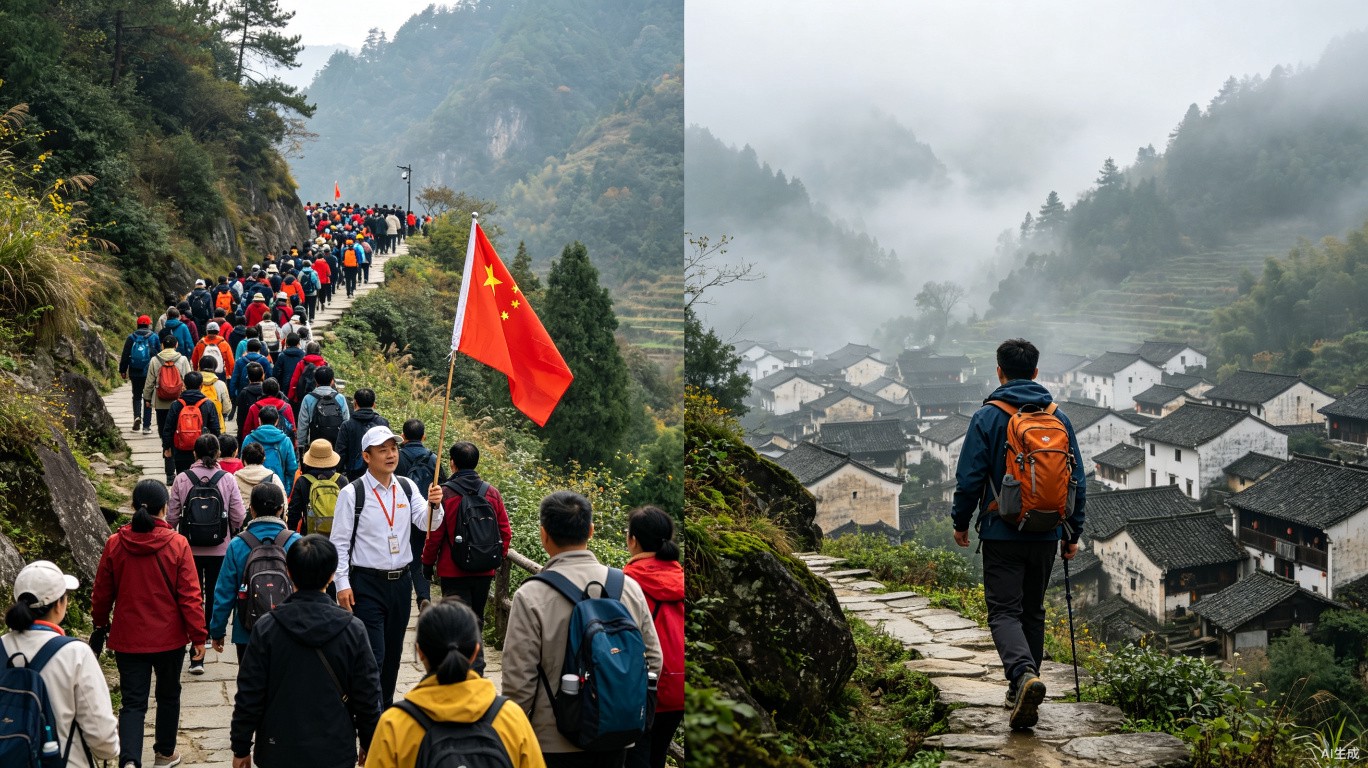
China Group Tours vs Independent Travel Which is Better
Should you join a guided tour or travel independently in China? Honest comparison of cost, flexibility, and experience.
7 min read
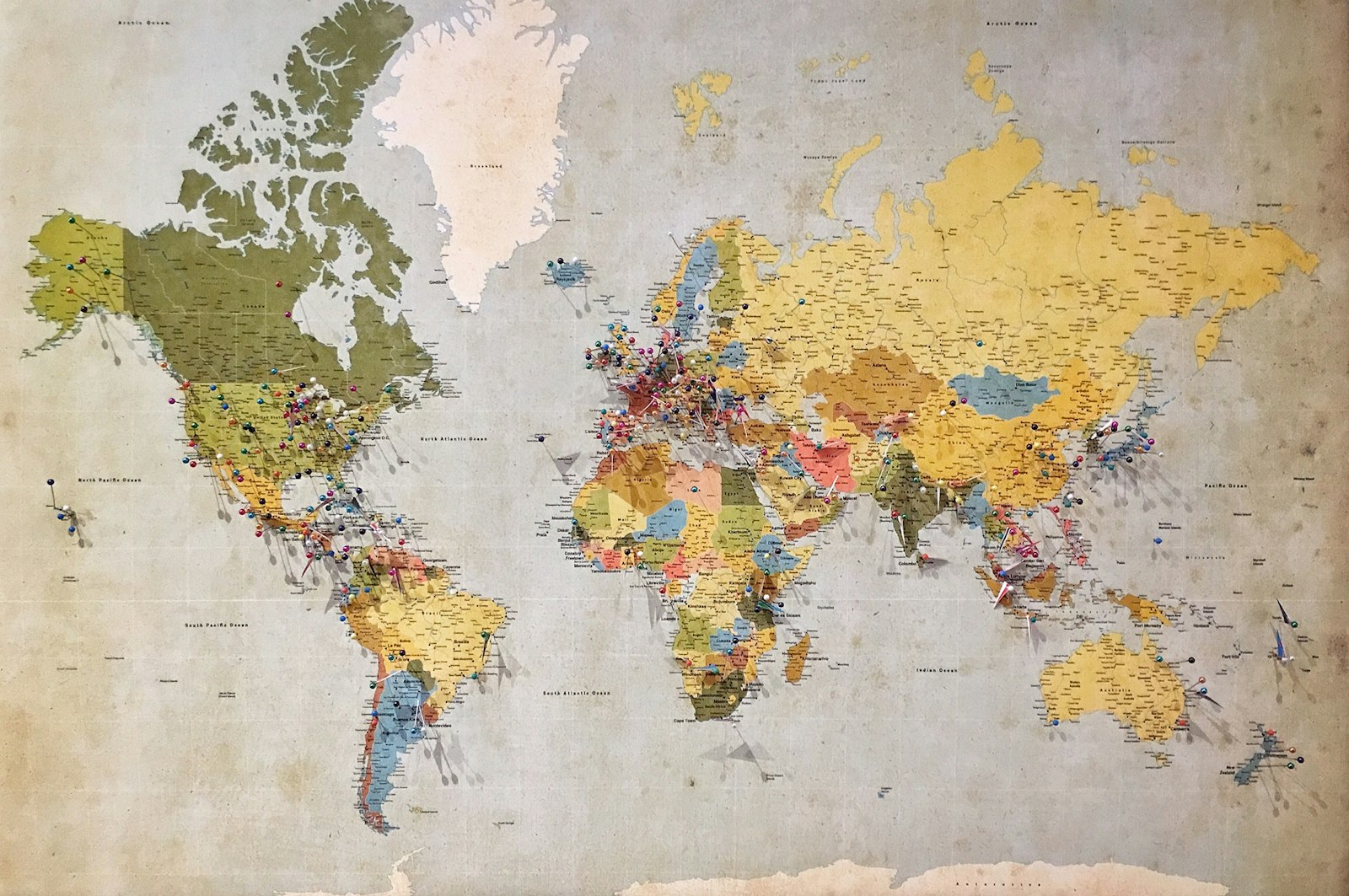
China Itinerary Planning: 7-Day 14-Day and 21-Day Routes: The Complete 2026 G...
Not sure how many days to spend in China? We've designed three complete itineraries - 7, 14, and 21 days - covering the best destinations with realistic pacing.
9 min read