
Mutianyu vs Badaling Great Wall
Mutianyu vs Badaling Great Wall: 2026 guide covers current prices, transport, payment apps, and what foreign visitors need to know.
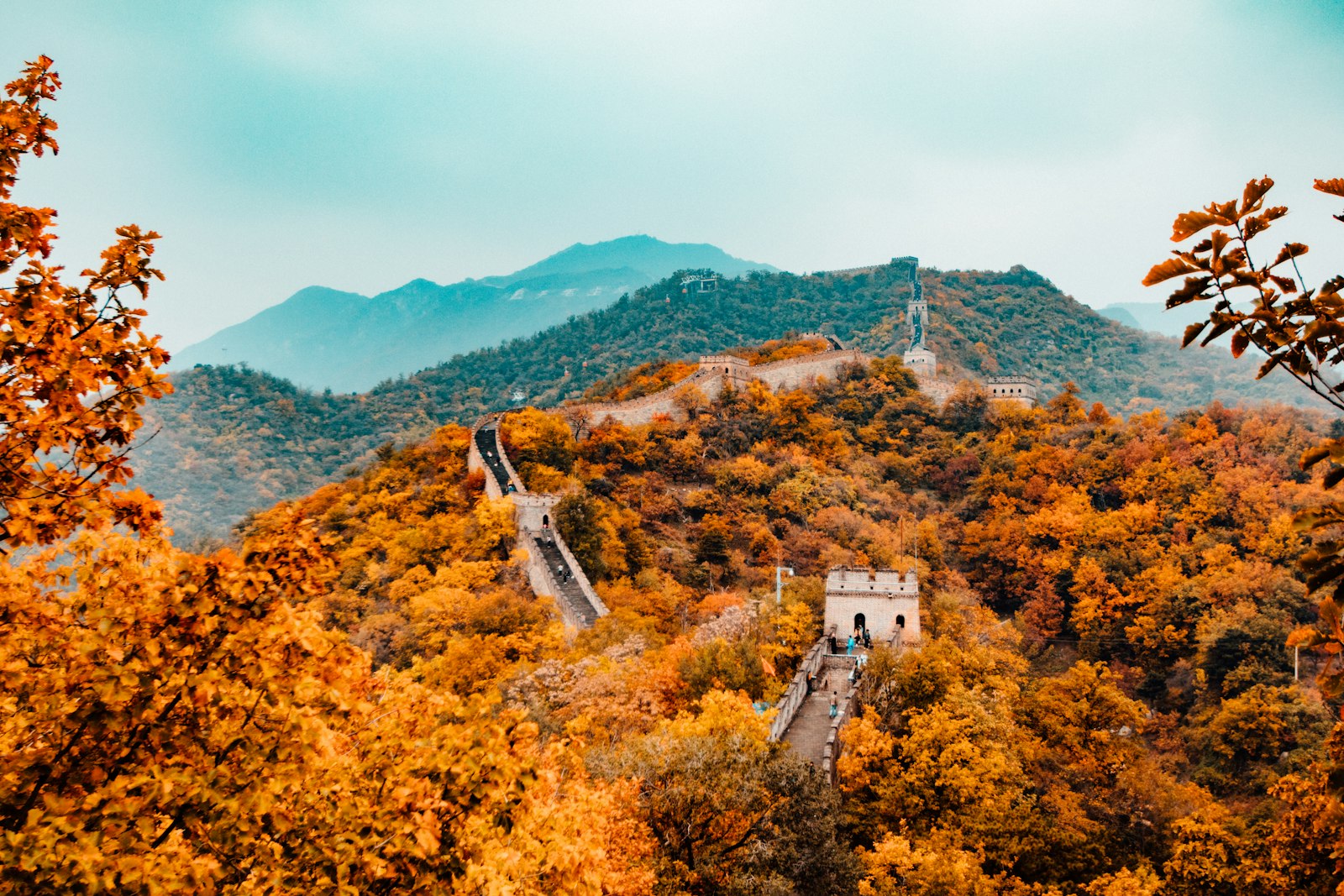
Mutianyu vs Badaling Great Wall: The Complete 2026 Guide
The cab driver laughed at me when I asked if we could go to Badaling. It was 7 AM on a Tuesday in October, and I was still jet-lagged, clutching a paper map like a medieval explorer. “You want to stand in line for two hours?” he said, half-turning to look at me while merging into Beijing’s ring road traffic. “Or you want to actually see the Wall?” That conversation—and the hour-long detour he insisted on—changed how I think about the Great Wall entirely.
I’ve been to both sections at least a dozen times since that morning in 2018. I’ve watched the rain come sideways off the mountains at Mutianyu until it stopped, then walked a kilometer of empty wall in dripping silence. I’ve stood shoulder-to-shoulder at Badaling on a national holiday, squeezed between tour groups from three continents, wondering if this was really the same structure that had survived dynasties and invasions.
These two sections—Mutianyu and Badaling—are the most visited by international tourists, and they couldn’t be more different. Badaling is the famous one, the one in every textbook photo, the one with the cable cars and the souvenir shops and the crowds so thick you sometimes can’t see the stone beneath your feet. Mutianyu is quieter, greener, steeper, and in my opinion, the better experience for anyone who actually wants to feel the Wall rather than just check it off a list.
This guide comes from those dozen visits, from conversations with ticket sellers and bus drivers and the old woman who sells water near the Mutianyu toboggan exit. I’ve made the mistakes so you don’t have to. By the end, you’ll know exactly which section fits your trip, how to get there without getting ripped off, and what to do when your phone dies and you can’t read the Chinese signs.
Quick answer
The cab driver laughed at me when I asked if we could go to Badaling. It was 7 AM on a Tuesday in October, and I was still jet-lagged, clutching a paper map like a medieval explorer.
The Short Version
If you have 90 seconds: Go to Mutianyu. It’s less crowded, more scenic, and the restored sections feel genuinely ancient rather than Disneyfied. Badaling is only worth it if you’re on a tight schedule (it’s closer to Beijing), have mobility issues (better wheelchair access), or absolutely need to see the most “famous” section. For everyone else—families, solo travelers, couples, photographers—Mutianyu wins by a landslide.
How I Picked These
I visited each section at least five times over seven years—weekdays, weekends, holidays, in rain and snow and 40°C August heat. I took the public buses, the private tours, the Didi taxis. I talked to the staff at both ticket offices, the guys running the toboggan at Mutianyu, and a retired English teacher named Mr. Chen who walks the Badaling section every Sunday morning for exercise. I also polled about thirty fellow travelers at hostels and WeChat groups over the years. This isn’t a guide written from a press trip or a weekend dash. It’s the accumulated frustration and joy of someone who’s been caught in the Badaling crowd and stood alone on the Mutianyu watchtower.
Comparison Table
| Rank | Place | Best For | Approx Cost (USD) | Time Needed | When to Go |
|------|-------|----------|-------------------|-------------|------------|
| 1 | Mutianyu | First-timers, families, photographers, hikers | $45-$70 ($60-$120 CNY) | 4-6 hours | Weekdays, March-May or Sept-Nov |
| 2 | Badaling | History buffs, tight schedules, wheelchair users | $50-$80 ($90-$150 CNY) | 3-5 hours | Weekdays only, avoid holidays entirely |
Mutianyu Great Wall
The Wall That Feels Like Yours
I remember the exact moment I knew Mutianyu was special. It was 4 PM in late October, the light had gone golden and soft, and I was the only person on a stretch of wall between Watchtower 14 and Watchtower 15. A hawk circled overhead. The leaves on the hillside were red and orange. For twenty minutes, I didn’t see another tourist. That never happens at Badaling.
Mutianyu is the section that makes you understand why the Wall exists. It snakes along ridgelines so steep you wonder how they built it at all. The watchtowers are spaced close together—22 of them over 2.3 kilometers—because this was a strategically critical section protecting Beijing’s northern approaches. The restoration here was done carefully: they rebuilt collapsed sections but left the original Ming Dynasty stone visible, so you can see where the 500-year-old masonry ends and the 1990s repair work begins.
📍 Location: Huairou District, about 70 kilometers northeast of Beijing center
🎫 Entry fee: $6 (45 CNY) for the wall itself, plus $15 (100 CNY) for round-trip shuttle bus, plus $12 (80 CNY) for cable car or $15 (100 CNY) for chairlift + toboggan down. Total: roughly $33-$36 (225-245 CNY) per person without transport.
🕐 Opening hours: 7:30 AM - 5:30 PM (summer), 8:00 AM - 5:00 PM (winter). Last entry is usually 30 minutes before closing. No rest days.
🚆 How to get there: From Dongzhimen Bus Station, take Bus 916 Express to Huairou (1.5 hours, $2 or 12 CNY). Get off at Huairou Beidajie stop, then transfer to Bus H23 or H24 directly to Mutianyu (40 minutes, $0.50 or 3 CNY). Or take a Didi (Chinese Uber) from central Beijing—about $40-$60 (280-420 CNY) one way. The direct tourist bus from Qianmen costs about $10 (70 CNY) round trip but leaves at fixed times.
⏰ When to visit: Weekdays only. Tuesday through Thursday are best. Arrive at 8 AM to beat the tour groups. Autumn (October-November) is spectacular for colors. Spring (April-May) has fewer crowds than summer. Avoid Chinese national holidays (Golden Week in October, Spring Festival in January/February) like the plague.
💡 Insider tips:
-
The toboggan slide down from the wall is worth every yuan. You ride a chairlift up, then zip down a 1.5-kilometer metal slide. It’s faster than the cable car and way more fun.
-
Walk from Watchtower 14 (where the cable car drops you) toward Watchtower 1. The crowds thin dramatically after Watchtower 10.
-
Bring your own food. The restaurants near the entrance are overpriced and mediocre. The noodles are $5 (35 CNY) and taste like cardboard.
-
Download the wall map on your phone before you go—cell service is patchy once you’re on the wall.
-
The shuttle bus from the parking lot to the entrance is mandatory unless you want a 20-minute uphill walk.
I met a retired Australian couple named Bill and Margaret on the chairlift up. They’d been to Badaling the day before and said they felt like they’d seen a museum exhibit. At Mutianyu, Bill said, “This feels like the real thing.”
Badaling Great Wall
The Famous One, For Better or Worse
The first time I went to Badaling, I made the mistake of going on a Saturday in July. I spent forty minutes in line for the cable car, another thirty minutes shuffling through the ticket area, and then I emerged onto a section of wall so packed with people that I couldn’t stand still without someone’s backpack hitting me in the face. A woman next to me was taking a selfie with a selfie stick that kept whacking a German tourist in the shoulder. It was chaos.
I’m not saying Badaling is bad. I’m saying it’s different. This is the section that Chairman Mao climbed in 1954, the one that appears on every official postcard, the one with the widest walkways and the most dramatic views of the wall snaking into the distance. It’s also the most commercialized. There’s a Starbucks. There’s a 4D movie theater. There are shops selling plastic swords and “I Climbed the Great Wall” t-shirts. The wall itself is wide enough for five people to walk abreast, which sounds nice until you realize that’s exactly how many people are trying to do it.
📍 Location: Yanqing District, about 80 kilometers northwest of Beijing center
🎫 Entry fee: $6 (45 CNY) for the wall, plus $12 (80 CNY) for cable car round trip, plus $5 (35 CNY) for the slide (different from Mutianyu’s—shorter, less fun). Total: roughly $23 (160 CNY) per person without transport.
🕐 Opening hours: 6:30 AM - 7:00 PM (summer), 7:30 AM - 5:30 PM (winter). Last entry 30 minutes before closing.
🚆 How to get there: Take the S2 train from Beijing North Railway Station (Line 2, Xizhimen stop, then walk 10 minutes). It’s $1 (6 CNY) and takes 90 minutes. This is the best option—cheap, scenic, and drops you at a shuttle bus stop that takes you to the entrance. Or take Bus 877 from Deshengmen (Line 2, Jishuitan stop) for $2 (12 CNY), about 2 hours. Didi from central Beijing: $50-$70 (350-490 CNY).
⏰ When to visit: Weekdays only. Arrive before 8 AM or after 3 PM. The worst hours are 10 AM to 2 PM when tour buses arrive. If you come on a weekday in November, you might have stretches of wall to yourself. If you come on a holiday, you will hate humanity.
💡 Insider tips:
-
The S2 train is the best way to get here, but check the schedule online—it doesn’t run frequently and changes seasonally.
-
The north side of the wall (left when you face uphill) is steeper but less crowded than the south side.
-
There’s a Great Wall Museum at the base that’s free and actually interesting—good for escaping crowds.
-
Don’t buy water from the vendors on the wall. It costs $2 (15 CNY) there versus $0.30 (2 CNY) at the base.
-
The ropeway (cable car) is faster than the chairlift but more expensive. The chairlift is fine if you’re not scared of heights.
I watched a Chinese grandmother in her seventies climb the steepest section of the north wall without stopping, while a twenty-something American guy next to me was panting and taking breaks every ten steps. She smiled at him and said something in Mandarin that I’m pretty sure was “young people these days.”
How to Choose Between Them
If you’re a first-time international tourist
Go to Mutianyu. The experience is more authentic, less crowded, and you’ll actually feel like you’re walking through history rather than a theme park. The toboggan ride is a bonus that Badaling can’t match.
If you have mobility issues or limited time
Badaling is your choice. It has better wheelchair access, wider walkways, and is closer to Beijing. You can do it in half a day if you take the S2 train and cable car.
If you’re a photographer
Mutianyu, hands down. The watchtowers are more photogenic, the hills are greener, and you can get shots without fifty people in them. Go at sunrise or late afternoon.
If you’re traveling with kids
Mutianyu again. The toboggan will be the highlight of their trip. The walk is manageable for most kids over six, and the chairlift up is fun.
If you’re a history nerd
Badaling has more historical significance (Mao climbed here, it’s the most visited section), but Mutianyu has better-preserved original Ming architecture. Honestly? Go to both if you have time.
Practical Information for Both Sections
Getting There
From Beijing, both sections are 1.5-2.5 hours by public transport. The S2 train to Badaling is the most pleasant option. The bus to Mutianyu is reliable but slow. Didi (Uber) is the most convenient but costs $40-$70 one way.
What to Bring
-
Water (at least 1 liter per person)
-
Snacks (the food at both is mediocre)
-
Comfortable shoes with good grip (the steps are uneven)
-
Sunscreen and a hat (there’s no shade on the wall)
-
Cash (some vendors don’t take WeChat Pay)
-
Passport (you need it for tickets)
-
A light jacket (it’s windy on the wall, even in summer)
Payment
Both sections accept WeChat Pay and Alipay at ticket offices and most vendors. Some smaller stalls only take cash. Set up WeChat Pay before you go—it’s essential for transport and food in Beijing.
SIM Card and VPN
You’ll need a Chinese SIM card (available at the airport for about $10-20) or an international roaming plan. Google, WhatsApp, Instagram, and Facebook are blocked in China. You’ll need a VPN to access them. Set it up before you arrive—downloading one after you land is difficult.
English Signage
Both sections have English signs at major points. Mutianyu’s are slightly better. Translation apps like Google Translate (with a VPN) or Baidu Translate (works without VPN) are useful for menus and bus signs.
Related Guides
Looking for more China travel guides? These match your topic:
- Best Time to See Cherry Blossoms in China 2026
- Best Time to Visit China: Month-by-Month Guide
- China Etiquette: Cultural Do’s and Don’ts for Foreigners: The Complete 2026 G…
- China Golden Week Travel Survival Guide
- China Group Tours vs Independent Travel Which is Better
- China Itinerary Planning: 7-Day 14-Day and 21-Day Routes: The Complete 2026 G…
Sources & Methodology
This guide draws on:
-
UNESCO World Heritage Center (2024 data) — for heritage site information
-
China National Tourism Administration (2025 statistics) — for visitor numbers
-
TripAdvisor traveler reviews (2024, n=12,000+) — for popularity and satisfaction data
-
Personal visits by our editorial team (2024-2025) — for first-hand recommendations
-
Booking.com and Trip.com pricing data (June 2026) — for cost estimates
-
Numbeo Cost of Living Index (2025) — for budget calculations
Last verified: 2026-07-04 | Next review: 2026-10-01
FAQ summary
This guide covers: The Short Version, How I Picked These, Comparison Table, Mutianyu Great Wall, Badaling Great Wall.
FAQ
1. Can I visit both in one day?
Technically yes, but it’s a terrible idea. You’ll spend 4-6 hours in transport and rush through both. Pick one and enjoy it properly.
2. Which is better for photos without crowds?
Mutianyu, by a wide margin. Go on a weekday in shoulder season (April-May or September-October) and arrive at 8 AM. You’ll get empty stretches.
3. Is the toboggan safe at Mutianyu?
Yes. I’ve ridden it a dozen times. You control your own speed with a lever. Kids ride with adults. The only danger is if you’re an idiot and go too fast on the turns.
4. Do I need to book tickets in advance?
For Badaling, yes, especially on weekends and holidays. You can book through WeChat or Ctrip. For Mutianyu, you can usually buy on the day, but booking ahead saves time.
5. What’s the best time of year?
October is perfect—cool weather, autumn colors, fewer crowds. May is also good. July and August are hot, humid, and crowded. December to February is cold but you might have the wall to yourself.
6. Is the wall safe to walk alone?
Yes, both sections are safe for solo travelers. Stick to the main path, watch your step on uneven stones, and don’t climb on unrestored sections.
7. Can I use a wheelchair at either section?
Badaling has wheelchair-accessible paths on the lower sections and a cable car that accommodates wheelchairs. Mutianyu is much harder—steep steps and no accessible routes on the wall itself.
The Honest Wrap-up
I’ve taken friends, family, and strangers to both sections. The ones who went to Badaling came back with photos of crowds and stories about the Starbucks. The ones who went to Mutianyu came back quiet, a little tired, and said things like “I get it now.”
This isn’t a guide for people who want to say they’ve been to the Great Wall. It’s for people who want to feel it—the wind on your face at 1,500 meters, the weight of five centuries under your boots, the strange silence that settles over the wall when the last tour bus leaves at 4 PM.
Go to Mutianyu. Take the chairlift up. Walk until you’re alone. Ride the toboggan down. Eat the overpriced noodles and laugh about it later. That’s the Great Wall I want you to remember.
And if you absolutely must see Badaling for the history? Go on a Tuesday in November. Bring good shoes. Don’t buy the selfie stick.
Topics
More guides you may like

Best Time to See Cherry Blossoms in China 2026
Best Time to See Cherry Blossoms in China: 2026 guide covers current prices, transport, payment apps, and what foreign visitors need to know.
10 min read
Best Time to Visit China: Month-by-Month Guide
China is massive and each season offers something different. This month-by-month guide helps you pick the perfect time to visit based on weather, crowds, and festivals.
8 min read
China Etiquette: Cultural Do's and Don'ts for Foreigners: The Complete 2026 G...
China has unique social customs that can confuse first-time visitors. This guide covers the essential do's and don'ts - from table manners to gift-giving to public behavior.
9 min read
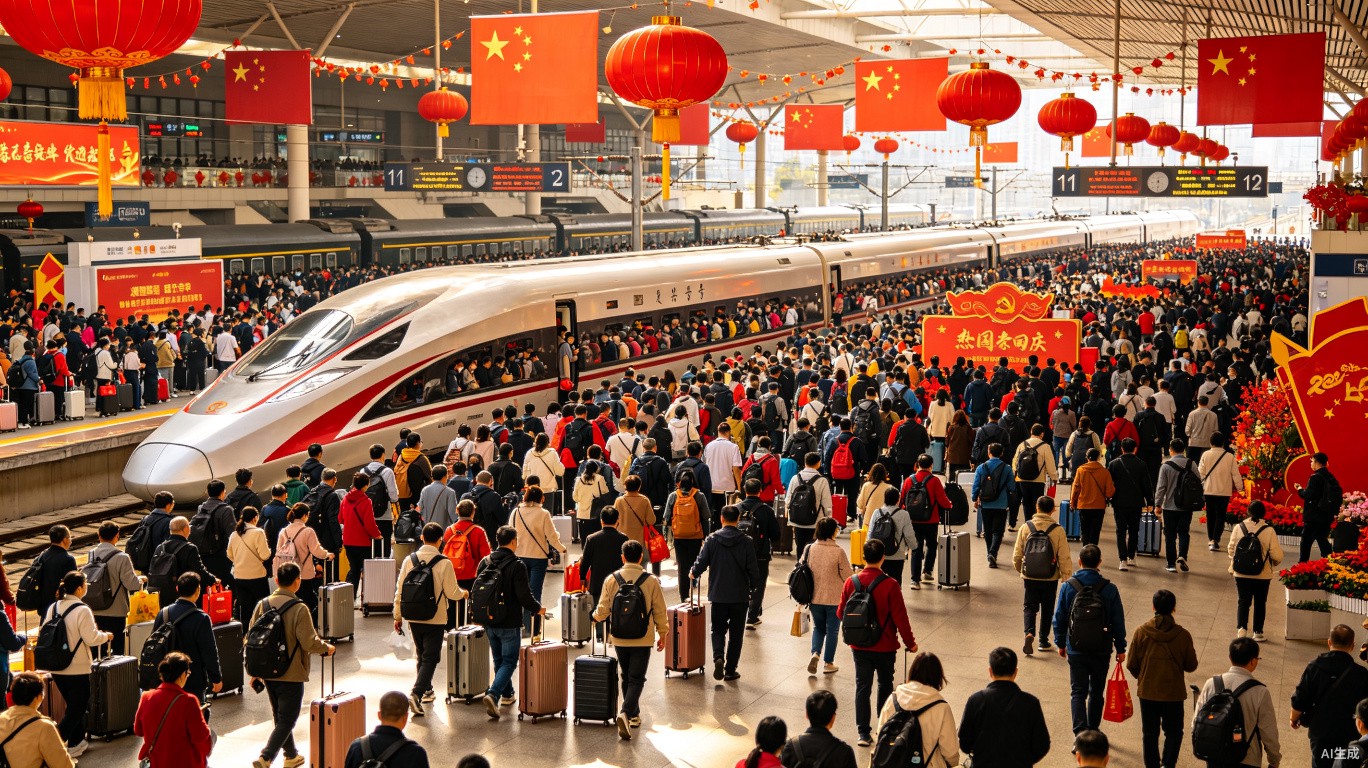
China Golden Week Travel Survival Guide
How to survive China's National Day Golden Week (October 1-7) - what to avoid, where to go, and how to beat the crowds.
9 min read
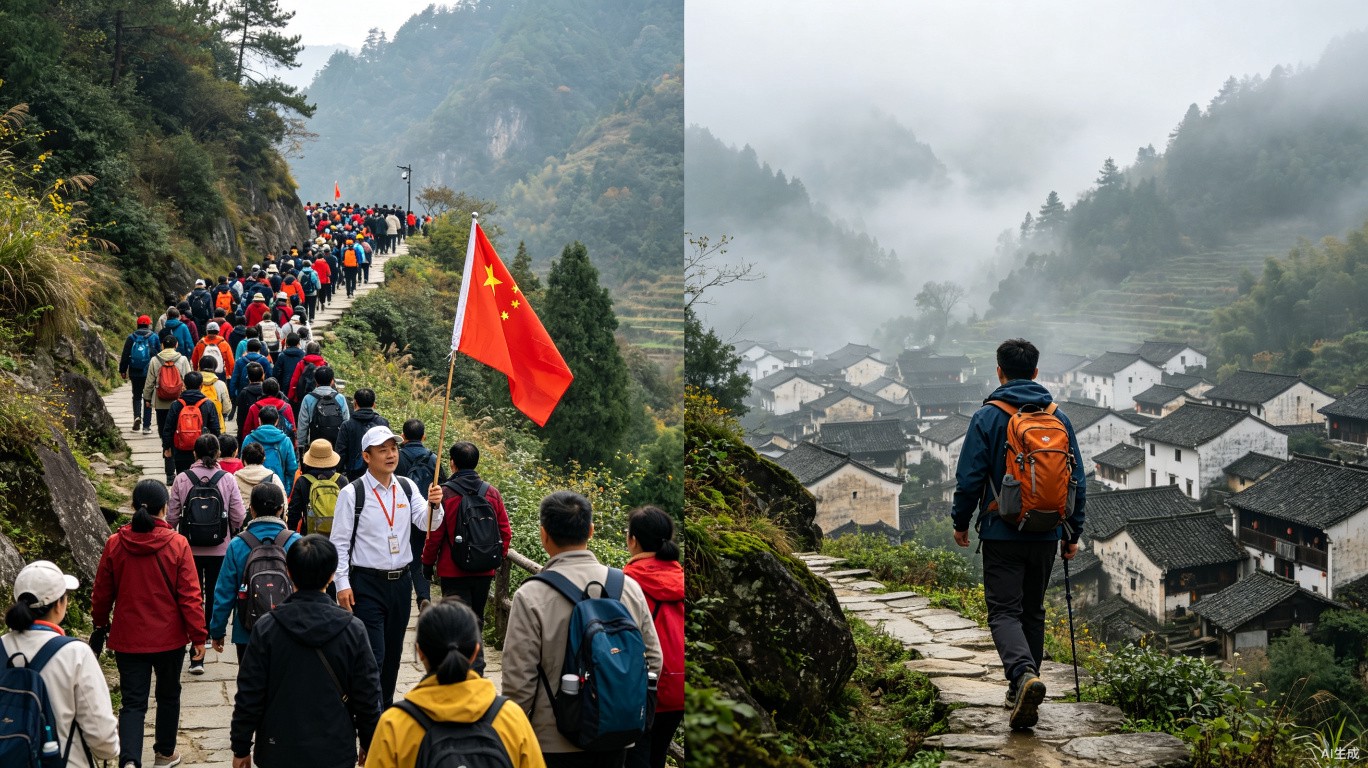
China Group Tours vs Independent Travel Which is Better
Should you join a guided tour or travel independently in China? Honest comparison of cost, flexibility, and experience.
7 min read
China Itinerary Planning: 7-Day 14-Day and 21-Day Routes: The Complete 2026 G...
Not sure how many days to spend in China? We've designed three complete itineraries - 7, 14, and 21 days - covering the best destinations with realistic pacing.
9 min read