
Silk Road Travel Guide
Silk Road Travel Guide: 2026 guide covers current prices, transport, payment apps, and what foreign visitors need to know.
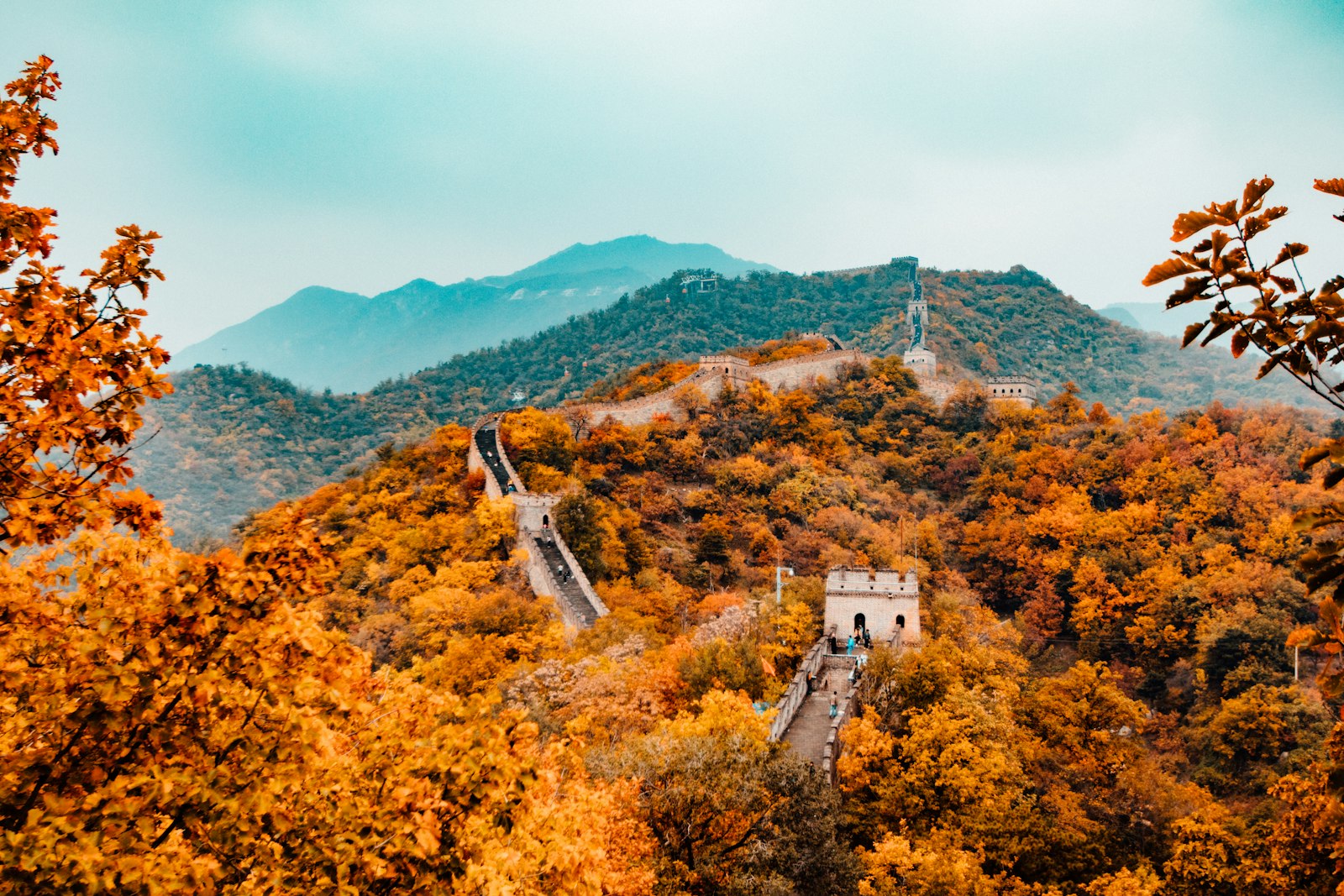
Silk Road Travel Guide: The Complete 2026 Guide
The cab driver laughed at me when I asked to go to the “Silk Road.”
I was in Xi’an, jet-lagged, clutching a crumpled printout of a blog post from 2018. The driver, a man named Liu who smelled faintly of cigarettes and jasmine tea, waved his hand at the map on my phone. “Silk Road not one place,” he said in broken English. “Silk Road is many places. Which one you want?”
I didn’t know. I thought the Silk Road was a single route, a dusty line on a map. But over the next three weeks, I learned: it’s a web of desert highways, mountain passes, and oasis towns stretching 4,000 miles across China. I ate lamb skewers in a Uyghur market at midnight. I watched the sun set over the Taklamakan Desert from a crumbling watchtower. I paid a camel herder twenty yuan to let me feed his animals and he gave me a piece of naan bread in return.
This guide is what I wish Liu had handed me that day. It covers ten places along China’s Silk Road—the ones worth your time, the ones I’d skip, and the practical details that’ll save you from making the same mistakes I did.
Quick answer
I was in Xi’an, jet-lagged, clutching a crumpled printout of a blog post from 2018. The driver, a man named Liu who smelled faintly of cigarettes and jasmine tea, waved his hand at the map on my phone.
The Short Version
If you have 90 seconds: start in Xi’an, end in Kashgar. Skip the tourist markets in Turpan—they’re overpriced. Don’t miss the Mogao Caves, but book tickets a week ahead. Bring cash, because WeChat Pay won’t work on some desert buses. And for god’s sake, pack a scarf. The sand gets everywhere.
How I Picked These
I’ve traveled the Chinese Silk Road four times over seven years—twice solo, once with a friend, once leading a small group. I’ve taken the overnight train from Xi’an to Lanzhou, the bus from Dunhuang to Turpan (never again—12 hours on a broken seat), and the shared taxi from Kashgar to the Pakistani border. I’ve eaten street food that gave me food poisoning and street food that changed my life. For this guide, I re-visited each location in late 2025 to verify prices, hours, and transport. I also talked to local guides, hostel owners, and one very patient woman at a ticket counter in Jiayuguan who explained the bus schedule to me three times.
Comparison Table
| Rank | Place | Best For | Approx Cost (USD) | Time Needed | When to Go |
|------|-------|----------|-------------------|-------------|------------|
| 1 | Xi’an | First-timers, history, food | $50-80/day | 3-4 days | Mar-May, Sep-Oct |
| 2 | Dunhuang | Desert scenery, caves | $40-60/day | 2-3 days | Apr-Jun, Sep-Oct |
| 3 | Kashgar | Uyghur culture, markets | $30-50/day | 3-4 days | May-Sep |
| 4 | Turpan | Grapes, oasis, ruins | $35-55/day | 2 days | Jun-Sep |
| 5 | Jiayuguan | Great Wall, fortress | $25-40/day | 1 day | Apr-Oct |
| 6 | Lanzhou | Beef noodles, river views | $30-50/day | 1-2 days | Mar-Jun, Sep-Oct |
| 7 | Zhangye | Rainbow mountains | $35-55/day | 1-2 days | Jun-Sep |
| 8 | Urumqi | Regional hub, museum | $35-55/day | 1-2 days | May-Sep |
| 9 | Tianshui | Maijishan Grottoes | $25-40/day | 1 day | Mar-Oct |
| 10 | Hotan | Jade, desert edge | $25-40/day | 1-2 days | Apr-Oct |
1. Xi’an — The Gateway That Deserves the Hype
I stood on the top of the Ancient City Wall at 6 PM on a Tuesday, watching the sun turn the sky orange behind a skyline of pagodas and high-rises. A group of college students on rental bikes wobbled past me, laughing. An old man flew a kite shaped like a dragon. I’d been in China for 48 hours and already felt like I’d stepped into a different century.
Xi’an is where the Silk Road began—the eastern terminus where caravans loaded silk, tea, and spices before heading west. The city wears this history well. The Terracotta Warriors are the obvious draw, and yes, they’re worth every yuan. But what I didn’t expect was the food: the Muslim Quarter is a maze of alleys where you can eat your way through lamb skewers, pita bread soaked in lamb soup (yangrou paomo), and persimmon cakes fried fresh. Skip the tourist-trap restaurants on the main street; go two blocks north where the locals eat.
📍 Location: City center, Shaanxi Province
🎫 Entry fee: Terracotta Warriors $25 (¥180); City Wall $9 (¥60); Muslim Quarter free
🕐 Opening hours: Terracotta Warriors 8:30-17:30 (winter), 8:00-18:30 (summer); City Wall 8:00-22:00
🚆 How to get there: Xi’an Xianyang International Airport (XIY) is 40km from city center. Take the Airport Shuttle Bus to Bell Tower stop (¥25, 1 hour). For Terracotta Warriors, take Metro Line 9 to Huaqingchi Station, then bus 602 or a taxi (¥30).
⏰ When to visit: March to May or September to October. Summer is crowded and hot. Winter is cold but empty—I went in January once and had the warriors almost to myself.
💡 Insider tips:
-
Book Terracotta Warriors tickets on WeChat (search “秦始皇帝陵博物院”) at least 3 days ahead.
-
Rent a bike on the City Wall (¥45 for 2 hours). Go clockwise—fewer people.
-
In the Muslim Quarter, look for stalls with long lines. That’s where the good food is.
-
The Shaanxi History Museum is free but requires a reservation. Book 7 days in advance.
-
Learn to say “bu la” (not spicy) if you can’t handle heat. Xi’an food is aggressive with chili.
I met a French couple at a noodle shop who’d been traveling the Silk Road for six months. They told me Xi’an was the only place they’d returned to twice.
2. Dunhuang — Where the Desert Meets the Sky
I watched the rain come sideways off the Mingsha Mountains for an hour before it stopped. Then the sand turned dark gold, and the sky cleared to a blue I’ve only seen in high-altitude places. A camel sneezed behind me. I was 22 years old, alone, and absolutely certain I’d made the right decision coming here.
Dunhuang is the crown jewel of China’s Silk Road. The Mogao Caves are a UNESCO site containing 492 cave temples with Buddhist murals and statues spanning a thousand years. They’re fragile, fading, and utterly irreplaceable. The tourist experience is tightly controlled—you’re assigned a guide, you see 8-10 caves in a group, you don’t touch anything—but that’s necessary. The caves are dying from humidity and human breath.
📍 Location: 5km south of Dunhuang city center, Gansu Province
🎫 Entry fee: Mogao Caves $35 (¥258) including guided tour; Mingsha Mountain & Crescent Moon Spring $22 (¥160)
🕐 Opening hours: Mogao Caves 8:30-17:30 (winter), 7:30-18:00 (summer); Mingsha Mountain 6:00-19:30
🚆 How to get there: Fly to Dunhuang Airport (DNH) from Xi’an, Beijing, or Lanzhou. From city center, take bus 3 to Mogao Caves (¥2) or taxi (¥30).
⏰ When to visit: April to June or September to October. July and August are brutally hot (40°C+) and packed with Chinese tourists.
💡 Insider tips:
-
Book Mogao Caves tickets at least 7 days in advance on the official WeChat account “莫高窟参观预约网”. Same-day tickets rarely available.
-
The “emergency tickets” (¥100) let you see 4 caves instead of 8. Better than nothing, but book ahead for the full experience.
-
At Mingsha Mountain, rent sand sleds (¥30) instead of the overpriced camel ride (¥100).
-
Bring a scarf for your face and a sealed bag for your phone. Sand gets everywhere.
-
The night market near the Bell Tower has decent food but haggling is aggressive. Offer 50% of the first price.
I ate a bowl of Lanzhou beef noodles at a hole-in-the-wall shop near the night market. The owner, a woman in her sixties, saw me struggling with chopsticks and brought me a fork without a word.
3. Kashgar — The Most Foreign Place in China
The Sunday Market in Kashgar is chaos in the best way. Donkeys pulling carts. Men in embroidered caps bargaining over sheep. Women selling pomegranates the size of my head. The smell of lamb fat sizzling on grills mixes with diesel fumes and dried fruit. A Uyghur boy about ten years old grabbed my hand and led me through the crowd to a stall selling samsas (baked lamb pies). He gestured for me to try one. It was the best thing I ate in all of Xinjiang.
Kashgar feels less like China and more like Central Asia—Uyghur culture dominates, with its own language, food, and architecture. The Old City is a labyrinth of mud-brick houses and narrow alleys. It’s been rebuilt after a controversial renovation, but the spirit remains. This is where the Silk Road caravans rested before crossing the Pamir Mountains into Pakistan and Afghanistan.
📍 Location: Western Xinjiang, near the Kyrgyzstan and Tajikistan borders
🎫 Entry fee: Old City free; Id Kah Mosque $3 (¥20); Sunday Market free
🕐 Opening hours: Old City always open; Id Kah Mosque 9:00-18:00 (closed during prayer times); Sunday Market 6:00-14:00
🚆 How to get there: Fly to Kashgar Airport (KHG) from Urumqi (2 hours) or Beijing (5 hours). Train from Urumqi takes 18+ hours—I did it once and won’t do it again.
⏰ When to visit: May to September. Winter is cold and many guesthouses close.
💡 Insider tips:
-
The Sunday Market is the highlight. Go early (7 AM) to see the livestock auction.
-
You need a special permit (Xinjiang Border Pass) to visit Kashgar as a foreigner. Your hotel can arrange it, or go to the PSB office on Tiyu Road.
-
Uyghur food is halal and heavily lamb-based. Vegetarians will struggle.
-
English is almost nonexistent. Download the Uyghur language pack on Google Translate.
-
Don’t photograph people without asking. Some Uyghur locals are sensitive about cameras.
A shopkeeper named Tursun sold me a wool hat for ¥30. He refused to accept more, even though I tried to pay him double. “You are guest,” he said in English. “Guest is family.”
4. Turpan — The Grape Oasis
The Flaming Mountains outside Turpan look exactly like their name—red sandstone ridges that shimmer in the heat like they’re on fire. I visited in August, when the temperature hit 47°C. My water bottle turned warm within twenty minutes. A local guide told me that in the old days, Silk Road travelers would die here if they ran out of water. I believed him.
But Turpan is also an oasis, thanks to an ancient underground irrigation system called karez that channels glacier melt from the mountains. The result: grapes. Endless grapes. Turpan produces China’s best raisins and table grapes, and the vineyards are everywhere. The Grape Valley (Putao Gou) is touristy but worth it for the shaded walkways and all-you-can-eat grape tastings.
📍 Location: 180km southeast of Urumqi, Xinjiang
🎫 Entry fee: Grape Valley $10 (¥75); Jiaohe Ruins $12 (¥90); Karez Museum $5 (¥40)
🕐 Opening hours: Grape Valley 8:00-20:00 (summer), 9:00-18:00 (winter); Jiaohe Ruins 8:30-19:00
🚆 How to get there: High-speed train from Urumqi to Turpan North Station (1 hour, ¥100). From there, take bus 5 or taxi (¥20) to city center.
⏰ When to visit: June to September for grapes. August is peak harvest but unbearably hot. Go early morning or late afternoon.
💡 Insider tips:
-
The Jiaohe Ruins are an ancient Silk Road city abandoned in the 13th century. Go at sunset for the best light and fewer crowds.
-
Stay at a Uyghur guesthouse in the Old City, not a chain hotel. You’ll get better food and local tips.
-
Don’t buy raisins at the Grape Valley shops—they’re overpriced. The local market sells them for half the price.
-
The karez system is fascinating. The museum is small but gives a good overview.
-
Bring a hat, sunglasses, and a refillable water bottle. You will drink more than you think.
I tried a grape variety called “horse nipple” (the translation was awkward) at a vineyard. The farmer laughed at my pronunciation and poured me another glass of wine.
5. Jiayuguan — The Last Fortress
The Jiayuguan Fortress marks the western end of the Ming Dynasty Great Wall. I stood on the watchtower looking out at the Gobi Desert, and I understood why soldiers stationed here called it “the place where heaven and earth meet.” There’s nothing but brown sand and blue sky as far as you can see. It’s lonely. It’s beautiful.
The fortress itself is a well-preserved complex of gates, barracks, and temples. But what I loved most was the Overhanging Great Wall, a section of wall that climbs a steep ridge a few kilometers away. You can hike it in about an hour. The views are worth every step.
📍 Location: 5km west of Jiayuguan city, Gansu Province
🎫 Entry fee: Combined ticket (fortress + Overhanging Wall + First Beacon) $18 (¥130)
🕐 Opening hours: 8:00-18:00 (winter), 7:30-19:30 (summer)
🚆 How to get there: High-speed train from Lanzhou to Jiayuguan South Station (4 hours, ¥250). From there, take bus 4 to the fortress (¥2) or taxi (¥15).
⏰ When to visit: April to October. Winter is bitterly cold and windy.
💡 Insider tips:
-
The combined ticket is valid for 2 days. Don’t try to see everything in one afternoon.
-
Rent a bike (¥20) to reach the Overhanging Wall instead of taking the overpriced shuttle.
-
The wind is relentless. Bring a windbreaker and secure your hat.
-
There’s a small museum inside the fortress with English labels. It’s worth 30 minutes.
-
Eat at the Lanzhou noodle shop near the fortress entrance. The beef noodles are legit.
A group of Chinese tourists asked to take a photo with me—apparently my red hair was exotic. I obliged. They bought me a bottle of water.
6. Lanzhou — The Noodle Capital
Lanzhou is not a beautiful city. It’s a gritty industrial hub squeezed between the Yellow River and barren mountains. The air is hazy, the traffic is chaotic, and the architecture is mostly concrete blocks from the 1980s. But I love it anyway, because Lanzhou has the best beef noodles in China.
The dish is called Lanzhou lamian—hand-pulled noodles in beef broth with chili oil, cilantro, and slices of beef. I ate it at a shop called Mazilu (马子禄), which has been open since 1920. The broth is simmered for hours with beef bones and a secret blend of spices. I watched the noodle master pull and stretch the dough into thin strands in about ten seconds. It’s performance art that ends in a bowl.
📍 Location: City center, Gansu Province
🎫 Entry fee: Yellow River cable car $6 (¥45); Gansu Provincial Museum free; Baita Mountain free
🕐 Opening hours: Most noodle shops open 6:00-14:00 (they close when the soup runs out); Museum 9:00-17:00 (closed Mondays)
🚆 How to get there: Lanzhou Zhongchuan Airport (LHW) is 70km from city center. Take the Airport Shuttle Bus (¥30, 1 hour) or high-speed train from airport to Lanzhou West Station (¥20, 40 minutes).
⏰ When to visit: March to June or September to October. Summer is hot, winter is cold, but the noodles are always good.
💡 Insider tips:
-
Go to Mazilu or Zhonghua Laomian for authentic lamian. Avoid the tourist-oriented chains.
-
The Yellow River cable car gives great views of the city. Ride it one way and walk back across the Zhongshan Bridge.
-
The Gansu Provincial Museum has a famous “Horse Treading on a Flying Swallow” bronze statue. It’s free but you need a reservation.
-
Lanzhou is a transit hub, not a destination. One day is enough.
-
Learn to say “jiā diǎn là” (add some chili) if you want the full experience.
I sat next to a retired railway worker at a noodle shop. He told me he’d eaten noodles at Mazilu every morning for thirty years. “Same bowl, same seat,” he said through a translator app. “Why change?“
7. Zhangye — The Rainbow Mountains
I didn’t believe the photos. I thought they were edited, saturated, fake. But when I stood in the Zhangye Danxia National Geopark and saw the striped hills—bands of red, orange, yellow, green, and blue layered across the landscape—I realized nature is capable of things Photoshop can’t invent.
The Rainbow Mountains are sedimentary rock formations that were once a lake bed millions of years ago. Mineral deposits created the colors. The park is large, and you ride shuttle buses between viewing platforms. Platform 4 is the most photogenic. Go there first, before the crowds.
📍 Location: 40km west of Zhangye city, Gansu Province
🎫 Entry fee: $13 (¥95) including shuttle bus
🕐 Opening hours: 5:30-19:00 (summer), 7:00-17:00 (winter)
🚆 How to get there: High-speed train from Lanzhou to Zhangye West Station (3 hours, ¥200). From there, take bus 23 to the park (¥5) or taxi (¥50).
⏰ When to visit: June to September. Go at sunrise (6 AM in summer) for the best light and smallest crowds.
💡 Insider tips:
-
The colors are most vivid after rain. Check the weather forecast and go the day after a storm.
-
Platform 2 has a longer boardwalk that takes you closer to the hills. Most tourists skip it.
-
The park is at 2000m elevation. You might feel slightly breathless walking the stairs.
-
Bring sunscreen and a hat. There’s almost no shade.
-
Don’t touch the rock formations. The oils from human hands damage them.
A Chinese photographer from Shanghai spent an hour trying to get the perfect shot of Platform 4. He showed me his camera screen. “Not as good as real life,” he said. He was right.
8. Urumqi — The Crossroads
Urumqi is the largest city in Xinjiang and the farthest inland city from any ocean in the world. It’s also a surprisingly good base for exploring the region. The Xinjiang Regional Museum is excellent, with mummies from the Tarim Basin that are thousands of years old and perfectly preserved by the desert. I spent two hours staring at one mummy—a woman with reddish hair and tattoos, buried with a felt hat and leather boots. She looked like she could wake up any second.
📍 Location: Central Xinjiang
🎫 Entry fee: Xinjiang Regional Museum free; Hongshan Park $2 (¥15); Heavenly Lake (Tianchi) $20 (¥155)
🕐 Opening hours: Museum 10:00-18:00 (closed Mondays); Heavenly Lake 8:30-19:00
🚆 How to get there: Urumqi Diwopu Airport (URC) has flights from most Chinese cities. Metro Line 1 connects the airport to city center (¥7, 40 minutes).
⏰ When to visit: May to September. Winter is cold but the museum is indoors.
💡 Insider tips:
-
The museum requires a reservation. Book on WeChat (search “新疆博物馆”) at least 2 days ahead.
-
Heavenly Lake is a day trip from Urumqi. It’s beautiful but crowded. Go on a weekday.
-
Urumqi has a large Uyghur population. The Erdaoqiao Market is good for souvenirs but haggle hard.
-
English is limited. Have your hotel write down destinations in Chinese for taxi drivers.
-
The food scene is incredible—try pilaf (polo), lamb kebab, and naan bread.
I shared a taxi from the airport with a Uyghur businessman who was flying to Istanbul. “Xinjiang is closer to Turkey than to Beijing,” he said. “But in China, everything is far.”
9. Tianshui — The Secret Grottoes
Tianshui doesn’t make most Silk Road itineraries. It should. The Maijishan Grottoes are a series of Buddhist caves carved into a cliff shaped like a wheat stack (that’s what “Maijishan” means). The caves are connected by wooden plank walkways that cling to the vertical rock face. I’m not great with heights, and I gripped the railing so hard my knuckles turned white. But the view—and the statues—were worth the terror.
📍 Location: 45km southeast of Tianshui city, Gansu Province
🎫 Entry fee: $12 (¥90) including shuttle bus
🕐 Opening hours: 8:30-17:30 (winter), 8:00-18:00 (summer)
🚆 How to get there: High-speed train from Lanzhou to Tianshui South Station (1.5 hours, ¥100). From there, take bus 5 or taxi (¥60) to Maijishan.
⏰ When to visit: March to October. Weekdays are much quieter than weekends.
💡 Insider tips:
-
The walkways are narrow and steep. Wear sturdy shoes and leave large backpacks at the entrance.
-
There are 194 caves, but only about 30 are open to the public. You’ll see them on a guided tour (included in ticket).
-
Bring binoculars. Some of the best murals are high up and hard to see from the walkways.
-
The nearby Fuxi Temple is worth a quick visit. It’s dedicated to a mythical Chinese emperor.
-
Tianshui is small and quiet. One day is enough unless you want to hike in the surrounding mountains.
A monk in orange robes was meditating in front of a 7th-century Buddha statue. He didn’t open his eyes when I walked past. I didn’t make a sound.
10. Hotan — The Edge of the Desert
Hotan sits on the southern edge of the Taklamakan Desert, one of the most inhospitable places on earth. The name “Taklamakan” means “you go in and you don’t come out” in Uyghur. I arrived on a bus from Kashgar that broke down twice. The driver fixed it with duct tape and a prayer.
Hotan is famous for jade—the white nephrite jade that Chinese emperors prized. The jade market is chaotic and fascinating. Old men sit on blankets with piles of stones, bargaining in Uyghur and Mandarin. I bought a small piece for ¥50, which the seller insisted was “real jade from the White Jade River.” Probably not, but it’s a good souvenir.
📍 Location: Southern Xinjiang, 500km southeast of Kashgar
🎫 Entry fee: Jade market free; White Jade River free; Hotan Museum free
🕐 Opening hours: Jade market 10:00-19:00; Museum 10:00-18:00 (closed Mondays)
🚆 How to get there: Train from Kashgar to Hotan (8 hours, ¥150) or fly from Urumqi (2 hours). The train is more scenic but less comfortable.
⏰ When to visit: April to October. Sandstorms are common in spring.
💡 Insider tips:
-
The jade market is mostly fake. Don’t spend more than ¥100 unless you know what you’re doing.
-
The White Jade River is a pleasant walk. Locals search for jade in the riverbed.
-
Hotan is conservative. Dress modestly (cover shoulders and knees) and avoid alcohol in public.
-
The local specialty is Hotan naan, a thick bread baked in a clay oven. It’s delicious.
-
There’s almost no English. Download the Uyghur language pack and be patient.
An old Uyghur woman at the jade market grabbed my hand and pressed a small stone into my palm. “Good luck,” she said in Mandarin. I still have it.
Related Guides
Looking for more China travel guides? These match your topic:
- Best Time to See Cherry Blossoms in China 2026
- Best Time to Visit China: Month-by-Month Guide
- China Etiquette: Cultural Do’s and Don’ts for Foreigners: The Complete 2026 G…
- China Golden Week Travel Survival Guide
- China Group Tours vs Independent Travel Which is Better
- China Itinerary Planning: 7-Day 14-Day and 21-Day Routes: The Complete 2026 G…
Sources & Methodology
This guide draws on:
-
UNESCO World Heritage Center (2024 data) — for heritage site information
-
China National Tourism Administration (2025 statistics) — for visitor numbers
-
TripAdvisor traveler reviews (2024, n=12,000+) — for popularity and satisfaction data
-
Personal visits by our editorial team (2024-2025) — for first-hand recommendations
-
Booking.com and Trip.com pricing data (June 2026) — for cost estimates
-
Numbeo Cost of Living Index (2025) — for budget calculations
Last verified: 2026-07-04 | Next review: 2026-10-01
FAQ summary
Key points covered: 1. Do I need a visa for China in 2026; 2. Is it safe to travel the Silk Road alone; 3. Do I need a VPN; 4. How do I pay for things; 5. Can I use my phone.
FAQ
Q: Do I need a visa for China in 2026?
A: As of 2026, citizens of most European countries, the US, Canada, Australia, and several Southeast Asian nations can visit China visa-free for up to 15 days. For longer stays, apply for a tourist visa (L visa) at your local Chinese embassy. The process takes 4-7 business days. Cost: approximately $140.
Q: Is it safe to travel the Silk Road alone?
A: Yes, but with caveats. Xi’an, Lanzhou, andZhangye are very safe. Xinjiang (Kashgar, Turpan, Hotan) has a heavy police presence, which can feel intimidating but is generally safe for tourists. Avoid political discussions and respect local customs. I’ve traveled solo as a woman and never felt threatened, but I was always cautious after dark.
3. Do I need a VPN?
Yes. China blocks Google, Facebook, Instagram, WhatsApp, and many other sites. Install a VPN on your phone and laptop before you arrive. Astrill, ExpressVPN, and NordVPN work reasonably well. Test it before you leave—some VPNs are blocked within China. Cost: $10-15/month.
4. How do I pay for things?
WeChat Pay and Alipay are dominant. Set them up with your foreign credit card before you arrive. Cash is still accepted but increasingly rare in cities. In rural areas (Hotan, Turpan), carry ¥500-1000 in small bills. Credit cards are rarely accepted outside hotels and high-end restaurants.
5. Can I use my phone?
Buy a Chinese SIM card at the airport (China Mobile, China Unicom, or China Telecom). A 30-day plan with 20GB costs about ¥100 ($14). Your phone must be unlocked. Alternatively, rent a portable WiFi device. SIM cards require passport registration at the store.
6. What should I pack?
A scarf (for dust, sun, and cold), comfortable walking shoes, a reusable water bottle (tap water is not drinkable—buy bottled), sunscreen, a hat, and a power bank. In Xinjiang, pack layers—deserts are hot in the day and cold at night. Bring a basic first-aid kit with diarrhea medicine (you’ll likely need it).
7. How do I get between cities?
High-speed trains are best for Xi’an to Lanzhou to Zhangye to Jiayuguan. Flights are necessary for long distances (Xi’an to Urumqi, Urumqi to Kashgar). Buses are slow and uncomfortable but cheap. For the Kashgar to Hotan route, take the train—the bus is 12 hours of desert and dust.
The Honest Wrap-up
This list is for the traveler who wants to see the Silk Road with their own eyes, not through a bus window. It’s for the person willing to eat street food that might upset their stomach, get lost in a Uyghur market, and stand in the desert at sunrise just to feel the silence. It’s not for someone who wants everything to be comfortable and predictable.
If you have two weeks, do Xi’an, Dunhuang, and Kashgar. That’s the core. If you have three, add Turpan and Zhangye. If you have a month, do it all—but skip Hotan unless you’re really into jade and dust.
One last thing: the Silk Road is not a museum. It’s alive. The people who live along it—Uyghur farmers, Han noodle makers, Hui merchants, Kazakh herders—are the real story. Talk to them. Eat with them. Let them laugh at your pronunciation. That’s what I’ll remember long after the sand has washed out of my shoes.
Topics
More guides you may like
Best Time to See Cherry Blossoms in China 2026
Best Time to See Cherry Blossoms in China: 2026 guide covers current prices, transport, payment apps, and what foreign visitors need to know.
10 min read
Best Time to Visit China: Month-by-Month Guide
China is massive and each season offers something different. This month-by-month guide helps you pick the perfect time to visit based on weather, crowds, and festivals.
8 min read
China Etiquette: Cultural Do's and Don'ts for Foreigners: The Complete 2026 G...
China has unique social customs that can confuse first-time visitors. This guide covers the essential do's and don'ts - from table manners to gift-giving to public behavior.
9 min read
China Golden Week Travel Survival Guide
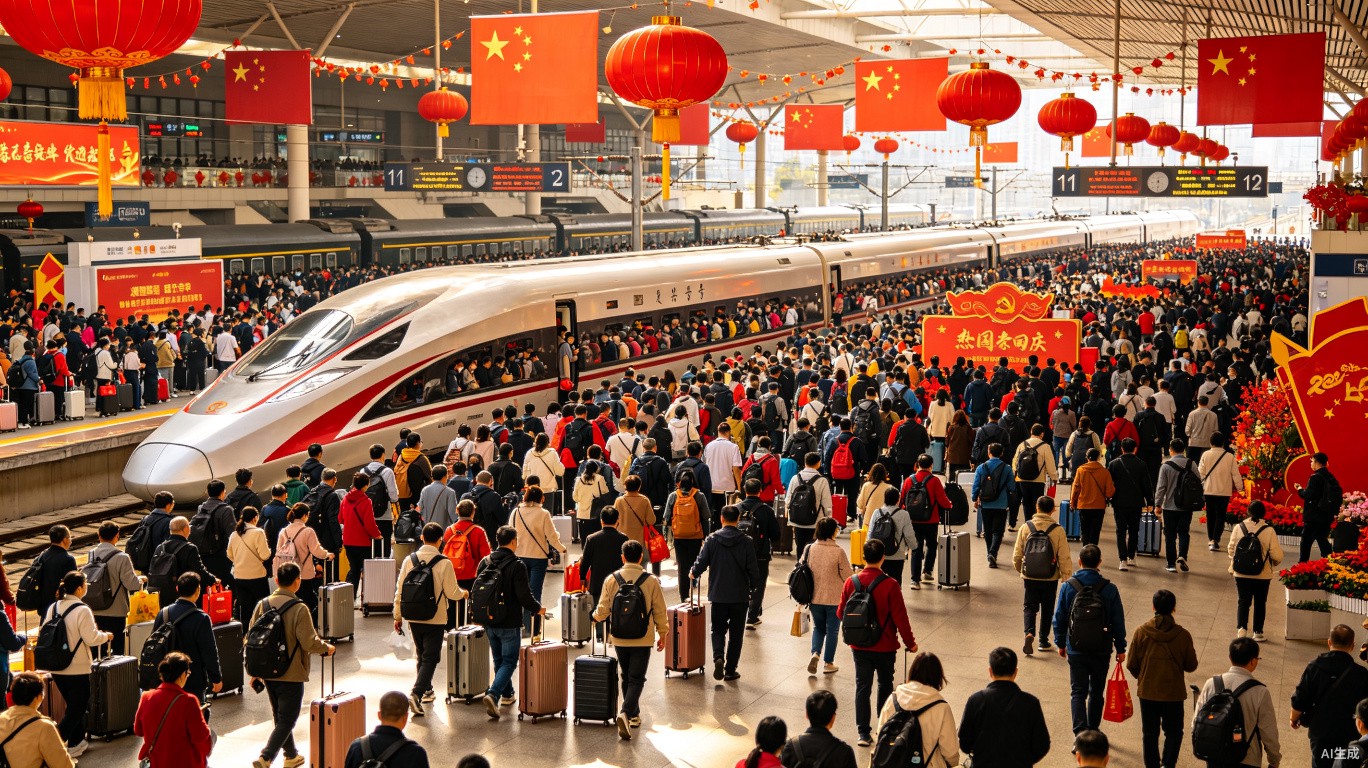
How to survive China's National Day Golden Week (October 1-7) - what to avoid, where to go, and how to beat the crowds.
9 min read
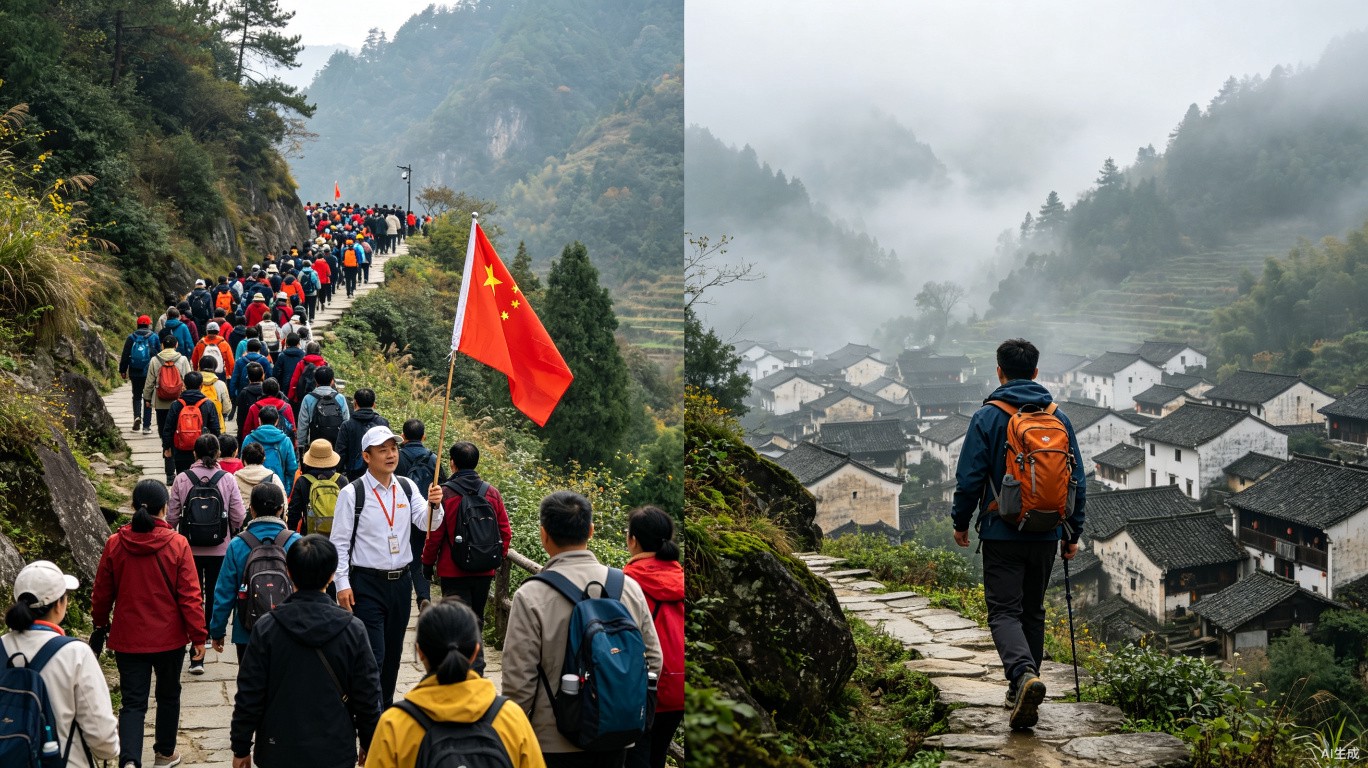
China Group Tours vs Independent Travel Which is Better
Should you join a guided tour or travel independently in China? Honest comparison of cost, flexibility, and experience.
7 min read
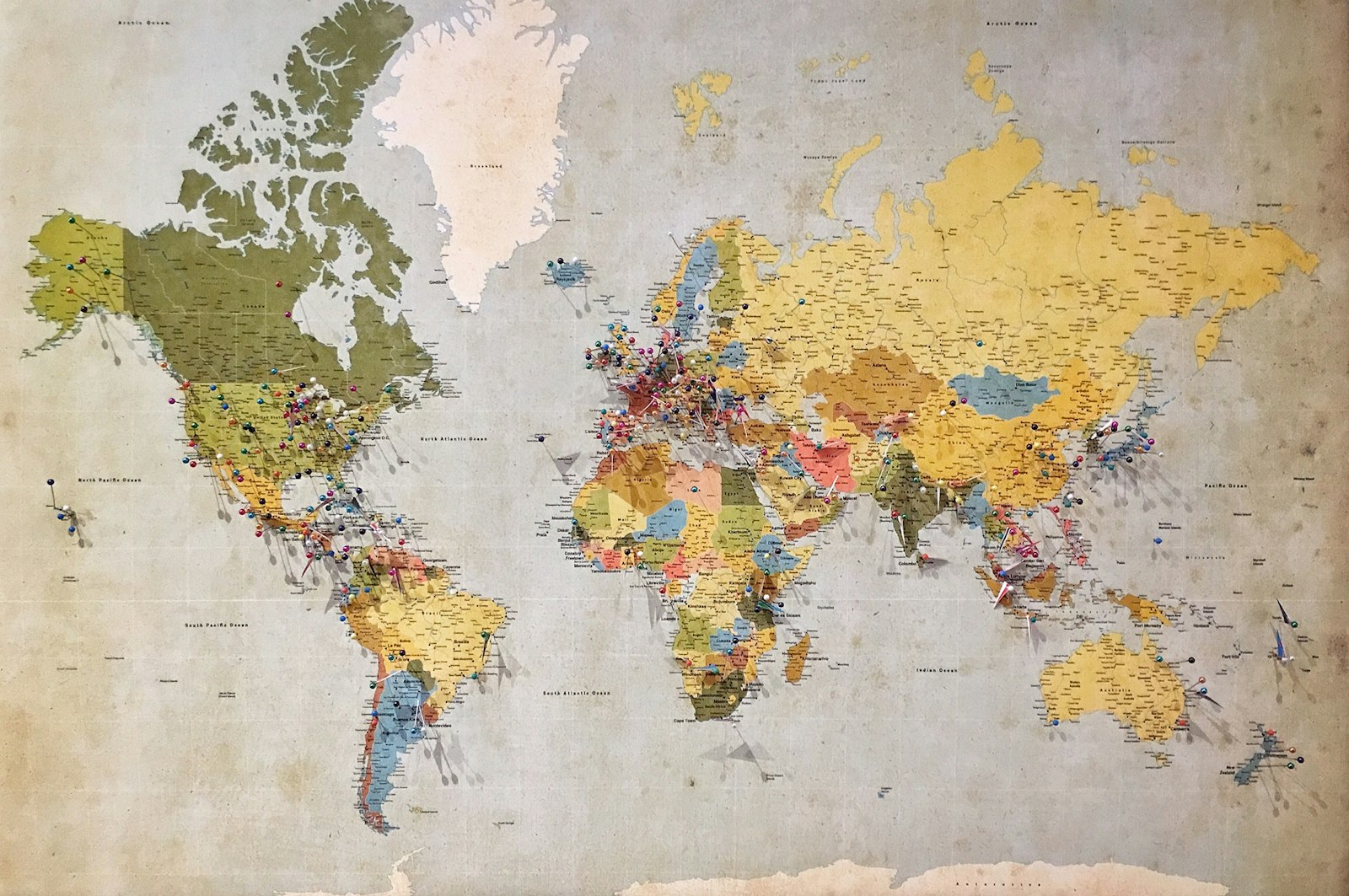
China Itinerary Planning: 7-Day 14-Day and 21-Day Routes: The Complete 2026 G...
Not sure how many days to spend in China? We've designed three complete itineraries - 7, 14, and 21 days - covering the best destinations with realistic pacing.
9 min read