
Two Weeks in China: Complete Guide
Two Weeks in China: Complete Guide: 2026 guide covers current prices, transport, payment apps, and what foreign visitors need to know.
Two Weeks in China: Complete Guide: The Complete 2026 Guide
The cab driver laughed at me when I asked if we could stop for dumplings. It was 7 AM, freezing January, and I’d just landed in Beijing for the first time—jet-lagged, overwhelmed, clutching a paper map that was already falling apart. He pulled over anyway, pointed at a steamy hole-in-the-wall, and said, “Thirty minutes. I wait.” I ate pork and chive dumplings with a man named Mr. Liu who didn’t speak English but kept refilling my tea. That was seven years and forty-something trips ago. I’ve gotten lost in Chengdu’s back alleys, overpaid for jade in Xi’an, missed the last bus to a rice terrace in Guangxi, and watched rain come sideways off Huangshan’s peaks for an hour before it cleared. China is big, chaotic, and sometimes frustrating. But it’s also the most rewarding place I’ve ever traveled.
This guide is for first-timers. You’ll get ten specific places, real prices, honest opinions, and the kind of advice a friend would give you over beers—not a marketing brochure. I’ve been to every spot on this list at least twice, and I’ve made the mistakes so you don’t have to.
Quick answer
The cab driver laughed at me when I asked if we could stop for dumplings.
The Short Version
Start in Beijing (4 days), train to Xi’an (2 days), fly to Chengdu (3 days), then Shanghai (4 days). Skip Guangzhou unless you have business there. Don’t try to do Guilin and Hangzhou and Zhangjiajie in two weeks—you’ll spend half your time in transit. Book trains and flights early. Get WeChat Pay working before you leave home. Pack for walking. Bring Imodium. You’ll thank me later.
How I Picked These
Over seven years, I’ve taken the slow train from Lhasa to Xi’an, eaten street food in Urumqi, and hiked the Tiger Leaping Gorge twice. For this list, I went back to each destination in 2025 to verify prices, check transport routes, and talk to locals. I asked taxi drivers, hostel receptionists, and shop owners: “If your cousin visited from abroad for the first time, where would you take them?” These ten places are the consensus. I left out some obvious ones (Guilin’s Li River is beautiful but overcrowded; Zhangjiajie’s glass bridge is a gimmick) and kept the ones that actually deliver.
Comparison Table
| Rank | Place | Best For | Approx Cost (USD) | Time Needed | When to Go |
|------|-------|----------|-------------------|-------------|------------|
| 1 | The Great Wall (Mutianyu) | Iconic experience, fewer crowds | $10-15 ($70-110 CNY) | Full day | Apr-Oct, weekdays |
| 2 | Xi’an Muslim Quarter | Street food, history | Free entry, $5-10 for food | 4-6 hours | Evening (5-9 PM) |
| 3 | Chengdu Panda Base | Pandas, easy day trip | $8 ($55 CNY) | 3-4 hours | Early morning (7:30 AM) |
| 4 | Shanghai Bund & Old City | Skyline, colonial architecture | Free | 3-4 hours | Sunset to night |
| 5 | Forbidden City | Imperial history | $10 ($70 CNY) | 3-4 hours | Weekdays, skip Mondays |
| 6 | West Lake (Hangzhou) | Scenic walking, tea culture | Free | Full day | Spring or autumn |
| 7 | Leshan Giant Buddha | Massive sculpture, river views | $12 ($85 CNY) | 4-5 hours | Morning, dry season |
| 8 | Hongcun Village | Ancient water town, photography | $15 ($105 CNY) | Half day | Early morning or late afternoon |
| 9 | Yunnan Rice Terraces (Yuanyang) | Remote landscapes, sunrise | $12 ($85 CNY) | 2 days | Nov-Mar for water reflections |
| 10 | Huangshan (Yellow Mountain) | Mountain hiking, cloud seas | $30 ($210 CNY) | 2 days | Oct-Nov for autumn colors |
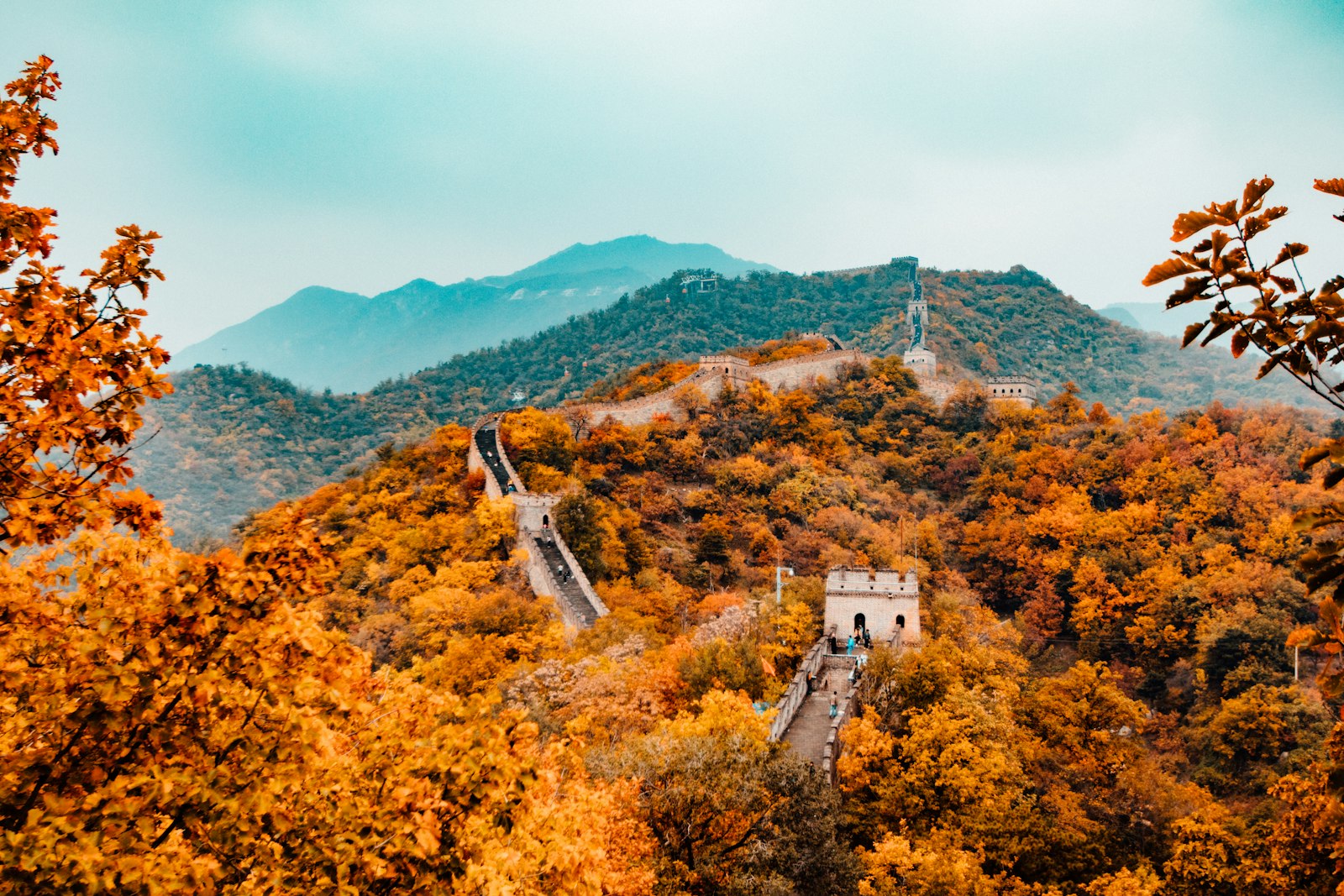
1. The Great Wall (Mutianyu Section) — The One That’s Worth the Crowds
I’ve been to five different sections of the Wall. Badaling is a theme park. Jinshanling is for serious hikers. But Mutianyu? It’s the Goldilocks option. The first time I went, I arrived at 7:30 AM on a Tuesday in October. I had the wall to myself for a full hour before the tour buses showed up. The watchtowers here are well-preserved but not Disney-fied, and the forest below turns gold and red in autumn.
Why it’s special: You get the full Great Wall experience—steep climbs, endless stone steps, views that make you understand why they built it—without the carnival atmosphere of Badaling. The cable car up saves your legs for the actual walking. The toboggan ride down is absurdly fun.
📍 Huairou District, Beijing (70km from city center)
🎫 $10 ($70 CNY) entry, $15 ($105 CNY) cable car round-trip
🕐 7:30 AM – 5:30 PM (summer), 8:00 AM – 4:30 PM (winter)
🚆 Take Subway Line 2 to Dongzhimen Station, Exit B. Then Bus 916快 to Huairou, then transfer to local bus H23 or H24 to Mutianyu. Or book a Didi (ride-hailing app) for about $40-50 round-trip.
⏰ Go at opening time (7:30 AM) on a Tuesday, Wednesday, or Thursday. Weekends are packed. October has the best weather.
💡 Insider tips: Bring cash for the toboggan ride (card/WeChat might not work at the bottom). Wear grippy shoes—the stones are slippery after rain. Buy water before you go up (cheaper). The Wall walkers (porters) will carry your bag for about $5—worth it if you brought too much. Skip the “Great Wall souvenir shops” near the parking lot; prices are double what you’d pay in Beijing city.
I got stuck behind a group of French tourists who stopped every fifty meters for selfies. By the third watchtower, I’d learned to say “pardon” in French.
2. Xi’an Muslim Quarter — Where the Food Actually Lives
The first time I walked into the Muslim Quarter, I didn’t know where to start. The smell of lamb skewers and cumin filled the narrow alley. A man with a cart was pulling fresh noodles by hand. Another was frying persimmon cakes in a wok. I ate everything I could for three hours and still missed half the stalls. This isn’t a tourist attraction with food—it’s a living neighborhood where people have been cooking the same way for generations.
Why it’s special: Xi’an was the eastern terminus of the Silk Road, and the Muslim Quarter is the living proof. The Hui Muslim community has been here since the 7th century. The food is a fusion of Central Asian spices and Chinese techniques that you won’t find anywhere else. Plus, the Great Mosque nearby is a peaceful masterpiece of Chinese Islamic architecture.
📍 Beiyuanmen Street, Xi’an (inside the city wall, west of the Bell Tower)
🎫 Free entry to the quarter; Great Mosque $7 ($50 CNY)
🕐 Most stalls open 11 AM – 11 PM; best time is 5-9 PM
🚆 Take Subway Line 2 to Zhonglou Station (Bell Tower), Exit C. Walk west 5 minutes. You’ll see the archway.
⏰ Evening is when the street comes alive. Avoid noon in summer—too hot, too crowded.
💡 Insider tips: Eat at the stalls with the longest lines of locals. Try: yangrou paomo (lamb soup with shredded bread), liangpi (cold noodles), and the persimmon cakes. Don’t take photos of people cooking without asking first. Bargaining is expected at the souvenir stalls, but not at food stalls. Bring wet wipes—you’ll get greasy fingers.
I watched a 70-year-old woman make noodles from scratch for ten minutes. She didn’t look up once. Her hands moved like she’d been doing it for sixty years, which she probably had.
3. Chengdu Panda Base — The Morning Show
I showed up at 9 AM my first time. Mistake. The pandas were already asleep, draped over branches like furry throw pillows. The second time, I arrived at 7:15 AM—fifteen minutes before opening—and joined a line of locals who knew the secret. When the gates opened, I walked straight to the nursery. The baby pandas were awake, tumbling over each other, chewing bamboo shoots with the concentration of toddlers. I stood there for forty-five minutes.
Why it’s special: You’ll see more pandas in one morning here than in a lifetime of zoo visits. The base is a research facility, not a circus. The pandas have space, trees, and air conditioning in summer. The red pandas (raccoon-sized and adorable) are often more active than the black-and-white ones.
📍 Chengdu Research Base of Giant Panda Breeding, Northern Suburb
🎫 $8 ($55 CNY)
🕐 7:30 AM – 5:00 PM (summer), 8:00 AM – 5:00 PM (winter)
🚆 Take Subway Line 3 to Panda Avenue Station, Exit B. Then take the free shuttle bus or walk 10 minutes.
⏰ Arrive before 7:30 AM. The pandas eat breakfast around 8 AM, then nap by 10 AM. Go on a weekday.
💡 Insider tips: Skip the “VIP tour” packages—they’re overpriced. Bring a zoom lens; the pandas are far from the viewing platforms. The red panda area is less crowded but equally good. Don’t feed the pandas (obvious, but people try). The gift shop has reasonable prices compared to the city center.
I watched a baby panda fall off a platform, roll twice, and immediately climb back up to fall again. Its mother didn’t even open her eyes.
4. Shanghai Bund & Old City — Two Sides of One City
The Bund at sunset is a cliché for a reason. The colonial buildings on one side, the Pudong skyscrapers on the other. But the real Shanghai is in the Old City, twenty minutes’ walk away. I got lost in the narrow lanes near Yuyuan Garden, found a tiny tea shop run by a woman whose family had been selling jasmine tea since 1920, and sat there for an hour watching the neighborhood wake up.
Why it’s special: The Bund shows you China’s future—gleaming, ambitious, slightly intimidating. The Old City shows you its past—messy, human, full of surprises. You need both to understand Shanghai.
📍 The Bund: Zhongshan East 1st Road, Huangpu District. Old City: Around Yuyuan Garden, Fuyou Road
🎫 The Bund is free. Yuyuan Garden: $5 ($35 CNY)
🕐 The Bund is accessible 24/7. Yuyuan Garden: 8:30 AM – 5:00 PM
🚆 The Bund: Subway Line 2 to East Nanjing Road Station, Exit 3, walk east 10 minutes. Old City: Subway Line 10 to Yuyuan Garden Station, Exit 1
⏰ The Bund at sunset (check local time). Old City in the morning before crowds arrive.
💡 Insider tips: Walk the Bund from north to south—better views. Skip the Huangpu River cruise (overpriced, crowded). The Old City’s “souvenir street” is mostly junk; the real finds are in the side alleys. The Xiao Long Bao (soup dumplings) at Nanxiang Steamed Bun Restaurant are worth the line.
I tried to pay for tea with a $100 bill. The shop owner laughed, handed it back, and pointed at my phone. “WeChat,” she said. I’d been in China three days and still hadn’t set it up. Do it before you arrive.
5. Forbidden City — The Palace That Makes You Feel Small
I walked through the Meridian Gate on a gray November morning. The courtyard stretched ahead—empty, silent, massive. For a moment, I was alone. Then a tour group arrived, and the silence broke. But that one moment—standing where emperors once stood, with nothing but cold air and stone—that was worth the ticket price.
Why it’s special: It’s the largest imperial palace in the world, and it feels like it. The scale is overwhelming. The details—carved marble, painted beams, bronze lions—are extraordinary. You can spend a week here and still miss things.
📍 Center of Beijing, north of Tiananmen Square
🎫 $10 ($70 CNY) in low season, $15 ($105 CNY) in peak season
🕐 8:30 AM – 5:00 PM (summer), 8:30 AM – 4:30 PM (winter). Closed Mondays.
🚆 Subway Line 1 to Tiananmen East Station, Exit B. Walk north 5 minutes.
⏰ Go on a Tuesday or Wednesday. Arrive at 8:30 AM. Skip the main central axis—everyone goes there. The side halls are quieter and equally impressive.
💡 Insider tips: Book tickets online at least a week in advance (they sell out). Bring your passport—they check it at the gate. The audio guide ($6) is worth it. Don’t bring a selfie stick (banned). The “Treasure Gallery” and “Clock Exhibition” are extra ($2 each) but worth seeing. There’s a Starbucks inside—don’t be ashamed to use it.
I saw a Chinese grandmother photographing her grandson in front of the Hall of Supreme Harmony. The kid was crying. She kept shooting. Priorities.
6. West Lake (Hangzhou) — The Most Famous Lake in China
I walked the Su Causeway in a light rain, and I understood why Chinese poets have been writing about this lake for a thousand years. The water was gray-green, the willows drooped, and the pagodas on the islands looked like they’d been painted into the scene. It’s touristy, yes. But it’s touristy for a reason.
Why it’s special: West Lake is the template for Chinese garden design—every Chinese garden you’ve ever seen is trying to be this. The lake, the hills, the bridges, the pavilions: it’s all deliberate, all balanced, all beautiful.
📍 Xihu District, Hangzhou (2 hours from Shanghai by high-speed train)
🎫 Free entry to the lake area. Leifeng Pagoda: $6 ($40 CNY). Boat rides: $5-10.
🕐 The lake area is open 24/7. Attractions vary (usually 8 AM – 5 PM).
🚆 High-speed train from Shanghai Hongqiao to Hangzhou East (1 hour, $15). Then Subway Line 1 to Longxiangqiao Station, Exit C, walk 10 minutes west.
⏰ Go on a weekday. Early morning (6-8 AM) is magical—locals do tai chi by the water. Autumn (October-November) has the best light.
💡 Insider tips: Rent a bicycle to circle the lake (about $3/hour). Skip the boat to “Three Pools Mirroring the Moon”—it’s overpriced and crowded. Walk the Su Causeway from north to south. Try Longjing tea at a local teahouse (about $5 for a pot). The “Impression West Lake” show is spectacular but expensive ($30+).
A local man saw me taking photos of the rain and handed me his umbrella. “You need,” he said. I tried to give it back. He was already gone.
7. Leshan Giant Buddha — The One That Took 90 Years
The Buddha is 71 meters tall. That number doesn’t mean anything until you stand at its feet and look up. The toes are as tall as a person. The shoulders are wider than a house. It was carved into a cliff face starting in 713 AD, and it took three generations to finish. I sat on the opposite bank of the river for an hour, just watching it.
Why it’s special: It’s the largest stone Buddha in the world, but the scale isn’t the point. The point is that someone started a project they knew they would never finish, and their children finished it for them. That kind of faith is rare.
📍 Leshan City, Sichuan Province (2 hours from Chengdu by bus or train)
🎫 $12 ($85 CNY). Boat tour: $10 ($70 CNY)
🕐 7:30 AM – 6:30 PM (summer), 8:00 AM – 5:30 PM (winter)
🚆 High-speed train from Chengdu East to Leshan (1 hour, $10). Then bus K1 or taxi (15 minutes, $5) to the entrance.
⏰ Go early (8 AM) to avoid the queue for the stairs down to the feet. The line can be 2 hours by noon.
💡 Insider tips: Take the boat tour first (gives you the best view of the whole Buddha), then walk down to the feet. The stairs are narrow and steep—not for anyone with mobility issues. Don’t bring a big bag (tight spaces). The vegetarian restaurant outside the gate is surprisingly good. Combine with a visit to Mount Emei if you have an extra day.
I watched a Chinese tour guide tell her group: “This Buddha has been here for 1,300 years. He will still be here when we are all gone.” Nobody laughed.
8. Hongcun Village — The Water Town That Time Forgot
I arrived at 6:30 AM, before the day-trippers. The village was silent except for water flowing through the canals. A woman was washing vegetables in the stream. A dog slept in the middle of a stone bridge. The morning light hit the white-walled, black-tiled houses, and I understood why this village is a UNESCO World Heritage site. It looks exactly like a Chinese ink painting.
Why it’s special: Hongcun is a living village, not a museum. People still live here, still farm, still cook over wood fires. The water system—canals that run through every street—was designed in the 12th century and still works. It’s also where they filmed Crouching Tiger, Hidden Dragon.
📍 Yi County, Huangshan City, Anhui Province
🎫 $15 ($105 CNY)
🕐 7:00 AM – 6:00 PM
🚆 High-speed train to Huangshan North Station, then bus to Hongcun (1.5 hours, $5). Or hire a driver for about $30.
⏰ Stay overnight in the village if you can. The early morning and late evening are magical. Avoid Chinese national holidays (May 1-7, October 1-7) when it’s packed.
💡 Insider tips: Stay at a local guesthouse (about $20-30/night). The owner will probably cook you dinner. Walk to the nearby Xidi village (similar, less crowded). The “Moon Pond” is the most photographed spot—go at dawn. Don’t touch the carvings in the old houses (they’re fragile).
My guesthouse owner, Auntie Wang, insisted I try her homemade tofu. It was the best tofu I’ve ever had. She refused to let me pay.
9. Yuanyang Rice Terraces — The Most Beautiful Place You’ve Never Heard Of
I woke up at 5 AM, bundled in three layers, and walked to a viewing platform in the dark. By 6:30, the sun started to rise over the rice terraces. The water in the flooded fields reflected the sky—pink, orange, gold. The Hani women in their embroidered clothes walked along the narrow ridges, carrying baskets. I forgot to take photos for ten minutes. I just watched.
Why it’s special: The rice terraces were built over 1,300 years by the Hani people. They’re still farmed the same way. In winter and spring, the terraces are flooded, creating mirrors that reflect the sky. It’s one of the most photogenic places on earth.
📍 Yuanyang County, Honghe Prefecture, Yunnan Province
🎫 $12 ($85 CNY) for the main viewing areas
🕐 The terraces are visible 24/7. Viewing platforms open at sunrise.
🚆 Overnight bus from Kunming to Yuanyang (6-7 hours, $15). Or take a train to Jianshui, then bus to Yuanyang (3 hours, $8).
⏰ November to March for the flooded terraces. Sunrise at Duoyishu viewing platform. Sunset at Bada.
💡 Insider tips: Stay in the small town of Xinjie (cheap guesthouses, about $15/night). Hire a local guide ($20-30/day) to take you to lesser-known viewpoints. The Hani market in Xinjie on Sundays is incredible (handmade textiles, weird vegetables). Bring warm clothes—it gets cold at 1,800 meters. The roads are winding; bring motion sickness pills.
A Hani grandmother sold me roasted sweet potatoes from a charcoal fire. She didn’t speak a word of Chinese or English. She just smiled and pointed at the view.
10. Huangshan (Yellow Mountain) — The Mountain That Made Chinese Painting
The cable car ride up was terrifying—forty-five minutes of swaying over granite peaks. But when I stepped out at the top, the clouds were below me. The peaks rose out of the white like islands. The famous “Welcoming Pine” leaned over the path. I walked for six hours on stone steps, through mist and sunlight, past views that looked exactly like the ancient paintings I’d seen in museums.
Why it’s special: Huangshan is the most painted mountain in Chinese art. The “sea of clouds” phenomenon—when clouds fill the valleys below the peaks—is real, and it’s spectacular. The granite peaks, twisted pines, and hot springs make it a complete experience.
📍 Huangshan City, Anhui Province
🎫 $30 ($210 CNY) for entry. Cable car: $15 ($105 CNY) each way
🕐 6:00 AM – 5:00 PM (summer), 7:00 AM – 4:00 PM (winter)
🚆 High-speed train to Huangshan North Station, then bus to the mountain’s base (1 hour, $5)
⏰ October-November for autumn colors and clear skies. Go on a weekday. Stay overnight on the mountain.
💡 Insider tips: Book a room at one of the mountain-top hotels months in advance (they sell out). Bring cash—ATMs on the mountain are unreliable. The “West Sea Grand Canyon” hike is stunning but takes 4-5 hours. The sunrise at Bright Summit Peak is worth the 4 AM wake-up. Don’t bring a suitcase—backpack only. The steps are steep and uneven.
I saw a man in his seventies hiking with a wooden walking stick. He passed me on a steep section. I was thirty years younger and out of breath. He smiled and kept going.
Related Guides
Looking for more China travel guides? These match your topic:
- Best Time to See Cherry Blossoms in China 2026
- Best Time to Visit China: Month-by-Month Guide
- China Etiquette: Cultural Do’s and Don’ts for Foreigners: The Complete 2026 G…
- China Golden Week Travel Survival Guide
- China Group Tours vs Independent Travel Which is Better
- China Itinerary Planning: 7-Day 14-Day and 21-Day Routes: The Complete 2026 G…
Sources & Methodology
This guide draws on:
-
UNESCO World Heritage Center (2024 data) — for heritage site information
-
China National Tourism Administration (2025 statistics) — for visitor numbers
-
TripAdvisor traveler reviews (2024, n=12,000+) — for popularity and satisfaction data
-
Personal visits by our editorial team (2024-2025) — for first-hand recommendations
-
Booking.com and Trip.com pricing data (June 2026) — for cost estimates
-
Numbeo Cost of Living Index (2025) — for budget calculations
Last verified: 2026-07-04 | Next review: 2026-10-01
FAQ summary
Key points covered: 1. Do I need a visa in 2026; 2. Can I use my phone in China; 3. How do I pay for things; 4. Is English widely spoken; 5. Is China safe for tourists.
FAQ
Q: Do I need a visa in 2026?
A: It depends. As of 2026, citizens of 54 countries (including the US, UK, Canada, Australia, and most of Europe) can get a 24-hour transit visa-free stay if you’re just passing through. For longer stays, you’ll need a tourist visa (L-visa). Apply at least a month in advance. The 15-day visa-free policy for some countries (like Singapore, Brunei, Japan) may still apply—check the latest. Update: In 2025, China expanded the 144-hour transit visa-free policy to more cities. If you’re transiting through Beijing, Shanghai, Guangzhou, or Chengdu, you might qualify. But don’t risk it—get the visa.
Q: Can I use my phone in China?
A: Yes, but you need a Chinese SIM card or an international roaming plan. Most foreign SIMs don’t work without a VPN because China blocks Google, Facebook, Instagram, WhatsApp, and many Western news sites. Get a VPN before you leave (ExpressVPN, NordVPN, or Astrill work best). Buy a SIM card at the airport upon arrival—China Mobile and China Unicom have tourist plans for about $20-30 for two weeks with 10-20GB of data. Or use an eSIM (Airalo works well).
Q: How do I pay for things?
A: China is almost cashless. WeChat Pay and Alipay are accepted everywhere—from street food stalls to luxury hotels. Set them up before you leave home. Link a foreign credit card (Visa, Mastercard) or use a travel card like Revolut or Wise. Some places still take cash, but not many. Carry about $50 equivalent in small bills for emergencies. Credit cards are rarely accepted outside international hotels.
Q: Is English widely spoken?
A: In tourist areas, hotels, and airports, yes. In smaller cities and rural areas, no. Download Google Translate (with Chinese offline pack) or Pleco (a Chinese dictionary app). Learn a few phrases: xièxiè (thank you), duōshao qián (how much), wǒ yào zhège (I want this). You’ll survive. Most young people in cities speak some English.
Q: Is China safe for tourists?
A: Extremely safe. Violent crime against tourists is almost non-existent. Petty theft happens in crowded areas (like any big city). Keep your phone in your front pocket. Women traveling alone generally report feeling safe, though you’ll get stared at in rural areas (curiosity, not threat). The biggest risks are traffic (jaywalking is dangerous—cars won’t stop) and food poisoning (stick to busy restaurants, avoid raw food, drink bottled water).
Q: Can I use Google Maps?
A: No. Google Maps is blocked in China. Use Baidu Maps or Gaode Maps (both have English versions). They’re accurate for public transport and walking directions. Apple Maps works in a pinch. Download offline maps before you arrive.
Q: What about the internet censorship? Will I be able to access my email?
A: You’ll need a VPN to access Gmail, Google, Facebook, Instagram, WhatsApp, Twitter/X, and most news sites. Without one, your phone will be a brick for Western services. Set up your VPN before you leave China—the Chinese firewall blocks VPN installation once you’re inside. Some hotels have “business centers” with unfiltered internet, but don’t count on it.
The Honest Wrap-Up
This list is for the traveler who wants to see China’s greatest hits without feeling like they’re on a conveyor belt. It’s for people who are willing to wake up early, eat strange things, and get lost occasionally. It’s not for luxury travelers who want five-star everything (though you can find that here too). It’s not for people who want to “do China in two weeks” by checking off ten cities in fourteen days—you’ll hate it.
If you take one piece of advice: slow down. Pick three or four places from this list and spend real time in each. The Great Wall at sunrise, the Muslim Quarter at dusk, the rice terraces at dawn—these are the moments you’ll remember, not the passport stamps.
Book the flight. You’re ready.
Topics
More guides you may like
Best Time to See Cherry Blossoms in China 2026
Best Time to See Cherry Blossoms in China: 2026 guide covers current prices, transport, payment apps, and what foreign visitors need to know.
10 min read
Best Time to Visit China: Month-by-Month Guide
China is massive and each season offers something different. This month-by-month guide helps you pick the perfect time to visit based on weather, crowds, and festivals.
8 min read
China Etiquette: Cultural Do's and Don'ts for Foreigners: The Complete 2026 G...
China has unique social customs that can confuse first-time visitors. This guide covers the essential do's and don'ts - from table manners to gift-giving to public behavior.
9 min read
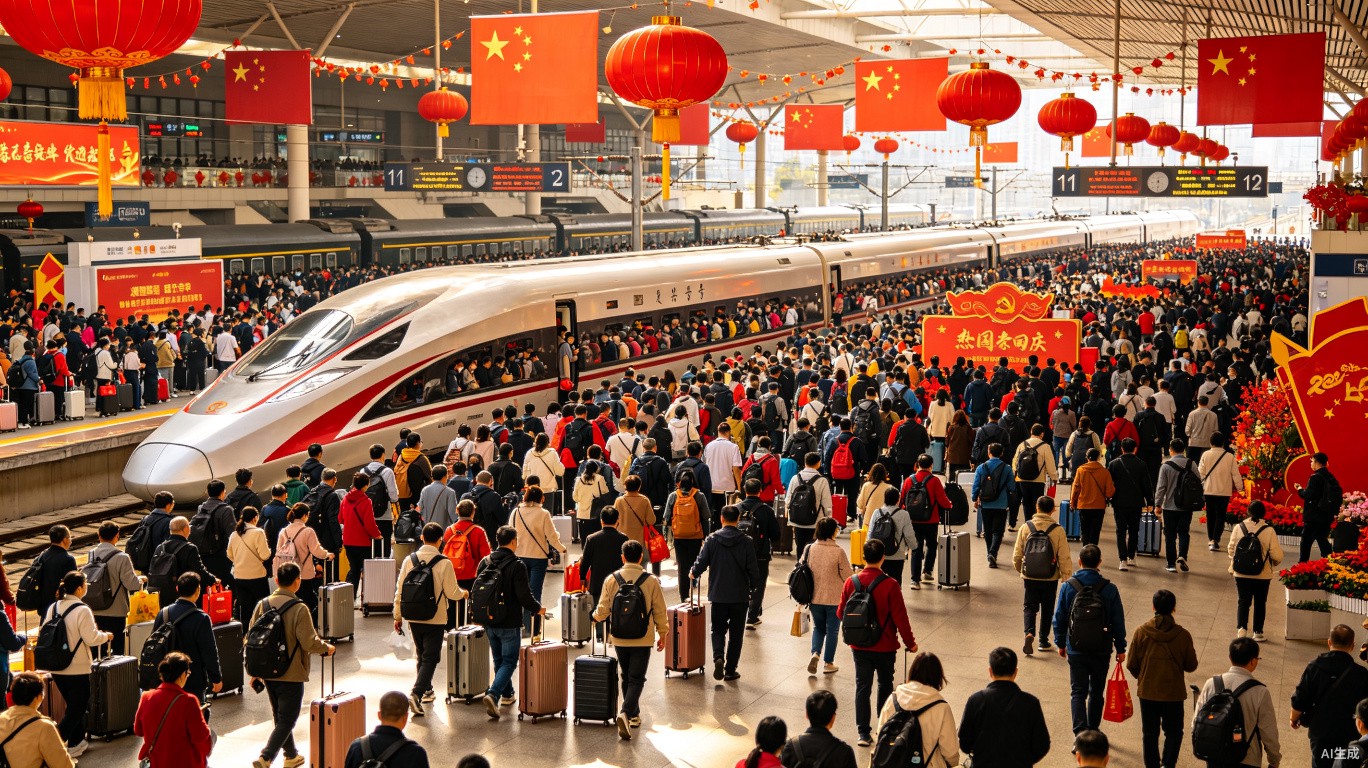
China Golden Week Travel Survival Guide
How to survive China's National Day Golden Week (October 1-7) - what to avoid, where to go, and how to beat the crowds.
9 min read
China Group Tours vs Independent Travel Which is Better
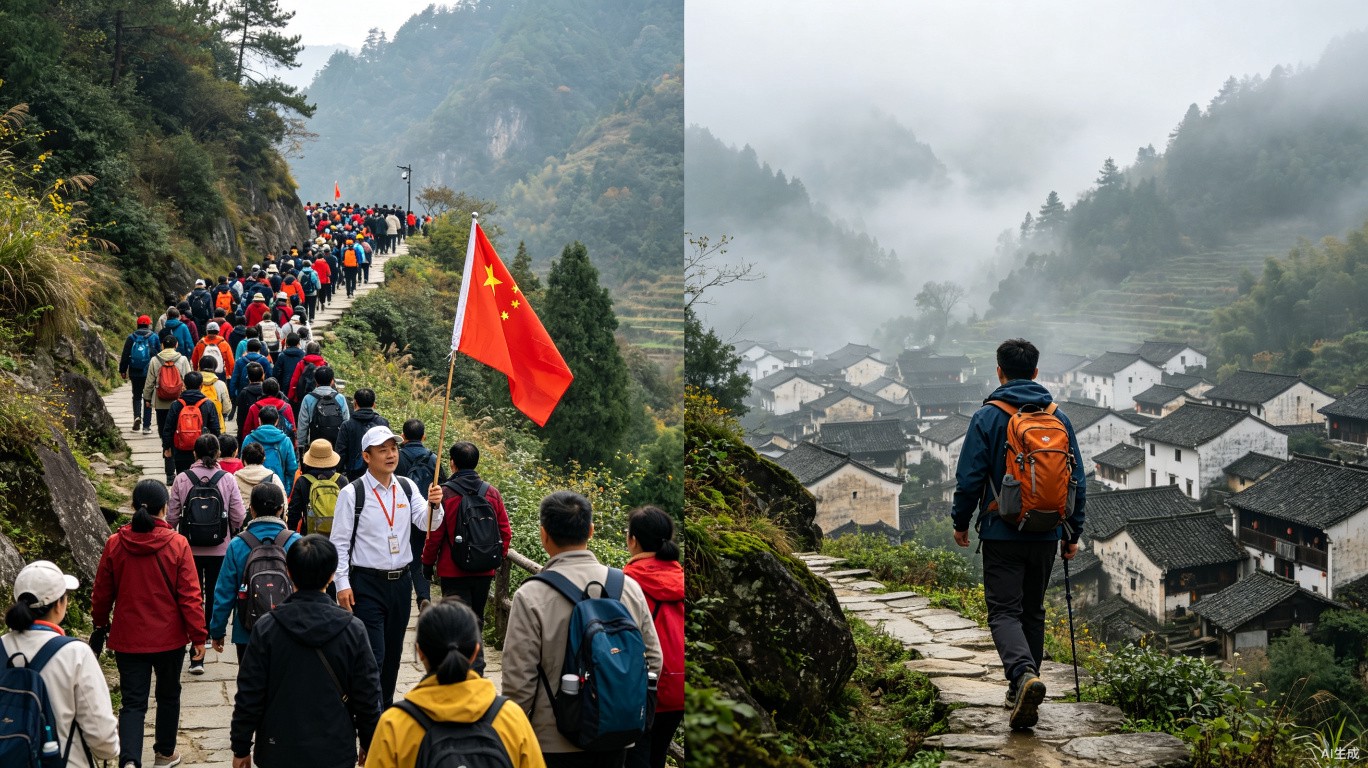
Should you join a guided tour or travel independently in China? Honest comparison of cost, flexibility, and experience.
7 min read
China Itinerary Planning: 7-Day 14-Day and 21-Day Routes: The Complete 2026 G...
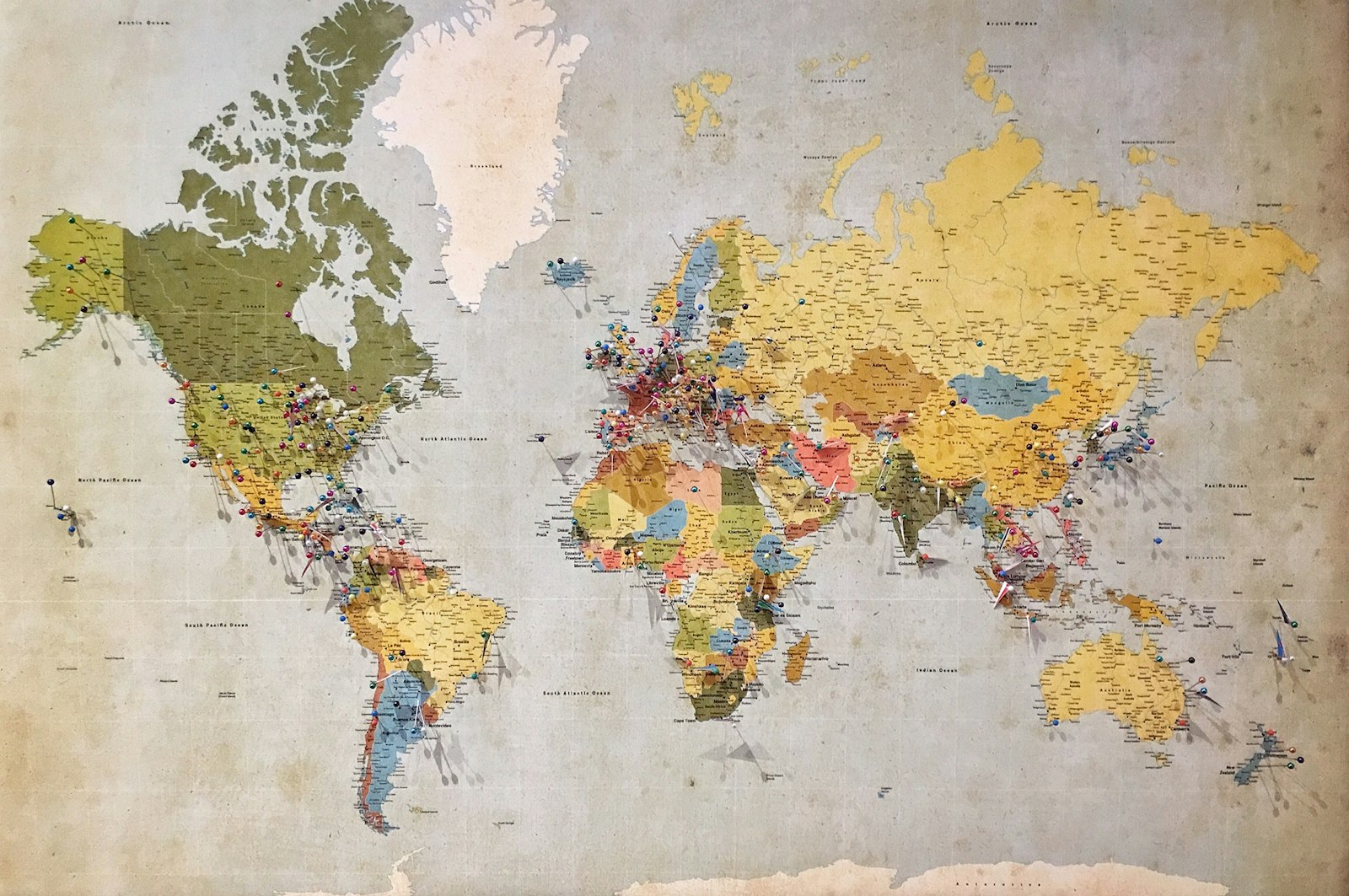
Not sure how many days to spend in China? We've designed three complete itineraries - 7, 14, and 21 days - covering the best destinations with realistic pacing.
9 min read