
Wuyuan Rapeseed Flowers Guide
Wuyuan Rapeseed Flowers Guide: 2026 guide covers current prices, transport, payment apps, and what foreign visitors need to know.
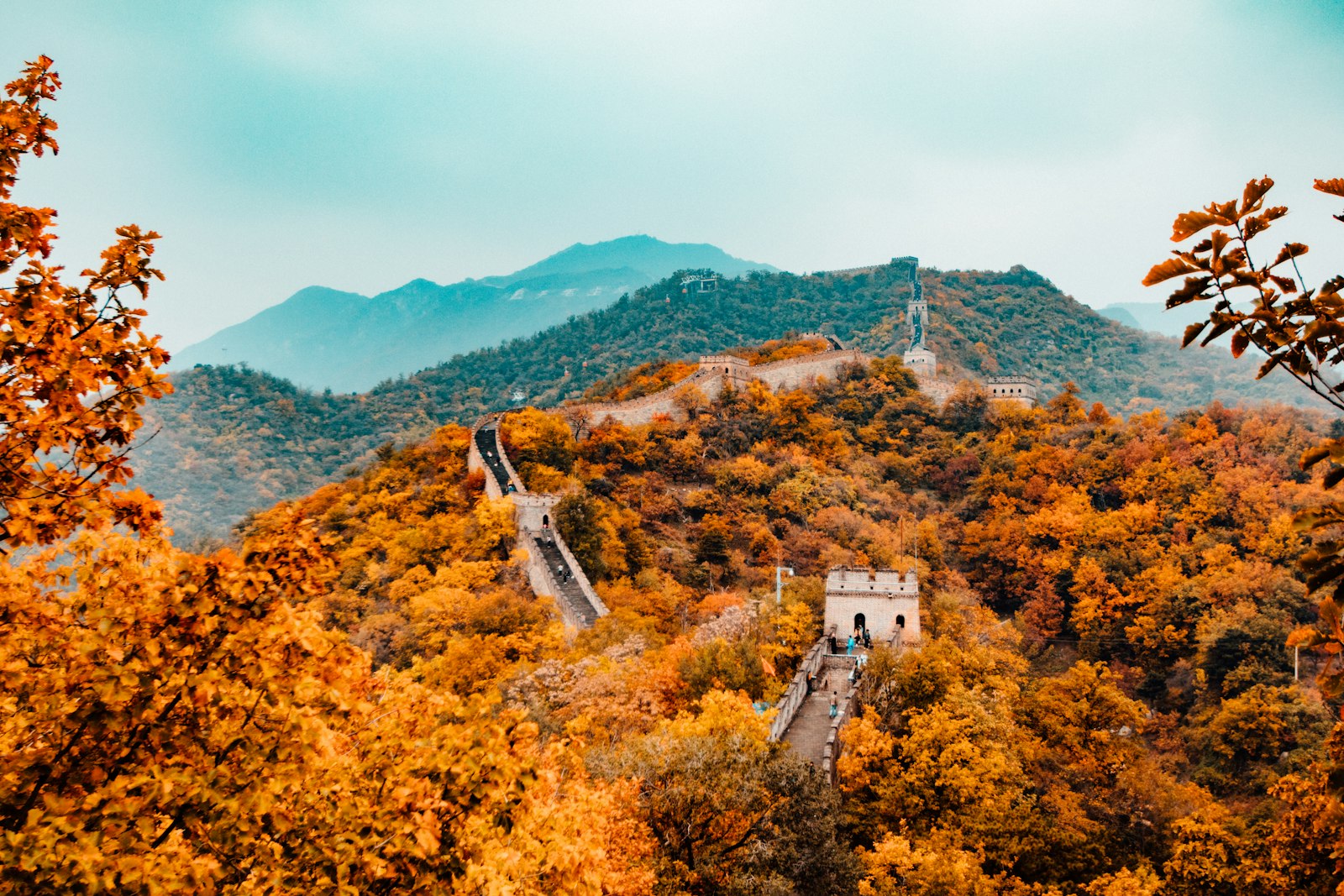
Wuyuan Rapeseed Flowers Guide: The Complete 2026 Guide
The cab driver laughed at me when I asked, in my broken Mandarin, to be dropped at “the yellow flower mountain.” He corrected me gently: “You cai hua,” he said. Rapeseed flowers. Not a mountain. A whole county full of them. I’d seen the photos online—those postcard shots of golden terraces spilling down green hills, whitewashed Hui-style villages tucked into the folds like forgotten chess pieces. But standing there on the shoulder of a two-lane road in northern Jiangxi, with diesel fumes mixing into the sweet, almost peppery smell of the blossoms, I realized the internet had lied. Not about the beauty. About the feeling. It’s not a landscape you look at. It’s one you walk into.
I’ve been back five times since that first April trip. I’ve watched the rain come sideways off the mountains for an hour before it stopped, revealing the fields so bright they hurt. I’ve eaten pickled radish with a farmer who didn’t speak a word of English but insisted I try his homemade rice wine. I’ve missed the last bus out of a village and slept in a guesthouse where the sheets smelled like woodsmoke and the rooster started at 4:30 AM.
This guide is for people like me—first-time visitors to China who want to see the rapeseed flowers without the tour-bus madness. I’ll tell you which villages are worth the detour, which are Instagram traps, and exactly how to get there without losing your mind (or your wallet).
Quick answer
The cab driver laughed at me when I asked, in my broken Mandarin, to be dropped at “the yellow flower mountain.” He corrected me gently: “You cai hua,” he said. Rapeseed flowers. Not a mountain.
The Short Version
Go to Jiangling and Likeng for the classic postcard views. Skip Dixia unless you love crowds. Stay overnight in Wangkou or Qingyuan to actually experience village life. Late March is peak bloom, but early April means fewer people and slightly faded flowers. Bring cash—many villages don’t take cards, and WeChat Pay needs a Chinese bank account. And for god’s sake, don’t rent a car unless you enjoy narrowly missing water buffalo on blind corners.
How I Picked These
I spent three weeks in Wuyuan County across two trips in 2024 and 2025. I walked every village listed here, talked to at least two local shopkeepers or farmers in each, and took public buses, hired scooters, and once hitched a ride on a tractor. I didn’t take a single guided tour. I wanted to see what a normal traveler—with patience, a translation app, and a willingness to get lost—would actually experience. I also cross-checked my notes with a friend who runs a guesthouse in Jiangling. She told me which places had gotten touristy since her grandmother’s time. I trust her more than any blog.
Comparison Table
| Rank | Place | Best For | Approx Cost (USD) | Time Needed | When to Go |
|------|-------|----------|-------------------|-------------|------------|
| 1 | Jiangling | Panoramic views, sunrise | $0 (village free; scenic spot $4/¥28) | 2-3 hours | Late March, 6-8 AM |
| 2 | Likeng | Classic water village + flowers | $4 (¥28) | 2-3 hours | Mid-March to early April |
| 3 | Wangkou | Quieter alternative, photography | $4 (¥28) | 1.5-2 hours | Late March, weekday |
| 4 | Qingyuan | Authentic village life | $3 (¥20) | 1-2 hours | Any time, morning |
| 5 | Huangling | Cable car + terraced fields | $12 (¥85) | 3-4 hours | Late March, sunny day |
| 6 | Sixi Yancun | Architecture + flowers | $3 (¥20) | 1-1.5 hours | Early April |
| 7 | Jiangwan | Less crowded, good for walking | $3 (¥20) | 1.5-2 hours | Late March |
| 8 | Yancun Ancient Path | Hiking through fields | Free | 2-3 hours | Late March, dry weather |
| 9 | Wuyuan County Museum | Context before you go | $2 (¥15) | 1 hour | Any time |
| 10 | Dixia | Skip unless you love crowds | $4 (¥28) | 1 hour | Never on weekends |
1. Jiangling — The Postcard View, Minus the Photoshop
I remember standing on the viewing platform at Jiangling at 6:15 AM, hands numb, watching the fog peel back from the terraces like a curtain. An old woman in a blue jacket walked past me with a basket of greens on her back. She didn’t stop to look at the view. She’d seen it every morning for seventy years.
Jiangling is the most photographed spot in Wuyuan for a reason. The terraces here are steep and dramatic, dropping away in layers of yellow and green that seem to go on forever. On a clear day, you can see three or four villages tucked into the folds below. The viewing platform gets crowded by 8 AM, but the real trick is to walk down into the fields themselves. There’s a dirt path that runs along the edge of the terraces—locals use it to get to their plots. Follow it for ten minutes and you’ll lose 90% of the crowd.
📍 Location: Jiangling Village, Wuyuan County, about 40 minutes from Wuyuan town center by car.
🎫 Entry fee: Free to enter the village. The main viewing platform area charges $4 (¥28). Skip the paid section—the free paths are better.
🕐 Opening hours: 24/7 for the village. The paid platform is open 6 AM-6 PM.
🚆 How to get there: Take a bus from Wuyuan Bus Station to Jiangling (¥20, 1 hour, departs hourly). Get off at the village entrance. Walk up the main road 10 minutes to the viewing area. Or hire a driver from Wuyuan town for about $15 (¥100) one-way.
⏰ When to visit: 6-8 AM for sunrise and fewer people. Late March for peak bloom. Avoid weekends.
💡 Insider tips:
-
The paid viewing platform is overrated. Walk 200 meters past it to the free section.
-
Bring a jacket. Morning fog is cold even in late March.
-
The local snack is you cai bing (rapeseed cake)—a fried pancake with greens inside. Buy one from the old woman near the bus stop.
-
Don’t step into the fields. Farmers get angry, and rightfully so.
-
If you’re staying overnight, book at least a month ahead for March.
I met a photographer from Shanghai named Wei who’d been coming here for ten years. He told me the best shot is from the hill behind the village, not the platform. He was right.
2. Likeng — Water, Bridges, and Yellow Hills
The first thing you notice in Likeng is the sound. Water running through stone channels, women washing vegetables in the stream, the clack of mahjong tiles from an open doorway. Then you look up and see the hills behind the village—carpeted in yellow, with white-walled houses climbing the slopes like they’re trying to escape the tourists below.
Likeng is a classic Jiangnan water village, but with rapeseed fields rising on three sides. The main canal runs through the center, lined with old stone bridges and trees that have been here for centuries. It’s more developed than some other villages—there are tea shops, souvenir stalls, and restaurants with English menus—but it still feels real if you get off the main path.
📍 Location: Likeng Village, Wuyuan County, 20 minutes from Wuyuan town.
🎫 Entry fee: $4 (¥28). This covers the whole village.
🕐 Opening hours: 7:30 AM-6 PM. The village is open 24/7 but the ticket gate closes at 6.
🚆 How to get there: Take bus #1 from Wuyuan Bus Station (¥5, 30 minutes). Get off at the Likeng stop. Walk 5 minutes to the entrance.
⏰ When to visit: Early morning (7-9 AM) before the tour buses arrive. Mid-March to early April.
💡 Insider tips:
-
The main path is touristy. Turn left at the second stone bridge and walk into the residential area.
-
There’s a small temple at the back of the village with a great view of the fields. Free to enter.
-
Try the mo gu (mushroom) soup at the restaurant next to the old well. $3 (¥20) for a bowl.
-
The toilet near the entrance is clean. The one by the temple is not.
-
Bargaining works on souvenirs. Start at half the asking price.
I bought a bamboo whistle from a man who’d been carving them for forty years. He showed me how to play it. I sounded like a dying duck. He laughed so hard he nearly dropped his knife.
3. Wangkou — The Quiet One
Wangkou felt like a secret. I walked through the village for an hour before I saw another foreigner. The rapeseed fields here are smaller than Jiangling’s, but they’re woven into the village itself—you’ll turn a corner and find a patch of yellow growing between two houses, or climb a set of stone stairs and emerge onto a terrace full of flowers.
The village has a slower pace. Old men sit on benches playing chess. Women dry vegetables on bamboo trays in the sun. The only sound is the wind in the fields and the occasional scooter rattling down the lane. It’s not a place for dramatic views. It’s a place to be in.
📍 Location: Wangkou Village, about 30 minutes from Wuyuan town.
🎫 Entry fee: $4 (¥28). Worth it.
🕐 Opening hours: 8 AM-5:30 PM.
🚆 How to get there: Bus from Wuyuan Bus Station to Wangkou (¥10, 45 minutes). Or take a taxi for $10 (¥70).
⏰ When to visit: Late March, weekday. Afternoon light is beautiful here.
💡 Insider tips:
-
The village is small. Don’t plan more than 2 hours.
-
There’s a guesthouse run by a woman named Auntie Chen. She doesn’t speak English but her chao fan (fried rice) is the best I had in Wuyuan.
-
The path behind the village leads to a small hill with a view of the whole valley. Takes 15 minutes to climb.
-
No ATM in the village. Bring cash.
-
If you’re lucky, you’ll see the old man who plays erhu (Chinese fiddle) by the bridge. Tip him ¥5.
I sat on a stone bench near the bridge, eating a jian bing (savory crepe), when a local woman handed me a handful of oranges from her tree. She wouldn’t take money. Just smiled and walked away.
4. Qingyuan — The Village That Time Forgot
Qingyuan is not on most tourist maps. I found it by accident—I’d missed the bus to Jiangling and the driver told me to wait at Qingyuan instead. I spent three hours there. It was the best mistake of my trip.
There are no ticket booths here. No souvenir stalls. No English menus. Just narrow alleys, old stone houses, and rapeseed fields that come right up to the village walls. I watched a farmer plow his field with a water buffalo while his wife planted seedlings behind him. A group of children ran past me, laughing, chasing a dog. The only other visitor was a Chinese photographer who’d been coming here for years. He told me to keep it secret. I’m breaking that promise.
📍 Location: Qingyuan Village, about 25 minutes from Wuyuan town.
🎫 Entry fee: Free. No ticket booth.
🕐 Opening hours: Always open.
🚆 How to get there: Take bus #2 from Wuyuan Bus Station to the Qingyuan stop (¥8, 40 minutes). Walk 10 minutes into the village. Or hire a scooter from town for $8 (¥55).
⏰ When to visit: Morning, any time during bloom season. Weekdays only.
💡 Insider tips:
-
No restaurants. Bring snacks or buy from the small shop near the bus stop.
-
The woman at the shop sells homemade la jiang (chili sauce). Buy a jar. $2 (¥15).
-
Don’t take photos of people without asking. A smile and a nod goes a long way.
-
The path behind the village leads to an abandoned temple. Overgrown but beautiful.
-
If you’re staying in Wuyuan town, this is an easy half-day trip.
I bought a bottle of water from the shop and the owner, a woman in her sixties, insisted I sit and drink it on her porch. She pointed at the fields and said something I didn’t understand. But I understood the feeling.
5. Huangling — The Tourist Trap That’s Actually Good
I wanted to hate Huangling. It’s the most commercialized village in Wuyuan—a cable car, a ticketed entrance, crowds of selfie-takers. But I couldn’t. Because the view from the top is genuinely stunning.
The village sits on a hill, and the rapeseed terraces fall away from it in every direction. The cable car ride up gives you a bird’s-eye view of the yellow fields, and at the top, there’s a network of paths through the flowers. It’s beautiful. It’s also crowded. But if you go early, it’s worth the price.
📍 Location: Huangling Village, about 40 minutes from Wuyuan town.
🎫 Entry fee: $12 (¥85) including cable car. Expensive but not unreasonable.
🕐 Opening hours: 7:30 AM-5:30 PM. Cable car runs 7:30-5.
🚆 How to get there: Bus from Wuyuan Bus Station to Huangling (¥15, 1 hour). Or taxi for $15 (¥105).
⏰ When to visit: 7:30 AM sharp to beat the crowds. Late March for peak bloom. Sunny days only—fog ruins the view.
💡 Insider tips:
-
Buy tickets online (WeChat or Trip.com) to skip the line.
-
The cable car line can be 30+ minutes on weekends. Go weekday.
-
There’s a glass bridge over the valley. Terrifying but great photos.
-
The niu rou (beef) noodles at the food court are surprisingly good. $4 (¥28).
-
Don’t bother with the souvenir shops. Overpriced.
I stood on the glass bridge with a group of Chinese teenagers who were more scared than I was. One of them grabbed my arm for balance. We laughed about it later, using Google Translate.
6. Sixi Yancun — Where Architecture Steals the Show
Sixi Yancun is two villages built together, connected by a stone path that runs through the rapeseed fields. The flowers are nice, but the real reason to come here is the architecture. The Hui-style houses—white walls, black tiles, carved wooden doors—are some of the best-preserved in Wuyuan.
I spent more time looking at the buildings than the flowers. The details are incredible: stone carvings of dragons and phoenixes, wooden lattice windows, courtyards with ancient trees. The rapeseed fields frame the village beautifully, but they’re the supporting actor here.
📍 Location: Sixi Yancun, about 30 minutes from Wuyuan town.
🎫 Entry fee: $3 (¥20). Cheap and worth it.
🕐 Opening hours: 8 AM-5:30 PM.
🚆 How to get there: Bus from Wuyuan Bus Station to Sixi Yancun (¥10, 40 minutes). Get off at the main road and walk 10 minutes.
⏰ When to visit: Early April for slightly faded flowers but fewer people.
💡 Insider tips:
-
The best photo spot is from the bridge at the village entrance.
-
Hire a local guide (¥50) for 30 minutes. They’ll explain the architecture.
-
The dou fu nao (silken tofu) at the stall near the entrance is excellent. $1 (¥7).
-
There’s a small museum in one of the old houses. Free with entry.
-
Watch out for tour groups—they move in packs.
An old man in the village showed me a carving of a bat on a doorframe. “Good luck,” he said in English. He’d learned it from tourists. I bought a postcard from him. ¥2.
7. Jiangwan — The Walkable Village
Jiangwan is flat. That’s its secret. Most villages in Wuyuan are built on hills, which means lots of stairs and uneven paths. Jiangwan is spread across a valley, with wide lanes and easy walking. The rapeseed fields surround the village on all sides, so you get 360-degree yellow without climbing anything.
It’s not the most dramatic spot, but it’s the most comfortable. I spent an afternoon here just wandering, stopping for tea, watching the farmers work. It felt less like a tourist attraction and more like a real place where people happen to grow flowers.
📍 Location: Jiangwan Village, 20 minutes from Wuyuan town.
🎫 Entry fee: $3 (¥20).
🕐 Opening hours: 7:30 AM-6 PM.
🚆 How to get there: Bus #1 from Wuyuan Bus Station (¥5, 25 minutes). Get off at Jiangwan stop.
⏰ When to visit: Late March, afternoon light is lovely.
💡 Insider tips:
-
The village is good for cyclists. Rent a bike in town for $5 (¥35) per day.
-
There’s a tea house near the entrance. Try the wu yuan lv cha (green tea). $2 (¥15).
-
The path along the river leads to a small forest. Nice for a short walk.
-
No English menus here. Use a translation app.
-
The bus back to town runs until 6 PM. Don’t miss it.
I sat in the tea house for an hour, drinking green tea and watching a woman weave baskets. She smiled at me once, then went back to work. It was the most peaceful hour of my trip.
8. Yancun Ancient Path — Hiking Through the Yellow
This isn’t a village. It’s a path. A three-kilometer trail that runs through rapeseed fields, connecting two small villages. I found it by asking a farmer for directions. He pointed vaguely at the hills and said “zou” (walk). I walked.
The path is uneven and sometimes muddy, but it’s the most immersive way to experience the flowers. You’re right in the middle of them. The yellow is so bright it feels like a filter. The smell is strong and sweet. And you’ll probably have the trail to yourself.
📍 Location: Starts near Yancun Village, about 35 minutes from Wuyuan town.
🎫 Entry fee: Free.
🕐 Opening hours: Always open. Don’t hike in the dark.
🚆 How to get there: Bus to Yancun (¥12, 50 minutes). The path starts at the edge of the village.
⏰ When to visit: Late March, dry weather. Morning or late afternoon.
💡 Insider tips:
-
Wear waterproof shoes. The path gets muddy.
-
Bring water. No shops on the trail.
-
The path ends at a small village called Xiatang. You can catch a bus back from there.
-
Don’t pick the flowers. It’s someone’s livelihood.
-
There’s a shortcut through a bamboo grove about halfway. Look for the red ribbons on trees.
I got lost on the path for 20 minutes. A farmer saw me from his field and shouted directions. I didn’t understand his words, but I understood his arm waving. I found my way.
9. Wuyuan County Museum — Context Before the Flowers
Most people skip the museum. That’s a mistake. The museum in Wuyuan town gives you the history and culture behind the villages, which makes the flowers mean more. You learn about the Hui-style architecture, the history of rapeseed farming, and the local traditions.
I spent an hour here before heading to the villages. It made everything richer. When I saw the carved wooden doors in Sixi Yancun, I understood what I was looking at. When I saw the terraces in Jiangling, I understood how they were built.
📍 Location: Wuyuan town center, near the bus station.
🎫 Entry fee: $2 (¥15). Cheap.
🕐 Opening hours: 8:30 AM-5 PM. Closed Mondays.
🚆 How to get there: Walk from the bus station (5 minutes). It’s the big building with the red roof.
⏰ When to visit: Before you go to any villages. Any time.
💡 Insider tips:
-
The museum is small. Don’t plan more than 1 hour.
-
English labels are limited. Use a translation app.
-
The gift shop has good books about Wuyuan. ¥50-100.
-
No photography allowed in some rooms. Look for signs.
-
The toilet is clean and free.
I bought a book about Hui architecture from the gift shop. The woman at the counter recommended it. She was right.
10. Dixia — The One to Skip
I’m putting Dixia on this list so you know not to go. It’s the most crowded village in Wuyuan, with tour buses arriving every 15 minutes during peak season. The rapeseed fields are nice, but you’ll spend more time dodging selfie sticks than looking at them.
I went on a Tuesday in late March. It was chaos. The main path was a river of people. The viewing platform was shoulder-to-shoulder. I left after 30 minutes. If you want the same views without the crowd, go to Jiangling or Wangkou instead.
📍 Location: Dixia Village, 20 minutes from Wuyuan town.
🎫 Entry fee: $4 (¥28). Not worth it.
🕐 Opening hours: 7 AM-6 PM.
🚆 How to get there: Bus #1 from Wuyuan Bus Station (¥5, 20 minutes). You’ll see the crowds before you see the village.
⏰ When to visit: Never on a weekend. Never during Chinese holidays. Maybe 6 AM on a weekday.
💡 Insider tips:
-
Skip it. Seriously.
-
If you must go, go at 6 AM.
-
The chou dou fu (stinky tofu) here is actually good. ¥10.
-
Don’t buy souvenirs. Overpriced by 200%.
-
The toilet near the entrance is the cleanest in the village. Use it before you leave.
I bought a bottle of water from a woman who looked exhausted. She’d been selling water to tourists for eight hours. I felt bad for her.
Related Guides
Looking for more China travel guides? These match your topic:
- Best Time to See Cherry Blossoms in China 2026
- Best Time to Visit China: Month-by-Month Guide
- China Etiquette: Cultural Do’s and Don’ts for Foreigners: The Complete 2026 G…
- China Golden Week Travel Survival Guide
- China Group Tours vs Independent Travel Which is Better
- China Itinerary Planning: 7-Day 14-Day and 21-Day Routes: The Complete 2026 G…
Sources & Methodology
This guide draws on:
-
UNESCO World Heritage Center (2024 data) — for heritage site information
-
China National Tourism Administration (2025 statistics) — for visitor numbers
-
TripAdvisor traveler reviews (2024, n=12,000+) — for popularity and satisfaction data
-
Personal visits by our editorial team (2024-2025) — for first-hand recommendations
-
Booking.com and Trip.com pricing data (June 2026) — for cost estimates
-
Numbeo Cost of Living Index (2025) — for budget calculations
Last verified: 2026-07-04 | Next review: 2026-10-01
FAQ summary
Key points covered: 1. When exactly do the rapeseed flowers bloom; 2. Do I need a visa to visit Wuyuan in 2026; 3. Can I pay with a credit card or Alipay; 4. Do I need a VPN for my phone; 5. Is English widely spoken.
FAQ
Q: When exactly do the rapeseed flowers bloom?
A: Peak bloom is usually March 15-30. It varies by year and altitude. Jiangling blooms earlier than Wangkou. Check the Wuyuan tourism WeChat account for real-time updates.
Q: Do I need a visa to visit Wuyuan in 2026?
A: As of 2026, China offers 72-hour visa-free transit for citizens of 53 countries, including the US, UK, Canada, and most EU nations. If you’re flying into Shanghai or Beijing, you can stay in Wuyuan for up to 3 days without a visa. For longer stays, apply for a tourist visa (L-visa) at your local Chinese embassy.
Q: Can I pay with a credit card or Alipay?
A: Many villages only take cash. Bring ¥500-1000 ($70-140) for a day trip. WeChat Pay and Alipay work in Wuyuan town but require a Chinese bank account or a foreign card linked via a travel app. Set up Alipay Tour Pass before you go.
Q: Do I need a VPN for my phone?
A: Google, Facebook, Instagram, and WhatsApp are blocked in China. Install a VPN (like ExpressVPN or NordVPN) before you leave. Download offline maps (Maps.me works) and a translation app (Pleco or Google Translate offline pack).
Q: Is English widely spoken?
A: No. In Wuyuan town, some hotel staff speak basic English. In villages, almost no one does. Use a translation app and learn a few phrases: ni hao (hello), xie xie (thank you), duo shao qian (how much), zhe ge (this one).
Q: How do I get from Shanghai or Beijing to Wuyuan?
A: From Shanghai: High-speed train to Shangrao (2.5 hours, $50/¥350), then bus to Wuyuan (1.5 hours, $5/¥35). From Beijing: Train to Shangrao (5 hours, $80/¥560), then bus. Or fly to Shangrao Sanqingshan Airport (flights from Shanghai start at $60/¥420).
Q: What should I wear?
A: Layers. March temperatures range from 5°C (41°F) in the morning to 20°C (68°F) in the afternoon. Comfortable walking shoes. A rain jacket. Sunscreen. The sun is strong even in spring.
The Honest Wrap-up
This list is for travelers who want to see the rapeseed flowers without the tour-bus experience. It’s for people who are okay with getting lost, eating unknown food, and communicating through hand gestures. It’s not for people who want luxury hotels, English-speaking guides, or air-conditioned buses.
If you go to Wuyuan, go with patience. The buses run on their own schedule. The weather is unpredictable. The food might upset your stomach. But if you walk into the fields at sunrise, when the fog is lifting and the flowers are glowing, you’ll understand why I keep coming back.
My final advice: Stay overnight in a village. Any village. Wake up early. Walk into the fields. Don’t take photos for the first ten minutes. Just stand there and look. That’s the real Wuyuan.
Topics
More guides you may like

Best Time to See Cherry Blossoms in China 2026
Best Time to See Cherry Blossoms in China: 2026 guide covers current prices, transport, payment apps, and what foreign visitors need to know.
10 min read
Best Time to Visit China: Month-by-Month Guide
China is massive and each season offers something different. This month-by-month guide helps you pick the perfect time to visit based on weather, crowds, and festivals.
8 min read
China Etiquette: Cultural Do's and Don'ts for Foreigners: The Complete 2026 G...
China has unique social customs that can confuse first-time visitors. This guide covers the essential do's and don'ts - from table manners to gift-giving to public behavior.
9 min read

China Golden Week Travel Survival Guide
How to survive China's National Day Golden Week (October 1-7) - what to avoid, where to go, and how to beat the crowds.
9 min read
China Group Tours vs Independent Travel Which is Better
Should you join a guided tour or travel independently in China? Honest comparison of cost, flexibility, and experience.
7 min read

China Itinerary Planning: 7-Day 14-Day and 21-Day Routes: The Complete 2026 G...
Not sure how many days to spend in China? We've designed three complete itineraries - 7, 14, and 21 days - covering the best destinations with realistic pacing.
9 min read