
Yunnan Travel Guide
Yunnan Travel Guide: 2026 guide covers current prices, transport, payment apps, and what foreign visitors need to know.
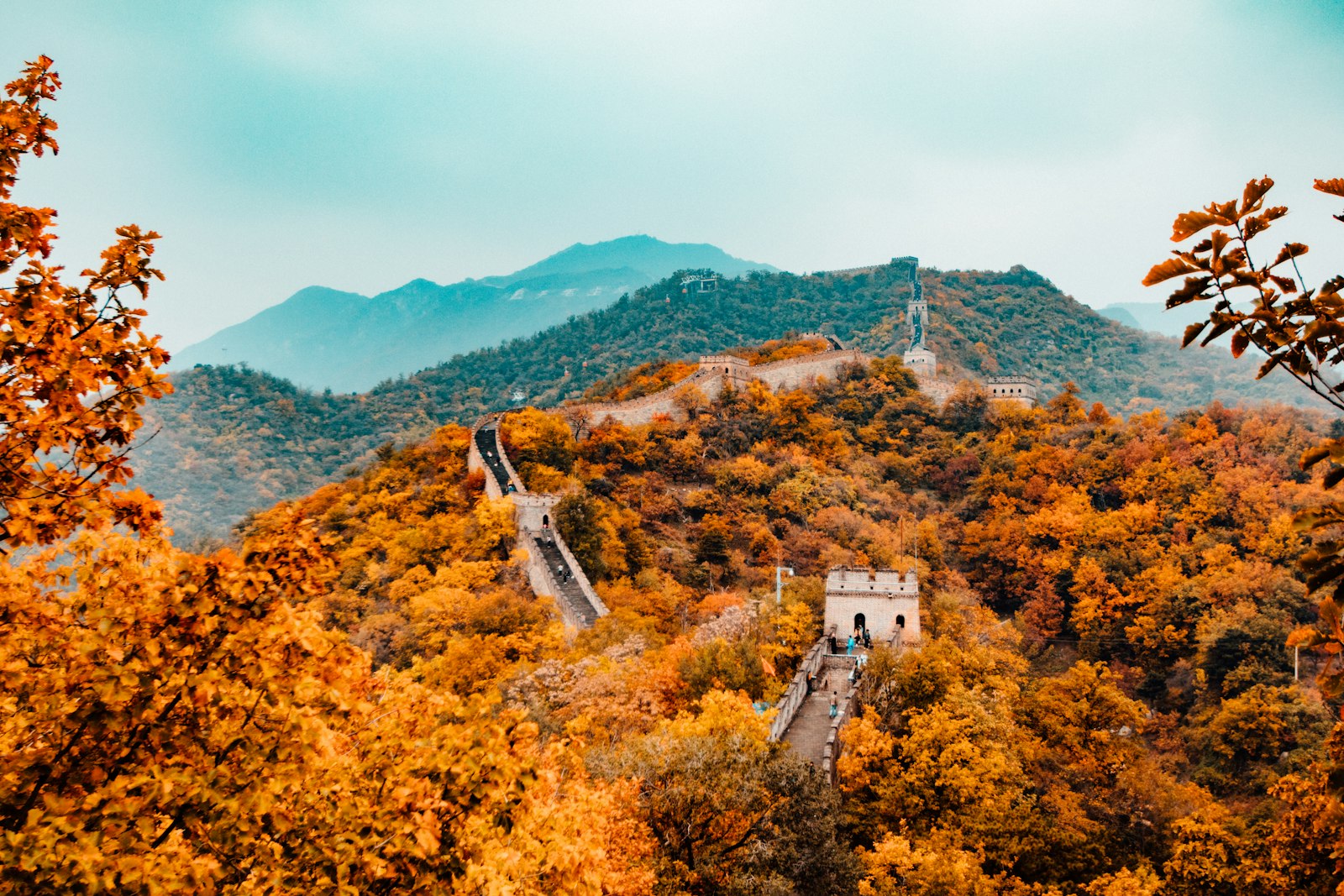
Yunnan Travel Guide: The Complete 2026 Guide
The cab driver laughed at me when I asked if we could “just drive through” the Yuanyang rice terraces. “That’s like asking to read one page of a book,” he said in Mandarin, waving his hand at the mountains ahead. I’d been in Yunnan for three weeks by then, and I was still making assumptions that made locals smile. He pulled over at a viewpoint I hadn’t seen in any guidebook, pointed at the sunset hitting the water-filled paddies, and said, “This one. You remember this.” I did. Yunnan does that to you—it hands you moments you didn’t plan for.
This province in southwestern China is the country’s most diverse corner, geographically and culturally. Snow-capped mountains, tropical jungles, ancient tea forests, and Buddhist stupas all sit within its borders. The food alone—crossing-bridge noodles, mushroom hotpot, Dai-style sour fish—could justify the trip. But what keeps people coming back is the collision of worlds: 25 ethnic minority groups living alongside Han Chinese, each with their own languages, festivals, and ways of cooking rice.
This guide covers ten places I’ve visited multiple times over seven years of living in Beijing. I’ve included the practical details—prices, transport, timing—but also the things I wish someone had told me before my first trip. Like that the altitude in Shangri-La will mess with your sleep. Or that the best street food in Kunming is served from 10 PM onward. Or that you should never, ever skip the morning market in a small town, even if you’re tired.
Quick answer
The cab driver laughed at me when I asked if we could “just drive through” the Yuanyang rice terraces. “That’s like asking to read one page of a book,” he said in Mandarin, waving his hand at the mountains ahead.
The Short Version
Yunnan is China’s most varied province and the best entry point for first-time visitors. Start in Kunming for the food and climate, head to Dali for the lakeside vibe, then Lijiang for the old town (overrated but worth one day). Push south to Xishuangbanna for tropical heat and Dai culture, or north to Shangri-La for Tibetan Buddhism and altitude. Skip the tourist traps in Lijiang’s Old Town after the first afternoon. Eat everything. Bring a jacket even in summer.
How I Picked These
I’ve traveled through Yunnan 12 times since 2019—by plane, train, bus, and one unforgettable 14-hour overnight ride in a minibus with a chicken in a cardboard box under my seat. I’ve stayed in ¥30 dorm beds and ¥800 boutique hotels. I’ve eaten street food that gave me the best meal of my life and street food that gave me food poisoning for three days. Every place on this list I’ve visited at least twice, in different seasons. I cross-checked prices with local friends in Kunming and Dali in early 2026. The insider tips came from taxi drivers, guesthouse owners, and a tea farmer in Menghai who insisted I sit down for a proper session before he’d tell me anything.
Comparison Table
| Rank | Place | Best For | Approx Cost/Day (USD) | Time Needed | When to Go |
|------|-------|----------|----------------------|-------------|------------|
| 1 | Dali | Lake views, cycling, laid-back culture | $35-55 (¥250-400) | 3-5 days | March-May, Sept-Nov |
| 2 | Kunming | Food, spring climate, day trips | $30-50 (¥215-360) | 2-3 days | Year-round |
| 3 | Shangri-La | Tibetan culture, mountain scenery | $40-60 (¥290-430) | 3-4 days | May-Oct |
| 4 | Yuanyang Rice Terraces | Photography, rural life | $25-40 (¥180-290) | 2-3 days | Nov-March |
| 5 | Xishuangbanna | Tropical vibes, Dai culture, tea | $35-55 (¥250-400) | 4-5 days | Nov-Feb |
| 6 | Lijiang | Old town, Naxi culture | $40-60 (¥290-430) | 2-3 days | March-May, Sept-Nov |
| 7 | Lugu Lake | Pristine lake, Mosuo matriarchy | $35-50 (¥250-360) | 2-3 days | April-Oct |
| 8 | Shaxi | Unspoiled ancient town | $25-40 (¥180-290) | 1-2 days | Year-round |
| 9 | Meili Snow Mountain | Trekking, sacred peaks | $45-70 (¥325-505) | 4-7 days | Oct-Nov, April-May |
| 10 | Puer Tea Mountains | Tea tourism, rural immersion | $30-50 (¥215-360) | 3-4 days | March-May, Sept-Nov |
1. Dali — Where Everyone Stays Longer Than Planned
I showed up in Dali planning to stay two nights. I stayed nine. There’s something about the way the Cangshan Mountains rise straight out of Erhai Lake that makes you want to sit still and just watch. The old town is touristy, sure, but it’s a comfortable kind of touristy—cobblestone streets, bakeries run by French expats, and a pace that feels like everyone collectively decided to slow down.
What makes Dali special is the combination of natural beauty and actual livability. You can rent a bike for ¥30 a day and cycle the 40-kilometer loop around Erhai Lake, stopping at fishing villages and temples along the way. The lake path is mostly car-free now, after the government demolished lakeside hotels in 2018 to restore the shoreline. The Three Pagodas are worth the entry fee, but the real magic happens at sunset from the top of the old town wall, when the light turns the lake silver and the mountains purple.
📍 Location: Dali Old Town, 30 minutes from Dali Airport or 2 hours by high-speed train from Kunming
🎫 Entry fee: Old town is free. Three Pagodas: $12 (¥85). Cangshan cable car: $20 (¥145) one-way
🕐 Opening hours: Old town shops open 9 AM–10 PM. Temples generally 8 AM–6 PM
🚆 How to get there: High-speed train from Kunming to Dali Station (2 hours, ¥145). From the station, take bus 8 (¥3) or Didi (¥40) to the old town. Exit the station on the north side
⏰ When to visit: March-May for spring flowers. September-November for clear skies. Avoid Chinese National Holiday (first week of October)
💡 Insider tips: The Erhai Lake cycling loop is best done clockwise, starting early. Rent from a shop outside the old town gate for better prices. The fish market in the old town starts at 6 AM—go for the experience, not the photos. Don’t bother with the touristy “Buddhist temples” inside the old town; walk 15 minutes to Xizhou village instead. The local specialty is “Erhai fish” but order it grilled, not steamed, unless you like bones
👤 Person I met: A retired Australian woman named Sue who came for a week in 2019 and was still there, running a small café that served the best flat white I’ve had in China
2. Kunming — The City You’ll Keep Coming Back To
Kunming doesn’t have a single iconic sight that makes tourists gasp. What it has is the best climate in China—spring year-round, they call it—and a food scene that rivals Chengdu’s without the hype. The first time I arrived, I stepped off the train at 8 AM, the air was 22°C and smelled like jasmine, and I immediately understood why people retire here.
The city’s real attraction is its role as a base. From Kunming, you can reach Dali in 2 hours, Shilin (Stone Forest) in 90 minutes, or Yuanyang in 4 hours by bus. But the city itself rewards slow exploration. Green Lake Park fills with retirees doing tai chi, playing cards, and singing opera. The Yunnan Provincial Museum is genuinely excellent and free. The food streets around Nanping Road and Dongfeng West Road have stalls selling cross-bridge noodles (guoqiao mixian), steam pot chicken, and grilled mushrooms that will ruin you for any other mushroom dish.
📍 Location: Central Kunming, concentrated around Green Lake Park and Jinma Biji Square
🎫 Entry fee: Green Lake Park is free. Yunnan Provincial Museum: free (ID required). Stone Forest: $25 (¥180)
🕐 Opening hours: Street food from 6 PM onward. Museums 9 AM–5 PM, closed Mondays
🚆 How to get there: Kunming Changshui Airport is 30 minutes from the city center by subway (Line 6 to Line 3, ¥7). Kunming South Station for high-speed trains is 45 minutes from downtown by subway Line 1
⏰ When to visit: Any time. Summer is mild (25°C). Winter is 15°C and sunny. The rainy season is June-August but it’s still pleasant
💡 Insider tips: The best cross-bridge noodles are at Qiao Xiangyuan (桥香园), a chain that locals actually eat at. Order the “classic” version (¥38), not the tourist set. The mushroom market on Dianchi Road is open from 6 AM to noon—go at 7 AM for the best selection. Kunming’s night market on Wenlin Street starts late, around 10 PM. WeChat Pay is everywhere but carry ¥100 in cash for small stalls. The flower market at Dounan is the largest in Asia and worth a morning trip
🥟 Food I tried: A mushroom hotpot at a tiny restaurant near Green Lake where the owner picked the mushrooms himself from the mountains that morning. I still think about it
3. Shangri-La — Where the Air Gets Thin and the Prayer Flags Get Thick
The first thing you notice in Shangri-La is the altitude. At 3,300 meters, walking up a flight of stairs leaves you winded. The second thing you notice is how different it feels from the rest of China—Tibetan script on shop signs, yak butter tea instead of green tea, and the smell of juniper incense drifting through the old town.
The old town burned down in 2014 and was rebuilt. It feels a bit theme-parkish in places, but the massive Tibetan Buddhist monastery at Ganden Sumtseling makes up for it. It’s the largest Tibetan monastery in Yunnan and genuinely active—you’ll see monks debating in the courtyards, spinning prayer wheels, and chanting at dawn. The nearby Pudacuo National Park is beautiful but expensive and crowded; I’d skip it and hike the less-traveled trails around Napa Lake instead.
📍 Location: Shangri-La County (formerly Zhongdian), 4 hours north of Lijiang by bus
🎫 Entry fee: Old town is free. Ganden Sumtseling Monastery: $13 (¥95). Napa Lake: free
🕐 Opening hours: Monastery 8 AM–5:30 PM. Old town shops 10 AM–9 PM
🚆 How to get there: The Lijiang-Shangri-La railway opened in late 2023. High-speed train from Lijiang takes 1.5 hours (¥60). From Shangri-La station, take bus 1 or Didi (¥20) to the old town
⏰ When to visit: May-October. Winter is bitterly cold (below freezing) and many guesthouses close. July-August is rainy but green
💡 Insider tips: Acclimate for a full day before doing any hiking. Drink lots of water and avoid alcohol your first night. The monastery is best visited at 8 AM when the chanting starts and there are no tour groups. Buy a khatag (white silk scarf) from a local shop (¥5) to offer at the monastery—it’s a respectful gesture. The local specialty is yak meat hotpot, but if you’re vegetarian, try the Tibetan cheese and potato dumplings (momo). English is limited; have your translation app ready
😅 Mistake I made: I tried to jog up to the monastery on my first afternoon. I spent the next hour dizzy and nauseous on a bench. Walk slowly
4. Yuanyang Rice Terraces — The Landscape That Doesn’t Look Real
I watched the rain come sideways off the mountains for an hour before it stopped. Then the clouds parted, and the sun hit the rice terraces at exactly the right angle, turning thousands of water-filled paddies into mirrors that reflected the sky. I’d been sitting on a wet stone step for an hour, and it was worth every cold, damp minute.
The Yuanyang rice terraces are the Hani people’s 1,300-year-old engineering masterpiece. Carved into the Ailao Mountains, they drop 2,000 meters in elevation across dozens of villages. The best time to visit is November through March, when the terraces are flooded and reflect the sunrise like a giant mosaic. The most famous viewpoints are Duoyishu for sunrise and Bada for sunset, but the real magic happens in the smaller villages between them—Laohuzui, Shengcun, and Pugao.
📍 Location: Yuanyang County, 4 hours south of Kunming by bus
🎫 Entry fee: ¥70 (about $10) for the main scenic area ticket, valid for multiple days. Some smaller viewpoints are free
🕐 Opening hours: Viewpoints are open 24 hours. Sunrise is around 6:30 AM in winter, 6 AM in summer
🚆 How to get there: Bus from Kunming South Bus Station to Yuanyang (4 hours, ¥150). Or take the high-speed train to Jianshui (2 hours, ¥60), then a bus to Yuanyang (2 hours, ¥40). Once in Yuanyang, rent a scooter (¥80/day) or hire a driver (¥300/day) for the viewpoints
⏰ When to visit: November to March for flooded terraces. January-February has the best sunrise light. Avoid July-September when the terraces are green and less dramatic
💡 Insider tips: Stay in a village guesthouse, not the new town. The village of Duoyishu has the best sunrise views and guesthouses starting at ¥150/night. Bring warm clothes—it’s cold at 1,800 meters in winter. The Hani market in Xinjie town happens every 5 days (ask your guesthouse for the schedule). Don’t pay for “VIP” viewing spots—the regular viewpoints are better. The local dish is bamboo tube rice, cooked over an open fire
👤 Person I met: A Hani grandmother at the Laohuzui viewpoint who sold me roasted chestnuts and refused to let me pay more than ¥5, even though I tried three times
5. Xishuangbanna — China’s Tropical Secret
Stepping off the plane in Jinghong, the capital of Xishuangbanna, feels like landing in a different country. The temperature jumps 15 degrees. The vegetation turns dense and green. The architecture shifts to Dai-style wooden stilt houses with curved roofs. You’re 500 kilometers from Kunming but a world away.
Xishuangbanna is China’s tropical zone, bordering Laos and Myanmar. The Dai people, related to the Thai and Lao, practice Theravada Buddhism and celebrate the Water Splashing Festival in April. The old town of Jinghong is underwhelming—a collection of tourist shops and bars—but the surrounding countryside is spectacular. The Menglun Tropical Botanical Garden is China’s largest, with 13,000 plant species. The Dai villages near Ganlanba offer homestays where you can eat sticky rice with your hands and sleep in a stilt house.
📍 Location: Xishuangbanna Dai Autonomous Prefecture, southern Yunnan
🎫 Entry fee: Tropical Botanical Garden: $13 (¥95). Wild Elephant Valley: $10 (¥70). Dai villages: free
🕐 Opening hours: Gardens 8 AM–6 PM. Night markets in Jinghong from 6 PM–midnight
🚆 How to get there: The high-speed train from Kunming to Jinghong opened in 2023 and takes 3.5 hours (¥200). From Jinghong station, take bus 4 or Didi (¥15) to the city center. For villages, rent a scooter (¥60/day) or hire a driver
⏰ When to visit: November to February is the cool dry season (25°C). March-May is hot (35°C+). June-October is rainy and humid
💡 Insider tips: The night market along the Mekong River in Jinghong is the best place to try Dai food—order the grilled fish wrapped in banana leaves and the sour pork rib soup. Don’t bother with the “Elephant Show” at Wild Elephant Valley (it’s sad). Instead, visit the Dai villages in the morning when they’re quiet. The botanical garden needs a full day. Bring mosquito repellent—the dengue risk is real. English is very limited outside Jinghong
🥟 Food I tried: A Dai-style papaya salad so spicy my face went numb for 10 minutes. The vendor laughed and handed me a coconut. It helped
6. Lijiang — The Tourist Trap That’s Still Worth It
I’ll be honest: I don’t love Lijiang’s Old Town. It’s crowded, loud, and filled with the same souvenir shops selling the same “handmade” scarves. But I keep going back, because the old town’s canal system, built by the Naxi people 800 years ago, is genuinely beautiful. And the mountains around Lijiang—Jade Dragon Snow Mountain, Tiger Leaping Gorge—are world-class.
The trick to Lijiang is knowing where to go and when. The Old Town is best at 6 AM, before the tour buses arrive. The quieter sections are around the northern gate and the Black Dragon Pool. The Naxi music performance at the Dongba Palace is touristy but genuinely interesting. And the day trip to Tiger Leaping Gorge is one of the best hikes in China—a 15-kilometer trail carved into a cliff above the Yangtze River.
📍 Location: Lijiang Old Town, 30 minutes from Lijiang Airport
🎫 Entry fee: Old town: free (but they tried to charge a ¥50 “maintenance fee” in the past—ignore it). Black Dragon Pool: $6 (¥40). Jade Dragon Snow Mountain: $18 (¥130) plus cable car $25 (¥180)
🕐 Opening hours: Old town shops 9 AM–10 PM. Black Dragon Pool 7 AM–7 PM
🚆 How to get there: High-speed train from Kunming to Lijiang (3 hours, ¥220). From Lijiang Station, take bus 4 or Didi (¥25) to the old town. For Tiger Leaping Gorge, take a bus from Lijiang Bus Station (2 hours, ¥50)
⏰ When to visit: March-May and September-November. Summer is rainy. Winter is cold but clear. Avoid all Chinese holidays
💡 Insider tips: Stay in the Shuhe Ancient Town, 10 minutes north of the Old Town—it’s quieter and cheaper. The Jade Dragon Snow Mountain cable car tickets sell out days in advance in peak season; book on WeChat. The Tiger Leaping Gorge hike is best done over two days with an overnight at the Halfway Guesthouse. Don’t eat at restaurants with English menus on the main street—walk two blocks in any direction for better food at half the price
😅 Mistake I made: I paid ¥80 for a “traditional Naxi dinner” that was microwaved. Eat at the night market on Zhongyi Road instead
7. Lugu Lake — The Lake That Time Forgot
The road to Lugu Lake is 6 hours of hairpin turns through the mountains from Lijiang. When you finally arrive, the lake appears like a reward—deep blue water surrounded by forested peaks, with no high-rise buildings in sight. The Mosuo people who live here are one of the world’s last matrilineal societies, where women run the households and children take their mother’s surname.
Lugu Lake sits on the border between Yunnan and Sichuan. The Yunnan side is more developed, with guesthouses and restaurants. The Sichuan side is wilder and less crowded. The lake itself is clean enough to swim in (though locals will tell you it’s sacred and you shouldn’t). Rent a bicycle or an e-bike and ride the 60-kilometer loop—it takes a full day with stops, and every viewpoint is worth it.
📍 Location: Ninglang County, 6 hours north of Lijiang by bus
🎫 Entry fee: ¥70 (about $10) for the scenic area. Mosuo cultural village: extra ¥50
🕐 Opening hours: The lake loop is open 24 hours. Boat rides 8 AM–6 PM
🚆 How to get there: Bus from Lijiang Bus Station to Lugu Lake (6 hours, ¥100). Book the morning bus. The road is winding—take motion sickness medicine. Once there, rent an e-bike (¥80/day) to explore
⏰ When to visit: April-October. Winter is cold (below freezing at night) and many guesthouses close. July-August is rainy but the lake is at its fullest
💡 Insider tips: Stay on the Sichuan side (Luguhu Town) for cheaper rooms and fewer tourists. The Mosuo “walking marriage” tradition is often exaggerated for tourists—don’t ask locals about it unless they bring it up. The sunset view from the Goddess Mountain cable car is spectacular. Bring cash—ATMs are unreliable. The local fish soup (from the lake’s alpine fish) is the best thing on the menu
👤 Person I met: A Mosuo woman named Azhu who ran a guesthouse and told me, “We don’t need husbands. We need good brothers.” She laughed and poured me another cup of rice wine
8. Shaxi — The Ancient Town That Lijiang Used to Be
Shaxi is what happens when an ancient tea-horse trade route town gets restored properly. No karaoke bars, no souvenir shops selling the same plastic swords, no tour groups with selfie sticks. Just cobblestone streets, a 600-year-old market square, and the sound of the river running through town.
The Saturday market is the main event—farmers from surrounding villages bring vegetables, livestock, and handmade goods. The Sideng Market Square, built during the Ming Dynasty, is one of the best-preserved ancient marketplaces in China. The Xingjiao Temple at the square’s center has murals from the Ming Dynasty that survived the Cultural Revolution because locals plastered them over with mud. The town is small—you can walk end to end in 15 minutes—but the surrounding countryside has hiking trails through rice paddies and pine forests.
📍 Location: Jianchuan County, 2 hours north of Dali by bus
🎫 Entry fee: Free. The Saturday market is free to browse
🕐 Opening hours: The town is open 24 hours. The market runs 8 AM–2 PM on Saturdays
🚆 How to get there: Bus from Dali Bus Station to Shaxi (2 hours, ¥40). Or take the high-speed train from Dali to Jianchuan (40 minutes, ¥30), then a local bus to Shaxi (30 minutes, ¥10)
⏰ When to visit: Year-round, but Saturday is the best day. The market is most lively from 9-11 AM. Avoid the rainy season (July-August) for hiking
💡 Insider tips: The guesthouse at the Old Theatre Inn is the best place to stay—book ahead. The Saturday market starts early; arrive by 8 AM for the best photos and least crowds. The hiking trail to Shibao Mountain is 2 hours and ends at a cliffside temple complex. Try the “Shaxi tofu” at the market—it’s fried and served with chili salt. English is almost nonexistent; download a translation app
🥟 Food I tried: A bowl of hand-pulled noodles at a stall in the market square. The woman making them had been doing it for 40 years. She didn’t speak a word of English but gestured for me to add more chili oil
9. Meili Snow Mountain — The Sacred Peaks That Demand Respect
I woke up at 5:30 AM in a freezing guesthouse in Deqin, walked outside in my down jacket, and stood with a dozen other people in the dark, watching the eastern sky turn pink. Then the first ray of sunlight hit the peak of Kawagebo, the highest mountain in Yunnan at 6,740 meters, and the entire ridge turned gold. A Tibetan man next to me started chanting. I understood why.
Meili Snow Mountain is one of the most sacred peaks in Tibetan Buddhism. The local belief is that the mountain is a guardian deity, and climbing it is forbidden—an attempt to summit in 1991 ended with 17 climbers killed in an avalanche. The best way to experience Meili is from the Feilai Temple viewpoint, where you can watch the sunrise hit the peaks. The surrounding area has some of the best trekking in China, including the 8-day Meili Kora (circumambulation) that Tibetan pilgrims have walked for centuries.
📍 Location: Deqin County, 4 hours north of Shangri-La by bus
🎫 Entry fee: Feilai Temple viewpoint: free. Mingyong Glacier: $12 (¥85)
🕐 Opening hours: Viewpoints are open 24 hours. Sunrise is around 7 AM in winter, 6 AM in summer
🚆 How to get there: Bus from Shangri-La Bus Station to Deqin (4 hours, ¥80). From Deqin, take a local bus or taxi to Feilai Temple (20 minutes, ¥20). For trekking, hire a guide in Deqin (¥300-500/day)
⏰ When to visit: October-November for the clearest skies. April-May for spring flowers. Winter is extremely cold (-15°C at night) but the peaks are visible. July-August is rainy and the peaks are often clouded
💡 Insider tips: The sunrise at Feilai Temple is the main event—get there by 6:30 AM. The Mingyong Glacier is the lowest glacier in China and accessible by a 2-hour hike. Don’t point at the mountain with your finger—Tibetans consider it disrespectful; use an open hand instead. The altitude at Deqin (3,500m) is serious; spend a day acclimating in Shangri-La first. The local food is Tibetan momos and yak butter tea—acquire the taste before you arrive
😅 Mistake I made: I tried to photograph the sunrise from my guesthouse balcony instead of walking to Feilai Temple. The trees blocked the view. Don’t be lazy—walk the 10 minutes
10. Puer Tea Mountains — Where Every Cup Has a Story
The tea farms around Puer City don’t look like the manicured plantations you see in photos. They look like jungle—because they are. The oldest tea trees in the world grow here, some over 1,000 years old, scattered through the forest canopy. The first time I visited, a tea farmer named Mr. Chen took me up a muddy trail to see a tree his great-grandfather had planted. “This tree is older than your country,” he said. He wasn’t wrong.
Puer is the birthplace of pu’er tea, the fermented tea that gets better with age. The area around Jingmai Mountain has the most accessible tea gardens, with villages like Nuogang and Wengji offering homestays and tea-tasting sessions. The process of making pu’er—picking, withering, pan-firing, rolling, sun-drying, and pressing into cakes—is a ritual you can watch and participate in. The tea here is serious business: a single cake of old-tree pu’er can sell for thousands of dollars.
📍 Location: Puer City and surrounding counties (Jingmai Mountain, Menghai, Yiwu)
🎫 Entry fee: Tea gardens are free to visit. Tea-tasting sessions: ¥50-200 depending on the quality
🕐 Opening hours: Farms operate 7 AM–6 PM. Tea markets in Puer City open 8 AM–5 PM
🚆 How to get there: High-speed train from Kunming to Puer City (3 hours, ¥150). From Puer, take a bus to Jingmai Mountain (2 hours, ¥40). Or hire a driver for the day (¥300) to visit multiple tea gardens
⏰ When to visit: March-May for the spring harvest (the best tea). September-November for the autumn harvest. Avoid the rainy season (June-August) when roads are muddy
💡 Insider tips: The best tea is from old trees (gushu), not plantation bushes. Ask specifically for gushu pu’er. The Jingmai Mountain sunrise is spectacular—stay in a village guesthouse (¥150/night) to catch it. Don’t buy tea from tourist shops in Puer City; buy directly from farmers. The fermentation process for ripe pu’er (shou) takes 45 days and smells like a barn—that’s normal. Learn the gongfu tea ceremony basics before you go; it’s the proper way to drink pu’er
👤 Person I met: Mr. Chen, the tea farmer, who spent 3 hours making tea for me and refused to sell me any. “You’re not ready to buy,” he said. “Come back next year.” I did
Related Guides
Looking for more China travel guides? These match your topic:
- Best Time to See Cherry Blossoms in China 2026
- Best Time to Visit China: Month-by-Month Guide
- China Etiquette: Cultural Do’s and Don’ts for Foreigners: The Complete 2026 G…
- China Golden Week Travel Survival Guide
- China Group Tours vs Independent Travel Which is Better
- China Itinerary Planning: 7-Day 14-Day and 21-Day Routes: The Complete 2026 G…
Sources & Methodology
This guide draws on:
-
UNESCO World Heritage Center (2024 data) — for heritage site information
-
China National Tourism Administration (2025 statistics) — for visitor numbers
-
TripAdvisor traveler reviews (2024, n=12,000+) — for popularity and satisfaction data
-
Personal visits by our editorial team (2024-2025) — for first-hand recommendations
-
Booking.com and Trip.com pricing data (June 2026) — for cost estimates
-
Numbeo Cost of Living Index (2025) — for budget calculations
Last verified: 2026-07-04 | Next review: 2026-10-01
FAQ summary
Key points covered: Q: Do I need a visa to visit Yunnan in 2026; Q: Is English widely spoken in Yunnan; Q: Do I need a VPN for internet access in China; Q: How do I pay for things in Yunnan; Q: Is Yunnan safe for solo…
FAQ
Q: Do I need a visa to visit Yunnan in 2026?
A: As of 2026, citizens of 54 countries (including the US, UK, Canada, Australia, and most of Europe) can enter China visa-free for up to 15 days if arriving by cruise ship or through certain ports. For longer stays, you’ll need a tourist visa (L visa). The 144-hour transit visa-free policy applies in Kunming if you’re transiting to a third country. Check with your local Chinese embassy—policies change
Q: Is English widely spoken in Yunnan?
A: In tourist areas (Kunming, Dali, Lijiang), you’ll find English menus and some English-speaking staff at hotels. In smaller towns like Shaxi or Yuanyang, almost no one speaks English. Download the Pleco or Google Translate app before you go. Learn these three phrases: “Xie xie” (thank you), “Duo shao qian?” (how much?), and “Zhe ge” (this one)
Q: Do I need a VPN for internet access in China?
A: Yes. Google, Facebook, Instagram, WhatsApp, and most major Western sites are blocked. Install a VPN on your phone and laptop before you leave China. Astrill, ExpressVPN, and NordVPN work reasonably well. Test it before you leave—some VPNs get blocked inside China. WeChat and Alipay work without a VPN
Q: How do I pay for things in Yunnan?
A: WeChat Pay and Alipay are accepted everywhere. Set them up before you travel—you’ll need a Chinese bank card or an international card that supports the app (Visa/Mastercard now work with Alipay for tourists). Carry ¥500-1000 in cash for small stalls and markets. Credit cards are rarely accepted outside major hotels
Q: Is Yunnan safe for solo travelers?
A: Yes. Yunnan is one of the safest provinces in China for solo travelers, including women. Petty theft happens in crowded areas (Lijiang Old Town, night markets), but violent crime is extremely rare. The biggest risks are altitude sickness (Shangri-La, Meili), food poisoning (street food), and traffic accidents (rural roads). Buy travel insurance
Q: What should I pack for Yunnan?
A: Layers. Yunnan’s altitude means big temperature swings. In Kunming, it might be 25°C during the day and 10°C at night. In Shangri-La, it can be 15°C at noon and -5°C at night. Pack: a down jacket (for high altitude), a rain jacket, comfortable walking shoes, sunscreen, a hat, and a reusable water bottle. In summer, add mosquito repellent
Q: How long should I spend in Yunnan?
A: Minimum 10 days for a decent trip (Kunming, Dali, Lijiang). Two weeks is better (add Shangri-La or Xishuangbanna). Three weeks is ideal (add Yuanyang, Shaxi, and Tiger Leaping Gorge). Don’t try to do everything—Yunnan is the size of California. Pick 3-4 places and travel slowly
The Honest Wrap-up
This list is for people who want to see the real Yunnan—the one that exists between the tour bus stops and the Instagram viewpoints. It’s for travelers who are willing to wake up early, eat strange things, and accept that plans will change. It’s not for people who want a checklist of sights to photograph and move on.
If you only have a week, do Kunming and Dali. If you have two weeks, add Shangri-La and Shaxi. If you have three, push south to Xishuangbanna or north to Meili Snow Mountain. But whatever you do, leave room for the unexpected. The best meal I had in Yunnan was at a random noodle stall in a village I can’t remember the name of. The best view was from a bus window when I took the wrong route. The best conversation was with a tea farmer who didn’t speak English but made me understand anyway.
Book the flight. Bring a jacket. Learn to say “thank you” in Mandarin. And when someone offers you rice wine, say yes.
Topics
More guides you may like

Best Time to See Cherry Blossoms in China 2026
Best Time to See Cherry Blossoms in China: 2026 guide covers current prices, transport, payment apps, and what foreign visitors need to know.
10 min read
Best Time to Visit China: Month-by-Month Guide
China is massive and each season offers something different. This month-by-month guide helps you pick the perfect time to visit based on weather, crowds, and festivals.
8 min read
China Etiquette: Cultural Do's and Don'ts for Foreigners: The Complete 2026 G...
China has unique social customs that can confuse first-time visitors. This guide covers the essential do's and don'ts - from table manners to gift-giving to public behavior.
9 min read

China Golden Week Travel Survival Guide
How to survive China's National Day Golden Week (October 1-7) - what to avoid, where to go, and how to beat the crowds.
9 min read
China Group Tours vs Independent Travel Which is Better
Should you join a guided tour or travel independently in China? Honest comparison of cost, flexibility, and experience.
7 min read

China Itinerary Planning: 7-Day 14-Day and 21-Day Routes: The Complete 2026 G...
Not sure how many days to spend in China? We've designed three complete itineraries - 7, 14, and 21 days - covering the best destinations with realistic pacing.
9 min read