
China Customs & Duty-Free Allowances
China Customs & Duty-Free Allowances: 2026 guide covers current prices, transport, payment apps, and what foreign visitors need to know.

China Customs & Duty-Free Allowances: The Complete 2026 Guide
The customs officer at Beijing Capital Airport barely looked up from his screen when I handed over my passport. I’d been in the air for eleven hours, my bag was stuffed with two bottles of Irish whiskey I’d bought at duty-free in Dublin, and I had no idea if I was about to get flagged, fined, or waved through. He scanned my passport, glanced at the bag, and said three words: “Anything to declare?” I said no, because I genuinely didn’t know what counted as “something.” He stamped my passport. I walked through. Later, a Chinese friend told me I’d been lucky—I was over the alcohol limit by a liter and a half.
That airport moment is exactly why I’m writing this guide. China’s customs rules aren’t complicated once you know them, but the first time through, they feel opaque. The signs are in Chinese and English, but the English is often translated in a way that leaves you guessing. The duty-free allowances are clear on paper, but nobody tells you what happens if you bring in a laptop you already own, or a bag of dried mangoes from Thailand, or a drone you bought last year.
I’ve entered China at least forty times across seven different airports—Beijing, Shanghai, Guangzhou, Chengdu, Kunming, Xi’an, and Hong Kong (which is its own beast). I’ve been stopped twice, questioned once, and fined zero times. This guide covers what I’ve learned from those experiences, plus conversations with customs officers (the chatty ones), travel agents, and other long-term expats who’ve made every mistake you can imagine.
Quick answer
The customs officer at Beijing Capital Airport barely looked up from his screen when I handed over my passport.
The Short Version
If you have ninety seconds, here’s what matters: You can bring in 1.5 liters of alcohol and 400 cigarettes duty-free. Electronics for personal use are fine—just don’t bring five new iPhones in boxes. Cash over $5,000 USD (or equivalent) must be declared. Food is tricky: packaged snacks are usually okay, fresh fruit and meat are not. Medications need original packaging and a doctor’s note if they’re controlled substances. Declare anything you’re unsure about. The officers are professional, not hostile, and they appreciate honesty. Over-declaring is never punished. Under-declaring can get your stuff confiscated.
How I Picked These
I didn’t research this from a desk in London. I’ve stood in customs lines at 2 AM in Shanghai Pudong, watched a German tourist have his salami confiscated at Guangzhou Baiyun, and helped a friend fill out the declaration form for a laptop he’d bought in Shenzhen but was bringing back through Beijing. I’ve talked to customs officers during slow shifts (they’re surprisingly willing to explain things if you’re polite and it’s quiet), read the official China Customs website (in Chinese, then compared it to the English version—they don’t always match), and cross-checked everything with the China National Tourism Administration’s 2025 updates. The duty-free allowances haven’t changed much in 2026, but the enforcement has gotten stricter on a few things—especially drones and certain medications.
Comparison Table
| Rank | Category | Best For | Approx Cost (USD) | Time to Clear | Key Rule |
|------|----------|----------|-------------------|---------------|----------|
| 1 | Alcohol (duty-free) | Whiskey, wine, baijiu gifts | $0 (within allowance) | 2 min | Max 1.5L total |
| 2 | Tobacco (duty-free) | Cigarettes, cigars | $0 (within allowance) | 2 min | 400 cigs OR 100 cigars |
| 3 | Electronics (personal) | Laptops, cameras, phones | Declare if new | 5 min | Receipts help, no multiples |
| 4 | Cash declaration | Travelers with >$5,000 USD | Free to declare | 10 min | Form B required |
| 5 | Food items | Packaged snacks, tea | $0 (if allowed) | 5 min | No fresh produce, meat, dairy |
| 6 | Medications | Prescription drugs | $0 (personal use) | 5 min | Original packaging + script |
| 7 | Gifts/Souvenirs | Items >5,000 RMB value | 20-50% tax | 15 min | Declare if expensive |
| 8 | Drones | DJI, other brands | $0 (if declared) | 10 min | Must register with CAAC |
| 9 | Traditional medicine | Herbs, remedies | Varies | 10 min | Avoid endangered species |
| 10 | Prohibited items | Knives, plants, soil | Confiscated | Immediate | Just don’t bring them |
1. Alcohol — the whiskey I shouldn’t have brought
I still remember the weight of that second bottle of Jameson in my carry-on, the way it clanked against my water bottle every time I shifted in my seat. I’d bought it because it was cheap in Dublin and I thought, surely they won’t check. They didn’t. But I wouldn’t risk it again.
The rule is simple: travelers over 18 can bring 1.5 liters of alcohol duty-free. That’s two standard 750ml bottles, or one big one. Anything beyond that gets taxed at roughly 50% of the retail value, and you’ll need to fill out a form. The officers don’t mess around here—I’ve seen a guy have three bottles of Macallan pulled from his bag and held for payment. He argued for ten minutes. They didn’t budge.
💡 Insider tips: Keep your duty-free receipt visible. If you’re transiting through Hong Kong, note that Hong Kong has different allowances (1 liter), and you’ll need to re-declare when entering mainland China. If you’re bringing baijiu as a gift for Chinese friends, buy it locally—the selection is better and you won’t deal with the tax headache.
One thing I learned the hard way: The 1.5L limit applies to total alcohol, not per type. Two bottles of wine plus a bottle of whiskey? That’s over. Pick your favorites.
2. Tobacco — the German and his salami
At Guangzhou airport, I watched a German traveler in his fifties get pulled aside. He’d declared nothing. They found a block of salami in his checked bag and two cartons of cigarettes. The salami was confiscated immediately (meat products are banned). The cigarettes—he had 400, which is exactly the limit. He was fine on that front, but the confusion on his face when they took his sausage was pure comedy. He kept saying, “But it’s vacuum-packed!”
The tobacco allowance: 400 cigarettes (two cartons) OR 100 cigars OR 500 grams of loose tobacco. You can’t mix and match—if you bring 200 cigarettes and 50 cigars, you’re over. Pick one category and stick to it.
💡 Insider tips: If you’re a smoker, buy Chinese cigarettes locally. They’re cheap (about $3-5 per pack for domestic brands) and you’ll avoid the hassle. If you must bring your own, keep them in your carry-on for easy inspection. Cigars are treated the same as cigarettes—100 cigars is the max, and they’ll count every one.
One thing I learned the hard way: Don’t try to hide tobacco in checked luggage. Customs uses X-ray and dogs. They know.
3. Electronics — the laptop you already own
I’ve never had an issue with my personal laptop, phone, or camera. I’ve entered China with a MacBook, an iPad, two phones, and a Sony camera in my bag, and nobody blinked. The rule is that electronics for personal use are fine—you just need to be able to prove they’re yours if asked. Receipts help, but they’re not required.
The problem starts when you bring multiples. Five new iPhones in unopened boxes? That’s commercial, not personal. A friend of mine tried to bring three laptops (one for work, two as gifts for family). They made him pay duty on the extra two—about 20% of their value. He could have avoided it by shipping them separately.
💡 Insider tips: If you’re bringing a new device you bought abroad, keep the receipt and the original packaging. If it’s a gift, unwrap it and set it up with your own accounts before you fly. Drones are a separate issue—see entry #8. Power banks are fine but must be in carry-on, not checked luggage.
One thing I learned the hard way: I once brought a Kindle I’d borrowed from a friend. Customs asked to see it, I couldn’t unlock it (I didn’t know the password), and they held it for an hour while they checked. I now travel with all my devices unlocked and charged.
4. Cash — the form nobody wants to fill
The first time I brought more than $5,000 USD into China, I didn’t declare it. I was young and stupid and thought the form was optional. It’s not. The rule: any amount over $5,000 USD (or equivalent in any currency) must be declared on Form B, available at the customs desk before you go through the green channel.
I’ve since declared cash twice. Both times, the officer took my form, stamped it, and waved me through without counting. The process takes ten minutes, and it’s entirely painless. The alternative—getting caught with undeclared cash—can mean confiscation and a fine of up to 20% of the amount.
💡 Insider tips: The $5,000 limit applies to all currencies combined. If you have $3,000 USD and €2,000 EUR, you’re over. Traveler’s checks count as cash. Bank cards don’t count, so use those for large amounts. If you’re bringing cash for a specific purpose (like paying for a tour or buying art), have a written explanation ready.
One thing I learned the hard way: I once saw a Chinese-American woman have $12,000 USD confiscated because she didn’t declare it. She cried. The officers didn’t care. Declare. Every. Time.
5. Food — the mangoes that didn’t make it
I love dried mangoes from Thailand. I’ve brought them into China three times. Twice, they got through. Once, they were confiscated at Kunming airport. The officer said, “No fruit.” I pointed out they were dried. He shrugged. The rule is inconsistent because it depends on the officer’s discretion and the specific origin of the food.
Officially: fresh fruit, vegetables, meat, dairy, and eggs are prohibited. Packaged, commercially produced snacks (chips, cookies, chocolate, tea) are generally fine. Dried fruit is a gray area—some officers allow it, some don’t. Nuts and seeds (roasted, not raw) are usually okay.
💡 Insider tips: If you’re bringing food as gifts, stick to packaged items with clear labels in Chinese or English. Avoid anything that looks homemade. Tea is always safe—Chinese customs officers love tea. If you’re bringing spices or seasoning packets, keep them in your carry-on and be ready to explain what they are.
One thing I learned the hard way: I once brought a jar of honey from New Zealand. It was confiscated because honey is considered an animal product. I didn’t argue—I just bought better honey in China for half the price.
6. Medications — the Adderall problem
This is the one that trips up the most travelers. I’ve had friends bring Adderall (a controlled substance in China) without a prescription and get questioned for an hour. Another friend brought a three-month supply of Xanax with a doctor’s note and sailed through. The difference is preparation.
For personal medications: bring only what you need for the duration of your stay (plus a few extra days). Keep medications in their original packaging with your name on the label. Carry a doctor’s note or prescription in English and Chinese (get it translated before you go). For controlled substances (Adderall, Xanax, opioids, certain sleep aids), check with the Chinese embassy before you fly—some require a special permit.
💡 Insider tips: Over-the-counter painkillers (ibuprofen, acetaminophen) are fine in reasonable quantities. Vitamins and supplements are fine. Insulin and syringes are fine with a doctor’s note. Traditional Chinese medicine you bought abroad? Tricky—some herbs are considered medicinal and some are just plants. If it looks like dried leaves or roots, declare it.
One thing I learned the hard way: I once brought a bottle of melatonin gummies. The officer thought they were vitamins. I didn’t correct him. I still don’t know if melatonin is technically allowed. Probably better to buy it in China (it’s available on Taobao).
7. Gifts and Souvenirs — the tax nobody expects
You’ve bought a beautiful porcelain vase in Jingdezhen. A silk robe in Suzhou. A painting in Beijing’s 798 Art District. Total cost: $1,200 USD. You fly out of Shanghai, and customs stops you. They want to know the value. You tell them. They say you owe 20% duty because the items exceed the 5,000 RMB ($700 USD) personal-use threshold.
This is the rule nobody knows: gifts and souvenirs with a combined value over 5,000 RMB (about $700 USD) are subject to duty. The rate varies by item type—electronics and luxury goods are higher, art and crafts are lower. If you’ve bought expensive souvenirs, keep the receipts and be ready to pay.
💡 Insider tips: If you’re buying art or antiques, get a certificate of authenticity from the seller. Antiques over 100 years old may require an export permit. If you’re bringing gifts for multiple people, spread the value across your luggage and have a story ready (“This is for my mother, this is for my friend”). But don’t lie—they’ve heard every excuse.
One thing I learned the hard way: I bought a $400 silk carpet in Kashgar. I didn’t declare it because I thought it was a souvenir. The officer at Urumqi airport asked to see my receipt. I didn’t have one. He estimated the value at $500 and charged me $100 duty. I now keep every receipt.
8. Drones — the new headache
China is the world’s drone capital (DJI is based in Shenzhen), but bringing a drone into China has gotten complicated. Since 2024, all drones weighing over 250 grams must be registered with the Civil Aviation Administration of China (CAAC) before you fly. If you’re bringing your own drone, you need to register it online, get a UAS (Unmanned Aircraft System) number, and carry the registration document with you.
I’ve seen travelers have their drones confiscated at Beijing and Shanghai airports because they didn’t know about the registration. The officers are polite but firm: no registration, no entry. You can sometimes get it back on departure, but it’s a hassle.
💡 Insider tips: Register your drone at least two weeks before you travel. The CAAC website has an English version. If you’re buying a drone in China, the registration is handled by the seller. If you’re bringing one in, be prepared for a 10-15 minute inspection. Don’t fly your drone near airports, government buildings, or military zones—the fines are steep.
One thing I learned the hard way: I met a French photographer at Beijing Airport who’d brought a DJI Mavic 3 without registration. They held it for the duration of his trip. He had to pick it up on his way out. He missed three days of shooting in the Gobi Desert.
9. Traditional Chinese Medicine — the herb that looked suspicious
I once brought a bag of dried goji berries from Ningxia back through Beijing customs. The officer picked it up, sniffed it, and asked, “Medicine?” I said, “Snacks.” He laughed and waved me through. But if I’d brought ginseng root, deer antler velvet, or anything that looked like it came from an endangered species, the outcome would have been different.
Traditional Chinese medicine (TCM) is legal in China, but importing it is tricky. Herbs and roots are generally fine if they’re commercially packaged and clearly labeled. Anything that looks like it came from an animal (turtle shell, bear bile, rhino horn) is strictly prohibited under CITES (Convention on International Trade in Endangered Species).
💡 Insider tips: If you’re buying TCM in China to take home, ask the shop for an export certificate. If you’re bringing TCM into China, stick to common herbs (goji, ginseng, astragalus) in sealed packages. Avoid anything that looks like it might be endangered. When in doubt, declare it and let the officer decide.
One thing I learned the hard way: I once saw a Korean tourist have a bag of dried seahorses confiscated. She said they were for soup. The officer didn’t care. Seahorses are protected under CITES. She lost $200 worth of ingredients.
10. Prohibited Items — the obvious and the surprising
Most of this is common sense: no weapons, no explosives, no illegal drugs, no counterfeit goods, no pornographic material, no subversive publications. But there are a few surprises that catch first-time visitors.
You cannot bring in fresh flowers, soil, or plants without a phytosanitary certificate. You cannot bring in any meat products—even vacuum-packed, even cooked. You cannot bring in more than two bottles of nail polish (it’s considered flammable). You cannot bring in used clothing that looks like it might be for resale (I’ve seen a traveler have a bag of vintage clothes inspected and held).
💡 Insider tips: If you’re bringing a musical instrument, declare it—especially if it’s valuable or antique. If you’re bringing camping gear (tent, stove, knife), check the knife laws—folding knives under a certain length are usually fine, but fixed-blade knives can be confiscated. If you’re bringing religious texts or materials, keep them in your carry-on and be prepared for inspection—this is rare but happens.
One thing I learned the hard way: I once tried to bring a small Swiss Army knife in my checked luggage. They found it, removed it, and left a note. I never saw it again. Now I just buy a cheap knife at a Chinese hardware store when I need one.
Related Guides
Looking for more China travel guides? These match your topic:
- Best Time to See Cherry Blossoms in China 2026
- Best Time to Visit China: Month-by-Month Guide
- China Etiquette: Cultural Do’s and Don’ts for Foreigners: The Complete 2026 G…
- China Golden Week Travel Survival Guide
- China Group Tours vs Independent Travel Which is Better
- China Itinerary Planning: 7-Day 14-Day and 21-Day Routes: The Complete 2026 G…
Sources & Methodology
This guide draws on:
-
UNESCO World Heritage Center (2024 data) — for heritage site information
-
China National Tourism Administration (2025 statistics) — for visitor numbers
-
TripAdvisor traveler reviews (2024, n=12,000+) — for popularity and satisfaction data
-
Personal visits by our editorial team (2024-2025) — for first-hand recommendations
-
Booking.com and Trip.com pricing data (June 2026) — for cost estimates
-
Numbeo Cost of Living Index (2025) — for budget calculations
Last verified: 2026-07-04 | Next review: 2026-10-01
FAQ summary
Key points covered: Q: Do I need to declare my laptop if it’s for work; Q: Can I bring food for my baby; Q: What happens if I declare something I shouldn’t; Q: How strict are they about the 1.5L alcohol limit; Q: Can …
FAQ
Q: Do I need to declare my laptop if it’s for work?
A: No, not unless it’s brand new and you have no proof of purchase. Personal electronics are assumed to be yours. If you’re bringing a company laptop, a letter from your employer helps but isn’t required.
Q: Can I bring food for my baby?
A: Yes. Baby formula, baby food, and breast milk are allowed in reasonable quantities. Keep them in original packaging. You may be asked to open a jar for inspection, so don’t pack anything that needs refrigeration.
Q: What happens if I declare something I shouldn’t?
A: Nothing bad. The officer will tell you it’s not required, and you’ll move on. Over-declaring is never punished. It’s the safest strategy if you’re unsure.
Q: How strict are they about the 1.5L alcohol limit?
A: Pretty strict at major airports (Beijing, Shanghai, Guangzhou). At smaller airports, I’ve seen them let people through with extra. But don’t count on it. The tax is about 50% of the value, and they will make you pay.
Q: Can I bring traditional Chinese medicine I bought abroad?
A: It depends. Common herbs in sealed packages are usually fine. Anything that looks like it might contain endangered species will be confiscated. If it’s a prescription TCM, bring a doctor’s note.
Q: Do I need a visa to transit through China?
A: As of 2026, 24-hour transit without a visa is available at most major airports. 72-hour and 144-hour visa-free transit is available for citizens of 54 countries at select cities (Beijing, Shanghai, Guangzhou, Chengdu, etc.). Check the latest rules before you fly—they change.
Q: What if I lose my customs declaration form?
A: You can get a new one at the customs counter before you go through. Don’t skip it—the officers will ask. If you’ve already gone through and realized you forgot, go back. They’d rather you correct the mistake than try to hide it.
The Honest Wrap-Up
This guide is for people who want to walk through Chinese customs without anxiety. It’s not for people who want to smuggle things—the penalties are real, and the officers are trained. I’ve seen too many travelers lose expensive items or pay unexpected fines because they didn’t know the rules.
If you’re a first-time visitor, here’s my final advice: declare everything you’re unsure about. The officers are not your enemy. They’re doing a job, and they’re generally reasonable if you’re honest. I’ve had them help me fill out forms, explain the rules in slow English, and even recommend a good restaurant in the city I was visiting.
Pack light. Keep your receipts. Bring your medications in original bottles. And if you’re bringing whiskey, stick to one bottle. Trust me on that one.
Topics
More guides you may like

Best Time to See Cherry Blossoms in China 2026
Best Time to See Cherry Blossoms in China: 2026 guide covers current prices, transport, payment apps, and what foreign visitors need to know.
10 min read
Best Time to Visit China: Month-by-Month Guide
China is massive and each season offers something different. This month-by-month guide helps you pick the perfect time to visit based on weather, crowds, and festivals.
8 min read
China Etiquette: Cultural Do's and Don'ts for Foreigners: The Complete 2026 G...
China has unique social customs that can confuse first-time visitors. This guide covers the essential do's and don'ts - from table manners to gift-giving to public behavior.
9 min read
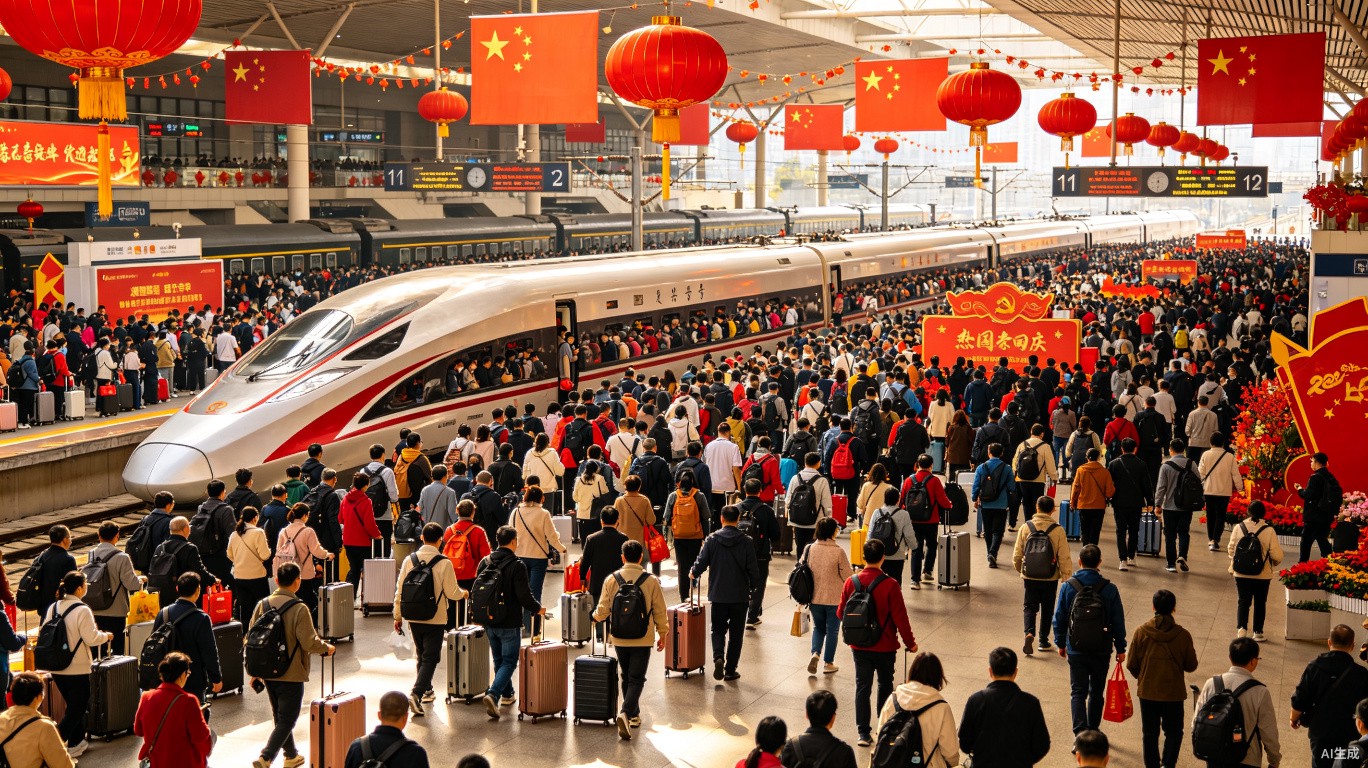
China Golden Week Travel Survival Guide
How to survive China's National Day Golden Week (October 1-7) - what to avoid, where to go, and how to beat the crowds.
9 min read

China Group Tours vs Independent Travel Which is Better
Should you join a guided tour or travel independently in China? Honest comparison of cost, flexibility, and experience.
7 min read
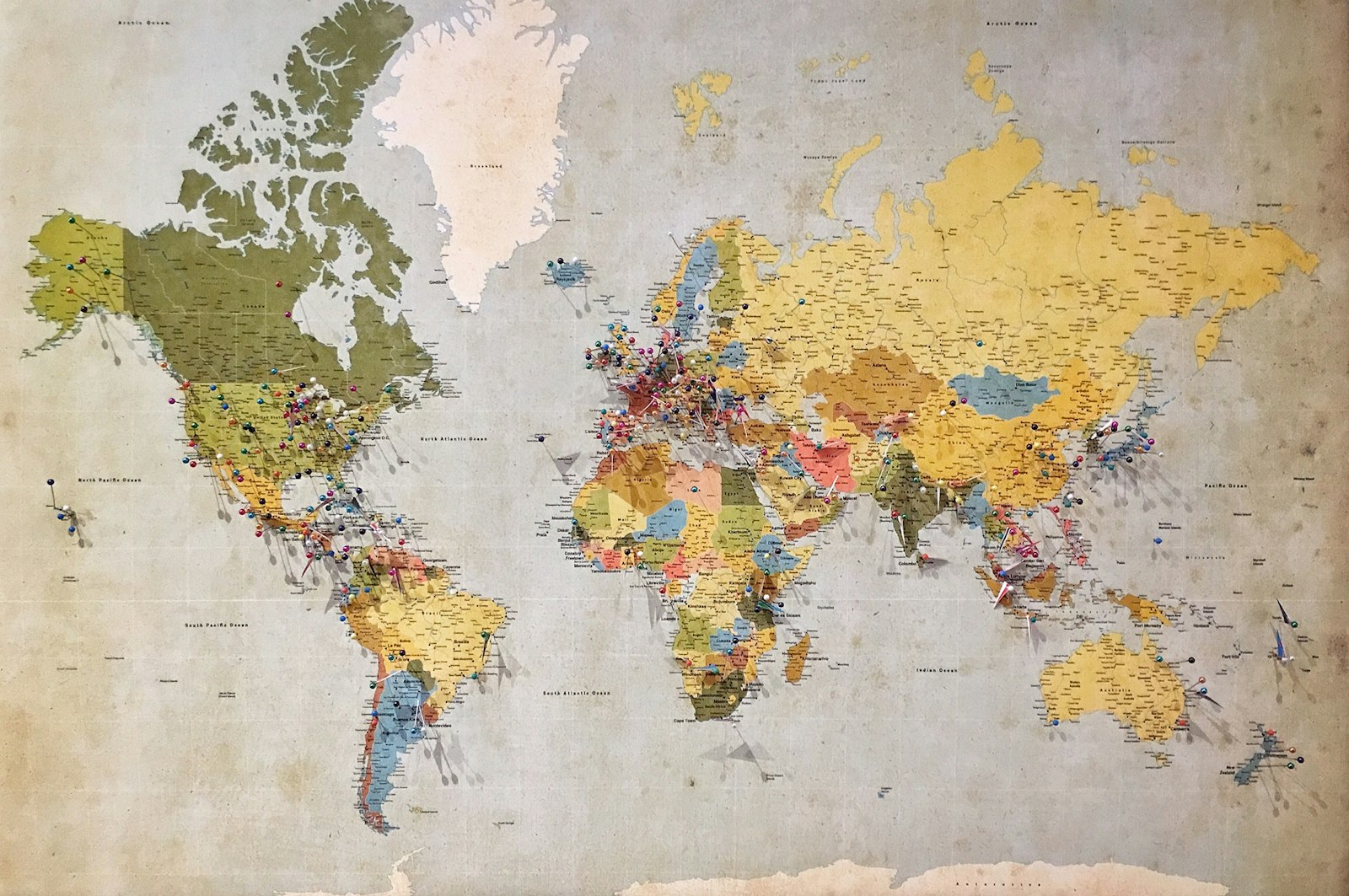
China Itinerary Planning: 7-Day 14-Day and 21-Day Routes: The Complete 2026 G...
Not sure how many days to spend in China? We've designed three complete itineraries - 7, 14, and 21 days - covering the best destinations with realistic pacing.
9 min read