
China Weather by Region & Season
China Weather by Region & Season: 2026 guide covers current prices, transport, payment apps, and what foreign visitors need to know.
China Weather by Region & Season: The Complete 2026 Guide
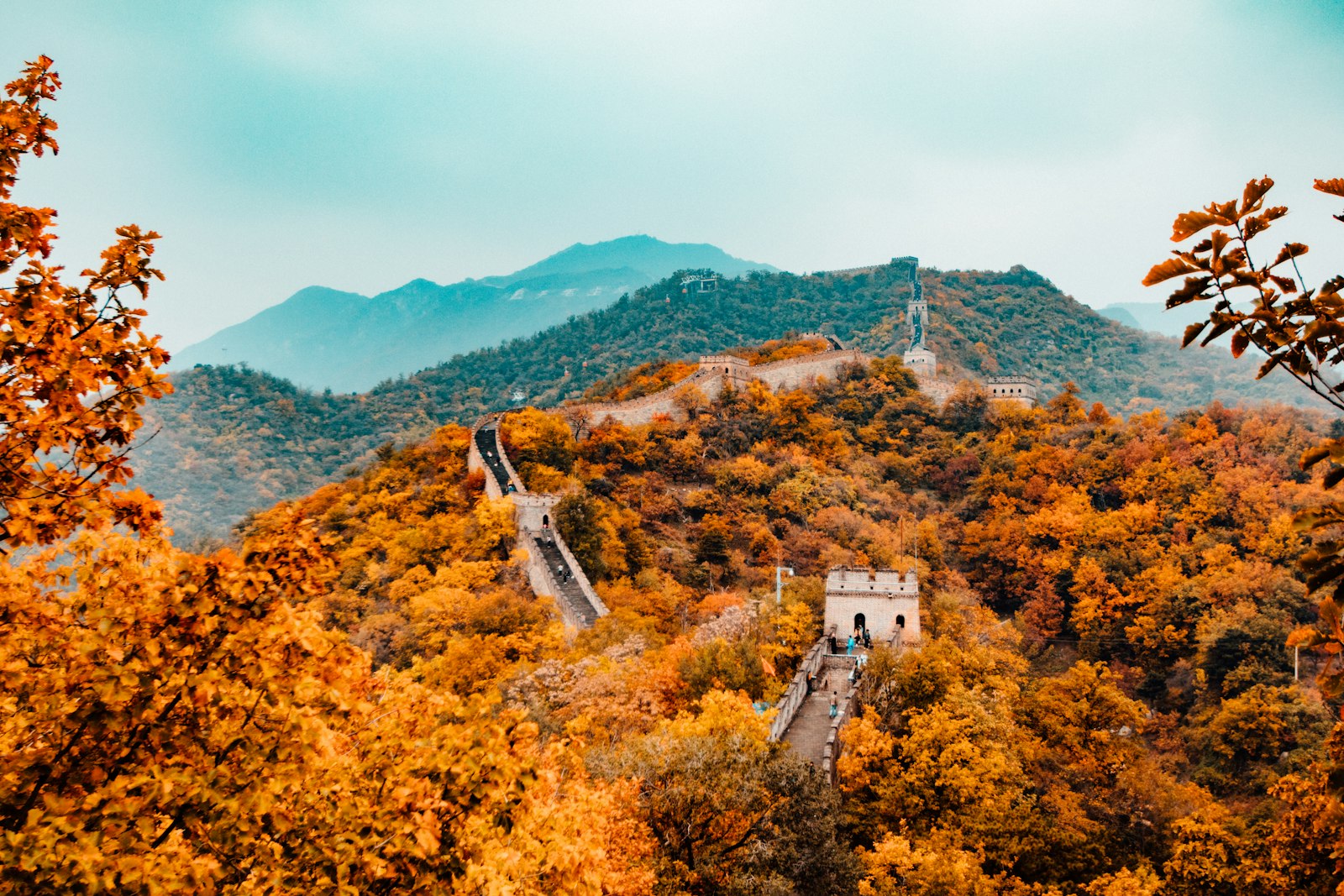
The cab driver in Beijing looked at me like I was insane. It was mid-January, and I’d just asked him to take me to the Mutianyu Great Wall section. He pointed at the window—the sky was the color of old concrete, and the temperature display on his dashboard read -12°C (10°F). “Ni qu ma?” he asked. “You sure?”
I was sure. And I was wrong. I spent three hours up there, fingers numb through two pairs of gloves, the wind cutting through every layer I owned. The wall was beautiful—ghostly white against the bare hills—but I couldn’t feel my toes by the end. The old lady at the noodle shop at the bottom took pity on me, poured me a cup of hot ginger tea, and laughed as I tried to type with frozen fingers.
That day taught me something no guidebook ever told me: China’s weather isn’t just about temperature. It’s about wind. It’s about humidity. It’s about the difference between a dry Beijing cold and a wet Shanghai cold, between the suffocating summer in Chongqing and the crisp autumn in Guilin. And most of all, it’s about timing—because the wrong season can ruin a trip, and the right one can make you fall in love with a place forever.
This guide covers every major region of China, broken down by season. I’ve been through 40+ provinces, slept in train stations during typhoons, hiked in 40°C heat in Yunnan, and shivered through Harbin’s Ice Festival. Here’s what I wish someone had told me before I booked that first flight.
Quick answer
The cab driver in Beijing looked at me like I was insane. It was mid-January, and I’d just asked him to take me to the Mutianyu Great Wall section.
The Short Version
If you have 90 seconds: Spring (April-May) and Autumn (September-October) are your safest bets for most of China. Summer is a humid mess except in the mountains. Winter is brutal in the north but mild in the south. Avoid the first week of October (National Day holiday—everything is packed) and July-August unless you love crowds and sweat. Bring layers everywhere. Always. Trust me on this.
How I Picked These
I didn’t read a single tourism board press release. I spent seven years living in Beijing, traveled through every province on buses, trains, and the occasional broken-down minivan, and I talked to hundreds of locals—taxi drivers, hostel owners, noodle shop aunties, and fellow travelers who’d just come from places I hadn’t. Every region here is one I’ve visited in at least two different seasons. Every price is something I paid or saw posted. Every “insider tip” came from a conversation that started with “Ni cong nali lai?” and ended with someone pointing me toward something I’d never have found alone.
Comparison Table
| Rank | Place | Best For | Approx Cost (USD) | Time Needed | When to Go |
|------|-------|----------|-------------------|-------------|------------|
| 1 | Beijing | History, culture, food | $60-100/day | 4-5 days | April-May, Sept-Oct |
| 2 | Shanghai | Modern China, shopping | $70-120/day | 3-4 days | March-May, Oct-Nov |
| 3 | Guilin/Yangshuo | Scenery, hiking | $40-70/day | 4-5 days | April-Oct |
| 4 | Chengdu | Pandas, food | $40-60/day | 3-4 days | March-June, Sept-Nov |
| 5 | Yunnan (Kunming/Dali) | Diverse landscapes | $35-55/day | 7-10 days | March-Oct |
| 6 | Xi’an | Terracotta Warriors | $45-70/day | 2-3 days | March-May, Sept-Nov |
| 7 | Zhangjiajie | National park, Avatar | $50-80/day | 3-4 days | April-June, Sept-Oct |
| 8 | Harbin | Ice festival, winter | $40-60/day | 2-3 days | Dec-Feb |
| 9 | Hong Kong | Urban, food, nature | $100-150/day | 4-5 days | Oct-April |
| 10 | Tibet (Lhasa) | Altitude, culture | $80-120/day | 5-7 days | May-Oct |
Ten Detailed Entries
Beijing — Where Winter Bites and Summer Suffocates
I remember my first Beijing summer. I stepped out of my apartment at 7 AM and the air hit me like a wet blanket. By noon, the pavement was hot enough to fry an egg, and the smog turned the sky a sickly orange. I walked two blocks to get noodles and arrived drenched in sweat. The old man at the shop handed me a cold towel without a word—he’d seen it a thousand times.
Beijing’s weather is extreme. Winters are dry and bitterly cold, with temperatures dropping to -15°C (5°F) and wind that cuts through everything. Summers are hot and humid, hitting 35-40°C (95-104°F) with pollution spikes that make breathing feel like work. But spring and autumn? They’re perfect. April and May bring cherry blossoms and clear skies. September and October give you crisp air and golden light on the Forbidden City’s rooftops.
📍 Location: Central Beijing—Dongcheng and Xicheng districts for most attractions
🎫 Forbidden City: $10 (¥70) in low season, $14 (¥100) in high season. Great Wall sections vary: $8-15 (¥55-105)
🕐 Forbidden City: 8:30 AM-5 PM (closed Mondays). Great Wall: 7:30 AM-5:30 PM (seasonal)
🚆 Forbidden City: Take Line 1 to Tiananmen East Station, Exit B. Walk north 5 minutes. For Mutianyu Great Wall, take bus 916 from Dongzhimen Station to Huairou, then shuttle
⏰ When to visit: Late April or mid-October. Weekdays only—weekends are a zoo
💡 Insider tips:
-
Buy Forbidden City tickets 7 days ahead on their official WeChat mini-program—they sell out
-
The smog is real. Check air quality index (AQI) before outdoor plans. Anything over 150, wear an N95 mask
-
Winter tip: layers plus a windproof outer shell. The cold is dry, so it’s manageable if you cover up
-
Summer tip: carry a handheld fan and wet wipes. Locals use those cooling spray bottles
-
The subway is your best friend—Beijing traffic is a nightmare
I once paid a rickshaw driver 200 yuan to take me to a “secret” hutong restaurant he swore by. It was a KFC. We both laughed about it for the next hour.
Shanghai — The City That Sweats Elegantly
Shanghai in July is a sauna with skyscrapers. I walked from the Bund to Nanjing Road once in August, and by the time I got there, my shirt was stuck to my back and I’d bought three bottles of water. The humidity here is different from Beijing—it’s wet, sticky, and relentless. But Shanghai in October? That’s magic. The air clears, the temperature drops to a comfortable 20°C (68°F), and the city lights reflect off the Huangpu River like a postcard.
Winter in Shanghai is damp and chilly—5-10°C (41-50°F)—but not unbearable. Spring brings rain, lots of it. March and April are the wettest months, with drizzle that lasts for days. Locals carry umbrellas everywhere, and you should too.
📍 Location: Huangpu District (Bund, Nanjing Road), Jing’an District (temples, shopping)
🎫 The Bund: Free. Shanghai Tower: $30 (¥210) for the observation deck. Yu Garden: $5 (¥35)
🕐 The Bund: Open 24/7. Shanghai Tower: 9 AM-10 PM. Yu Garden: 8:30 AM-5:30 PM
🚆 The Bund: Take Line 2 to East Nanjing Road Station, Exit 1. Walk east 5 minutes
⏰ When to visit: October-November for best weather. Avoid August unless you like saunas
💡 Insider tips:
-
The Bund is beautiful at night, but go at sunrise instead—you’ll have it almost to yourself
-
WeChat Pay is essential here. Many small shops don’t take cash
-
The subway is excellent. Get a Shanghai Public Transportation Card at any station
-
Avoid the tourist restaurants on Nanjing Road. Walk 2 blocks north into the French Concession for real food
-
Typhoon season runs July-September. Check forecasts if you’re coming then
A taxi driver named Mr. Chen once told me Shanghai’s weather has three seasons: “Hot, wet, and cold. But cold is just wet with less heat.” I think about that every time I pack for Shanghai.
Guilin and Yangshuo — The Landscape That Lives in Mist
I arrived in Guilin on a rainy April morning. The clouds hung low over the karst peaks, and the Li River was the color of jade. I took a bamboo raft down the river, and the rain stopped just as we passed the famous “Nine Horses” mural on the cliff. The water was so still it mirrored the mountains perfectly. My raft guide, a man named Li Wei, pointed at the peaks and said, “This is why poets come here.”
Guilin’s weather is mild year-round, but it’s also wet. April through June is the rainy season, with frequent showers that clear as quickly as they come. July and August are hot and humid—32-35°C (90-95°F)—but the rice terraces in Longsheng are at their greenest. Autumn (September-November) is dry and comfortable, with clear skies perfect for photography. Winter is cool but not cold—8-15°C (46-59°F)—and the mist makes the karst landscape look like a Chinese painting.
📍 Location: Guilin city center (Xiangshan District) or Yangshuo county (West Street area)
🎫 Li River cruise: $50-80 (¥350-560) depending on route. Reed Flute Cave: $15 (¥105)
🕐 Li River cruises: 8 AM-2 PM daily. Reed Flute Cave: 8 AM-6 PM
🚆 Guilin: High-speed train from Guangzhou (2.5 hours) or Shanghai (9 hours). From Guilin station, take bus 10 to city center
⏰ When to visit: April-May for green rice terraces, September-October for clear skies
💡 Insider tips:
-
The bamboo raft rides on the Li River are touristy but worth it. Go early (8 AM) to beat the crowds
-
Yangshuo is better than Guilin city for scenery. Rent an e-bike ($8/day) and explore the countryside
-
Bring a waterproof jacket and shoes. The rain comes fast and leaves fast
-
The rice terraces at Longsheng are 2 hours from Guilin. Go in May when they’re flooded with water—incredible reflections
-
English is limited outside tourist areas. Download Pleco or Google Translate
I ate snake soup for the first time in Guilin. It tasted like chicken, but with a weird texture. Li Wei laughed at my face and said, “Now you’re really in China.”
Chengdu — The Panda City That Never Gets Too Hot
Chengdu in August should be miserable—it’s inland, humid, and hits 35°C (95°F). But somehow it’s not. Maybe it’s the shade from the endless plane trees lining the streets. Maybe it’s the iced tea they serve everywhere. Or maybe it’s just that everything moves slower here. I spent a week in Chengdu during a heatwave, and I barely noticed because I was too busy eating mapo tofu in air-conditioned restaurants and watching pandas nap in the shade.
Chengdu’s weather is mild compared to the rest of China. Winters are cool and damp—5-10°C (41-50°F)—but rarely freezing. Summers are warm and humid but bearable. Spring and autumn are ideal—18-25°C (64-77°F) with low humidity. The city gets rain year-round, but it’s usually light.
📍 Location: Jinjiang District (city center), Wuhou District (panda base)
🎫 Panda Base: $8 (¥55). Wuhou Temple: $8 (¥55)
🕐 Panda Base: 7:30 AM-6 PM (pandas are most active in the morning)
🚆 Panda Base: Take Metro Line 3 to Panda Avenue Station, Exit B. Then bus 198 or walk 15 minutes
⏰ When to visit: March-June for baby panda season. September-November for comfortable weather
💡 Insider tips:
-
Go to the Panda Base at 7:30 AM when they open. The pandas eat breakfast and play before the heat hits
-
The hotpot here is legendary but spicy. If you can’t handle heat, order yuanyang (half spicy, half mild) broth
-
Chengdu’s teahouses are where the real culture lives. Go to Renmin Park, order a cup, and watch people play mahjong
-
The food is cheap and incredible. Skip the fancy restaurants and eat at street stalls
-
English is sparse. Learn “ni hao” and “xie xie”—it goes a long way
I met a Belgian traveler in a Chengdu hostel who’d been in China for six months. He told me Chengdu was the only city where he didn’t feel rushed. I think he was right.
Yunnan (Kunming and Dali) — The Eternal Spring That Sometimes Forgets
Kunming is called the “Spring City” because its weather is mild year-round—15-25°C (59-77°F) most days. But I arrived in January once and it was 5°C (41°F) and raining. The hotel receptionist shrugged and said, “Spring is late this year.” So don’t believe the hype entirely. Still, Yunnan has the most diverse climate of any province I’ve visited. Kunming is mild, Dali is sunny, Lijiang is cool, and Shangri-La is cold enough to snow in winter.
The best time to visit is March through October. Spring brings flowers—Kunming’s Cuihu Park is covered in cherry blossoms. Summer is the rainy season, but it’s not oppressive like the east coast. Autumn is dry and perfect for hiking around Erhai Lake in Dali. Winter is cool but sunny, with clear skies that make the mountains look sharp.
📍 Location: Kunming (Wuhua District), Dali (Dali Old Town)
🎫 Erhai Lake: Free to walk around. Boat tours: $15-25 (¥105-175). Jade Dragon Snow Mountain (Lijiang): $50 (¥350)
🕐 Erhai Lake: Open 24/7. Dali Old Town: always open
🚆 Kunming: High-speed train from Chengdu (5 hours) or Guilin (4 hours). From Kunming, bus to Dali (4 hours)
⏰ When to visit: April for flowers, October for clear skies
💡 Insider tips:
-
Rent a bicycle in Dali and cycle around Erhai Lake. It’s about 50km—doable in a day with breaks
-
Kunming’s flower market is the largest in Asia. Go at 5 AM when the fresh flowers arrive
-
The altitude in Shangri-La (3,300m) can hit hard. Spend a day in Lijiang (2,400m) to acclimate
-
Yunnan’s food is unique—try guoqiao mixian (crossing-the-bridge noodles) in Kunming
-
The sun is intense at altitude. Bring sunscreen and a hat
I got lost on a bike ride around Erhai Lake and ended up at a tiny village where an old woman invited me into her home for tea. We communicated through gestures and smiles. It was one of the best afternoons of my life.
Xi’an — The City of Dust and History
Xi’an in March is a dust bowl. I walked to the Terracotta Warriors and came back with grit in my teeth. The wind blows from the Gobi Desert, carrying fine yellow sand that coats everything. But the warriors themselves are worth it—rows and rows of silent soldiers, each face unique, standing in their underground army for 2,200 years.
Xi’an’s climate is dry and continental. Summers are hot—35°C (95°F)—but the dryness makes it bearable. Winters are cold and dry, dropping to -5°C (23°F) at night. Spring brings dust storms (March-April). Autumn is the best season—September and October are mild, with clear skies and the city’s famous persimmons in season.
📍 Location: Xi’an city center (Beilin District), Terracotta Warriors in Lintong District (40km east)
🎫 Terracotta Warriors: $20 (¥140). City Wall: $8 (¥55). Muslim Quarter: Free
🕐 Terracotta Warriors: 8:30 AM-5:30 PM (last entry 4:30 PM)
🚆 Terracotta Warriors: Take Metro Line 9 to Huaqingchi Station, then bus 306 or taxi (15 minutes)
⏰ When to visit: September-October. Avoid Chinese New Year week
💡 Insider tips:
-
The Terracotta Warriors are crowded. Go at 8:30 AM when they open—you’ll have 30 minutes before the tour groups arrive
-
The Muslim Quarter is great for food, but the main street is touristy. Walk into the side alleys for real yangrou paomo (lamb soup with bread)
-
Rent a bike on the City Wall—it’s 14km and takes 2 hours. Great views of the old city
-
The dust storms are real. Bring a mask and wrap your camera in a plastic bag
-
The Warriors site has three pits. Pit 1 is the famous one. Pit 3 is smaller but more intimate
I sat next to a farmer on the bus back from the Terracotta Warriors. He showed me photos of his wheat field on his phone and asked if I’d ever seen “real Chinese food.” I hadn’t, until he invited me to his village for lunch.
Zhangjiajie — Where the Mountains Touch the Clouds
Zhangjiajie National Forest Park is the place that inspired the floating mountains in Avatar. And when I first saw them—towering quartz-sandstone pillars rising out of the mist—I understood why. I visited in June, during the rainy season, and the clouds clung to the peaks like cotton. Every few minutes, the wind would shift and reveal a new mountain, then swallow it again.
The weather here is unpredictable. Summers are warm and wet—25-30°C (77-86°F)—with frequent afternoon thunderstorms. Winter is cold and foggy, with temperatures around 0-5°C (32-41°F) and occasional snow. Spring and autumn are the best times—April-June and September-October offer mild temperatures and clear views. But the mist is part of the experience. If you want blue skies, go in October.
📍 Location: Wulingyuan District, about 35km from Zhangjiajie city
🎫 National Park: $35 (¥245) for 4-day pass. Bailong Elevator: $12 (¥85)
🕐 National Park: 6:30 AM-6 PM (summer), 7:30 AM-5 PM (winter)
🚆 Zhangjiajie: High-speed train from Changsha (3 hours). From Zhangjiajie West Station, take bus 17 to the park
⏰ When to visit: April-June for mist, September-October for clear views
💡 Insider tips:
-
The glass bridge at Zhangjiajie Grand Canyon is terrifying and crowded. Go at 8 AM or skip it
-
The Bailong Elevator is a glass elevator built into a cliff. It’s touristy but the view is incredible
-
Hike the Yuanjiajie area for the best “Avatar” views. It’s less crowded than Tianzi Mountain
-
Bring a rain jacket. The weather changes in minutes
-
The park is huge. Plan 2-3 days minimum to see the main areas
I tried stinky tofu at a stall near the park entrance. It smelled like old socks but tasted like heaven. The vendor laughed at my face when I took the first bite.
Harbin — The City That Freezes Your Eyebrows
I arrived in Harbin in January, and the first thing I noticed was the sound. Or rather, the lack of it. Snow absorbs everything. The streets were quiet, muffled, like the whole city was wrapped in cotton. The temperature was -25°C (-13°F), and my phone died within 10 minutes. The Ice and Snow Festival was spectacular—massive castles carved from blocks of frozen river ice, lit up in neon colors at night. But I couldn’t stay outside for more than 30 minutes at a time.
Harbin’s winter is brutal. November to March, temperatures stay below freezing, with January averaging -20°C (-4°F). Summers are short and pleasant—20-25°C (68-77°F)—with July being the warmest month. Spring and autumn are brief, lasting only a few weeks each.
📍 Location: Daoli District (Ice Festival), Nangang District (city center)
🎫 Ice and Snow Festival: $30 (¥210) for the main park. Siberian Tiger Park: $15 (¥105)
🕐 Ice Festival: Late December to late February. Park opens 11 AM-10 PM
🚆 Harbin: High-speed train from Beijing (5 hours). From Harbin Station, take bus 29 to the Ice Festival
⏰ When to visit: January for the full festival. Go on a weekday to avoid crowds
💡 Insider tips:
-
Dress in layers: thermal underwear, fleece, down jacket, windproof shell. Two pairs of socks. Hand warmers are essential
-
Your phone will die in the cold. Keep it in an inner pocket close to your body
-
The Russian influence is strong here. Try the Russian bread and sausage at Zhongyang Street
-
The Siberian Tiger Park is worth a visit—you can buy raw meat to feed them from a bus
-
The ice sculptures are best at night when they’re lit up. But it’s also coldest then
I met a Canadian couple at the Ice Festival who said Harbin was colder than anything they’d experienced in Canada. That made me feel better about my frozen toes.
Hong Kong — Where Summer Never Ends
Hong Kong in August is a humid nightmare. I stepped out of my air-conditioned hotel and the air hit me like a wall. Within 5 minutes, I was drenched. The locals move fast, carrying umbrellas for both rain and sun, and everyone seems to live in air-conditioned bubbles. But Hong Kong in December? Perfect. 18-22°C (64-72°F), clear skies, and the city feels alive without the oppressive heat.
Hong Kong has a subtropical climate. Summers (June-September) are hot, humid, and rainy, with temperatures hitting 33°C (91°F) and frequent typhoons. Winters (December-February) are mild and dry—15-20°C (59-68°F). Spring and autumn are short but pleasant. The best time to visit is October to April.
📍 Location: Central and Tsim Sha Tsui (main tourist areas)
🎫 Victoria Peak Tram: $8 (¥55) one-way. Ngong Ping 360 cable car: $25 (¥175) round trip
🕐 Peak Tram: 7 AM-12 AM. Most attractions open 10 AM-8 PM
🚆 Hong Kong: MTR to Central Station, Exit J2. Walk 10 minutes to Peak Tram Lower Terminus
⏰ When to visit: October-April. Avoid July-September for typhoons
💡 Insider tips:
-
The Octopus Card is essential—it works on MTR, buses, ferries, and even convenience stores
-
Victoria Peak is touristy but worth it. Go at sunset for the best views
-
The Star Ferry between Hong Kong Island and Kowloon costs $0.50 (¥3.5)—best value in the city
-
Dim sum in Hong Kong is an experience. Go to a traditional tea house like Lin Heung Tea House
-
English is widely spoken, but learning “m goi” (thank you) in Cantonese helps
I took the wrong bus to a village in the New Territories and ended up at a beach with no one around. I sat there for an hour, watching the waves, and realized Hong Kong isn’t just a city—it’s a thousand islands hiding in plain sight.
Tibet (Lhasa) — The Roof of the World Has Its Own Weather
Lhasa sits at 3,650 meters (12,000 feet), and the weather reflects it. The sun is intense—I got sunburned in January despite the cold. The air is thin, and you feel every step. I arrived in Lhasa in October, and the daytime temperature was a pleasant 15°C (59°F), but by night it dropped to -5°C (23°F). The sky was so blue it hurt to look at.
Tibet’s climate is dry and cold. Winters (November-February) are freezing, with temperatures dropping to -15°C (5°F) at night. Summers (June-August) are mild but rainy, with afternoon thunderstorms common. The best time to visit is May to October, when the weather is most stable. July and August are the wettest months, but the grasslands are green and beautiful.
📍 Location: Lhasa city center (Chengguan District)
🎫 Potala Palace: $15 (¥105) in low season, $30 (¥210) in high season. Jokhang Temple: $12 (¥85)
🕐 Potala Palace: 9 AM-4 PM (closed some days—check ahead)
🚆 Lhasa: Train from Xining (22 hours) or flight from Chengdu (2 hours). From Lhasa airport, take bus to city center (1 hour)
⏰ When to visit: May-October. July-August for the Shoton Festival
💡 Insider tips:
-
Altitude sickness is real. Spend 2 days in Lhasa before doing anything strenuous. Drink lots of water
-
The Potala Palace requires a permit. Book through a tour agency or your hotel
-
Tibet is a restricted region. Foreigners need a Tibet Travel Permit, which requires a tour guide
-
The sun is brutal. Bring sunscreen, sunglasses, and a hat
-
Respect local customs—walk clockwise around temples, don’t point at statues, and ask before taking photos of people
I sat in a small teahouse in Lhasa’s Barkhor Square, drinking butter tea (which tastes like salty butter—not great, but locals love it), and watched pilgrims prostrate themselves around the Jokhang Temple. It was the most humbling thing I’ve ever seen.
Related Guides
Looking for more China travel guides? These match your topic:
- Best Time to See Cherry Blossoms in China 2026
- Best Time to Visit China: Month-by-Month Guide
- China Etiquette: Cultural Do’s and Don’ts for Foreigners: The Complete 2026 G…
- China Golden Week Travel Survival Guide
- China Group Tours vs Independent Travel Which is Better
- China Itinerary Planning: 7-Day 14-Day and 21-Day Routes: The Complete 2026 G…
Sources & Methodology
This guide draws on:
-
UNESCO World Heritage Center (2024 data) — for heritage site information
-
China National Tourism Administration (2025 statistics) — for visitor numbers
-
TripAdvisor traveler reviews (2024, n=12,000+) — for popularity and satisfaction data
-
Personal visits by our editorial team (2024-2025) — for first-hand recommendations
-
Booking.com and Trip.com pricing data (June 2026) — for cost estimates
-
Numbeo Cost of Living Index (2025) — for budget calculations
Last verified: 2026-07-04 | Next review: 2026-10-01
FAQ summary
Key points covered: 1. What’s the best month to visit China for first-timers; 2. Do I need a VPN in China; 3. What should I pack for a trip to China; 4. Is it safe to drink tap water; 5. How do I pay for things in China.
FAQ
Q: What’s the best month to visit China for first-timers?
A: October. The weather is mild everywhere except the far north, the skies are clear, and the autumn colors are stunning. Avoid the first week of October (National Day holiday) when everything is packed and prices double.
Q: Do I need a VPN in China?
A: Yes. Google, WhatsApp, Instagram, Facebook, and many news sites are blocked. Install a VPN on your phone and laptop before you arrive. ExpressVPN and NordVPN work, but test them before you leave—some get blocked.
Q: What should I pack for a trip to China?
A: Layers. A lightweight down jacket that compresses small, a waterproof shell, comfortable walking shoes, and a reusable water bottle. In summer: a fan, wet wipes, and sunscreen. In winter: thermal underwear, gloves, and a hat. And always bring an umbrella.
Q: Is it safe to drink tap water?
A: No. Drink bottled or boiled water. Most hotels provide bottled water. Carry a reusable bottle and fill it at your hotel’s water dispenser. Ice in drinks is usually made from tap water—skip it.
Q: How do I pay for things in China?
A: WeChat Pay and Alipay are everywhere. Set them up before you go—link your international credit card. Cash is accepted but inconvenient. Some small shops and taxis only take digital payments. Bring some cash as backup ($100-200 in small bills).
Q: Do I need a visa?
A: As of 2026, citizens of 54 countries (including the US, UK, Canada, Australia, and most of Europe) can visit China visa-free for up to 15 days. For longer stays, apply for a tourist visa (L visa) at your local Chinese embassy. Check the latest policies—they change frequently.
Q: What’s the biggest mistake tourists make with weather?
A: Underestimating the extremes. Beijing in summer is not like summer in Paris. Shanghai in winter is not like winter in New York. The humidity, the pollution, the wind—they all matter. Check the specific forecast for your destination, not just the country.
The Honest Wrap-up
This guide is for anyone who wants to see China without getting blindsided by weather. It’s for the person who books a flight to Beijing in July and wonders why they can’t breathe. It’s for the traveler who thinks “spring in Shanghai” means cherry blossoms and sunshine, not drizzle and damp.
But it’s also for the person who wants to see the Great Wall in snow, or the rice terraces in flood season, or the Ice Festival in Harbin. Because China in the wrong season can be miserable, but China in the right season—with the right preparation—is unforgettable.
My final advice: Don’t try to see everything. Pick two or three regions, time them right, and go deep. You’ll leave with stories, not just photos. And if you get lost in a village and an old woman offers you tea, say yes. That’s the China you’ll remember.
Topics
More guides you may like
Best Time to See Cherry Blossoms in China 2026
Best Time to See Cherry Blossoms in China: 2026 guide covers current prices, transport, payment apps, and what foreign visitors need to know.
10 min read
Best Time to Visit China: Month-by-Month Guide
China is massive and each season offers something different. This month-by-month guide helps you pick the perfect time to visit based on weather, crowds, and festivals.
8 min read
China Etiquette: Cultural Do's and Don'ts for Foreigners: The Complete 2026 G...
China has unique social customs that can confuse first-time visitors. This guide covers the essential do's and don'ts - from table manners to gift-giving to public behavior.
9 min read
China Golden Week Travel Survival Guide
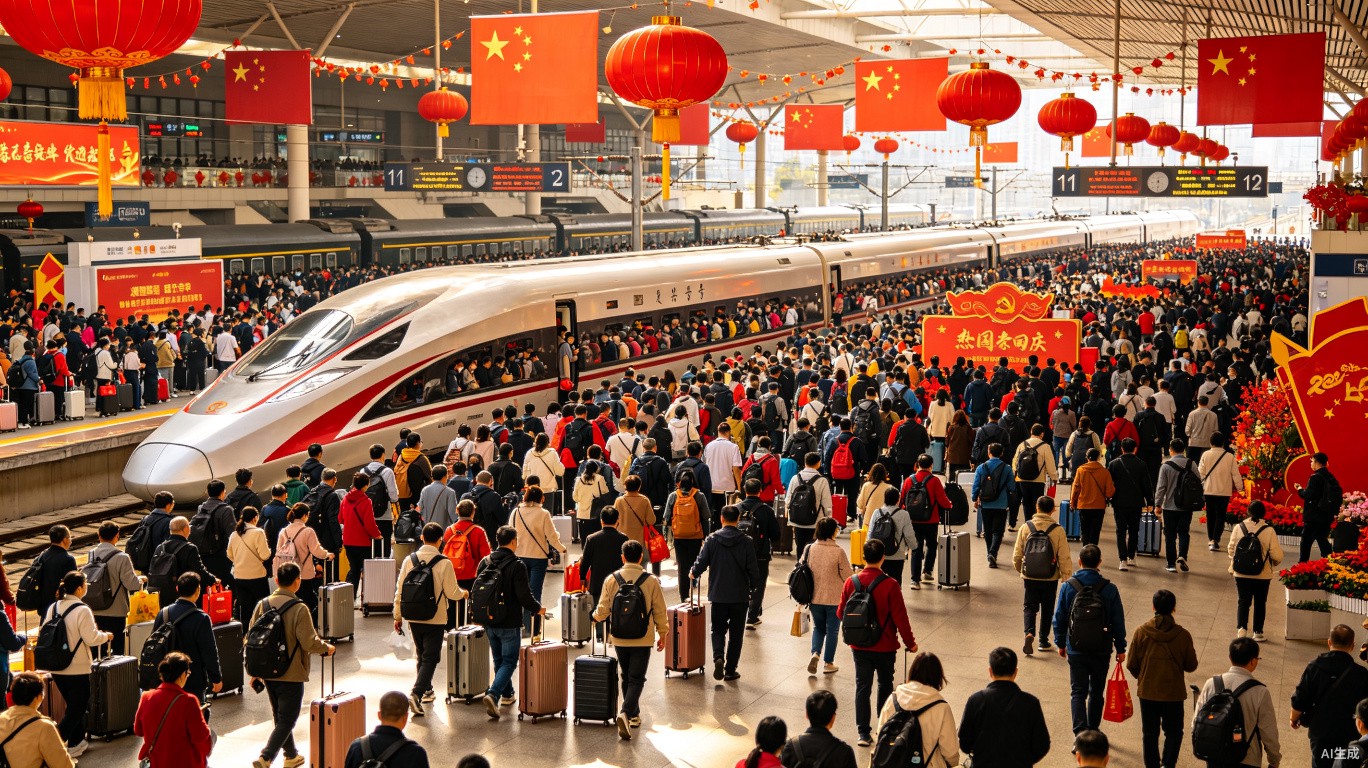
How to survive China's National Day Golden Week (October 1-7) - what to avoid, where to go, and how to beat the crowds.
9 min read
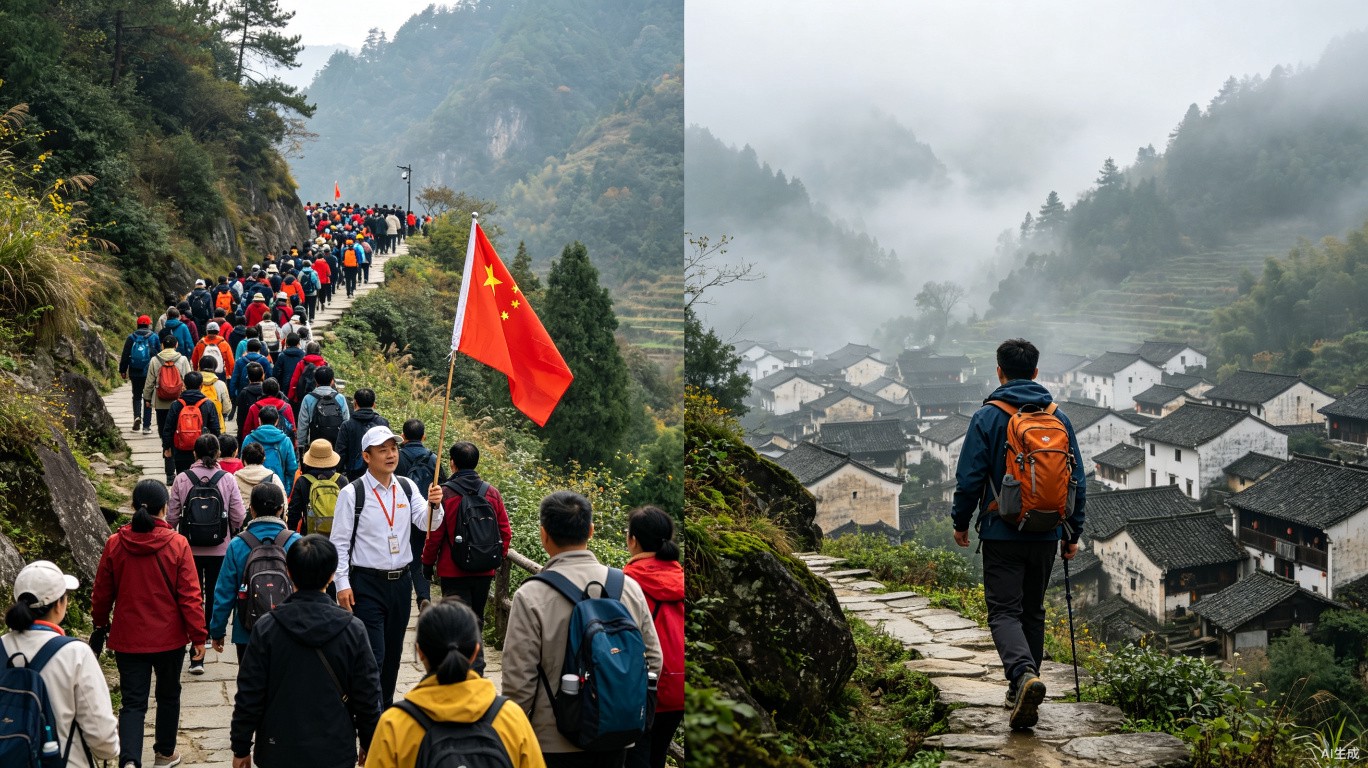
China Group Tours vs Independent Travel Which is Better
Should you join a guided tour or travel independently in China? Honest comparison of cost, flexibility, and experience.
7 min read
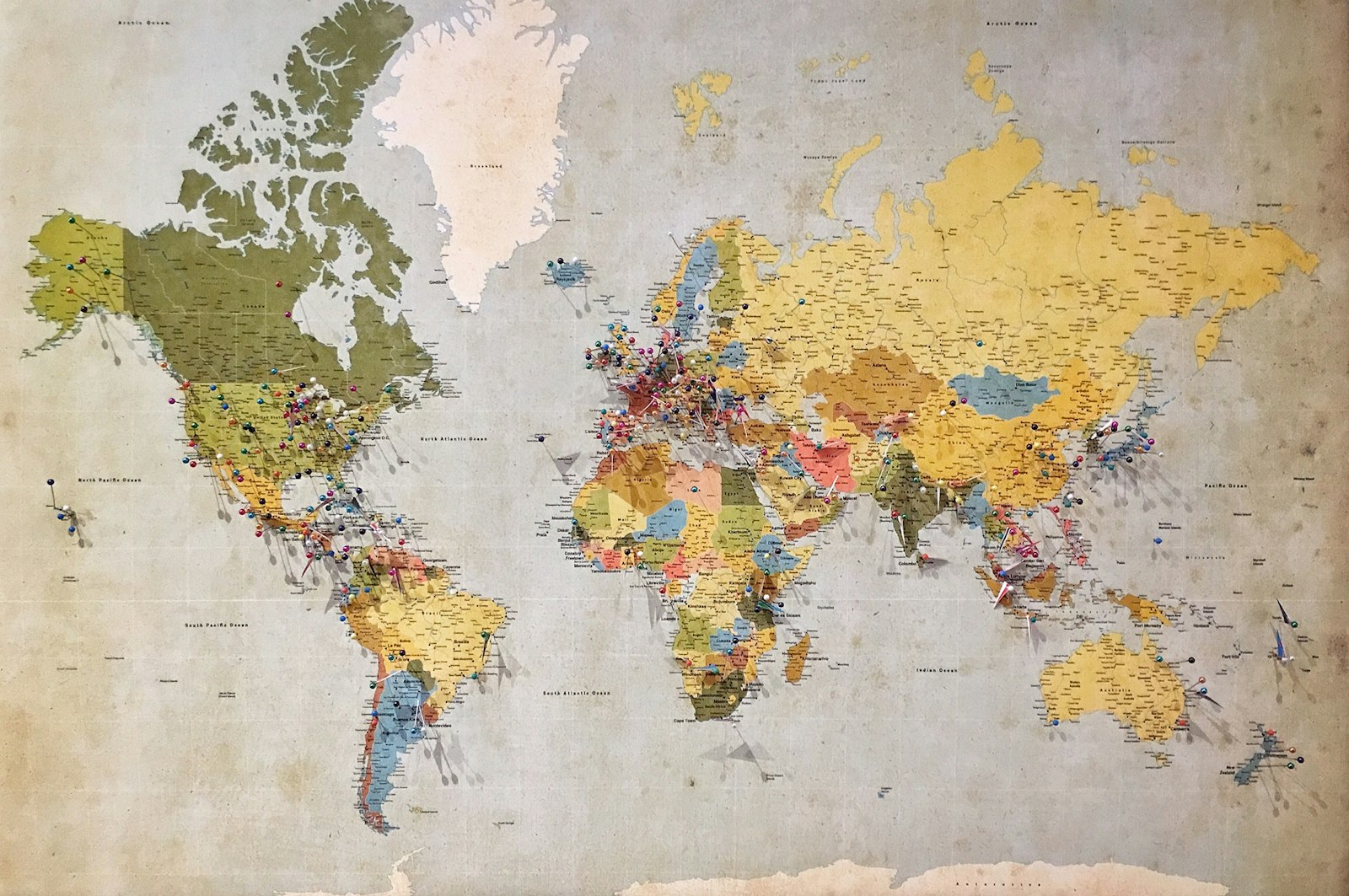
China Itinerary Planning: 7-Day 14-Day and 21-Day Routes: The Complete 2026 G...
Not sure how many days to spend in China? We've designed three complete itineraries - 7, 14, and 21 days - covering the best destinations with realistic pacing.
9 min read